Café Henrici
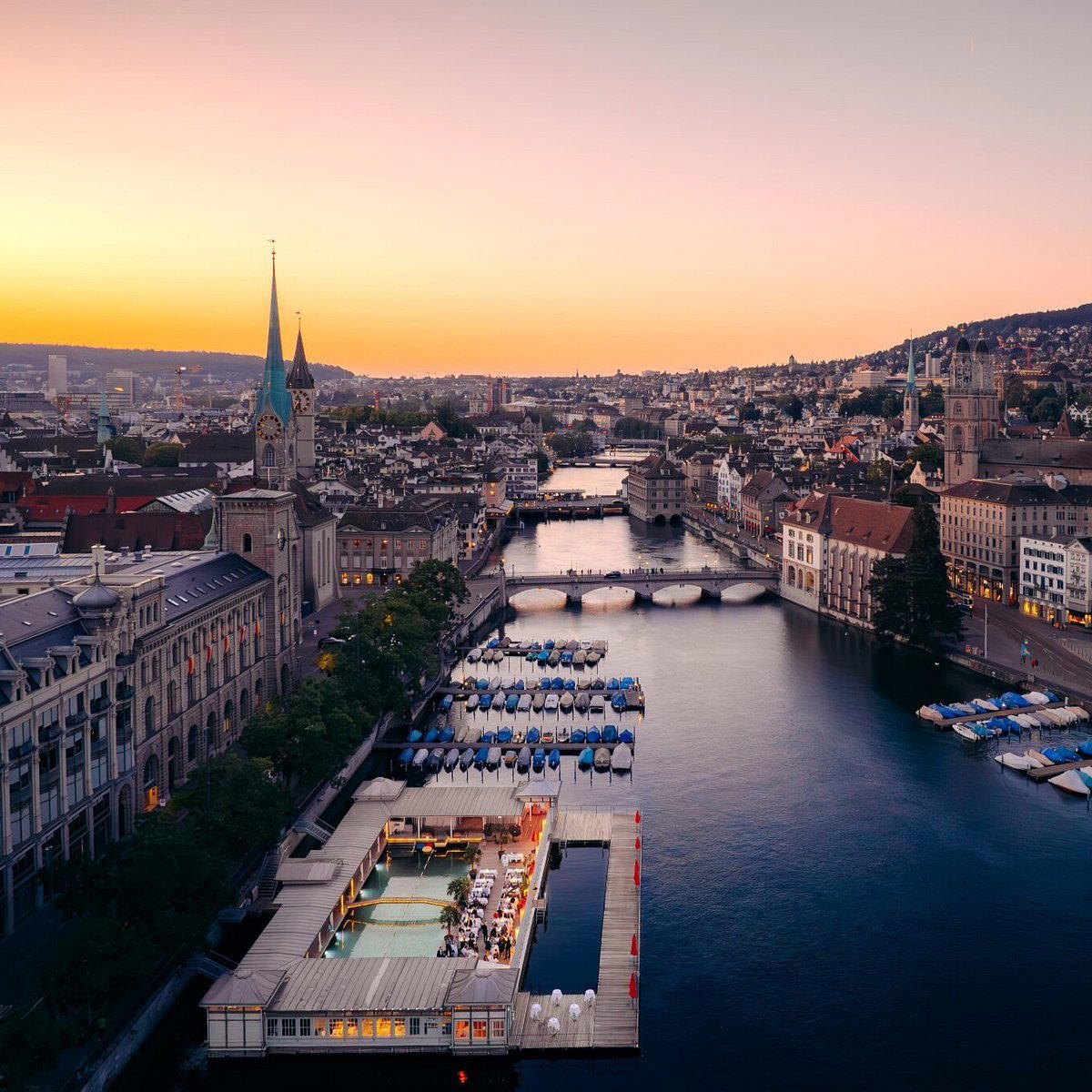
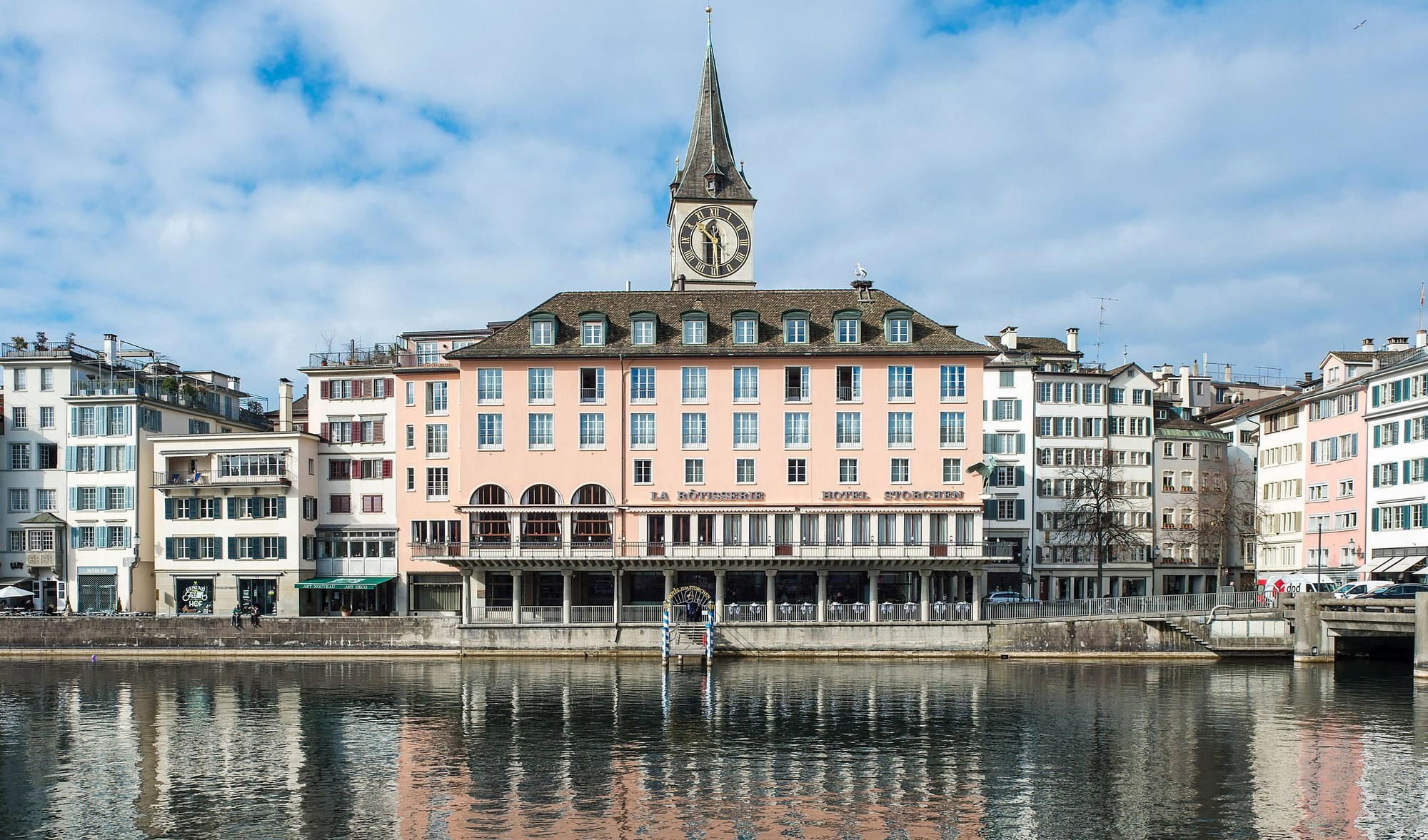
Café Henrici occupies a telling address on Niederdorfstrasse, Zurich's most-walked pedestrian artery through the Altstadt. As a fixture of the old town's café culture, it sits within a tier of traditional Swiss establishments where floor service, front-of-house character, and a long-established room carry as much weight as the kitchen. A useful reference point for visitors calibrating the city's everyday dining register against its starred competition.
Pearl is the En Primeur Club membership app — saves, bookings, and concierge access live there. Same editors, same standards.
- Address
- Niederdorfstrasse 1, 8001 Zürich, Switzerland
- Phone
- +41 44 251 54 54
- Website
- cafe-henrici.ch
 Saves & bookings on Pearl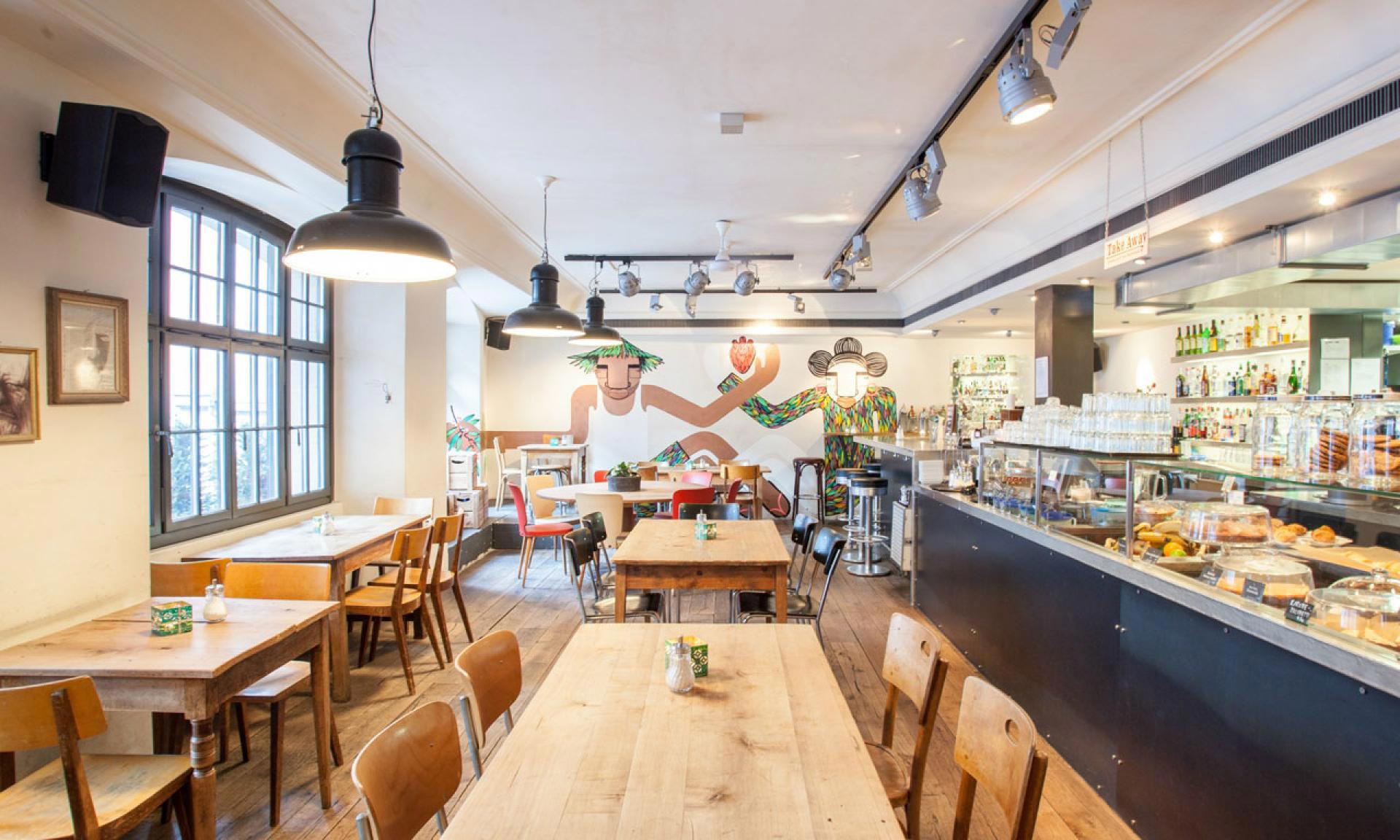
Where Niederdorfstrasse Sets the Tone
Zurich's Niederdorfstrasse runs through the Altstadt like a calibration exercise in Swiss urban dining. At its northern end, the street funnels foot traffic past bakeries and wine bars before opening into the broader Niederdorf quarter, a neighbourhood defined less by destination restaurants than by the accumulated weight of places that have been open long enough to become part of the city's social fabric. Café Henrici, at number one on this street, sits precisely at that junction point: a casual specialty coffee and Alsatian tarte flambée café at Niederdorfstrasse 1 in Zürich, where it trades more on address and regular trade than on rotating culinary ambition.
That distinction matters for how a visitor should read the city. Zurich's fine dining tier, represented by rooms like The Restaurant (Creative) and The Counter (Creative), operates under a different logic entirely, one where creative ambition and prix fixe formats compress the dining experience into controlled sequences. Henrici belongs to the older, less structured tradition: the café-restaurant where the interaction between a guest and the room unfolds at the guest's pace, not the kitchen's.
The Logic of the Traditional Swiss Café Room
In Swiss cities, the café-restaurant format carries cultural weight that it has largely lost in comparable northern European capitals. These rooms function simultaneously as neighbourhood anchors, lunch canteens for nearby workers, and evening venues for locals who want a full meal without the formality of a tasting menu. The floor service in such establishments tends to be the defining characteristic: experienced waitstaff who know the regulars, read the room efficiently, and treat hospitality as a craft built through repetition rather than performance. This is the kind of front-of-house dynamic where the collaboration between kitchen output and service delivery is less about chef-sommelier choreography and more about institutional memory distributed across the whole team.
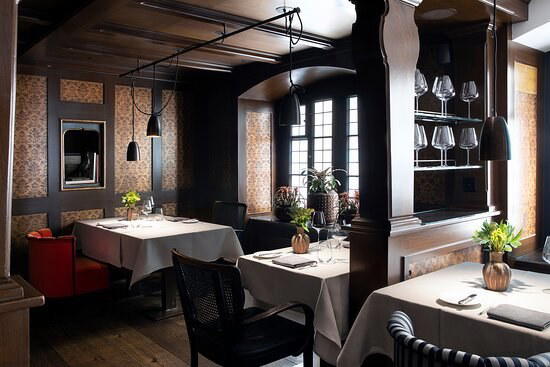
Switzerland's café tradition draws on the same central European roots as the Viennese Kaffeehaus, adapted to a German-speaking Protestant city culture that tends to prefer directness over ceremony. The physical environments that result from this tradition are usually characterised by dark wood, substantial furniture, and the kind of acoustic atmosphere that comes from a room designed for long occupancy rather than rapid turnover. Whether Café Henrici preserves those characteristics in its current form is something the address alone suggests.
Positioning Within Zurich's Dining Range
For visitors mapping Zurich's restaurant offering, the city divides roughly into three operating tiers. At the leading sit the internationally recognised rooms: IGNIV Zürich by Andreas Caminada (Sharing) represents the sharing-format evolution of Swiss fine dining, while Widder (Swiss) positions traditional Swiss cuisine within a luxury hotel context. A middle tier of ambitious modern rooms, including Eden Kitchen & Bar (Italian), offers contemporary cooking at the €€€€ price point without necessarily requiring the advanced booking discipline that the top tier demands. Below both sits the category that includes Café Henrici: established neighbourhood rooms where the value proposition is consistency and accessibility.
Switzerland's broader fine dining map, for context, extends well beyond Zurich. Schloss Schauenstein in Fürstenau and Hotel de Ville Crissier in Crissier represent the country's most acclaimed destination restaurants, operating at a distance from urban centres by design. Within city limits, Cheval Blanc by Peter Knogl in Basel and Memories in Bad Ragaz anchor the Michelin tier in their respective regions. Café Henrici operates in none of these registers, which is not a criticism, it is a clarification of where the venue sits and what a visit is likely to deliver.
Team Dynamic in the Everyday Register
The team dynamic is usually applied to dining rooms where chef, sommelier, and floor manager operate under public scrutiny with coordinated precision. In traditional café-restaurants, that same principle applies at a different frequency. The cohesion that matters in these rooms is between a floor team that knows its clientele and a kitchen running a menu calibrated to consistent demand. When that relationship works, when a long-tenured waiter can steer a first-time guest toward the dishes the kitchen executes with the most confidence, the result is a dining experience that carries genuine local credibility, regardless of formal recognition.
That floor intelligence, built over years of repeat service to the same neighbourhood, is something that cannot be replicated by newer rooms no matter how technically accomplished their kitchens are. It is also something that international comparison points like Le Bernardin in New York City or Lazy Bear in San Francisco achieve through rigorous training protocols rather than institutional time. Swiss café-restaurants like Henrici achieve it through the accumulation of ordinary service, repeated daily over years.
Planning a Visit
Niederdorfstrasse 1 is in the heart of Zurich's Altstadt and reachable on foot from the main train station (Hauptbahnhof) in under ten minutes. The Niederdorf quarter is Zurich's most walkable dining district, making Café Henrici a practical option to combine with an afternoon in the old town. For visitors building a broader Swiss itinerary, regional reference points include Einstein Gourmet in Sankt Gallen, Mammertsberg in Freidorf, focus ATELIER in Vitznau, Da Vittorio - St. Moritz in St. Moritz, Maison Wenger in Le Noirmont, and La Table du Valrose in Rougemont. For the full Zurich picture, the EP Club Zurich restaurants guide maps the city's dining range across price tiers and formats. Café Henrici's current hours and pricing should be verified directly with the venue before visiting.
Comparable Venues
Comparable venues nearby, for context on price, style, and recognition.
| Venue | Cuisine | Price | Awards | Notes |
|---|---|---|---|---|
| Café HenriciThis venue — the venue you are viewing | Specialty Coffee & Alsatian Tarte Flambée Café | $$ | , | |
| Burro Concept | Modern Streetfood Concept | $$ | , | Fluntern |
| Viadukt | Modern Swiss | $$ | , | Industriequartier |
| Kauz | Cocktail Bar & Club | $$ | , | Oberstrass |
| Primitivo | Casual Riverside Cafe | $$ | , | Unterstrass |
| Dini Mueter | Swiss Neighborhood Cafe | $$ | , | Aussersihl |
At a Glance
- Modern
- Cozy
- Lively
- Brunch
- Casual Hangout
- After Work
- Open Kitchen
- Terrace
- Craft Cocktails
- Street Scene
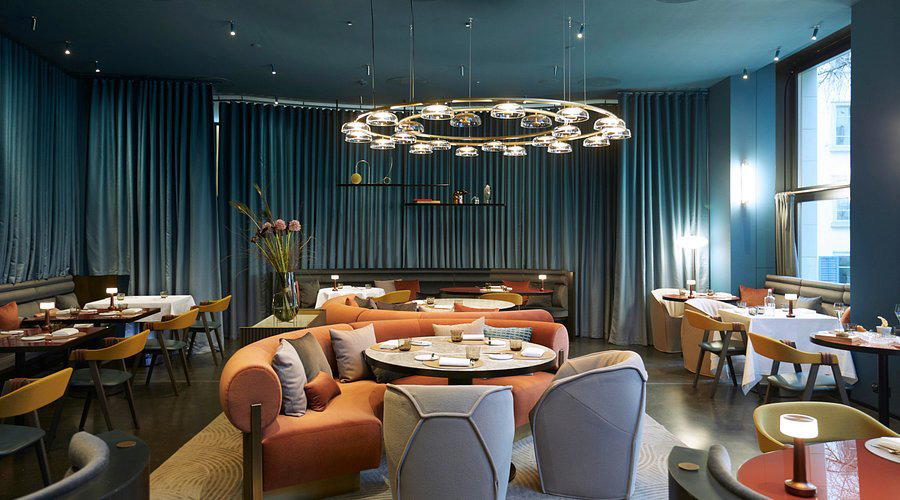
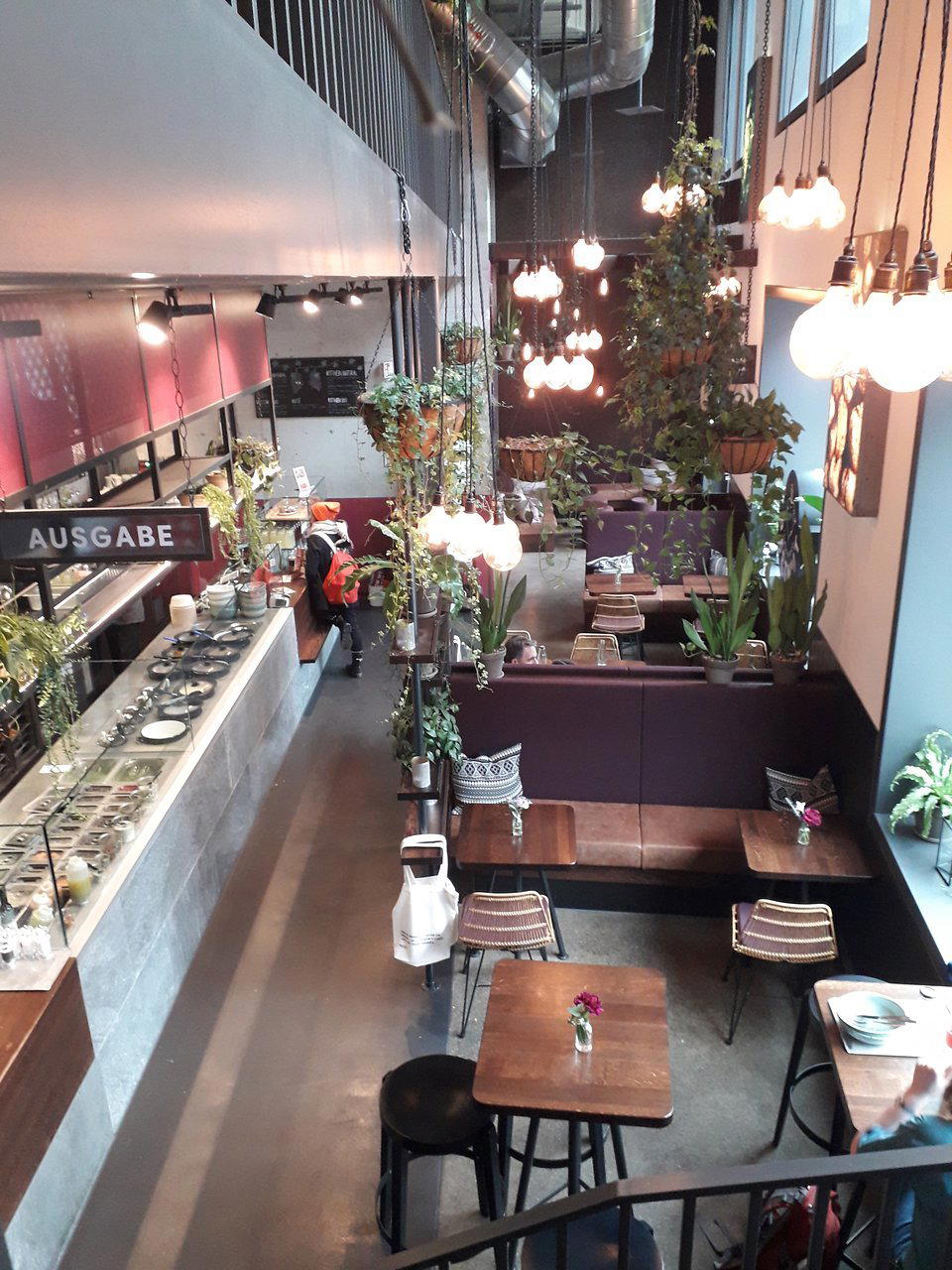
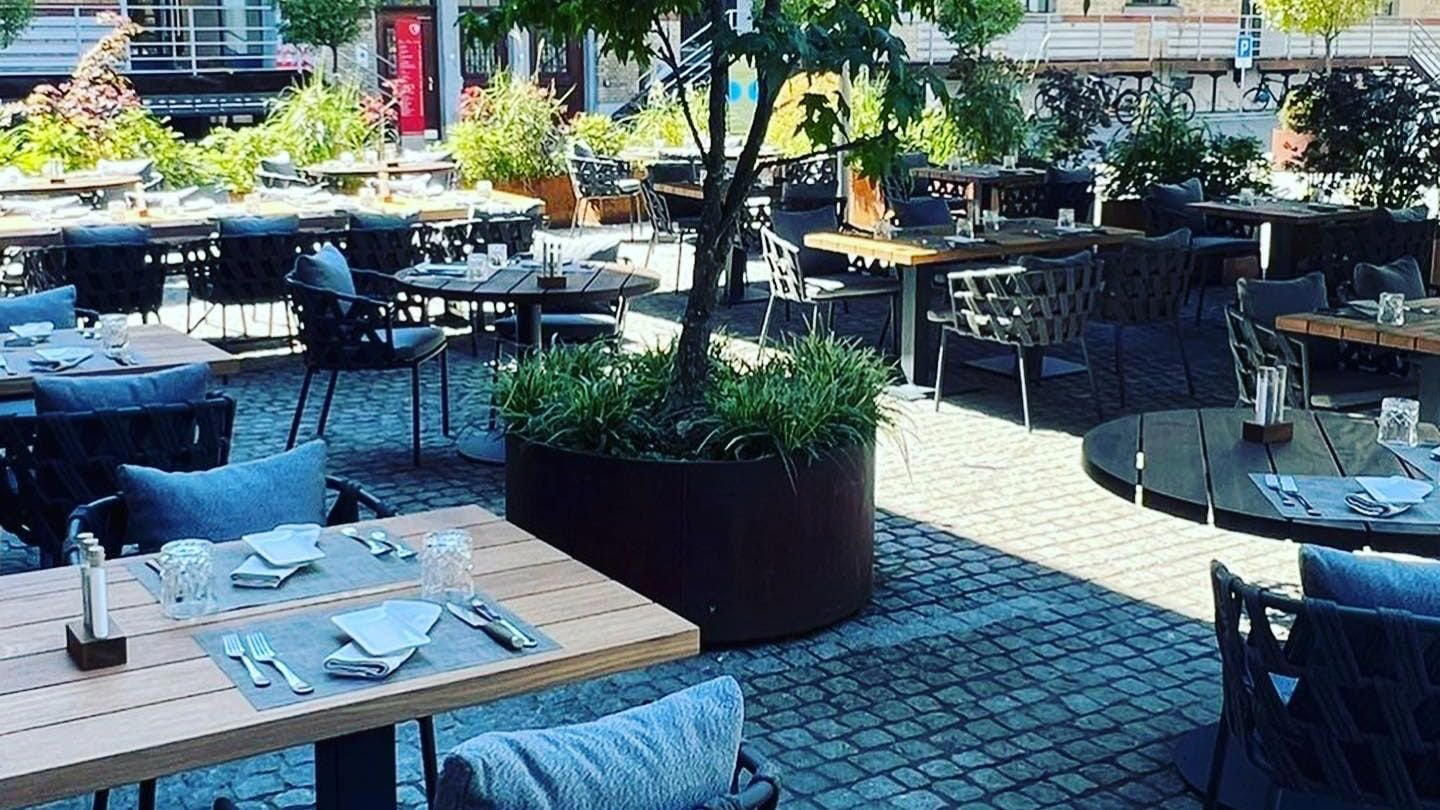
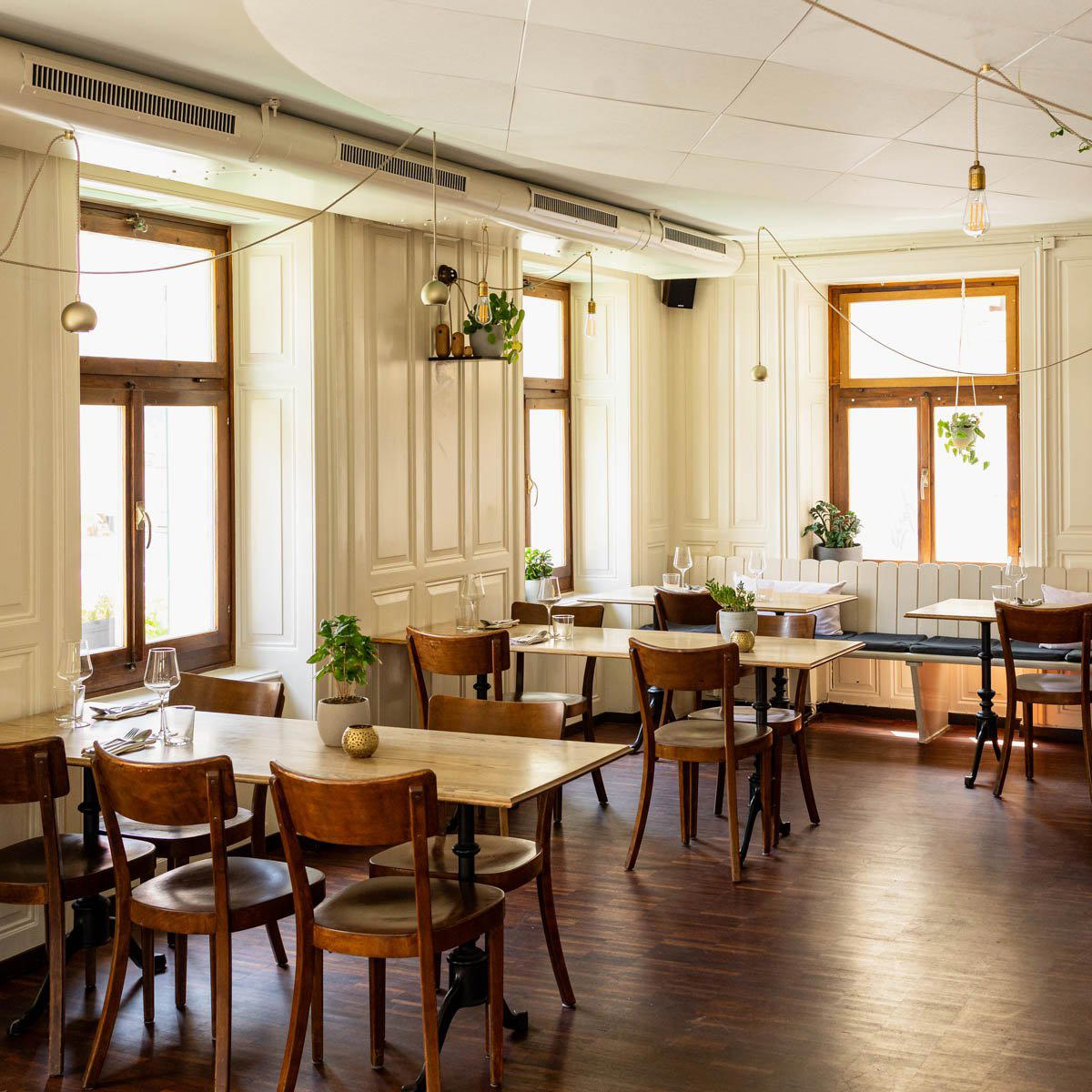
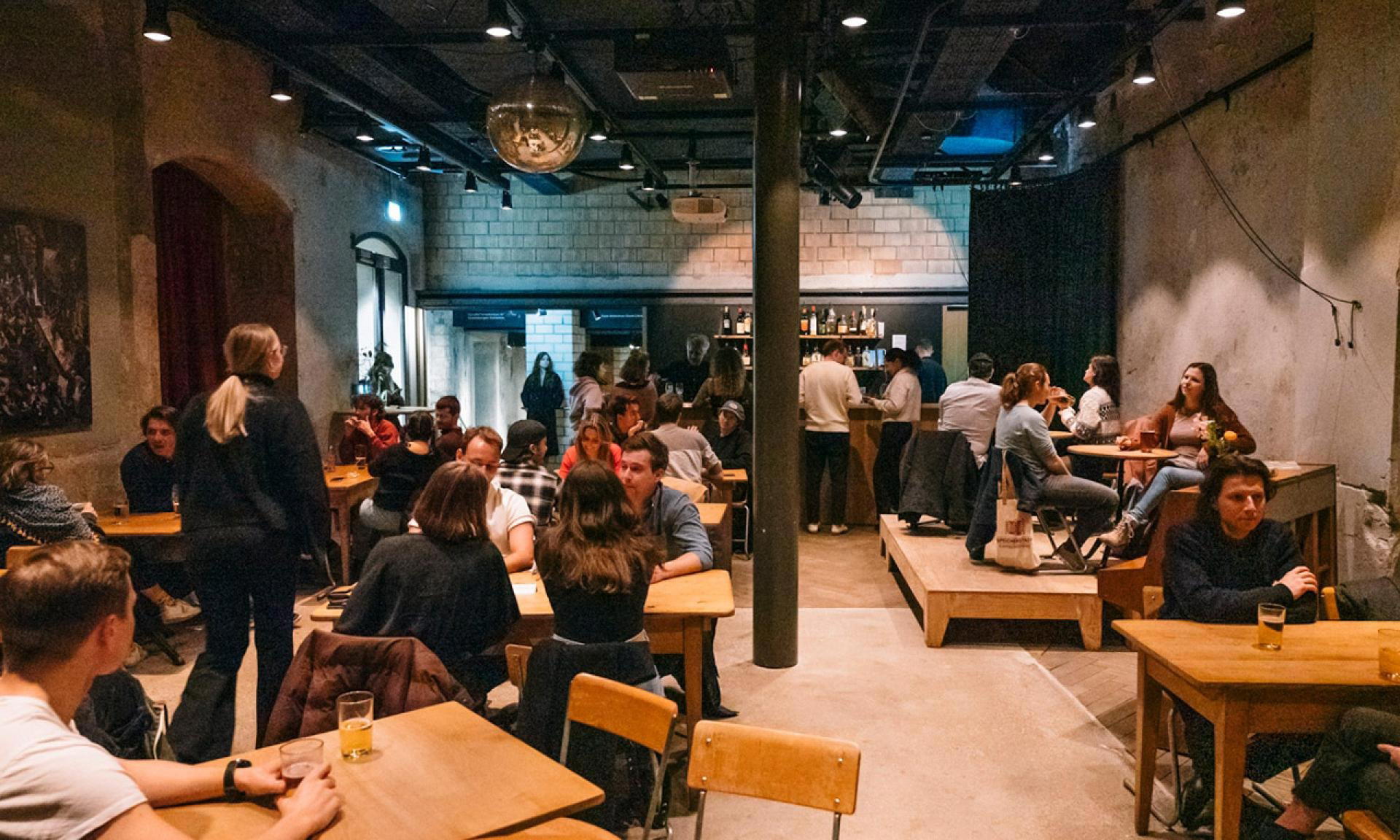
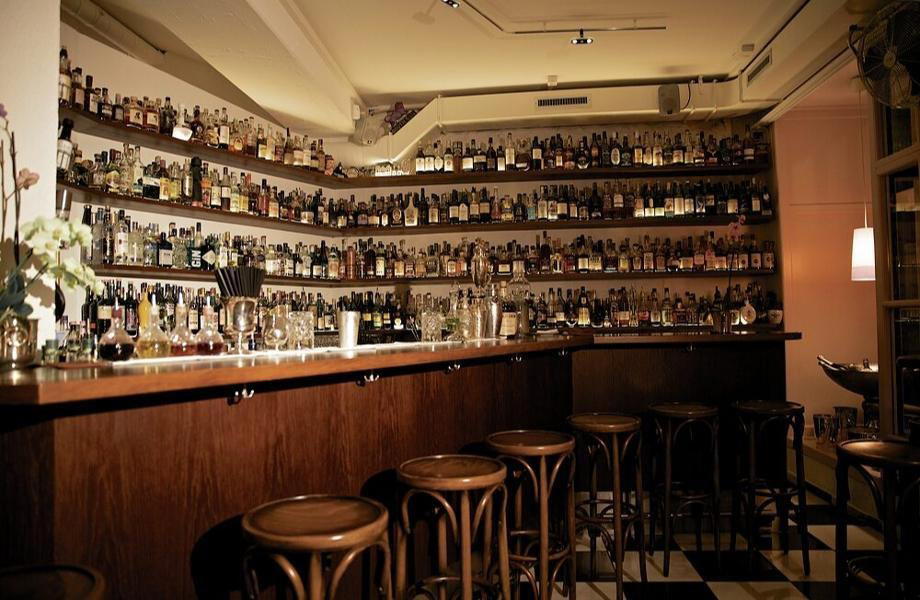
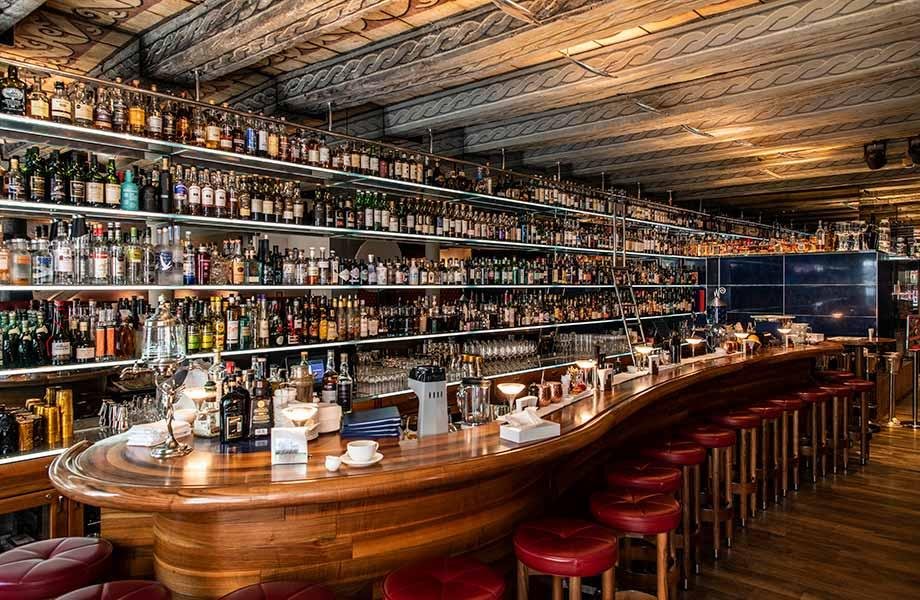
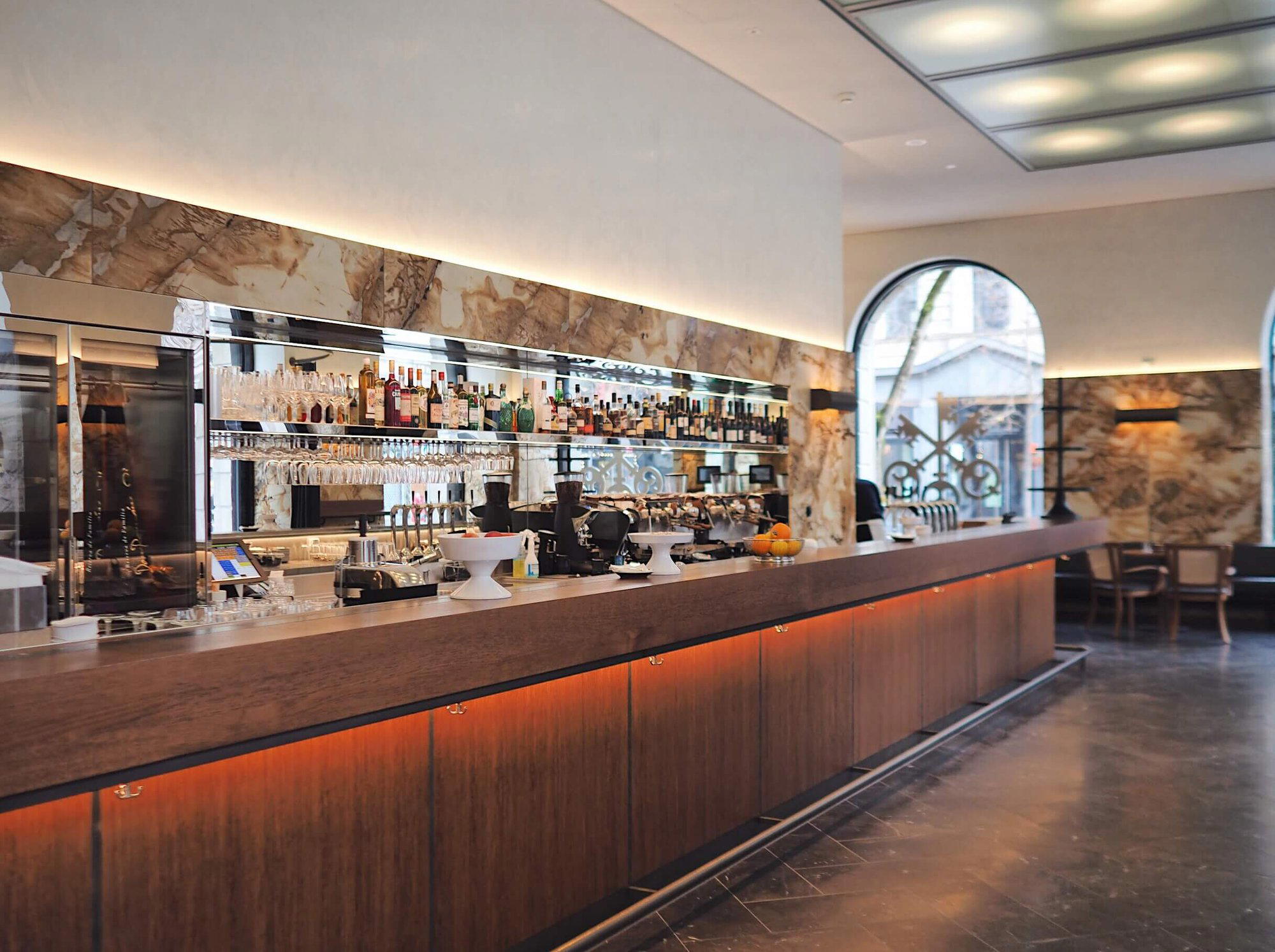
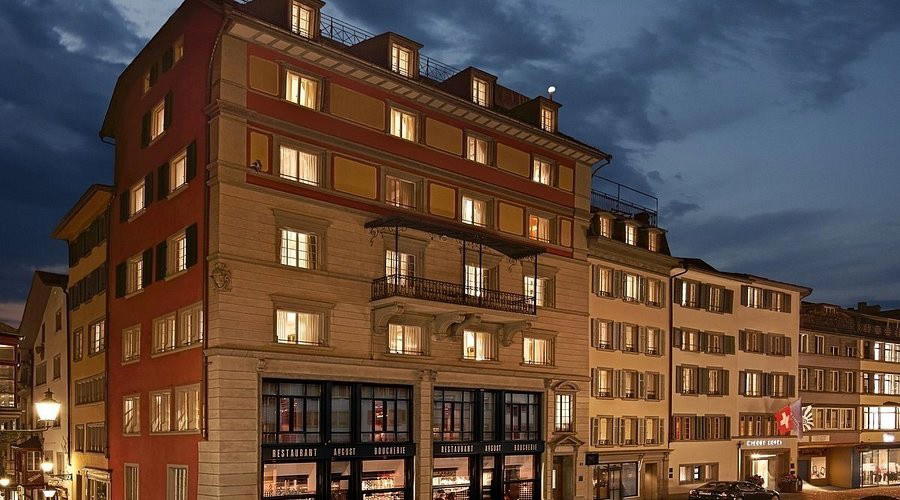
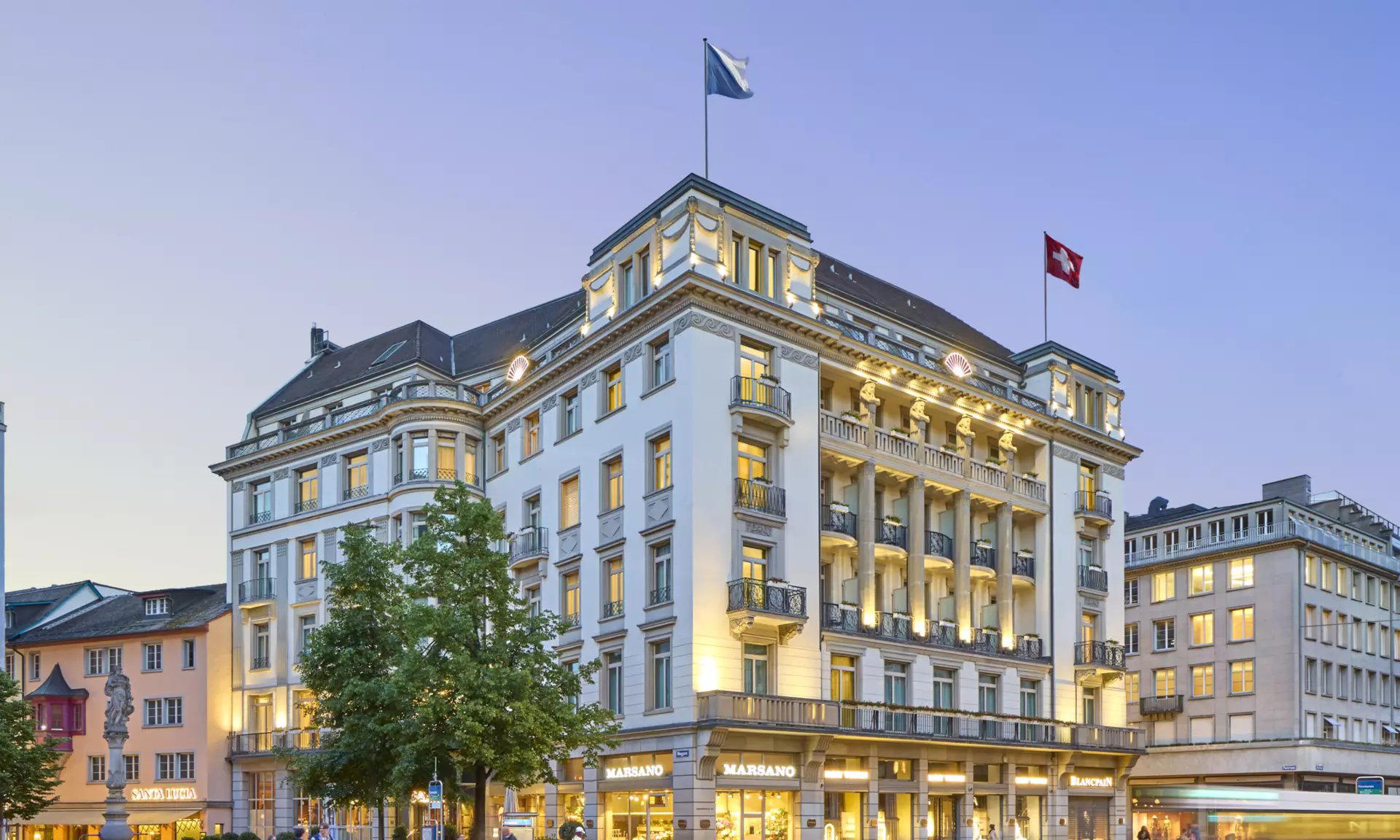
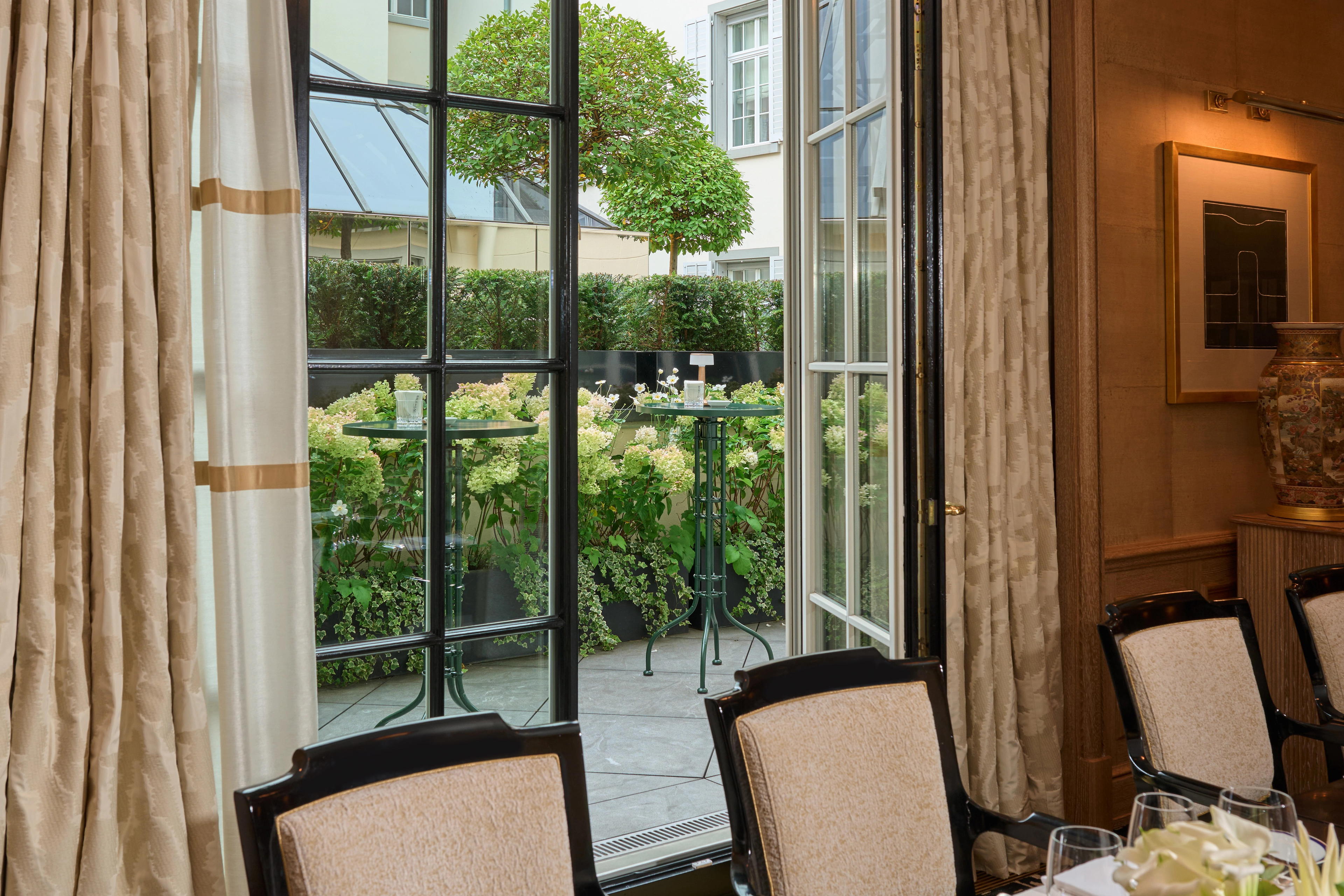
Cozy and modern interior with colorful tables, local street art on walls, and a youthful casual atmosphere contrasting the historic old town surroundings.