



Ophelia holds two Michelin stars and a La Liste score of 91 points at Seestraße 25 in Constance, making it one credentialled table on Lake Constance. Chef Dirk Hoberg works in a Creative French register that places classical rigour in tension with contemporary restraint. At the €€€€ price point, it occupies a separate tier from every other restaurant in the city.
Pearl is the En Primeur Club membership app — saves, bookings, and concierge access live there. Same editors, same standards.
- Address
- Seestraße 25, 78464 Konstanz, Germany
- Phone
- +49 7531 363090
- Website
- restaurant-ophelia.de
- Directions
- Get directions
 Saves & bookings on Pearl
Where Lake Constance Meets Two-Star Precision
Seestraße runs close enough to the water that the light off Lake Constance shifts the quality of an evening before you have even opened a menu. The address puts Ophelia at the point where the lake's wide, flat horizon meets a town more accustomed to cross-border leisure than destination fine dining. That tension between setting and ambition is part of what makes the restaurant worth understanding. Two Michelin stars and a La Liste score of 91 points signal a kitchen operating at a register well above its geography would suggest.
At the €€€€ price point, Ophelia sits in a different economic bracket from every other notable table in Constance. Brasserie Colette Tim Raue and Papageno zur Schweizer Grenze operate at €€, while Anglerstuben and RIVA hold the €€€ and €€ tiers respectively. None of them present direct competition at the technical or pricing level Ophelia occupies. Its true comparable set is regional Germany rather than local Constance: two-star houses such as Schwarzwaldstube in Baiersbronn and Vendôme in Bergisch Gladbach, or the Creative French work coming from kitchens like Gourmetrestaurant Dichter in Rottach-Egern and Stüva in Ischgl.
Classical French Technique Under Pressure
Germany's most decorated tables have largely moved past the old debate between classical French tradition and modern innovation, settling instead into a productive friction between the two. The question now is not whether a kitchen respects Escoffier or rejects him, but how precisely it calibrates the distance. Chef Dirk Hoberg works in the Creative French register, a category that implies classical sauce structures, sourcing discipline, and technical rigour while allowing the menu to move toward lighter profiles, more visible produce, and sequences that read contemporary rather than archival.
That positioning matters within the German fine dining context. Kitchens like Aqua in Wolfsburg and Restaurant Haerlin in Hamburg occupy the same broad tradition, where French grammar underpins cooking that does not feel narrowly retrospective. Others, such as CODA Dessert Dining in Berlin or ES:SENZ in Grassau, push toward more disruptive formats. Ophelia reads closer to the disciplined refinement end of that spectrum. Its OAD Classical Europe ranking is a meaningful data point here: the list specifically rewards technical execution and consistency in the French tradition rather than novelty or concept-led positioning. That ranking reinforces what the Michelin double-star implies about how the kitchen is operating.
That dual recognition is worth pausing on. La Liste and OAD draw on different methodologies and different communities of critics. When both converge on the same kitchen, the signal is stronger than either award in isolation. Among Creative French practitioners in the German-speaking region, few hold the same combination, which places Ophelia in a measurably small cohort. For comparison, JAN in Munich operates in a French-influenced register and draws a different crowd, but the Constance lakeside context gives Ophelia a physical setting that Munich's urban dining scene cannot replicate.
The Dining Experience in Context
Fine dining in southern Germany along the Swiss and Austrian borders has developed a particular character: serious cooking without the metropolitan intensity of Frankfurt or Berlin, often rooted in regional produce even when the technique is classical French. The Lake Constance area, with its access to freshwater fish, Alpine ingredients, and cross-border supply chains, gives a kitchen like Ophelia plausible sourcing range. The lake itself has historically supplied the region's tables with pike-perch and whitefish, and the proximity to Baden-Württemberg's wine country adds further logistical depth for a kitchen and wine program operating at this tier.
, though at this price point, the review sample skews toward diners who arrived with high expectations and a willingness to judge on technical grounds. That the score holds well above 4.5 suggests the kitchen's consistency reads clearly across a range of occasions. Two-star restaurants in Germany tend to attract a mix of local business dining, cross-border visitors from Switzerland and Austria, and destination diners who place the evening at the centre of a trip rather than as one stop among several. Constance's position on the Swiss border makes that cross-border traffic more plausible than at inland two-star addresses.
How Ophelia Fits Your Planning
Ophelia is located at Seestraße 25, 78464 Konstanz, placing it on the lakeside stretch of the city within easy reach of the historic centre. For visitors structuring a stay around the table, the city's hotel options span a range of tiers, though none currently combine a Michelin-calibre kitchen with in-house accommodation at this address. Constance is compact enough that the lakeside walk from the old town takes under fifteen minutes, making pre- or post-dinner movement easy. Given the €€€€ pricing and two-star format, booking well in advance is essential.
For those spending additional time in the city, the broader Constance restaurant scene ranges from the regional cooking at Anglerstuben to more casual international options. The city also has bars, wineries, and experiences worth adding around a stay. Lake Constance's seasonal rhythms mean late spring through early autumn is the period when the water-facing setting reads at its most coherent, though the kitchen's credential set suggests year-round operation at a consistent level.
Where It Fits
Comparable venues nearby, for context on price, style, and recognition.
| Venue | Cuisine | Price | Awards | Notes |
|---|---|---|---|---|
| OpheliaThis venue — the venue you are viewing | Creative French Fine Dining | $$$$ | Michelin 2 Star | Not listed |
| Papageno zur Schweizer Grenze | Modern Central European Fine Dining | $$$ | Michelin Plate | Konstanz Innenstadt |
| Brasserie Colette Tim Raue | Modern French Brasserie | $$$ | Michelin Plate | Altstadt |
| Anglerstuben | Regional German Fish Cuisine | $$$ | Michelin Plate | Reichenaustraße |
| Papageno | Classic Mediterranean Fine Dining | $$$$ | Michelin Plate | Stadt Konstanz |
| RIVA | Regional European with Mediterranean Influences | $$$ | Michelin Plate | Petershausen-Ost |
Recognition history
Dated appearances from independent guides and award organizations, with the underlying list record or original source where available.
Falstaff Restaurant - 95 Falstaff Points
Falstaff
La Liste Top Restaurants
La Liste
Michelin 2 Stars
Michelin
La Liste Top Restaurants
La Liste
Michelin 2 Stars
Michelin
Opinionated About Dining Classical in Europe Ranked #342
Opinionated About Dining
Michelin 2 Stars
Michelin
Continue exploring
More in Constance
Restaurants in Constance
Browse all →
Bars in Constance
Browse all →

Hotels in Constance
Browse all →

At a Glance
- Elegant
- Sophisticated
- Romantic
- Intimate
- Date Night
- Special Occasion
- Waterfront
- Open Kitchen
- Chefs Counter
- Terrace
- Hotel Restaurant
- Extensive Wine List
- Sommelier Led
- Local Sourcing
- Waterfront
Current opening hours
- Monday
- Closed
- Tuesday
- Closed
- Wednesday
- Closed
- Thursday
- 7–7:30 PM
- Friday
- 7–7:30 PM
- Saturday
- 7–7:30 PM
- Sunday
- 7–7:30 PM
Hours can change for holidays and private events. Last verified .
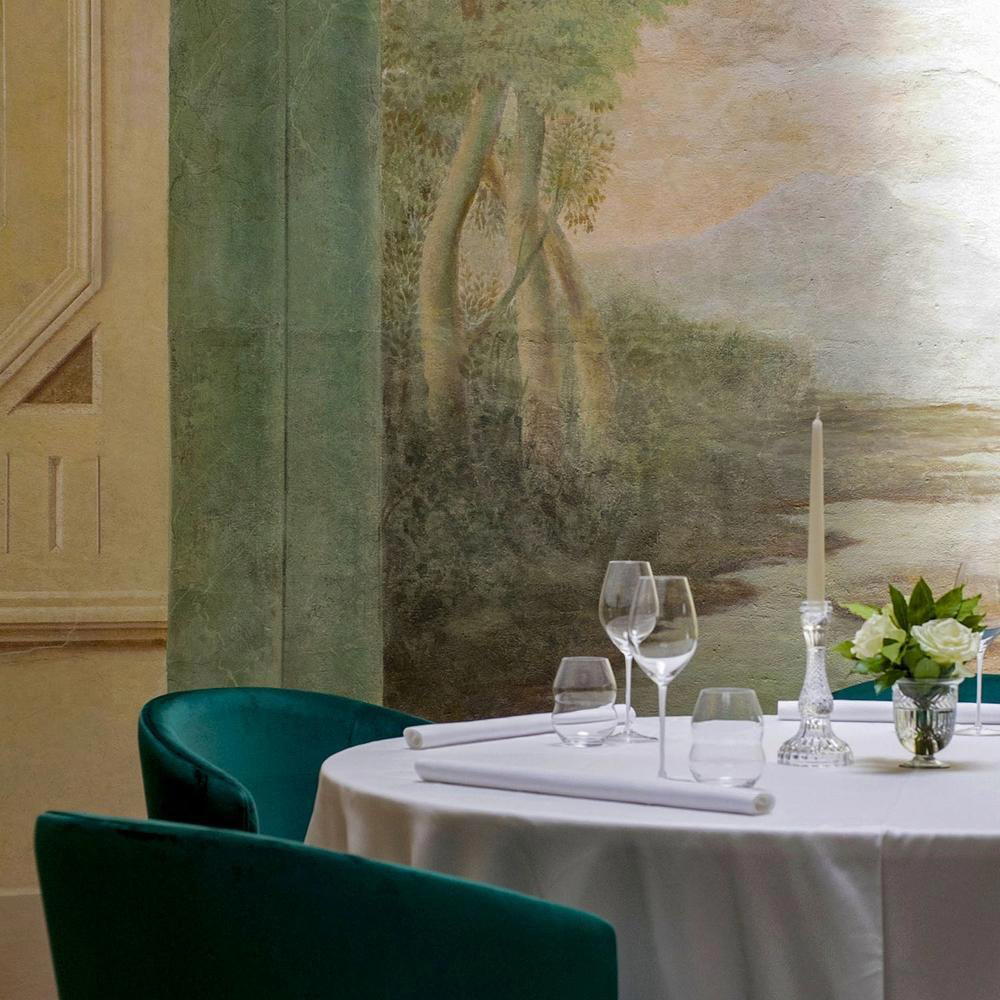
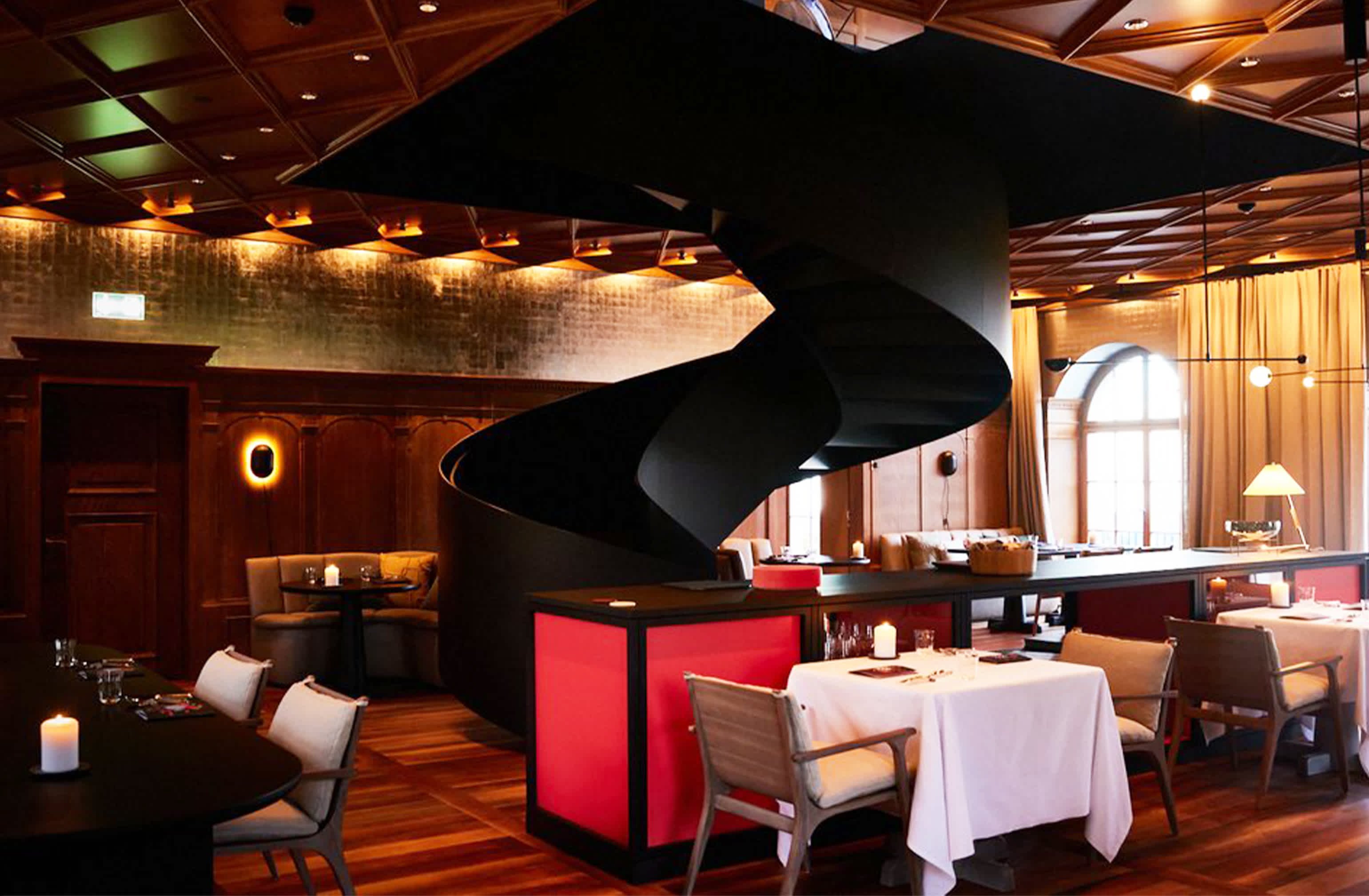
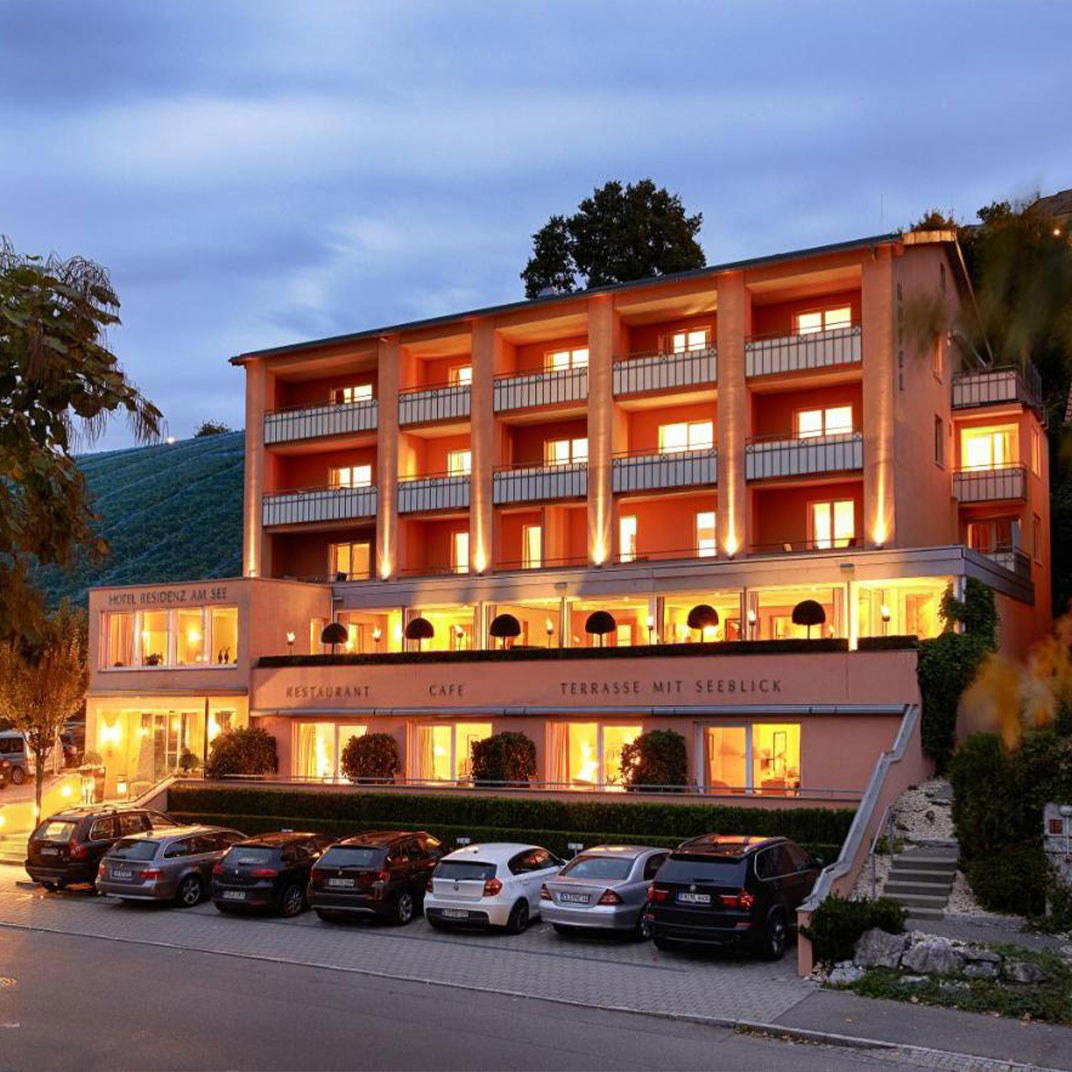
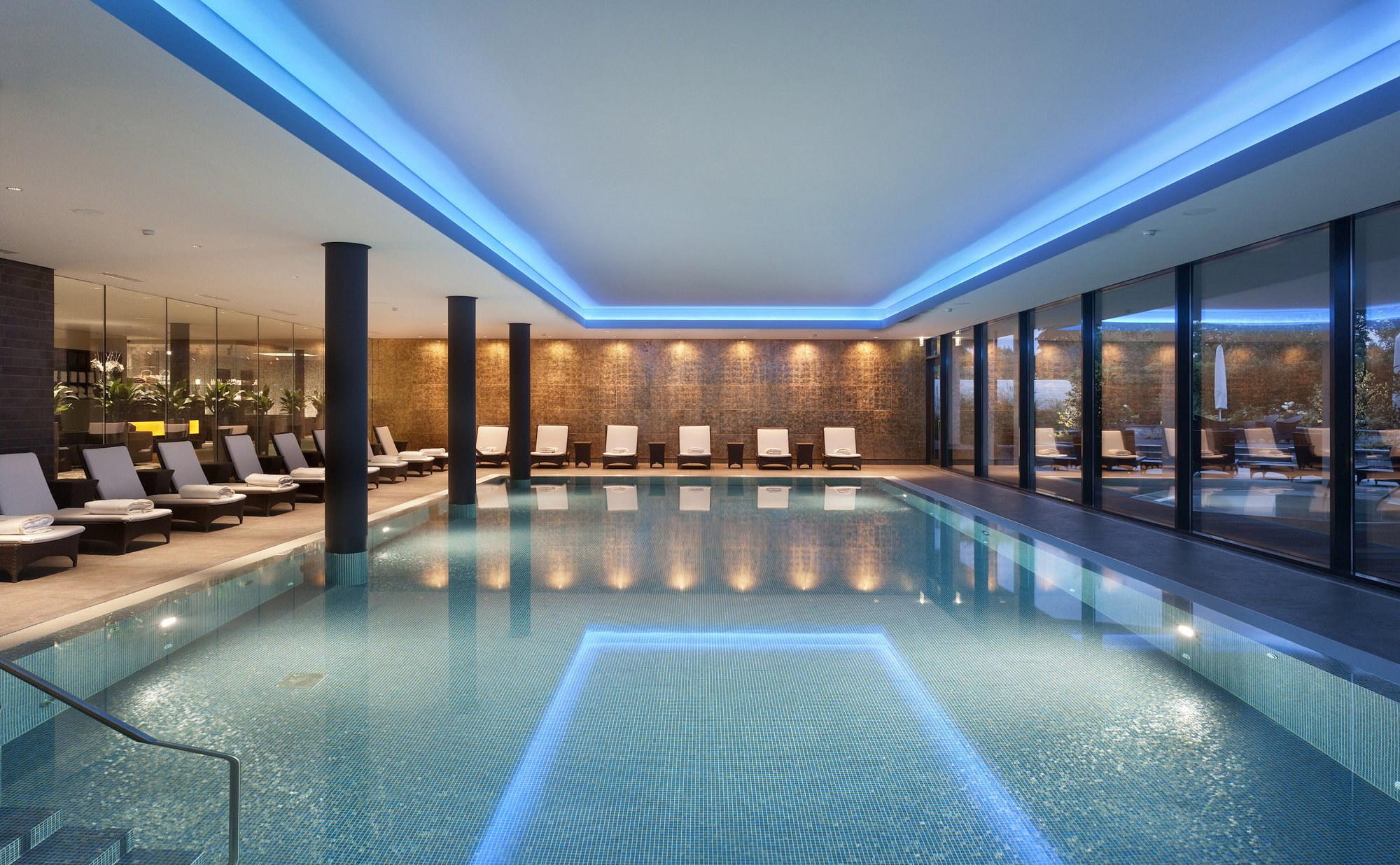
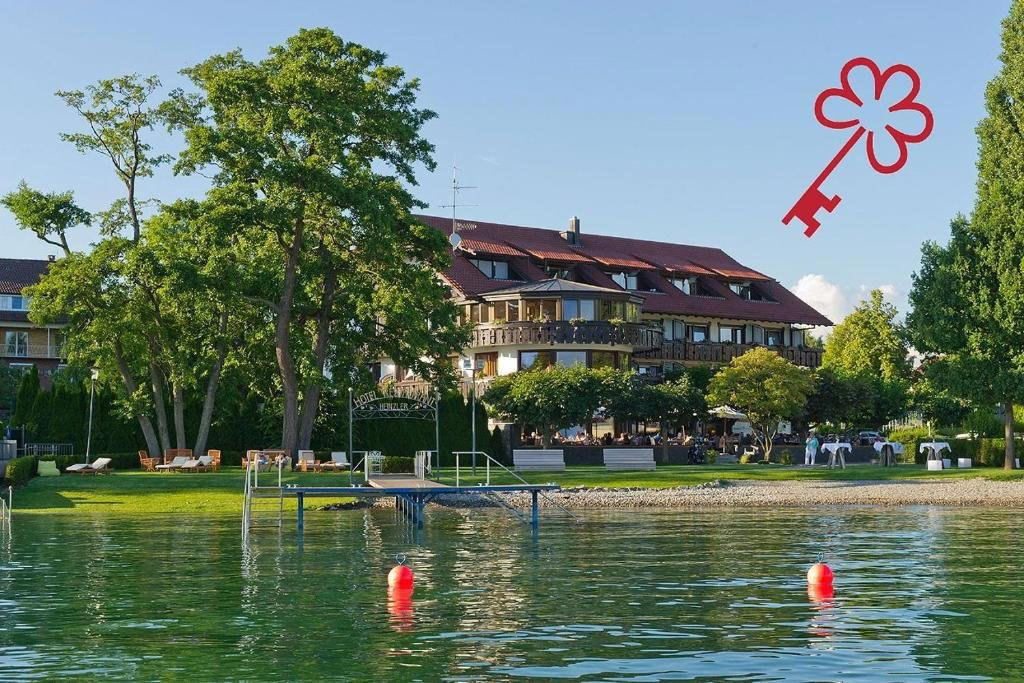
Elegant and sophisticated with light-filled foyer, stylish contemporary decor, and terrace overlooking the lake.