Hoshinoya Bali

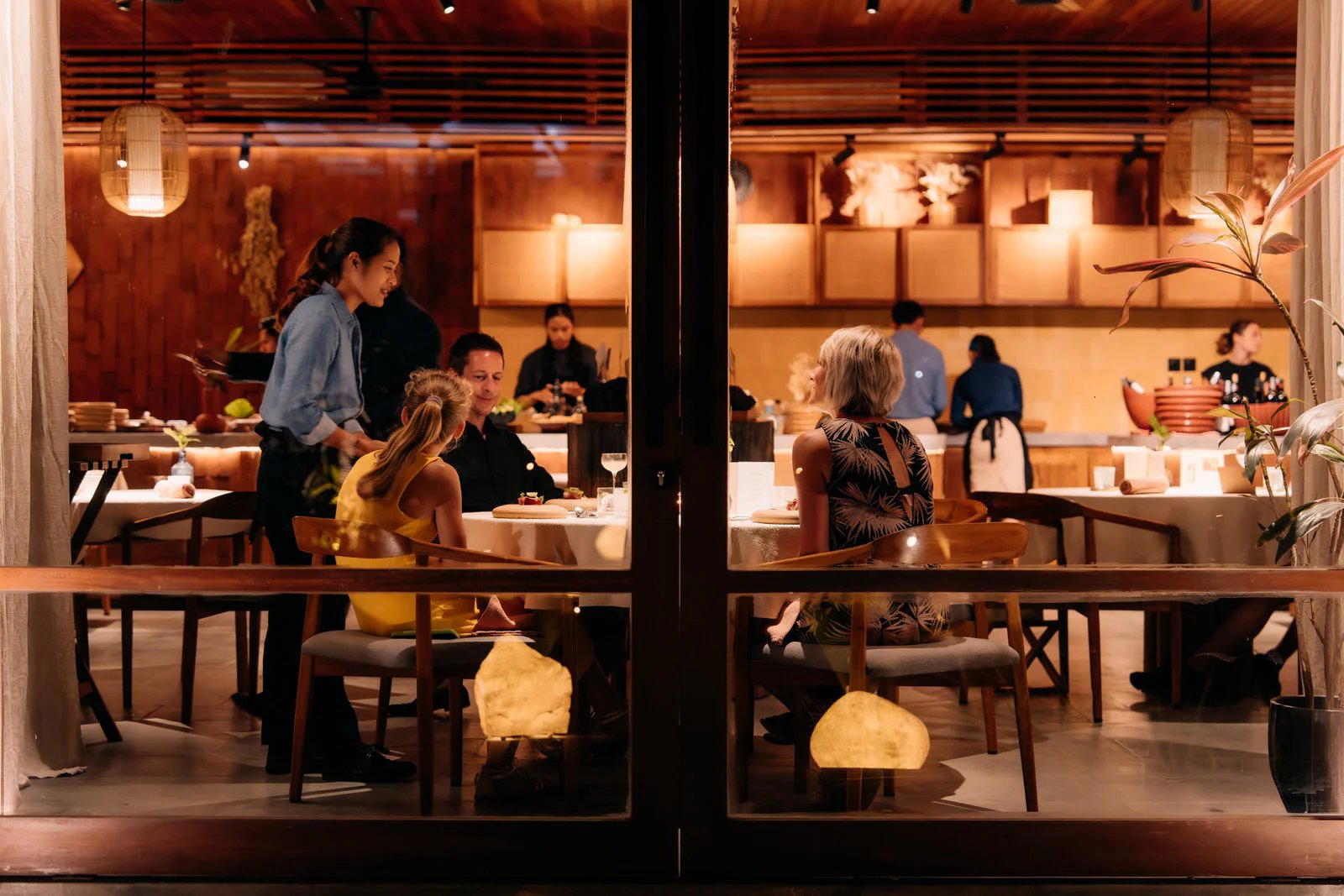
Michelin Selected for 2025, Hoshinoya Bali occupies a stretch of the Pakerisan River valley in Tampaksiring, where the Japanese Hoshino Resorts group has transposed its signature satoyama village concept onto a landscape shaped by ancient Balinese water temples. The result is a low-density property whose architecture, materials, and spatial logic read as an act of cultural translation rather than imported luxury.
Pearl is the En Primeur Club membership app — saves, bookings, and concierge access live there. Same editors, same standards.
- Address
- Jl. Pengembungan, Pejeng Kangin, Kec. Tampaksiring, Kabupaten Gianyar, Bali 80552, Indonesia
- Phone
- +62 361 8493080
- Website
- hoshinoresorts.com
- Directions
- Get directions
 Saves & bookings on Pearl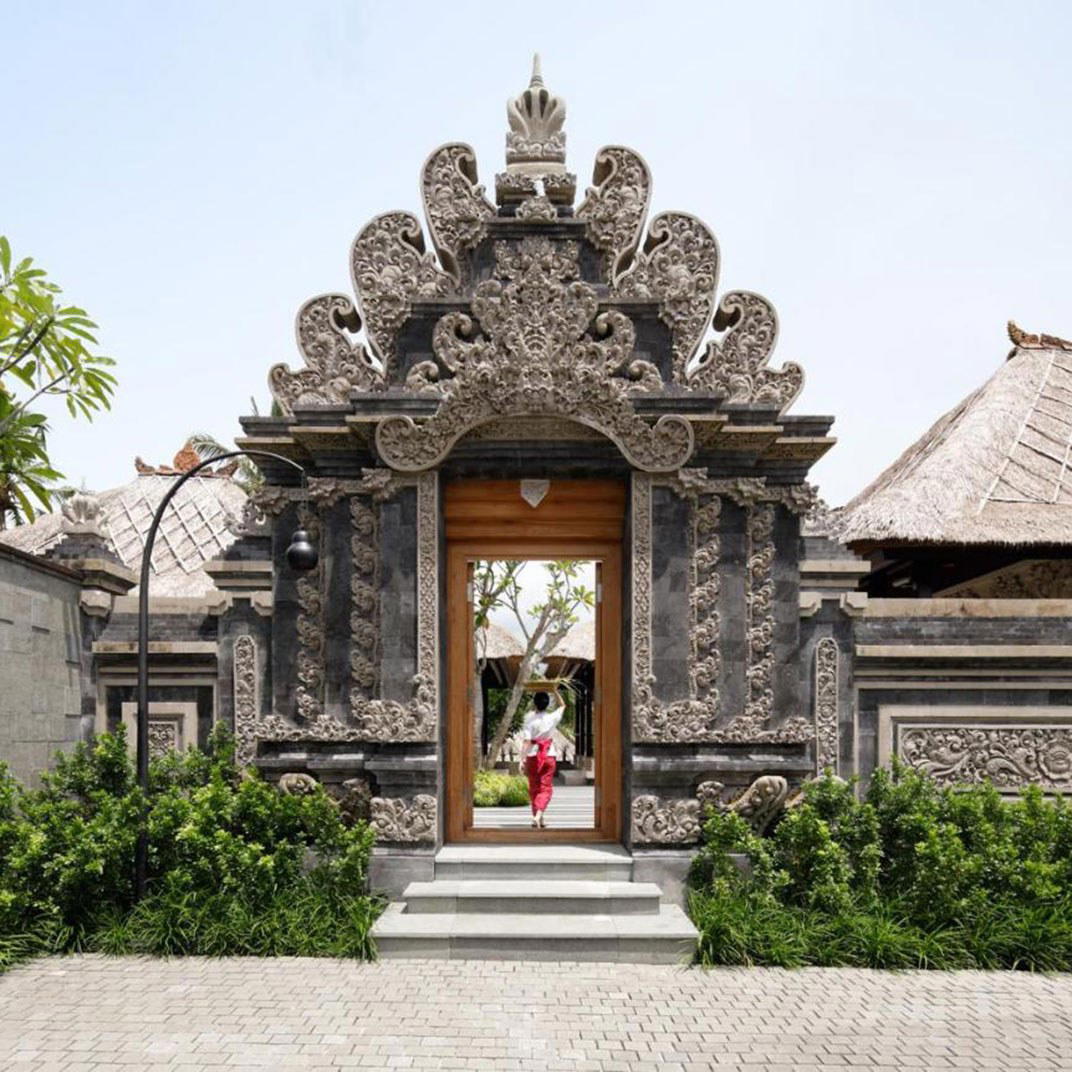
Where the Pakerisan Valley Shapes the Architecture
Tampaksiring sits roughly thirty kilometres northeast of Ubud, following the Pakerisan River upstream into terrain that UNESCO recognises as part of Bali's subak irrigation system, a living cultural landscape tied to ritual water management stretching back a thousand years. Most luxury visitors to Bali do not reach this far inland. The Hoshinoya brand, operated by Japan's Hoshino Resorts group, has made a habit of positioning its properties precisely in locations where topography and cultural density resist the usual resort formula, and the Tampaksiring address is consistent with that logic.
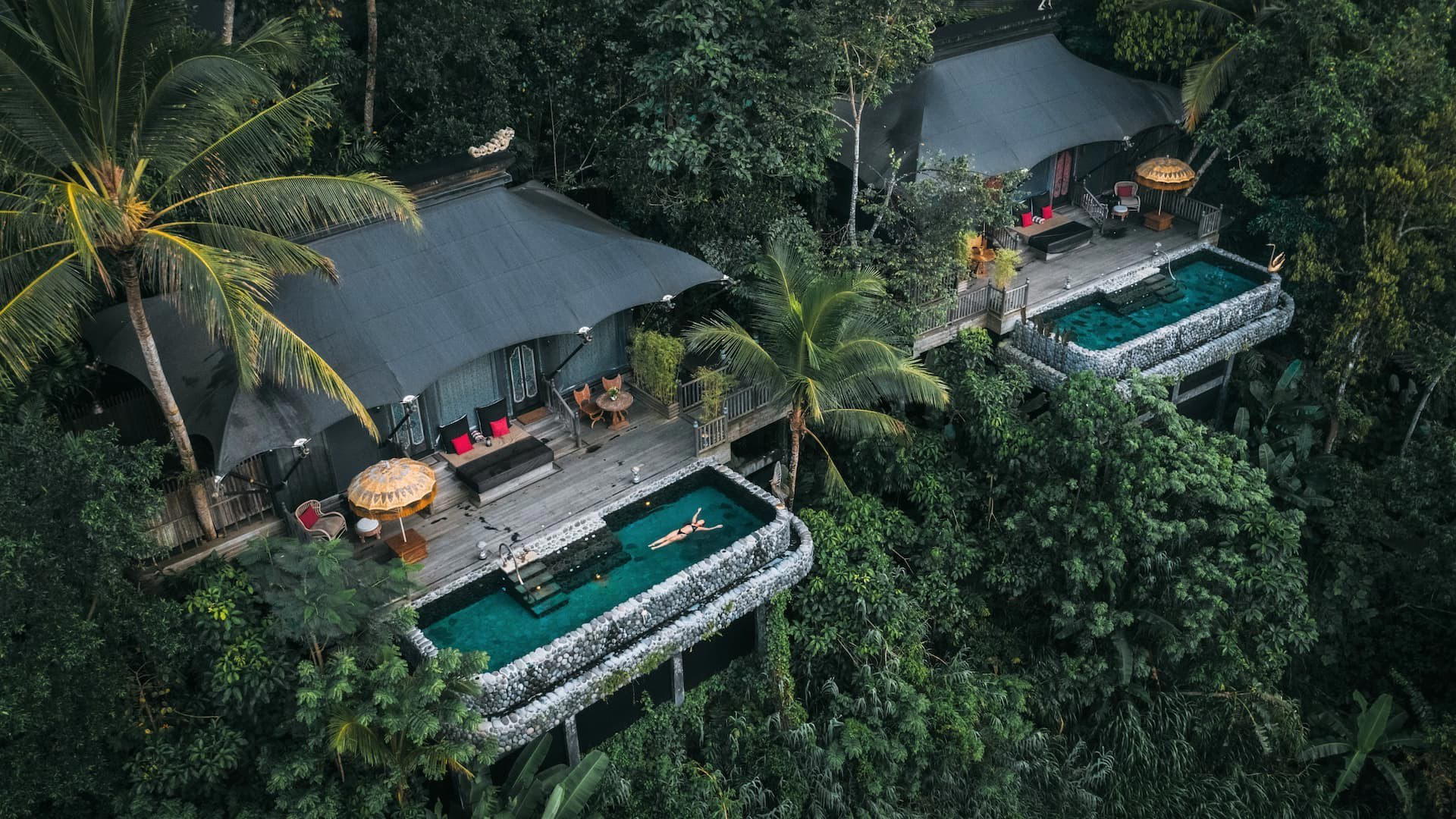
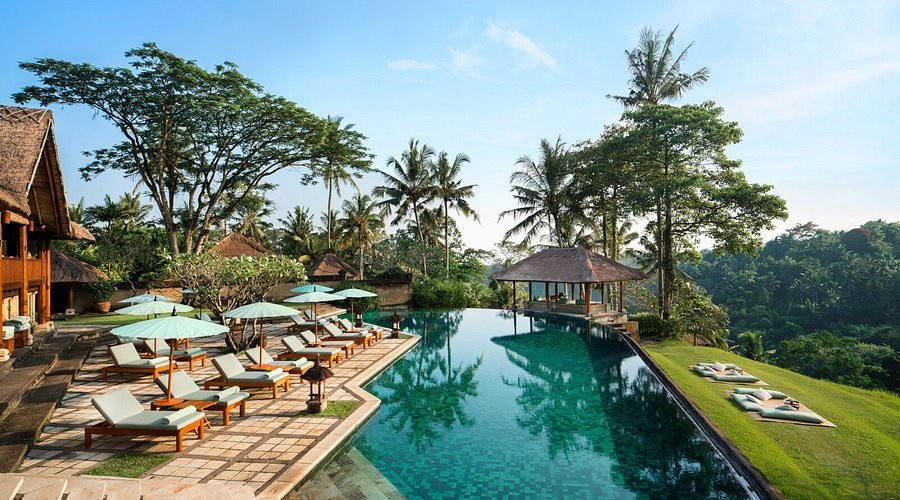
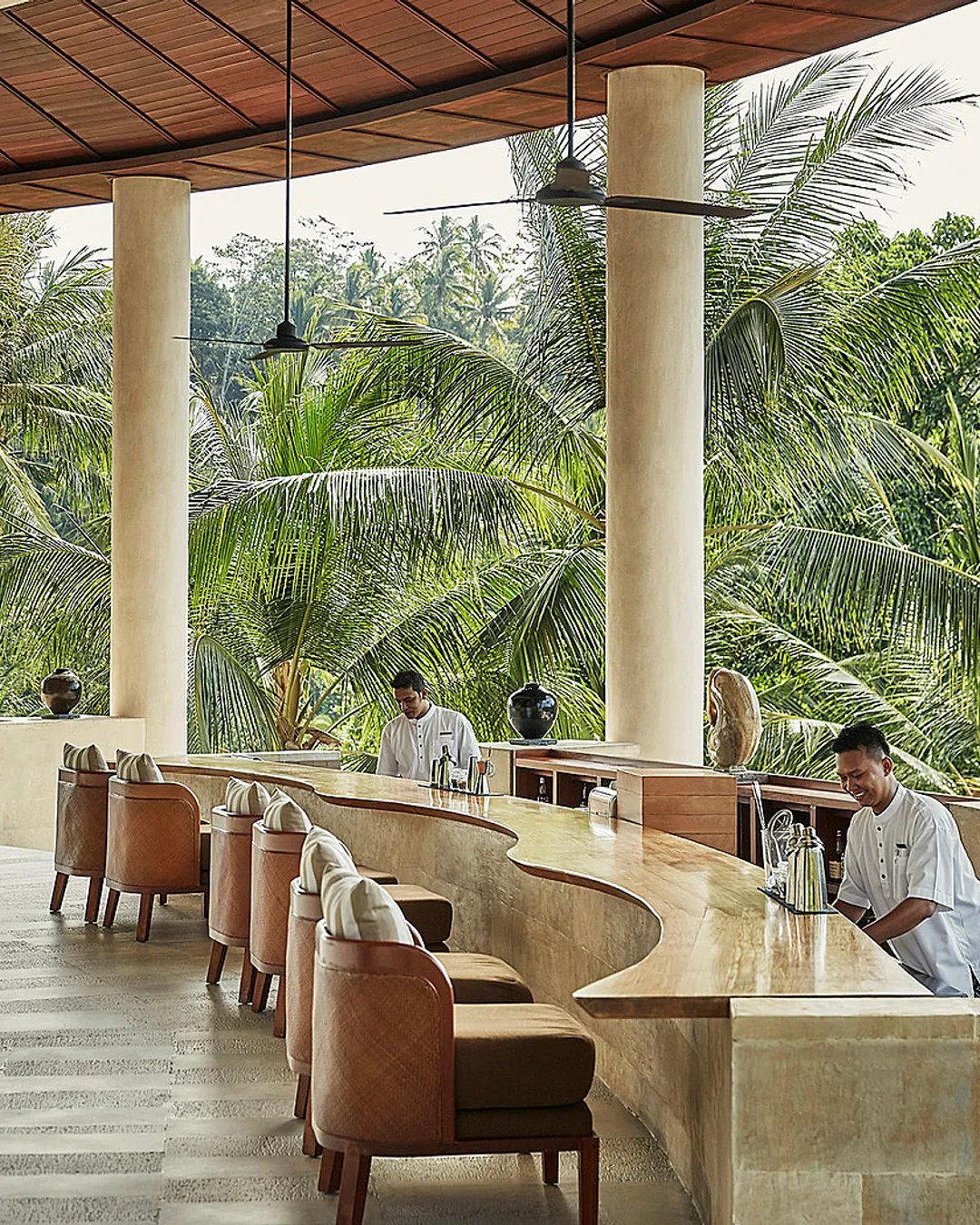
At Hoshinoya Bali, the design reads as a deliberate response to the river valley rather than an imposition on it. The Hoshino Resorts approach across its international portfolio tends to organise individual villas or pavilions around a central communal axis, with architecture that uses local materials such as stone, timber, and thatch rather than exporting a standardised Japanese aesthetic. In Tampaksiring, the river gorge supplies the organising geometry: accommodation is arranged along tiered terraces that follow the slope, and the spatial experience of moving through the property is less like traversing a resort campus and more like descending through a Balinese compound structured around water flow. The sound of the Pakerisan is present throughout.
That relationship to water is not accidental. Balinese sacred geography assigns particular significance to rivers running between volcanic highlands and the sea, and the Pakerisan valley is among the more ritually charged of these corridors. Pura Tirta Empul, one of Bali's most important water temples, sits within a short distance. A property that works architecturally with the contours of this valley is, whether or not it makes this explicit, placing itself inside a centuries-old spatial tradition. The design density at Hoshinoya Bali is low by the standards of comparable Michelin Selected properties on the island; the emphasis is on the gap between structures as much as on the structures themselves.
Bali's Design-Led Inland Tier
Regional luxury accommodation in Bali has stratified considerably over the past decade. The south, Seminyak, Nusa Dua, Jimbaran, remains dominated by large international footprints: properties like Jumeirah Bali and Mulia Villas in Nusa Dua operate at significant scale, with beach access and amenity breadth as their primary value proposition. Ubud and the inland river valleys represent a different competitive set, one in which spatial seclusion, cultural proximity, and design specificity carry more weight than a pool menu or a ballroom. Mandapa, a Ritz-Carlton Reserve, occupies a comparable inland river position near Ubud and draws from a similar logic of landscape immersion, though the Ritz-Carlton brand signals a different hospitality register. COMO Uma Canggu addresses yet another axis, coastal and design-forward, but urban-adjacent in a way that Tampaksiring categorically is not.
Hoshinoya Bali's Michelin Selected status for 2025 places it inside a validation framework that, for hotels, weighs comfort, character, and service quality rather than F&B. Within Indonesia, properties earning Michelin hotel recognition tend to share a set of characteristics: a defined design position, a geographic argument for their location, and a guest experience that would not transfer to a different site. The hotel fits that profile. For comparison, other Michelin-recognised properties across the Indonesian archipelago, including Nihi Sumba in Sumba and a cluster of Balinese addresses, tend to draw their recognition from exactly this kind of site-specific character rather than amenity volume.
The Indonesian market more broadly includes properties operating across a wide range of site typologies: jungle retreats in Lombok such as Innit Lombok in Ekas, heritage-adjacent resort formats like Plataran Borobudur in Magelang, and culturally embedded escapes such as Kampung Sampireun in Garut. What distinguishes the Hoshinoya entry is the legibility of its design position: there is a clear system behind how the buildings relate to the valley, and it derives from a hospitality group with a demonstrable track record of applying that system across culturally demanding sites in Japan and abroad.
What the Architecture Asks of the Guest
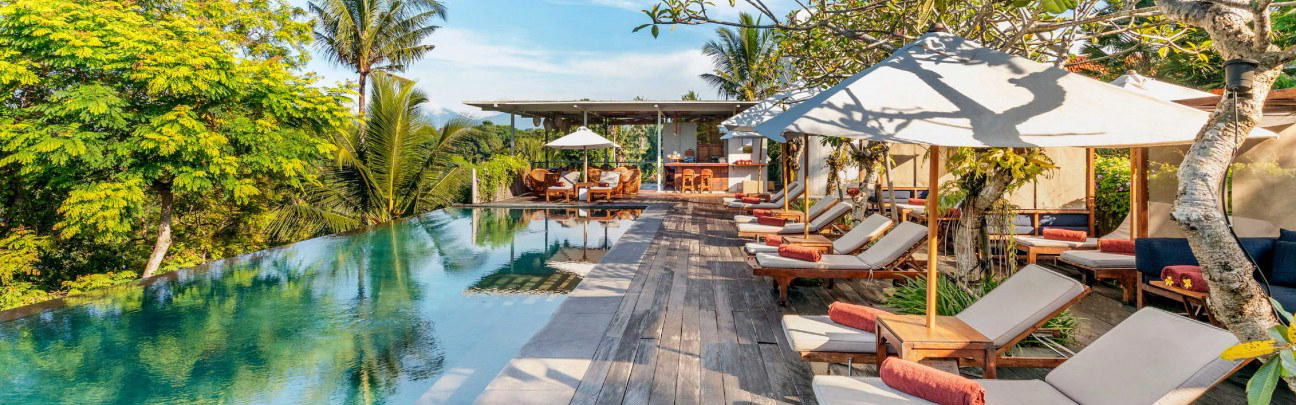
Properties designed around landscape immersion rather than amenity density make an implicit demand on the guest: that slowness, rather than programming volume, is the primary value on offer. The Hoshinoya format across its portfolio has consistently leaned into this. Guest rooms are typically oriented toward natural features, river, forest, terrace, and communal spaces tend to be quiet rather than activated. This is not the experience model of a beach club property or a resort with a full entertainment schedule. It sits in the same conceptual tier as destination wellness retreats, even where the wellness offer is not the explicit product, because the fundamental proposition is deceleration within a designed natural setting.
For travellers arriving from Bali's busier southern corridor, the drive to Tampaksiring already functions as a transition. The road northeast from Ubud climbs steadily through rice terraces and temple villages before the valley opens. Arriving at a property where architecture cooperates with this gradient, where the spatial experience continues the logic of the journey rather than interrupting it with a lobby designed to signal arrival, is relatively rare in the Bali market at this price tier. Properties like Bvlgari Resort Bali in Uluwatu or RIMBA by AYANA in Jimbaran Bay deliver a pronounced arrival statement; the hotel's architectural logic points the other direction.
The remoteness is functional to the property's design argument, but it is worth factoring into itinerary planning, particularly for trips that combine an inland stay with south Bali days at a property like Potato Head Suites and Studios in Seminyak or Desa Potato Head in Denpasar.
Fast Comparison
Comparable venues nearby, for context on price, style, and recognition.
| Venue | Cuisine | Price | Awards | Notes |
|---|---|---|---|---|
| Hoshinoya BaliThis venue — the venue you are viewing | Balinese village-style luxury resort fusing Japanese minimalism with local craftsmanship | $$$$ | 5-Star | Not listed |
| Hotel Le Temple | Luxury boutique villa resort near Borobudur with stupa-inspired architecture and a strong sense of place in rural Central Java. | $$$$ | 5-Star | Borobudur |
| Bambu Indah | Regenerative eco-luxury with bamboo and reclaimed teak structures | $$$$ | 5-Star | Ubud |
| The Meru Sanur | Tropical luxury resort with wellness emphasis for extended stays. | $$$$ | 5-Star | Sanur Kaja |
| One Eleven | Contemporary luxury villa resort blending private villa exclusivity with five-star resort amenities in a minimalist aesthetic. | $$$$ | 5-Star | Seminyak |
| COMO Uma Canggu | Contemporary beachfront resort blending modern Asian architecture with Balinese elements | $$$$ | 5-Star | Canggu |
Recognition history
Dated appearances from independent guides and award organizations, with the underlying list record or original source where available.
Michelin Selected
Michelin
Continue exploring
More in Tampaksiring
Hotels in Tampaksiring
Browse all →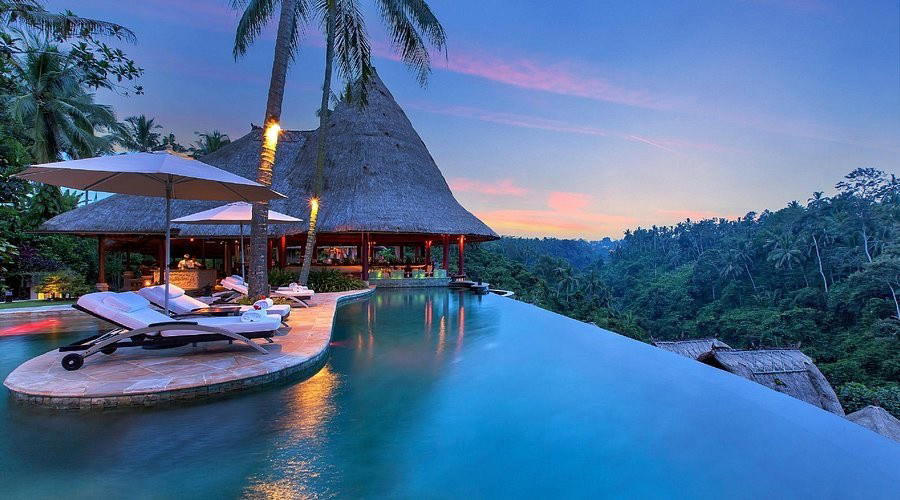
Bars in Tampaksiring
Browse all →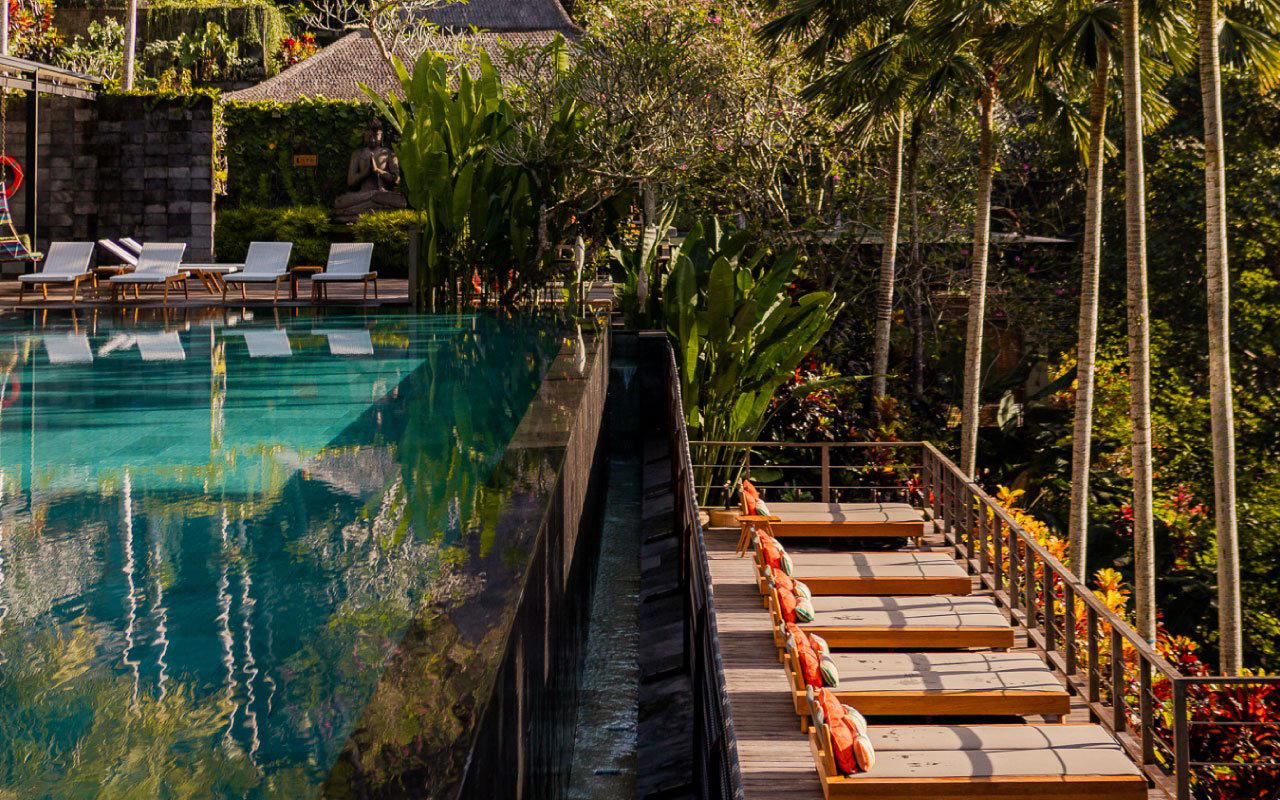
At a Glance
- Quiet
- Elegant
- Scenic
- Intimate
- Sophisticated
- Minimalist
- Honeymoon
- Romantic Getaway
- Wellness Retreat
- Anniversary
- Infinity Pool
- Private Villa
- Panoramic View
- Garden
- Pool
- Spa
- Room Service
- Concierge
- Garden
- Mountain
- Pool
- Spa
- Room Service
- Concierge
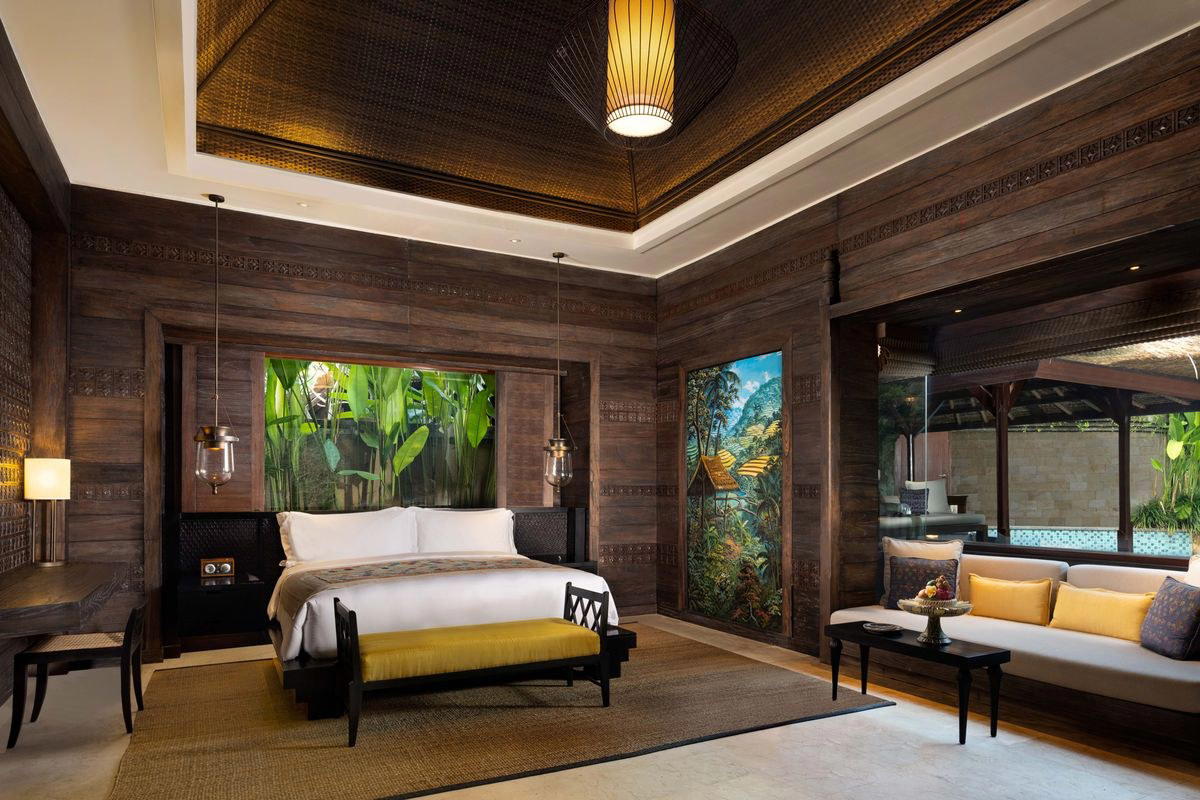
Serene and zen with lush rainforest surroundings, soft hum of the river, and refined dark woods creating a peaceful, nature-immersed atmosphere.