

Star Wine List · Forbes 4-Star
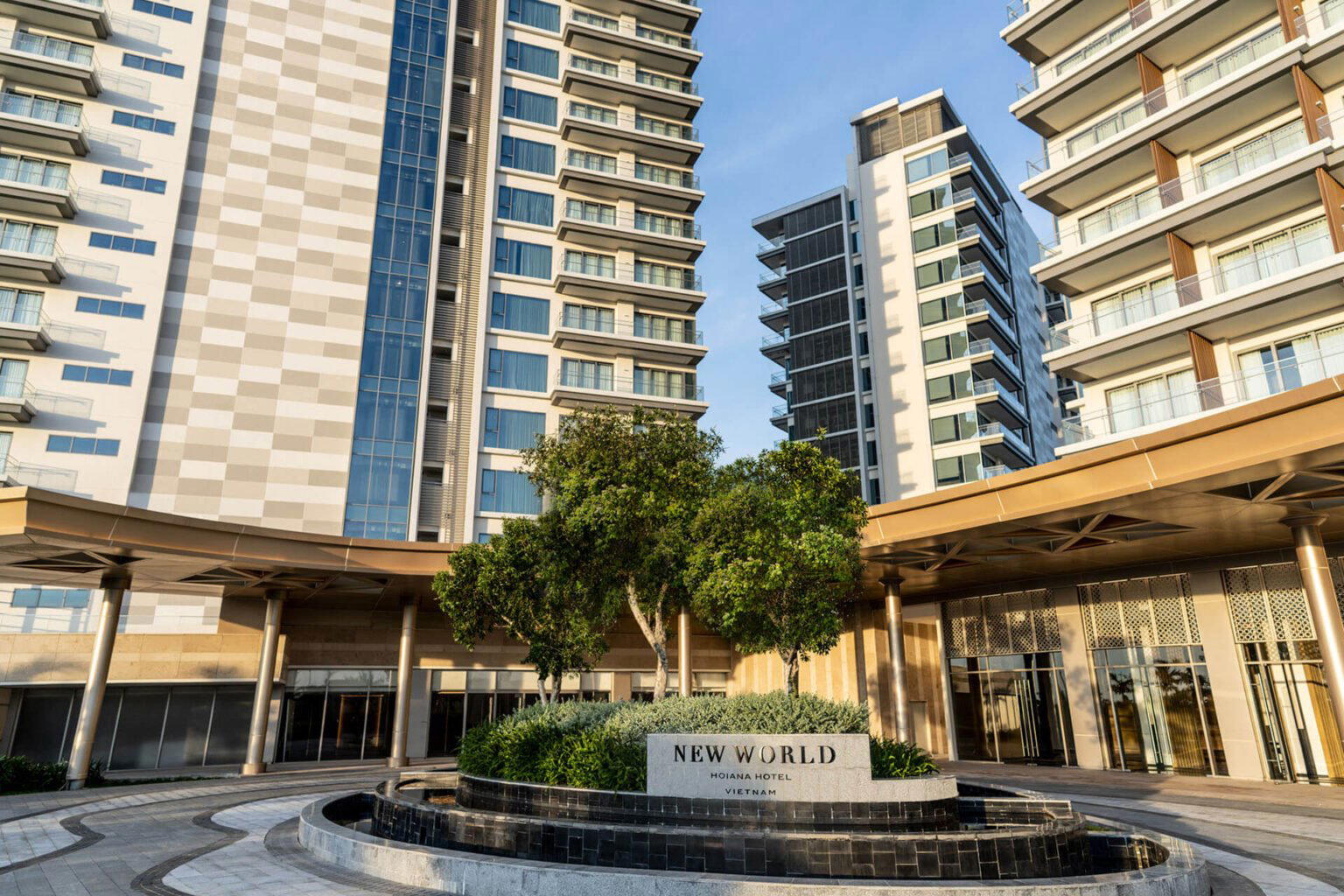
Positioned along Vietnam's central coast in Duy Xuyen District, Hoiana Hotel & Suites occupies a stretch of coastline that places ancient Cham heritage and the UNESCO-listed town of Hoi An within reach. The property holds a Star Wine List recognition for 2026, signalling a beverage program that sits above the regional average. For coastal Vietnam, it occupies a specific tier: resort-scale amenities tied to one of the country's most historically charged shorelines.

Pearl is the En Primeur Club membership app, where members save venues, book tables and use the concierge.
Where the Central Coast Earns Its Attention
Vietnam's central coastline runs roughly 1,200 kilometres between Da Nang and the Cham Island archipelago, and within that corridor, the stretch around Duy Xuyen District carries an unusual density of historical and natural significance. The ruins of My Son Sanctuary, a UNESCO World Heritage Site, lie inland. The ancient trading port of Hoi An sits less than 30 kilometres north. And the coast itself, facing the South China Sea, delivers the kind of wide, low-key beach access that the northern reaches of Da Nang, with their denser hotel clusters, increasingly cannot. This is the geographic and cultural logic that placed Hoiana Hotel & Suites, addressed to Tay Son Tay Hamlet, Duy Hai Commune, in Duy Xuyen District rather than in the city. The resort format works here because the surrounding context is itself the programme.
For travellers weighing options along this coast, the positioning matters. The central Vietnam hotel market has stratified sharply over the past decade, with properties broadly splitting between Da Nang's urban-facing towers, the tighter boutique cluster in and around Hoi An, and a smaller set of larger coastal resorts occupying the quieter stretches to the south. Hoiana Hotel & Suites belongs to the third category, alongside peers such as Four Seasons Resort The Nam Hai, Hoi An in Dien Duong and Banyan Tree Lăng Cô to the north, properties where scale and coastal frontage take precedence over urban proximity. The comparison with Novotel Danang Premier Han River is instructive precisely because they are different solutions: the urban Da Nang option trades beach access for Han River walkability and city connectivity, while a coastal resort in Duy Xuyen trades convenience for space and shoreline.
The Physical Logic of a Coastal Resort at This Scale
Large coastal resorts in Southeast Asia tend to resolve around a central design question: how do you organise a significant amount of built structure so that it feels like it belongs to the coast rather than sitting in front of it? The answer, in the better examples across the region, involves setbacks, landscaping that blurs the boundary between built and natural, and architectural choices that let the horizon do the work. Properties like Amanoi in Vinh Hy and Amiana Resort Nha Trang have built reputations partly on this discipline, the architecture stepping back, the landscape coming forward. Hoiana Hotel & Suites operates in that same coastal-resort design context, where the physical relationship between building and shoreline defines the experience more than any single interior choice.
The Suites designation within the property name signals a room-category structure that tilts toward larger, more self-contained units. In Vietnam's coastal resort segment, this has become a meaningful differentiator: the shift from standard keys toward suite-dominant inventories responds to a specific traveller profile, longer stays, multi-generational groups, and guests who want the amenity depth of a full resort without sacrificing the spatial autonomy of a suite or villa format. Properties like Anantara Quy Nhon Villas and Radisson Blu Resort, Cam Ranh have each addressed this same demand in their respective coastal locations. At Hoiana, the suite format connects logically to the surrounding resort complex, a broader development that includes gaming, retail, and entertainment infrastructure, creating a self-contained destination rather than simply a hotel with beach access.
The Wine Program and What It Implies
A Star Wine List recognition for 2026 is a specific credential. Star Wine List operates as a specialist wine publication and guide with defined criteria for list construction, producer range, and staff competency. Hotels in Vietnam that appear on that list occupy a narrow subset of the market, the recognition is not routine, and it places Hoiana's beverage program in a peer group that includes properties in Ho Chi Minh City and Hanoi rather than simply central coast competitors. For context, InterContinental Hanoi Westlake and urban five-star properties in major Vietnamese cities tend to anchor the Star Wine List presence in the country. A coastal resort in Duy Xuyen earning the same recognition signals deliberate investment in the beverage program beyond what the location would strictly demand.
This matters practically for a certain kind of traveller. If the food and beverage experience is a meaningful part of how you assess a hotel stay, rather than a secondary consideration, a Star Wine List property in a location that might otherwise suggest limited specialist options is worth noting. Other coastal Vietnam properties where beverage programming has become a differentiator include Ixora Ho Tram by Fusion and Asteria Mui Ne Resort, though each serves a different coastal corridor with a different guest profile.
Getting There and How to Place the Stay
Da Nang International Airport is the practical entry point for Duy Xuyen District, and the drive south along the coast to the Hoiana complex runs approximately 30 kilometres, making it accessible without the airport-to-resort transfer becoming a deterrent. Da Nang itself has a competitive hotel market worth considering for travellers who want urban access alongside beach proximity, Four Points by Sheraton Danang sits in the city's more accessible price tier, but the resort proposition at Hoiana is premised on staying within the larger Hoiana complex rather than day-tripping into the city.
For travellers building a multi-property itinerary through central Vietnam, Hoiana Hotel & Suites pairs logically with Hoi An town access, My Son day visits, and potentially a night in Hue before or after. Azerai La Residence in Hue and Indochine Palace in Hue City represent the upper tier of the Hue accommodation market for travellers extending the journey north. The central Vietnam corridor, from Da Nang through Hoi An and south to Duy Xuyen, is dense enough with significant sites that it functions as a standalone destination rather than a waypoint, and the coastal resort format at Hoiana is designed for the traveller who wants a fixed base from which to access that corridor. Almanity Hoi An Wellness Resort represents the alternative logic, placing the guest inside Hoi An rather than south of it, which suits a different itinerary pace entirely.
For a broader orientation to the dining and hospitality options in the district, see our full Duy Xuyen restaurants guide. For travellers comparing against Vietnam's wider coastal resort market before committing to a location, the range runs from Hilton Quang Hanh Onsen Resort in Cam Pha in the far north to InterContinental Phu Quoc Long Beach Resort in the south, each representing a distinct coastal context rather than a substitutable alternative.
Comparison Snapshot
Comparable venues nearby, for context on price, style, and recognition.
| Venue | Cuisine | Price | Awards | Notes |
|---|---|---|---|---|
| Hoiana Hotel & SuitesThis venue (the venue you are viewing) | Contemporary luxury resort hotel | $200–300 | Star Wine List · Forbes 4-Star | Not listed |
| Almanity Hoi An Wellness Resort | Heritage wellness resort blending colonial architecture with modern minimalist interiors. | $100–200 | Not listed | Cam Pho |
| SILK PATH GRAND HUE HOTEL & SPA | Imperial-inspired luxury resort in urban setting | Not listed | World Luxury Hotel Awards WLHA Continent Winner | central Hue |
| Villa Le Corail, Gran Meliá | All-villa beachfront resort combining Mediterranean elegance with Vietnamese tropical charm | $300–500 | Michelin Selected | Bãi Tiên |
| Pullman Danang Beach Resort | Modern beach resort with elegant cottages and private gardens | $100–200 | Star Wine List · Forbes Recommended | Ngu Hanh Son District |
| Legacy Yen Tu - MGallery | Heritage-inspired luxury resort echoing ancient Vietnamese palace architecture | Not listed | 1 Michelin Key | Thuong Yen Cong Commune |
Recognition history
Dated appearances from independent guides and award organizations, with the underlying list record or original source where available.
Star Wine List
Star Wine List
Forbes 4-Star
Forbes
Continue exploring
More in Duy Xuyen
Hotels in Duy Xuyen
All hotels in Duy Xuyen →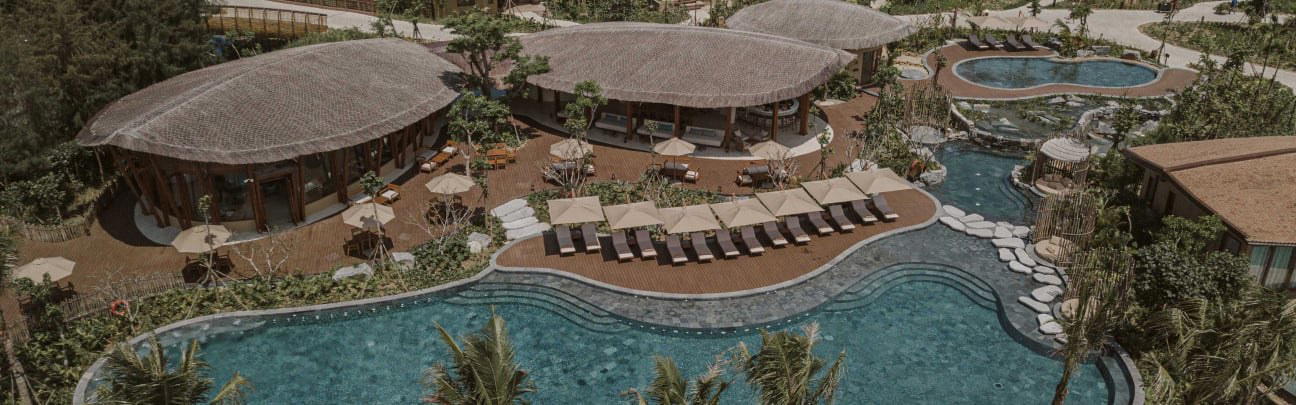
Details
- Elegant
- Sophisticated
- Scenic
- Modern
- Honeymoon
- Family Vacation
- Romantic Getaway
- Weekend Escape
- Beachfront
- Infinity Pool
- Golf Course
- Rooftop Pool
- Pool
- Spa
- Fitness Center
- Room Service
- Concierge
- Wi Fi
- Beach Access
- Golf Course
- Kids Club
- Waterfront
- Wheelchair Accessible
- Step Free Entrance
- Elevator
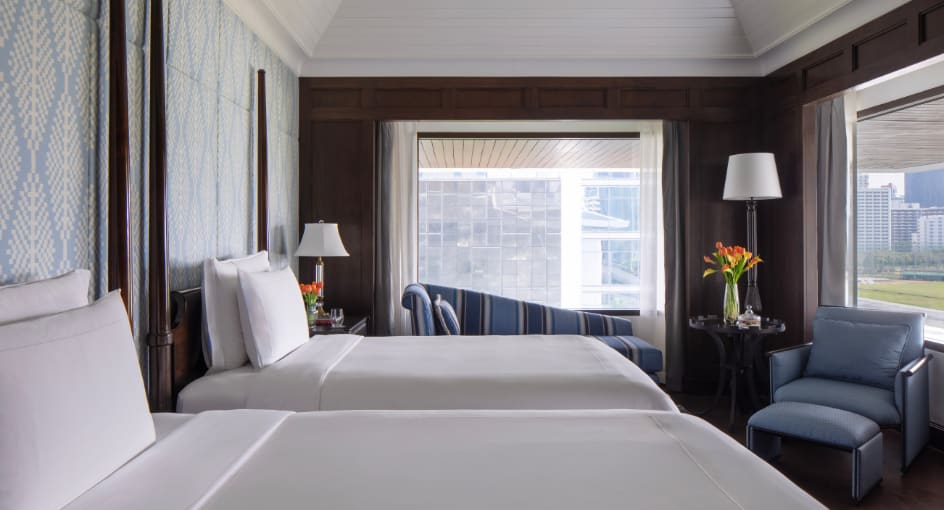
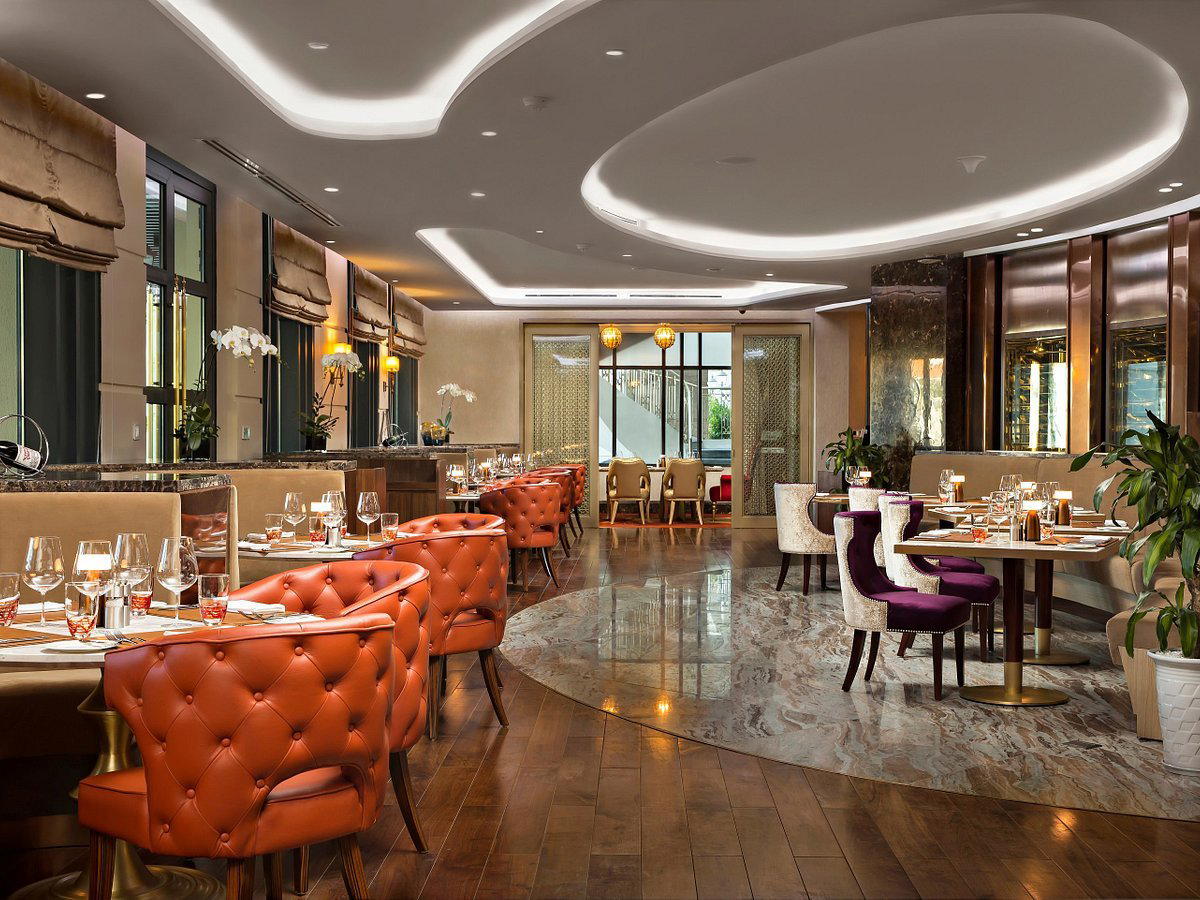
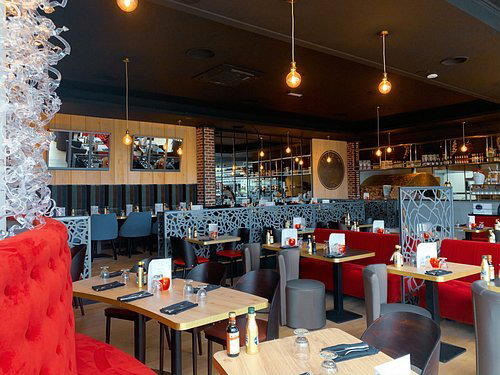
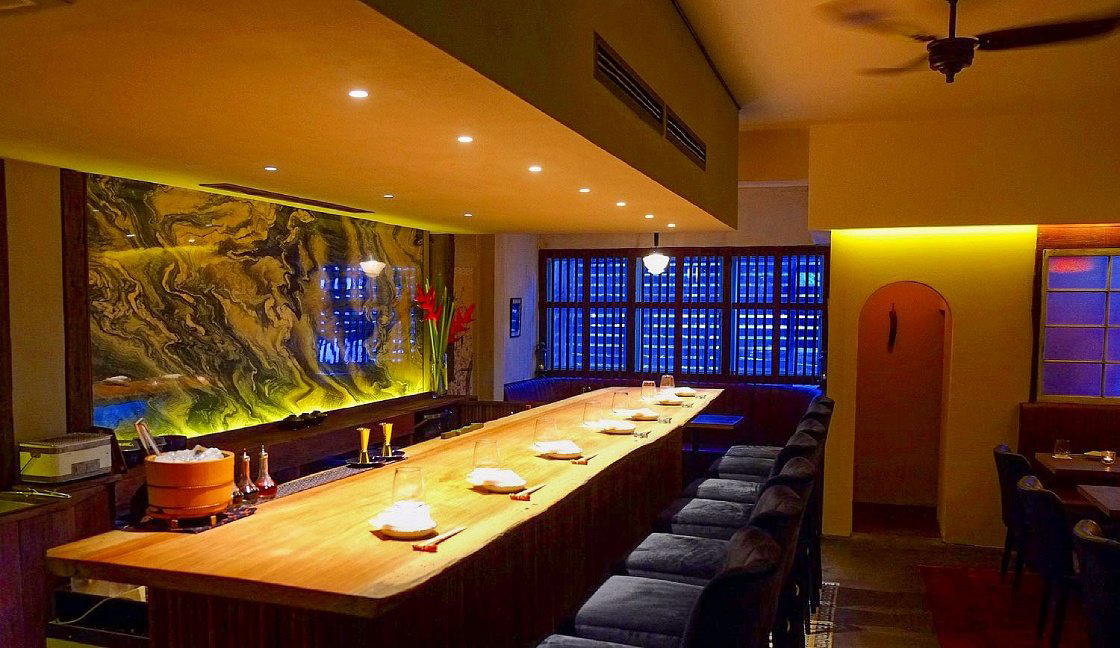
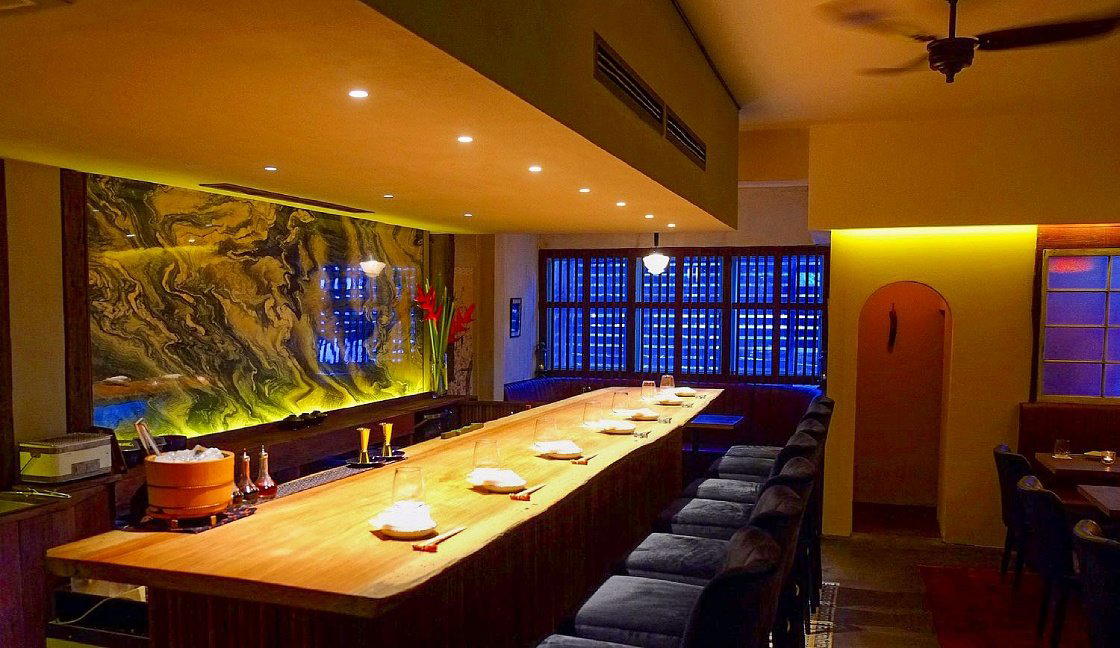
Sleek and warm contemporary design with cultural nods, featuring plush furniture, floor-to-ceiling windows, private balconies, and relaxing rooftop infinity pool.