
Virtuoso Luxury Hotel Partner
Anantara Hoi An Resort occupies a riverfront position on the Thu Bon, less than a kilometre from the UNESCO-listed Ancient Town. Lush gardens, a spa, and sunset river cruises frame the stay, while the promenade walk to the historic quarter takes under fifteen minutes on foot. For travellers who want proximity to Hoi An's silk lanterns and tailor lanes without sacrificing a calm, garden-set base, this is a considered address.

Pearl is the En Primeur Club membership app, where members save venues, book tables and use the concierge.
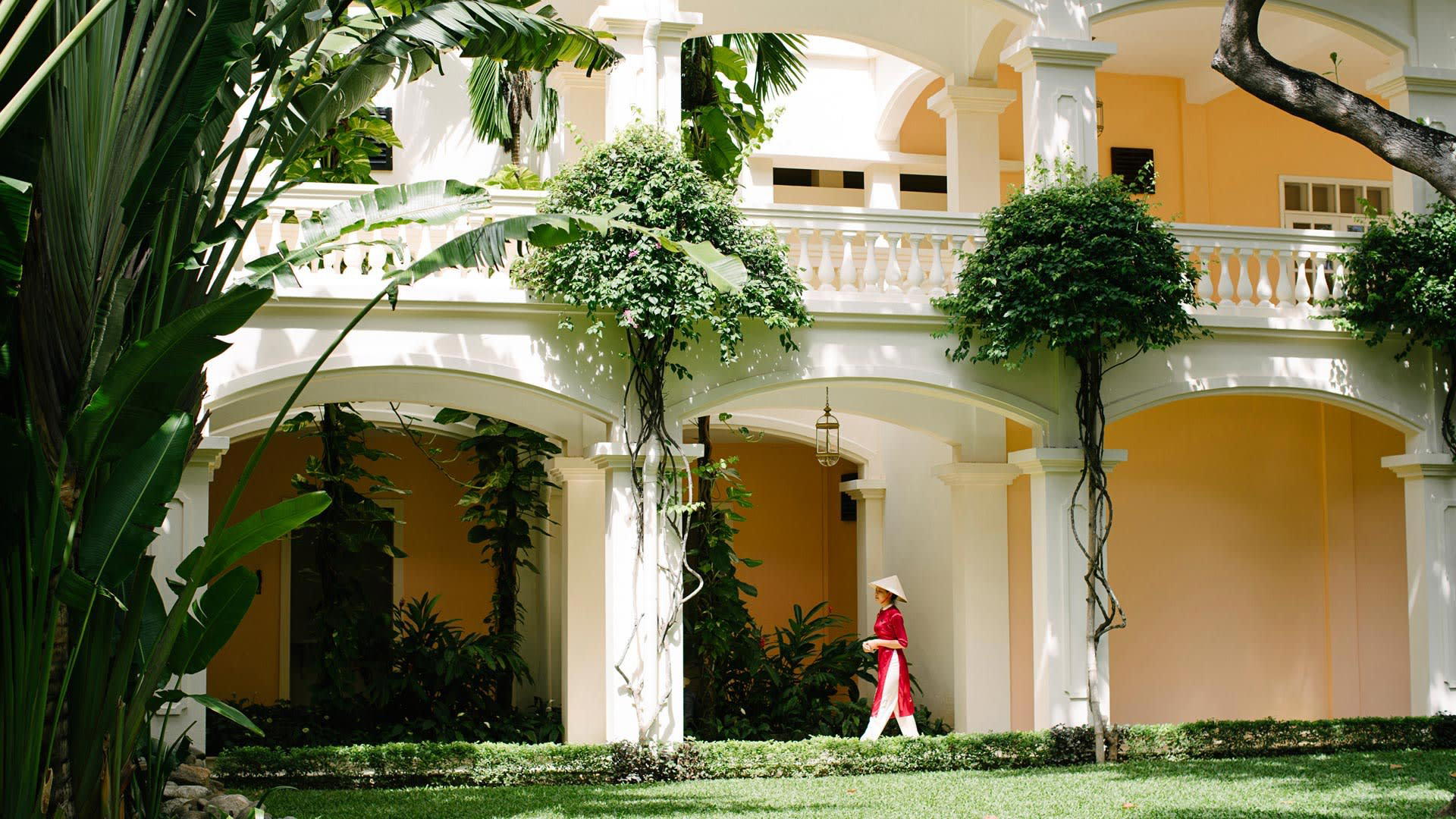
Where the Thu Bon Sets the Pace
Hoi An's riverfront has become one of central Vietnam's more contested hospitality addresses. Properties along the Thu Bon trade on the same basic asset: the view across the water toward the lantern-lit Ancient Town, the slow-moving river traffic, and the relative quiet that the promenade delivers even at peak season. What separates them is how much of the surrounding character they manage to frame rather than block. Anantara Hoi An Resort, positioned on Pham Hong Thai Street less than a kilometre from the UNESCO World Heritage Site boundary, belongs to a cohort of properties that treat the river as a primary amenity rather than a backdrop. Lush gardens front the water directly, and the resort's programming, from sunset river cruises to promenade access, is built around that orientation.
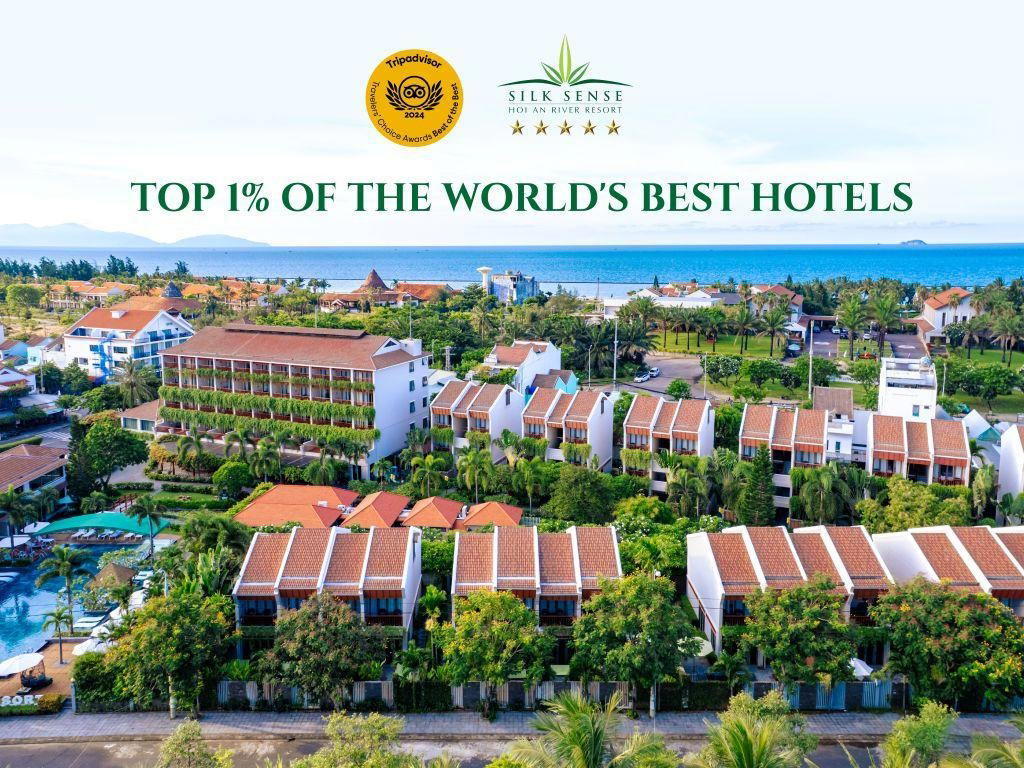
The Anantara brand, which operates across Southeast Asia and beyond, tends to position its properties in this mid-to-upper tier of boutique luxury: fewer keys than a large international hotel, more deliberate design than a converted guesthouse, and a consistent emphasis on local cultural programming. The Hoi An property fits that template. For a sense of where it sits relative to other river-facing options in town, compare it with Silk Sense Hoi An River Resort, Namia River Retreat, and Hoi An Memories Resort & Spa, each of which occupies a different point on the scale between intimacy and amenity depth.
Dining on the River: What the Programme Delivers
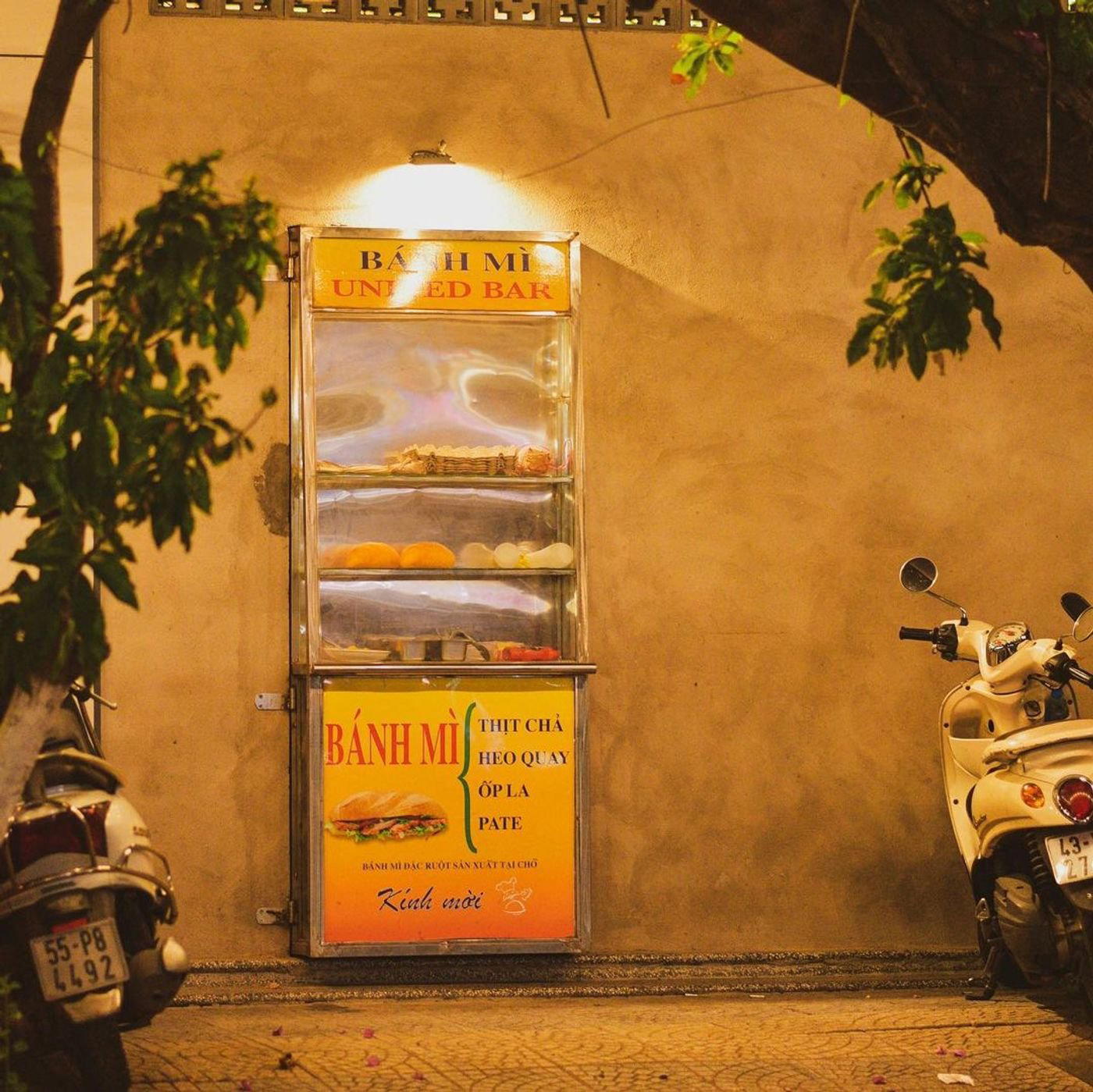
Riverfront dining in Hoi An carries a particular weight. The Ancient Town's own restaurant scene, dense with cao lau specialists, white rose dumpling houses, and banh mi counters that have been in family hands for decades, sets a high contextual bar. A resort dining programme in this city succeeds when it either competes with that scene on local specificity or offers something the town's street-level options cannot: a composed setting, longer wine lists, or a kitchen capable of spanning Vietnamese regional cooking and international formats within a single service.
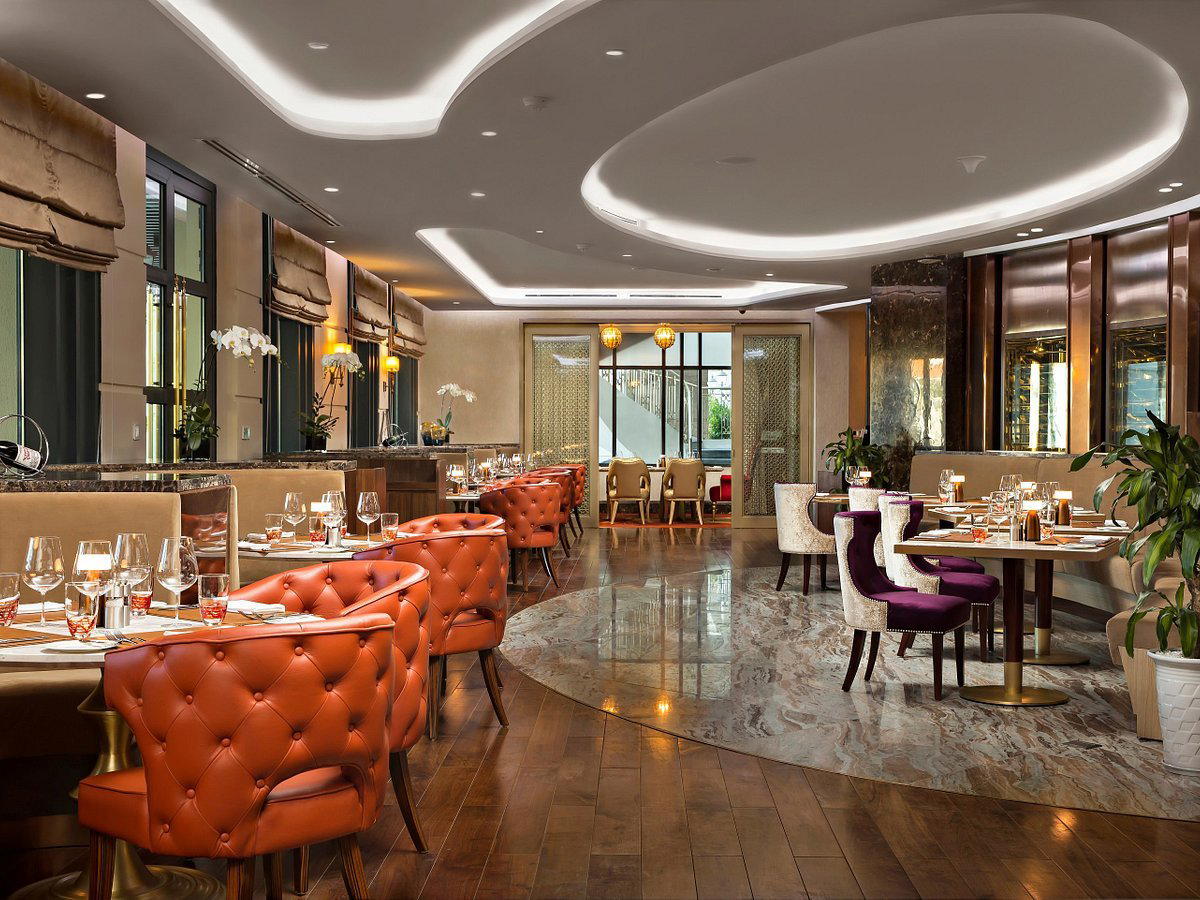
Anantara's dining at the Hoi An property is framed around that riverfront position. The setting, gardens fronting the Thu Bon with evening light off the water, gives the food and beverage programme a physical advantage that the Ancient Town's narrow-alley restaurants cannot replicate. Sunset river cruises add a format the broader hotel cohort in Hoi An rarely offers at this level of presentation. For guests who want to eat well within the resort on at least one evening before walking the promenade into the historic quarter, the riverfront setting justifies that choice without requiring the kitchen to outperform the town itself.
The broader Anantara brand has developed a consistent approach to culinary programming across its Southeast Asian properties, typically anchoring the restaurant offer in regional cuisine with international options alongside, and using the physical setting as a key differentiator. At the Hoi An property, that means the river view does real work in framing every meal taken outdoors. For properties that have invested more heavily in a celebrity-chef or destination-dining format in Vietnam, see Four Seasons Resort The Nam Hai, Hoi An in Dien Duong or Amanoi in Vinh Hy, which operate in a different tier of culinary ambition.
Spa, Gardens, and the Rhythm of a River Stay
Hoi An's appeal to a certain kind of traveller is precisely that it rewards slowness. The Ancient Town is compact enough to cover on foot, but substantial enough to absorb three or four days without repetition. Shrines, modern art galleries, and teahouses fill the alleyways. The My Son ruins, a sandstone Cham temple complex dating back to the 4th century, sit around forty kilometres southwest and are a standard day trip from the city. An Bang Beach, one of the more low-key stretches on Vietnam's central coast, lies a short ride east. These are the day-trip anchors that Hoi An hotels build their activity programming around, and Anantara's position inside the town means access to all of them is direct.
The resort's spa programme fits the Anantara brand pattern: treatments rooted in regional traditions, a gardens setting that separates the spa physically from the main hotel circulation, and a format aimed at guests staying three nights or longer rather than day visitors. For a property where wellness is the primary reason to book rather than a supporting amenity, Almanity Hoi An Wellness Resort offers a more programme-intensive alternative within the city.
The Hoi An Context: Where This Property Fits
The premium riverfront and near-Ancient-Town segment of Hoi An's hotel market has grown substantially over the past decade. Properties now range from boutique design guesthouses with four to eight rooms up to larger resort footprints with pools, multiple restaurants, and beach club access via shuttle. Anantara Hoi An occupies the mid-scale end of the boutique-luxury bracket: meaningful amenity depth, a riverside setting, spa facilities, and the cultural programming that the Anantara network builds into its Southeast Asian properties, without the scale of the larger beach resorts further out.
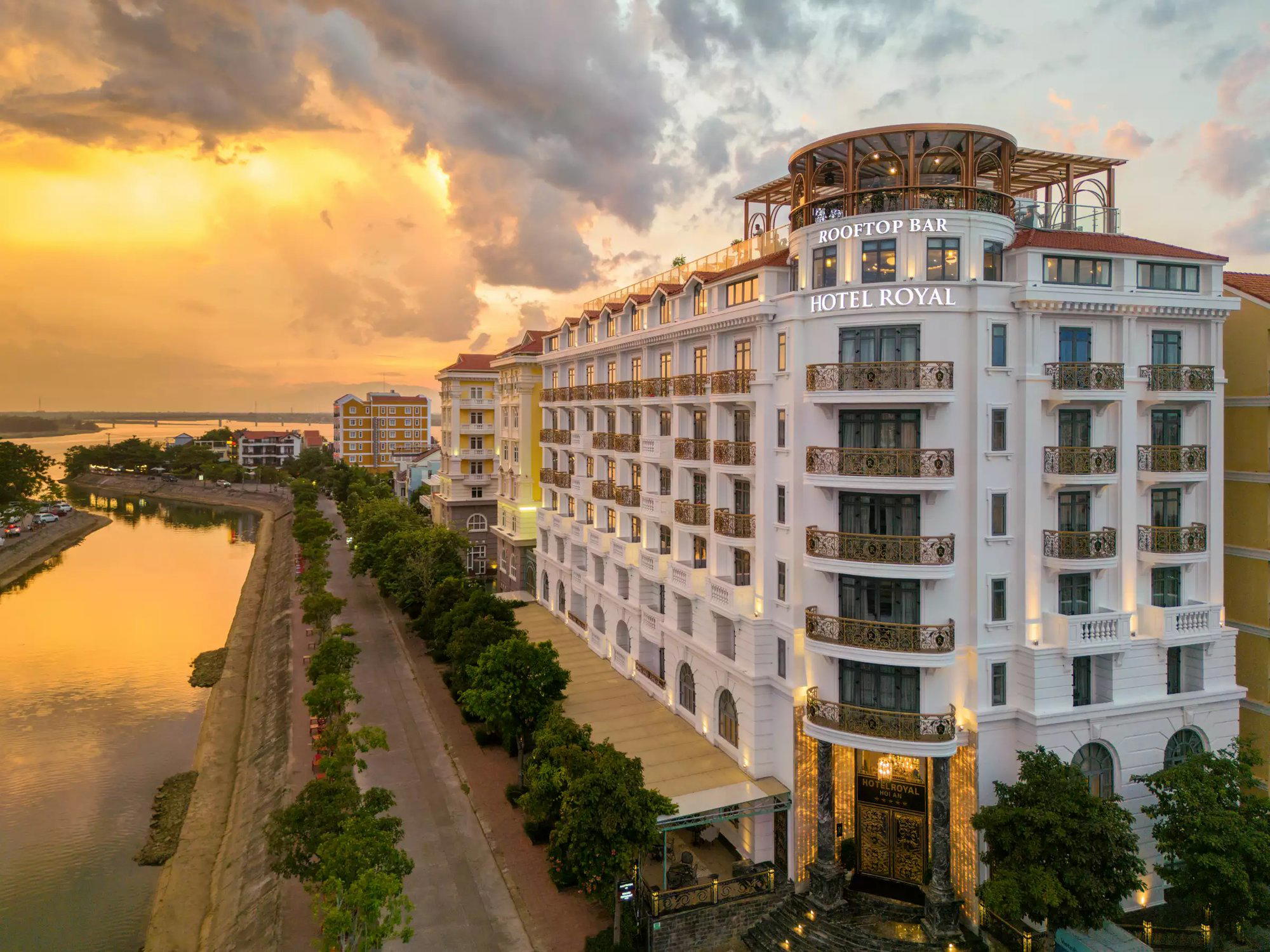
For guests prioritising beach access over river setting, Wyndham Hoi An Royal Beachfront Resort & Villas and The Pearl Hoi An are worth comparing. For a heritage-building alternative with a gallery identity, Hotel Royal Gallery Hoi An sits in a different register. The Anantara property's case is made by its river position, garden depth, and walking distance to the Ancient Town, a combination that fewer properties in this price tier manage simultaneously.
Across Vietnam more broadly, the Anantara brand also operates at Anantara Quy Nhon Villas, where a clifftop coastal setting and villa format represent a markedly different proposition. Travellers building a multi-city Vietnam itinerary might also consider Azerai La Residence, Hue for the imperial city leg, InterContinental Hanoi Westlake in the north, or Banyan Tree Lăng Cô on the lagoon between Hue and Da Nang. For the southern leg, Amanaki Saigon Boutique Hotel covers Ho Chi Minh City. See our full Hoi An restaurants and hotels guide for broader coverage of the city's dining and accommodation options.
Planning Your Stay
The resort sits at 1 Pham Hong Thai Street, placing it on the western edge of the promenade that connects to the Ancient Town's lantern district in under fifteen minutes on foot. The dry season across central Vietnam runs broadly from February through July, with April and May delivering the most reliable beach and sightseeing conditions before the heat peaks. The Ancient Town itself absorbs visitors year-round, but the months around the Hoi An Lantern Festival, held on the fourteenth of each lunar month, draw the densest crowds and push accommodation pricing upward across all tiers. Booking two to three months ahead for peak-season dates is standard practice for riverfront properties in this bracket. For further context on comparable beach-adjacent or riverside stays along Vietnam's central coast, Amiana Resort Nha Trang and Novotel Danang Premier Han River each represent the river-and-city format in their respective cities.
Cost and Credentials
Comparable venues nearby, for context on price, style, and recognition.
| Venue | Price | Awards | Notes |
|---|---|---|---|
| Anantara Hoi An ResortThis venue (the venue you are viewing) | $300–500 | Virtuoso Luxury Hotel Partner | Not listed |
| Four Seasons Resort, The Nam Hai | $750–1,000 | 2 Michelin Keys · La Liste Top Hotels | Ha My Beach, Hoi An, Contemporary interpretation of traditional Central Vietnamese garden house architecture with feng shui principles, featuring timber frames, pitched tile roofs, and split-level design elements. |
| Silk Sense Hoi An River Resort | Not listed | World Luxury Hotel Awards WLHA Continent Winner | Hoi An, Green luxury riverside escape with private villas and lush gardens |
| Namia River Retreat - Wellness Inclusive Resort | Not listed | 1 Michelin Key · Mr & Mrs Smith Seal of Approval | Cẩm Thanh, Sustainable luxury wellness resort inspired by local Vietnamese villages and nature |
| Wyndham Hoi An Royal Beachfront Resort & Villas | Not listed | World Luxury Hotel Awards WLHA Continent Winner | Dien Duong, Luxurious beachfront resort with modern towers and private pool villas |
| The Pearl Hoi An | Not listed | World Luxury Hotel Awards WLHA Regional Winner | Dien Ban, Beachfront resort with spacious serviced apartments |
Recognition history
Dated appearances from independent guides and award organizations, with the underlying list record or original source where available.
Virtuoso Luxury Hotel Partner
Virtuoso
Continue exploring
More in Hoi An
Hotels in Hoi An
All hotels in Hoi An →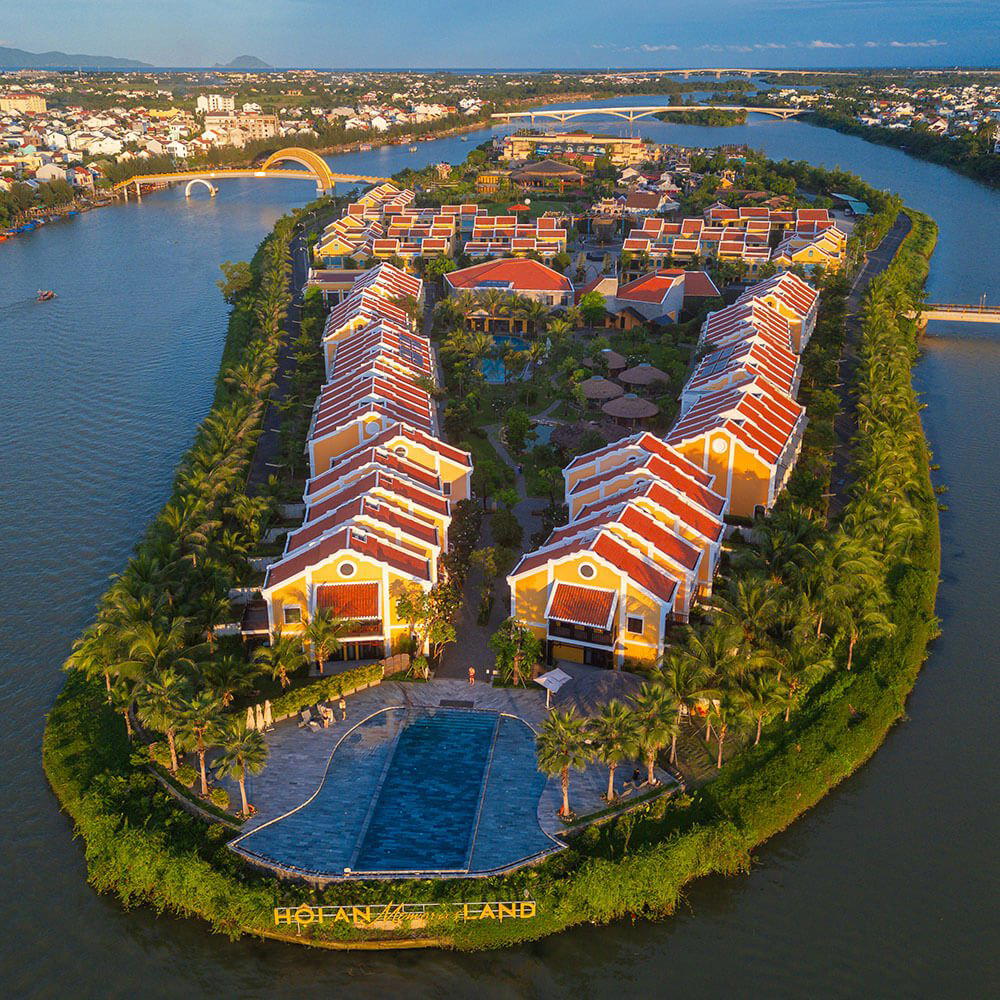
Details
- Romantic
- Elegant
- Scenic
- Sophisticated
- Quiet
- Honeymoon
- Romantic Getaway
- Family Vacation
- Wellness Retreat
- Infinity Pool
- Private Villa
- Destination Spa
- Waterfront
- Garden
- Pool
- Spa
- Fitness Center
- Room Service
- Concierge
- Wi Fi
- Beach Access
- Kids Club
- Garden
- Wheelchair Accessible
- Step Free Entrance
- Accessible Parking
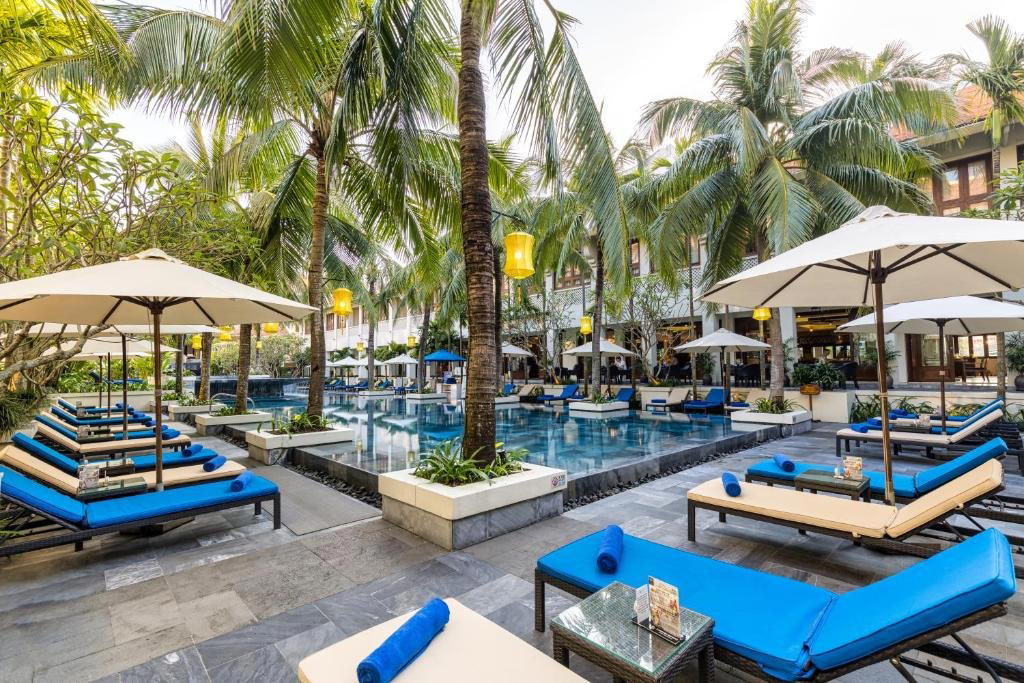
Relaxed and serene riverside atmosphere with gentle breezes, garden views, and peaceful poolside lounging.