HGU New York

Small Luxury Hotels of the World Member
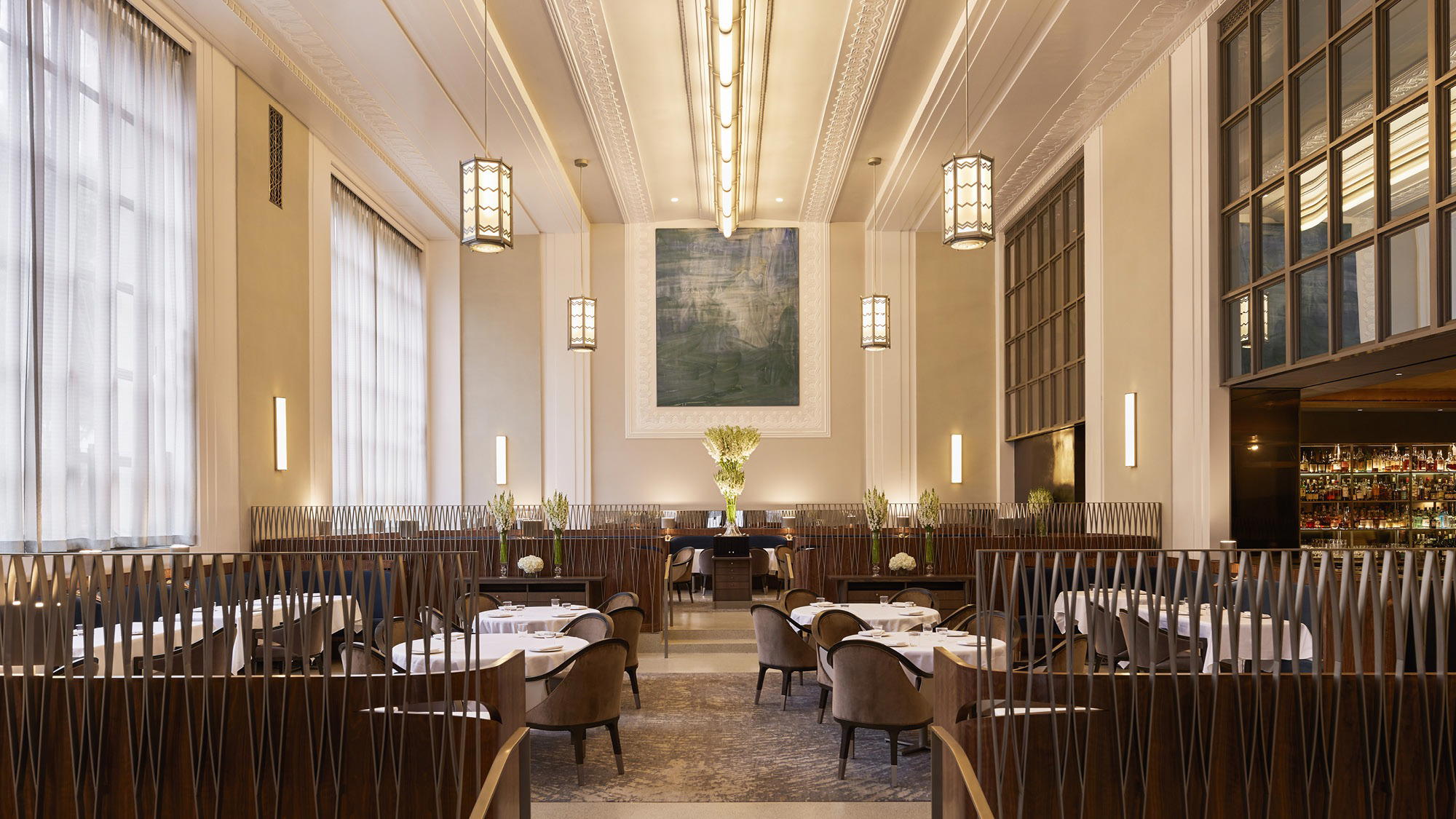
A pre-war building on East 32nd Street, HGU New York occupies a 1905 structure whose ornate plaster ceilings and mid-century furnishings form an unlikely backdrop for a lobby that doubles as a rotating art gallery. In NoMad, where hospitality increasingly splits between large branded towers and character-driven independents, HGU sits firmly in the latter category, offering a scale and aesthetic specificity that the former rarely achieves.

Pearl is the En Primeur Club membership app, where members save venues, book tables and use the concierge.
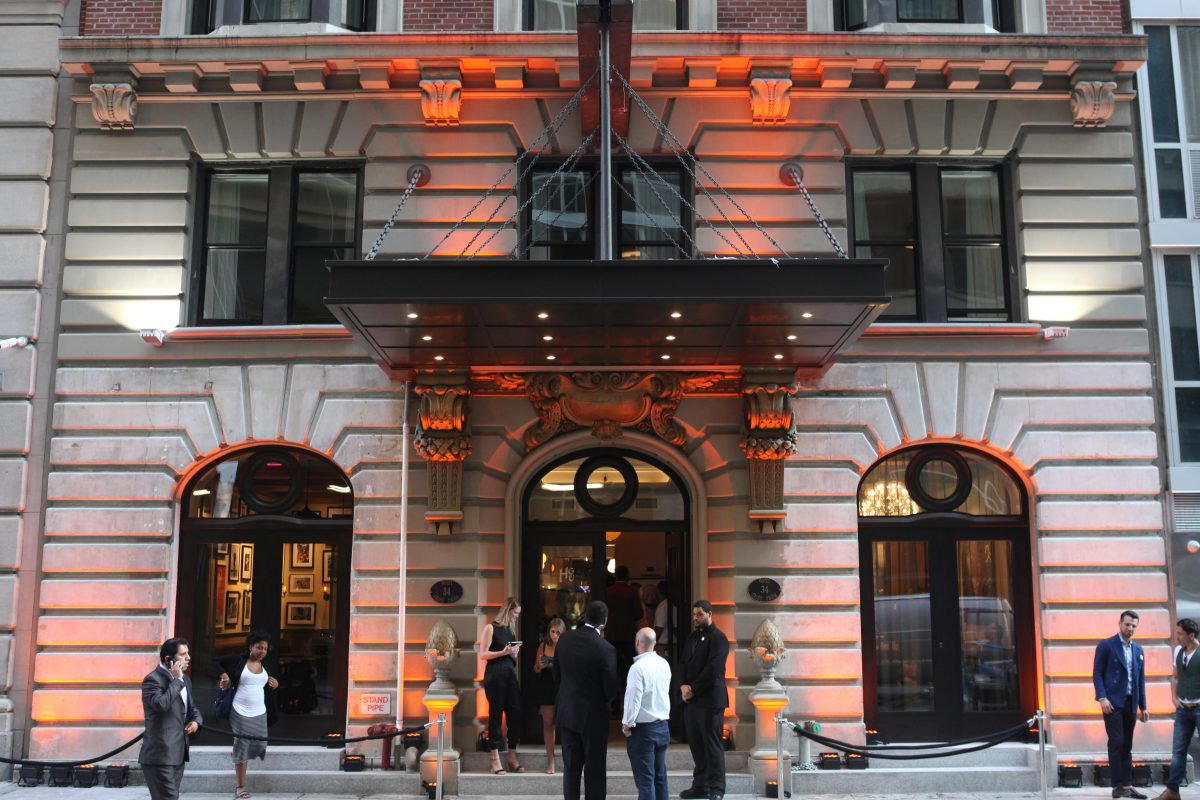
A Pre-War Shell, Reassembled for the Present
Approaching 34 East 32nd Street, the building reads like dozens of others along this stretch between Madison and Park Avenues: a pre-war facade, slightly compressed by the blocks around it, carrying the quiet authority of New York construction from the early twentieth century. Step inside and the 1905 plaster ceilings immediately set the register. They are ornate in the manner that that era demanded, and they have survived largely intact, which in Manhattan is less a given than it might appear. The building could have gone in several directions across a century of reuse. Instead, HGU New York has leaned into the architecture rather than against it.
NoMad, the district straddling Madison Avenue north of the Flatiron, has shifted considerably over the past fifteen years. What was once a transitional zone between Midtown and Chelsea has developed a distinct hospitality identity, drawing smaller, design-forward hotels that use the area's stock of pre-war commercial buildings as raw material. HGU fits that pattern, placing itself in a cohort more concerned with atmosphere and material specificity than with amenity count or brand affiliation. For a broader picture of where the city's hotels and restaurants sit relative to each other, our full New York City restaurants guide maps the competitive field across neighbourhoods.
The Lobby as Gallery
The decision to treat the lobby as an active art space rather than a transitional threshold is one that separates a certain tier of independent hotel from the mainstream. At HGU, this is not a seasonal installation or a curated corner: the lobby functions as a gallery in an ongoing sense, with the art component forming part of the hotel's core identity rather than its decoration. The result is an arrival experience that requires attention rather than simply passage.
This approach places HGU in conversation with a specific strand of boutique hospitality that has emerged in New York and other major cities, where the public spaces of a hotel are designed to hold visitors who are not guests, and to generate a different kind of cultural gravity. Properties like Crosby Street Hotel in SoHo and The Whitby Hotel have pursued related strategies, where art programming and interior identity reinforce each other. HGU operates at a smaller scale, which concentrates the effect.
Old Fabric, Mid-Century Logic
The interior's mid-century modern furnishings work against the 1905 envelope in a way that rewards a second look. The pairing is not accidental: mid-century design, with its emphasis on functional form and clean material honesty, creates productive friction against the decorative plasterwork overhead. The effect is a space that registers as layered rather than themed, suggesting accumulation over decades rather than a single design moment imposed on the building.
This kind of interior logic, where historical periods are placed in deliberate dialogue, has become a marker of the more considered end of boutique hospitality. The alternative, polishing a pre-war building into a period recreation, tends to produce spaces that feel museological rather than alive. HGU's approach leans toward the latter: the building's age is visible and acknowledged, but the furnishings keep the space from settling into nostalgia. Comparable tension between period architecture and contemporary programming appears in properties like The Fifth Avenue Hotel and, at the more maximalist end, The Carlyle, A Rosewood Hotel on the Upper East Side.
For travellers whose reference points extend beyond New York, the sensibility finds parallels in how certain European city hotels handle inherited architecture: Aman Venice treats its palazzo fabric with similar respect for the original, while properties like Badrutt's Palace Hotel in St. Moritz demonstrate how a pre-modern building can carry contemporary hospitality without erasure of what came before.
NoMad's Position in the New York Hotel Field
New York's boutique hotel sector has fragmented across neighbourhoods in ways that make location a meaningful signal. The Upper East Side's concentration, anchored by properties like The Mark, reads differently from TriBeCa's, where The Greenwich Hotel holds a particular position. NoMad sits between Midtown's infrastructure density and Lower Manhattan's design-led newer stock, giving it a character that is neither purely transactional nor self-consciously fashionable.
HGU's address on East 32nd Street places it within walking distance of Koreatown, the Empire State Building, and the Madison Square Park area, which means it functions well as a base for movement across a wide arc of the city. The neighbourhood is also notably walkable toward both Flatiron and Murray Hill, covering a range of dining and cultural options that larger Midtown hotels often require taxis to reach. For travellers considering how NoMad compares to other character-driven alternatives, Casa Cipriani New York in the Financial District represents the downtown pole of the same independent-hotel sensibility.
The question of scale matters here. Boutique properties in New York often occupy a pragmatic middle ground: large enough to maintain consistent staffing and service, small enough for the design intention to remain coherent across the building. HGU operates in that range, which shapes how the art gallery lobby lands. In a larger property, the same concept tends to dissipate; in a hotel of this scale, it becomes a genuine point of difference.
Comparing Peer Sets Across Price Tiers
At the upper end of New York's independent hotel market, properties like Aman New York have pushed room rates and service depth into a tier that competes with private-club membership rather than conventional hospitality. HGU occupies a different position, where the design and atmosphere carry more weight than amenity volume. This is a deliberate trade-off that a specific kind of traveller finds preferable: those who use their room efficiently and prioritise what the building itself offers over what the hotel can arrange.
For those planning wider American itineraries, the contrast with resort-format independents is instructive. Properties like Post Ranch Inn in Big Sur, Amangiri in Canyon Point, or Troutbeck in Amenia offer versions of the character-led independent model in landscape-dependent contexts. HGU's urban version of the same premise replaces natural setting with architectural inheritance, which is New York's equivalent resource.
Planning Your Stay
HGU New York is located at 34 East 32nd Street in the NoMad district of Manhattan. The address sits between Fifth and Park Avenues, giving direct access to multiple subway lines and reasonable walking distance to Penn Station and Grand Central, which makes arrival from both major airports manageable without requiring a car. For stays that extend beyond the hotel, the neighbourhood's dining options have expanded considerably over the past decade, and the proximity to Madison Square Park gives the area a different texture from the denser blocks further into Midtown.
Booking is handled directly through the hotel's standard channels. Given the property's boutique scale, room availability tends to tighten around major events and peak autumn travel weeks in New York, when demand across the city compresses availability at design-led independents more sharply than at large branded properties with deeper inventory.
The Minimal Set
Comparable venues nearby, for context on price, style, and recognition.
| Venue | Price | Awards | Notes |
|---|---|---|---|
| HGU New YorkThis venue (the venue you are viewing) | $100–200 | Small Luxury Hotels of the World Member | Not listed |
| The Prince Kitano New York | $200–300 | Preferred Hotels Member | Midtown-Times Square, Boutique hotel blending modern tranquility with traditional Japanese service |
| The Moore | Not listed | Design Hotels Member | Chelsea-Hudson Yards, residential urban retreat |
| Soho Grand Hotel | Not listed | Michelin Selected · Mr & Mrs Smith Seal of Approval | SoHo-Little Italy-Hudson Square, Luxury boutique lifestyle hotel |
| Smyth Tribeca | $300–500 | Preferred Hotels Member · Forbes Recommended | Tribeca-Civic Center, Mid-century modern Manhattan loft aesthetic with residential feel, eclectic Tribeca-inspired design showcasing timeless sophistication and artistic character. |
| Andaz 5th Avenue | $300–500 | Forbes 4-Star | Midtown-Times Square, Luxury urban loft-style boutique hotel |
Recognition history
Dated appearances from independent guides and award organizations, with the underlying list record or original source where available.
Small Luxury Hotels of the World Member
Small Luxury Hotels of the World
Continue exploring
More in New York City
Hotels in New York City
All hotels in New York City →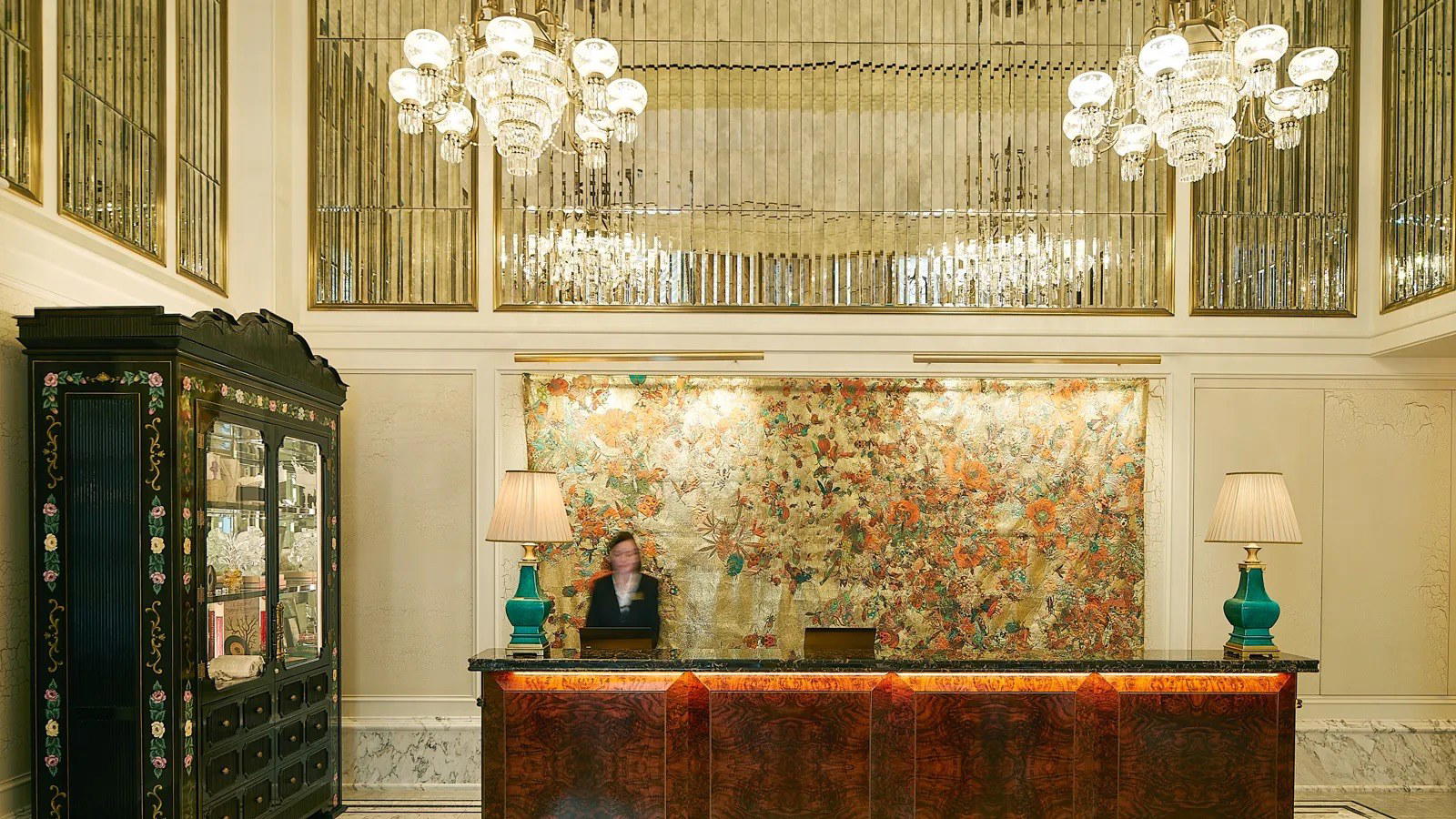
Bars in New York City
All bars in New York City →
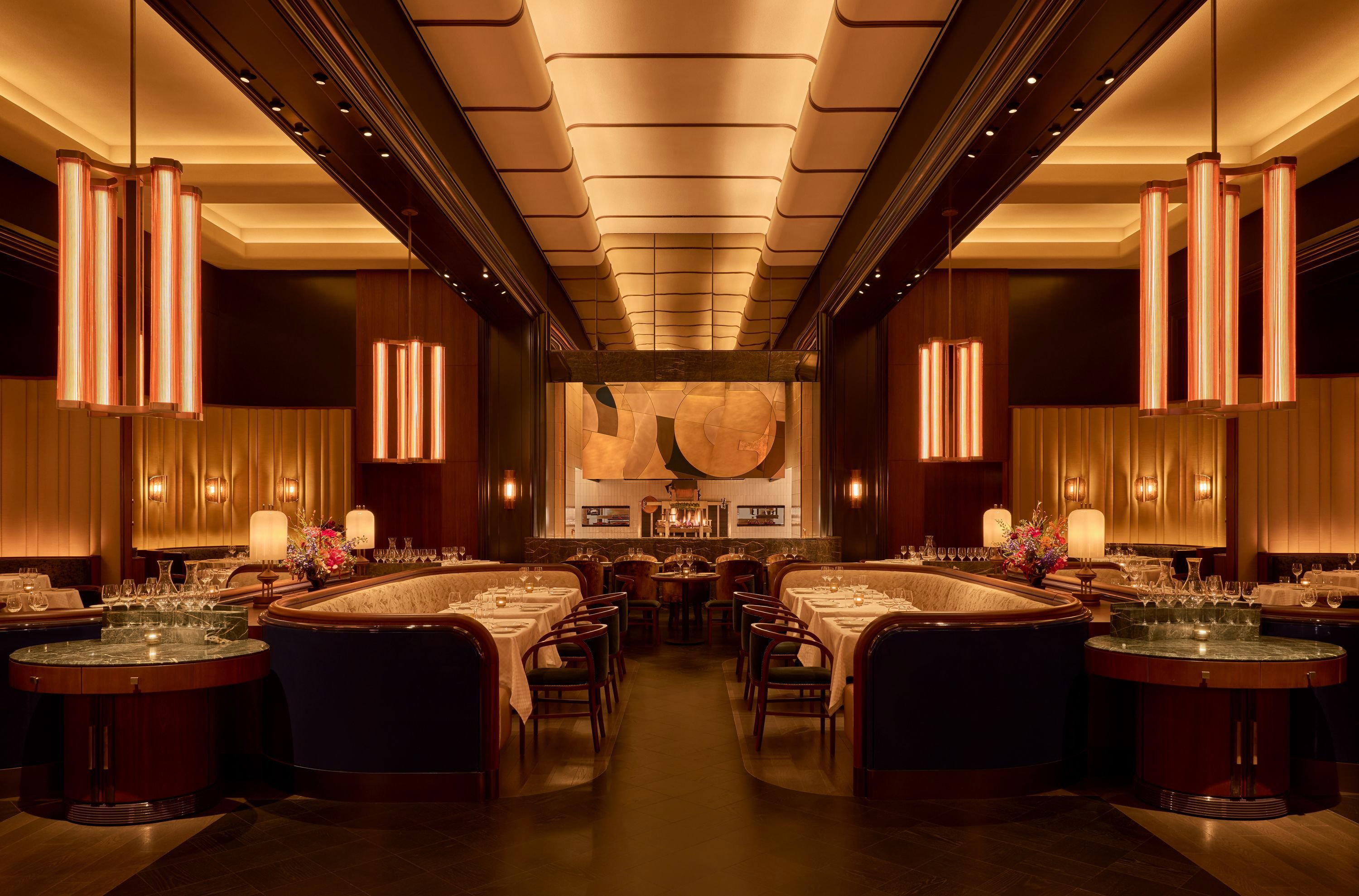
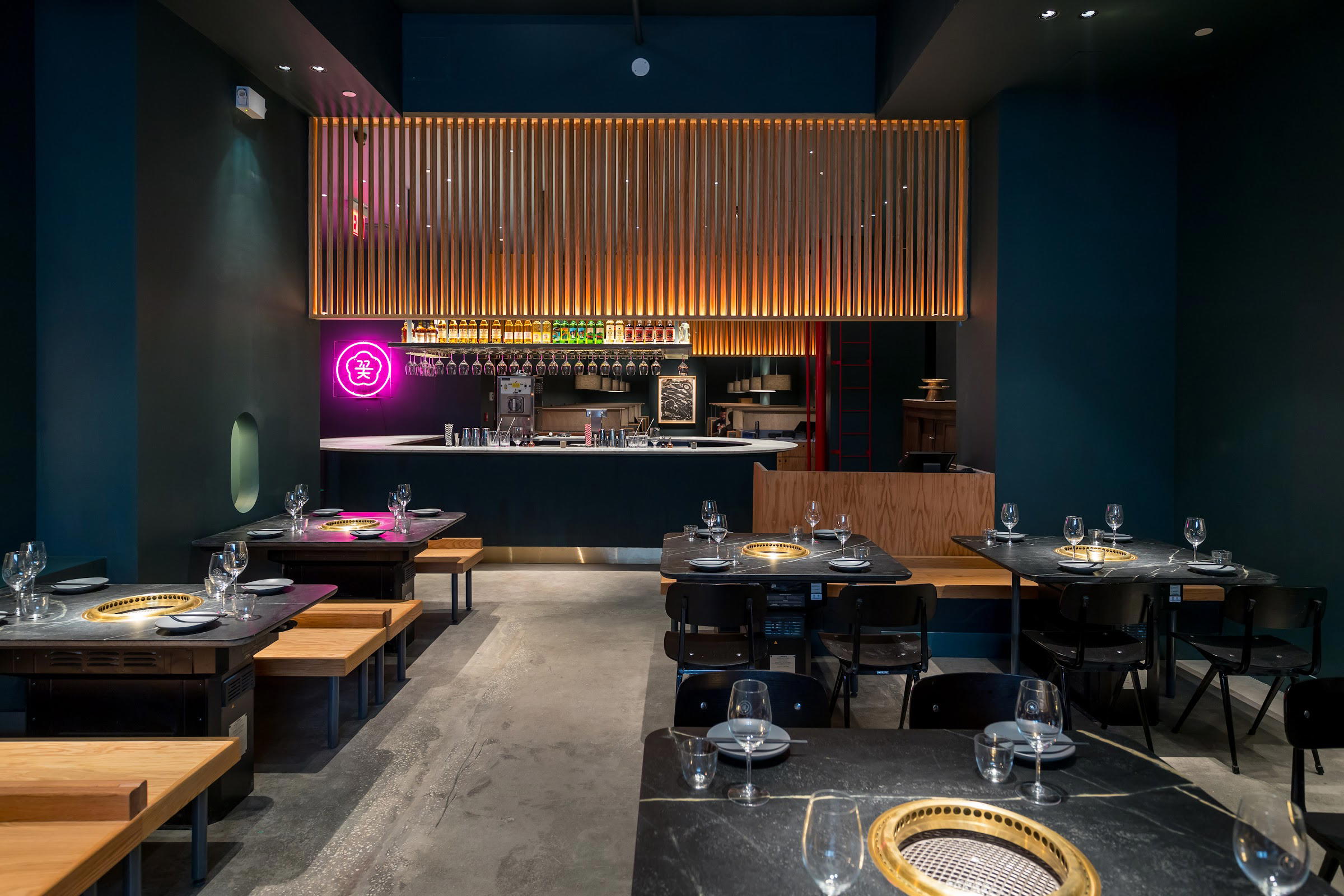
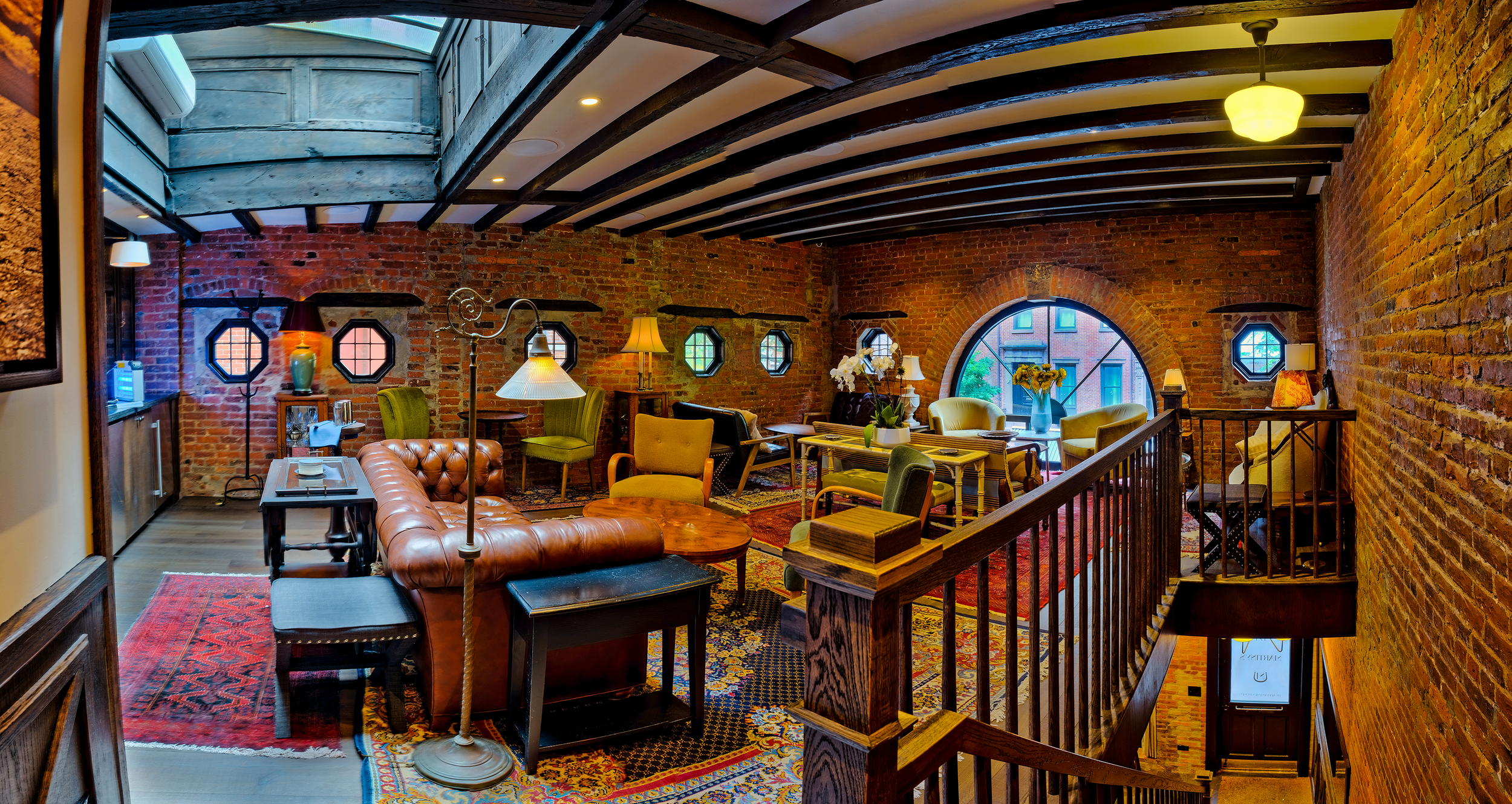
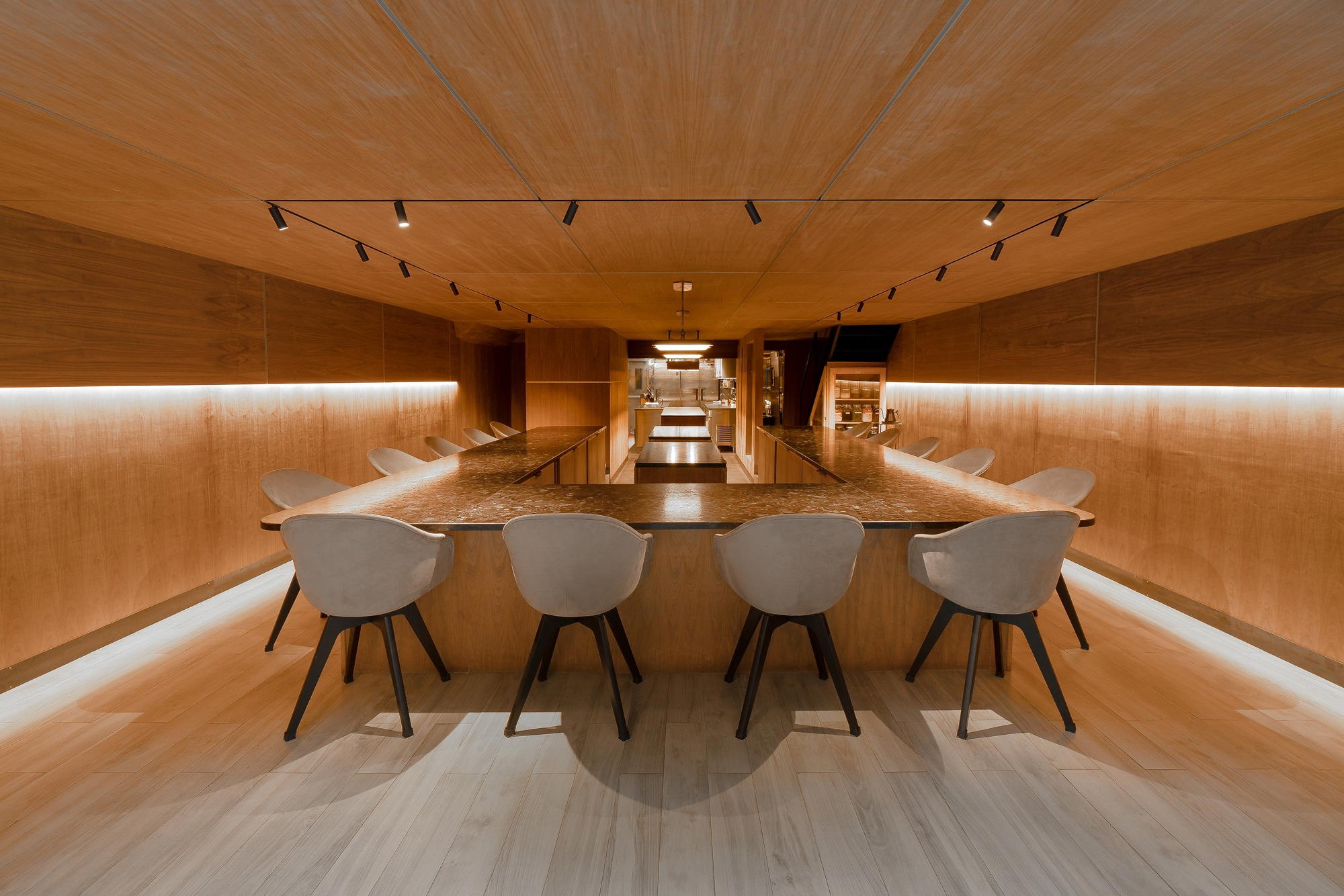




Details
- Sophisticated
- Elegant
- Modern
- Trendy
- Romantic Getaway
- Business Trip
- Weekend Escape
- Rooftop
- Historic Building
- Design Destination
- Wi Fi
- Fitness Center
- Room Service
- Concierge
- Restaurant
- Bar
- Valet Parking
- Skyline
- Wheelchair Accessible
- Elevator
- Braille Menu
Sophisticated atmosphere with a welcoming lobby fireplace, art-filled corridors, and chic, clean rooms praised for comfort and quietness amid the city buzz.