

La Liste Top Hotels · World Luxury Hotel Awards WLHA Continent Winner
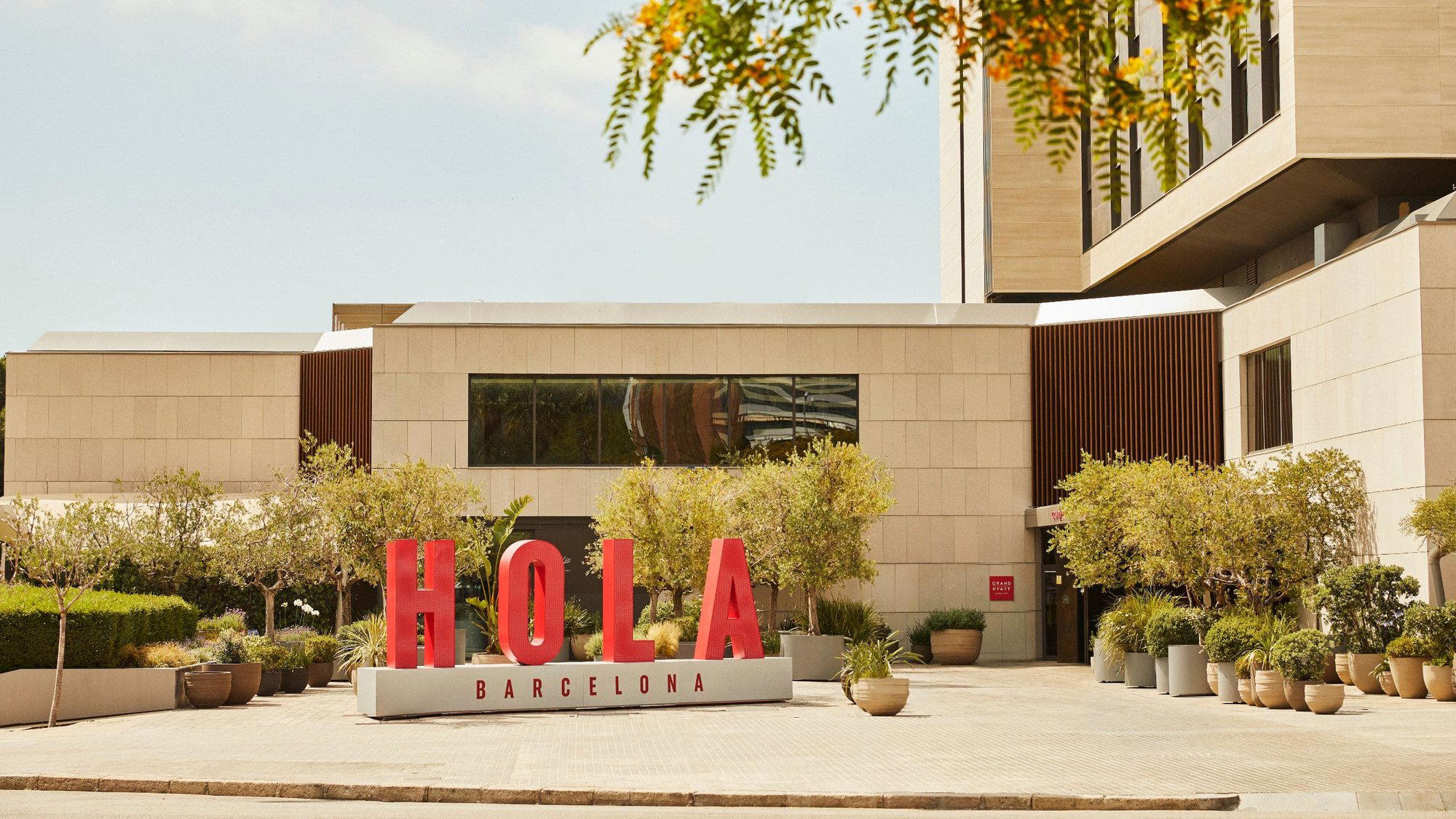
Grand Hyatt Barcelona holds La Liste's 2026 Regional Winner title for Luxury City Business Hotel and Continent Winner for Luxury Business Hotel, scoring 91 points — a benchmark for large-format city hotels in Spain. Located in Les Corts at Plaça de Pius XII, the property sits within reach of Camp Nou and Barcelona's corporate district, positioning it as a reference point for business and leisure visitors who need genuine infrastructure at scale.

Pearl is the En Primeur Club membership app — saves, bookings, and concierge access live there. Same editors, same standards.
Les Corts and the Case for Large-Format Luxury
Barcelona's hotel market has fractured into two recognisable tiers: boutique design properties with 30 to 60 keys concentrated in the Eixample and Gothic Quarter, and large-format business hotels anchored to the city's corporate and conference infrastructure. The Grand Hyatt Barcelona operates squarely in the second category, at Plaça de Pius XII in Les Corts, a district that functions as the connective tissue between the city's financial spine along Diagonal and the stadium quarter around Camp Nou. That address is deliberate. Les Corts carries less tourist density than El Born or the Ramblas corridor, which is precisely why large hotel operations with serious meeting and events capacity tend to cluster here rather than in the more photographed central neighbourhoods.
The broader pattern across European capital cities is that luxury business hotels face a harder credibility test than boutique competitors: they need to perform simultaneously as conference venues, corporate residences, and leisure destinations. Properties that pass that test do so through operational consistency rather than design theatrics. La Liste, whose 2026 edition awarded the Grand Hyatt Barcelona 91 points and named it both Regional Winner for Luxury City Business Hotel and Continent Winner for Luxury Business Hotel, applies a scoring methodology that weights service delivery, food and beverage standards, and guest experience across categories. An award at continent level, across all of Europe's dense field of luxury city hotels, signals consistent execution rather than a single exceptional attribute.
For context on where this places the property within Barcelona's competitive set: the city's other decorated luxury hotels include the Mandarin Oriental Barcelona on Passeig de Gràcia, which occupies the design-led boutique-luxury tier, and the Hotel Arts Barcelona on the waterfront, which emphasises lifestyle positioning. The Grand Hyatt sits in a different competitive conversation entirely, one calibrated around operational depth and business-grade infrastructure at five-star standards.
Where Imported Standards Meet Local Material
Large international hotel groups operating in Spain face a specific editorial question: how much of the local culinary and material culture actually filters into the guest experience, versus how much the operation defaults to a globally standardised template? This tension plays out most visibly in food and beverage, where the gap between a genuinely Barcelona-rooted offer and an internationally generic one is immediately legible to any guest who has eaten well in the city.
Barcelona's culinary position is unusual. The city sits at the intersection of Catalonia's exceptional raw material base (coastline, market agriculture, regional charcuterie traditions) and a generation of chefs trained in European technique, many with French kitchen lineage or time spent in the Basque Country's experimental kitchens. The leading hotel dining in the city reflects this: local ingredients processed through imported rigour, without the result feeling like a regional theme park. The ABaC Restaurant & Hotel exemplifies one version of this, with Michelin-starred dining built around Catalan produce and precise European technique. At the other end of the scale, properties like Alma Barcelona and Almanac Barcelona approach the local-global intersection through design and neighbourhood positioning as much as through food.
For a property operating at the scale of the Grand Hyatt Barcelona, the editorial test is whether the food and beverage program rises to the level implied by its La Liste score. An award framework that weights dining heavily suggests the operation is not defaulting to the generic international buffet model. What is verifiable is that the 91-point La Liste score was issued in 2026 and reflects a holistic assessment, not a single-category recognition.
The Les Corts Location: Practical Intelligence
Plaça de Pius XII places the property within the section of Les Corts that runs between Avinguda Diagonal and the approach roads toward Camp Nou. For guests whose primary purpose is corporate, the location offers direct adjacency to Barcelona's business corridor without the complications of navigating narrow Gothic streets or the tourist pressure of Eixample's peak blocks. For leisure visitors, the trade-off is a slight increase in transit time to Barceloneta or El Born, offset by easier access to the western side of the city and reduced ambient noise compared to more central positions.
Barcelona's public transport infrastructure makes the Les Corts location functional rather than peripheral. The Metro network connects the district efficiently to the airport, the city's main train stations, and the central dining and cultural neighbourhoods. Guests arriving for meetings or events at the hotel's own facilities will find the location self-contained. Those intending to use the hotel as a base for extended city exploration should factor in the 15 to 20 minute transit to the most visited central areas.
Visitors orienting around Spain more broadly will find the city well connected by high-speed rail to Madrid, where the Mandarin Oriental Ritz, Madrid represents the equivalent tier in the capital. Those extending into the Spanish interior or coastal regions can reference properties including Abadía Retuerta LeDomaine, Atrio Restaurante Hotel in Cáceres, or Akelarre in San Sebastián for a Basque kitchen-focused stay. Island options include Cap Rocat in Cala Blava, Hotel Can Cera in Palma, and La Residencia, A Belmond Hotel, Mallorca.
Planning a Stay
Booking for the Grand Hyatt Barcelona runs through Hyatt's standard global reservation infrastructure. For corporate accounts or group bookings, the chain's direct business channels typically offer rate advantages over third-party aggregators. Barcelona's peak demand periods concentrate around the Mobile World Congress in February and March, which saturates the city's large-format hotel inventory at compressed notice. Guests with flexibility who want La Liste-recognised standards without MWC pricing should consider shoulder windows in October and November, when the city's conference calendar quietens and rates become more negotiable.
Those seeking smaller or more design-led alternatives within the city can reference the EP Club's reviewed set: Mercer Hotel Barcelona, Hotel Boutique Mirlo, and Antiga Casa Buenavista each occupy the boutique end of the market. For the full picture of Barcelona's hotel and dining scene, the EP Club Barcelona city guide provides category-by-category context.
Style and Standing
Comparable venues nearby, for context on price, style, and recognition.
| Venue | Cuisine | Price | Awards | Notes |
|---|---|---|---|---|
| Grand Hyatt BarcelonaThis venue — the venue you are viewing | luxury urban retreat deeply connected to Barcelona’s spirit | Not listed | La Liste Top Hotels · World Luxury Hotel Awards WLHA Continent Winner | Not listed |
| The Barcelona EDITION | Luxury lifestyle boutique hotel epitomizing timelessly elegant design with personal, intimate, and individualized local experience. | $300–500 | Michelin Selected · Star Wine List | Sant Pere, Santa Caterina i la Ribera |
| Claris Hotel & Spa | Art Deco luxury boutique hotel with contemporary design elements and cultural heritage focus | $300–500 | Michelin Selected · Small Luxury Hotels of the World Member | la Dreta de l'Eixample |
| Kimpton Vividora Barcelona | Luxury boutique hotel inspired by traditional Barcelona apartments in a 19th-century building. | $100–200 | Michelin Selected · Virtuoso Luxury Hotel Partner | Barri Gotic |
| Mas Salagros Ecoresort | Eco-luxury resort in a restored Roman villa surrounded by nature. | Not listed | Michelin Selected · Preferred Hotels Member | Vallromanes |
| Claris Hotel & Spa GL | Neoclassical palace with modern luxury renovations | Not listed | 5-Star | la Dreta de l'Eixample |
Recognition history
Dated appearances from independent guides and award organizations, with the underlying list record or original source where available.
La Liste Top Hotels
La Liste
World Luxury Hotel Awards WLHA Continent Winner
World Luxury Hotel Awards
Full recognition history (3 entries)
World Luxury Hotel Awards WLHA Regional Winner
World Luxury Hotel Awards
Continue exploring
More in Barcelona
Hotels in Barcelona
All hotels in Barcelona →

Bars in Barcelona
All bars in Barcelona →
Restaurants in Barcelona
All restaurants in Barcelona →

Details
- Elegant
- Sophisticated
- Modern
- Ornate
- Business Trip
- Romantic Getaway
- Celebration
- Rooftop Pool
- Panoramic View
- Terrace
- Pool
- Spa
- Fitness Center
- Room Service
- Concierge
- Wi Fi
- Valet Parking
- EV Charging
- Skyline
- Wheelchair Accessible
- Elevator
- Step Free Entrance
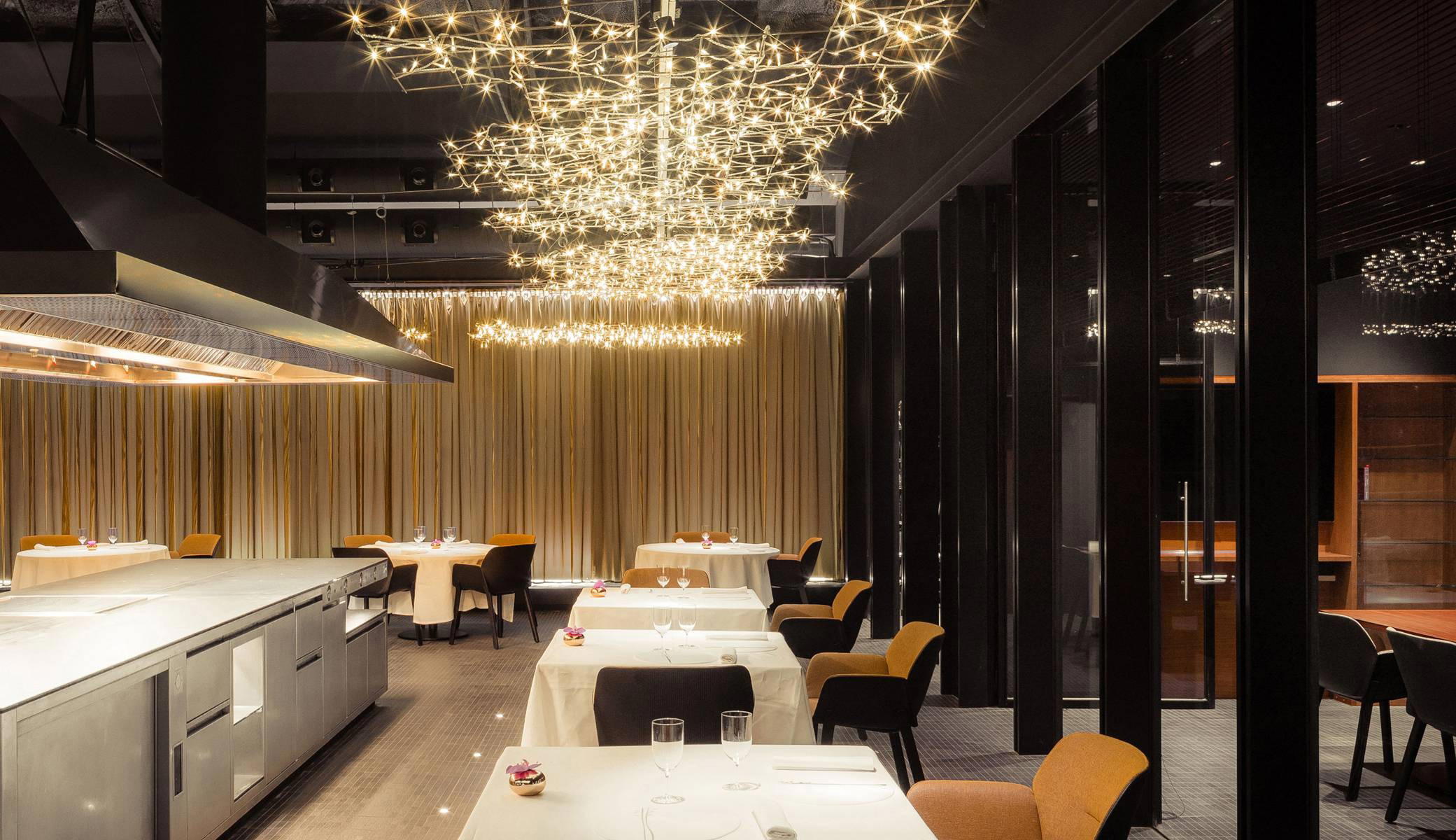
Elegant and refined with modern touches, warm wood palettes, and panoramic city views, creating a sophisticated and serene atmosphere praised for spotless rooms and luxurious spa.