Freehand New York

On Lexington Avenue at the edge of the Flatiron district, Freehand New York occupies a building where design-led budget-to-midscale hospitality meets a genuinely social hotel culture. The property draws a crowd that values creative interiors and communal programming over formal amenity stacks. It sits in a distinct tier from both the luxury flagships uptown and the anonymous midrange chains nearby.
Pearl is the En Primeur Club membership app — saves, bookings, and concierge access live there. Same editors, same standards.
- Address
- 23 Lexington Ave, New York, NY 10010
- Phone
- +1 212 475 1920
- Website
- freehandhotels.com
- Directions
- Get directions
 Saves & bookings on Pearl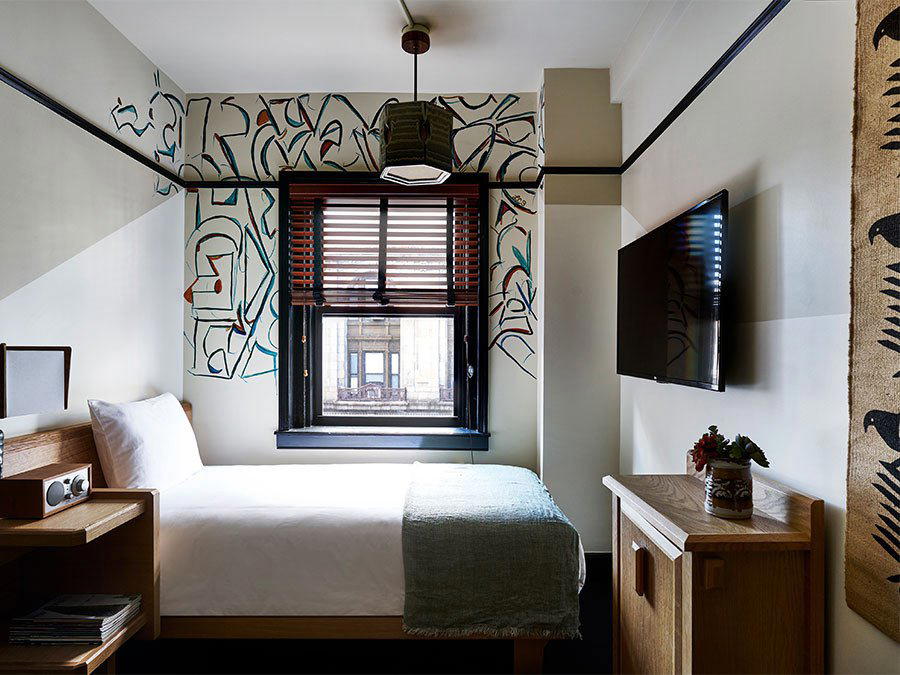
Lexington Avenue and the New York Social Hotel Model
A particular kind of hotel has taken hold in New York over the past decade: properties that operate somewhere between hostel openness and boutique hotel finish, where the lobby functions as a neighbourhood bar, the communal spaces carry more design investment than the guest rooms, and the price point is calibrated to attract a younger, more nomadic professional. Freehand New York, at 23 Lexington Avenue in the Flatiron district, is one of the cleaner examples of this model in the city. The address places it a short walk from Madison Square Park and the dense restaurant corridor along Broadway and Fifth Avenue, in a neighbourhood that has shifted considerably from its earlier identity as a wholesale and commercial district into one of the more active hospitality zones in Manhattan.
That location matters because the Flatiron-Gramercy stretch operates differently from Midtown or the West Village. Hotels here draw both extended-stay guests working in adjacent tech and media offices and visitors who want proximity to the city's central core without paying Midtown prices. Freehand lands precisely in that gap, offering a design-conscious alternative to the chain midrange without the rate structure of properties like The Fifth Avenue Hotel or Aman New York, both of which occupy a different competitive tier entirely.
What the Room Experience Actually Delivers
The Freehand model was built on the recognition that many travellers in this price band are willing to accept smaller square footage and shared amenity spaces if the design quality and communal programming are genuinely good. That trade-off defines the room experience here. Private rooms at the property are compact by most hotel standards, with the design doing the work that square footage cannot. The emphasis is on considered material choices, layered lighting, and the kind of detailing that distinguishes a deliberately designed small room from one that is simply small.
For travellers accustomed to the full-suite dimensions at The Carlyle or the architectural sweep of The Mark, the Freehand room format requires a recalibration of expectations. The overnight stay here is not about retreat into private space; it is about using the property's common areas — the bar, the lounge, the rooftop — as extensions of the room itself. Guests who approach the stay that way tend to find the ratio works. Those expecting the room to function as a standalone sanctuary often find the proportions limiting.
The hostel-derived DNA of the Freehand group means that even private room categories carry some of that communal orientation. Bathrooms are functional rather than spa-calibre, and technology in the rooms reflects a pragmatic rather than aspirational spec. What the rooms do deliver is atmosphere: the visual coherence of a property where someone made real decisions about what the space should feel like, rather than defaulting to the beige uniformity of the midmarket chain format.
The Social Infrastructure: Bar, Lobby, Rooftop
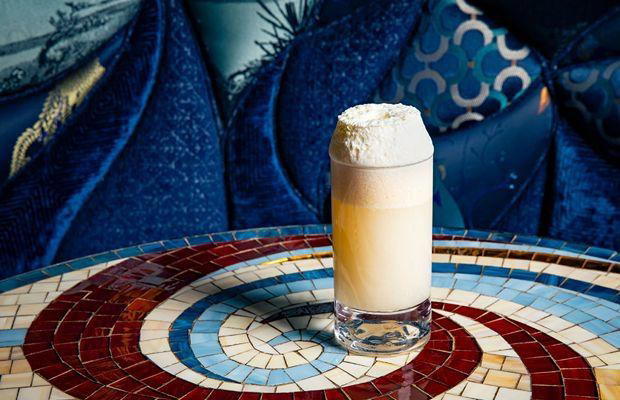
The bar program at Freehand New York has earned a reputation that extends beyond the hotel's guest base, which is itself a meaningful signal. A hotel bar that locals choose to visit operates under a different standard than one that exists purely as a convenience for in-house guests. The Broken Shaker, which operates within the Freehand properties, has accumulated industry recognition across the group's locations for cocktail quality and programming. In New York's cocktail context, where the bar scene has moved toward technical precision and ingredient provenance, a hotel bar that competes on those terms rather than relying on captive guests is a genuine distinction.
Rooftop access, which varies by season and event programming, adds a dimension to the stay that the room square footage alone could not provide. In a city where rooftop space is premium and most hotel rooftops restrict access by rate category, Freehand's more open social model is a meaningful part of the value proposition. For our full sense of where this fits in New York's broader hospitality scene, see our full New York City restaurants guide.
Honest competitive comparison for Freehand New York runs not against luxury flagships but against a cohort of design-led social hotels: the Ace Hotel model, properties like Crosby Street Hotel in SoHo, and independent boutique properties like The Whitby Hotel. It does not compete on room scale, amenity comprehensiveness, or the kind of formal service architecture that characterises Casa Cipriani New York or The Greenwich Hotel.
For travellers coming from resorts with significant land and architectural sweep, such as Amangiri in Canyon Point, Post Ranch Inn in Big Sur, or Hotel Bel-Air in Los Angeles, the urban compression of Freehand will feel like a deliberate contrast rather than a compromise, if the purpose of the New York leg is engagement with the city rather than withdrawal from it. Similarly, guests accustomed to the curated rural pace of Troutbeck in Amenia or the wellness architecture of Canyon Ranch Tucson will find Freehand occupies a categorically different register, one oriented toward social activation rather than restoration.
Internationally, the design-led urban social hotel format Freehand represents has analogues in cities like Tokyo and Venice, though properties such as Bvlgari Hotel Tokyo and Aman Venice operate at the opposite end of the price and formality range. The Freehand model is, in that sense, a distinctly American mid-market iteration of the idea that a hotel's public spaces can be as important as its rooms.
Planning Your Stay
The property sits at 23 Lexington Avenue in the Flatiron-Gramercy area, within walking distance of the 6 train at 23rd Street and a reasonable walk from both Union Square and the Midtown core. For travellers arriving by air, both JFK and Newark are accessible by subway and rail connections, making the Lexington Avenue location logistically direct from either hub. Booking is available through the property's standard online channels, and rates are generally more accessible than the luxury tier, though they fluctuate with Manhattan's seasonal demand patterns. Rates climb during fashion weeks, major conventions, and summer peak periods; shoulder season and winter months typically offer the most favourable pricing without sacrificing the social energy the property depends on.
Guests who want to anchor a wider trip around properties with different registers can look to Four Seasons at The Surf Club in Surfside, Raffles Boston, Auberge du Soleil in Napa, Little Palm Island Resort and Spa in Little Torch Key, Sage Lodge in Pray, SingleThread Farm Inn in Healdsburg, 1 Hotel San Francisco, Kona Village, A Rosewood Resort in Kailua Kona, and Badrutt's Palace Hotel in St. Moritz as part of a broader itinerary that uses Freehand as its New York base.
At-a-Glance Comparison
A small set of peers for context, based on recorded venue fields.
| Venue | Awards |
|---|---|
| Freehand New YorkThis venue — the venue you are viewing | Not listed |
| Aman New York | Michelin 3 Key |
| The Carlyle, A Rosewood Hotel | Michelin 2 Key |
| Pendry Manhattan West | Michelin 2 Key |
| Ace Hotel Brooklyn | Michelin 1 Key |
| The Ludlow Hotel | Michelin 1 Key |
Recognition history
Dated appearances from independent guides and award organizations, with the underlying list record or original source where available.
Michelin Selected
Michelin
Continue exploring
More in New York City
Hotels in New York City
Browse all →

Bars in New York City
Browse all →
Restaurants in New York City
Browse all →




At a Glance
- Trendy
- Lively
- Modern
- Bohemian
- Weekend Escape
- Rooftop Pool
- Historic Building
- Design Destination
- Wi Fi
- Fitness Center
- Street Scene
- Wi Fi
- Fitness Center
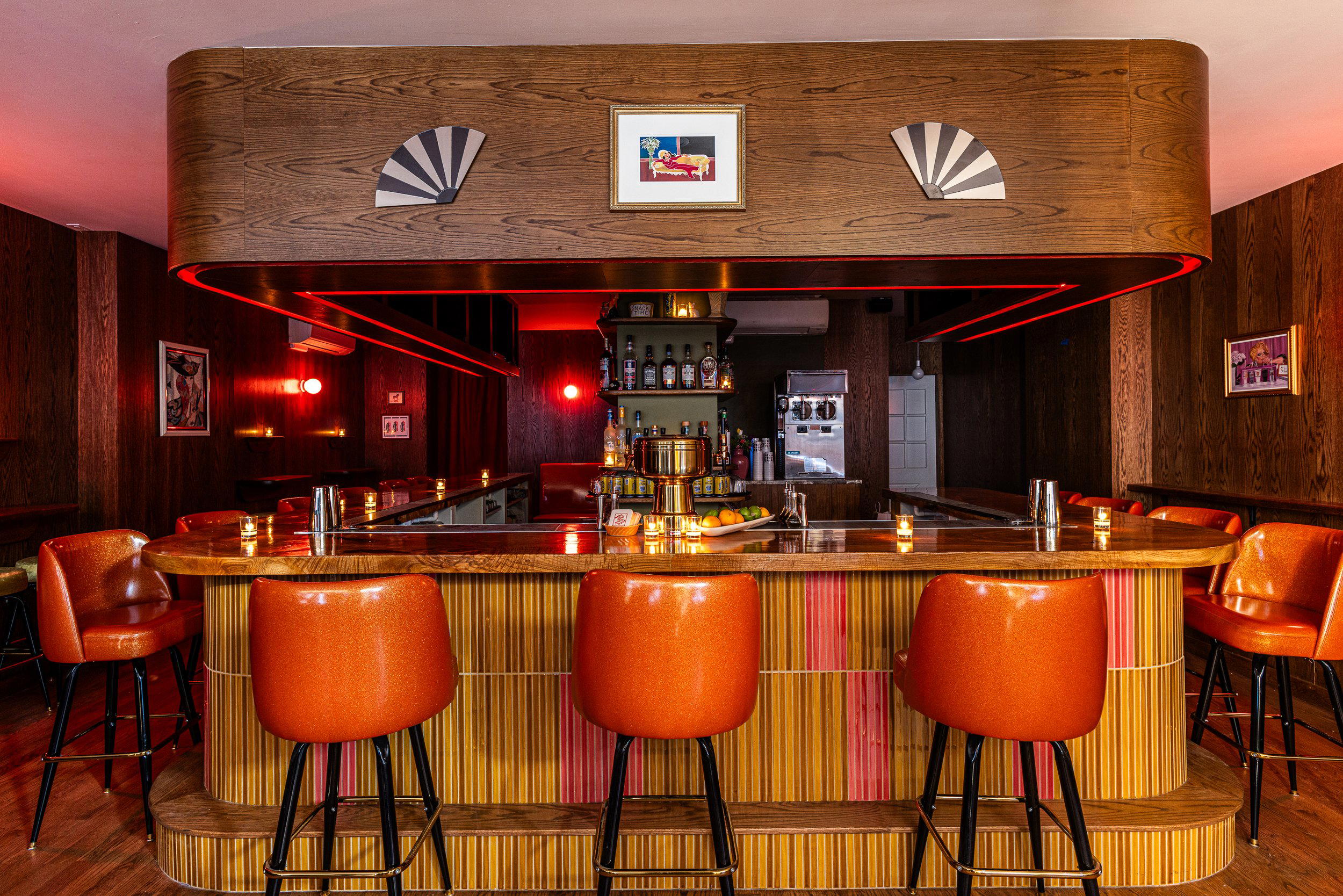
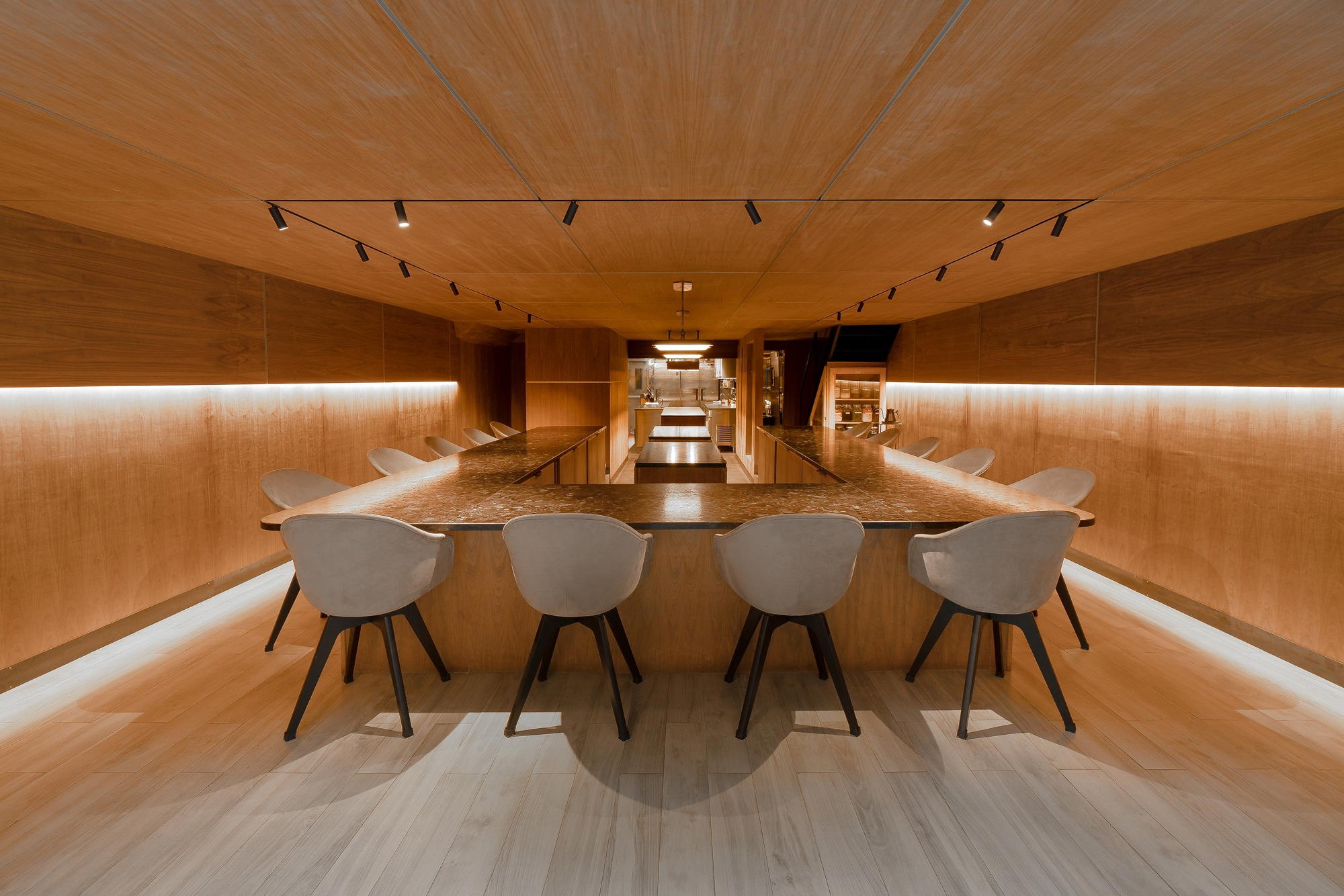
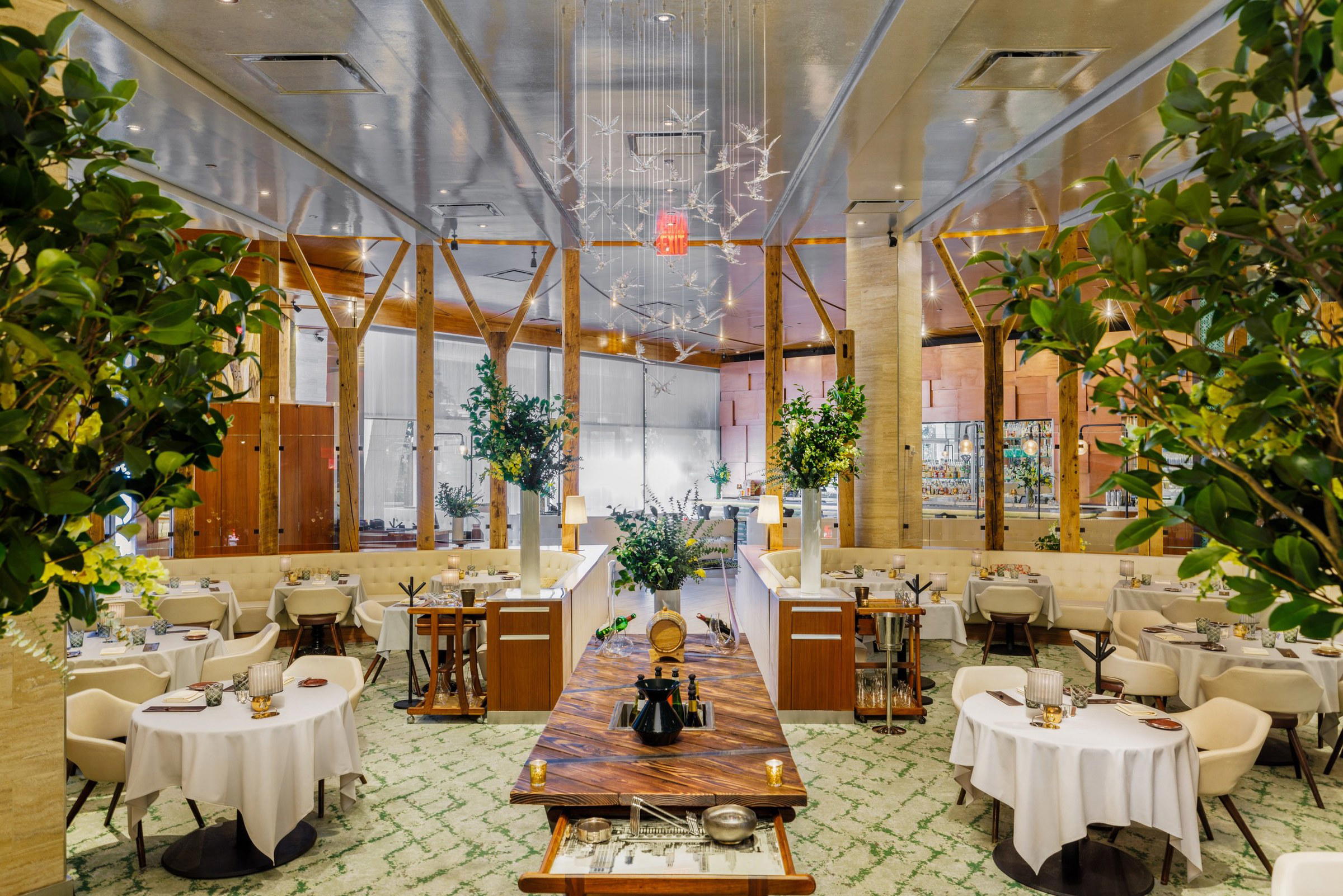
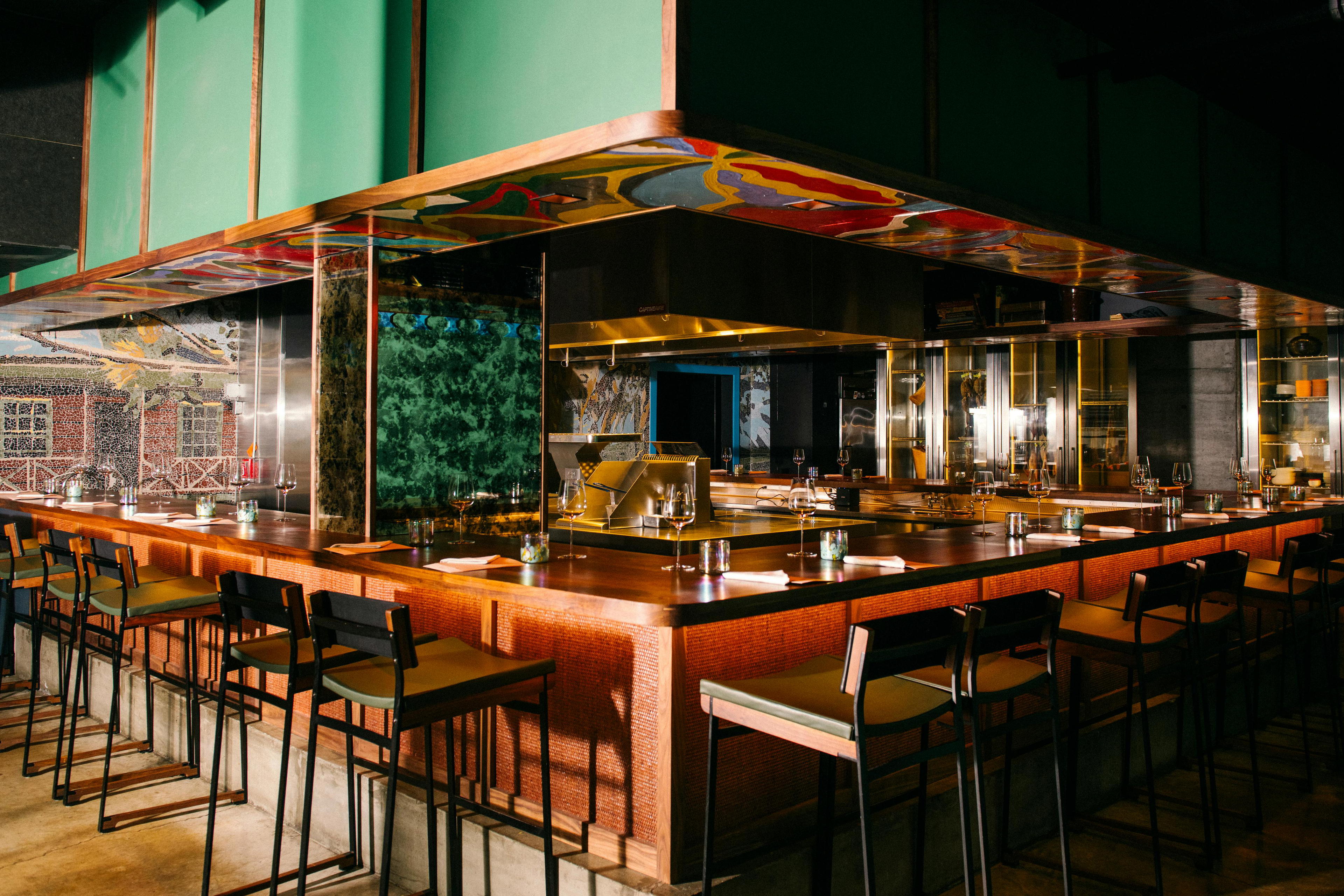
Warm wood detailing, lively artwork, and lively communal areas with a playful, irreverent atmosphere.
Know Before You Go
- Getting there
- 23 Lexington Ave, New York, NY 10010