Urban Cowboy
Urban Cowboy brings a distinct sensory identity to New York City's boutique hotel scene, trading polished anonymity for rough-hewn warmth and deliberate character. Positioned within a city where design-led independents now rival large-flag properties, it occupies a niche defined by atmosphere over amenity count. Visitors looking for a stay that reads as a place rather than a product will find it here.

Pearl is the En Primeur Club membership app, where members save venues, book tables and use the concierge.
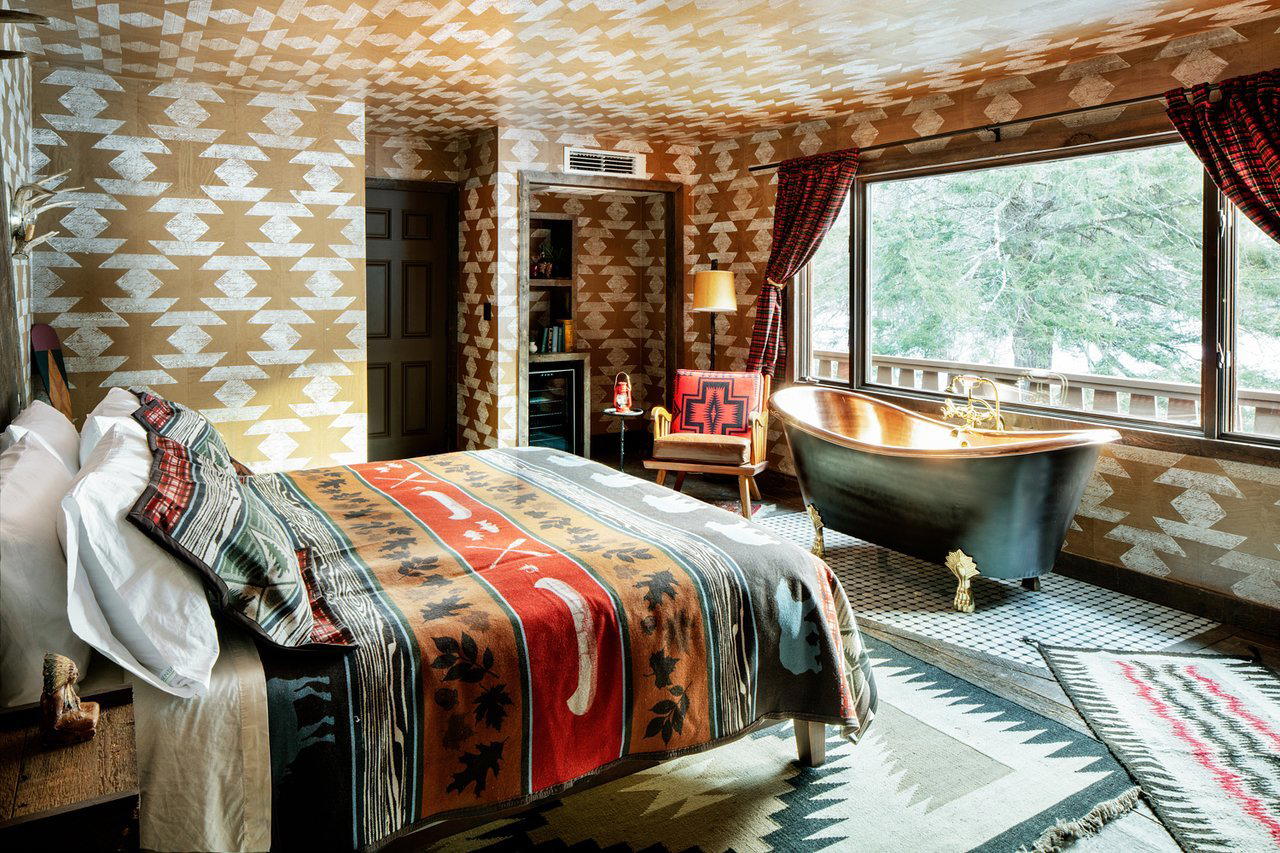
A Different Register of Comfort
New York's boutique hotel category has fractured into several distinct tiers over the past decade. At one end sit the grand-flag properties Aman New York, The Carlyle, A Rosewood Hotel, and The Fifth Avenue Hotel, where scale and brand lineage do much of the work. At the other end, a smaller cohort of design-led independents has emerged that trades on atmosphere and material specificity rather than room count or suite tiers. Urban Cowboy belongs to this second category, and its competitive reference points are properties like The Greenwich Hotel and Crosby Street Hotel, places where the physical environment is the primary editorial statement.
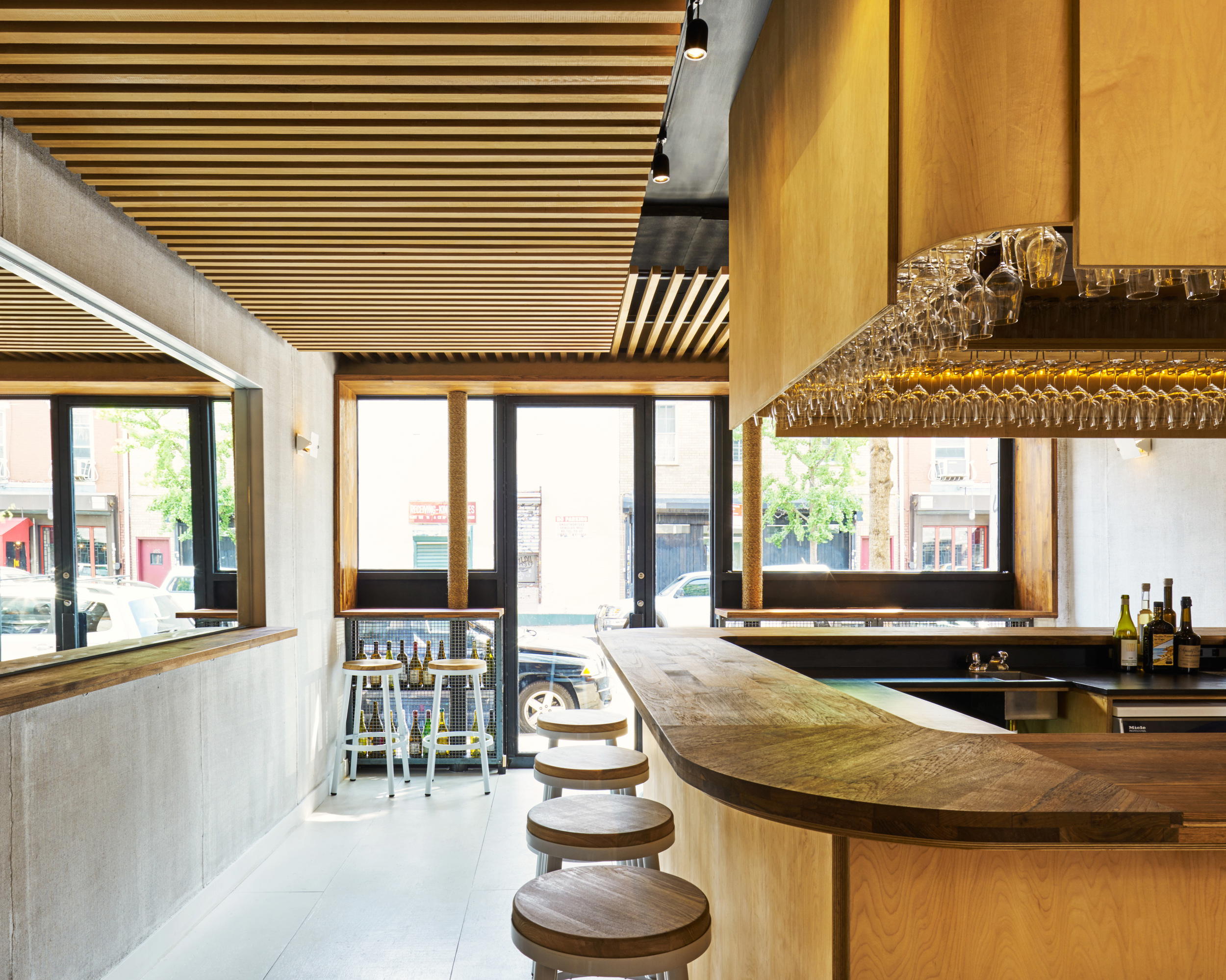
What distinguishes this tier nationally is a commitment to tactile, place-specific design. Where larger properties invest in art collections and branded amenities, the independent design-led hotel invests in the grain of its materials, wood, leather, salvaged fixtures, worn textiles, and the cumulative sensory effect of a space that feels inhabited rather than assembled. Urban Cowboy operates in that tradition, with an aesthetic vocabulary drawn more from the American vernacular than from international luxury conventions.
The Physical Environment as Argument
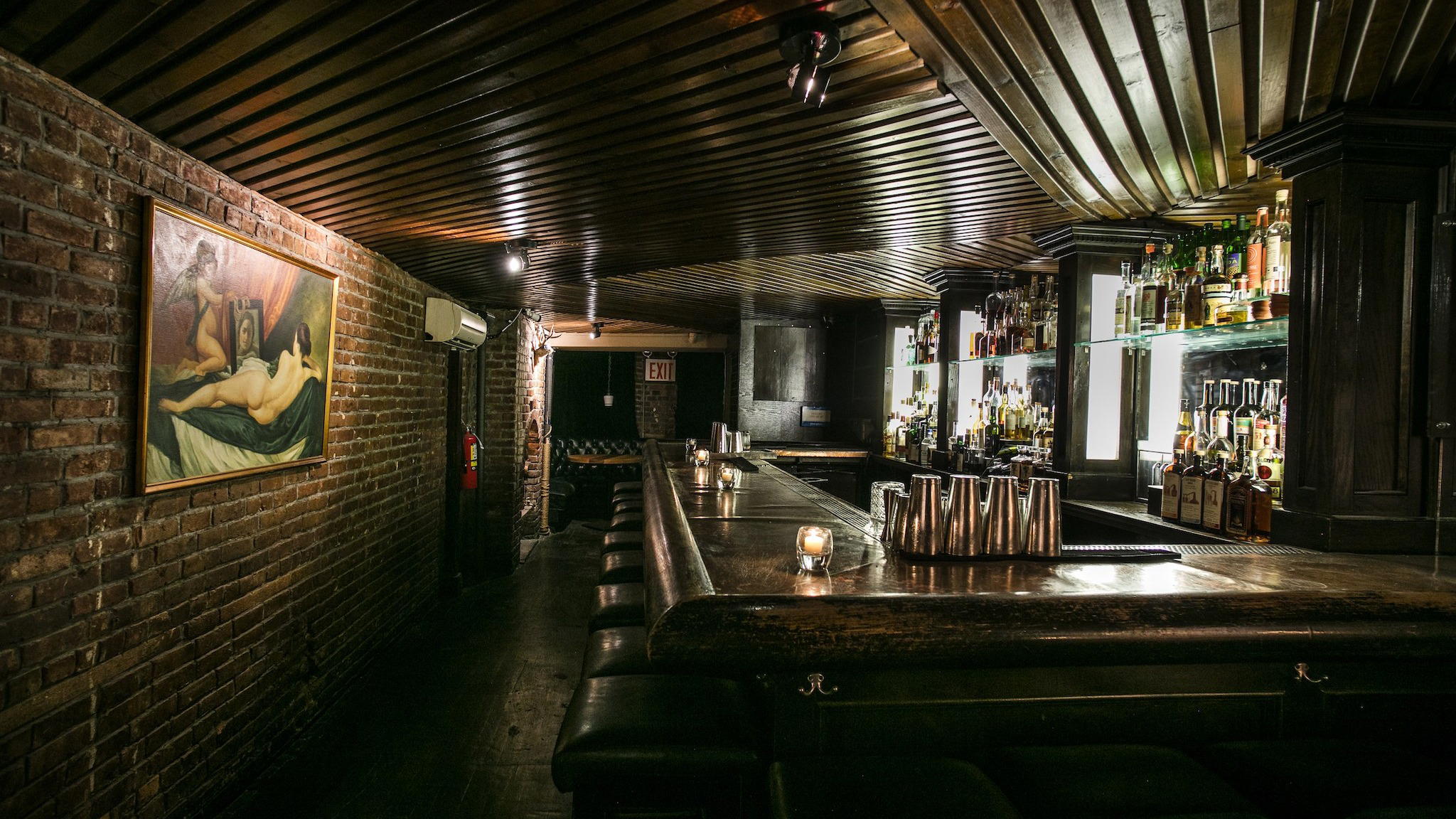
The sensory register of a hotel like Urban Cowboy is built from dozens of small decisions that don't appear on any amenity list. The choice of warm incandescent light over cool LED arrays. The weight of a door handle. The smell of aged timber in an enclosed space versus the neutral conditioning of a large corridor. These are the elements that separate a hotel with character from one with specifications, and they are precisely where design-led independents either succeed or collapse.
Nationally, this approach has proven durable. Properties like Troutbeck in Amenia and Post Ranch Inn in Big Sur demonstrate that guests will travel specifically for a physical environment that reads as coherent and considered, even when that environment is deliberately rough at the edges. Sage Lodge in Pray and SingleThread Farm Inn in Healdsburg make a similar argument in their respective regions: the sensory whole matters more than the individual amenity. Urban Cowboy applies the same logic within New York City limits, which makes its proposition both more convenient and more compressed, the contrast between its interior atmosphere and the city outside is part of what gives the experience its definition.
Positioning Within New York's Independent Hotel Scene
New York has never been short of boutique options, but the city's independent hotel scene has grown considerably more sophisticated since the mid-2010s. Properties like The Whitby Hotel and The Mark represent the upper end of the independent tier, with strong design credentials and food and beverage programs that generate their own press. Casa Cipriani New York occupies a similar position, with the additional weight of a historic building and a branded restaurant.
Urban Cowboy sits in a different sub-tier: smaller, more intimate, and less focused on the social-scene dimension of hotel hospitality. For guests who have spent time at places like Little Palm Island Resort and Spa in Little Torch Key or Kona Village, A Rosewood Resort in Kailua Kona, where a specific sense of place is the primary selling point, Urban Cowboy offers a version of that sensibility transplanted into a city setting.
The Broader Context: Design-Led Hotels and Atmosphere as Product
The rise of the atmosphere-first hotel reflects a broader shift in how premium travelers evaluate accommodation. A decade ago, the shorthand for luxury was square footage, thread count, and brand affiliation. Now, a significant cohort of travelers makes decisions based on the aesthetic coherence of a property and the specificity of its character. This has opened space for smaller, independently operated hotels that would have struggled to compete in an era defined purely by scale and brand recognition.
Internationally, this pattern shows up clearly in properties like Aman Venice and Badrutt's Palace Hotel in St. Moritz, where the building itself does the primary editorial work. Closer to home, Amangiri in Canyon Point and Four Seasons at The Surf Club in Surfside demonstrate that atmosphere and site specificity now carry as much weight in the premium market as formal star ratings. Hotel Bel-Air in Los Angeles and Canyon Ranch Tucson occupy adjacent positions, properties where the totality of the sensory environment is the product, not just the room.
Urban Cowboy's position in New York makes sense within this frame. The city already has multiple options for guests who want formal luxury delivered at scale. What it has fewer of are properties where the atmosphere is genuinely specific, where the design choices are legible as a point of view rather than a category exercise. That specificity is what the design-led independent hotel offers, and it is what Urban Cowboy offers within its particular niche of the New York market.
Planning Your Visit
For guests considering Urban Cowboy alongside other New York options, the practical calculus differs from the standard hotel comparison. This is not a property where the decision turns on room-service hours or concierge depth. The decision turns on whether the physical environment, the atmosphere, the materiality, the sensory character of the space, matches what you are looking for from a stay in New York. For full context on where Urban Cowboy sits within the wider New York accommodation and dining picture, see our full New York City guide. Guests who have previously stayed at design-led properties like Raffles Boston or 1 Hotel San Francisco will have a reasonable sense of the register, though Urban Cowboy's vernacular American aesthetic places it in a different part of the design spectrum from either. Direct booking is advisable for accurate rate and availability information, as details in this category can shift with demand.
Price and Positioning
| Venue | Price | Awards |
|---|---|---|
| Urban CowboyThis venue (the venue you are viewing) | $200–300 | Not listed |
| Aman New York | Not listed | 3 Michelin Keys · World's 50 Best #87 |
| The Carlyle, A Rosewood Hotel | $1,500–2,500 | 2 Michelin Keys · World's 50 Best #64 |
| Pendry Manhattan West | Not listed | 2 Michelin Keys · La Liste Top Hotels |
| Ace Hotel Brooklyn | $100–200 | 1 Michelin Key · Mr & Mrs Smith Seal of Approval |
| The Ludlow Hotel | $300–500 | 1 Michelin Key · Design Hotels Member |
Continue exploring
More in New York City
Hotels in New York City
All hotels in New York City →


Bars in New York City
All bars in New York City →






Details
- Romantic
- Cozy
- Whimsical
- Rustic
- Trendy
- Romantic Getaway
- Weekend Escape
- Anniversary
- Panoramic View
- Terrace
- Wi Fi
- Pool
- Sauna
- Fitness Center
- Concierge
- Mountain
- Garden
- Wheelchair Accessible
Warm and inviting with layered patterns, lively wallpapers, wood and leather accents, roaring fires, and playful rustic elements creating a cozy, self-aware mountain retreat.