Wolseley Hotel New York
The Wolseley Hotel New York brings the storied European grand-café tradition to Manhattan, positioning itself within the city's upper tier of design-led independent properties. With its origins in London's celebrated Wolseley dining institution, the New York outpost enters a market where heritage branding and considered hospitality carry increasing weight among travellers who weigh atmosphere alongside accommodation standards.

Pearl is the En Primeur Club membership app — saves, bookings, and concierge access live there. Same editors, same standards.
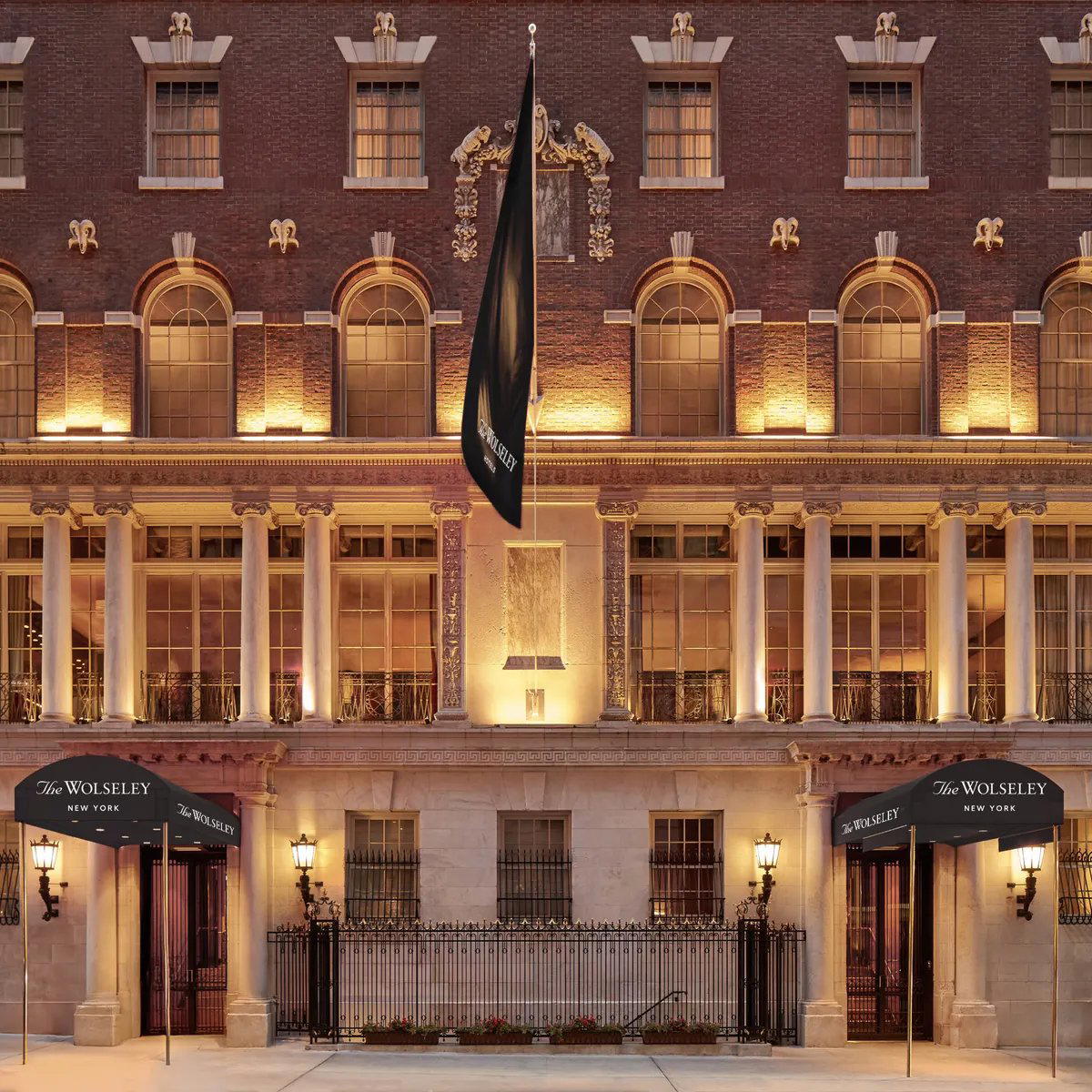
A European Grand-Café Tradition Lands in Manhattan
New York's luxury hotel market has, over the past decade, split decisively between two poles: the large international flag carriers competing on loyalty points and floor count, and a smaller cohort of design-led, independently minded properties where the restaurant, the room aesthetic, and a legible point of view do the heavy lifting. The Wolseley Hotel New York enters that second category, drawing on a London original known for its all-day dining room, a place where the architecture did as much work as the menu. For travellers already familiar with Aman New York or The Carlyle, A Rosewood Hotel, the Wolseley represents a different register: less hushed residential grandeur, more animated European café formality.
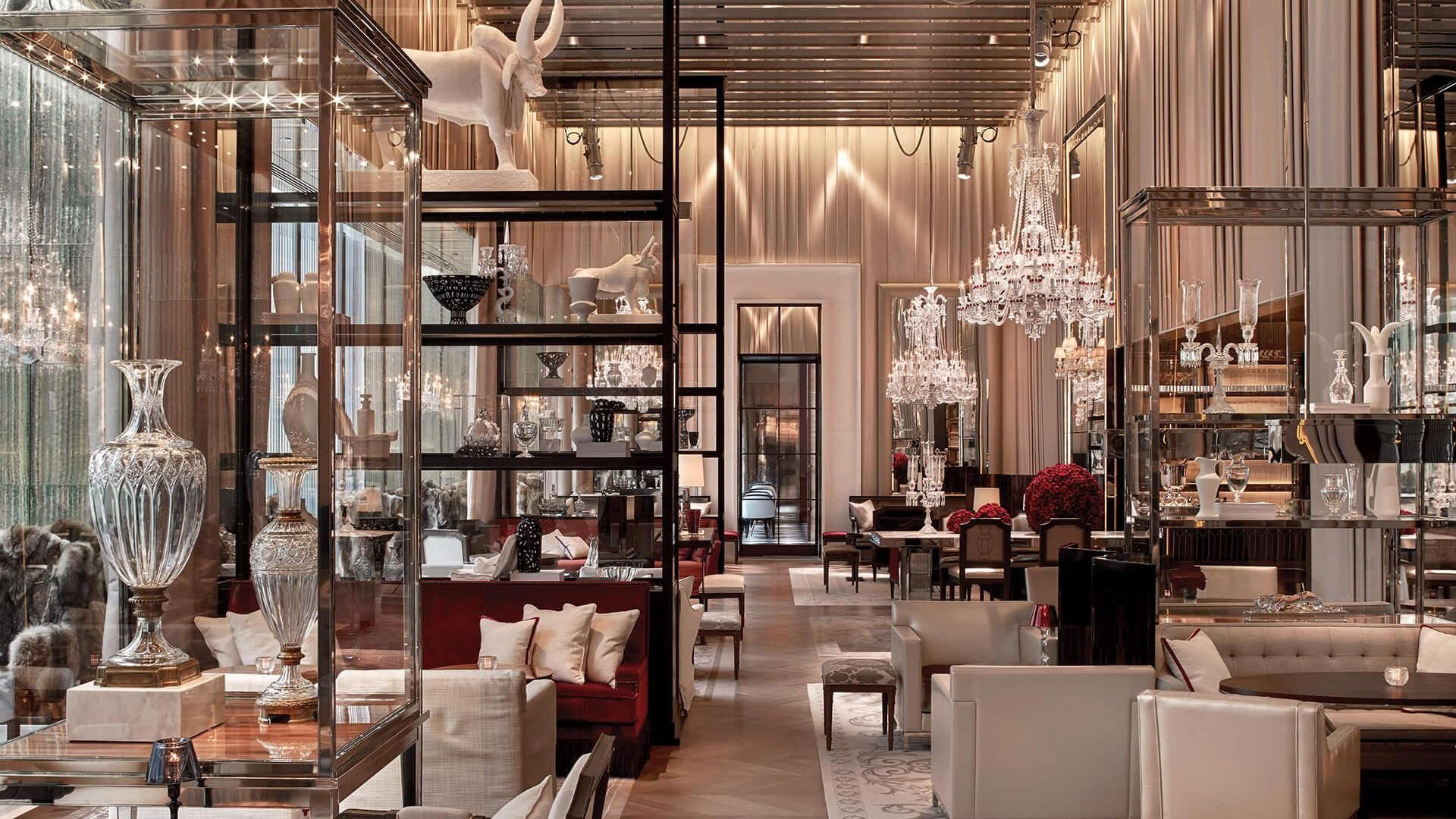
The premise is a specific one. The original Wolseley in London occupies a former Piccadilly car showroom, its vaulted ceilings and black-and-white marble floors creating a room that functions as both democratic meeting point and considered luxury experience. Transporting that sensibility to New York requires a city that can absorb it, and Manhattan, with its appetite for institutions that feel established from opening day, is probably the only American city where the formula has a chance of working without irony.
Where Atmosphere Does the Structural Work
In the tier of New York hotels that take their dining rooms seriously, atmosphere is not decoration, it is infrastructure. Properties like The Fifth Avenue Hotel and Casa Cipriani New York have demonstrated that a well-executed ground-floor social space creates a hotel identity that extends well beyond its guest rooms. The logic applies directly to the Wolseley model: the café-restaurant is not an amenity attached to the hotel, it is the hotel's primary argument.
This approach also shapes how the property sits within premium hospitality. Hotels that lead with longevity, with rooms and dining spaces designed to age rather than date, and with a social purpose embedded in the architecture, tend to generate lower churn in their physical fit-out, reducing the renovation cycles that carry significant environmental cost. A grand-café format, by its nature, is built to be permanent. That structural durability is itself a form of considered practice, even before any specific environmental programmes are factored in.
The broader shift in premium travel is toward properties that can articulate what they stand for beyond thread count and room service response times. The Mark on the Upper East Side has held its position through a combination of neighbourhood loyalty and consistent F&B investment. Crosby Street Hotel and The Whitby Hotel built their identities around a recognisable design language and a consistent curatorial sensibility. The Wolseley Hotel New York is making a comparable bet, that a transferable European institution, properly executed, can hold a distinct position in a market that has already absorbed Aman, Rosewood, and the Firmdale properties.
Responsible Luxury in the All-Day Dining Format
The all-day café model carries a sustainability dimension that is easy to overlook. When a hotel's primary public space operates from early morning through late evening, serving a rotating cast of hotel guests, neighbourhood regulars, and destination diners, it distributes the energy and staffing load across a longer operational window rather than concentrating it into a single high-pressure dinner service. That operational pattern tends to reduce food waste, since purchasing and preparation can be calibrated more precisely against a predictable spread of covers across the day.
Premium properties that have committed to responsible sourcing at scale, including farm-to-table operators like SingleThread Farm Inn in Healdsburg and destination resorts such as Meadowood Napa Valley in Napa, demonstrate that supply chain transparency is increasingly a baseline expectation rather than a differentiator. For a European café transplant entering the New York market, alignment with local sourcing networks and seasonal menu discipline will determine whether the Wolseley's responsible-luxury credentials hold up to scrutiny or remain aspirational.
The community integration question is equally relevant. Hotels that function as neighbourhood institutions rather than sealed luxury environments, the model that places like The Greenwich Hotel and Chicago Athletic Association in Chicago have executed with varying degrees of success, tend to carry lower reputational risk over time. The Wolseley's café format, open to non-residents and structured around the rhythms of the city rather than the rhythms of a resort, is architecturally suited to that neighbourhood-institution model.
Placing the Wolseley in New York's Competitive Set
For travellers comparing options at this tier, the practical comparable set includes properties operating in that same design-led, F&B-forward quadrant. The Fifth Avenue Hotel occupies the Flatiron with a studied Gilded Age aesthetic. Casa Cipriani New York draws on a different European heritage, the Cipriani name carrying weight in a city that has absorbed that brand across multiple formats. The Wolseley's differentiating position is the grand-café format itself: a room designed to be visible, social, and architecturally assertive, without the members-club opacity that some competitors in this tier favour.
Beyond Manhattan, travellers who respond to this kind of heritage-forward, design-led hospitality tend to cross-reference a set of properties that includes Raffles Boston in Boston, Hôtel de Paris Monte-Carlo in Monte Carlo, and Aman Venice in Venice. These are properties where the architecture is an argument, where the public spaces carry as much identity as the rooms, and where the proposition is built to last rather than to trend. The Wolseley Hotel New York is staking a claim to that same durability.
For those whose travel extends beyond Manhattan, the contrast with properties like Amangiri in Canyon Point, Post Ranch Inn in Big Sur, or Sage Lodge in Pray is instructive. Those properties orient around landscape and ecological immersion; the Wolseley's sustainability case is necessarily urban in character, rooted in operational practice, supply chain accountability, and civic integration rather than wilderness stewardship. Neither model is inherently superior, they answer different reader intentions.
Planning Your Stay
The Wolseley Hotel New York will appeal most directly to travellers who weight the ground-floor social experience as heavily as the room product. Booking through the hotel's direct channels, when available, typically provides one flexibility on room category and any F&B inclusions. Rates at the summit end of the New York market tend to compress during holiday periods and expand around major city events, so lead time matters. Travellers arriving from further afield, whether from resort properties like Kona Village, A Rosewood Resort in Kailua Kona or from quieter escapes such as Troutbeck in Amenia, will find the Wolseley's all-day café format a useful reintegration into urban pace.
Pricing, Compared
Comparable venues nearby, for context on price, style, and recognition.
| Venue | Price | Notes |
|---|---|---|
| Wolseley Hotel New YorkThis venue — the venue you are viewing | $$$$ | Not listed |
| RH Guesthouse | $$$$ | West Village, Restored historic loft building reimagined as private luxury guesthouse |
| The Ned NoMad | $$$$ | Midtown South-Flatiron-Union Square, Historic Beaux-Arts building reimagined as a members' club with London-style glamour. |
| The Webster | $$$ | Times Square, blends classic New York charm with a fresh, modern edge |
| Faustina at the Cooper Square Hotel | $$$ | East Village, contemporary urban design hotel |
| Freehand New York | $$ | Gramercy, Adaptive reuse of historic 1928 George Washington Hotel with restored interiors and modern artistic touches. |
Continue exploring
More in New York City
Hotels in New York City
Browse all →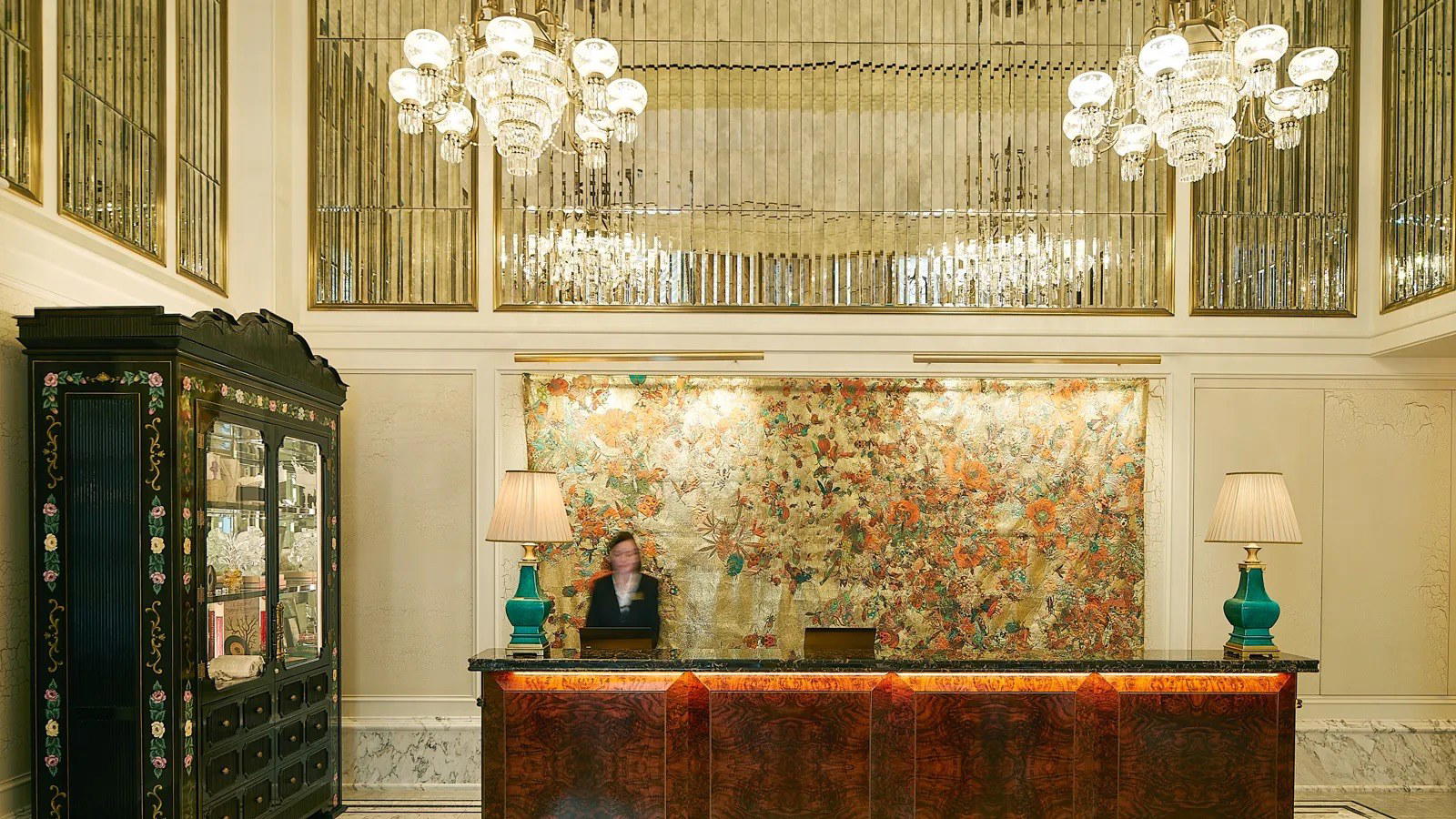
Bars in New York City
Browse all →
At a Glance
- Elegant
- Sophisticated
- Classic
- Ornate
- Romantic Getaway
- Business Trip
- Anniversary
- Historic Building
- Concierge
- Concierge
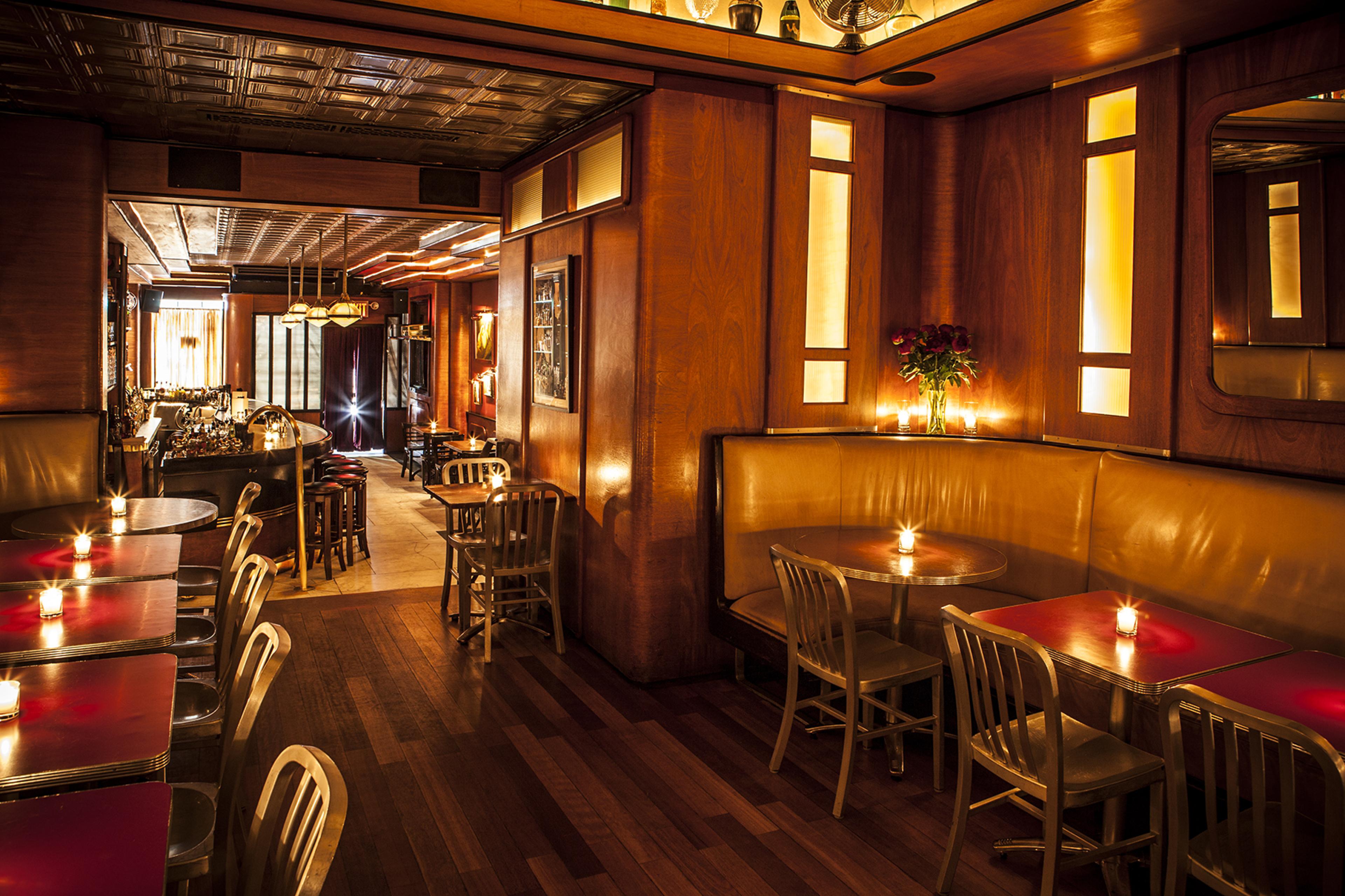
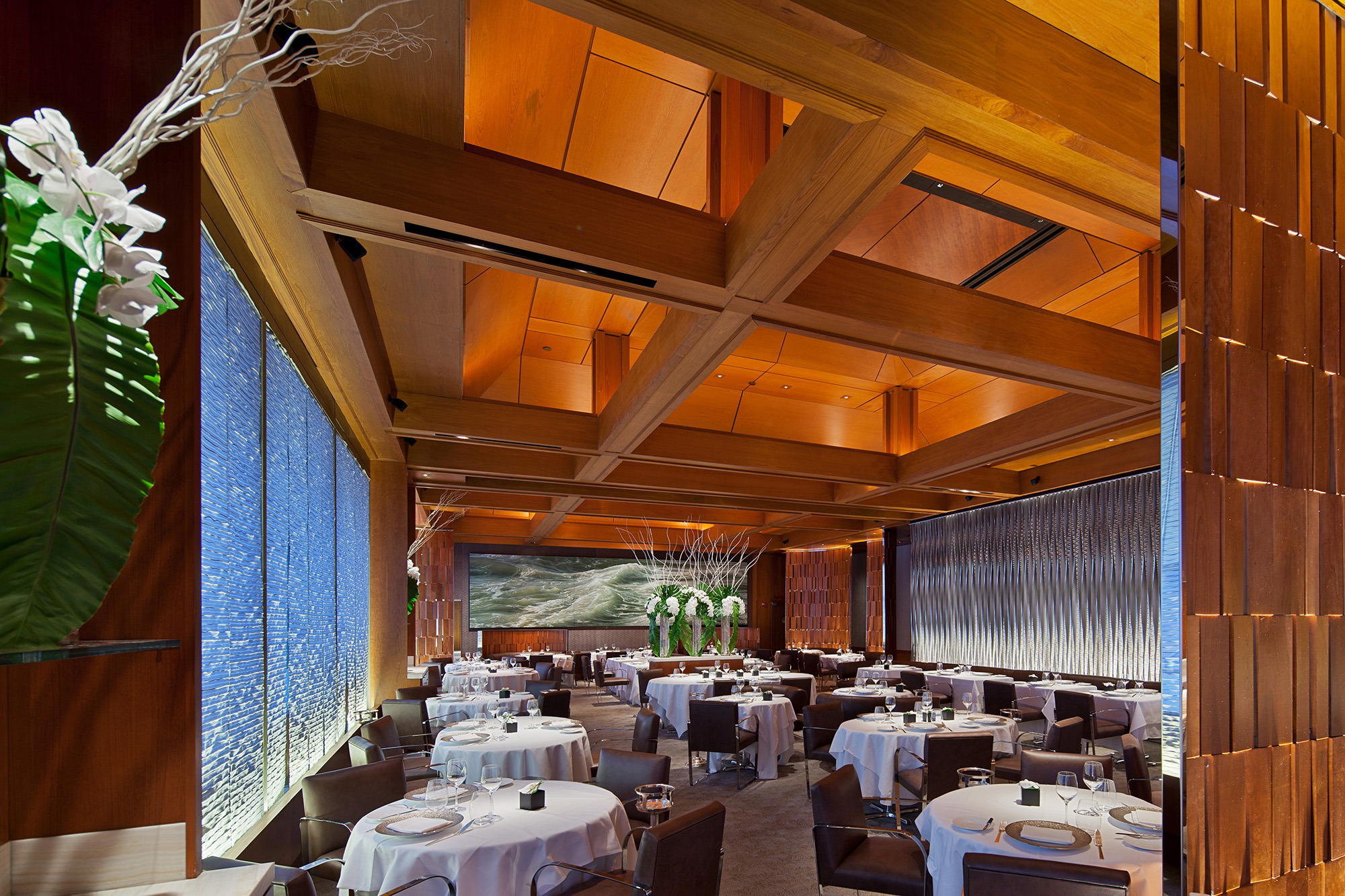
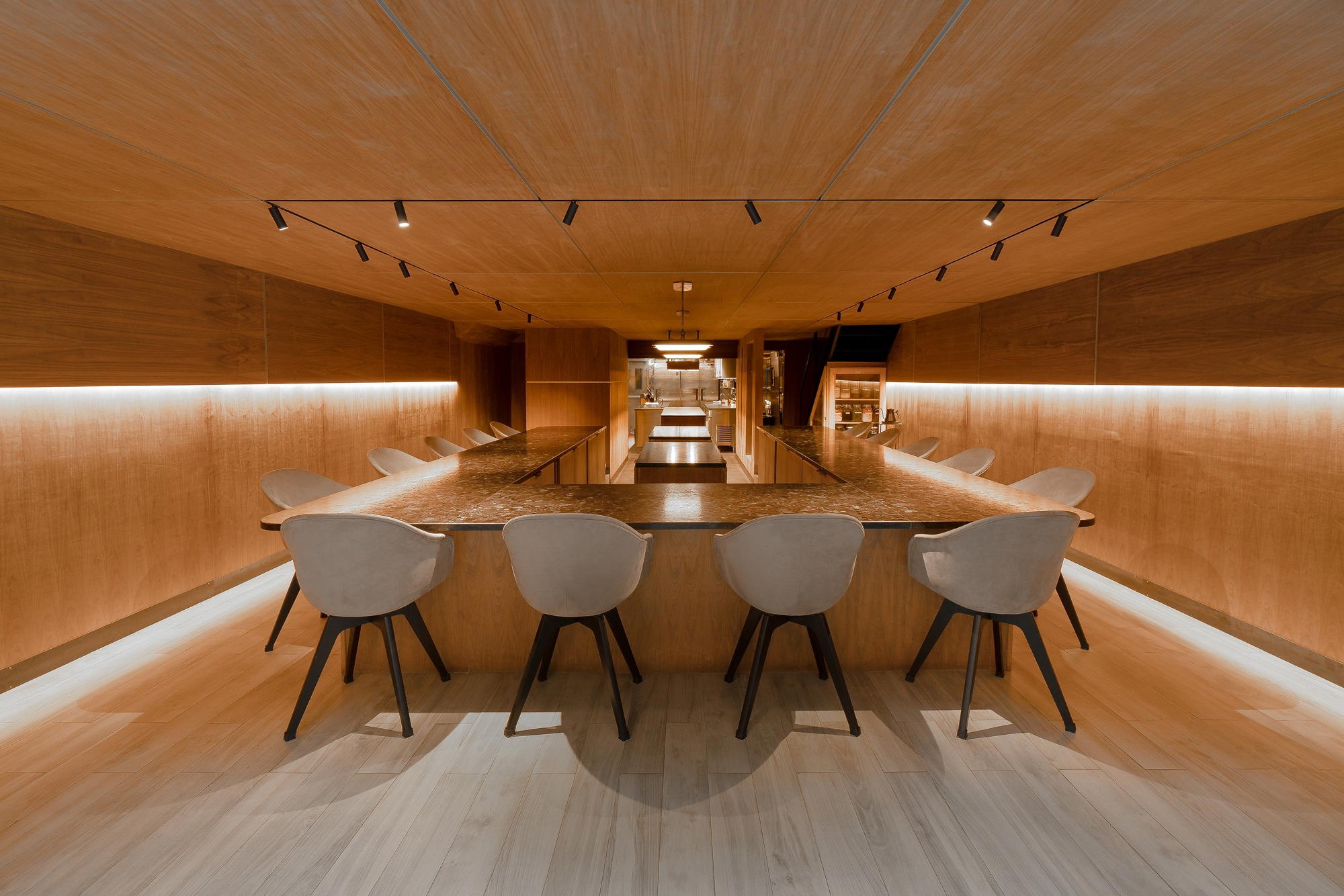
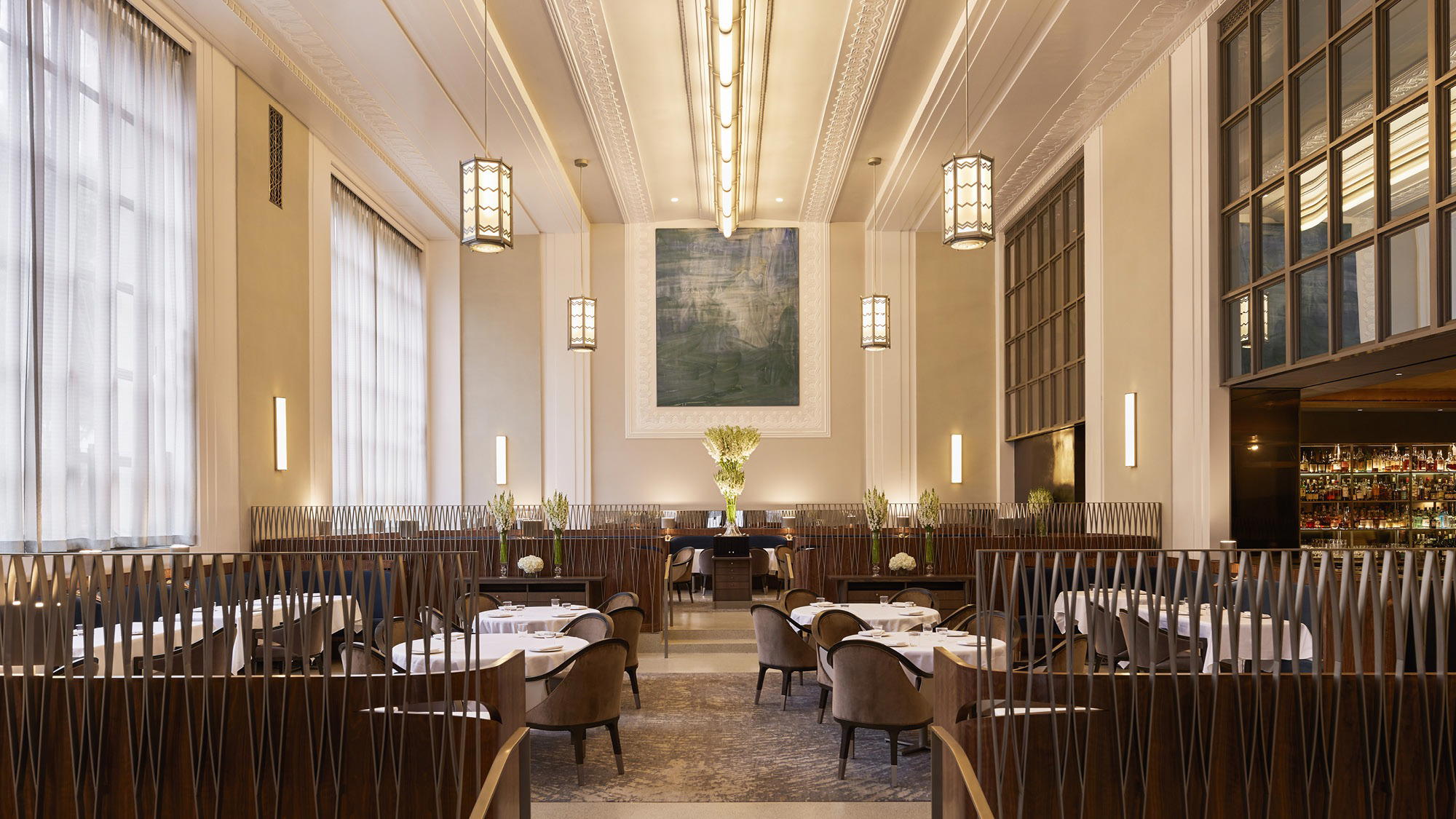
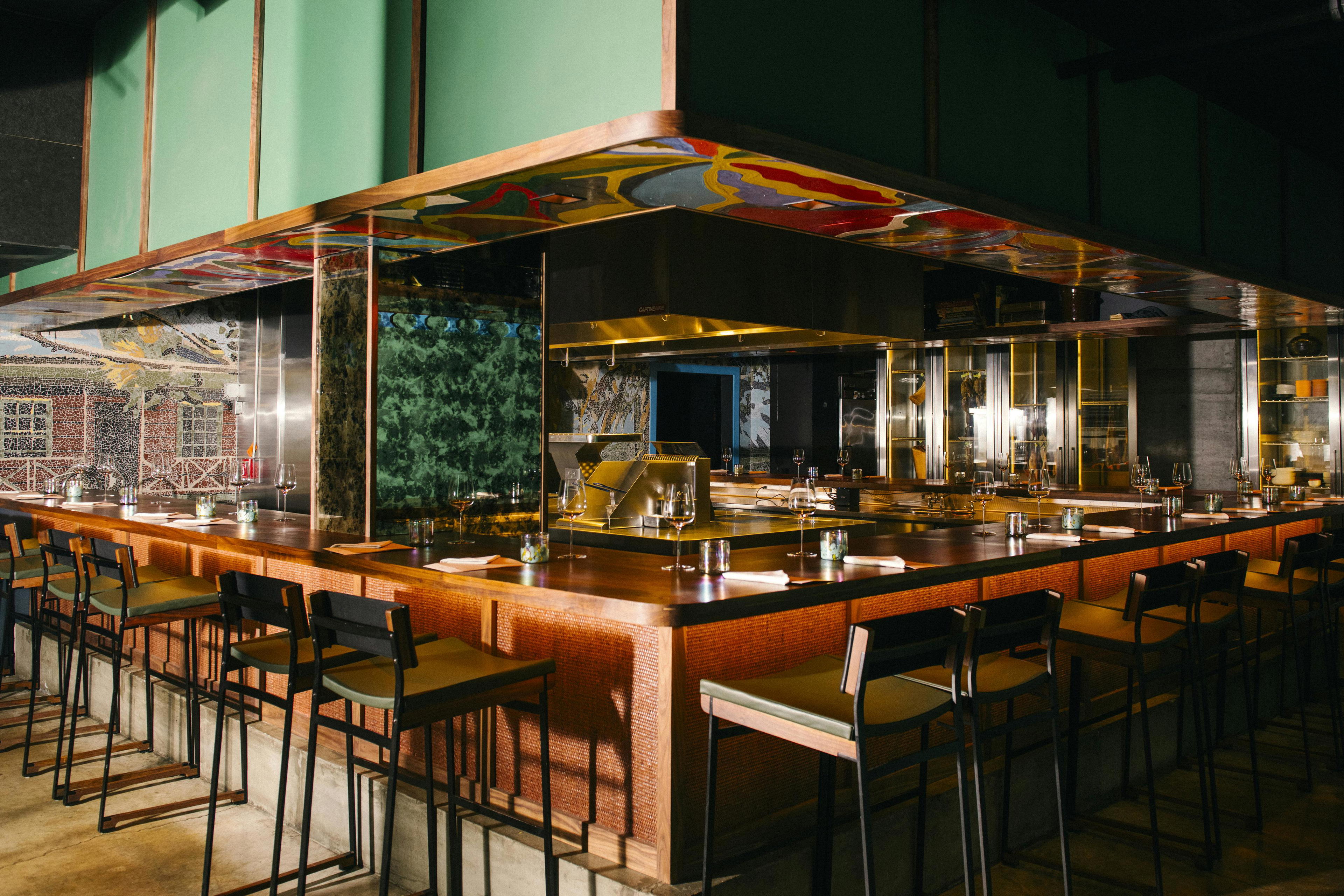
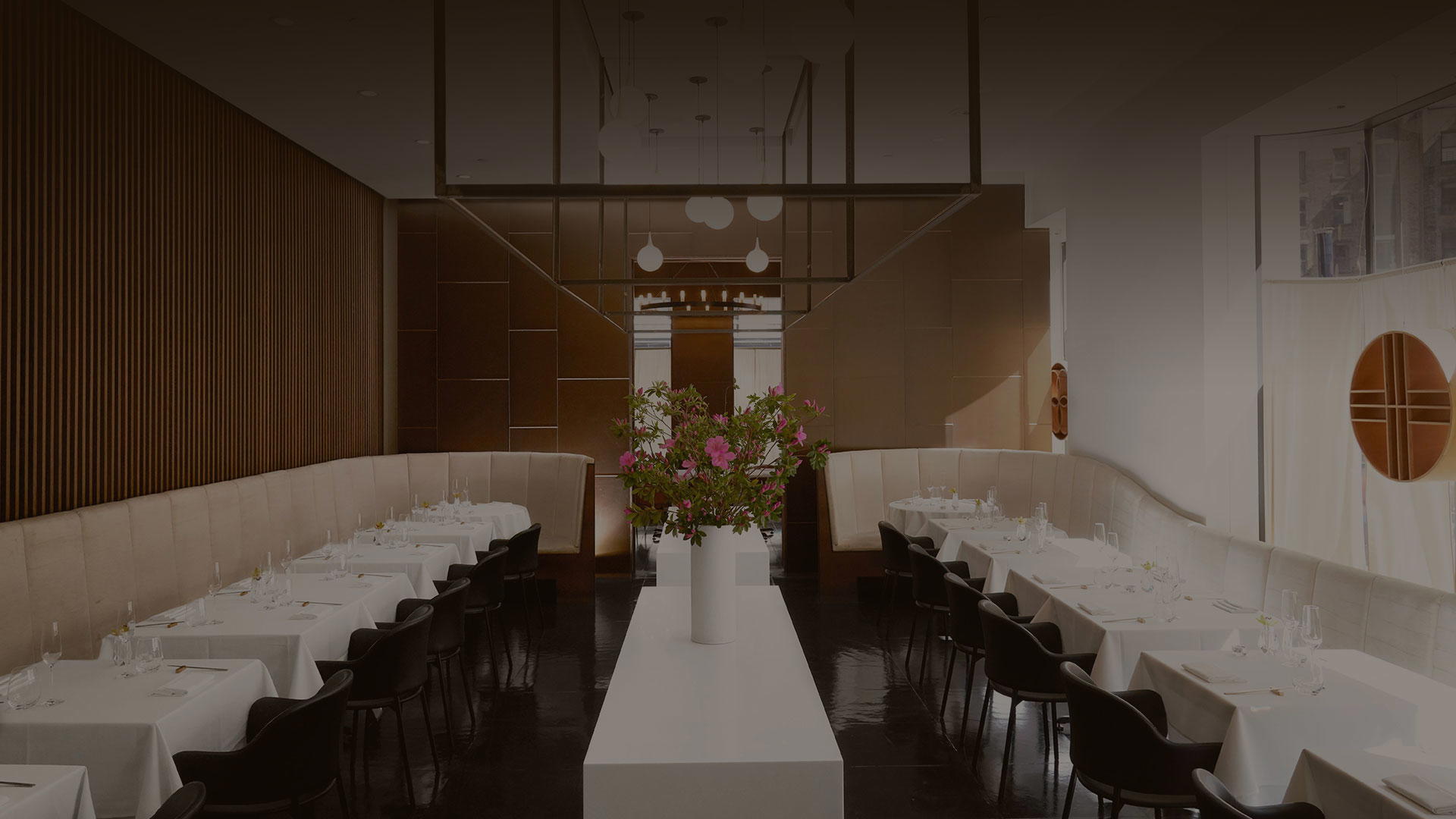
Refined interiors with classical elegance, modern restraint, intricate detailing, and Art Deco vibes from the restaurant creating an upscale, lively European café-like atmosphere.