On Arístides Villanueva, Mendoza's liveliest pedestrian corridor, Damajuana Hostel occupies a position that makes it a natural base for travellers arriving to explore the city's wine culture and urban scene. The address places guests within walking distance of bars, restaurants, and local transport links to the vineyards of Luján de Cuyo and Maipú. It sits at the social, budget-conscious end of Mendoza's accommodation spectrum.
- Address
- Arístides Villanueva 282, M5500EOX Mendoza, Argentina
- Phone
- +54 261 425 5858
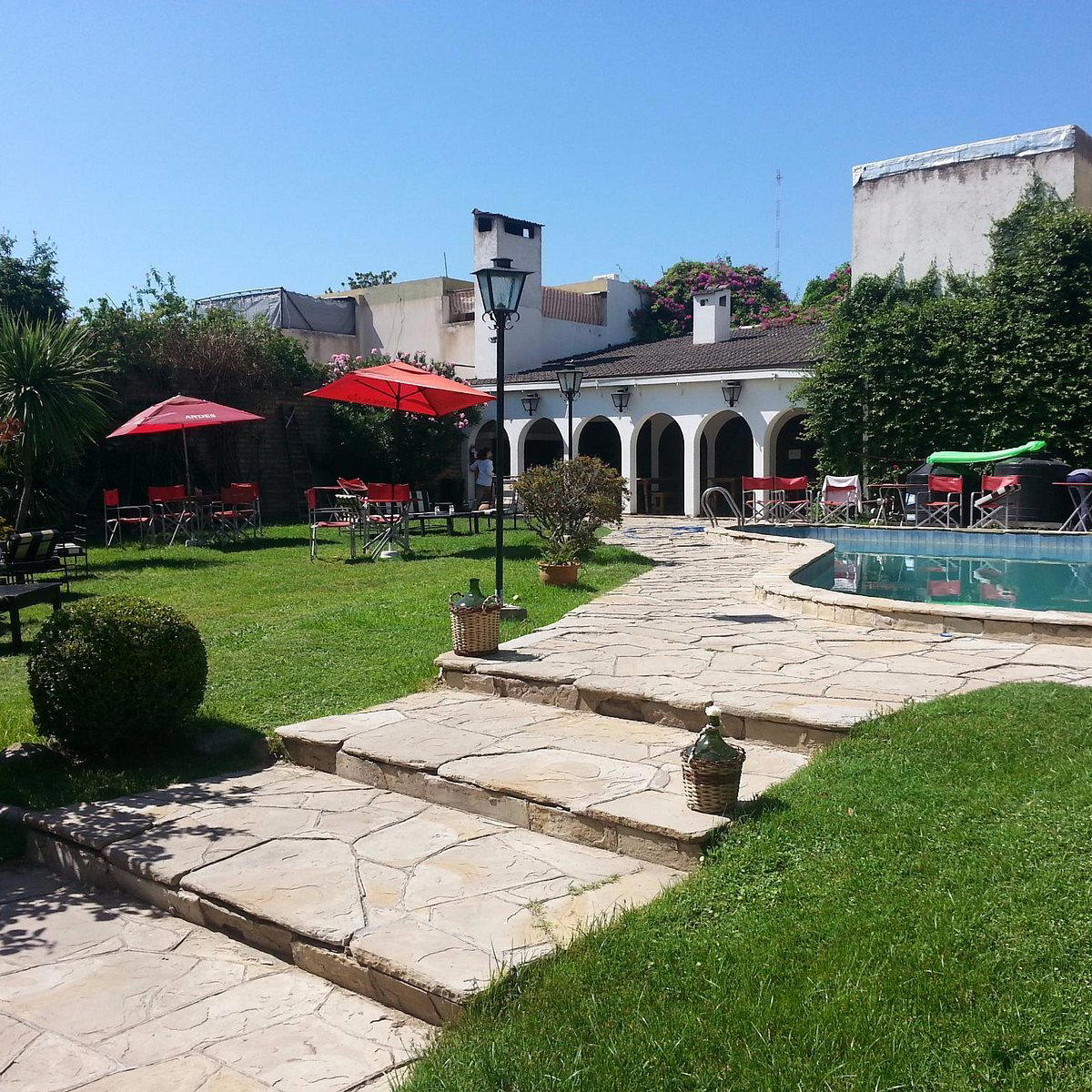
Arístides Villanueva and the Street That Shapes the Stay
Mendoza's accommodation market has always split cleanly along a single axis: estancias and wine-country lodges on one side, urban bases on the other. The lodges, places like Cavas Wine Lodge in Alto Agrelo or Awasi Mendoza in Luján de Cuyo, position themselves as destinations in their own right, with vineyard access built into the room rate. Damajuana Hostel belongs to the other category entirely: a city-centre address on Arístides Villanueva 282, a street that functions as the social spine of Mendoza's evening culture. Damajuana Hostel is a permanently closed hostel at Arístides Villanueva 282, Mendoza, Argentina, with a price tier of 1.
Arístides Villanueva is the kind of street that defines how a city's younger, more independent travellers read a destination. The corridor runs parallel to the more formal Avenida San Martín, but its character is looser, outdoor tables spill onto the pavement, local wine bars operate without dress codes, and the foot traffic at 10pm is heavier than at 8pm.
How Hostel Culture in Wine Country Has Changed
The hostel format in Mendoza has evolved considerably over the past decade, tracking broader shifts in how younger international travellers approach wine regions. Where early hostel guests in the city were largely backpackers passing through on the way to Patagonia or Chile, the current demographic skews toward travellers who arrive specifically for wine tourism but prefer a social, low-cost urban base over a fixed vineyard property. This shift has pushed properties on Arístides Villanueva and the surrounding streets to sharpen their knowledge of day-trip logistics, vineyard access, bike rental routes through Maipú, and the timing of peña nights at local cultural centres.
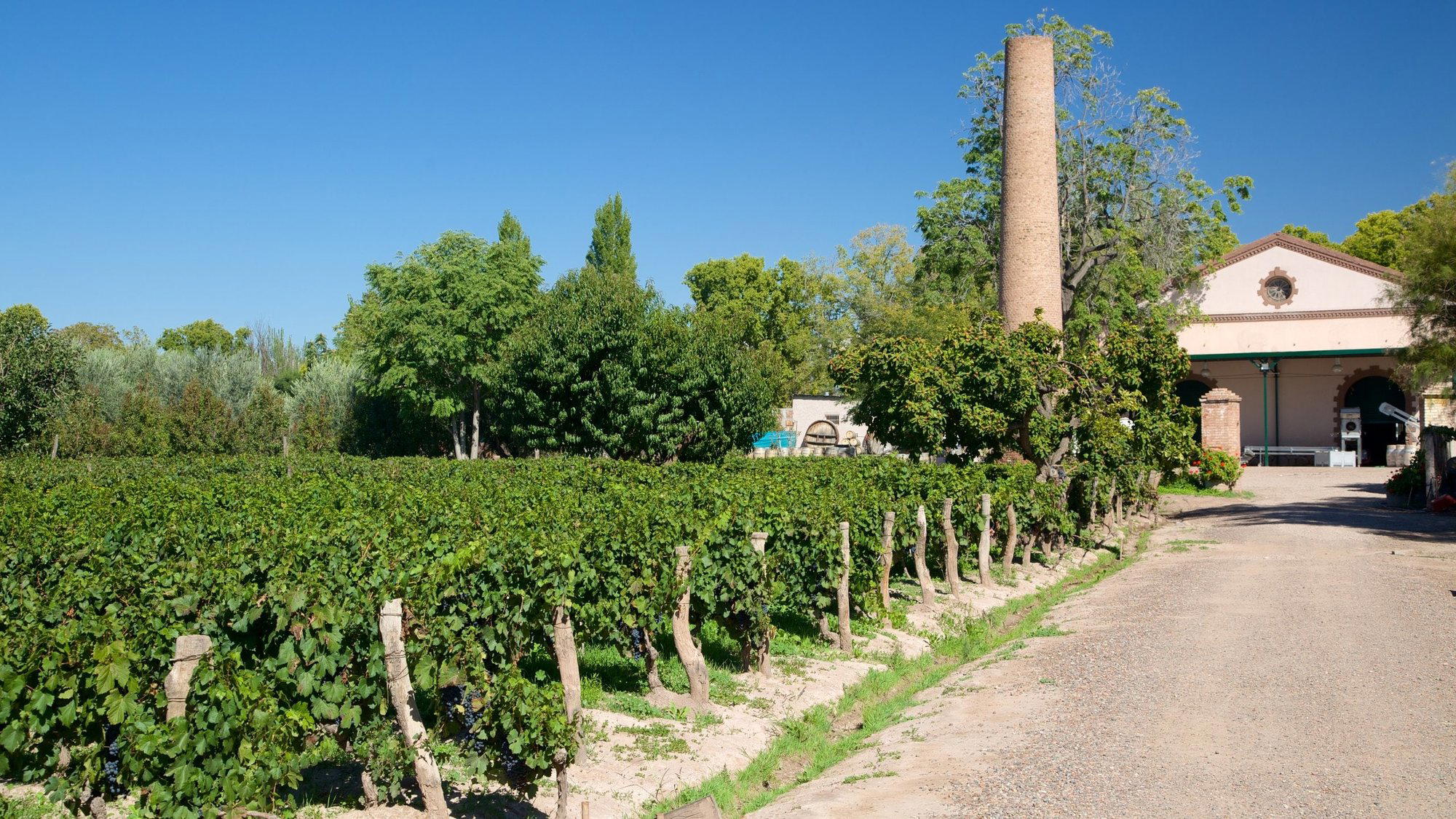
Damajuana's name is itself a wine reference: a damajuana is the large glass demijohn used for bulk wine storage and home production across Argentina, the vessel that appears in almost every bodega's back room and in domestic kitchens throughout Mendoza province. The name signals an orientation toward local wine culture rather than generic backpacker positioning, though
The Guest Experience at Street Level
The social character of an Arístides Villanueva hostel is shaped as much by the street as by the property itself. Guests at addresses along this corridor have direct access to the informal wine bar scene that operates within a short walk, this is where Mendocinos drink Malbec by the carafe rather than by the curated flight, where the conversation at the next table is as likely to be about the harvest at a family bodega as about the Michelin-recognised restaurants further north. For travellers who have already done the structured winery tour and want something less choreographed in the evenings, the neighbourhood delivers.
Across Mendoza's hostel tier, the properties that hold their reputation are those where staff function as informal concierges for the wine region rather than simply processing check-ins. The proximity to Plaza Independencia and the city's established transport links to Maipú (roughly 15 kilometres south-east, accessible by local bus or hired bike) means easy access to harvest-season visits and small-production bodegas.
Placing Damajuana in Mendoza's Broader Accommodation Spectrum
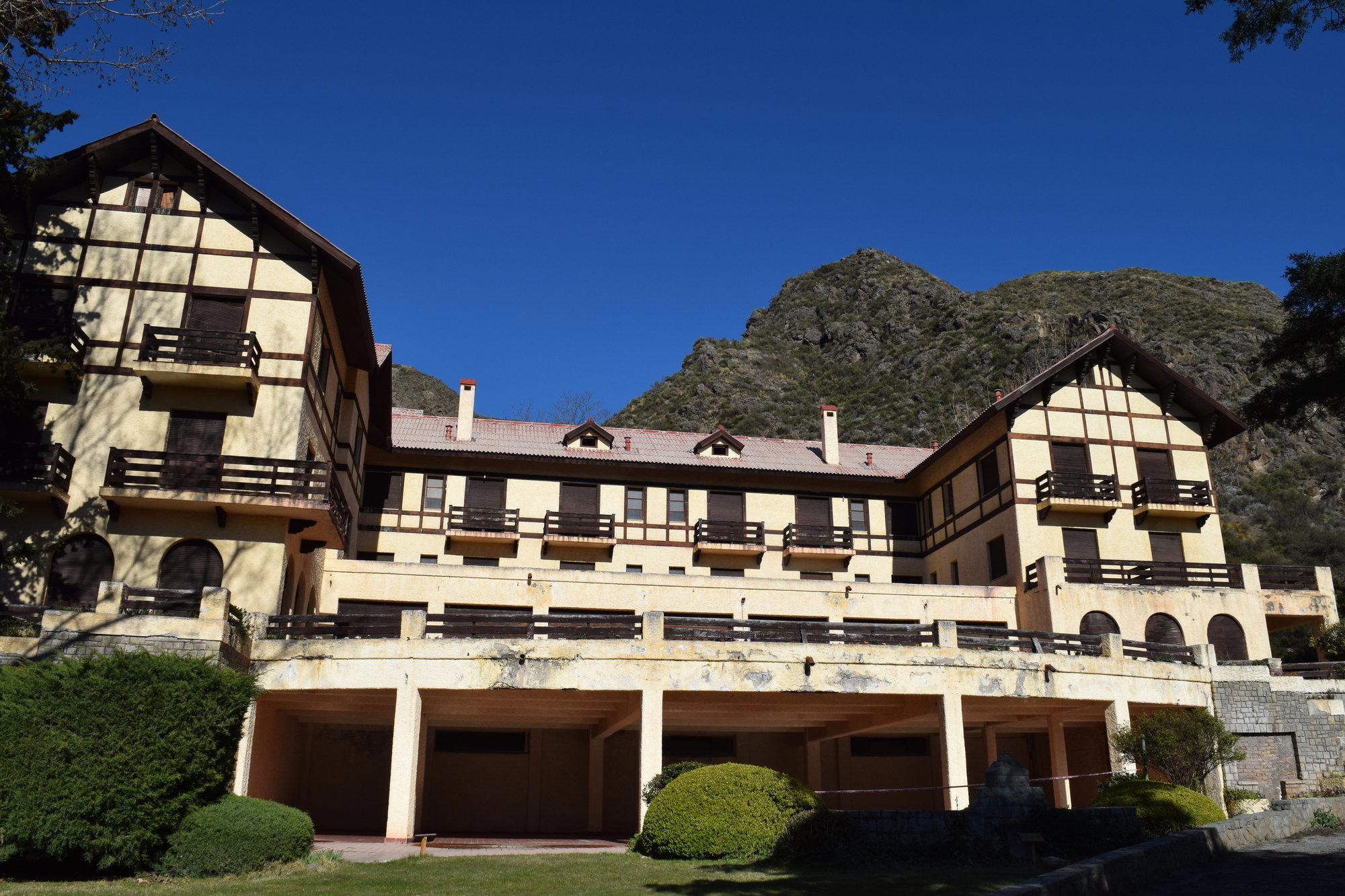
Understanding where Damajuana sits requires a clear picture of how Mendoza's accommodation is tiered. At the top of the city's urban offer, the Park Hyatt Mendoza anchors the luxury end of the city-centre market, with its position on Plaza Independencia and its formal wine programme. The Casa Duhau represents the boutique end of higher-priced accommodation. Out in the wine country, properties like The Vines Resort and Spa, Lares de Chacras, and Villavicencio operate in a different register altogether, selling landscape immersion as the core product.
Damajuana operates in the gap between those options and the fully transactional budget hotel: a social property with a wine-country identity, positioned for travellers who want the city's energy in the evenings and the ability to reach Algodon Wine Estates in San Rafael or Lodge Atamisque in Tupungato as day or overnight excursions rather than as their primary base. That positioning is useful for a specific type of itinerary: Mendoza city as headquarters, wine country as day trips, with flexibility built into the programme.
Travellers planning multi-property itineraries across Argentina often pair a Mendoza city stay with wine-country nights, then route south to Bariloche (see Charming Luxury Lodge in San Carlos de Bariloche), north to the Salta region (Colomé Winery in Molinos), or onward to Buenos Aires (Home Hotel in Buenos Aires). The hostel tier makes that kind of itinerary financially viable across a longer trip.
Planning Your Stay: Practical Orientation
The Arístides Villanueva address places Damajuana within easy reach of the city's central grid. Mendoza's main Plaza Independencia is a short walk east; the bus terminal, which connects to Maipú, Luján de Cuyo, and the regional coach routes toward Santiago de Chile, is reachable without a taxi. Harvest season runs from late February through April, when the city's energy around wine peaks and bodegas across the region open their doors for vendimia events. Booking well in advance for those months is standard practice across all accommodation categories in Mendoza, including the hostel tier.
Argentina's Wider Hostel Geography
Mendoza is one of several Argentine cities where the hostel tier has sharpened its identity around a regional specialism. The pattern repeats at different scales: Arakur Ushuaia Resort and Spa in Ushuaia anchors the luxury end of Patagonia, while the hostel scene there orients around trekking logistics. Awasi Iguazu in Puerto Iguazu does the same for the falls region. In each case, the social accommodation tier works well when staff and infrastructure are built around the destination's defining activity, in Mendoza's case, wine.
Continue exploring
More in Mendoza
Hotels in Mendoza
Browse all →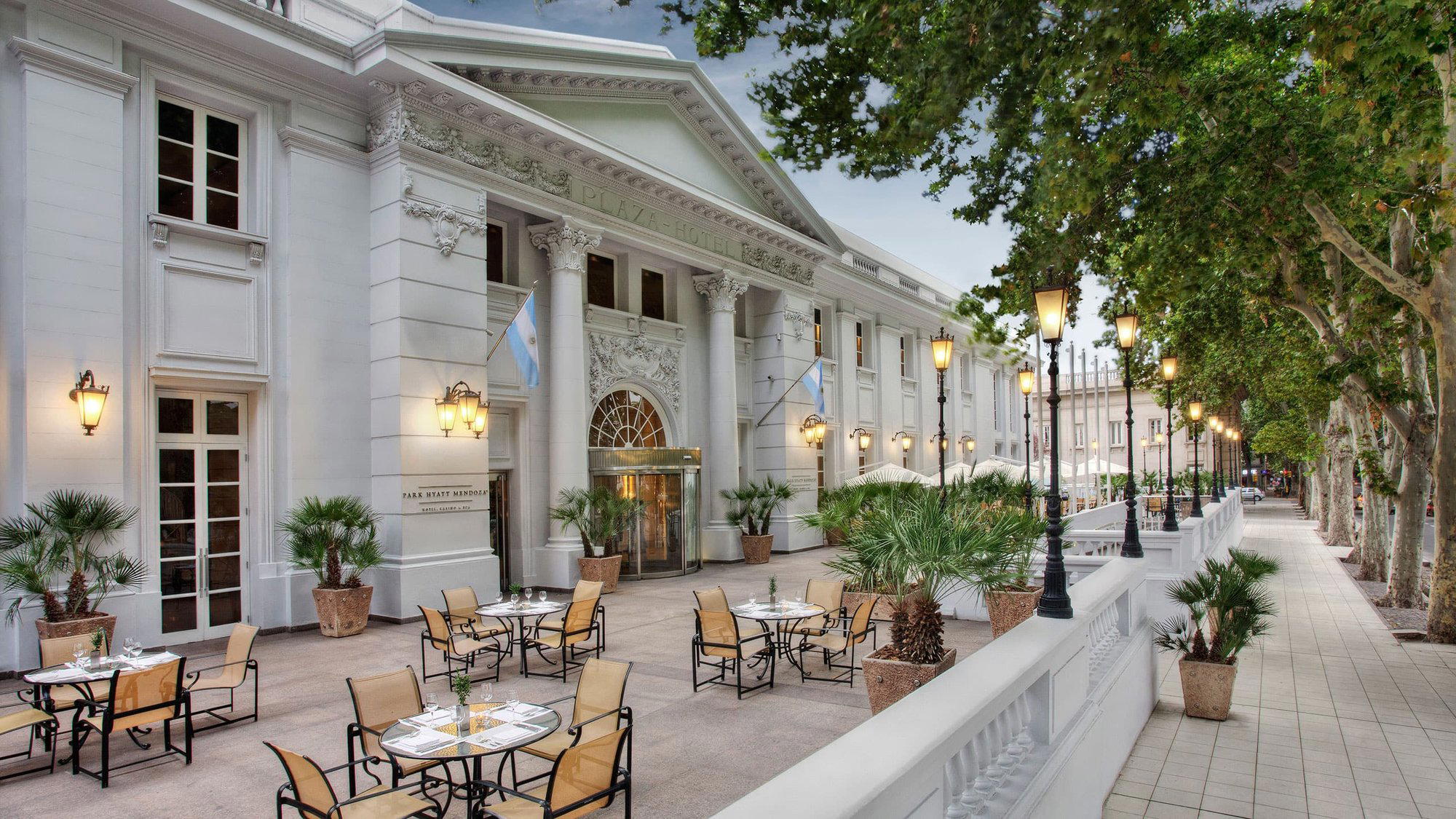
Bars in Mendoza
Browse all →
Restaurants in Mendoza
Browse all →
At a Glance
- Lively
- Cozy
- Weekend Escape
- Garden
- Terrace
- Pool
- Wifi
- Garden
Cosy and laidback with great common areas for socializing or relaxing.