Denpaku The Beachfront Mijora

Michelin Selected
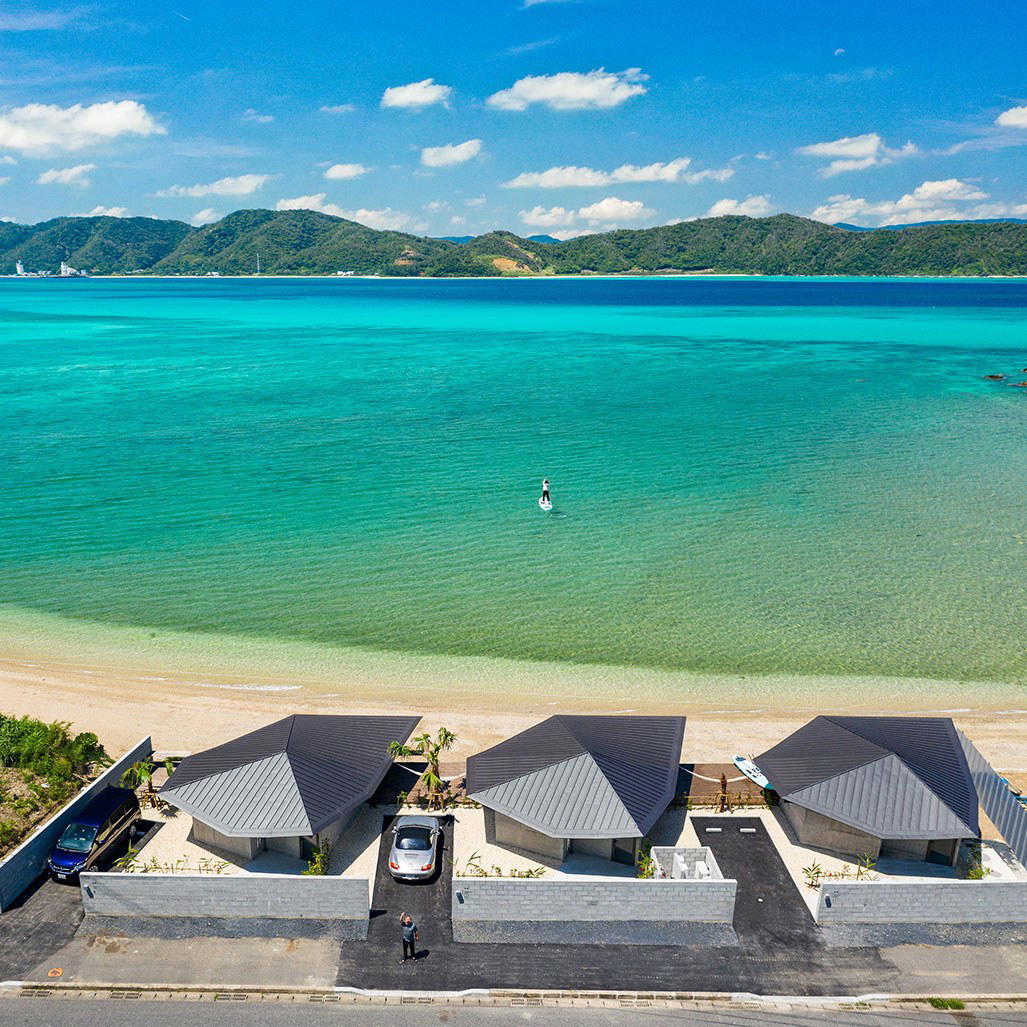
A Michelin Selected beachfront property on Amami Oshima, one of Japan's least-visited subtropical islands, Denpaku The Beachfront Mijora addresses the gap between refined ryokan hospitality and direct ocean access. The address in Kasaricho places guests within reach of Amami's coral-fringed coastline and UNESCO-listed subtropical forest. For travellers seeking serious remoteness without sacrificing considered design, it occupies a distinct position in Japan's southern island accommodation tier.

Pearl is the En Primeur Club membership app, where members save venues, book tables and use the concierge.
Where the Coral Sea Meets Considered Design
Arriving at Amami Oshima already requires commitment. The island sits roughly 380 kilometres south of Kyushu in the Amami Archipelago, accessible by direct flight from Osaka or Tokyo but seldom on the itinerary of first-time Japan visitors. That distance is the point. Amami Oshima received UNESCO World Natural Heritage designation in 2021, placing it alongside Yakushima and the Ogasawara Islands as one of Japan's most ecologically significant landscapes. The coastline in Kasaricho, where Denpaku The Beachfront Mijora sits at address 986-1 Kamezaki, is the kind that rewards visitors who have specifically sought it out rather than stumbled upon it.
The property carries a MICHELIN Selected distinction in the 2025 Michelin Hotels guide, a credential that places it within a curated tier of Japanese accommodation properties the guide considers worth specifically recommending. In Amami Oshima, that signal matters more than it might in a city with dozens of five-star alternatives. The island has a thin upper tier of considered accommodation, and Michelin recognition here functions as a navigational marker in a region where the wider hospitality offer is modest by comparison.
The Architecture of Beachfront Restraint
Japanese beachfront properties have tended toward one of two modes: resort-scale infrastructure built for package tourism, or small ryokan formats that prioritise indoor ritual over outdoor engagement. Denpaku The Beachfront Mijora sits outside both categories. The name itself signals positioning: "The Beachfront" is declarative in a way that traditional ryokan naming rarely is, suggesting the design relationship with the waterline is central rather than incidental.
The aesthetic language of serious Japanese resort design in the post-2010 period has moved steadily toward material restraint and environmental dialogue. Properties like Zaborin in Kutchan and Benesse House in Naoshima have demonstrated that the strongest contemporary Japanese properties earn their authority through design specificity rather than scale. The competitive context for Denpaku The Beachfront Mijora is not the large resort chains of Okinawa's main island, but this smaller cohort of design-attentive properties that treat landscape as primary architectural material.
In a subtropical setting like Amami, the sensory conditions are fundamentally different from the mountain onsen properties that dominate premium Japanese hospitality coverage. Light is stronger, vegetation is denser, the relationship between interior and exterior more porous. Properties that handle this well tend to emphasise cross-ventilation, natural materials with local provenance, and sightlines oriented toward the water. The beachfront designation at Mijora signals that the design brief starts with the ocean view and works inward, rather than treating the sea as an amenity appended to a conventional room plan.
Amami Oshima in Context
For travellers familiar with Japan's premium island accommodation circuit, the reference points shift considerably once you move south of Okinawa's main island. Halekulani Okinawa and The Hiramatsu Hotels & Resorts Ginoza represent the upper bracket of Okinawa's well-developed hospitality offer. The Amami Archipelago operates at lower volume and lower international profile, which changes the equation. Jusandi in Ishigaki offers a comparable reference point in the Yaeyama Islands: a design-forward property in a remote subtropical setting with serious ecological assets nearby.
Amami's specific character comes from the convergence of subtropical marine environment and dense evergreen forest. The island is one of the last habitats of the Amami rabbit and the Amami tip-nosed frog, both endemic species. UNESCO designation in 2021 was partly contingent on this biodiversity. For a property positioned along the coast, that ecological context is a genuine differentiator, not a marketing gesture. Guests are physically close to a range of genuine scientific and cultural significance.
The local food culture on Amami centres on ingredients that rarely circulate beyond the archipelago: chicken oil rice dishes, locally caught reef fish, and pork preparations influenced by both Japanese and Ryukyuan traditions. Kokuto, the island's dark sugar, appears throughout the culinary tradition in ways that distinguish Amami from both mainland Japanese cooking and the better-known cuisine of Okinawa.
Planning a Stay: What to Know
Amami Oshima is served by Amami Airport (ASJ), with direct flights from Tokyo Haneda and Osaka Itami typically running around two hours. The Kasaricho district is in the northern part of the island, away from the main town of Naze. Travel between the airport and the property will require ground transport, and visitors should confirm transfer arrangements directly with the property. The island's infrastructure is limited compared to Japan's major tourism destinations, which is consistent with the scale of place and adds to its appeal for travellers specifically seeking distance from urban density.
Booking should be made directly through the property or through a verified reservation channel; the Michelin Hotels listing at guide.michelin.com/us/en/hotels-stays confirms the property's selection and may carry current availability links. Given the limited upper-tier accommodation inventory on the island, lead time matters, particularly for visits during Amami's summer season when ocean conditions are at their most accessible.
For travellers building a broader Japan itinerary around considered design properties, Denpaku The Beachfront Mijora fits within a longer arc that might include Gora Kadan in Hakone, Amanemu in Mie, or HOTEL THE MITSUI KYOTO at the urban end of the spectrum. The island stay functions as the furthest point south in such a sequence, where the distance from the capital is measured not just in flight hours but in ecological and cultural shift. Other worthwhile regional comparisons include Fufu Nikko, Asaba in Izu, Kamenoi Besso in Yufu, and Nishimuraya Honkan in Kinosaki-cho. See our full Amami Oshima guide for more on the island's accommodation and dining options.
Side-by-Side Snapshot
Comparable venues nearby, for context on price, style, and recognition.
| Venue | Cuisine | Price | Awards | Notes |
|---|---|---|---|---|
| Denpaku The Beachfront MijoraThis venue (the venue you are viewing) | Sustainable beachfront villa resort preserving Amami traditions | Not listed | Michelin Selected | Not listed |
| Rakuro Kyoto by THE SHARE HOTELS | Contemporary lifestyle hotel sharing with locals | $200–300 | Michelin Selected | Nakagyo-ku |
| Yoyokaku (洋々閣) | 純和風旅館 | Not listed | 3-Star | 東唐津 |
| Andaru Collection Niseko | luxury Ainu-inspired villa village blending Japanese and Balinese influences | Not listed | Michelin Selected | Kabayama |
| WAKKANUPURI RESORTS | Modern minimalist design complementing natural surroundings with Nordic-style décor and contemporary Japanese aesthetics. | Not listed | Michelin Selected | Teshikaga |
| Candeo Hotels Kyoto Karasuma Rokkaku | Modern ryokan-inspired heritage hotel | $1–100 | Michelin Selected | Nakagyo Ward |
Recognition history
Dated appearances from independent guides and award organizations, with the underlying list record or original source where available.
Michelin Selected
Michelin
Continue exploring
More in Amami Oshima
Hotels in Amami Oshima
All hotels in Amami Oshima →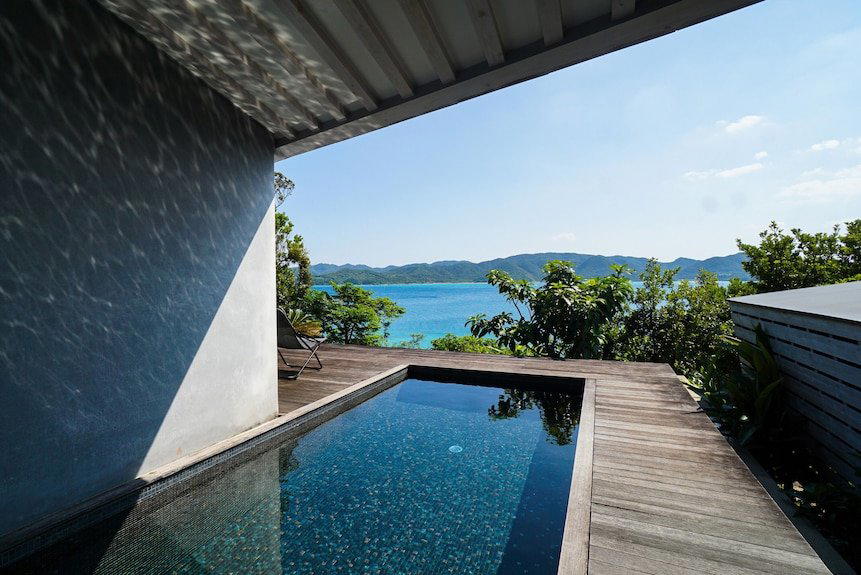
Restaurants in Amami Oshima
Browse all →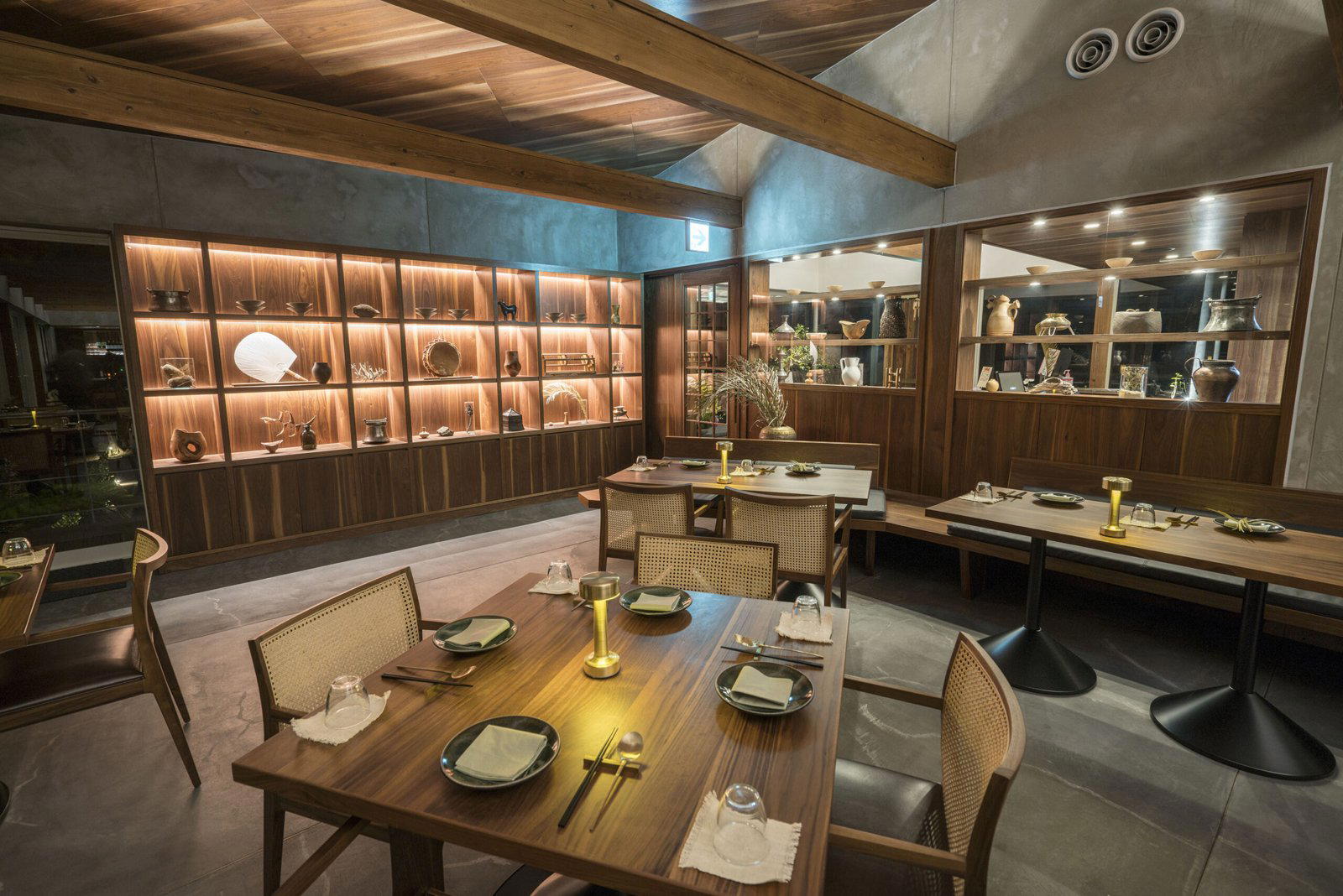
Details
- Scenic
- Quiet
- Romantic
- Intimate
- Modern
- Minimalist
- Honeymoon
- Romantic Getaway
- Wellness Retreat
- Weekend Escape
- Beachfront
- Private Villa
- Panoramic View
- Terrace
- Wi Fi
- Pool
- Beach Access
- Waterfront
Tranquil and immersive in nature with floor-to-ceiling windows connecting interiors to ocean views, natural wood elements, and serene subtropical surroundings.