
Amami’s yakitori scene has a sharper regional argument here: Kagoshima poultry, counter service, and a course-only rhythm rather than casual skewer ordering. Tori Shige is a 16-seat U-shaped counter selected for Tabelog 100 Yakitori WEST in 2023, 2024, and 2025, with pricing in the JPY 6,000–7,999 dinner bracket.
Pearl is the En Primeur Club membership app — saves, bookings, and concierge access live there. Same editors, same standards.
- Address
- 8-6 Nazekanekucho, Amami, Kagoshima 894-0031, Japan
- Phone
- +81 997-52-7022
- Website
- tabelog.com
 Saves & bookings on Pearl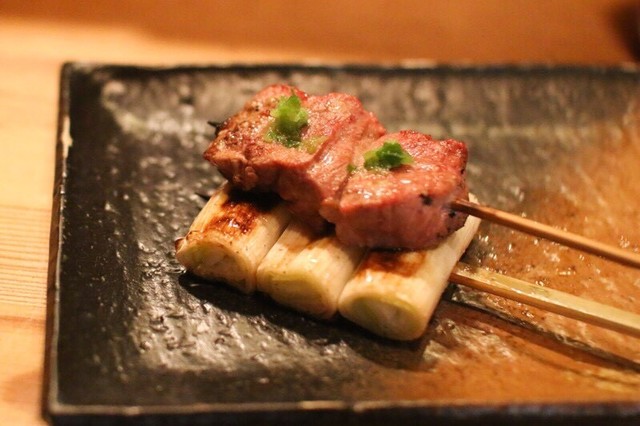
In Naze’s evening streets, yakitori reads differently from the Tokyo version most travelers know. The room is compact, the counter does the work, and the meal moves by sequence rather than appetite-by-appetite ordering. Tori Shige fits that island-city scale: 16 seats arranged around a U-shaped counter, a course-only format, and a skewer service that stops when the diner asks it to stop. That structure matters because yakitori is a cuisine of timing, not variety for its own sake.
Amami is not an obvious place to look for nationally noted yakitori, which is precisely why the recognition carries weight. The restaurant was selected for Tabelog 100 Yakitori WEST in 2023, 2024, and 2025, a list that places it among western Japan’s serious grill counters rather than local izakaya browsing. The Tabelog score is 3.72, but the more useful signal is repeat inclusion across three consecutive editions: consistency in a category where heat control, sourcing, and pacing are exposed skewer by skewer.
Kagoshima chicken gives the grill its argument
The defining idea is regional sourcing, especially Kagoshima’s Kuro Satsuma chicken. In Japanese yakitori, breed and handling shape the meal before seasoning enters the conversation: muscle texture, fat distribution, and how a cut responds to charcoal decide whether the skewer can carry a restrained format. On Amami, that sourcing also pulls the meal away from generic travel dining. The island is often read through seafood, shochu, and resort itineraries; a counter built around Kagoshima chicken adds another lens on the prefecture’s food culture.
The course-only structure supports that point. Rather than treating yakitori as a list of parts to assemble independently, the kitchen controls sequence and doneness, then lets guests end the run through a stop system. That format is common at serious yakitori counters because the meal depends on progression: lighter cuts, fattier cuts, and vegetables or supporting items can be paced to avoid fatigue. Tori Shige’s format sits closer to specialist counter dining than to an izakaya where skewers arrive in scattered rounds with drinks leading the evening.
Drinks are part of the regional reading. Sake, shochu, and wine are listed, with particular attention to sake. In Kagoshima, shochu has deep cultural gravity, especially sweet-potato styles across the prefecture, while yakitori’s salt, tare, smoke, and fat also make sake a natural partner. The point is not a maximal cellar; it is that the counter has enough range for a poultry-led course without forcing the meal into beer-only informality.
A small counter, not a casual drop-in
Counter yakitori rewards concentration. Sixteen seats create a narrow margin for timing and service, especially when the grill is working through a course rather than firing à la carte orders. Private rooms and private use are not part of the format, so the experience is exposed in the useful sense: the room, the grill, and the rhythm of service remain in view. For travelers, that makes it a stronger dinner than a large-group fallback.
The price band also clarifies expectations. JPY 6,000–7,999 places it above everyday skewers but below Japan’s trophy counter tier, where yakitori can now price like sushi or kappo. That middle-premium bracket is often where regional restaurants become compelling: enough seriousness to justify destination planning, without the heavy ceremony of metropolitan tasting counters. Among the supplied out-of-metro comparison set, okas sits far higher at JPY 20,000–29,999, while La Fonte is listed at JPY 999 and under; Tori Shige occupies a different lane, using a specialist format and award recognition rather than luxury pricing as its argument.
Children are allowed under conditions, which is unusually specific for this kind of counter. Guests accompanied by minors need an early arrival, reservations with minors are handled by phone, and children must be at least 10 years old and able to handle the course format. That is not family dining in the loose sense; it is a serious counter that permits younger guests when the structure of the meal will work for the room.
How to place it in an Amami trip
For Amami, the decision is less about checking off a famous restaurant than choosing a dinner that explains the island’s relationship to Kagoshima. The address in Nazekanekucho keeps it within the city’s practical dining orbit, while the airport is listed at about one hour by car. There is no dedicated parking, though coin parking is available in front, a detail that matters on an island where taxis, rental cars, and dinner timing can shape the evening more than the menu category does.
Hours run in the dinner window from Monday through Saturday, with Sunday closed, and last entry is set at 21:00. The room is non-smoking, credit cards are accepted, and electronic and QR payments are also listed. A 550 yen charge fee applies. Those details make it workable for travelers, but the essential planning point is the format: this is a course-only yakitori counter with a stop system, not a place to arrive late and order a few skewers casually.
Readers building a broader island itinerary can compare the city’s dining options in Our full Amami restaurants guide, then layer the evening around lodging from Our full Amami hotels guide, drinking options in Our full Amami bars guide, cellar and producer coverage in Our full Amami wineries guide, and cultural planning from Our full Amami experiences guide. For a wider Japan dining frame, EP Club also indexes restaurants from -Grilled beef Sukiyaki- KAMAKURA TANUKIAN 鎌倉 たぬき庵 in Kamakura and . 鮪と炭火焼き うお炭 秋葉原店 in Tokyo to .cafe in Osaka, .know in Kumamoto, (Shoku) Vietnam in Kawasaki, [Curry Senmon Ten] Maruyama Kyoju. in Sapporo, [ki:] in Kyoto, #肉といえば松田 奈良本店 in Kashihara, 1/3 HAMBURGER FACTORY in Kanazawa, 1000 in Yokohama, 1000mヒュッテ 1000m Hut in Kutchan, Jōdo Saké Bar in Los Angeles, and Onigiri Time in Pasadena.
Snapshot
Comparable venues by cuisine and price in the same metro.
| Venue | Cuisine | Price | Notes |
|---|---|---|---|
| Tori ShigeThis venue — the venue you are viewing | Yakitori & Izakaya using Kuro Satsuma Chicken | $$$ | Not listed |
| Takano Fruit Parlour | Japanese Fruit Parlor | $$$ | Shinjuku |
| Medicinal Food Café Cien Gallery | Medicinal Japanese Café | $$$ | Kanazawa |
| Inakaan (田舎庵 小倉本店) | Traditional Japanese Unagi | $$$ | Kokurakita-ku |
| Wagyu Kurosawa Otaru Main Store (和牛黒澤 本店) | Japanese Wagyu Sukiyaki | $$$ | Ironai |
| Nana Kamado | Authentic Japanese Cuisine | $$$ | Takamibaba |
Recognition history
Dated appearances from independent guides and award organizations, with the underlying list record or original source where available.
Tabelog 100 #55 · No. 55
Tabelog · Tabelog 100 - Yakitori - WEST - 2025
Continue exploring
More in Amami
Restaurants in Amami
Browse all →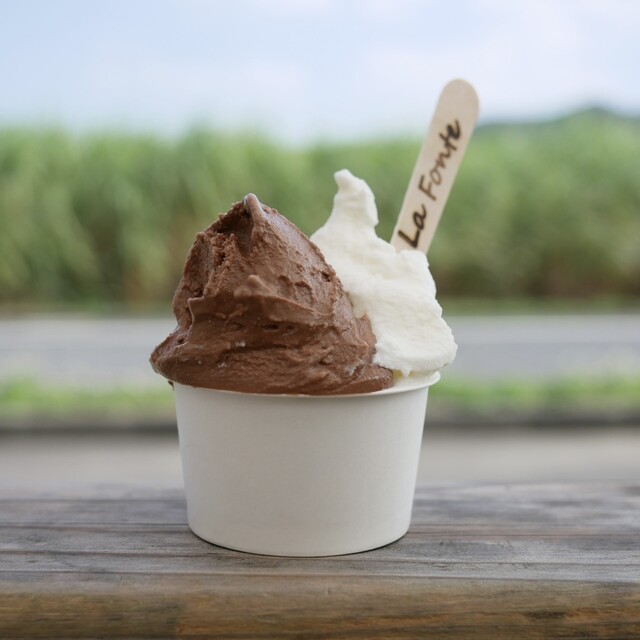
At a Glance
- Cozy
- Lively
- Intimate
- Rustic
- Date Night
- Casual Hangout
- After Work
- Group Dining
- Solo
- Celebration
- Chefs Counter
- Standalone
- Open Kitchen
- Beer Program
- Sake Program
- Local Sourcing
Current opening hours
- Monday
- 6–11 PM
- Tuesday
- 6–11 PM
- Wednesday
- 6–11 PM
- Thursday
- 6–11 PM
- Friday
- 6–11 PM
- Saturday
- 6–11 PM
- Sunday
- Closed
Hours can change for holidays and private events. Last verified .