
Berghotel Schlossanger Alp holds a Michelin Plate for 2024 and 2025, positioning it among Pfronten's most consistently recognised tables in the mid-price range. The kitchen works in a country cooking register that draws from the agricultural character of the Allgäu, making it a natural point of reference for visitors seeking regionally grounded food at accessible prices.
Pearl is the En Primeur Club membership app — saves, bookings, and concierge access live there. Same editors, same standards.
- Address
- Am Schloßanger 1, 87459 Pfronten, Germany
- Phone
- +49 8363 914550
- Website
- schlossanger.de
- Directions
- Get directions
 Saves & bookings on Pearl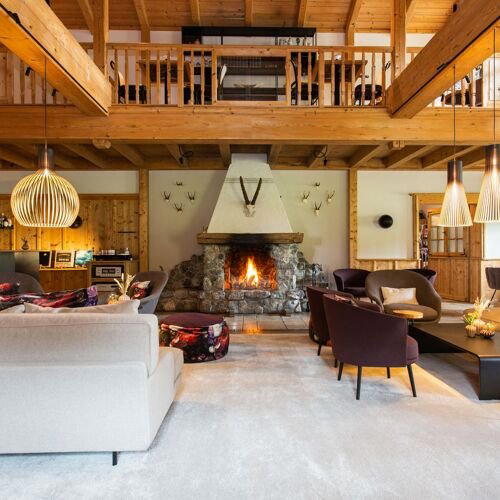
Where the Allgäu Comes to the Table
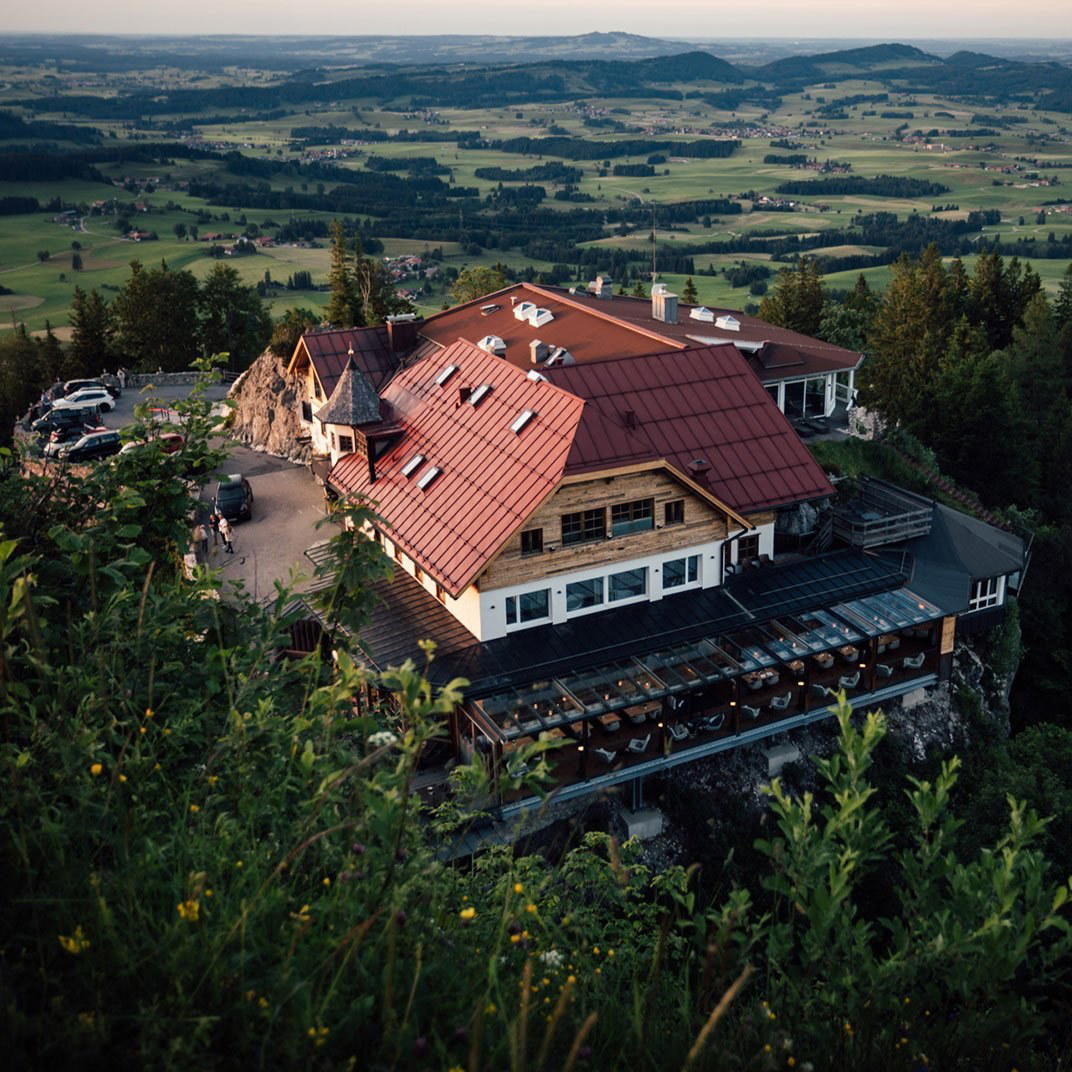
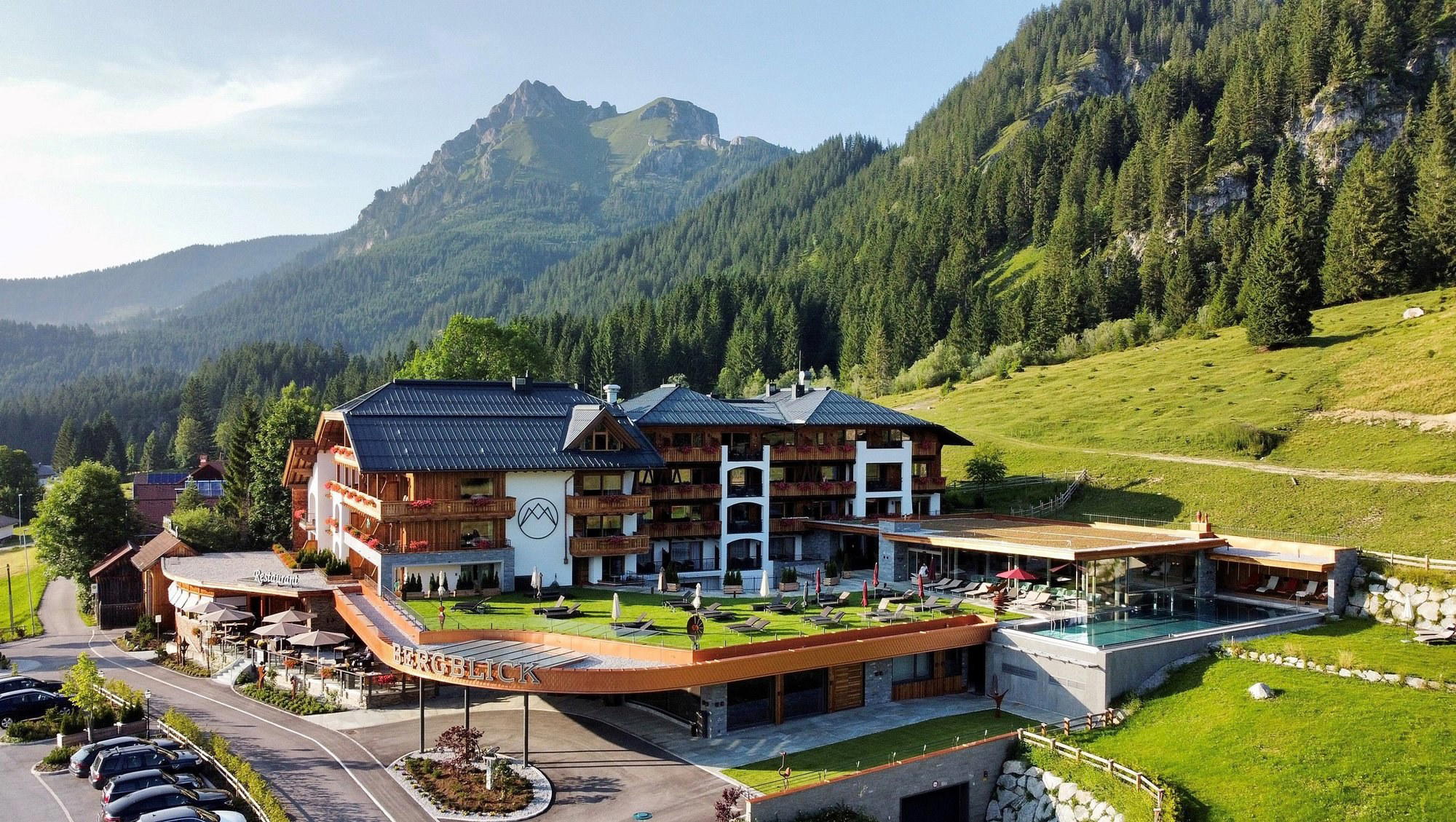
Approach Pfronten from the valley floor and the landscape does most of the framing. The town sits at the southern edge of the Allgäu, pressed against the Bavarian-Austrian border, where the Alps begin in earnest and dairy farming has shaped the local economy and food culture for centuries. Berghotel Schlossanger Alp occupies that terrain literally and figuratively: a mountain hotel whose kitchen operates in the country cooking tradition that the region has practised long before it attracted any outside attention. The elevation, the surrounding pasture, and the proximity to small-scale agricultural producers are not incidental. They define what ends up on the plate.
Country cooking in this part of Germany is not a nostalgic category. It is a live culinary tradition that runs parallel to the high-technique fine dining concentrated in Germany's urban centres and spa towns. Where restaurants like Aqua in Wolfsburg or Schwarzwaldstube in Baiersbronn represent the formal, heavily invested end of German restaurant culture, the Allgäu's country cooking tradition draws its authority from a different source: the quality of what the land around it produces and the discipline required to cook it honestly. Michelin's Plate recognition, awarded here in both 2024 and 2025, signals that the kitchen meets a professional standard. That distinction matters when setting expectations.
The Logic of Allgäu Sourcing
The Allgäu's agricultural identity is anchored in dairy. The region produces some of Germany's most recognisable cheeses, including Allgäuer Bergkäse and Allgäuer Emmentaler, both under protected designation of origin status, and its pasture-raised cattle supply milk and beef to a network of local processors and kitchens. A country cooking kitchen in this setting has access to a supply chain that urban restaurants spend considerable effort trying to replicate through sourcing arrangements. The proximity is structural: the farms are not far, the seasons are legible, and the produce reflects the altitude and climate of the specific valley.
This matters editorially because ingredient sourcing in mountain communities often functions differently from the farm-to-table frameworks that became a marketing convention elsewhere. Here, the relationship between kitchen and producer is older than the terminology, shaped by geography rather than culinary ideology. What arrives in the kitchen tends to reflect what is available within a short radius, and the menu follows that logic rather than imposing a concept onto it. For guests arriving from cities where provenance is a selling point rather than a default, the contrast is instructive.
The mid-price positioning makes Berghotel Schlossanger Alp an accessible entry point into this food culture. At comparable price points in Germany's more prominent dining cities, the country cooking tradition is often harder to find in credentialled form. Here, it is the baseline. For a broader view of where this restaurant sits within Pfronten's dining options, including higher-concept formats like PAVO and the seasonal approach of Restaurant 1250, the full Pfronten restaurants guide maps the full range.
Country Cooking as a Critical Category
The tendency in food coverage is to treat country cooking as a lesser category, a warm-up act for the formal fine dining that receives most critical attention. The comparison set for Germany's most scrutinised restaurants, including JAN in Munich, Vendôme in Bergisch Gladbach, or CODA Dessert Dining in Berlin, operates in a register defined by technique, conceptual ambition, and price tiers that start well above what most travellers spend on a regular dinner. Country cooking, by contrast, asks to be judged on different criteria: fidelity to seasonal and local material, cooking that respects the ingredient's own character, and a format that fits the setting rather than straining against it.
Berghotel Schlossanger Alp's consistent Michelin Plate recognition across two consecutive years suggests the kitchen maintains that standard reliably. The Plate does not indicate a restaurant on a star trajectory; it indicates one that the guide's inspectors consider worth recommending in its own terms. For a travelling reader, that framing is more useful than speculative star-counting. The restaurant that does its category well is often more satisfying than one trying to exceed it.
Comparable country cooking in the broader German-speaking Alpine region, including ES:SENZ in Grassau, which operates closer to the technical end of the spectrum despite its rural setting, illustrates how wide the range is within what loosely gets called regional cuisine. The Schlossanger Alp kitchen sits at the more traditional end of that spectrum, which is a position, not a deficiency.
The Mountain Hotel Context
Country cooking in a hotel setting carries specific implications. The kitchen serves guests who are staying on-site as well as those arriving for the meal, which tends to produce menus built for sustained hospitality rather than single-sitting theatre. The food needs to work at breakfast and dinner, across multiple days, for guests whose appetite follows the pattern of mountain walking and cold air rather than urban dining rhythms. That operational logic shapes the cooking: it tends toward substance, warmth, and the kind of dishes that recover energy rather than display technique for its own sake.
It is not a dining destination in the way that towns with high concentrations of starred restaurants function. That places the restaurant in a different role from, say, Restaurant Haerlin in Hamburg or Schanz in Piesport, where the restaurant is a primary reason for the trip. Here, the kitchen serves the place and the guest's relationship to it.
The hotel's address is Am Schloßanger 1, 87459 Pfronten, and reaching it typically involves driving into the hills above the town centre. Plan accordingly, especially in winter when road conditions above the valley floor vary. Reservations are recommended.
Side-by-Side Snapshot
Comparable venues nearby, for context on price, style, and recognition.
| Venue | Cuisine | Price | Awards | Notes |
|---|---|---|---|---|
| Berghotel Schlossanger AlpThis venue — the venue you are viewing | Allgäu Regional Fine Dining | $$$ | Michelin Plate | Not listed |
| Restaurant 1250 | Modern Alpine Seasonal Cuisine | $$$ | Michelin Plate | Falkenstein |
| PAVO | Modern German Fine Dining | $$$$ | Michelin 1 Star | Falkenstein |
| freistil. | Modern German Seasonal | $$$ | Michelin Plate | Schweineberg |
| Das Tschecherl | Austrian Bistro | $$$ | Michelin Plate | Schwabing |
| Lazarus Stube im Oberschwäbischen Hof | Swabian Regional Cuisine | $$$ | Michelin Plate | Schwendi |
Recognition history
Dated appearances from independent guides and award organizations, with the underlying list record or original source where available.
Michelin Plate
Michelin
Michelin Plate
Michelin
Michelin Plate
Michelin
At a Glance
- Cozy
- Rustic
- Scenic
- Elegant
- Special Occasion
- Date Night
- Hotel Restaurant
- Historic Building
- Panoramic View
- Extensive Wine List
- Local Sourcing
- Mountain
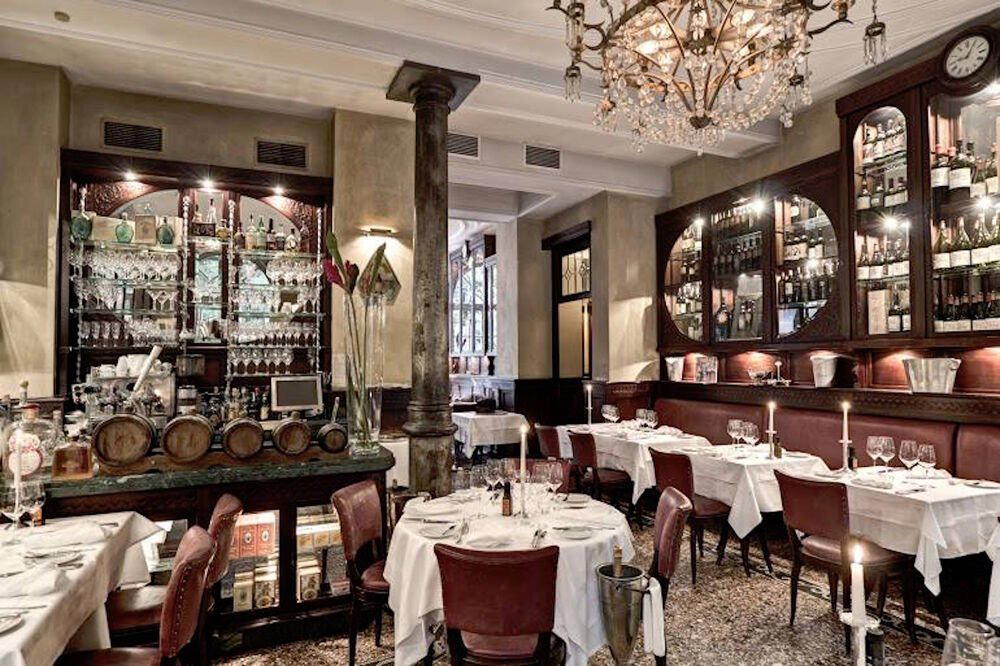
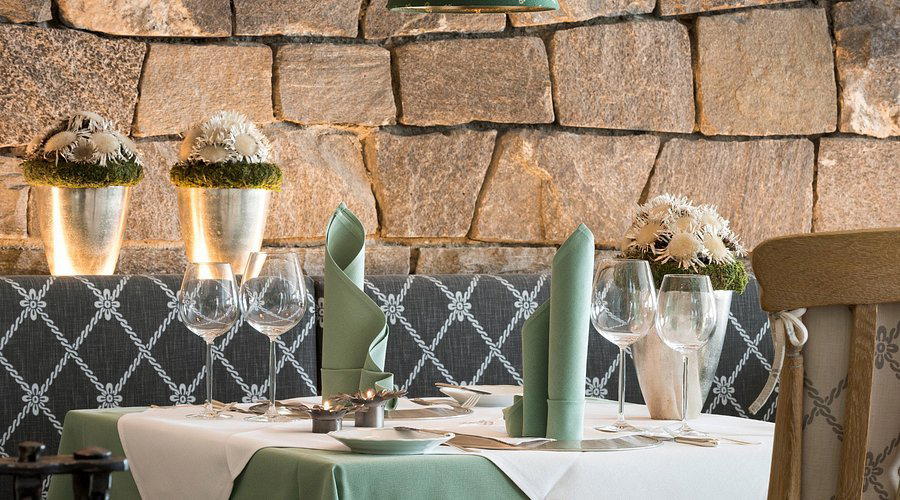
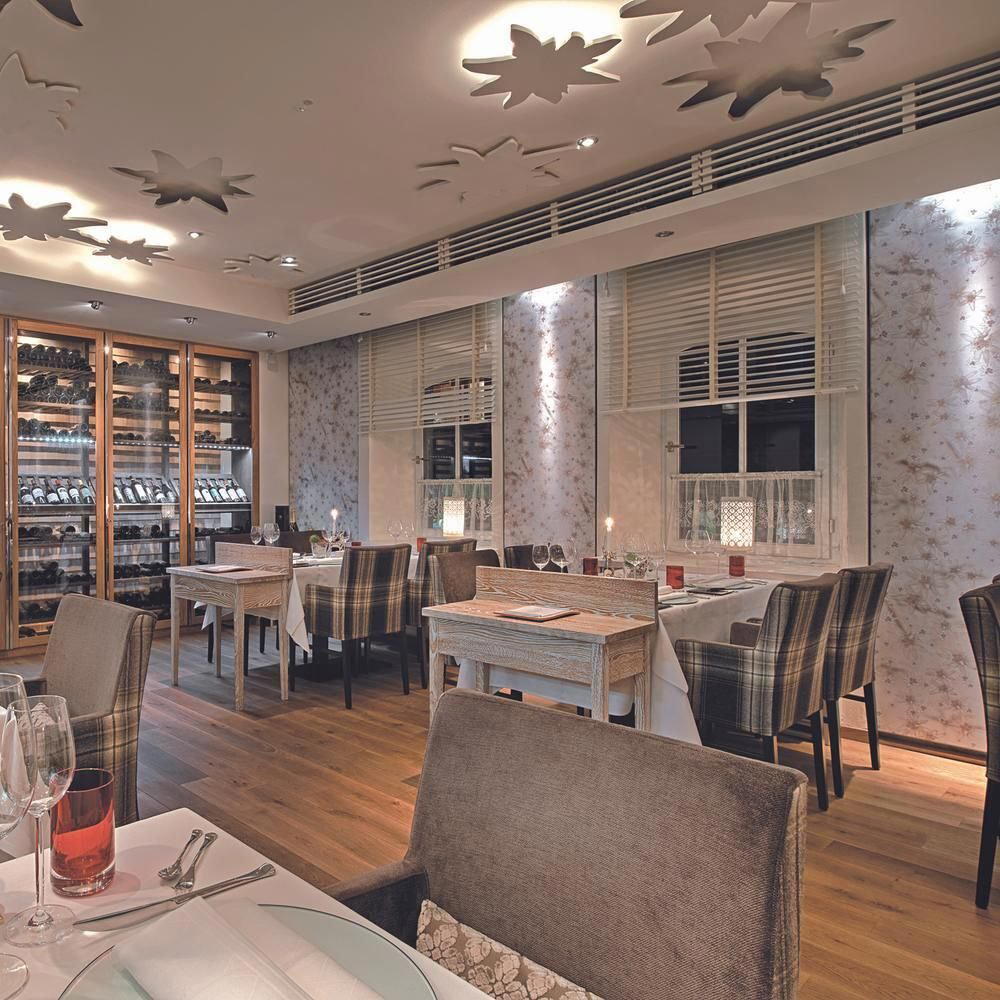
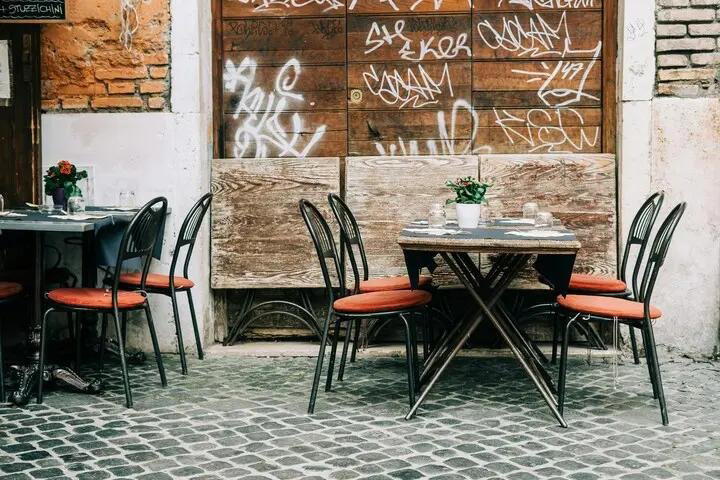
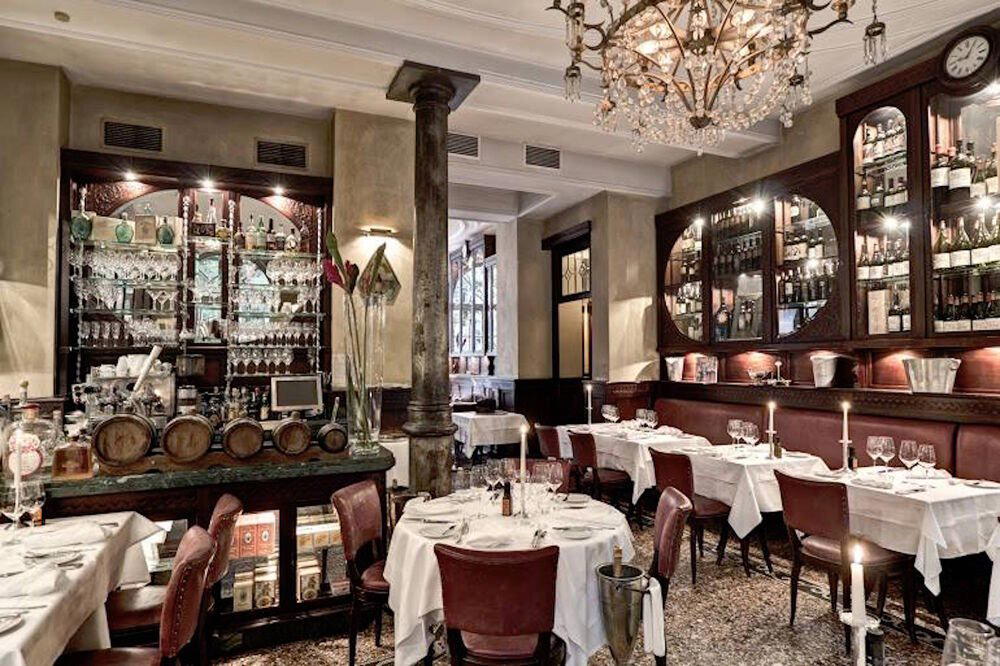
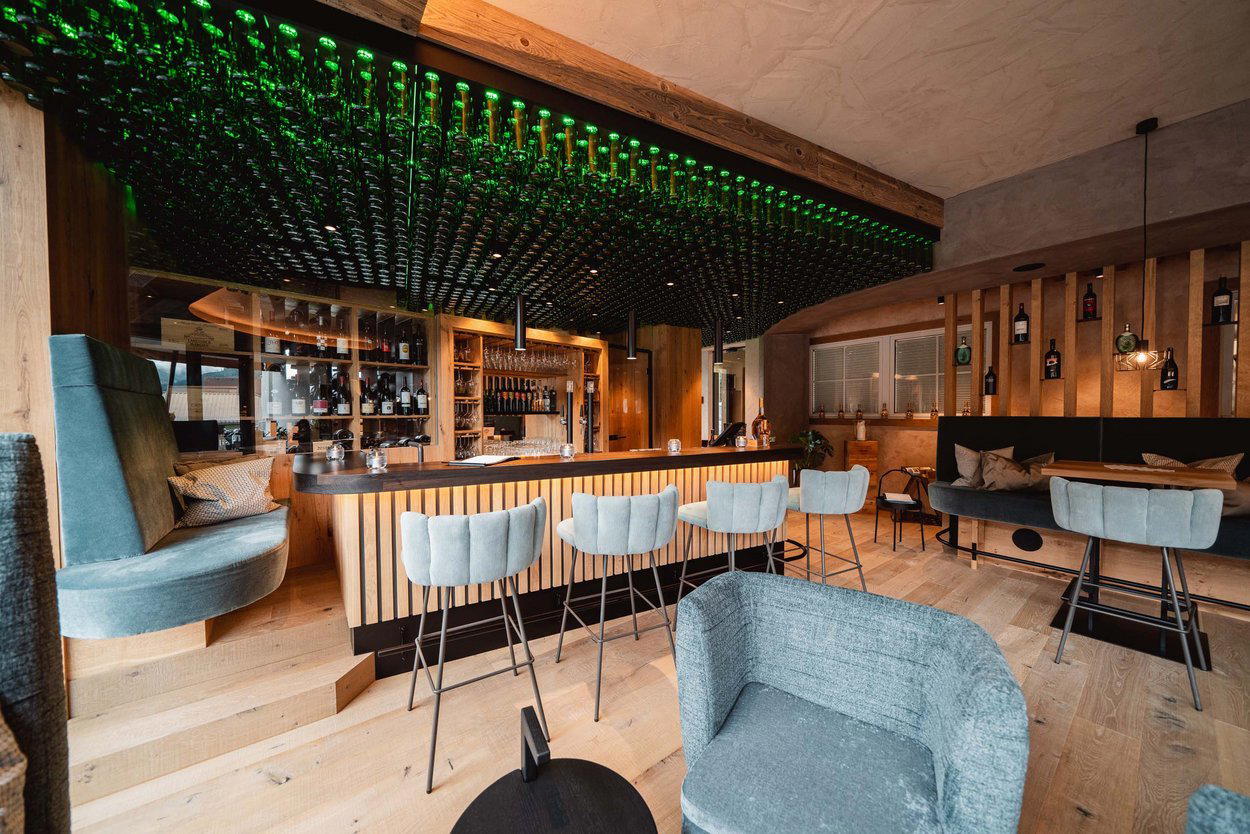
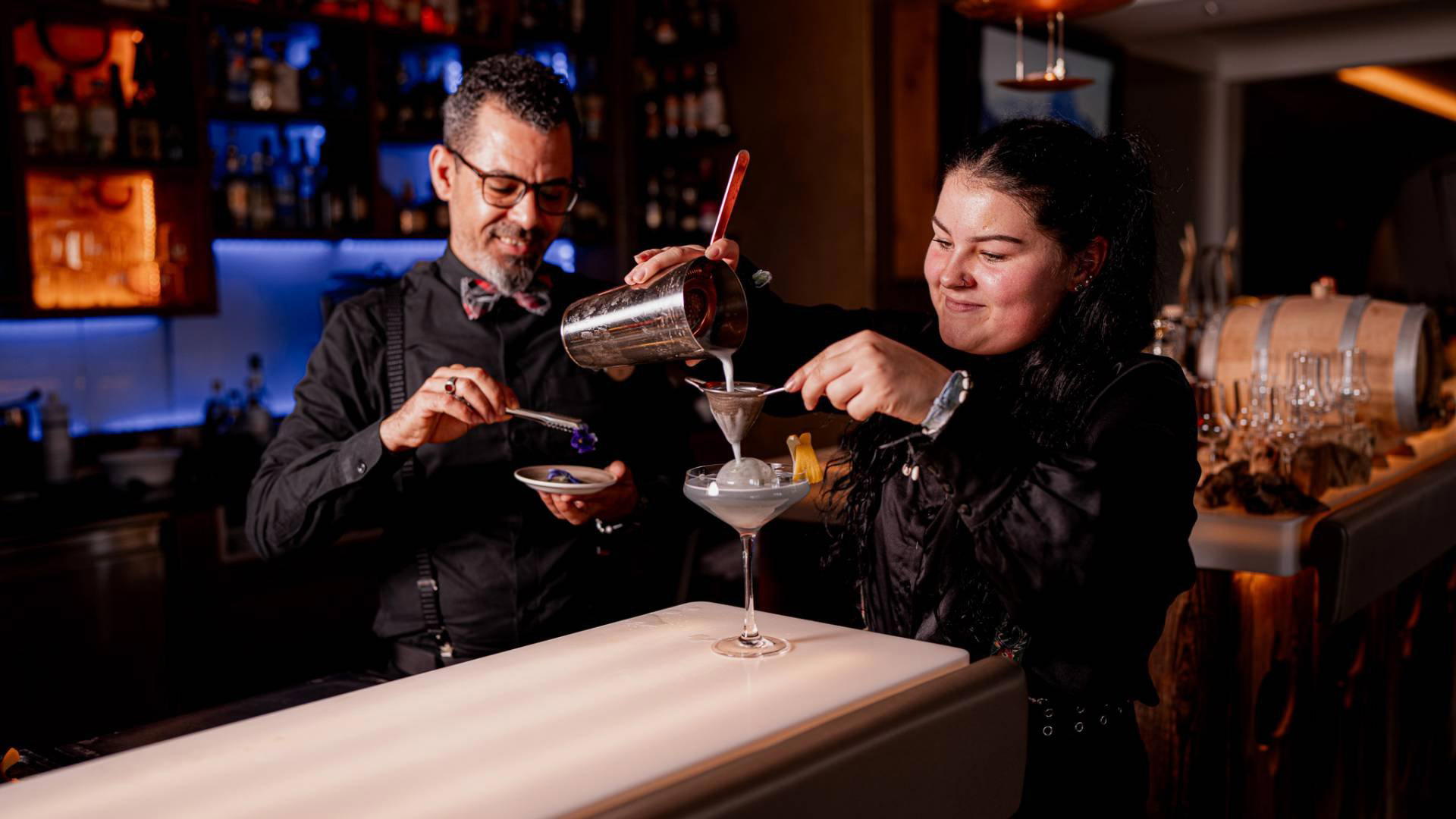
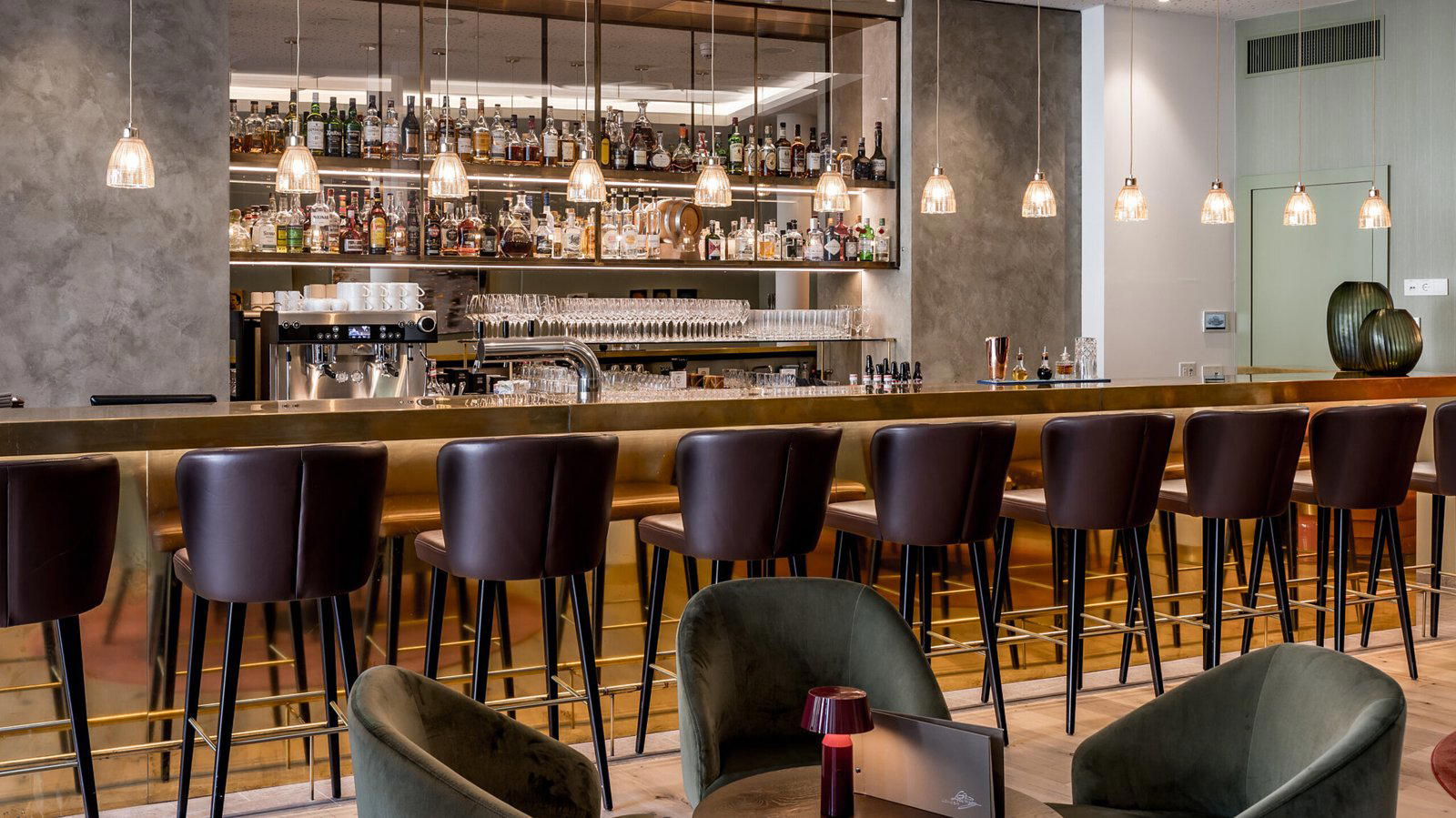
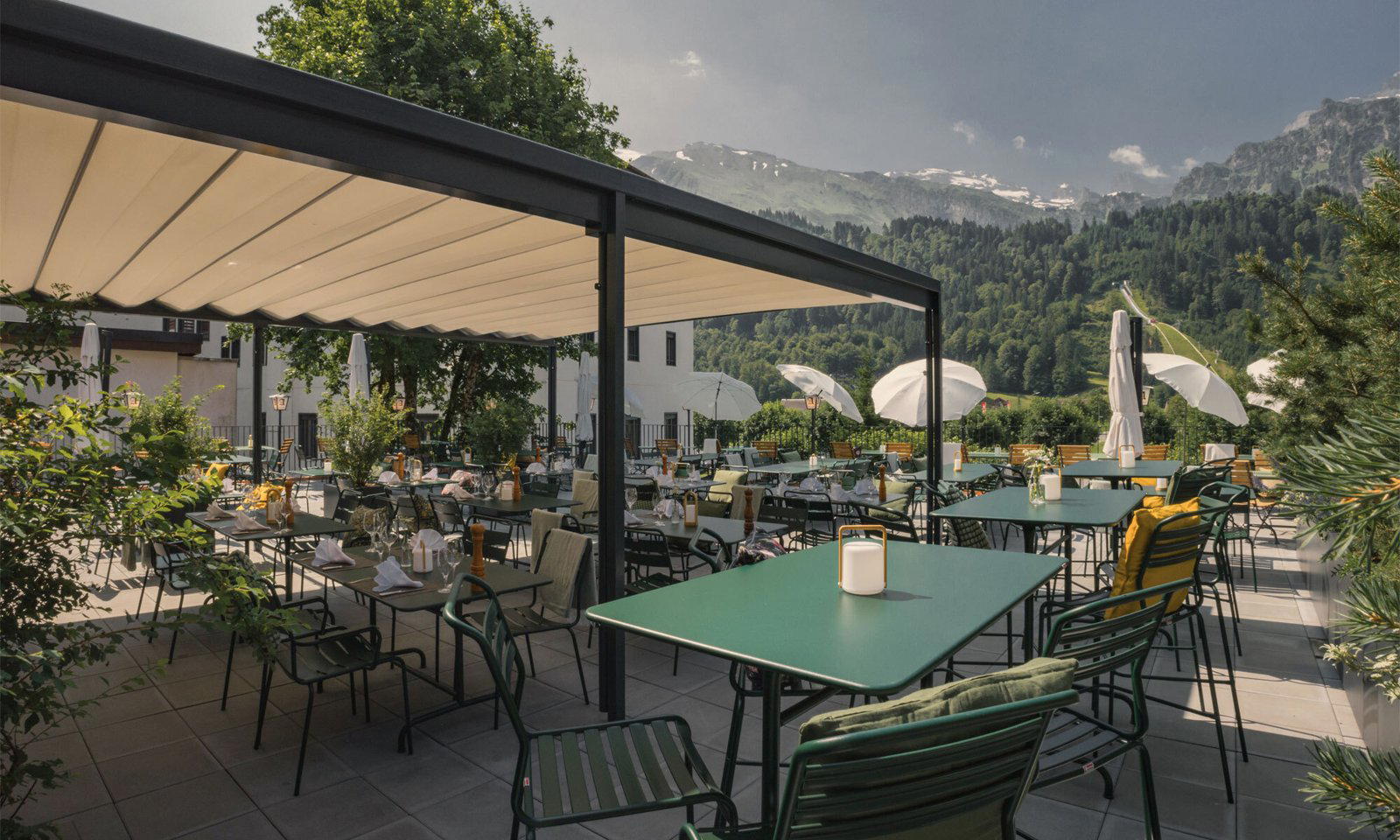
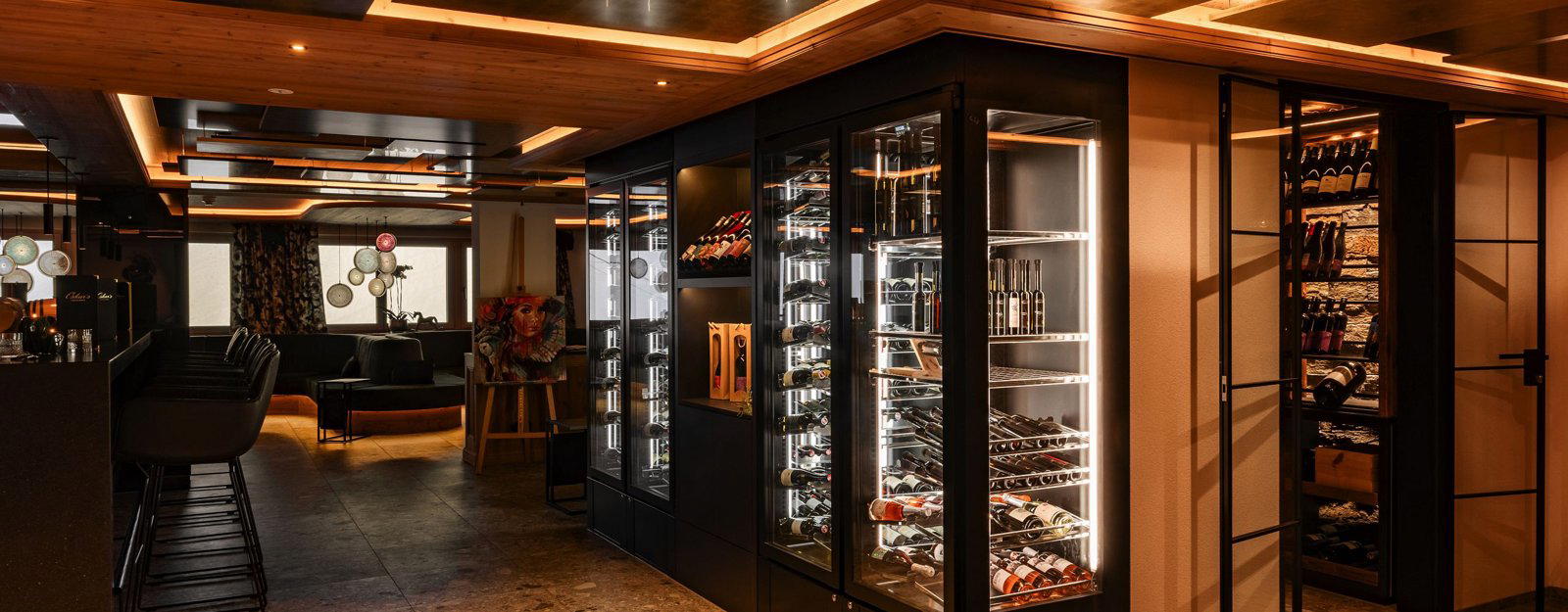
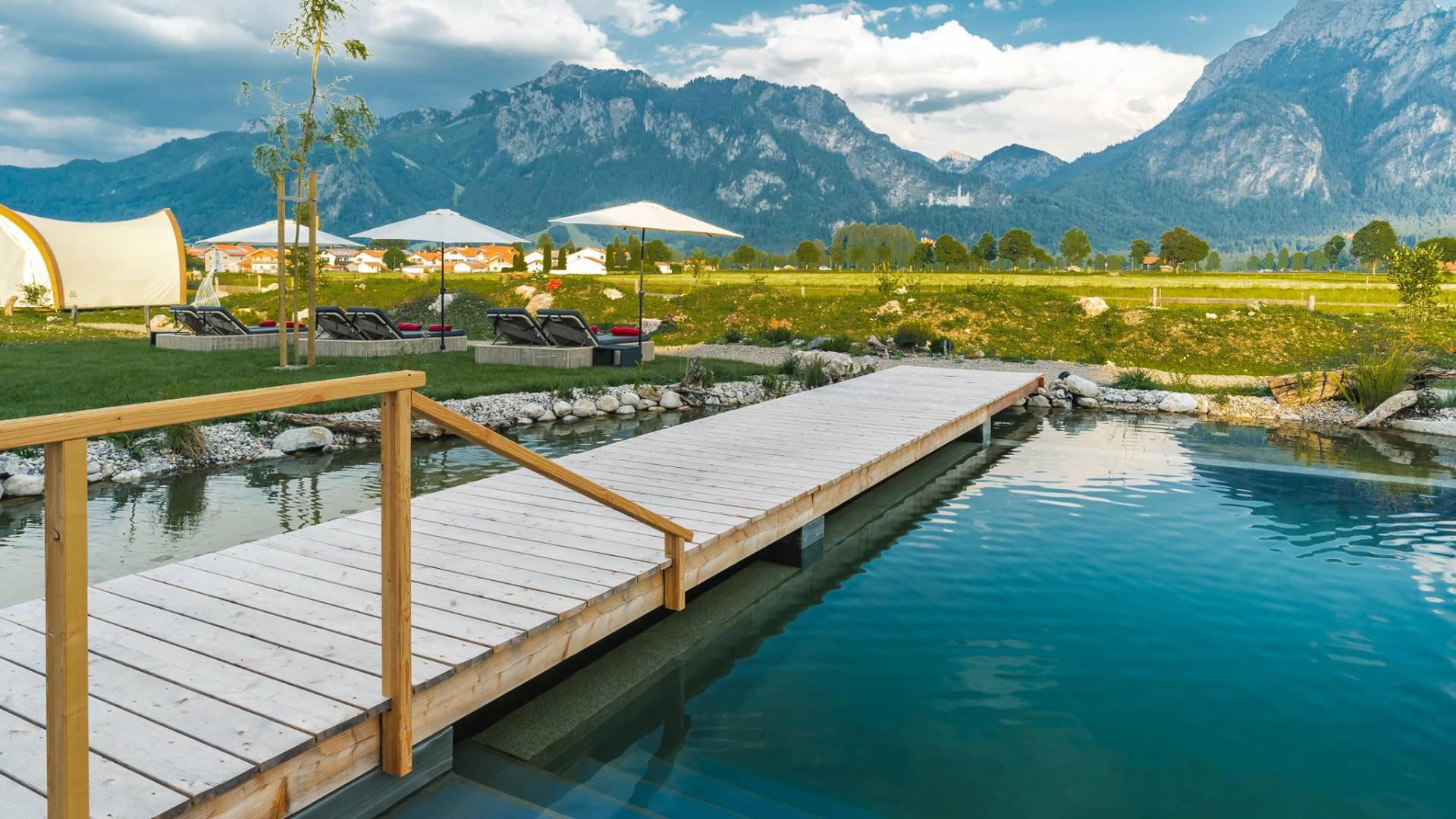
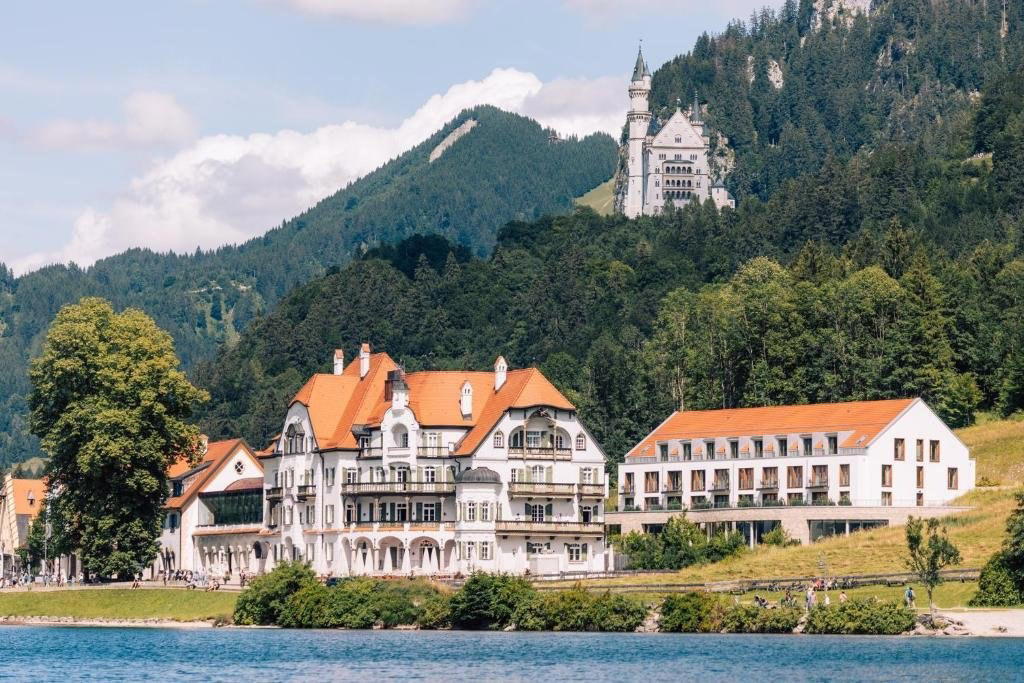
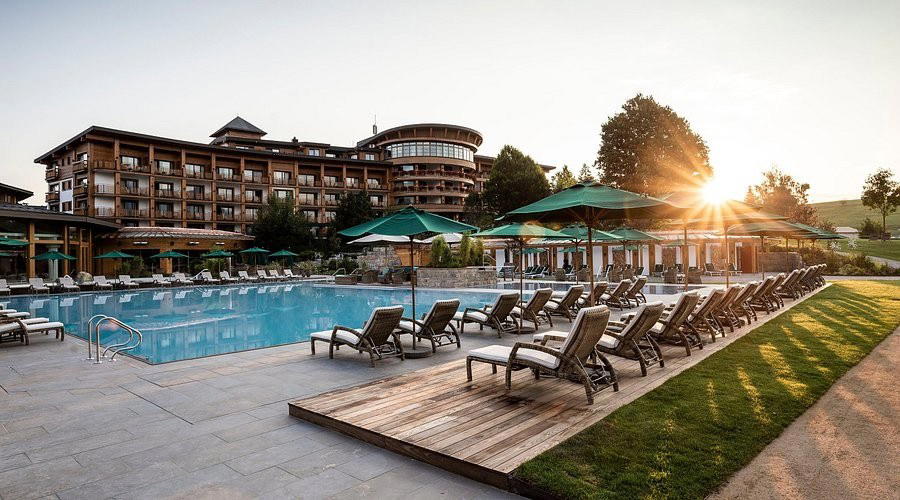
Cozy Alpine atmosphere with warm lighting, natural materials, and mountain views creating a relaxing, inviting environment.