Condesa DF



Condesa DF occupies a converted 1928 apartment building on Avenida Veracruz, where designer India Mahdavi's signature French neoclassical references meet an emphatically relaxed Latin American tempo. The property sits in the Condesa neighbourhood among tree-lined streets and art deco residential blocks, positioning it apart from the corporate hotel corridors of Polanco. It is the kind of address that appeals to travellers who want design provenance and neighbourhood immersion in equal measure.
Pearl is the En Primeur Club membership app — saves, bookings, and concierge access live there. Same editors, same standards.
- Address
- Av. Veracruz 102, Roma Nte., Cuauhtémoc, 06700 Ciudad de México, CDMX, Mexico
- Phone
- +52 55 5241 2600
- Website
- condesadf.com
- Directions
- Get directions
 Saves & bookings on Pearl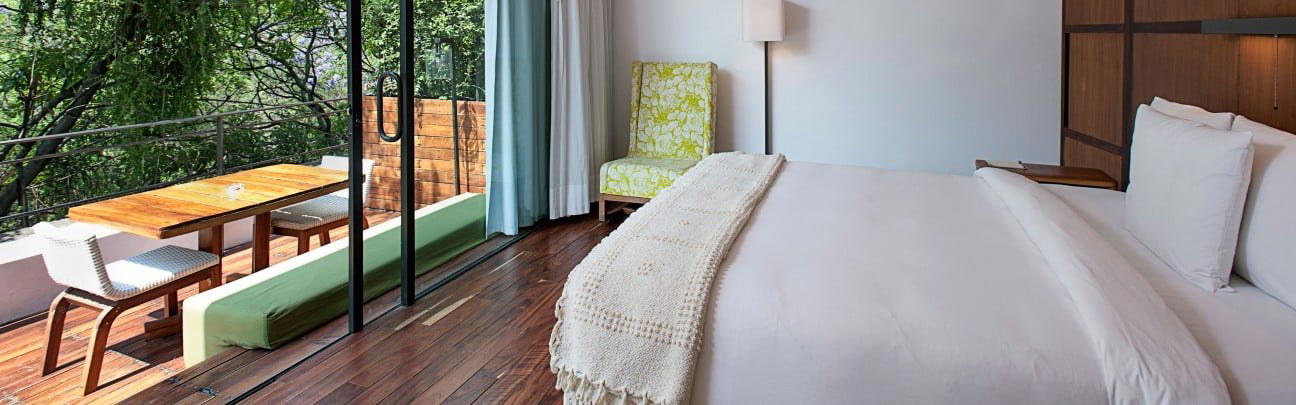
Where Condesa's Street Life Meets Considered Design
Mexico City's hotel market has sorted itself into two broad camps over the past decade: the corporate luxury tier concentrated in Polanco, where properties like the internationally branded flagships compete on square footage and spa credentials, and a smaller cohort of design-led conversions scattered through Roma and Condesa that prioritise neighbourhood texture over scale. Condesa DF belongs firmly to the latter group. The address, Avenida Veracruz, 102, places it on one of the neighbourhood's quieter leafy corridors.
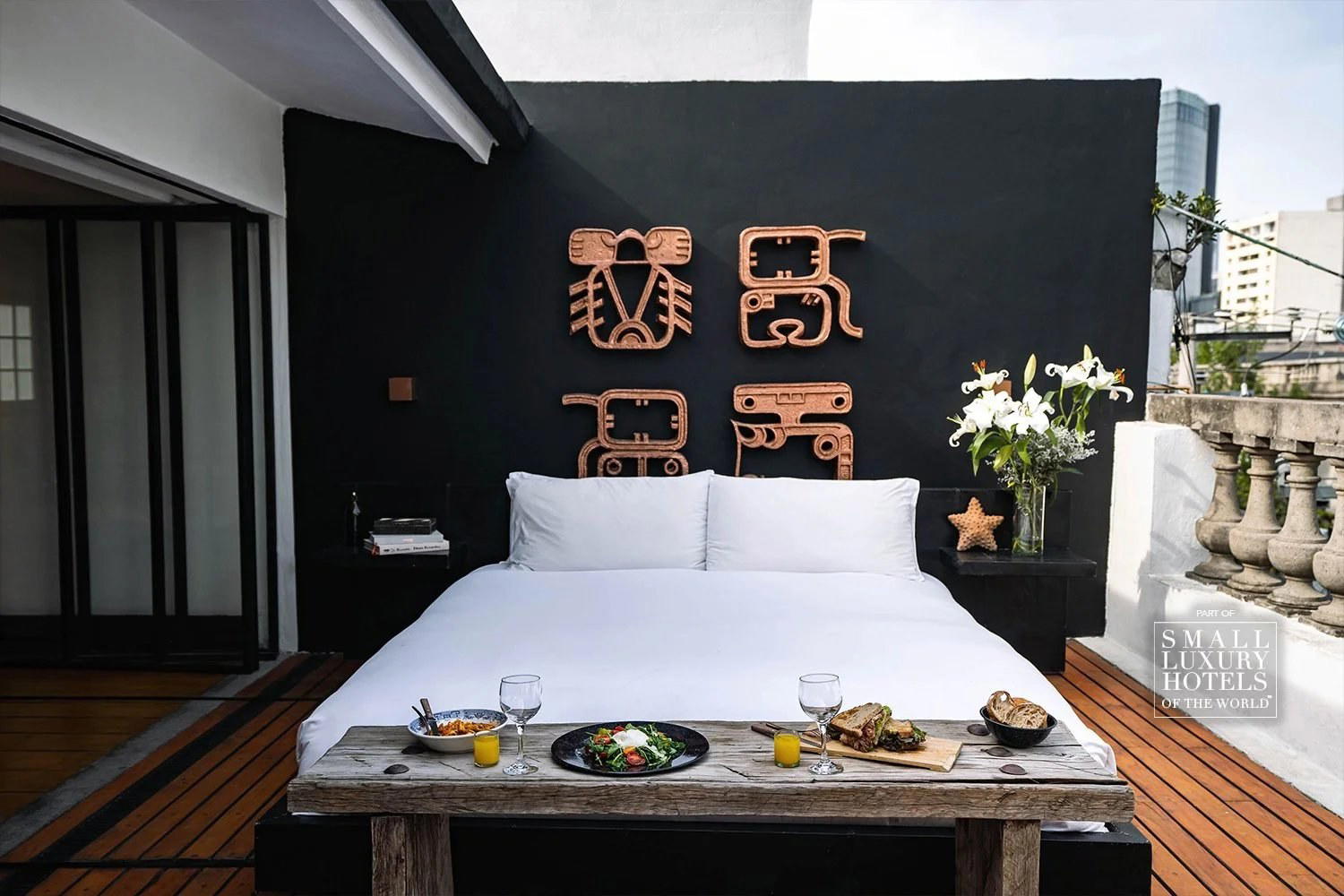
The building itself dates to 1928, and French designer India Mahdavi's intervention reads as a conversation with that history rather than a departure from it. Mahdavi, whose portfolio spans hotel interiors from Paris to Beirut, brought a language of French neoclassical reference executed with deliberate informality: the bones are elegant, the atmosphere is not stiff. The result sits in a specific niche occupied by properties that use serious design as a backdrop for loosened formality, rather than as a signal of ceremonial behaviour. Comparable approaches in Mexico can be found at Hotel Esencia in Tulum or the intimate Chablé Yucatán in Merida. Condesa DF leans into urban density, which is a different proposition entirely.
The India Mahdavi Effect on Mexico City Hospitality
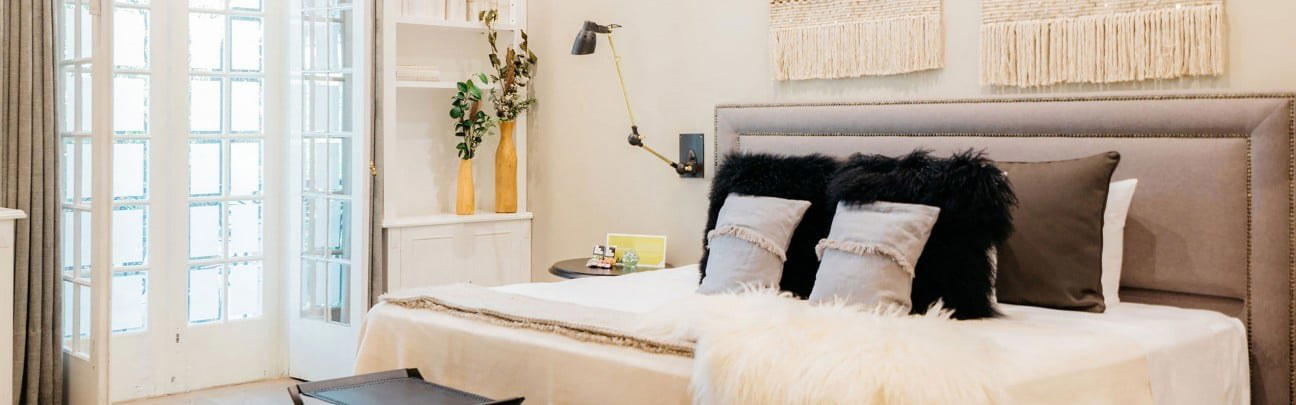
Condesa DF represents a different tendency: the importation of a distinctly European aesthetic sensibility applied to a Latin American urban context, and the productive friction that creates. Mahdavi's French neoclassical references, architectural symmetry, considered palette, furniture with period allusion, are filtered through what the venue itself describes as a high-tech and informal register. The technology integration, which was notably forward-looking at the time of the property's opening, signals a guest profile more interested in seamless connectivity than in heritage immersion. That positioning continues to define the guest mix.
In the broader Mexico City design-hotel conversation, the hotel occupies a reference position that newer properties like Casa Polanco, Brick Hotel, and Casapani have responded to, each carving slightly different niches within the boutique-to-design spectrum. Alexander and Campos Polanco anchor the Polanco end of this tier, while Casona Roma Norte and Casa Nuevo León Hotel frame the Roma adjacency. The hotel's position in Condesa proper, the neighbourhood that gave the property half its name, remains a geographic differentiator in that competitive set.
Planning Your Stay: What to Know Before You Book
Booking the hotel rewards direct engagement with the property. The hotel's size, characteristic of the design-boutique category, means that room availability can tighten considerably during Mexico City's busiest periods: major festival weeks and the stretch from mid-November through December when the city draws both business and leisure visitors in volume. Travellers planning around Día de los Muertos at the end of October should account for city-wide accommodation pressure that affects this neighbourhood as much as Polanco. For those with flexibility, the January-to-March window tends to be particularly relaxed in terms of both pricing and availability across Mexico City's independent hotel sector.
The Condesa neighbourhood itself operates on a pedestrian logic that makes the address practical in ways a map cannot fully convey. Parque México and Parque España are within comfortable walking distance, as are the neighbourhood's concentration of independent restaurants and coffee operations that have made the area a reference point in the city's food conversation. Visitors staying at properties like CASA TEO in adjacent zones will recognise the same neighbourhood texture; the hotel simply layers a higher design quotient over it.
Travellers comparing the hotel to Mexico's resort tier, properties like One&Only Mandarina in Riviera Nayarit, Montage Los Cabos in Cabo San Lucas, Las Ventanas al Paraíso in San José del Cabo, or Zadun, A Ritz-Carlton Reserve in Los Cabos, are making a category distinction, not a quality one. Those properties offer containment and beach access; the hotel offers city friction and design intelligence. They serve different travel logics, and the decision between them is less about budget than about what kind of Mexico you are after. Similarly, coastal alternatives like Maroma in Riviera Maya or Etéreo, Auberge Resorts Collection in Punta Maroma serve a different trip.
Condesa DF in the Wider Design-Hotel Conversation
The property does not exist in a vacuum, and understanding it means reading it against the broader premium boutique movement in Latin American cities. Where properties such as Casa de Sierra Nevada in San Miguel de Allende trade on colonial architecture and cultural heritage, and coastal properties like Las Alamandas in Costalegre or Four Seasons Resort Punta Mita trade on natural isolation, the hotel trades on the convergence of a named designer, a neighbourhood with social capital, and a building with enough period architecture to give that design intervention something to push against. That triangulation is what the property's recognition reflects. For European travellers seeking a frame of reference, the model has some kinship with Aman Venice in its willingness to layer contemporary design over period structure.
The Essentials
Comparable venues nearby, for context on price, style, and recognition.
| Venue | Cuisine | Price | Notes |
|---|---|---|---|
| Condesa DFThis venue — the venue you are viewing | Not listed | $$$ | Not listed |
| Santa Casa | Not listed | $$$ | Roma Norte, Historic Mexican Colonial Revival mansion thoughtfully restored with contemporary design elements, positioned as a charming boutique hotel that honors its 1930s heritage while offering modern comforts. |
| OCTAVIA CASA | Not listed | $$$$ | Hipodromo de la Condesa, Urban boutique modeled on a contemporary fashion brand with indoor-outdoor connectivity. |
| Nima Local House hotel | Not listed | $$$$ | Roma Norte, Restored historic mansion blending old-world elegance with modern thoughtful design |
| HS HOTSSON Hotel CDMX Condesa Sur | Not listed | $$$ | San Miguel Chapultepec, Extended-stay urban hotel with apartment-style suites |
| Hyde Mexico City Reforma | Reforma, Boho-chic lifestyle hotel | $$$$ | Not listed |
Recognition history
Dated appearances from independent guides and award organizations, with the underlying list record or original source where available.
Design Hotels Member
Design Hotels
Mr & Mrs Smith Smith Seal of Approval
Mr & Mrs Smith
Vogue 2026 Vogue Best Hotels in Mexico City
Vogue
Michelin Selected
Michelin
Continue exploring
More in Mexico City
Hotels in Mexico City
Browse all →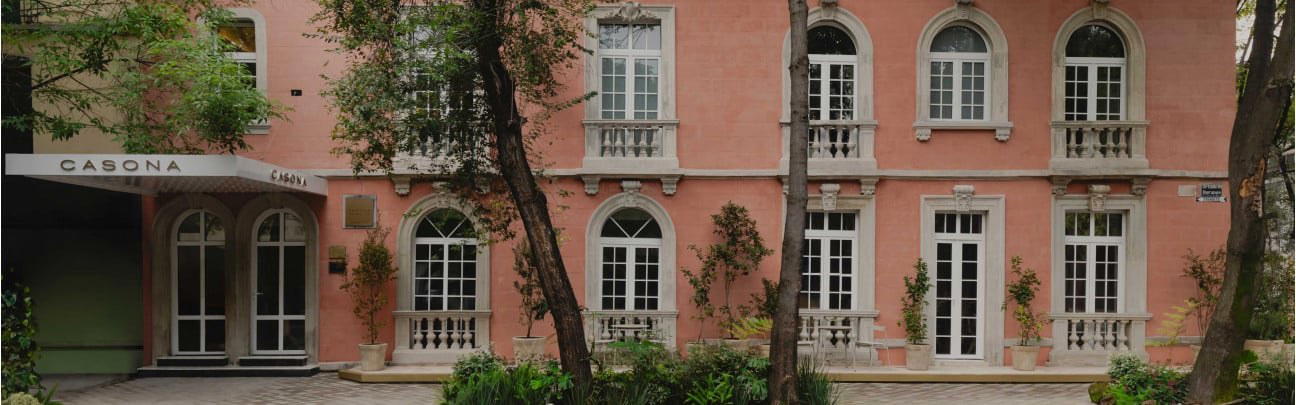
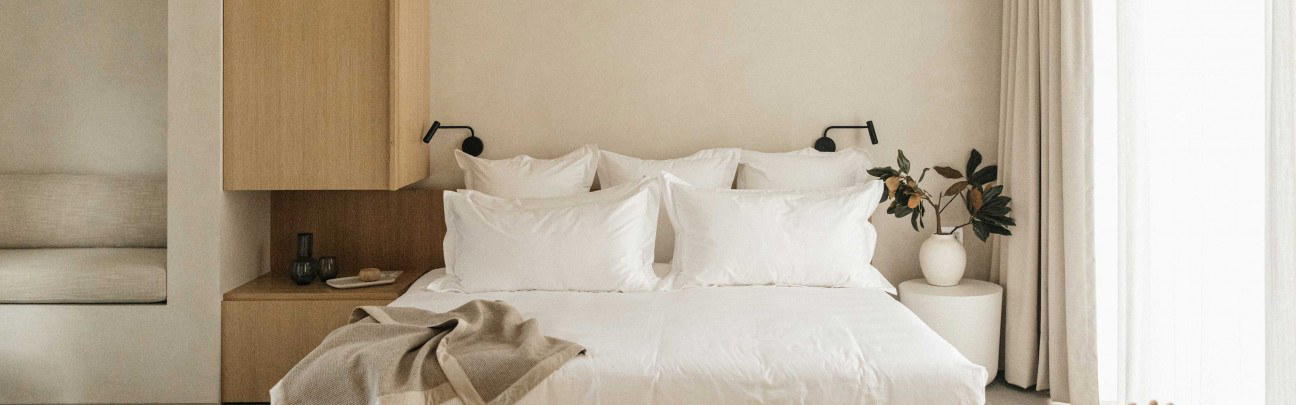
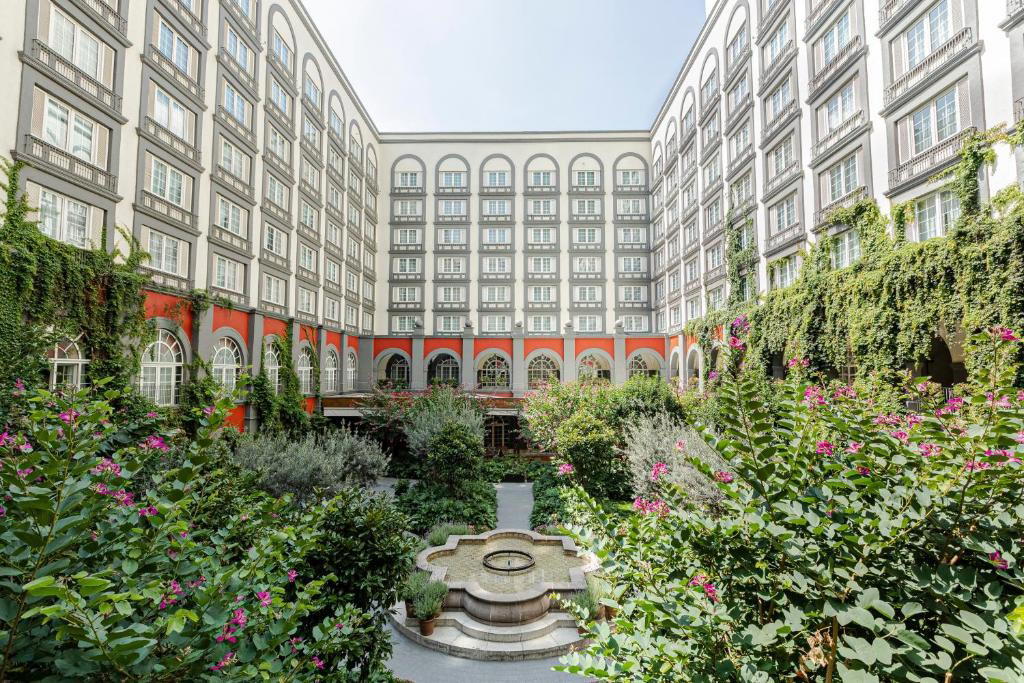
Bars in Mexico City
Browse all →
At a Glance
- Modern
- Trendy
- Sophisticated
- Elegant
- Romantic Getaway
- Weekend Escape
- Business Trip
- Design Destination
- Garden
- Terrace
- Historic Building
- Wi Fi
- Spa
- Room Service
- Concierge
- Valet Parking
- Restaurant
- Bar
- Street Scene
- Garden
- Wi Fi
- Spa
- Room Service
- Concierge
- Valet Parking
- Restaurant
- Bar
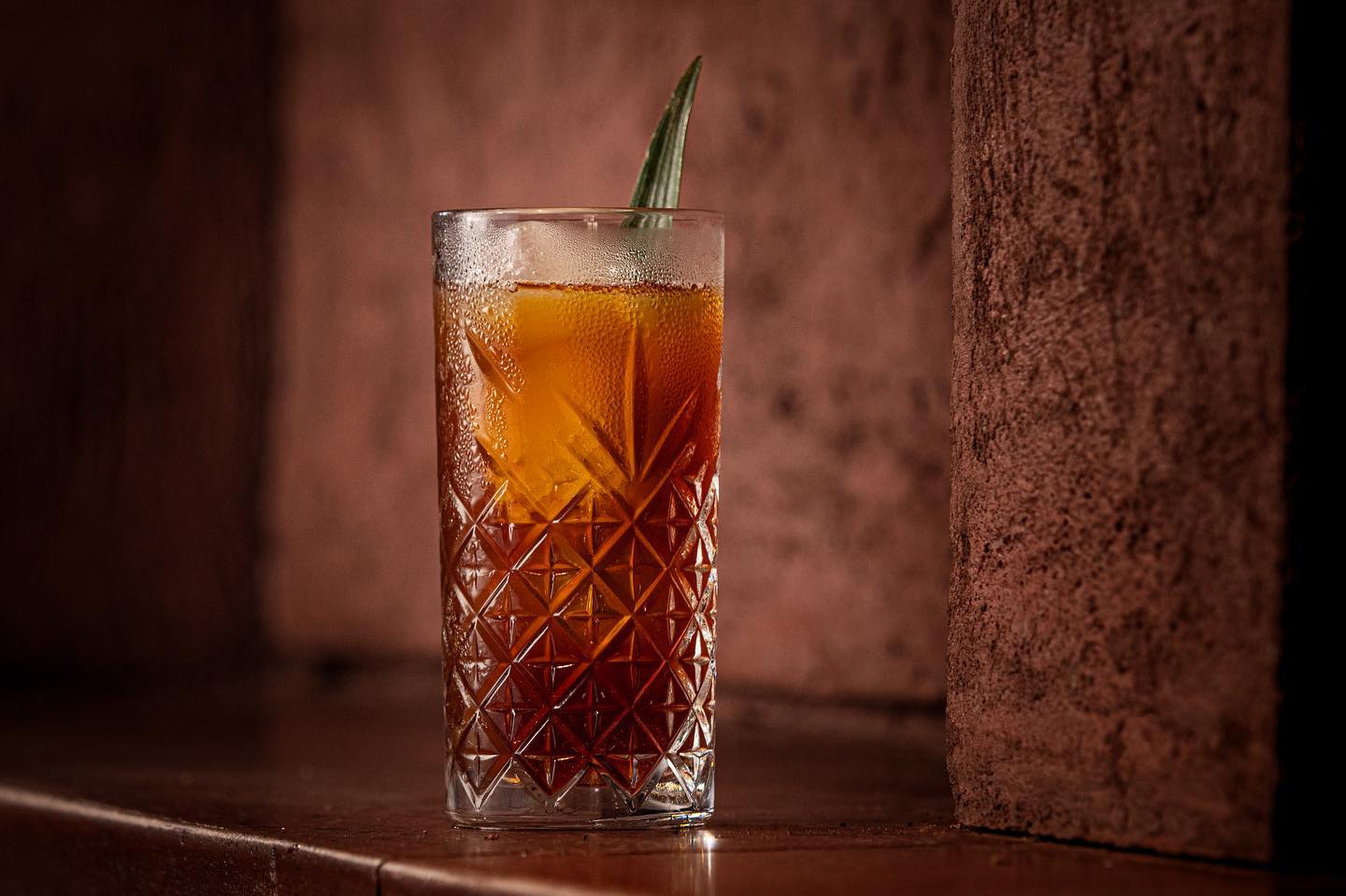
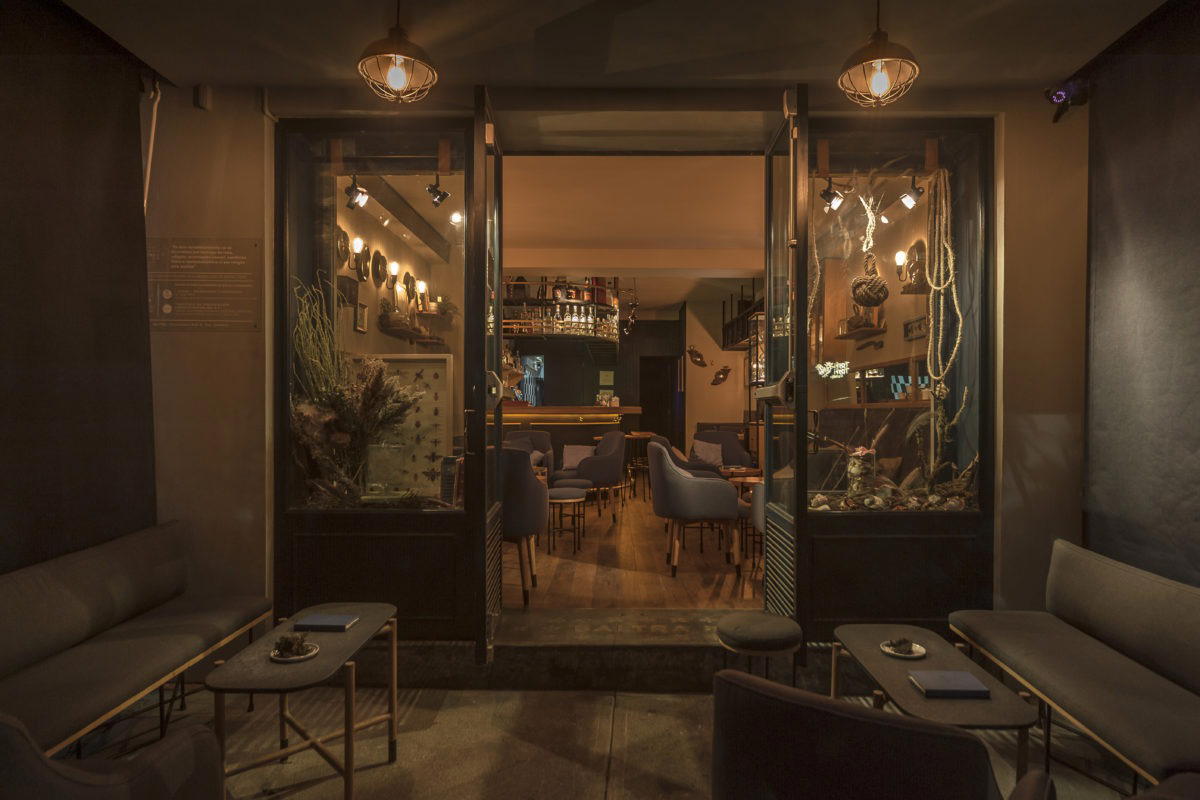
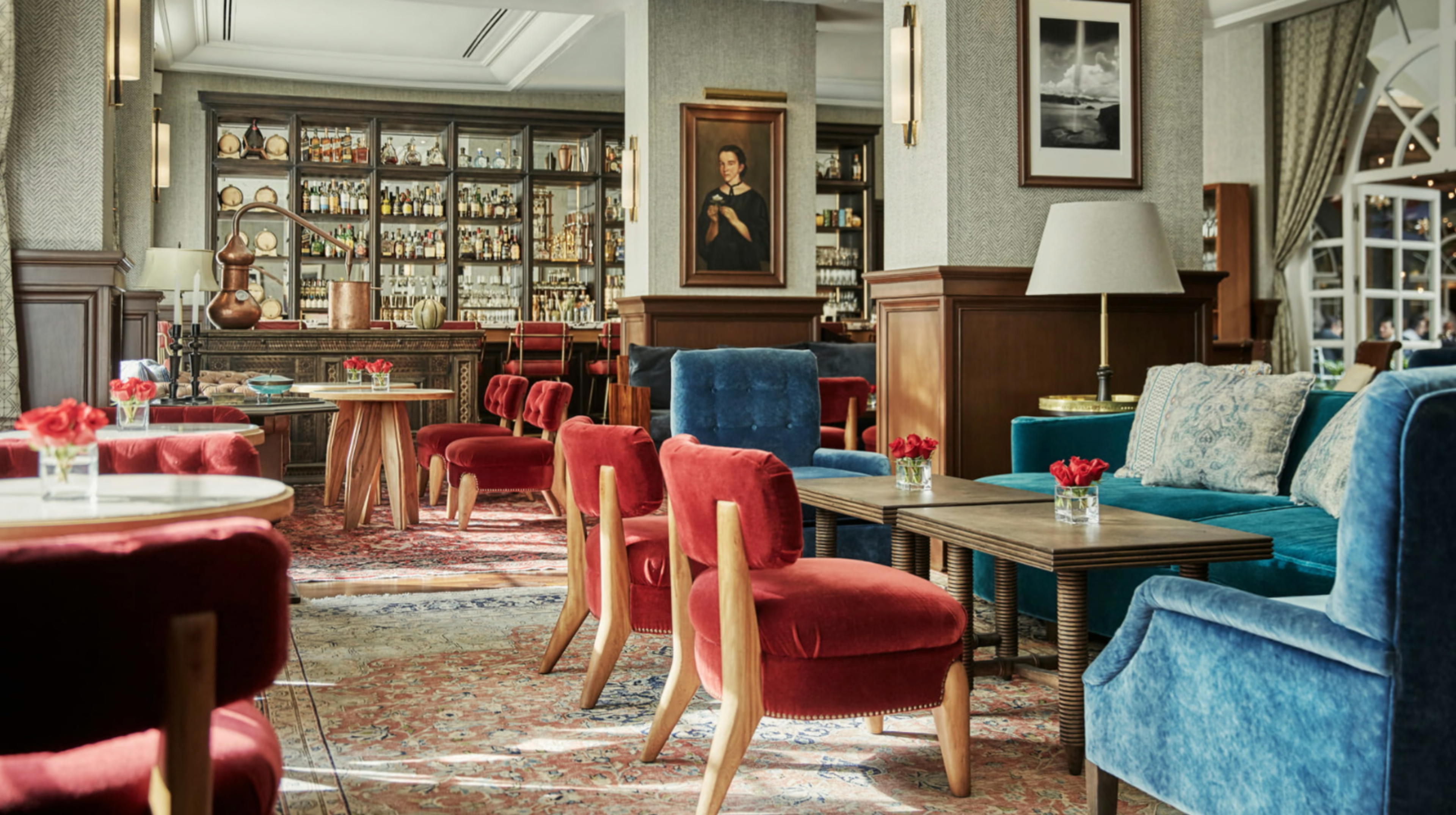
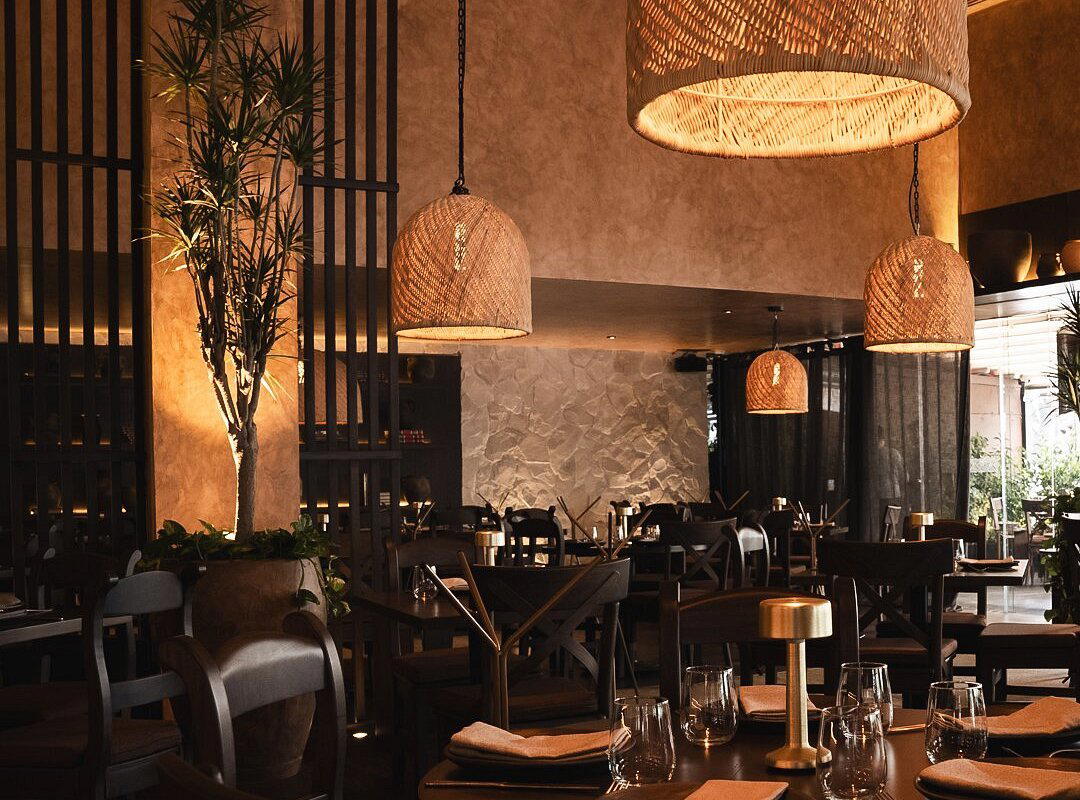
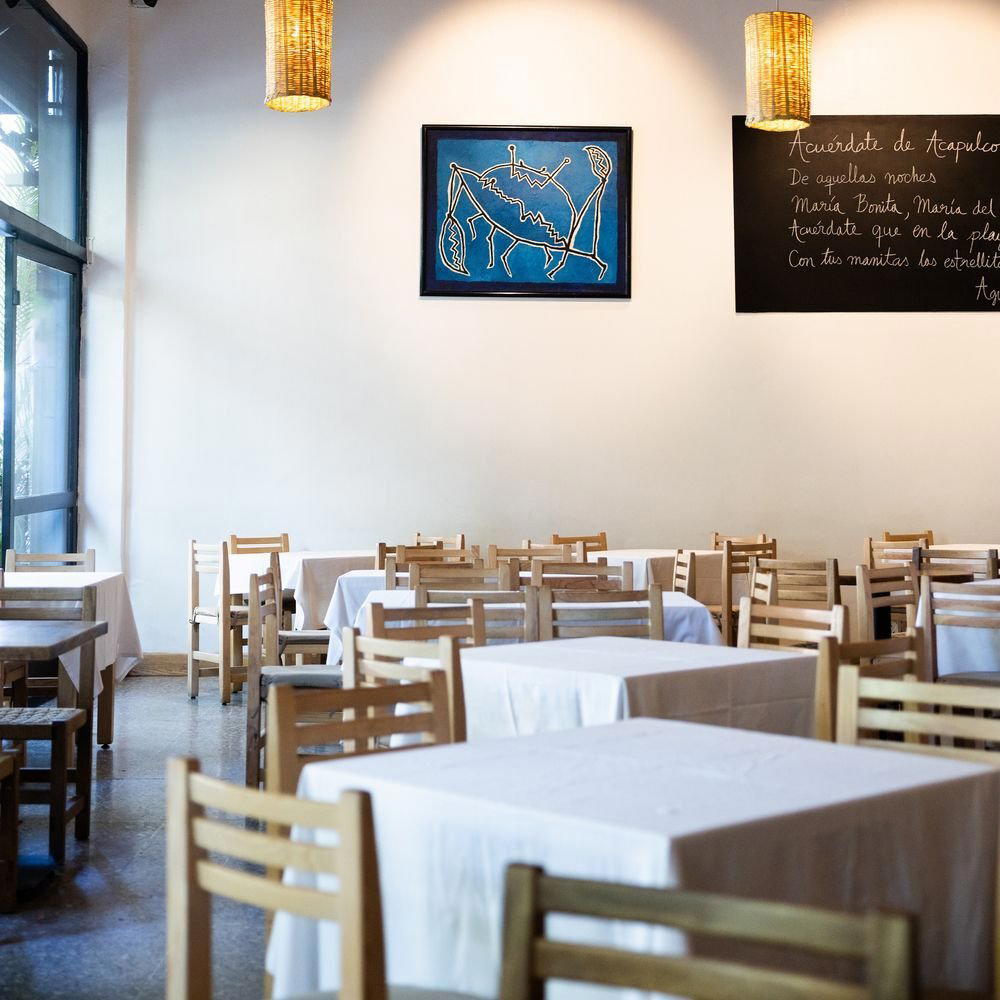
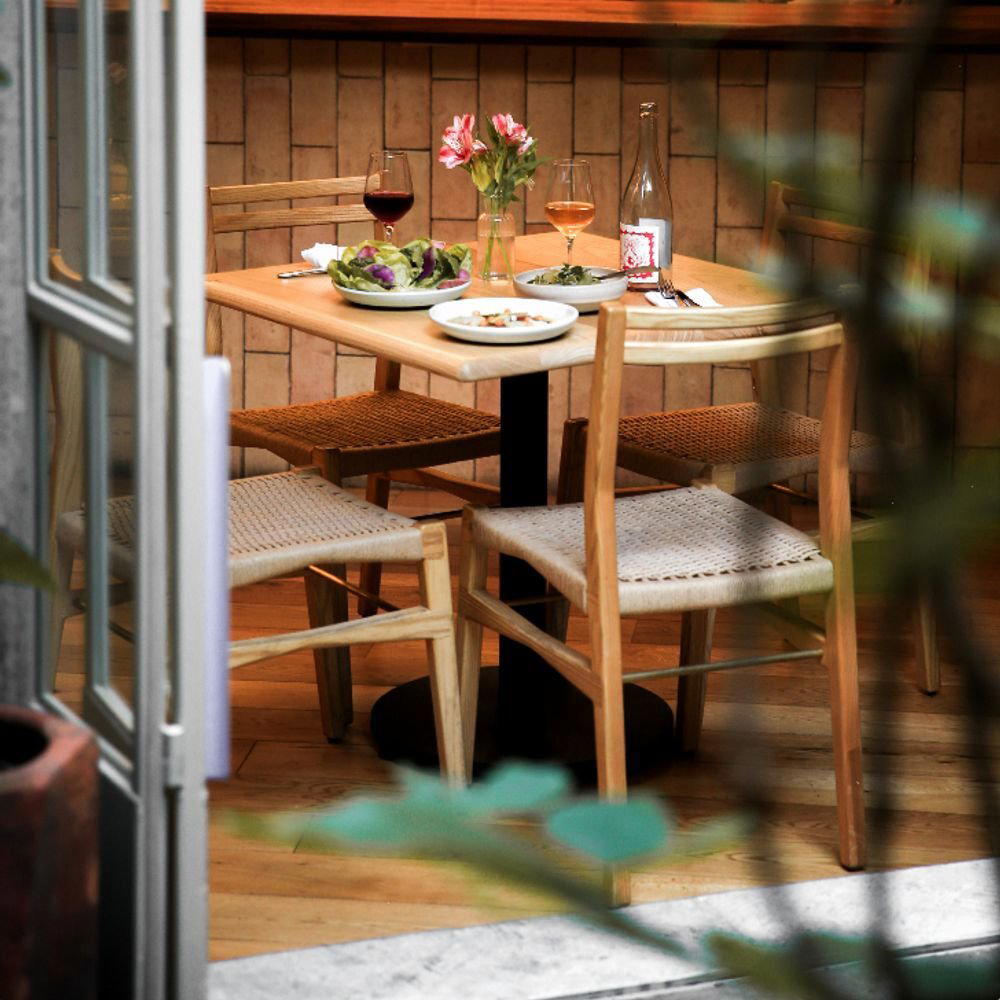
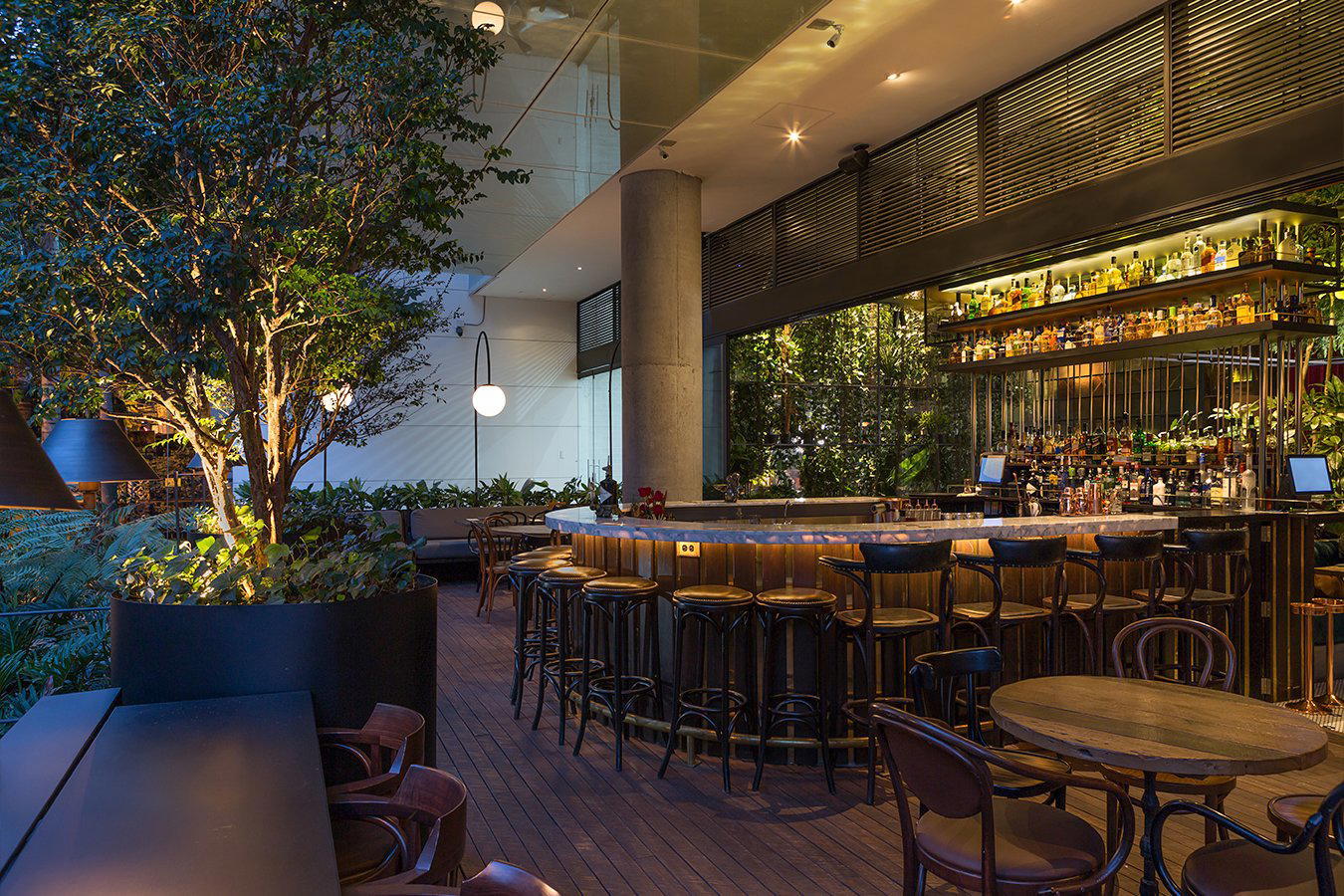
Contemporary and stylish with bold color choices including chocolate brown and moss green, futuristic sculptural furnishings, retro wood-paneled walls, and a lively central courtyard restaurant creating a cosmopolitan atmosphere.