CASA TEO
Casa Teo occupies a residential address on Petrarca in Polanco, one of Mexico City's most considered dining neighbourhoods. The property sits within a district where pre-war architecture and contemporary hospitality coexist, drawing guests who want proximity to Polanco's restaurant corridor without the scale of a large hotel. It represents the smaller, address-specific tier of Mexico City accommodation that has grown steadily alongside the city's international dining reputation.
Pearl is the En Primeur Club membership app — saves, bookings, and concierge access live there. Same editors, same standards.
- Address
- Petrarca 254, Polanco, Polanco V Secc, Miguel Hidalgo, 11570 Ciudad de México, CDMX, Mexico
- Phone
- +52 55 5929 1848
- Website
- teo.casa
- Directions
- Get directions
 Saves & bookings on Pearl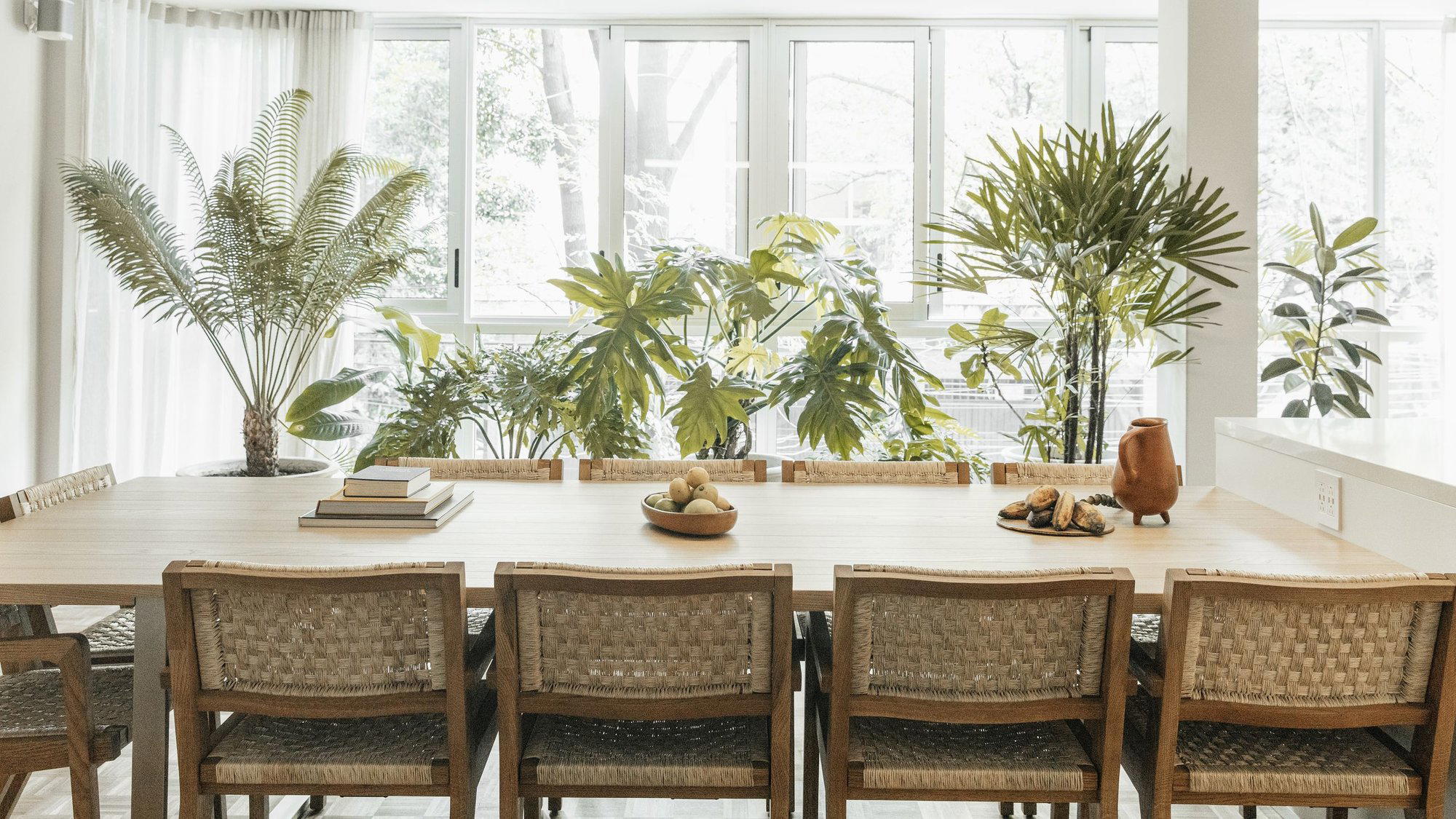
Polanco and the Architecture of Arrival
CASA TEO is a hotel in Mexico City’s Polanco district, at Petrarca 254 in Polanco V Secc. Petrarca is one of those streets. The address at number 254 sits in the fifth section of Polanco, a residential sub-district that edges toward Campos Elíseos and the green buffer of Bosque de Chapultepec. Arriving here, the density of central Mexico City recedes. The neighbourhood's character, which developed through the mid-twentieth century as a planned residential area, still asserts itself in the proportions of the buildings and the relative calm of the side streets, even as the surrounding blocks have filled with the restaurant groups and hotel projects that define contemporary Polanco.
Casa Teo operates within that inherited urban context. The Polanco V Secc designation places it in the quieter eastern reach of the district, away from the concentrated hotel strip of Masaryk but close enough that the neighbourhood's restaurant infrastructure remains walkable. For travellers who want to treat Mexico City as a serious dining and cultural destination rather than a transit point, the address has logic: you are positioned between the park, the museums of Chapultepec, and the tables that draw international press coverage year after year.
The Polanco Property Tier and Where Casa Teo Sits
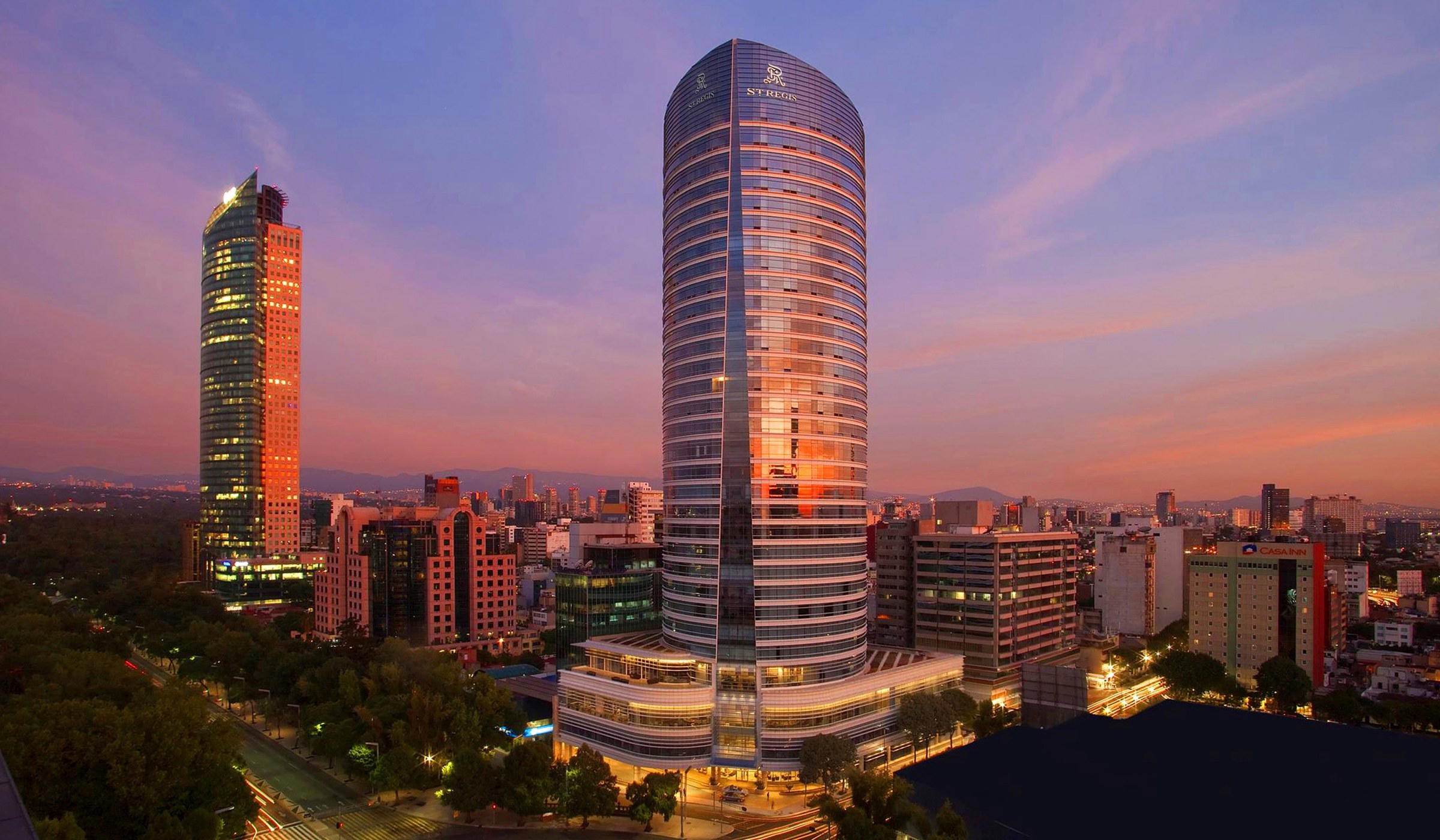
Mexico City's accommodation market has stratified considerably over the past decade. At the leading, large-format international flagships including the Four Seasons Hotel Mexico City on Paseo de la Reforma, the St. Regis, and the JW Marriott on Campo Elíseos have established a clear bracket defined by ballroom capacity, pool infrastructure, and full-service F&B programs. Las Alcobas, A Luxury Collection Hotel, represents a mid-scale boutique position within Polanco, with a known room count and curated restaurant offerings that have received editorial attention.
Below and alongside that cohort, a different model has taken hold. Properties on residential streets, with smaller footprints and address-first positioning, serve a traveller who is making a considered neighbourhood choice rather than defaulting to a brand. Casa Teo on Petrarca belongs to that cohort: a property that derives its proposition from location and residential character rather than from branded infrastructure or programmatic scale.
That positioning carries trade-offs worth stating plainly. The full-service amenities, in-house dining, concierge depth, and pool access that define the flagship tier are not the offer here. What the address-specific tier provides instead is proximity to neighbourhood life and, in Polanco's case, access to one of Mexico City's most concentrated dining corridors at walking distance, without the operational overhead or pricing of a large hotel. Travellers who have done Mexico City before and know where they want to eat tend to find that trade-off direct.
The Neighbourhood as Context for a Stay
Polanco's current reputation in international travel media rests significantly on its restaurants, but the district's interest runs broader than that. The Museo Jumex, which houses one of Latin America's most significant private contemporary art collections, sits a short walk from the Soumaya Museum across the Carso complex, with both accessible from the Polanco side streets without requiring a car. Chapultepec's first section, including the Museo Nacional de Antropología, is reachable on foot from the quieter streets of Polanco V Secc. The concentration of those resources within a walkable radius is what positions this part of the city as a base for a particular kind of stay, one organised around cultural movement during the day and the neighbourhood's restaurant corridor in the evening.
Mexico City's dining season has no single peak. The city operates as a year-round destination, though the dry season running broadly from November through April brings lower humidity and clearer evenings that suit the outdoor seating and terrace dining that characterise many of Polanco's better tables. Visitors planning around specific restaurant reservations are generally better served arriving in the dry months when weather adds to rather than complicates an evening itinerary. Our full Mexico City restaurants guide covers the current reservation and timing picture across the city's main dining districts.
Staying in Polanco vs. Other Mexico City Neighbourhoods
The neighbourhood choice question in Mexico City is more consequential than in many other capitals because the city's districts are meaningfully distinct in character and the traffic between them adds friction to a stay. Polanco offers density of a particular kind: high-end retail, museum infrastructure, and restaurant concentration in a relatively contained grid. Roma Norte and Condesa, where properties including Casona Roma Norte and Chaya B & B Boutique operate, offer a different register, one more centred on natural wine bars, creative Mexican dining, and the tree-lined street culture that has made those neighbourhoods a reference point for a younger international traveller.
The choice between those districts is partly practical and partly about what kind of Mexico City the visit is for. Polanco works for travellers whose itinerary is anchored in the Michelin-adjacent restaurant tier, the art museums of Chapultepec, or business in the Reforma corridor. Properties like Alexander, Brick Hotel, Casa Nuevo León Hotel, and Casapani each make a case for Polanco on those terms, while serving different price points and formats within the district.
For travellers building a broader Mexico trip, Polanco also functions as a logical city anchor before moving to coastal or interior destinations. The connections to [Hotel Esencia in Tulum], Maroma in Riviera Maya, or Chablé Yucatán in Merida are all domestic flights of roughly two hours or less from AICM, meaning a Polanco base for two or three nights before moving south or to the Pacific coast is a workable itinerary structure. On the Pacific side, One&Only Mandarina in Riviera Nayarit, Four Seasons Resort Punta Mita in Punta de Mita, and Las Ventanas al Paraíso, A Rosewood Resort in San José del Cabo represent the higher-investment beach tier. For a Baja alternative, Montage Los Cabos in Cabo San Lucas and Zadun, A Ritz-Carlton Reserve in Los Cabos anchor the Los Cabos upper bracket. Inland, Casa de Sierra Nevada, A Belmond Hotel, in San Miguel de Allende and Casa Silencio in San Pablo Villa de Mitla serve the cultural interior route.
Planning a Stay at Casa Teo
The hotel’s essential reservation policy means advance planning is advisable. At address-specific properties in Polanco, prices can vary by season, with the November-to-April dry season typically commanding higher weekend rates, particularly around the holiday period from mid-December through early January. Anyone planning around specific restaurant reservations should book accommodation and restaurant seatings in parallel: the high-demand tables in Polanco and Roma operate on their own lead times, and arriving without reservations in place is a material risk during peak months.
Peers in This Market
Comparable venues nearby, for context on price, style, and recognition.
| Venue | Cuisine | Price | Notes |
|---|---|---|---|
| CASA TEOThis venue — the venue you are viewing | Creative hub inspired by artist residencies in historic Pujol site. | $$$$ | Not listed |
| The Standard | Boutique hotel redefining hospitality with urban flair. | $$$$ | Tabacalera |
| Casapani | Revived mid-century modernist mansion turned intimate guesthouse. | $$$$ | Cuauhtemoc |
| Roso Guest House | Restored Porfirian mansion with bold contemporary design in lively Roma Norte. | $$ | Roma Norte |
| Pendry Mexico City | Contemporary luxury mixed-use hotel and branded residences designed to celebrate Mexico City’s culture and Roma Norte’s Art Deco heritage. | $$$$ | Roma Norte |
| Hotel Parian | Modern boutique in historic landmark building | $$$ | Roma Norte |
Continue exploring
More in Mexico City
Hotels in Mexico City
Browse all →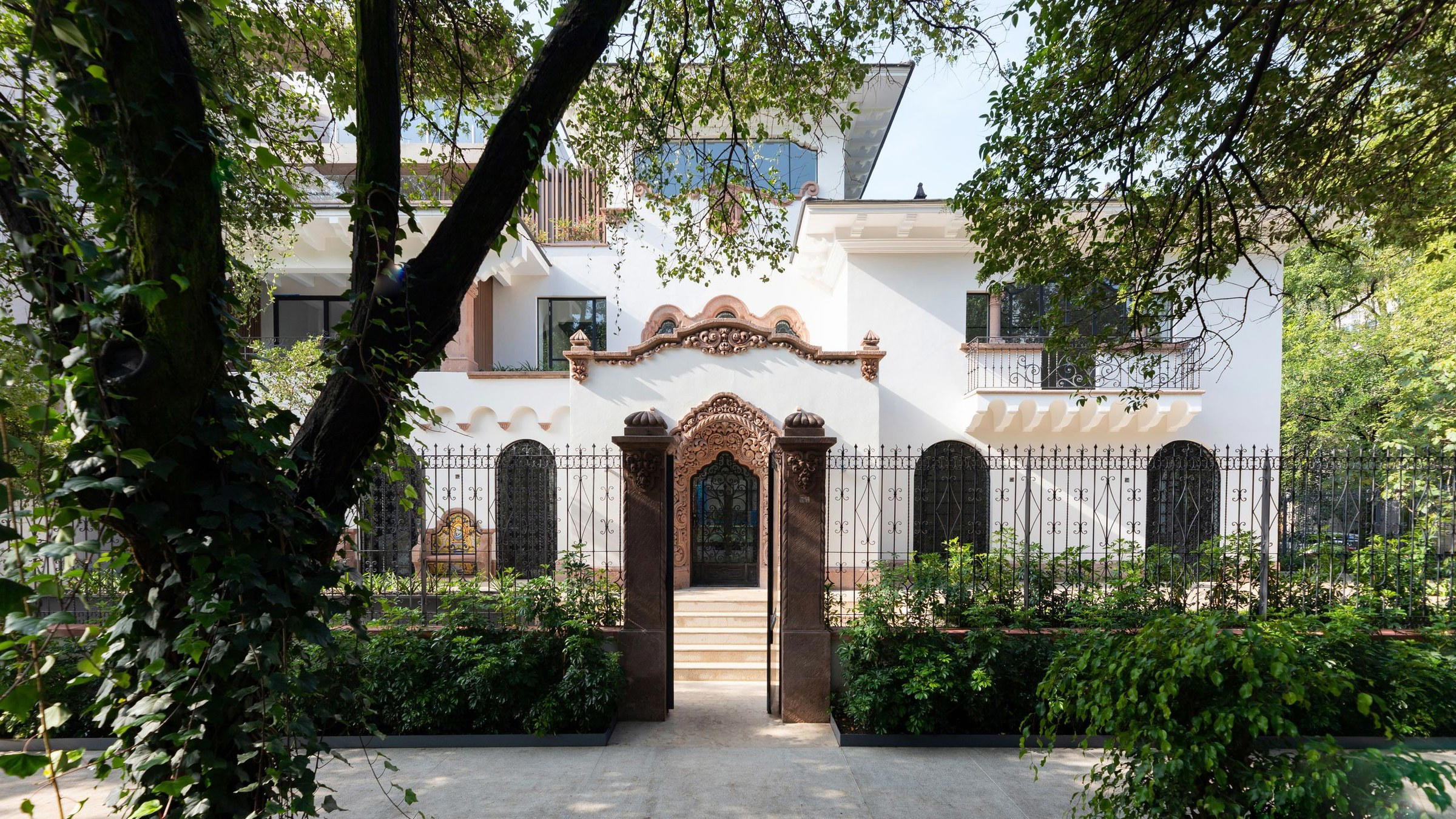
Bars in Mexico City
Browse all →
At a Glance
- Intimate
- Cozy
- Modern
- Minimalist
- Sophisticated
- Business Trip
- Weekend Escape
- Terrace
- Design Destination
- Wi Fi
- Concierge
- Room Service
- Wi Fi
- Concierge
- Room Service
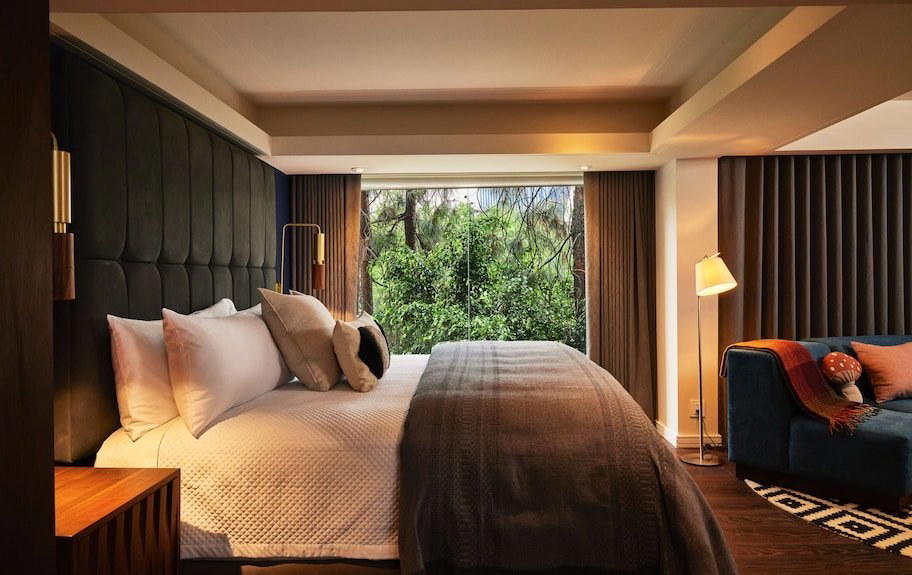
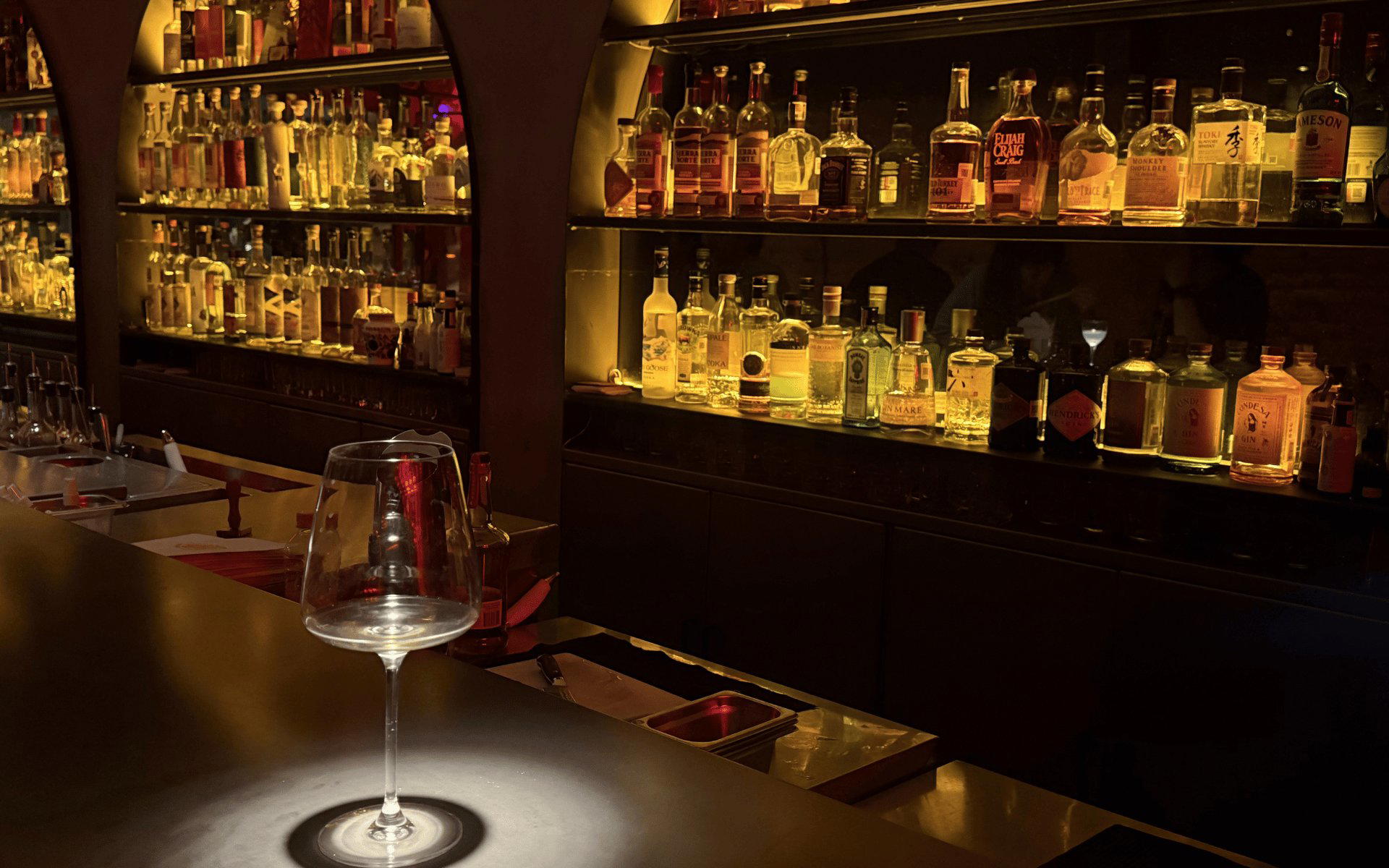
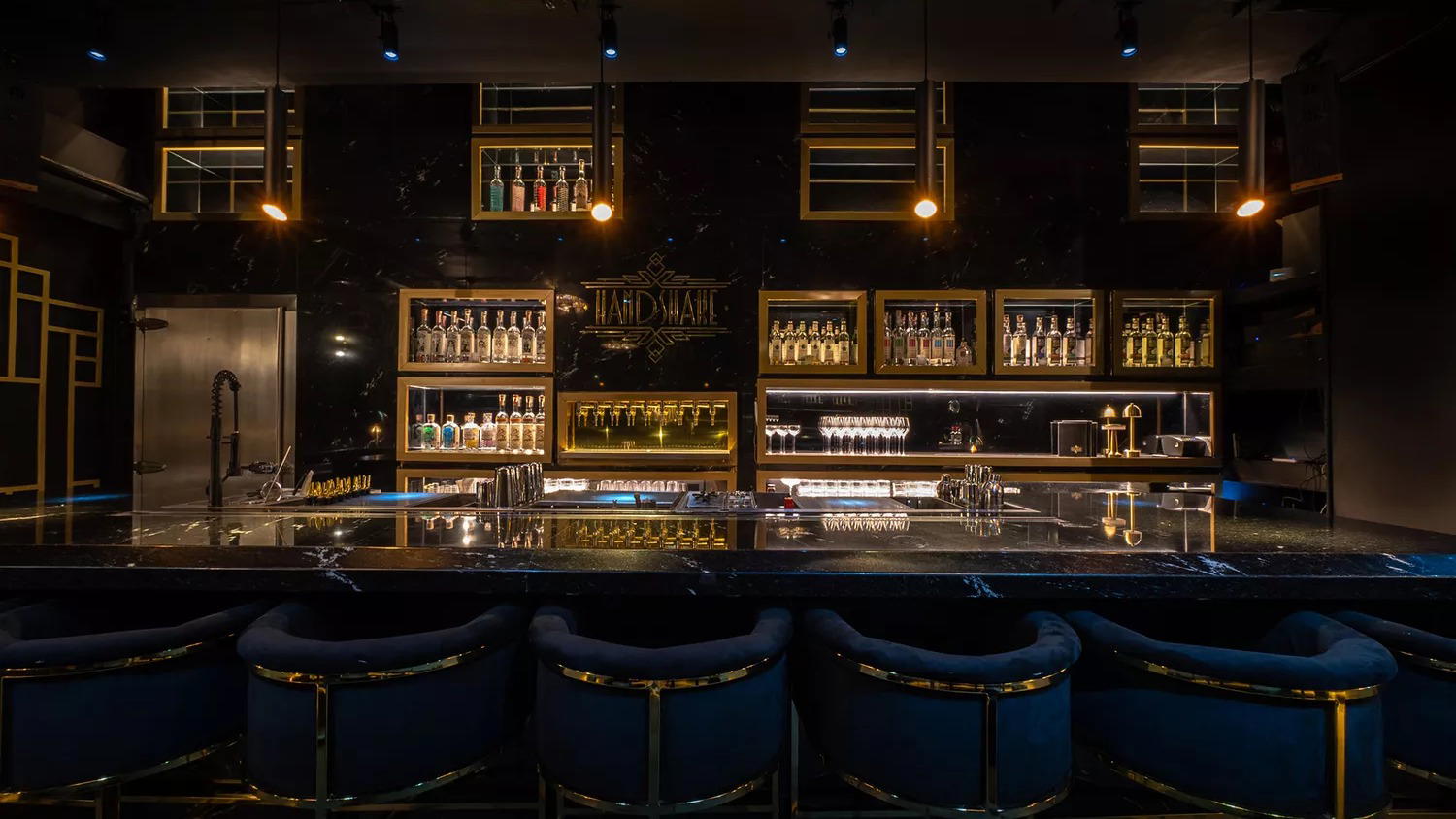
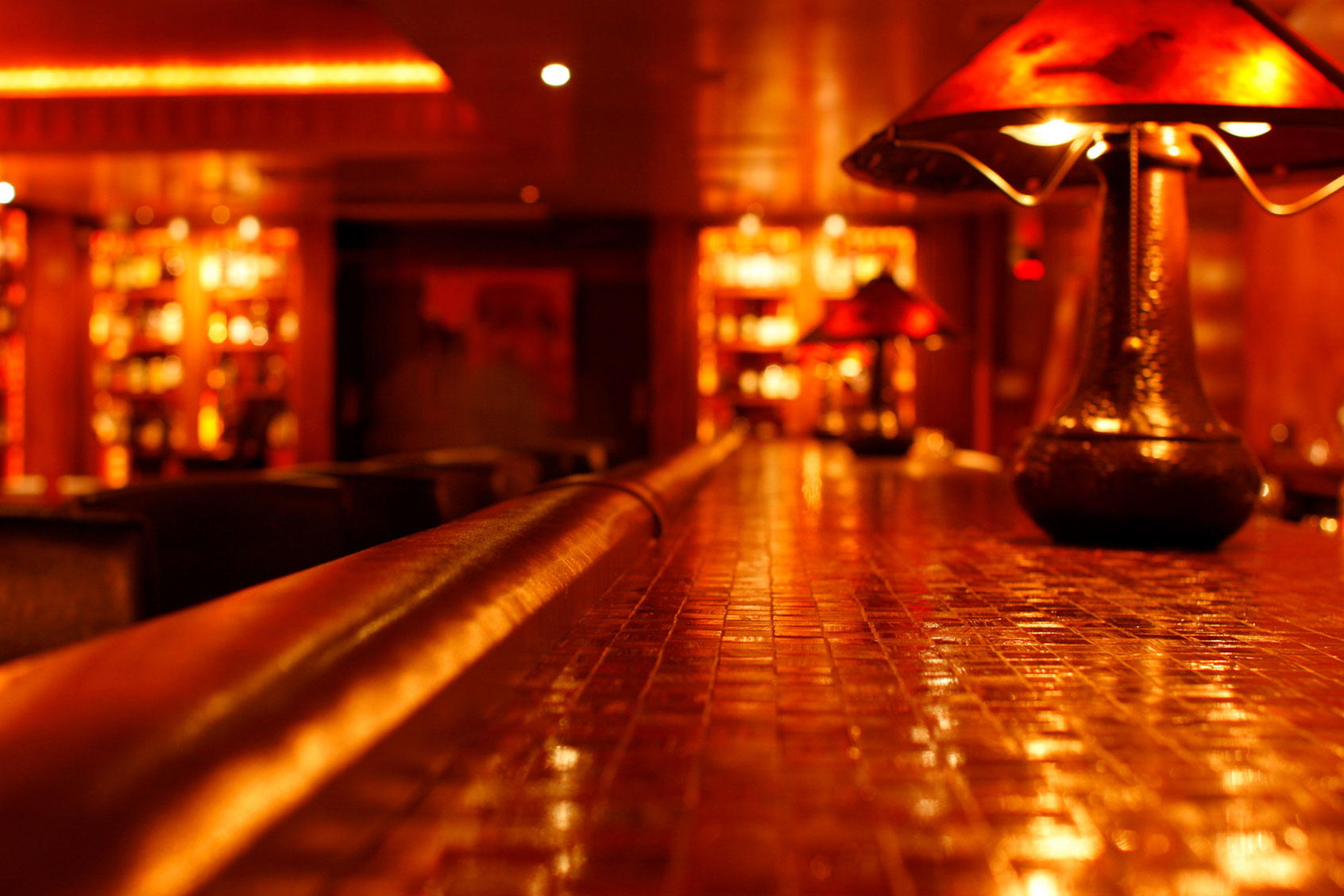
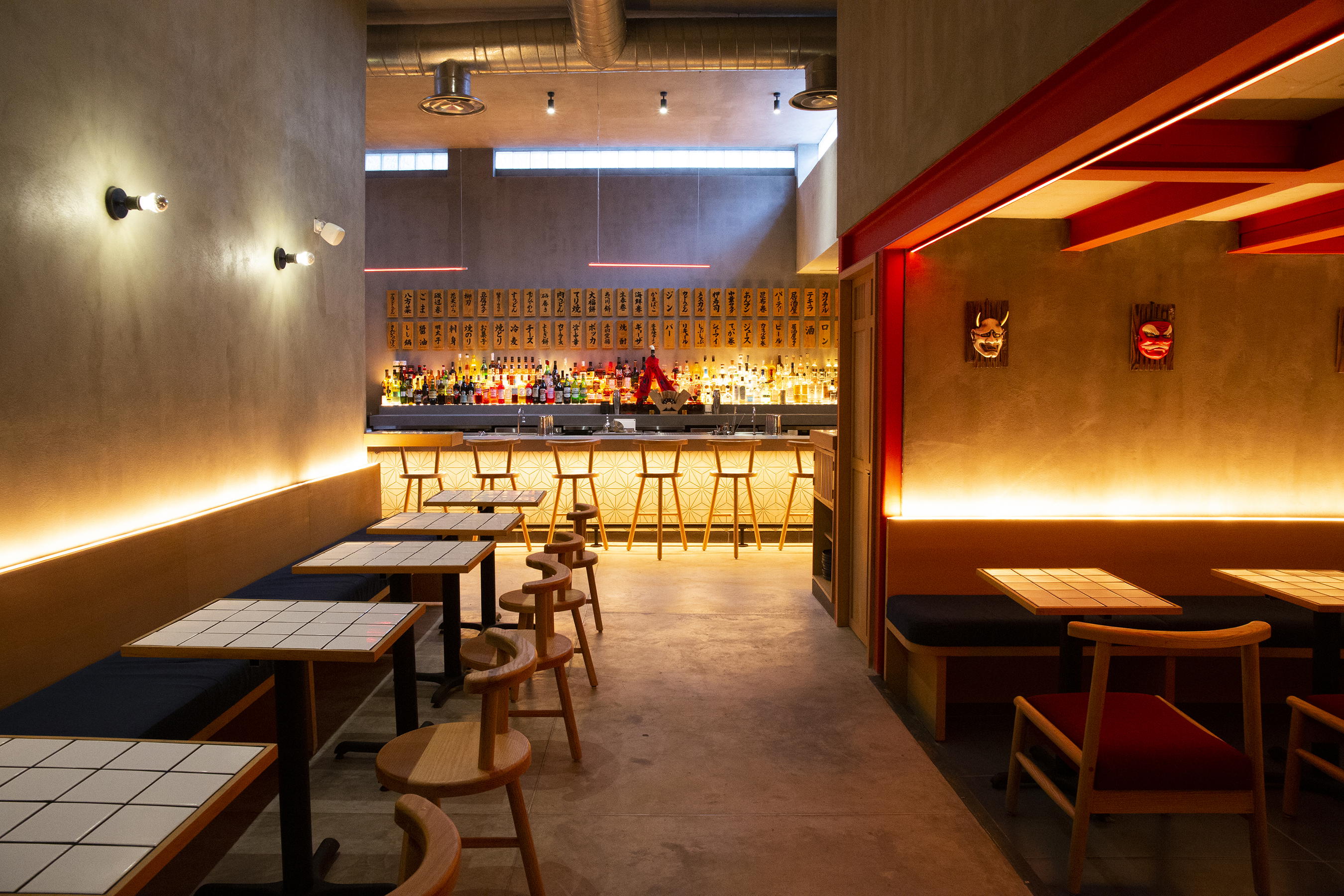
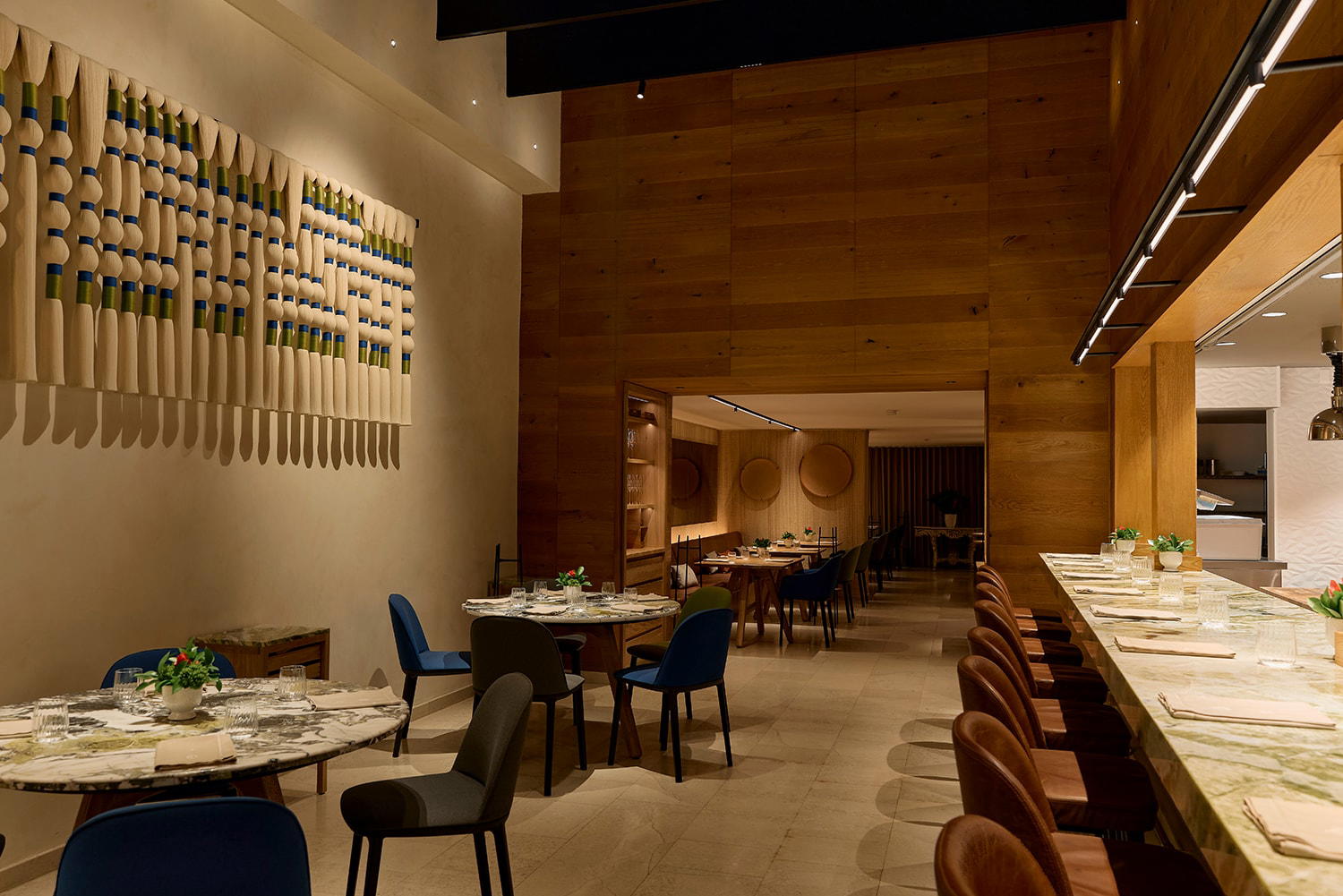
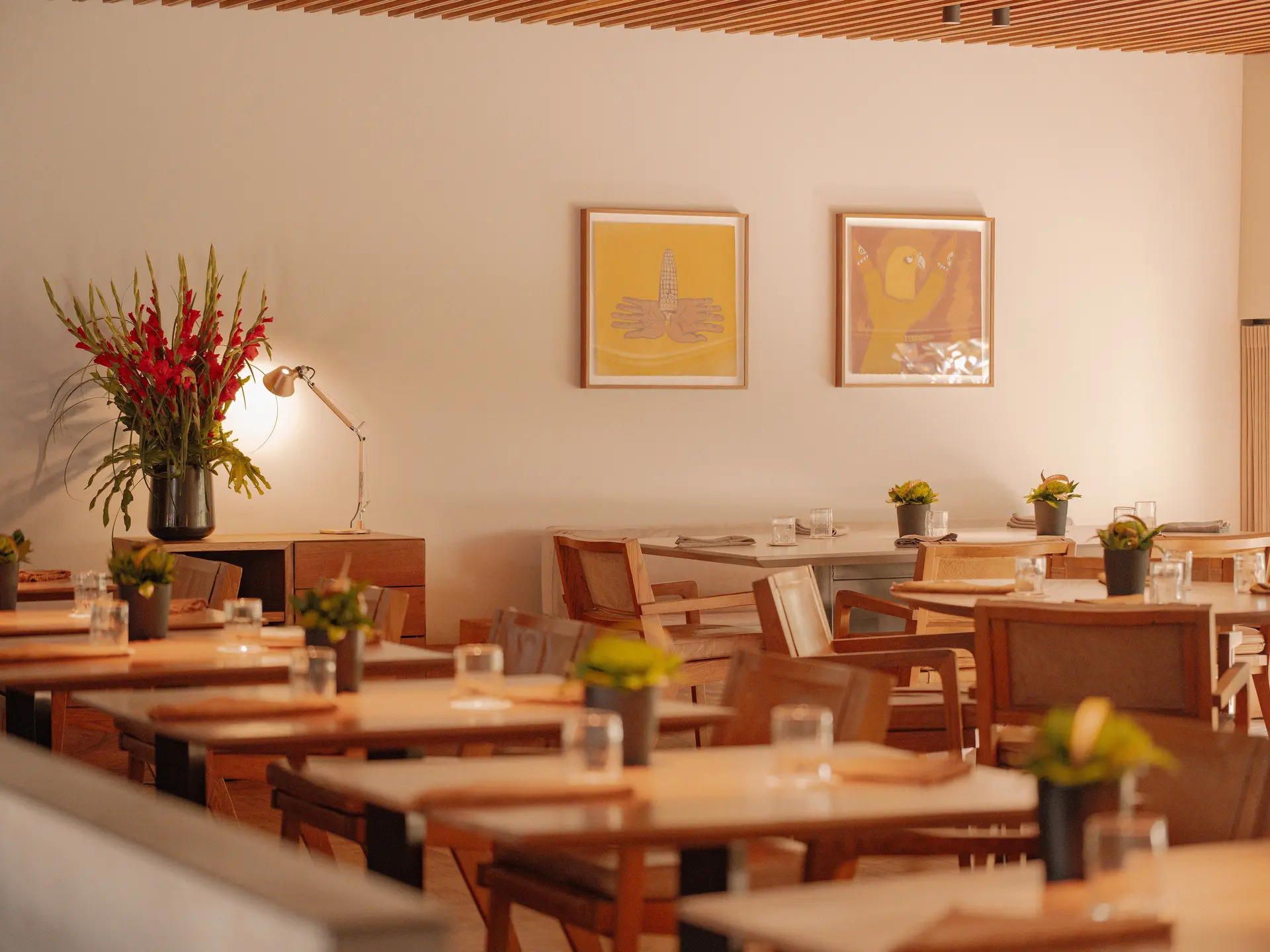
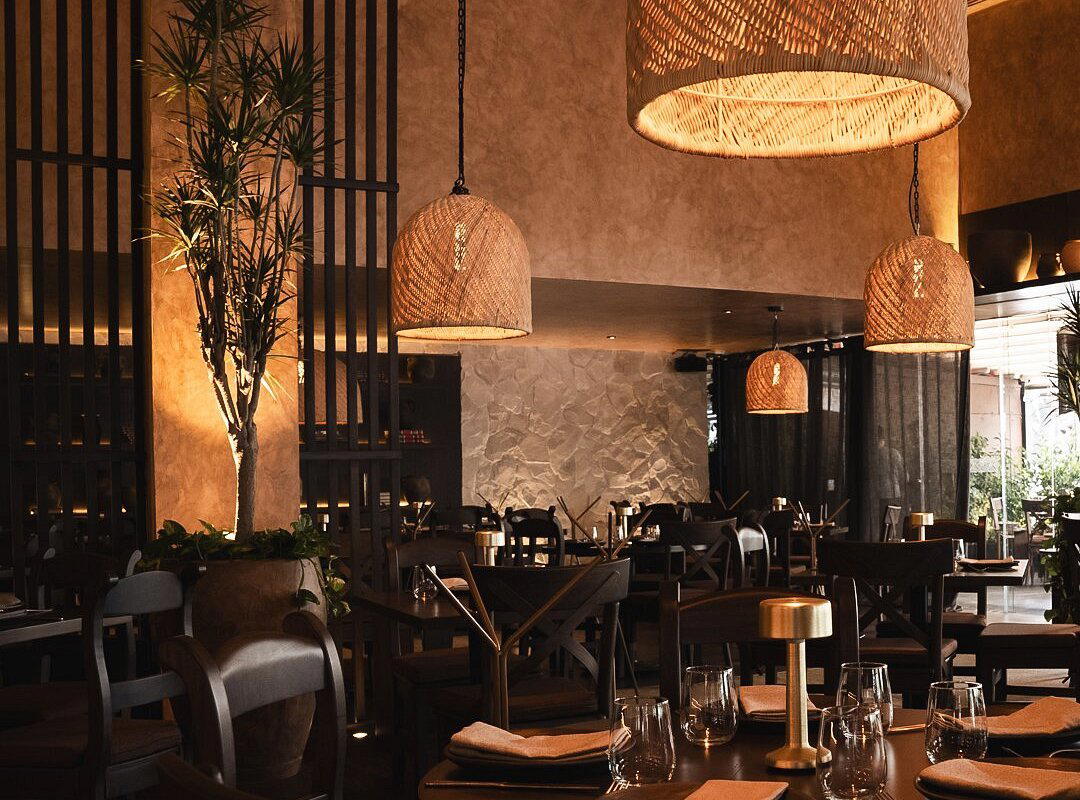
Dim, intimate lighting with cozy, zen atmosphere using natural materials like Japanese papers and raw leathers.