Casapani
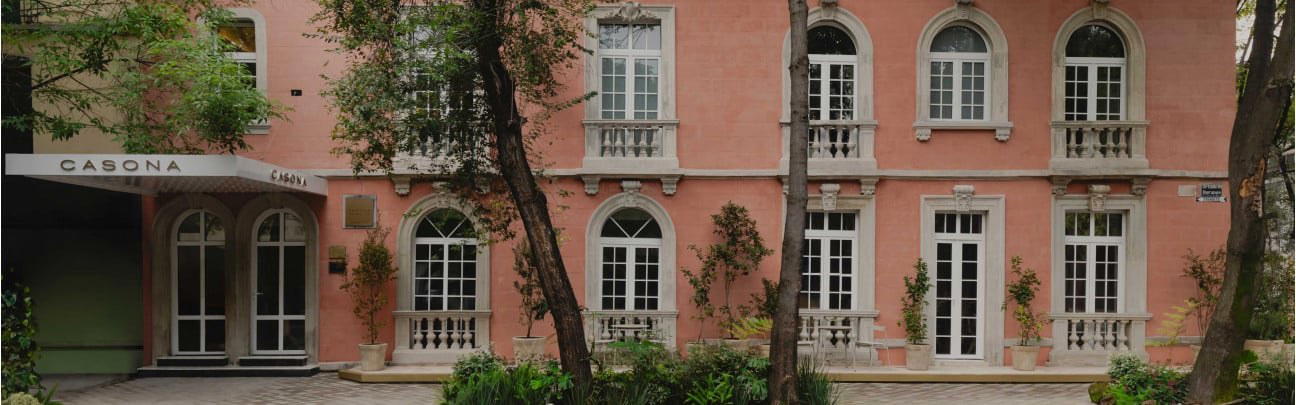
Casapani occupies a Cuauhtémoc address on Calle Río Po 14, placing it inside one of Mexico City's most architecturally layered colonias. The venue sits in a neighbourhood where early-20th-century residential stock and contemporary hospitality programming share the same streetscape, making it a useful lens for understanding how the city's mid-tier design scene is evolving beyond the Polanco corridor.
Pearl is the En Primeur Club membership app — saves, bookings, and concierge access live there. Same editors, same standards.
- Address
- C Río Po 14, Cuauhtémoc, 06500 Ciudad de México, CDMX, Mexico
- Phone
- +52 56 2717 9260
- Website
- casapani.com
- Directions
- Get directions
 Saves & bookings on Pearl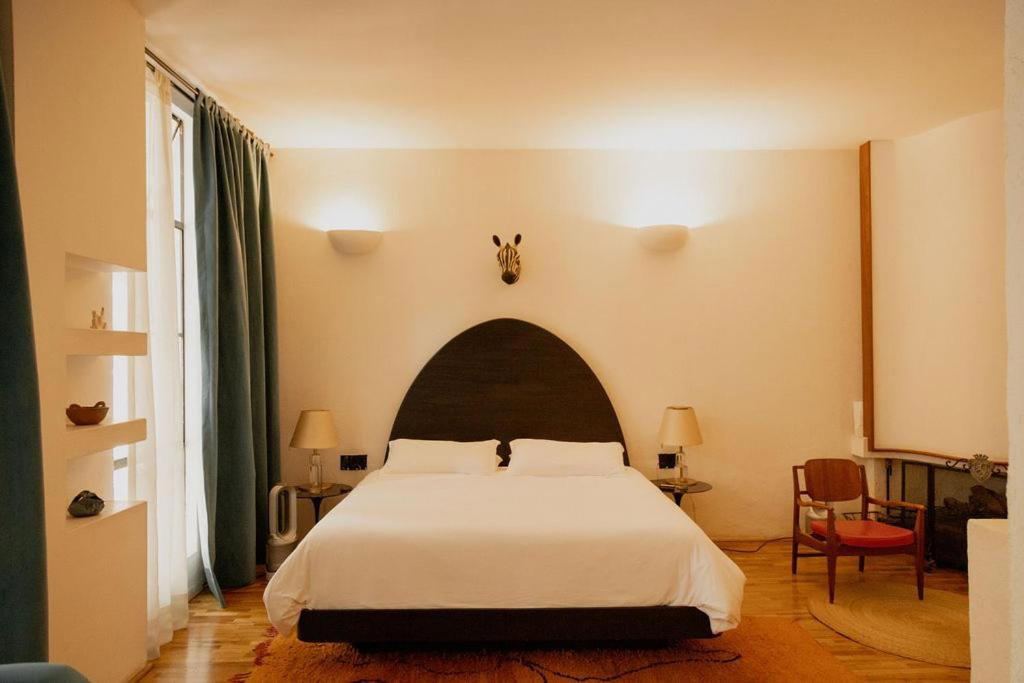
Where Cuauhtémoc's Streetscape Sets the Scene
Casapani is a hotel in Mexico City's Cuauhtémoc colonia, at C Río Po 14 in a converted early-20th-century residence. That distinction typically goes to Polanco, with its cluster of large international flags including properties comparable to Casa Polanco and Campos Polanco, or to Roma Norte, where the boutique conversion model has been refined over two decades. Cuauhtémoc sits between those poles: formally urban, architecturally dense, and increasingly relevant to travellers who want proximity to the city's institutional and commercial core without the price premium that Polanco commands.
Calle Río Po 14 is a residential address within a grid of streets named after European rivers, a naming convention that dates to the late Porfiriato period when the colonia was developed for Mexico City's emerging professional class. The streetscape retains much of that period character: narrow footpaths, continuous building frontages, and a scale that keeps the pedestrian experience at eye level rather than dwarfed by tower development. That context matters when reading any venue in this part of the city. The architectural register is set by what surrounds it, and Cuauhtémoc's residential grain is a more demanding frame than a purpose-built hospitality district.
The Design Logic of the Converted Casona
Mexico City's hospitality sector has spent the better part of fifteen years converting early-20th-century residential buildings into small hotels, restaurants, and hybrid venues. The model works because the city's Porfiriato and early post-revolutionary building stock tends to offer high ceilings, courtyard configurations, and stone or tile detailing that contemporary construction rarely replicates at equivalent cost. Properties that succeed in this format, such as Casona Roma Norte and Casa Nuevo León Hotel, do so by preserving the spatial hierarchy of the original building rather than gutting it for contemporary open-plan layouts.
The casona format implies a spatial sequence that is worth understanding before arriving: typically a street-facing facade that gives little away, an entry threshold that transitions from public to semi-private, and an interior organised around a central patio or stairwell that distributes light and air through the building. That sequence is itself an architectural argument, one that prioritises revelation over immediate legibility. It is the opposite of the glass-fronted, street-visible format that dominates contemporary hospitality design in higher-density commercial corridors. For a venue on a residential street in Cuauhtémoc, the casona model is the contextually coherent choice.
Situating Casapani in the Capital's Mid-Scale Design Conversation
Mexico City's design-led hospitality addresses now form a recognisable cohort that operates at a different register from both the large luxury flags and the purely budget-driven options. This middle tier, represented by properties such as Brick Hotel, Alexander, and CASA TEO, tends to compete on spatial quality and neighbourhood authenticity rather than on amenity count or brand recognition. The competitive logic is different: guests in this tier are evaluating what the building feels like and where it sits in the city's social geography as much as they are comparing thread counts or spa offerings.
Cuauhtémoc is a plausible base for accessing a significant portion of the city without dependence on extended taxi or metro travel. The colonia borders Juárez to the west and sits close to the Paseo de la Reforma axis, which connects the historic centre to Chapultepec and, further on, to Polanco. For travellers whose itinerary spans the city's cultural institutions, the colonia's position is more efficient than it might appear from a map that privileges the obvious tourist zones. Properties such as Chaya B & B Boutique occupy a similar geographic logic in adjacent colonias.
Mexico as a Wider Travel Frame
For visitors using Mexico City as one stop within a broader Mexico itinerary, the capital's accommodation choices tend to anchor the trip's urban segment while coastal and resort destinations fill the remainder. Mexico's premium resort tier has expanded considerably over the past decade, with properties such as Hotel Esencia in Tulum, One&Only Mandarina in Riviera Nayarit, and Chablé Yucatán in Merida now forming part of an internationally recognised circuit. At the Los Cabos end of the country, options range from Las Ventanas al Paraíso, A Rosewood Resort to Montage Los Cabos and Zadun, A Ritz-Carlton Reserve, each occupying a distinct position within the peninsula's luxury tier. On the Pacific coast, Xinalani in Quimixto and Las Alamandas in Costalegre represent the smaller, more private end of that segment. Inland, Casa de Sierra Nevada, A Belmond Hotel anchors the San Miguel de Allende cultural-heritage circuit, while Casa Silencio in San Pablo Villa de Mitla serves the Oaxacan valley corridor. The Riviera Maya offers Maroma and Etéreo, Auberge Resorts Collection, alongside Four Seasons Resort Punta Mita further north on the Nayarit coast. A Cuauhtémoc address like Casapani's fits most naturally at the urban bookend of such an itinerary, where the city's density and cultural programming contrast with the coastal properties that follow.
Planning a Visit
Casapani's address at C Río Po 14 in the Cuauhtémoc colonia, postal code 06500, is accessible from the city's metro network and falls within the ride-share zones that cover central Mexico City reliably. Visitors arriving in Mexico City from international destinations typically clear through Benito Juárez International Airport, from which central colonias including Cuauhtémoc are reachable within thirty to forty-five minutes depending on traffic conditions, which are most congested during weekday morning and evening peaks.
Comparison Snapshot
Comparable venues nearby, for context on price, style, and recognition.
| Venue | Cuisine | Price | Awards | Notes |
|---|---|---|---|---|
| CasapaniThis venue — the venue you are viewing | Revived mid-century modernist mansion turned intimate guesthouse. | $$$$ | Not listed | Not listed |
| CASA TEO | Creative hub inspired by artist residencies in historic Pujol site. | $$$$ | Not listed | Chapultepec Morales |
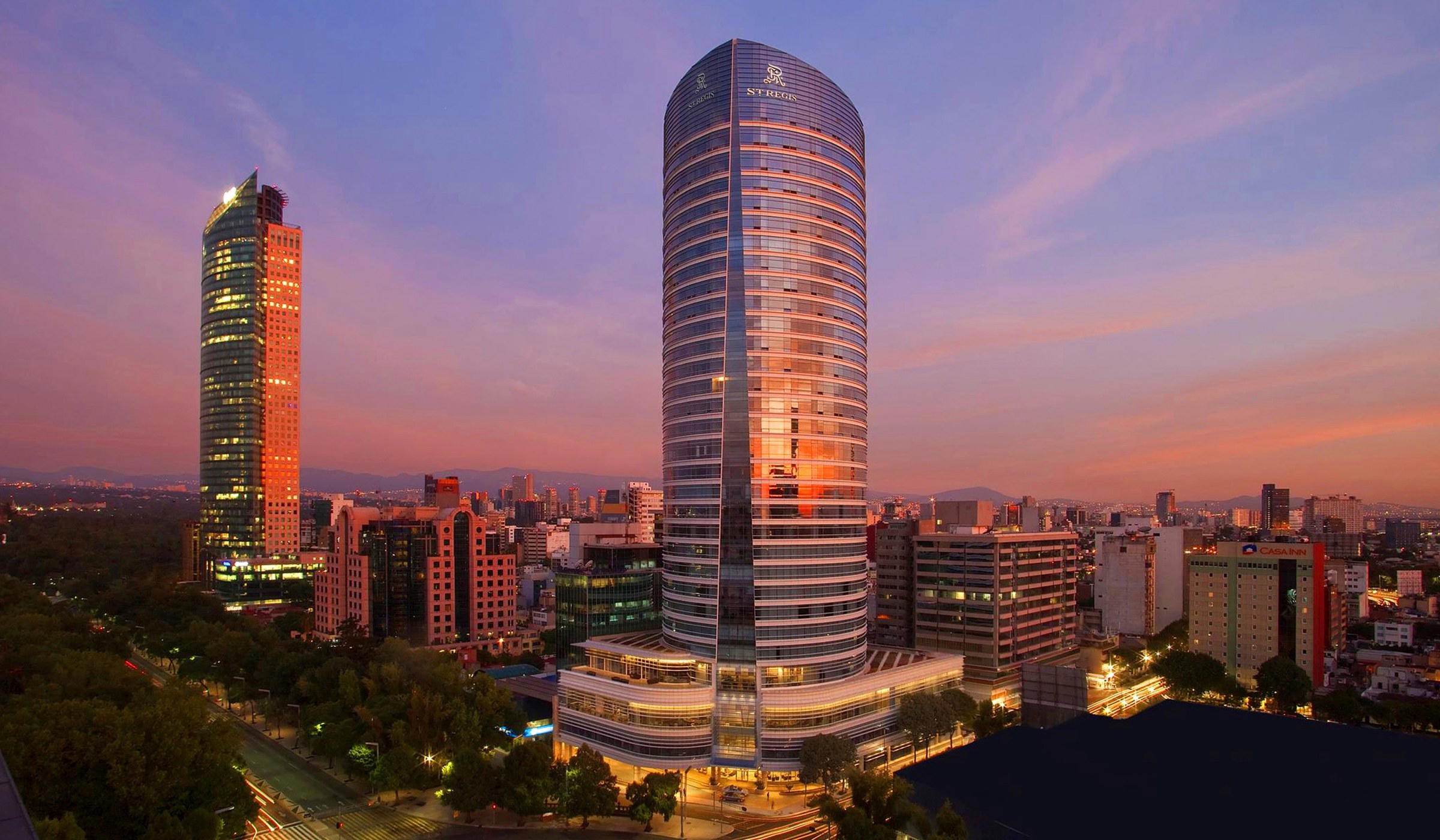
| Pendry Mexico City | Contemporary luxury mixed-use hotel and branded residences designed to celebrate Mexico City’s culture and Roma Norte’s Art Deco heritage. | $$$$ | Not listed | Roma Norte |
| Casa Cuenca | Restored 1930s mansion with contemporary Mexican artistry | $$$ | Not listed | Condesa |
| The Standard | Boutique hotel redefining hospitality with urban flair. | $$$$ | Not listed | Tabacalera |
| Chaya B & B Boutique | Revived historic 1920s building with personalized boutique touches | $$$ | 3-Star | Tabacalera |
Continue exploring
More in Mexico City
Hotels in Mexico City
Browse all →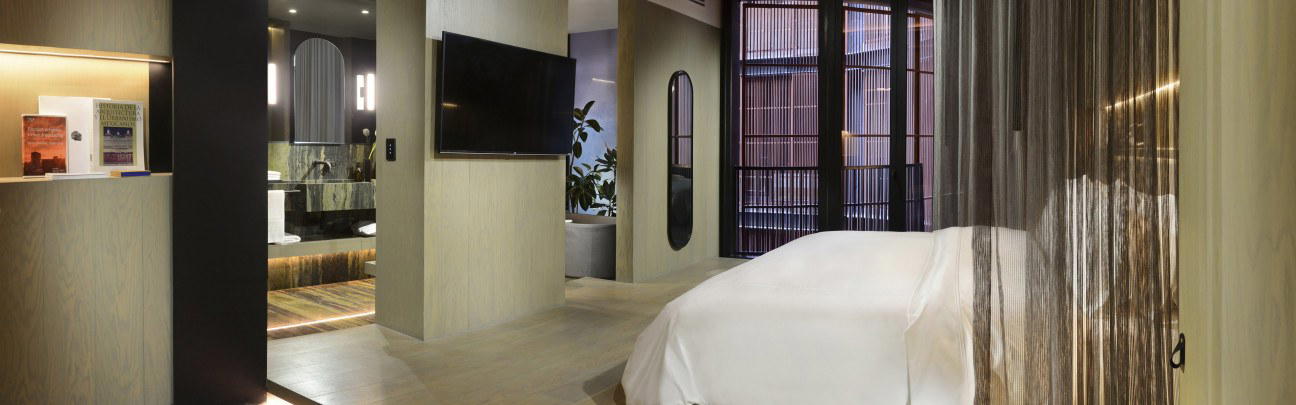
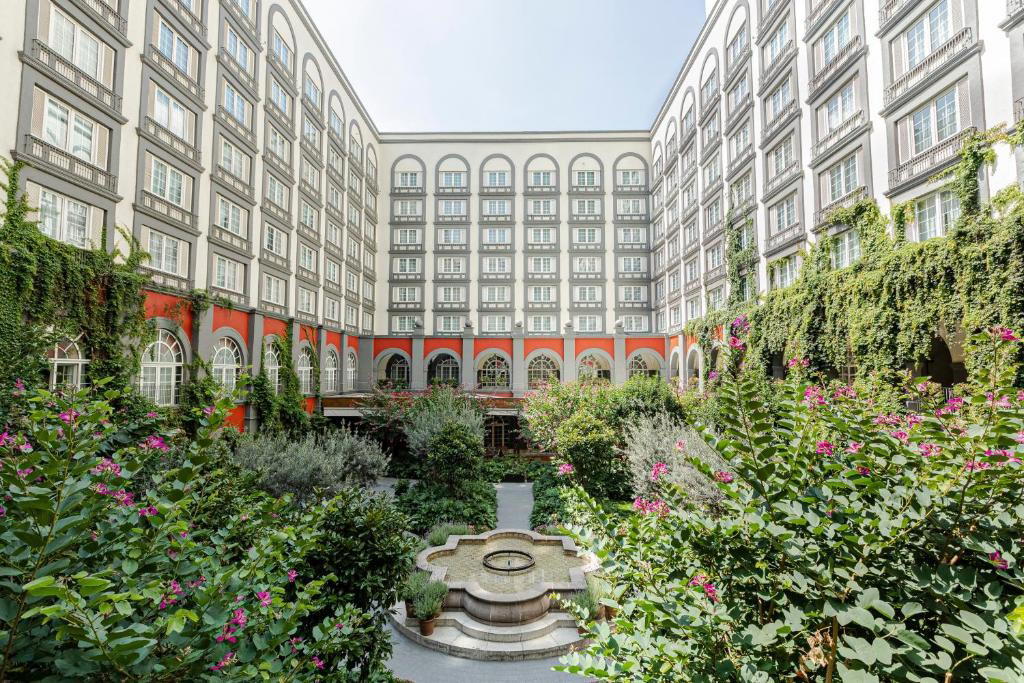
Bars in Mexico City
Browse all →
At a Glance
- Modern
- Elegant
- Quiet
- Intimate
- Sophisticated
- Minimalist
- Romantic Getaway
- Weekend Escape
- Business Trip
- Historic Building
- Design Destination
- Terrace
- Wi Fi
- Pool
- Spa
- Concierge
- Breakfast Included
- Housekeeping
- Wi Fi
- Pool
- Spa
- Concierge
- Breakfast Included
- Housekeeping
Calm luxury with clean lines, tactile materials, natural light, and a residential feel fostering relaxation and privacy.