Santa Casa

A MICHELIN Selected hotel on Tonalá in Roma Norte, Santa Casa occupies one of Mexico City's most architecturally layered neighbourhoods. The property sits within a colonia where restored early-20th-century buildings increasingly define the premium accommodation tier, earning Michelin recognition in 2025 for its approach to the format.
Pearl is the En Primeur Club membership app — saves, bookings, and concierge access live there. Same editors, same standards.
- Address
- Tonalá 138, Roma Nte., Cuauhtémoc, Mexico City, Mexico
- Phone
- +525573960580
 Saves & bookings on Pearl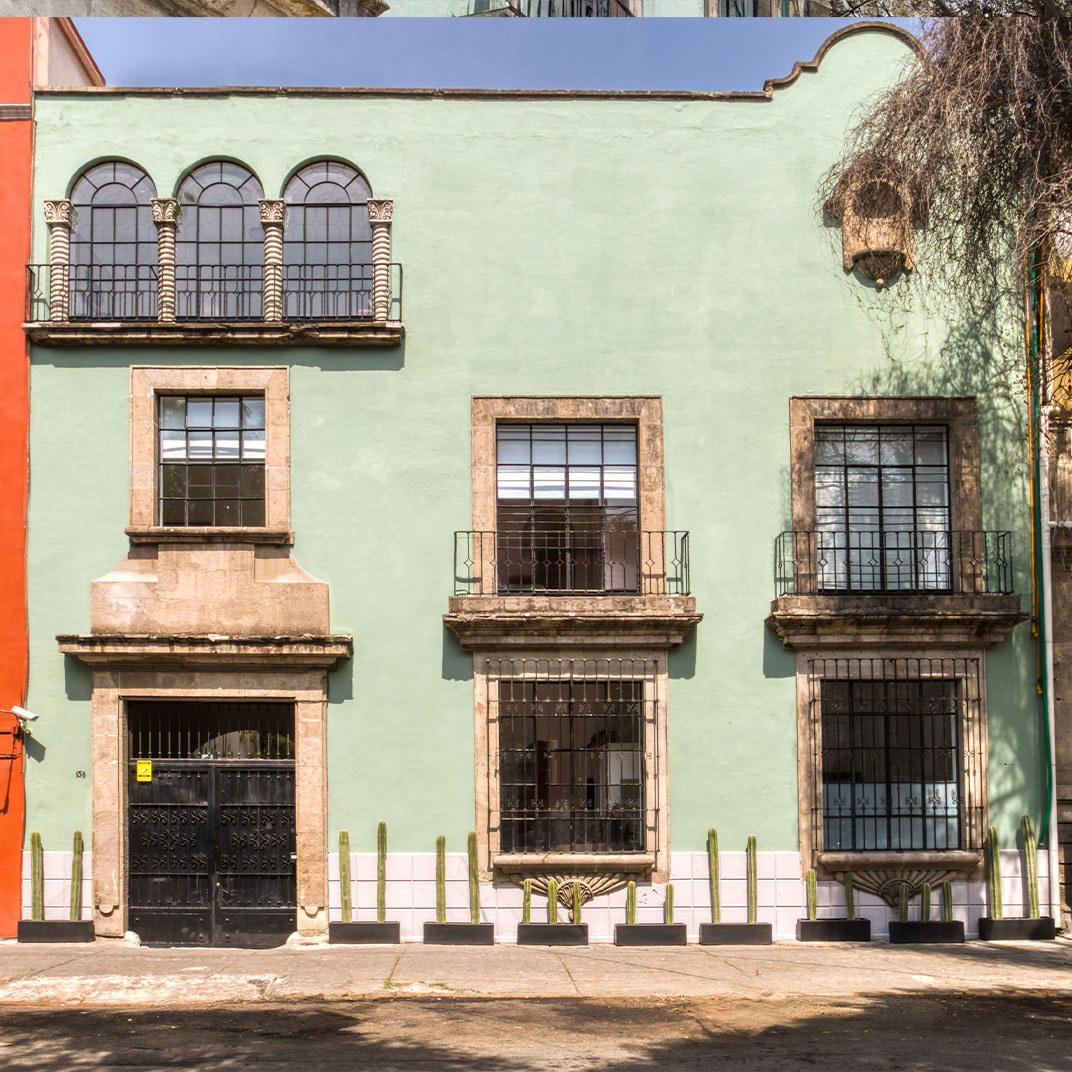
Roma Norte and the Small-Hotel Shift
Mexico City's boutique hotel scene has reorganised itself around colonia identity rather than proximity to corporate districts. Roma Norte, in particular, has drawn a cohort of design-conscious properties that trade on neighbourhood texture: the pedestrian density of Álvaro Obregón, the converted mansions along Orizaba, the weekend market energy that spills across the colonia's parks. Santa Casa, at Tonalá 138, sits inside that pattern. The address is a few blocks south of the Álvaro Obregón median and within easy walking distance of the colonia's core restaurant and bar concentration.
The broader movement here mirrors what has happened in boutique hospitality elsewhere in Latin America. In places like Hotel Esencia in Tulum or Xinalani in Quimixto, smaller properties have moved away from the amenity-stacking logic of large international hotels and toward a model where the building itself, its materials, and its relationship to a specific place do most of the work. Santa Casa belongs to that cohort in Mexico City.
The MICHELIN Recognition and What It Signals
Santa Casa appears in the MICHELIN Selected Hotels list for 2025, which is a meaningful placement in a city where Michelin's hotel coverage is still relatively new and the selection is not large. MICHELIN Selected does not carry the star hierarchy of the restaurant guide, but inclusion functions as a peer-set signal: the property is being evaluated against a short list of Mexico City hotels the Michelin editorial team considers worth flagging to their readership. That readership skews toward travelers who use the restaurant guide as a primary navigation tool, which means the hotel's context in Roma Norte, walkable from a high concentration of Michelin-listed restaurants, is part of what makes the placement coherent.
For comparison, the large-format luxury tier in the city, properties such as The Ritz-Carlton, The St. Regis, the Four Seasons, and Las Alcobas in Polanco, operates on a different logic entirely: grand lobby presence, full F&B; infrastructure, multiple room categories. Santa Casa is not competing in that bracket. Its Michelin recognition places it in a smaller, more neighbourhood-specific tier, alongside properties like Casa Polanco, Alexander, and Casa Goliana, where the value proposition is architectural character and colonia immersion rather than scale.
Architecture as Environmental Practice
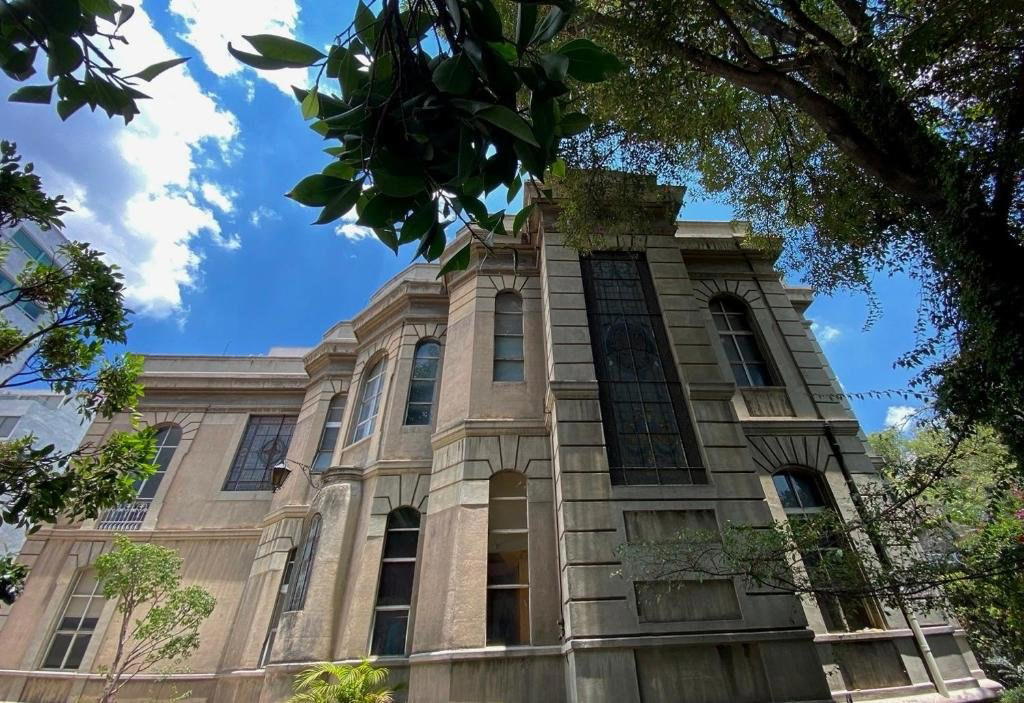
Roma Norte's housing stock is predominantly early-20th-century, built in styles that absorbed Porfirian-era European influence before the 1985 earthquake reshaped how the colonia aged and rebuilt. Properties that occupy these older buildings inherit a structural argument for sustainability by default: adaptive reuse avoids the material and energy cost of new construction, preserves embodied carbon in existing walls and floors, and keeps street-level facades that give the colonia its pedestrian character.
This is the mode of responsible development that has become a defining feature of the premium small-hotel category across Mexico. Playa Viva in Juluchuca has made ecological integration a formal part of its model. Chablé Yucatán in Mérida operates within a cenote-linked natural reserve. Casa Silencio in San Pablo Villa de Mitla embeds itself in Oaxacan village fabric. Santa Casa's version of this commitment is urban rather than ecological in the traditional sense: the property's contribution to Roma Norte is the preservation and activation of a historic address on Tonalá, a street whose character depends on exactly this kind of careful occupancy.
Community impact in an urban context also operates through supply chains and staffing. Properties at this scale in Roma Norte generally draw staff from the surrounding colonias and source operationally from local suppliers in ways that the large Polanco hotels, with their centralised procurement structures, typically do not. While specific operational details for Santa Casa are not published, the format itself, small, neighbourhood-rooted, independently structured, tends to produce these outcomes more directly than large-group properties do.
Roma Norte as a Staying Base
The case for staying in Roma Norte rather than Polanco or the Centro comes down to what kind of access matters to a particular traveler. Polanco offers the highest concentration of flagship restaurants and international retail, and properties like Campos Polanco and Brick Hotel serve that logic. Roma Norte and Condesa, where the Andaz Mexico City Condesa operates, offer a different kind of density: the neighbourhood is walkable in a way that Polanco's arterial grid is not, and the concentration of independent restaurants, mezcalerías, and coffee operations in the colonia makes leaving the immediate radius unnecessary for much of a stay.
Santa Casa's Tonalá address puts it on one of the colonia's more active pedestrian streets, with the Parque México within easy reach and the Álvaro Obregón restaurant strip accessible on foot. For travelers whose primary interest is the Mexico City dining and bar scene rather than business access or proximity to Chapultepec's museums, Roma Norte is a considered base rather than a default.
Those whose travel extends beyond the capital will find reference points across Mexico's premium property landscape: Maroma in Riviera Maya, Zadun, A Ritz-Carlton Reserve in Los Cabos, Montage Los Cabos in Cabo San Lucas, Las Ventanas al Paraíso in San José del Cabo, and One&Only Mandarina in Riviera Nayarit each represent a different model of Mexican hospitality at the premium end. Internationally, the comparable small-property logic appears at Casa de Sierra Nevada in San Miguel de Allende and, at a different scale entirely, at flagship city hotels like The Fifth Avenue Hotel in New York City or Badrutt's Palace Hotel in St. Moritz.
Planning a Stay
Specific room categories, pricing, and booking windows for Santa Casa are not published in the sources available to us. For current availability and rates, the property's listing through MICHELIN's hotel platform or third-party booking channels that carry the property is the most reliable route. Tonalá 138 in Roma Norte is accessible via the Insurgentes metro station on Line 1, roughly a ten-minute walk, or by Uber, which operates with high frequency throughout the colonia. The Roma Norte concentration of restaurants means that evening reservations at the neighbourhood's more sought-after tables should be secured before arrival; demand at several Michelin-listed addresses in the colonia runs four to six weeks ahead.
For a broader orientation to the city's dining and accommodation options, the EP Club Mexico City guide covers the full range of colonias and price tiers. Additional Roma Norte and Condesa context is available through properties including Casa Cuenca, Casa Nuevo León Hotel, and Etéreo, Auberge Resorts Collection in Punta Maroma for those extending their trip to the Riviera Maya. Las Alamandas in Costalegre and Etéreo, Auberge Resorts Collection offer further reference for travelers building a longer Mexico itinerary beyond the capital.
Cost and Credentials
Comparable venues nearby, for context on price, style, and recognition.
| Venue | Price | Awards | Notes |
|---|---|---|---|
| Santa CasaThis venue — the venue you are viewing | $$$ | 4-Star | Not listed |
| Galeria Plaza Reforma | $$$ | 4-Star | Nva Anzures, Modern urban hotel with executive floors and business club. |
| Habita | $$$ | 4-Star | Chapultepec Morales, Contemporary lifestyle hotel emphasizing light and space in a 1950s building remodeled with frosted glass wrapper. |
| Hotel Carlota | $$$ | 4-Star | Juarez, Urban boutique with artistic Mexican touches |
| Hotel Dama | $$$$ | 4-Star | Bosque de Chapultepec, Boutique hotel in preserved 1950s building blending vintage-modern design with Mexican heritage. |
| Hotel Distrito Capital | $$$$ | 4-Star | Centro Comercial Santa Fe, Sky-high urban design hotel in business district. |
Recognition history
Dated appearances from independent guides and award organizations, with the underlying list record or original source where available.
Michelin Selected
Michelin
Continue exploring
More in Mexico City
Hotels in Mexico City
Browse all →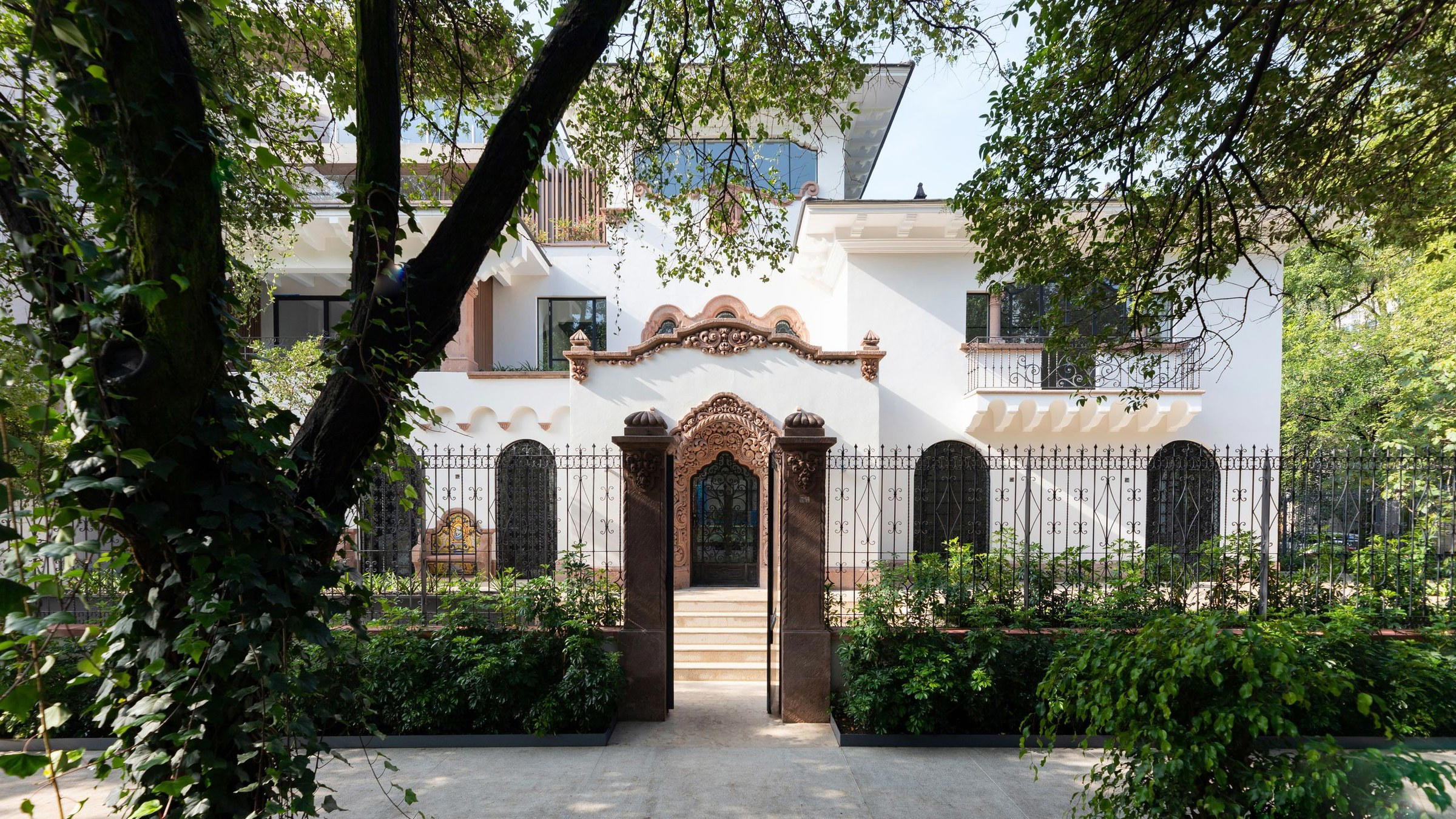
Bars in Mexico City
Browse all →
Restaurants in Mexico City
Browse all →
At a Glance
- Elegant
- Romantic
- Modern
- Classic
- Romantic Getaway
- Weekend Escape
- Business Trip
- Historic Building
- Design Destination
- Terrace
- Garden
- Wi Fi
- Concierge
- Business Center
- Luggage Storage
- Street Scene
- Garden
- Wi Fi
- Concierge
- Business Center
- Luggage Storage
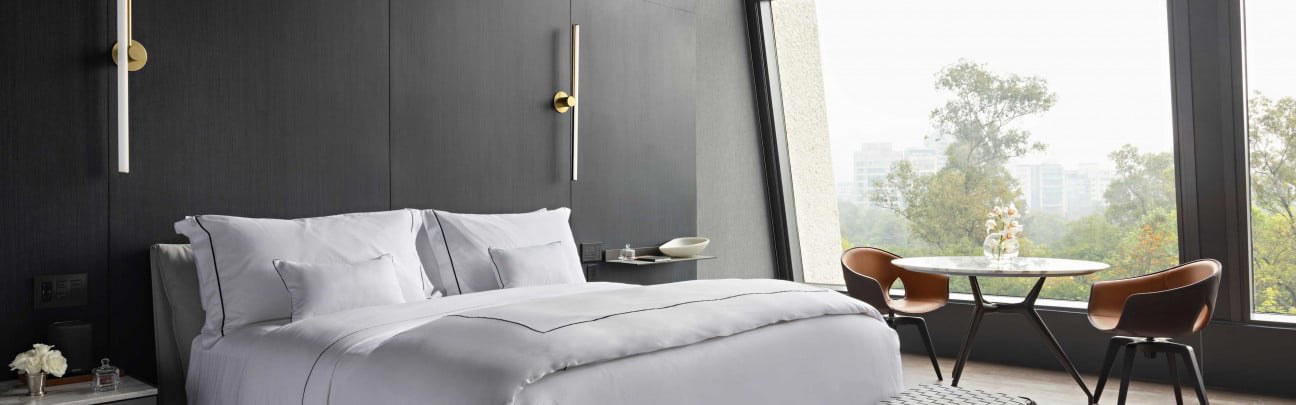
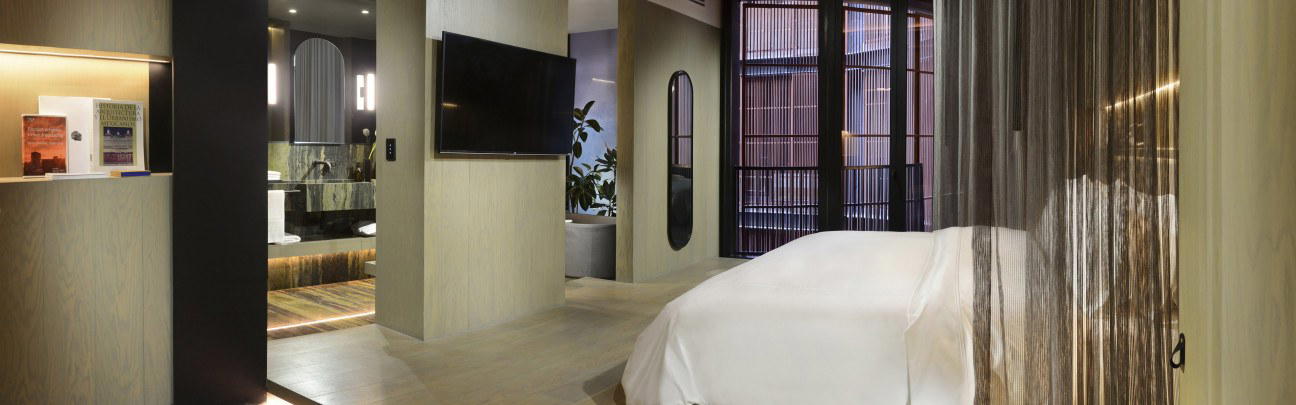
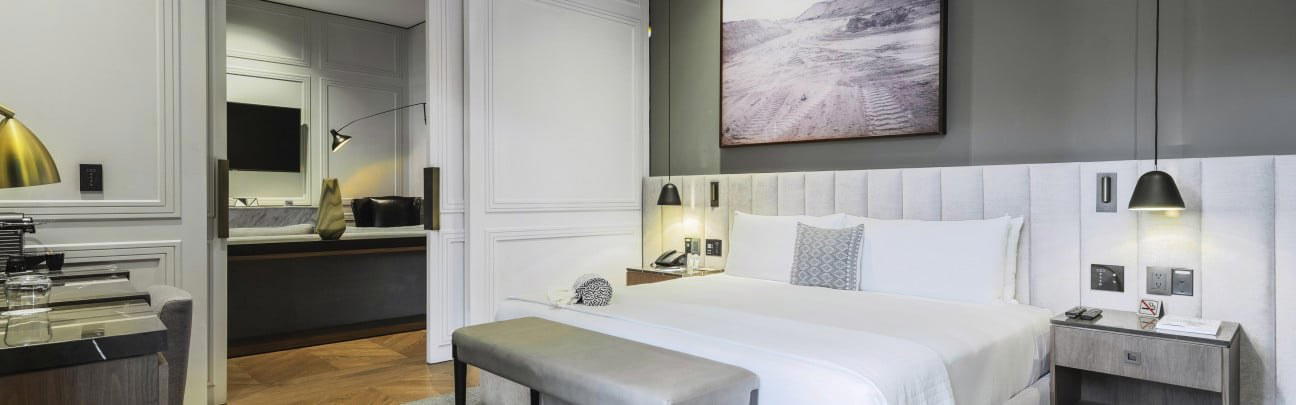
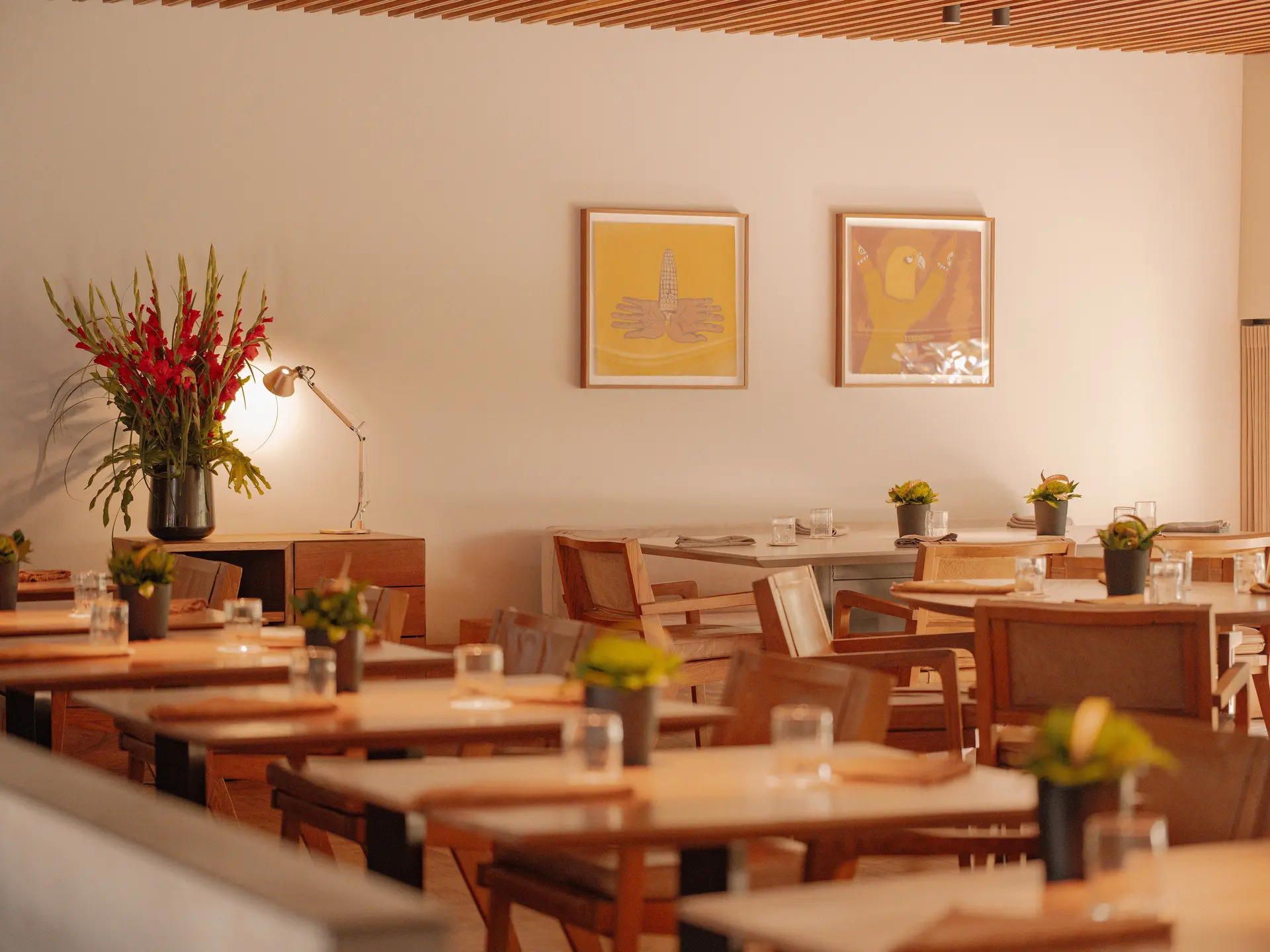
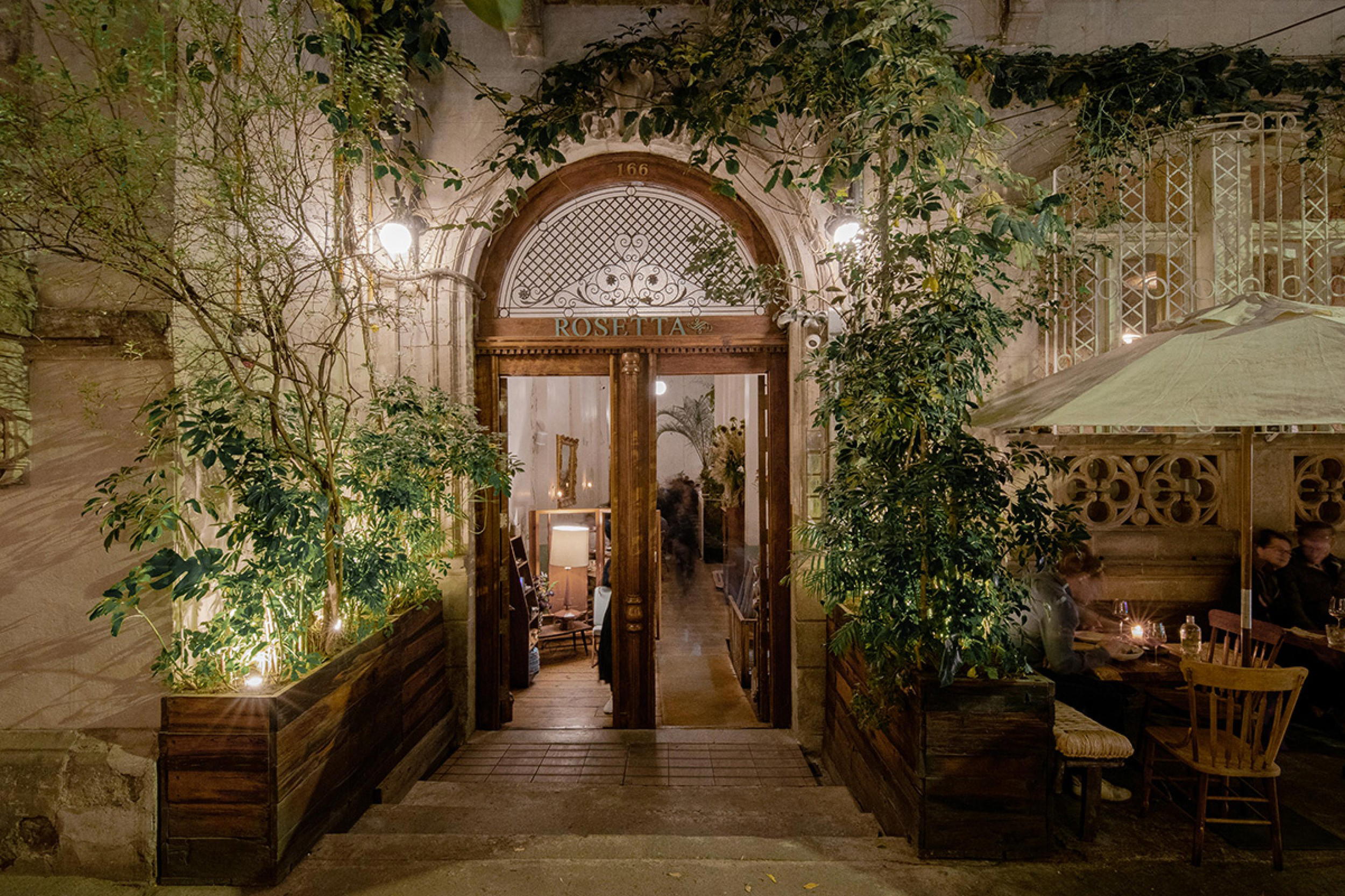
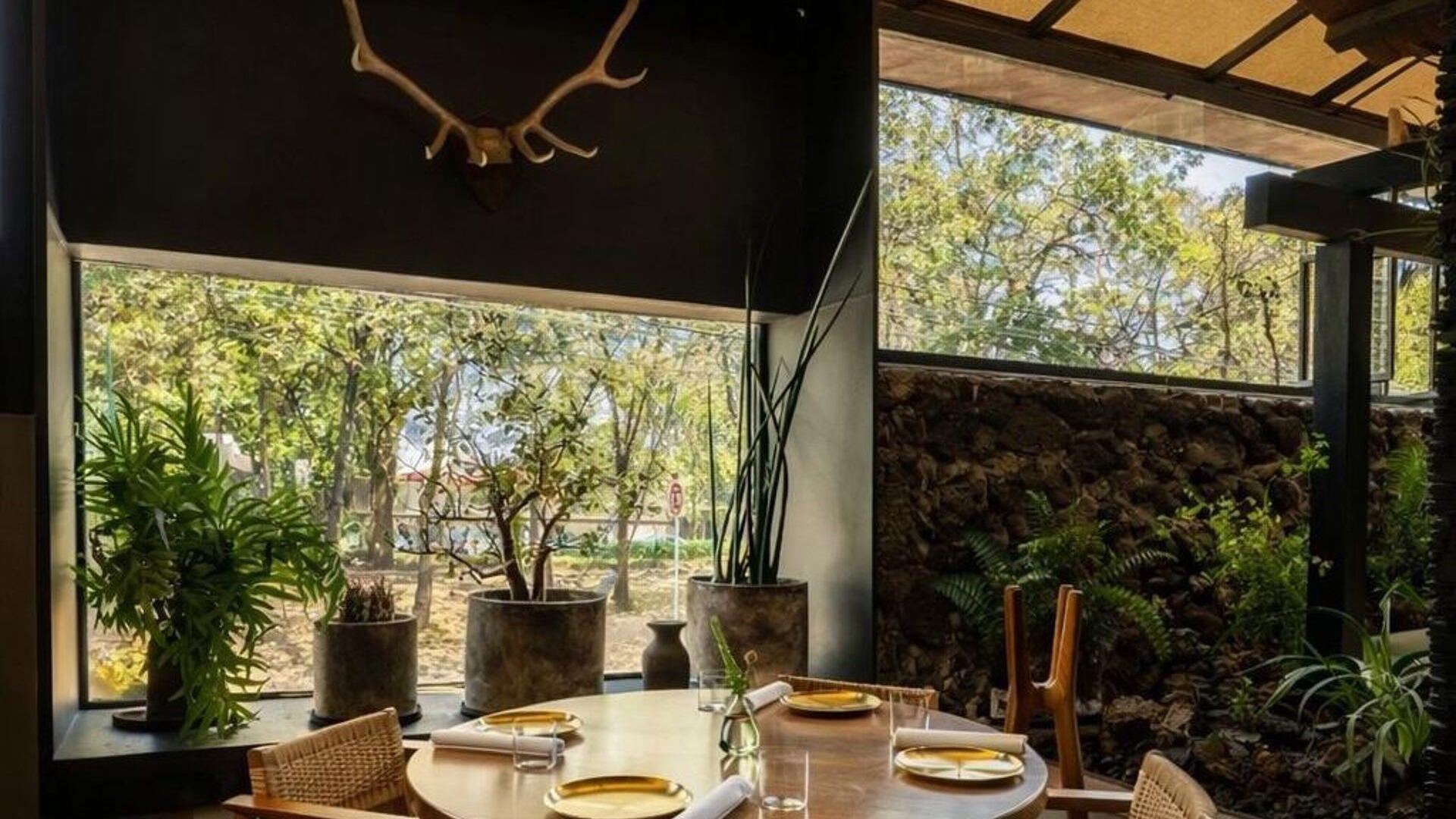
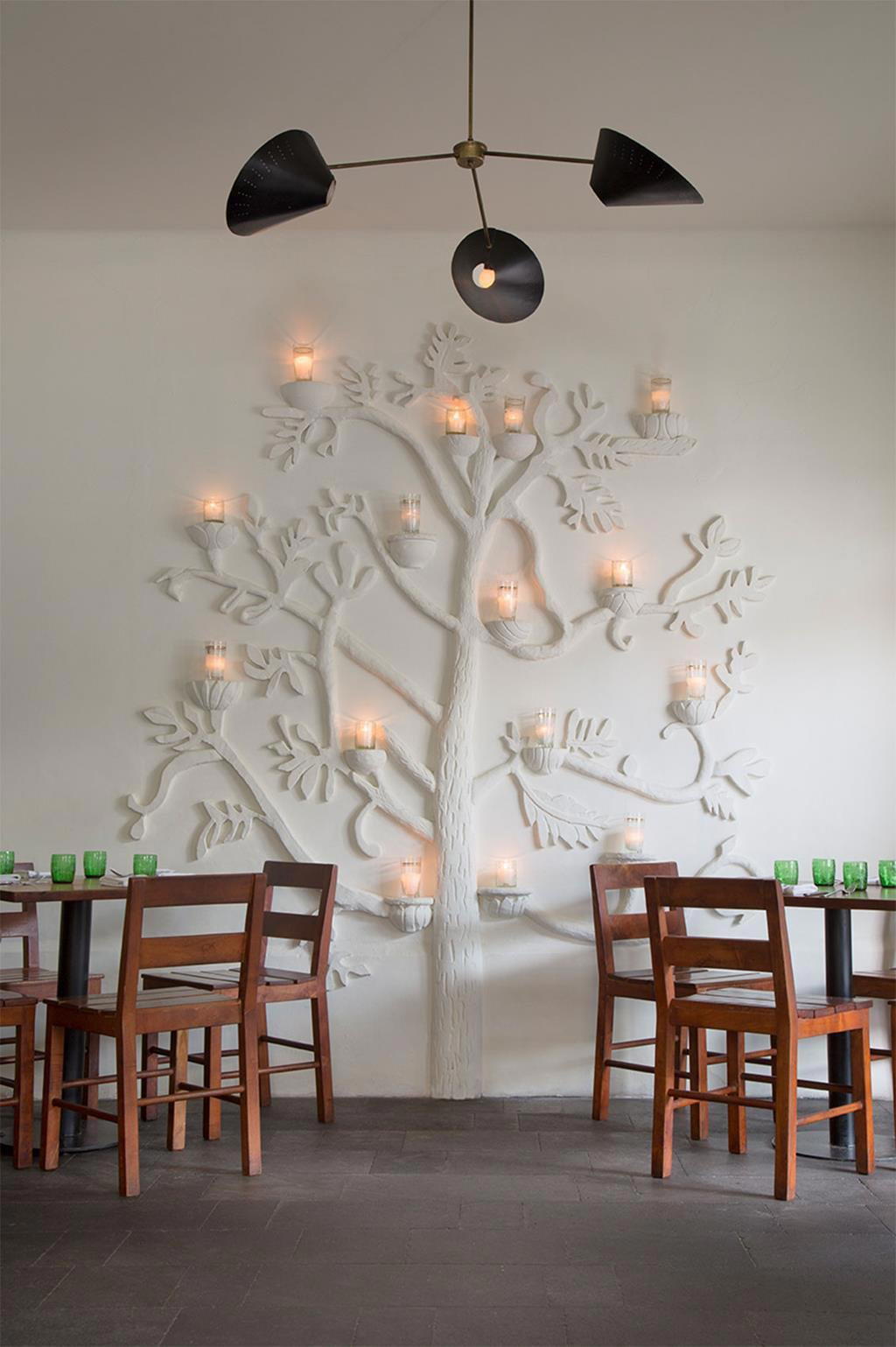
Warm and inviting with abundant natural light from high arched windows, featuring a tranquil courtyard and rooftop terrace with city views; thoughtfully restored historic details combined with modern comforts create an elegant yet approachable atmosphere.
Know Before You Go
- Getting there
- Tonalá 138, Roma Nte., Cuauhtémoc, Mexico City, Mexico