Hyde Mexico City Reforma
Hyde Mexico City Reforma is best read through its address: Reforma places a hotel in the capital’s most formal corridor, between business travel, museum days, and restaurant-led evenings.

Pearl is the En Primeur Club membership app — saves, bookings, and concierge access live there. Same editors, same standards.
- Address
- Mexico City, Mexico
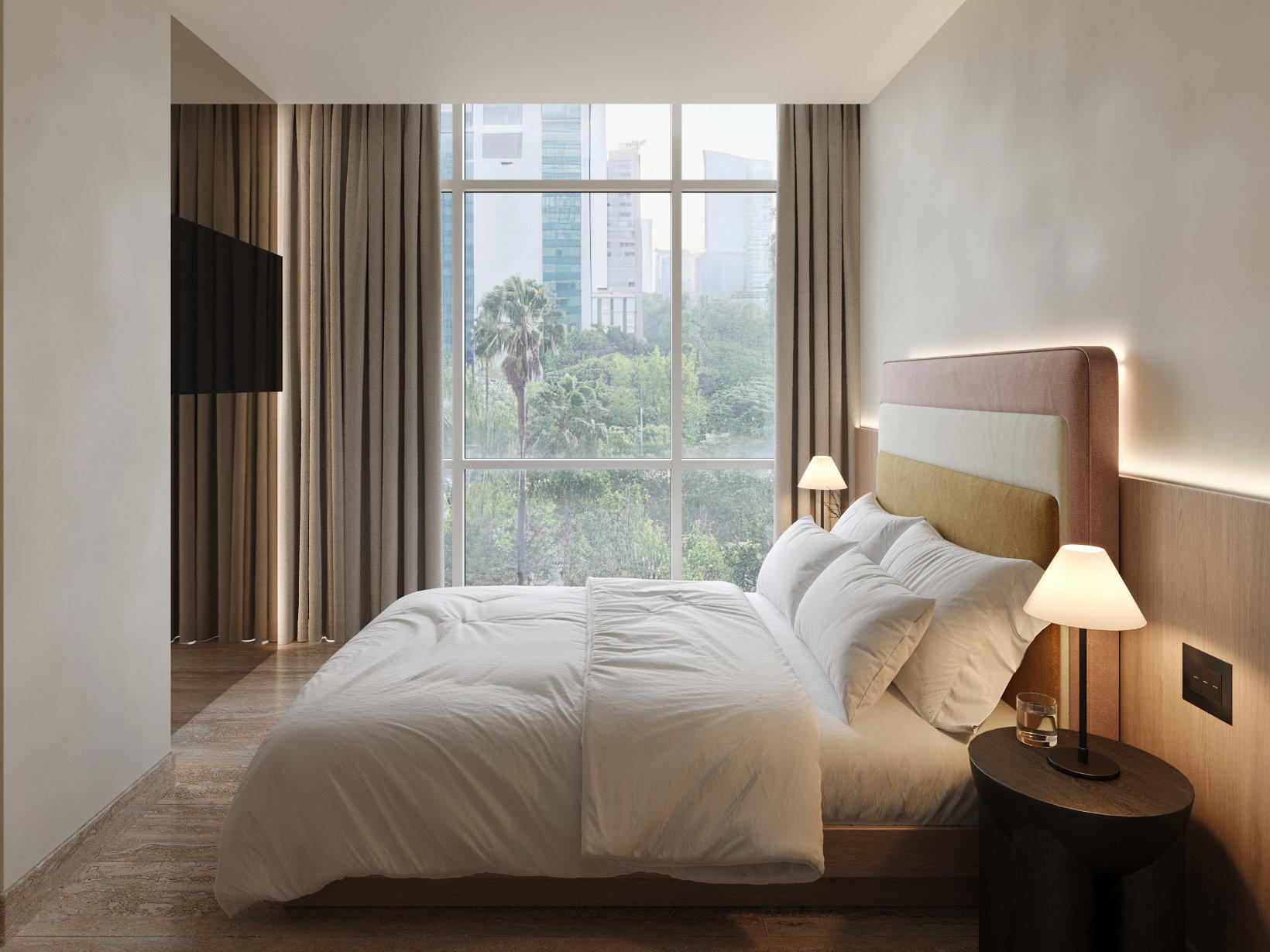
Reforma and the new service question in Mexico City hotels
Approaching Reforma is different from arriving in Roma Norte or Condesa. The avenue has scale before it has intimacy: office towers, monuments, embassies, traffic lanes, and the kind of civic width that makes the city feel administrative rather than domestic. That setting matters for Hyde Mexico City Reforma because Mexico City hospitality is increasingly split between two instincts. One side is residential, built around converted houses and neighborhood rhythm. The other is metropolitan, built around circulation, concierge timing, and the ability to move a guest between meetings, museums, restaurants, and late drinks without friction.
Reforma belongs to the second camp. The editorial question is not whether the hotel can trade on charm in the way a small Roma guesthouse can. It is whether the guest experience can feel personal inside a corridor associated with business travel, formal addresses, and high-traffic days. In a city where the hotel decision often determines the shape of the whole trip, that distinction is practical rather than cosmetic. A Polanco stay points toward private galleries, long lunches, and residential calm. A Condesa stay puts parks, cafés, and evening foot traffic closer to the room. Reforma asks for a different measure: efficiency, staff fluency, transport logic, and the confidence to operate as a base rather than a hideaway.
That is why service philosophy carries more weight here than decorative language. In Mexico City, the better hotels do not merely hand over keys and point toward a lobby bar. They read pace. A guest arriving after a long-haul flight needs the city slowed down; a guest in for two nights needs it compressed. The available fact is the identity and city: Hyde Mexico City Reforma, Mexico City, Mexico. The broader evidence comes from the competitive field around it, where neighborhood, service style, and logistical fit are the real differentiators.
The corridor, not the postcard, defines the stay
Why Reforma changes the hotel brief
Reforma is one of the city’s clearest examples of a hotel location acting as an itinerary editor. It places guests closer to institutional Mexico City than to the leafier residential scenes that dominate many contemporary travel lists. That can be a strength when the trip involves business appointments, museum visits, or a schedule spread across multiple neighborhoods. It can be less appealing for travelers who want to step directly into a small-scale evening scene from the front door. The choice is not about prestige; it is about friction.
Mexico City rewards travelers who choose a base with intention. The capital is broad, traffic patterns matter, and restaurant reservations often sit in neighborhoods that are not next to one another. A Reforma address can work well for travelers who plan to move across the city rather than stay inside a single village-like pocket. It also places more pressure on the hotel team. Staff need to understand timing, not just destination names: when to leave for Polanco, when a Condesa dinner needs a buffer, and how a museum morning can be paired with a late lunch without turning the day into a car itinerary.
Mexico City’s premium hotel field is not a single ladder. It is a set of neighborhood arguments. Casa Polanco and Campos Polanco sit inside Polanco’s quieter, residential reading of luxury, where scale and address signal privacy. Brick Hotel, Casa Goliana, and Casa Cuenca speak more directly to Roma’s design and dining culture. Andaz Mexico City Condesa - A Concept by Hyatt and Casa Nuevo León Hotel point toward Condesa’s park-side social rhythm. Alexander gives another reference point for travelers comparing Mexico City stays by atmosphere rather than by star language.
Against that field, Hyde Mexico City Reforma should be assessed as a Reforma proposition first. The useful comparison is not whether it can imitate a townhouse hotel. It is whether it can make a large-city address feel managed, legible, and responsive. For some travelers, that is exactly the appeal. The room becomes the operational center of the trip, while the city supplies the texture elsewhere.
Service as the real luxury metric
Anticipation matters more than ceremony
Mexico City has a service culture that can be formal without being stiff, but international hotel formats sometimes flatten that into generic polish. The stronger version is more specific: staff who know that a dinner across town requires time, that Sunday traffic has its own rhythm, that a guest heading to a gallery visit may need a different kind of recommendation than a guest asking for late-night drinks. In a Reforma hotel, those small calibrations are not extras. They are the product.
This is where a service-led editorial angle becomes useful. Design can be photographed, but service is tested by the parts of a trip that do not photograph well: the early check-in uncertainty, the restaurant change after a delayed flight, the car that needs to appear before the rain starts, the guest who wants a neighborhood walk rather than a scripted attraction list.
Personalisation in Mexico City has to be neighborhood-aware
The city’s strongest hospitality teams understand that “where should I eat?” is too broad a question. A Reforma guest may be choosing between a formal tasting menu, a Roma wine bar, a Condesa terrace, or a Polanco dining room on the same night. The answer should depend on time, appetite, dress, reservation depth, and willingness to cross town. For restaurant planning beyond the hotel, Our full Mexico City restaurants guide is the better companion than a lobby list assembled for general consumption.
The same applies after dinner. Mexico City’s drinking culture ranges from serious cocktail rooms to mezcal-focused bars and hotel lounges, and the right choice depends on how far the guest wants to travel after a long meal. Our full Mexico City bars guide helps frame that decision by category rather than by vague nightlife language. Travelers building a fuller cultural itinerary can also use Our full Mexico City experiences guide, while wine-focused readers should note that Our full Mexico City wineries guide is a city-level reference rather than a claim that urban Mexico City operates like a vineyard region.
How to read the absence of published details
What the record confirms, and what it does not
It does not list a published address, phone number, website, star rating, price range, awards, room count, restaurant style, chef, dress code, booking method, or guest review score. That absence should not be filled with assumptions. In hotel writing, the temptation is to infer a rooftop, a signature suite, or a social lobby from brand language and city placement. That is not reliable editorial work. Until those details are verified, the cleaner reading is contextual: a Reforma hotel in Mexico City belongs to a different decision set from the capital’s residential boutique properties.
For travelers, this missing data has a practical implication. Before committing, confirm the current rate, room category, cancellation terms, included services, breakfast arrangements, and transport support through the official booking channel or a trusted travel advisor. That is especially relevant in Mexico City, where two hotels at similar nightly prices can deliver different value depending on neighborhood, room size, staffing depth, and how much time the guest expects to spend on property.
Awards and recognition should be treated conservatively
That does not diminish the need for a rigorous comparison; it simply changes the evidence. When Michelin, 50 Best, star ratings, or named editorial awards are absent from the record, the trust signal becomes location logic and peer-set analysis rather than trophy language. In the Mexico City hotel field, that means looking at how a property fits into Reforma, Polanco, Roma, and Condesa rather than using broad luxury claims.
The same caution applies to price. Without a published price range in the record, there is no responsible way to place Hyde Mexico City Reforma into a nightly-rate bracket. Readers should compare live rates against the city’s neighborhood alternatives on the same dates. Mexico City pricing can shift with art fairs, Formula 1 periods, major conferences, holiday travel, and high-demand restaurant weekends, so a single quoted figure would be less useful than a same-date comparison across relevant peers.
Who this Reforma base suits
The guest who wants the city arranged, not softened
A Reforma stay makes sense for travelers who want Mexico City to remain large, layered, and mobile. The area is not trying to reproduce the village feeling of Condesa or the townhouse calm of Polanco. Its strength is access across the capital, with a formality that suits business travel, museum-heavy days, and itineraries built from several districts. The hotel’s service culture, if well executed, should make that movement feel controlled rather than draining.
This is not the natural choice for travelers who want every meal, bar, and café within a few leafy blocks. For that, Roma and Condesa competitors may be more satisfying. It is also not the obvious answer for guests seeking the private-house mood associated with some Polanco hotels. But for a traveler who wants a central urban base and expects staff to make the city workable, Reforma is a rational address.
How it compares with Mexico’s resort-led luxury vocabulary
Mexico’s luxury hotel reputation abroad is often shaped by coastal and resort properties, which can make Mexico City’s urban hotels feel under-explained. Hotel Esencia in Tulum, One&Only Mandarina in Riviera Nayarit, Montage Los Cabos in Cabo San Lucas, Maroma in Riviera Maya, Zadun, A Ritz-Carlton Reserve in Los Cabos, and Las Ventanas al Paraíso, A Rosewood Resort in San José del Cabo operate with space, sea, landscape, and retreat as core assets. Chablé Yucatán in Mérida, Xinalani in Quimixto, and Playa Viva in Juluchuca add wellness, nature, or remoteness to the national conversation.
Mexico City is a different proposition. Here, the luxury question is not how completely a property removes the guest from daily life. It is how intelligently it places the guest inside a complicated city. That brings Hyde Mexico City Reforma closer, in conceptual terms, to urban grand-hotel and design-hotel questions seen abroad at properties such as The Fifth Avenue Hotel in New York City, Hôtel de Paris Monte-Carlo in Monte Carlo, or Badrutt's Palace Hotel in St. Moritz, where address, staff fluency, and civic context shape the stay as much as the room.
Planning notes before committing
Booking, timing, and verification
Book in advance once travel dates are fixed, especially around major city events, holiday periods, and high-compression weekends. Ask about room category, cancellation policy, taxes, breakfast, late arrival handling, transport arrangements, and any on-property dining that matters to the trip.
Travelers comparing several Mexico City options should start with Our full Mexico City hotels guide and decide by neighborhood first. Reforma for mobility and formal city access. Polanco for residential calm and polished dining proximity. Roma for design, restaurants, and a more intimate street rhythm. Condesa for parks, cafés, and softer evening movement. Once the neighborhood is chosen, the hotel decision becomes clearer.
How It Compares
Comparable venues nearby, for context on price, style, and recognition.
| Venue | Cuisine | Price | Awards | Notes |
|---|---|---|---|---|
| Hyde Mexico City ReformaThis venue — the venue you are viewing | Boho-chic lifestyle hotel | Not listed | Not listed | Not listed |
| Andaz Mexico City Condesa - A Concept by Hyatt | Luxury boutique hotel blending Art Deco heritage with modern Mexican design. | Not listed | Michelin Selected | Hipodromo |
| Hippodrome Hotel Condesa | Restored 1930s Art Deco apartment building blending history and contemporary luxury | Not listed | Not listed | Hipodromo |
| Hotel Volga | Adults-only urban lifestyle hotel combining luxury hospitality with art, music, and gastronomy just off Reforma. | Not listed | 1 Michelin Key · Mr & Mrs Smith Seal of Approval | Cuauhtémoc |
| Galeria Plaza San Jeronimo | Contemporary urban retreat blending green spaces with high-tech elegance | Not listed | Preferred Hotels Member | Pedregal de San Jeronimo |
| Casa Goliana | Restored 20th-century mansion turned intimate boutique residence | $300–500 | Michelin Selected | Hipodromo |
Continue exploring
More in Mexico City
Hotels in Mexico City
Browse all →
Bars in Mexico City
Browse all →

Restaurants in Mexico City
Browse all →
Details
- Bohemian
- Trendy
- Sophisticated
- Modern
- Business Trip
- Weekend Escape
- Celebration
- Group Retreat
- Design Destination
- Private Dining
- Wi Fi
- Restaurant
- Bar
- Fitness Center
- Valet Parking
- Street Scene
- Elevator
- Wheelchair Accessible
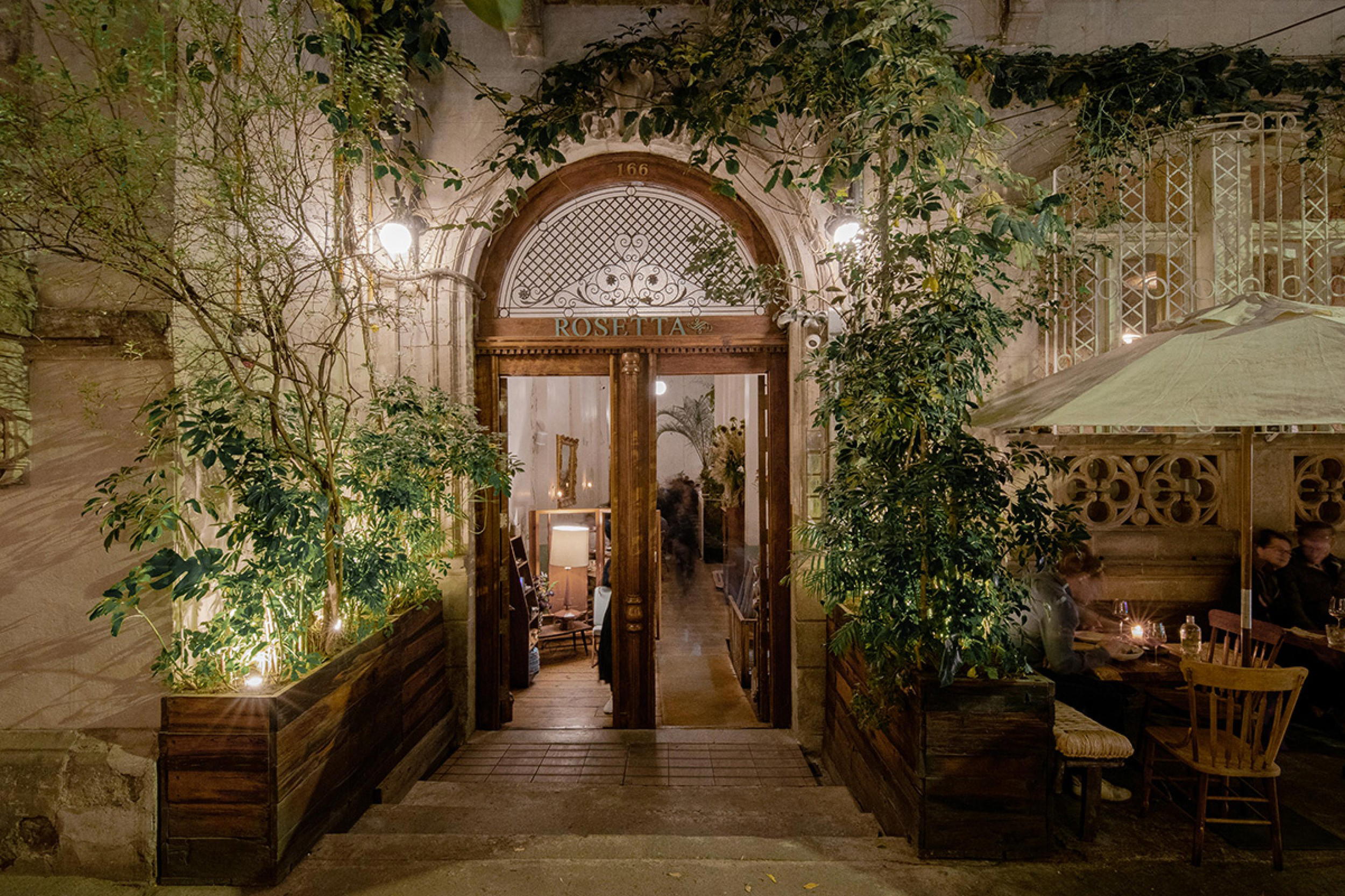
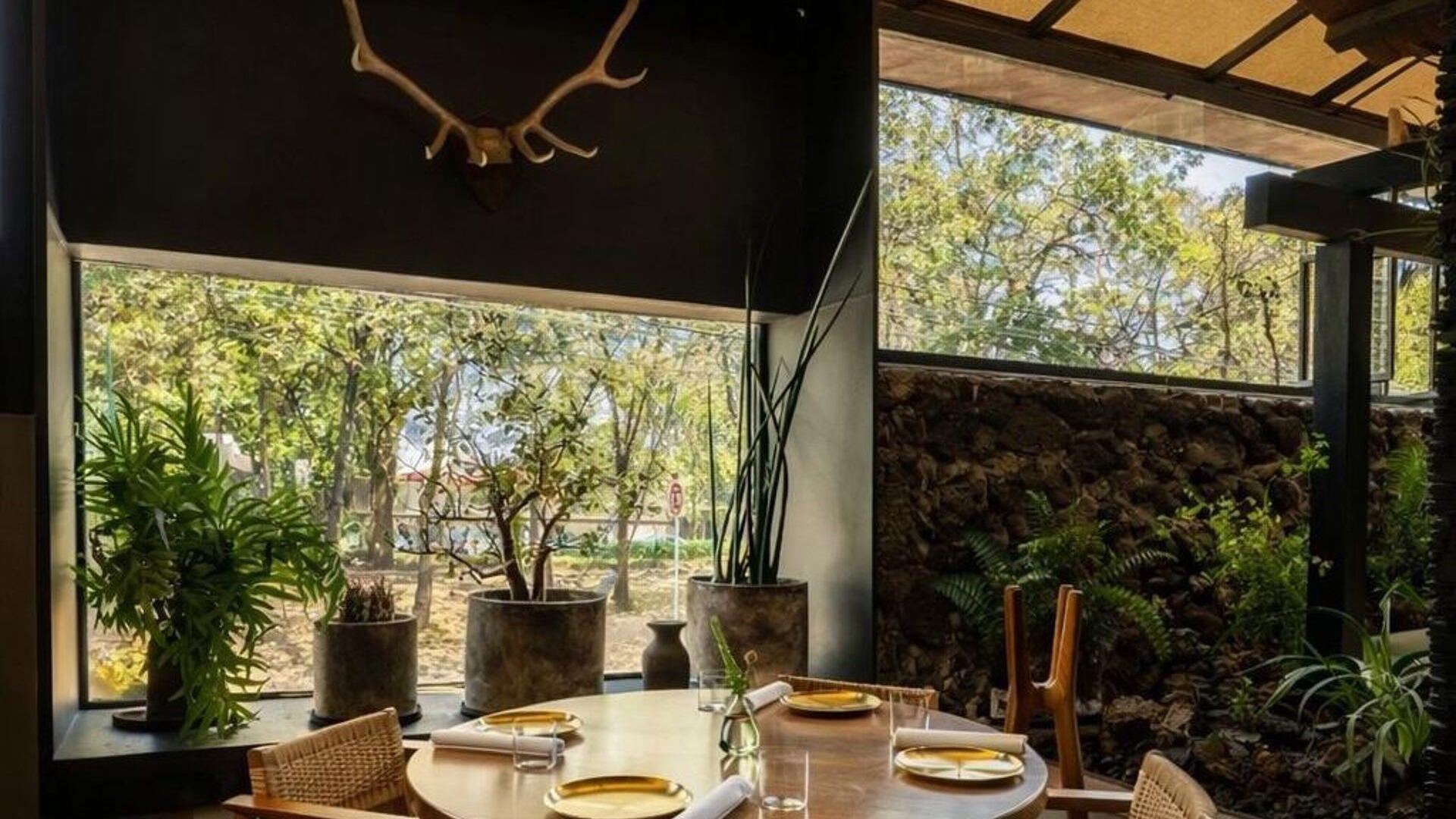
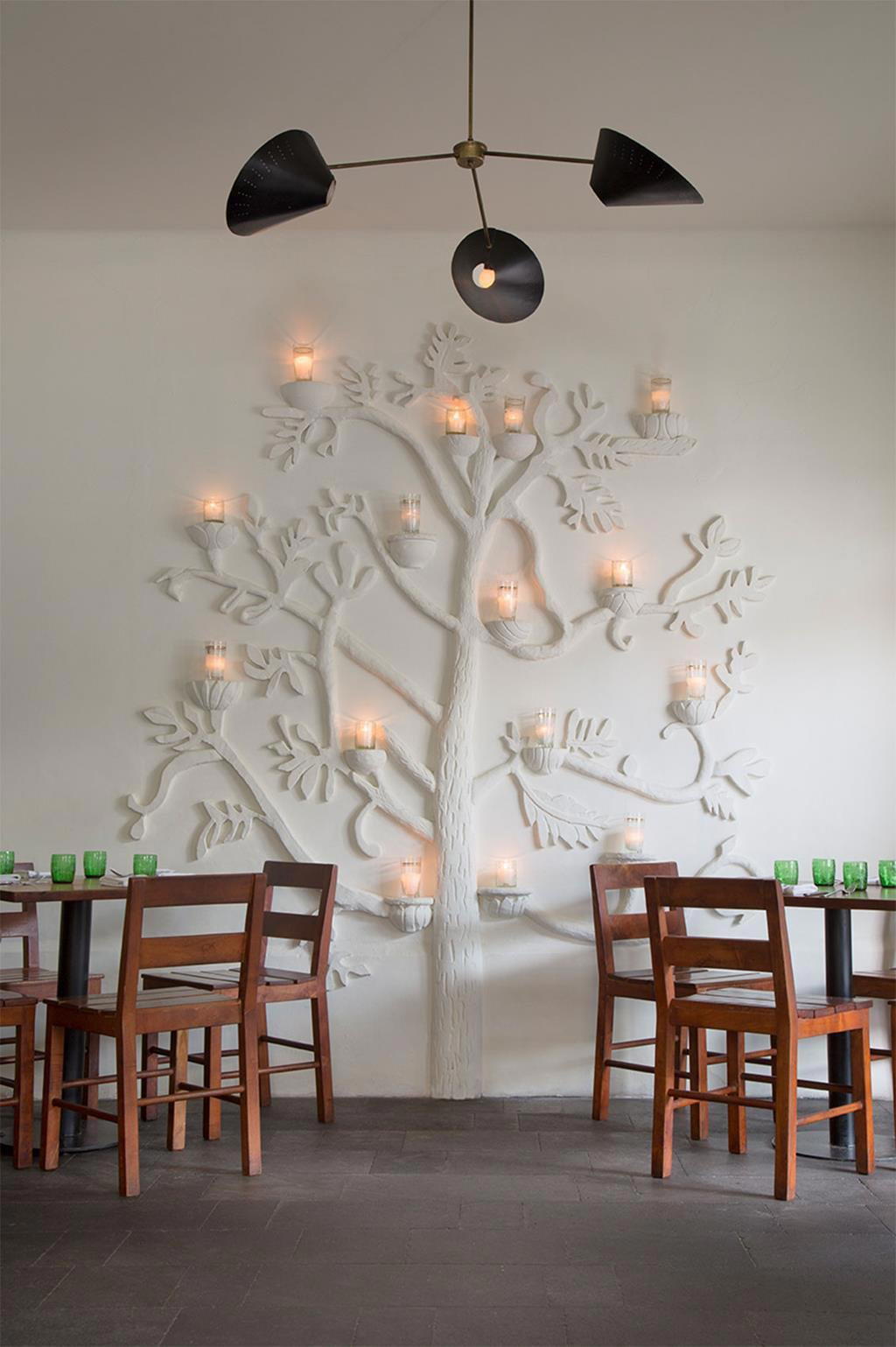
Bohemian and stylish, with a lively city-hotel feel that balances party energy with a curated, serene dining atmosphere.