Cempedak Island

Conde Nast Gold List
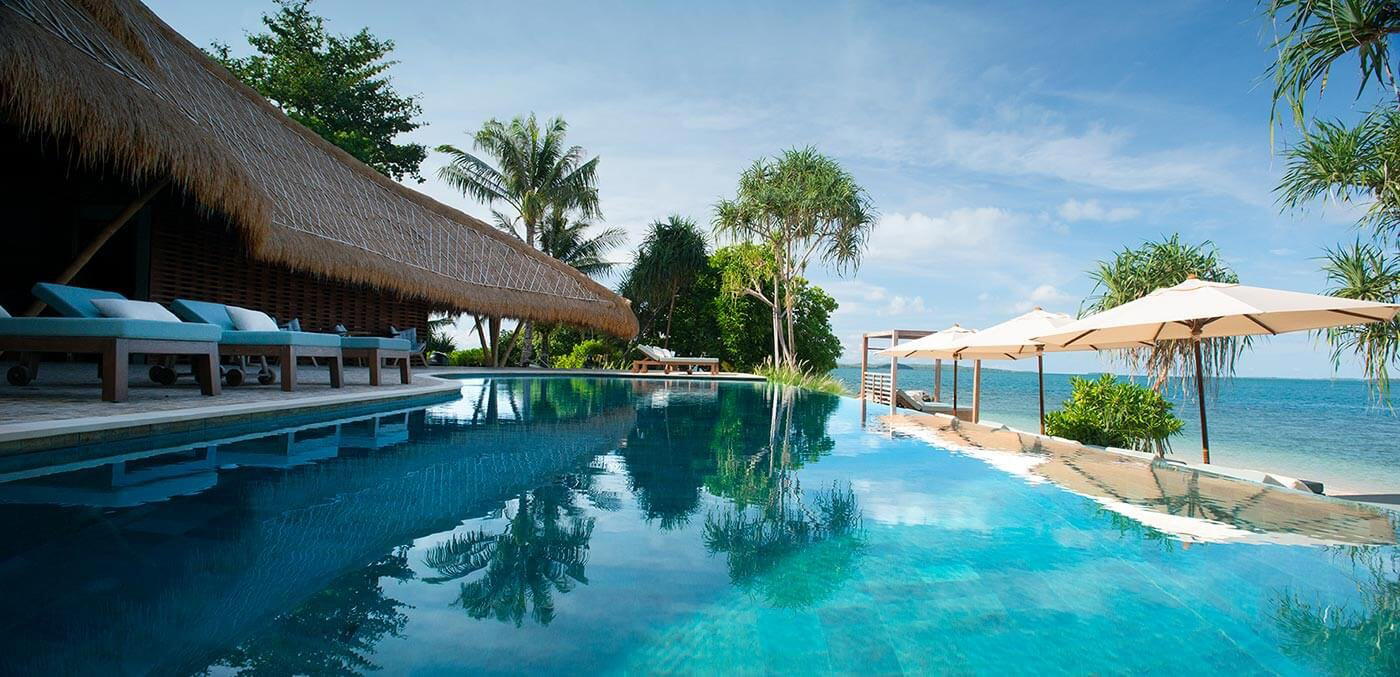
A private adults-only island in the Riau archipelago, Cempedak occupies a rainforest setting where bamboo villas are constructed to sit within the forest canopy rather than clear it. The property operates on a barefoot-luxury model, positioning sustainability not as a marketing add-on but as a structural design condition. It draws comparison with Indonesia's most architecture-forward island retreats.

Pearl is the En Primeur Club membership app — saves, bookings, and concierge access live there. Same editors, same standards.
Where the Forest Is the Architecture
Approaching Cempedak by boat across the Riau archipelago, the island reads as uninterrupted jungle. There is no cleared beachfront, no manicured lawn signalling the boundary between resort and nature. The design intention becomes apparent only as you step ashore: the bamboo structures overhead are not pavilions added to a cleared site but buildings threaded through existing canopy, sharing sightlines and root systems with the rainforest that was here first. This is the governing idea behind the property, and it shapes every physical decision on the island, from the orientation of each villa to the materials sourced for construction.
In the broader context of Indonesian island luxury, this places Cempedak in a distinct category. The dominant model for private-island resorts across the archipelago has long been the cleared-and-manicured approach: level the site, import the materials, build for the brochure photograph. A smaller cohort of properties, drawing on vernacular construction knowledge and local material supply chains, has moved in the opposite direction, treating the existing ecosystem as the primary design element. Cempedak operates from this second position. For comparable architectural thinking in different Indonesian settings, Nihi Sumba in Sumba and Bambu Indah in Banjar Badung represent adjacent commitments to site-responsive design, though each draws on a different material vocabulary and geographic character.
Bamboo as a Structural Language
Bamboo construction has a long history across Southeast Asia, but its use in premium hospitality has often been decorative rather than structural: a detail applied to concrete frames, a surface treatment rather than a load-bearing decision. At Cempedak, bamboo functions as the primary building material throughout the villa structures, which means the architecture carries the inherent qualities of the material: flexibility, warmth, the capacity to breathe in humid conditions, and a visual texture that reads differently at different times of day and in different light.
The decision to build in bamboo on a rainforest island in the Riau archipelago is also a climatic one. Bamboo regulates interior temperature more effectively than concrete or glass in equatorial humidity, and it ages in ways that increase rather than diminish its integration with the surrounding environment. This is design that improves its argument over time rather than depreciating toward renovation. Properties that share this material seriousness in other parts of the region, such as Kampung Sampireun Resort & Spa in Garut and Desa Seni Baturiti in Tabanan, demonstrate that the vernacular tradition has considerable range across Indonesian geography.
Adults-Only Format and What It Signals
The adults-only designation at Cempedak is not incidental. In the private-island category, the format choice signals a specific editorial decision about atmosphere and pace. A resort designed for families distributes its programming around children's schedules and noise tolerances; one built for adults only can optimise for stillness, uninterrupted natural sound, and a rhythm determined by tides and light rather than activity rosters. At an island property where the primary experience is the environment itself, the absence of organised family programming is as much a design choice as the bamboo framing.
Amanwana in Moyo Island operates with comparable restraint in terms of capacity and atmosphere, anchored by Aman's characteristic discipline around silence and privacy. At the Bali end of the spectrum, Alila Villas Uluwatu in Uluwatu offers a different architectural register, cliffside rather than forest, but maintains the adults-focused, design-led positioning that defines this cohort.
Sustainability as Structural Condition
The sustainability commitment at Cempedak operates at the level of construction logic rather than guest-facing gesture. When a resort builds in bamboo rather than imported concrete, sources materials locally, and retains existing forest cover rather than clearing for views, the environmental position is embedded in the architecture. This is distinct from sustainability programs that sit alongside conventional construction as an opt-in layer: the recyclable toiletry bottle in the concrete-framed room, the carbon offset at checkout.
Across Indonesia's premium hospitality sector, the gap between these two approaches is visible in how properties age. Resorts built with local materials and minimal site clearance tend to read as more coherent over time; their physical relationship to the environment deepens rather than contrasts. Properties investing in this direction across different parts of Indonesia include Mandapa, a Ritz-Carlton Reserve in Ubud, which manages the tension between brand scale and site sensitivity, and Amanjiwo in Magelang, where the construction approach is in explicit dialogue with the surrounding landscape. For a broader sweep of how Indonesian properties are handling the design-sustainability axis, our full Bintan Regency restaurants guide maps the regional context.
Location and Access in the Riau Archipelago
Bintan Regency sits roughly 45 minutes by high-speed ferry from Singapore's Tanah Merah Ferry Terminal, which makes the Riau Islands unusually accessible for a private-island destination. Cempedak is reached by boat transfer from Bintan, meaning the journey layers two short water crossings rather than requiring a long-haul flight to an isolated departure point. For Singapore-based travellers and those transiting through Changi, this places a forest-immersion private island within a weekend's reach without intercontinental travel.
This proximity to Singapore matters for understanding the property's guest profile and pricing context. The Riau archipelago operates as a short-break destination for regional travellers in a way that more remote Indonesian islands cannot, which allows Cempedak to function at a different booking rhythm than, say, a comparable property in eastern Indonesia requiring domestic connections. The comparative ease of access does not diminish the island experience once arrived; the water crossing effectively seals the transition between city and forest.
Where Cempedak Sits in a Wider Indonesian Context
Indonesia's private-island category has expanded considerably over the past decade, driven partly by demand from Singapore and Hong Kong and partly by a generation of developers who studied what Aman's early archipelago properties demonstrated about the relationship between scarcity, design quality, and premium positioning. Cempedak occupies the design-led, low-capacity end of this expanded field, alongside properties that prioritise material authenticity and environmental integration over amenity volume.
Within Bali and its satellite islands, the reference points for this positioning include Amankila in Manggis, Hotel Komune and Beach Club Bali in Gianyar, and Villa Waru Nusa Lembongan in Lembongan Kawan, each representing a different scale and philosophy within the broader archipelago luxury conversation. Further afield in the region, design-forward properties such as Potato Head Suites & Studios in Seminyak and Desa Potato Head in Denpasar show how Indonesian hospitality design has diversified well beyond the single dominant model of the previous generation.
For travellers whose primary criterion is the physical environment rather than the amenity list, Cempedak makes a clear argument: a private island in the Riau archipelago where the rainforest is the architecture, the bamboo is structural rather than decorative, and the adults-only format is a deliberate environmental choice rather than a market-positioning afterthought.
Planning a Stay
Cempedak is reached via Bintan, accessed by ferry from Singapore. Given its private-island format and limited villa count, lead time for booking is advisable, particularly around Singapore public holidays and school breaks when regional short-haul demand concentrates. The island's position in the Riau archipelago means it operates within Indonesian regulatory frameworks for foreign visitors, and standard Indonesian visa arrangements apply. Travellers comparing this style of stay with properties further into the archipelago may also consider AYANA Resort Bali in Jimbaran or VOUK Hotel & Suites Bali in Nusa Dua for reference points on what the Bali end of the Indonesian premium market looks like at comparable price tiers, even though the design philosophy and setting differ substantially from Cempedak's rainforest island position.
A Quick Peer Check
| Venue | Price | Awards |
|---|---|---|
| Cempedak IslandThis venue — the venue you are viewing | Not listed | Conde Nast Gold List |
| Mandapa, a Ritz-Carlton Reserve | $750–1,000 | 3 Michelin Keys · World's 50 Best #61 |
| Alila Villas Uluwatu | $500–750 | Michelin Guide New Hotels New Hotel · Michelin Selected |
| Amandari | $750–1,000 | 1 Michelin Key · La Liste Top Hotels |
| Amankila | $1,000–1,500 | 2 Michelin Keys · Forbes 4-Star |
| Capella Ubud, Bali | Not listed | 2 Michelin Keys · La Liste Top Hotels |
Recognition history
Dated appearances from independent guides and award organizations, with the underlying list record or original source where available.
Conde Nast Gold List
Conde Nast
Continue exploring
More in Bintan Regency
Hotels in Bintan Regency
All hotels in Bintan Regency →
Bars in Bintan Regency
Browse all →
Restaurants in Bintan Regency
Browse all →
Details
- Quiet
- Romantic
- Scenic
- Elegant
- Intimate
- Sophisticated
- Minimalist
- Honeymoon
- Romantic Getaway
- Wellness Retreat
- Anniversary
- Weekend Escape
- Beachfront
- Private Villa
- Infinity Pool
- Destination Spa
- Panoramic View
- Spa
- Pool
- Beach Access
- Waterfront
- Garden
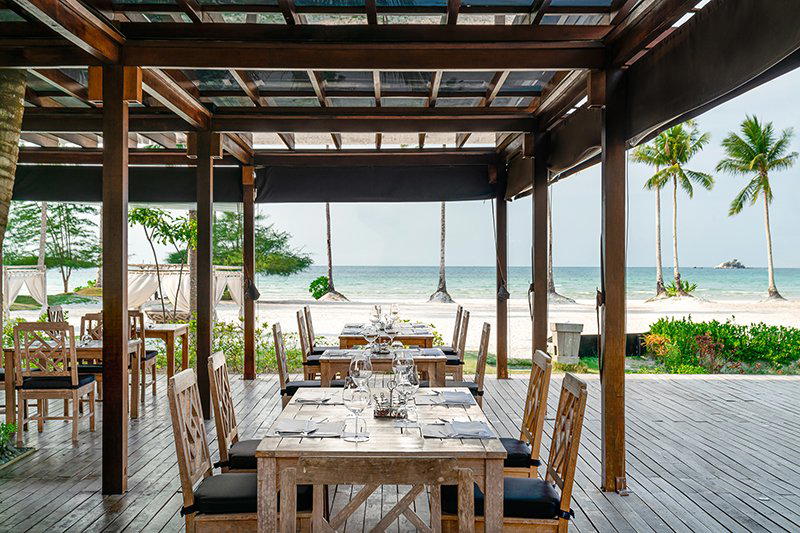
Relaxed barefoot luxury with natural sea breezes, open-air design blending into jungle and ocean, creating a peaceful, nature-immersed atmosphere.