
Casa Vincke Hotel occupies a converted historic building on Carrer López i Puigcerver in Palamós, the quieter southern anchor of the Costa Brava. Selected by the Michelin guide for 2025, it sits in a small cohort of character-led hotels along the Catalan coast where architecture and local material choices do more editorial work than brand affiliation or room count.
Pearl is the En Primeur Club membership app — saves, bookings, and concierge access live there. Same editors, same standards.
- Address
- Carrer López i Puigcerver, 38, 17230 Palamós, Girona, Spain
- Phone
- +34 872 20 05 93
- Website
- hotelcasavincke.com
- Directions
- Get directions
 Saves & bookings on Pearl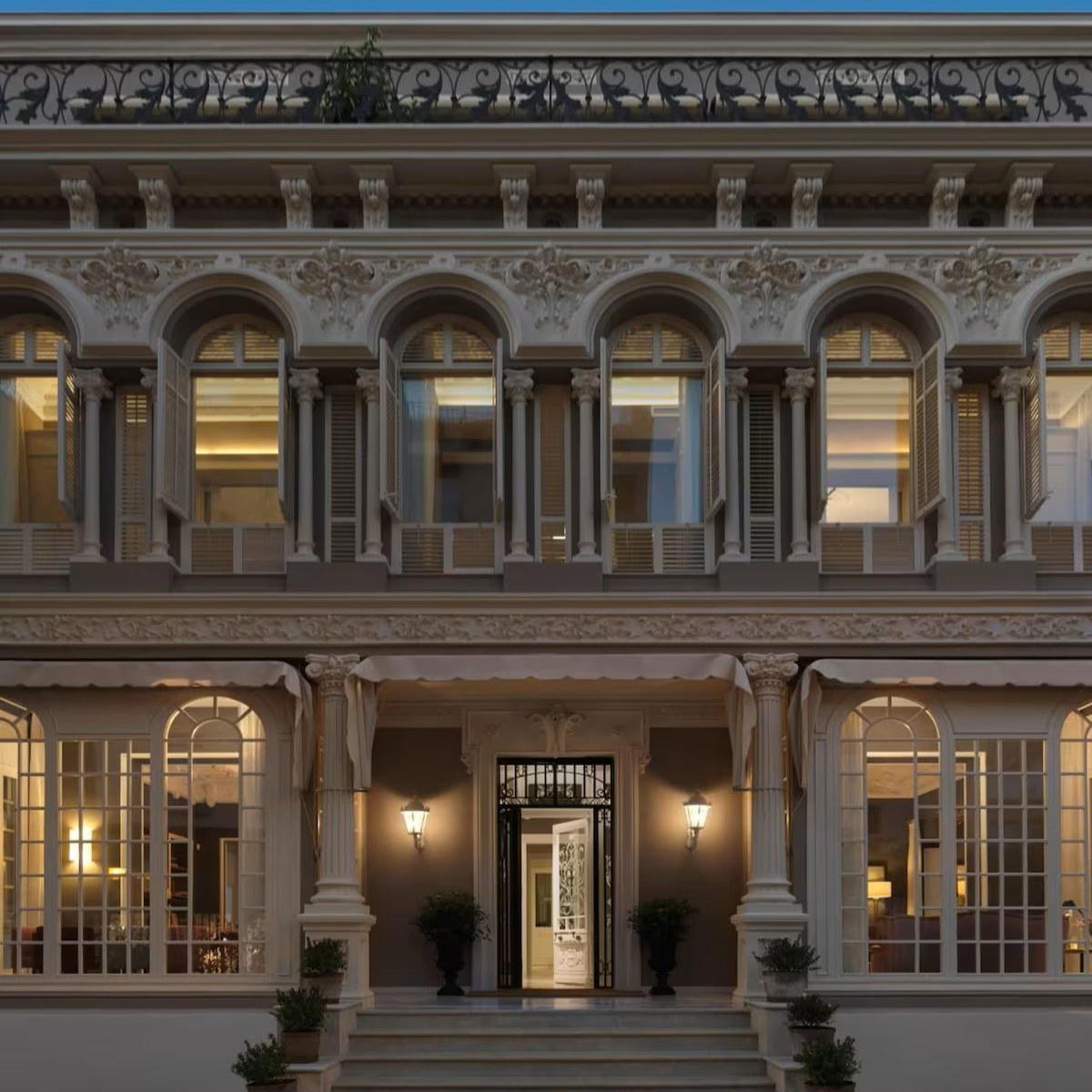
A Costa Brava Town That Resists the Usual Script
Palamós occupies an interesting position on the Costa Brava: south of the more photographed coves near Begur and Calella de Palafrugell, it functions as a working fishing port as much as a resort town, with a covered fish market that still runs morning auctions and a waterfront that mixes commercial activity with leisure. That dual character has historically kept Palamós outside the first-draft itineraries of visitors who arrive in Girona and head directly for the postcard coves. The town's hotel stock reflects that dynamic: there are few large international flags, and the properties that draw outside attention tend to be conversion projects where the architecture of the original structure carries the editorial weight.
The Building as the Argument
Casa Vincke Hotel, at 38 Carrer López i Puigcerver, is a conversion property in a town where that typology carries specific meaning. Along the Costa Brava, the design-led small hotel has split into two broad camps: rural masies converted from Catalan farmhouses, and urban townhouse projects that take historic residential structures in working towns and adapt them for hospitality use. Casa Vincke belongs to the second category, which places it in a comparable set that includes properties such as Caro Hotel in València and Hotel Mercer Sevilla in Seville, where the host building's architectural identity is the primary credential rather than the spa square footage or restaurant star count.
What distinguishes this format from a generic boutique conversion is the degree to which the existing structure is allowed to set the terms. In Palamós, where the old town grid runs close to the port and buildings tend toward the modest rather than the palatial, a hotel that works within those proportions rather than against them signals a specific curatorial choice. The result is a property whose physical presence in the streetscape is coherent with its surroundings, a consideration that matters more in smaller towns where incongruity reads loudly.
Comparable conversion projects elsewhere on the Catalan coast, such as Hotel Mas Lazuli in Girona and Mas de Torrent Hotel & Spa in Torrent, have demonstrated that Michelin's hotel selection criteria weight architectural coherence and material specificity alongside service discipline. Casa Vincke's 2025 Michelin Selected status places it in that framework, where the guide's inclusion signals a baseline of quality control rather than a competitive ranking.
Michelin Selected and What That Means Here
The Michelin hotel guide uses its Selected designation to mark properties that meet a defined threshold of character and quality without necessarily competing in the five-star international tier. In Spain, that designation appears across a wide range of property types, from Mandarin Oriental Ritz, Madrid at one end of the scale to small coastal conversions at the other. Casa Vincke's 2025 inclusion confirms that it clears the guide's criteria, which in practice means reviewers found the property consistent, characterful, and honest about what it offers.
For a small hotel in a working port town, Michelin recognition serves a specific commercial function: it signals to the international traveller that the property has been independently vetted, which matters when a town lacks the broader hospitality infrastructure that might otherwise provide that assurance. Palamós is not a destination where you arrive because the hotel scene is deep; you arrive because the town itself, the fishing culture, the proximity to quieter coves, and the access to good regional cooking justify the trip.
For travellers calibrating expectations against other Michelin Selected properties in Spain, relevant comparisons include Terra Dominicata in Escaladei and Atrio Restaurante Hotel in Cáceres, both of which anchor in specific regional identities rather than international luxury conventions. Casa Vincke operates in that register, where the sense of place is the offer rather than an amenity list.
Where It Sits in the Broader Costa Brava Picture
The Costa Brava hotel market has fragmented considerably over the past decade. At the upper tier, properties such as Abadía Retuerta LeDomaine and La Residencia, A Belmond Hotel, Mallorca compete on grounds of estate scale, cellar depth, and multi-service programming. Further down the coast, Balearic conversions like Hotel Can Ferrereta in Santanyí and Hotel Can Cera in Palma have shown that design-led small hotels can compete against larger resort properties by leaning into material specificity and architectural identity rather than facility breadth.
Casa Vincke operates in that same design-led small hotel cohort but within the particular context of a Catalan coastal working town rather than an island or rural estate. That context shapes the offer: guests are staying in a place with its own economic and cultural life, not in a compound insulated from the surrounding region. That is a different proposition from, say, Cap Rocat in Cala Blava, which occupies a former military fortress on a clifftop and foregrounds seclusion as its primary credential. Casa Vincke is, in its urban grain, closer to the townhouse hotel model found in cities: the experience of the place outside the front door is part of the stay.
Other Michelin Selected properties on the northern Spanish coast, including Akelarre in San Sebastián and Pepe Vieira Restaurant & Hotel in Poio, anchor their identity in a gastronomy programme. Casa Vincke, in a town with an active fish market and a fishing-led food culture, sits in a location where the regional food context is strong regardless of what any individual property puts on its own menu.
Planning a Stay
Palamós is reachable from Girona by regional road in under an hour, which makes it a viable base for travellers using Girona-Costa Brava airport rather than Barcelona El Prat. The town is a workable day-trip distance from Girona city itself and from the more visited coves around Begur and Cap de Creus. Booking ahead is recommended for peak season. As with similar small Michelin Selected properties, summer availability in July and August will be the tightest, particularly for weekend arrivals. The shoulder months, May, June, and September, give cleaner access to the town's fishing culture and the Costa Brava's Mediterranean character without peak-season pressure.
Fast Comparison
Comparable venues nearby, for context on price, style, and recognition.
| Venue | Cuisine | Price | Notes |
|---|---|---|---|
| Casa Vincke HotelThis venue — the venue you are viewing | Boutique hotel in a historic 19th-century mansion with modern renovations | $$$ | Not listed |
| Talaia Plaza EcoResort | Eco-conscious hillside resort blending glamping and luxury lodges in pine forest. | $$$ | Sa Riera |
| Agroturismo Llucasaldent Gran | rustic chic agritourism finca blending Menorcan tradition with modern luxury | $$$ | Alaior |
| El Far Hotel Restaurant | Historic clifftop boutique | $$$ | Llafranc |
| Plaza 18 | 19th-century merchant's house restored as luxury boutique | $$$$ | Vejer de la Frontera |
| Triana House | Boutique luxury B&B in historic Triana quarter | $$$$ | Triana |
Recognition history
Dated appearances from independent guides and award organizations, with the underlying list record or original source where available.
Michelin Selected
Michelin
Continue exploring
More in Palamós
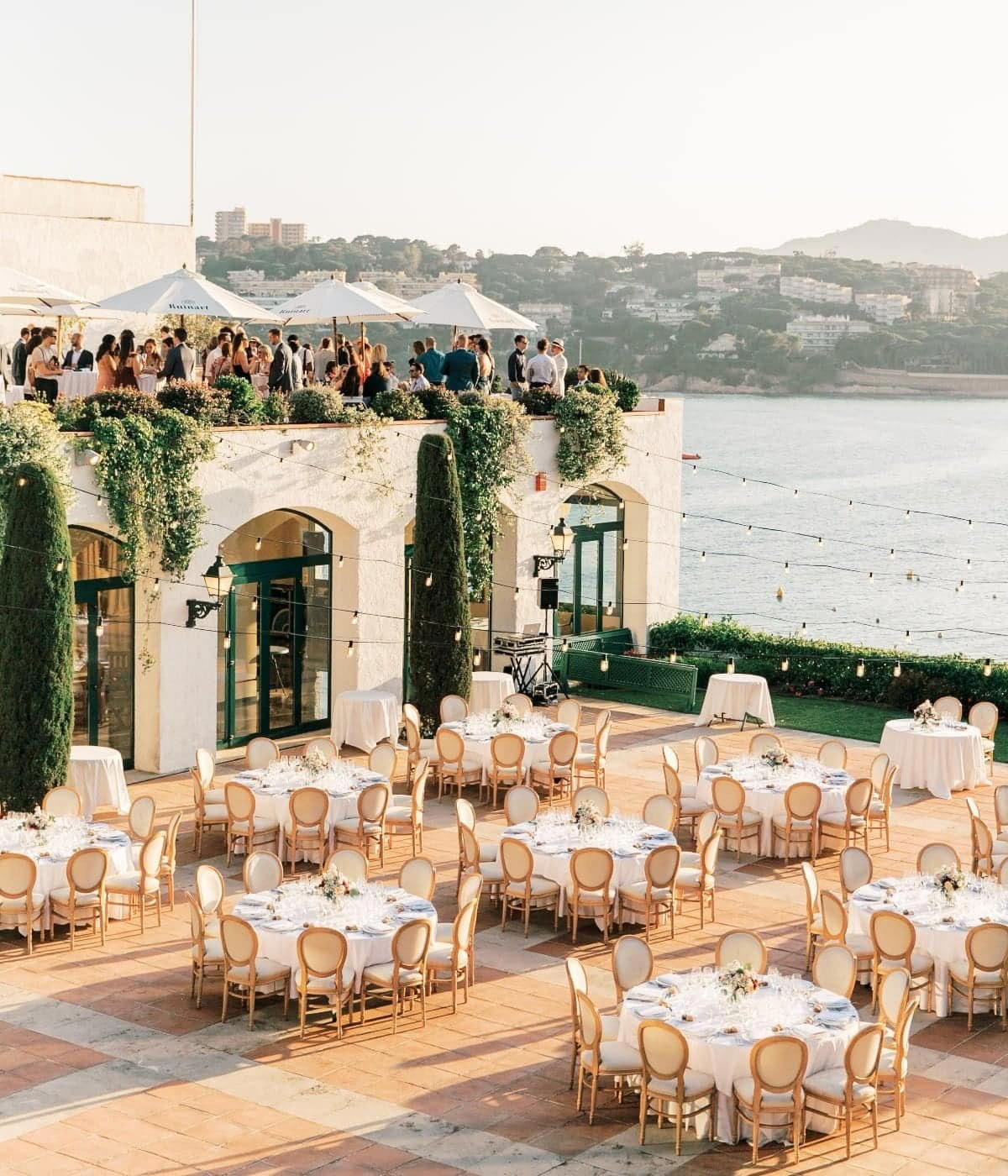
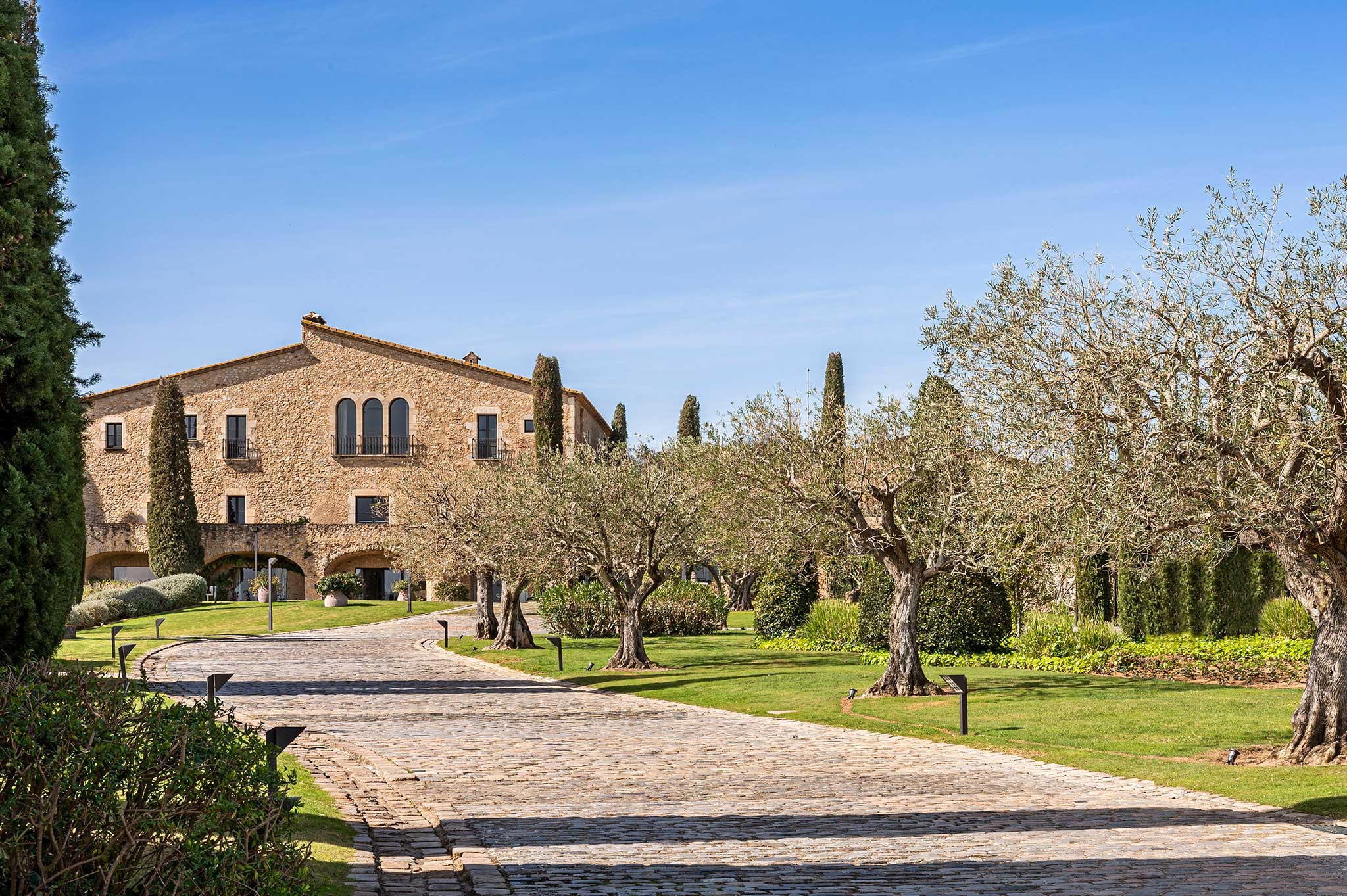
Hotels in Palamós
Browse all →
Bars in Palamós
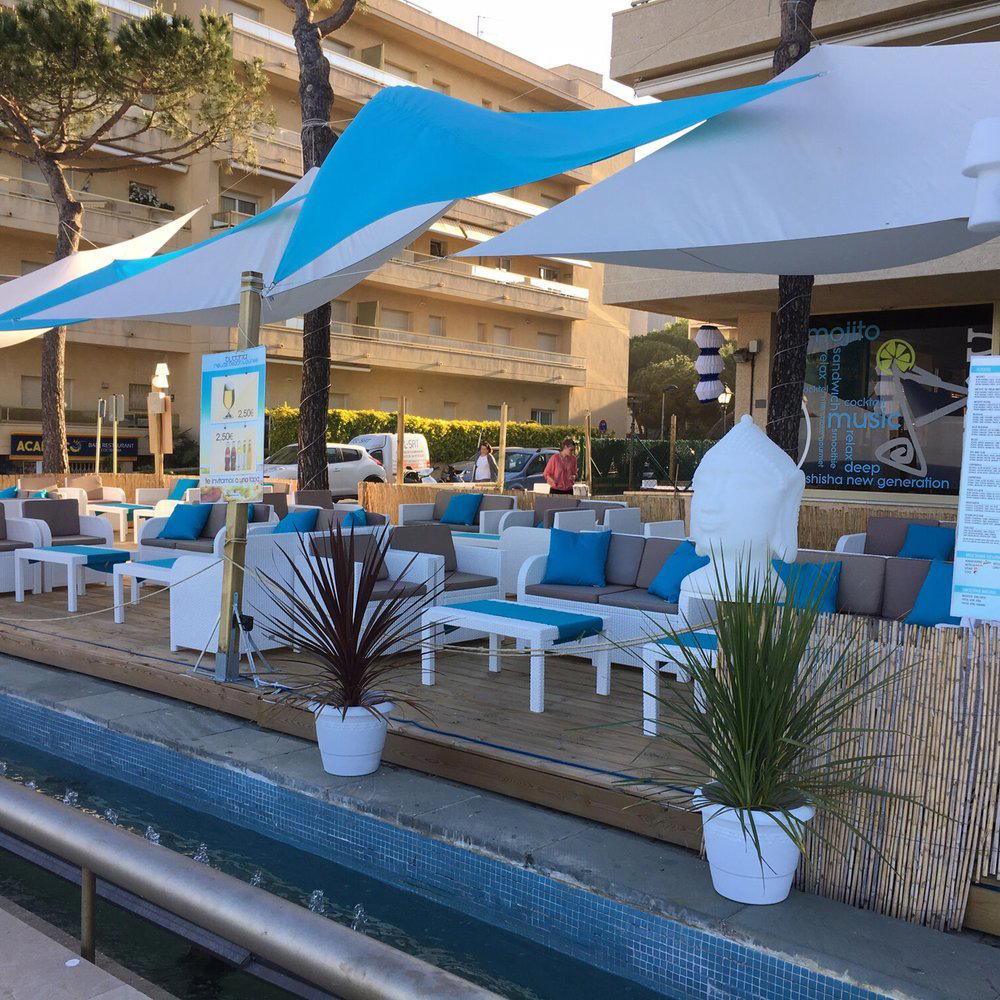
Browse all →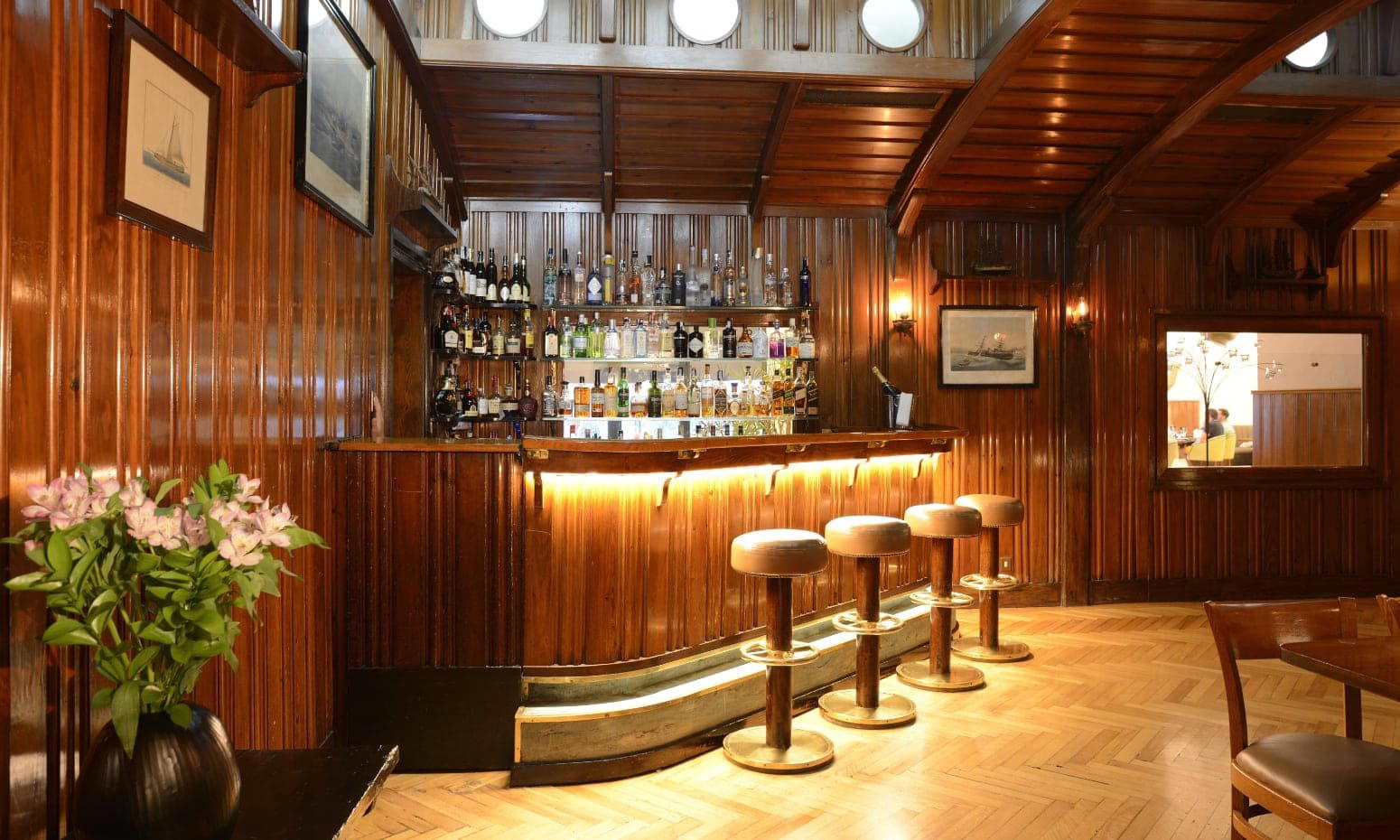
Restaurants in Palamós
Browse all →
Wineries in Palamós
Browse all →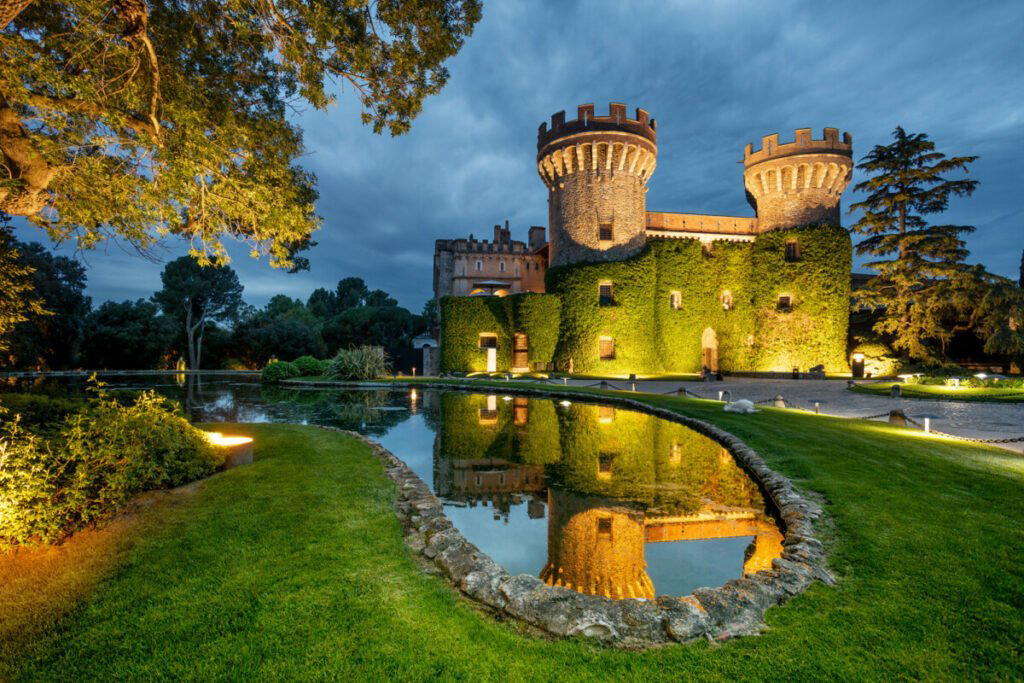
At a Glance
- Elegant
- Cozy
- Modern
- Trendy
- Romantic Getaway
- Weekend Escape
- Garden
- Terrace
- Wi Fi
- Pool
- Outdoor Pool
- Air Conditioning
- Garden
- Garden
- Wi Fi
- Pool
- Outdoor Pool
- Air Conditioning
- Garden
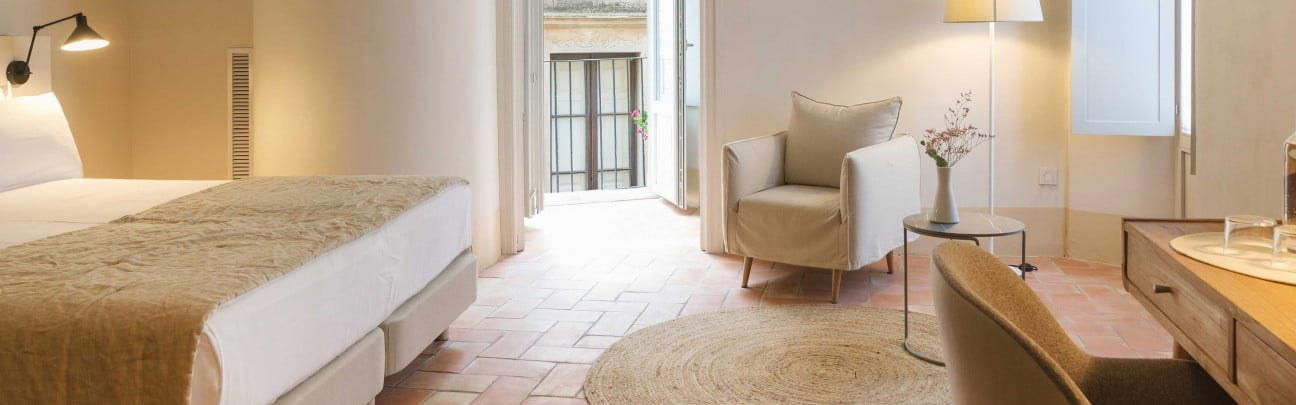
Cozy and welcoming with light-flooded, stylish rooms, lush gardens, and a tranquil oasis atmosphere.