El Far Hotel Restaurant
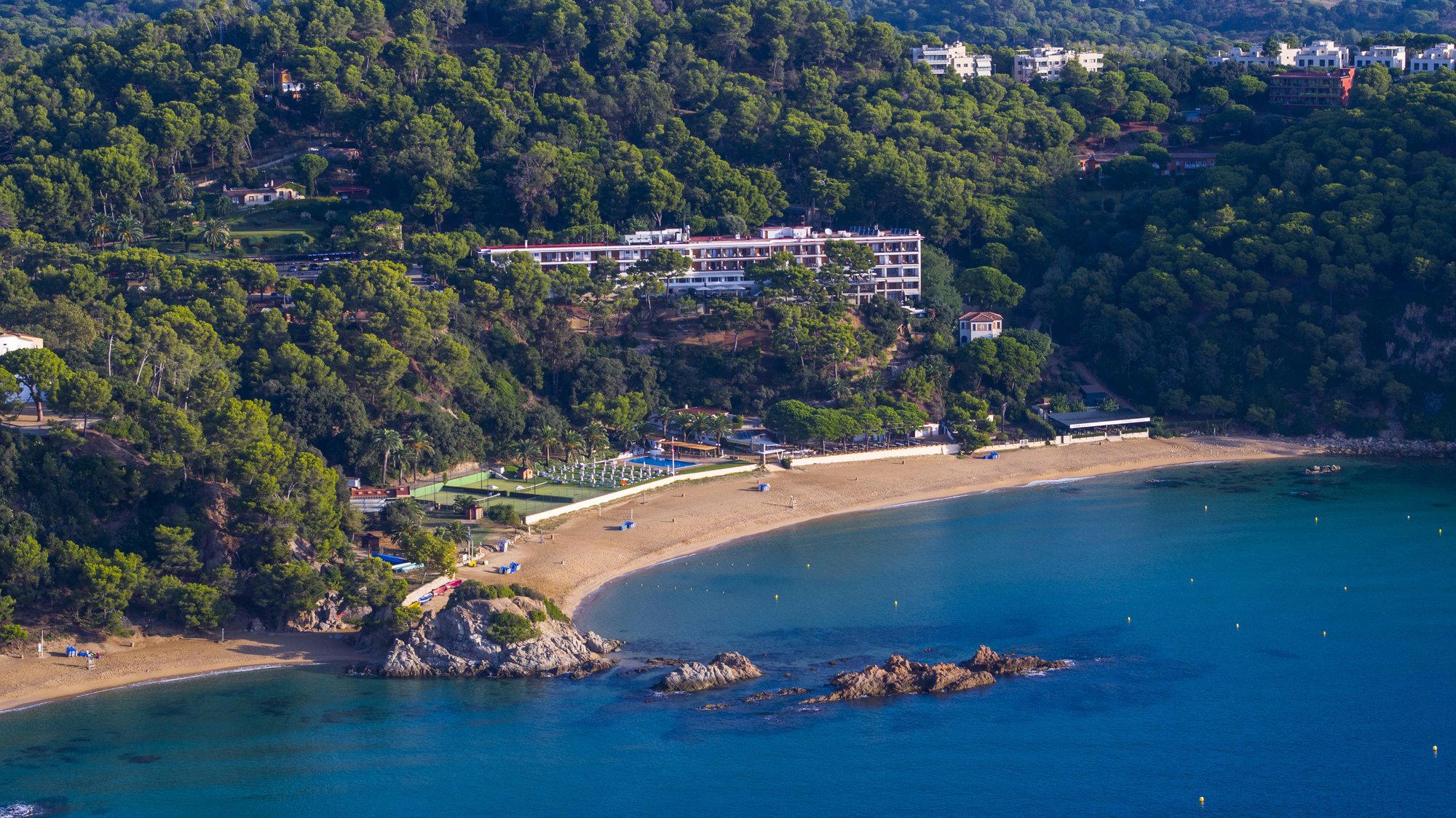
Perched on the Muntanya de Sant Sebastià above Llafranc, El Far Hotel Restaurant occupies a converted lighthouse complex that has shaped how this stretch of the Costa Brava is understood by travellers who prioritise setting over spectacle. The property sits within one of Girona's more architecturally arresting coastal positions, where the Mediterranean drops away below and the light changes the stone walls hourly. It represents a particular category of Catalan coastal accommodation where the building does most of the talking.

Pearl is the En Primeur Club membership app — saves, bookings, and concierge access live there. Same editors, same standards.
- Address
- Muntanya de Sant Sebastià, Carrer de l'Uruguai, 87, 17211 Llafranc, Girona, Spain
- Phone
- +34 972 30 16 39
- Website
- hotelelfar.com
- Directions
- Get directions
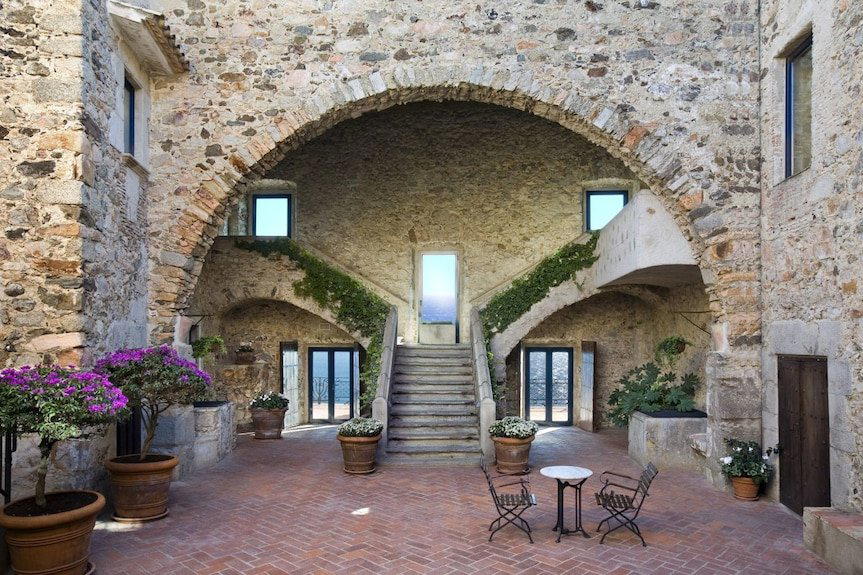
A Lighthouse Above Llafranc
Along the Costa Brava, the question of where the building ends and the landscape begins is one that the better properties answer through design rather than marketing. The stretch of coastline between Calella de Palafrugell and Llafranc has produced some of Girona province's most considered small hotels precisely because the terrain demands it: cliffs, pine forest, and water at angles that a generic resort format cannot accommodate. El Far Hotel Restaurant, positioned on the Muntanya de Sant Sebastià at the headland above Llafranc, belongs to that tradition of sites where the architecture is inseparable from the view it frames.
The property occupies a converted lighthouse complex, which immediately places it in a specific category of Iberian coastal accommodation: buildings that predate tourism entirely, repurposed for it carefully. Lighthouse conversions along the Spanish coast occupy a niche that sits apart from both the large international resort chains and the rural masia-hotel model. Their architecture is functional and undecorated by origin, with thick stone walls, narrow apertures, and a verticality driven by utility rather than aesthetic ambition. What makes them compelling as hotel spaces is that their original constraints become assets: the walls hold heat and cool, the height provides sightlines no terrace addition could replicate, and the sense of place is structural rather than applied. For a comparison of how that conversion model plays out differently in a fortified coastal context, Cap Rocat in Cala Blava offers an instructive counterpoint in Mallorca.
The Physical Logic of the Site
The address tells you something important before you arrive: Muntanya de Sant Sebastià, approached via Carrer de l'Uruguai in Llafranc. The road climbs out of the village and the property is reached by ascending through the headland's pine-covered slopes. This is not incidental to the experience. The approach frames arrival as a transition, not merely a check-in. Properties that earn their position through topography tend to create a different kind of guest relationship to the building itself, because the effort of getting there is part of the contract.
Hermitage of Sant Sebastià, which shares the headland with the lighthouse, adds a layer of historical sediment that purely modern hotels cannot manufacture. The site has been a navigational and spiritual landmark for centuries. The stone language of the complex, the proportions of walls built to withstand Atlantic weather systems before the Costa Brava became a leisure destination, give the property an architectural honesty that is increasingly rare in coastal Spain. The Baix Empordà region, which encompasses Palafrugell and its satellite villages of Llafranc, Calella, and Tamariu, has generally resisted the large-footprint resort development that reshaped the northern Costa Brava around Roses and Empuriabrava in the 1970s and 1980s. That restraint is visible in the fabric of the buildings that remain.
For those exploring the broader Palafrugell area, our full Palafrugell restaurants guide covers the dining scene across Llafranc, Calella, and the town itself. And for another property in the immediate area that takes a different design approach, Can Mascort Eco Hotel represents the inland masia conversion model that runs parallel to the coastal lighthouse typology.
Restaurant on the Headland
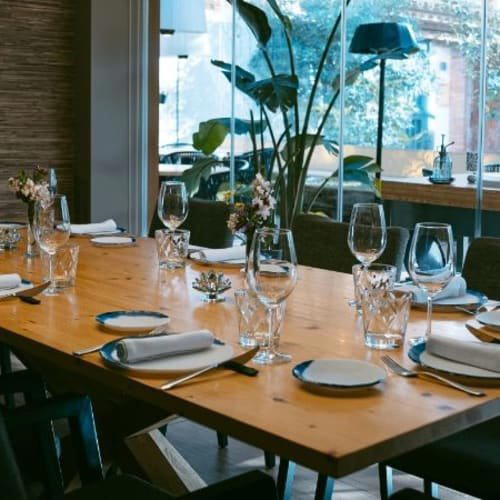
Lighthouse hotels along this coast have historically used their restaurant as the primary public-facing draw, partly because the views from a headland position justify a dining room that operates independently of the accommodation. The logic is direct: guests staying in Llafranc or Calella will climb to a headland restaurant for the vantage point that their own village-level tables cannot provide. This dynamic is familiar across the Costa Brava, where elevation tends to correlate with a different pricing tier and a longer booking window than sea-level alternatives.
Catalan coastal cooking in this part of Girona province draws heavily on suquet (fish stew), rice dishes cooked with locally caught fish, and the broader tradition of mar i muntanya combinations that pair seafood with inland ingredients. The proximity to the Empordà agricultural hinterland, where Denominació d'Origen Empordà produces wines that pair naturally with the local kitchen, gives restaurants in this area a clear regional identity to work with. That identity is well-documented: the Empordà, stretching from the coastal Baix Empordà up to the northern Alt Empordà around Roses, is one of Spain's more coherent gastronomic zones, and properties that sit within it benefit from a supply chain and a culinary tradition that requires less explanation than generic Mediterranean positioning.
Placing El Far in the Spanish Hotel Context
The conversion hotel model, where a building with prior architectural purpose becomes accommodation, is well-established across Spain. At the upper end of that category, properties like Abadía Retuerta LeDomaine in the Ribera del Duero and Atrio Restaurante Hotel in Cáceres demonstrate how a pre-existing building with historical and architectural weight can anchor a hospitality offer at the highest price tier. Terra Dominicata in Escaladei shows the same logic applied to a monastic structure in the Priorat.
El Far operates at a different scale and positioning from those examples, but the underlying principle is shared: the building's history does work that no amount of interior decoration can replicate. Within the Costa Brava specifically, the competitive set is smaller than the broader Catalan coast might suggest. The Mas de Torrent Hotel and Spa in Torrent, an eighteenth-century farmhouse conversion inland from Palafrugell, represents the masia end of that conversion tradition in the same geographical zone. Lighthouse properties occupy a different niche: fewer rooms, more exposure to the elements, and a relationship to the sea that is visual rather than proximate.
For travellers comparing coastal Spain more broadly, properties like La Residencia, A Belmond Hotel, Mallorca and Hotel Can Ferrereta in Santanyí illustrate how the Balearics handle the same converted-vernacular-building proposition at different price points. Akelarre in San Sebastián offers a useful comparison for the restaurant-hotel-with-exceptional-views format at the northern end of the Spanish coast.
Planning a Visit
Llafranc is accessed most conveniently by car from Palafrugell, approximately three kilometres away, and from Girona, roughly forty kilometres to the north. The Costa Brava airport link runs through Girona-Costa Brava Airport, which handles seasonal routes from multiple European cities, making the region more accessible between April and October than the winter months. The headland road to Sant Sebastià is narrow, and arrival in high summer requires patience with the approach.
Bookings for both the hotel and restaurant are leading handled directly through the property. Given the limited scale typical of lighthouse conversions, availability during July and August compresses quickly, and the shoulder seasons of May, June, and September represent the practical window for guests who want the coastal light without the summer density. The restaurant draws visitors who are not staying at the hotel, which means dinner reservations operate on a separate track from room bookings.
Comparable Spots, Quickly
| Venue | Price | Awards |
|---|---|---|
| El Far Hotel RestaurantThis venue — the venue you are viewing | $100–200 | Not listed |
| Mandarin Oriental Ritz, Madrid | Not listed | 3 Michelin Keys · World's 50 Best #71 |
| Four Seasons Hotel Madrid | Not listed | 2 Michelin Keys · World's 50 Best #66 |
| La Residencia, A Belmond Hotel, Mallorca | Not listed | 2 Michelin Keys · La Liste Top Hotels |
| Mandarin Oriental Barcelona | Not listed | 2 Michelin Keys · La Liste Top Hotels |
| Rosewood Villa Magna | $300–500 | 2 Michelin Keys · La Liste Top Hotels |
Continue exploring
More in Palafrugell
Hotels in Palafrugell
Browse all →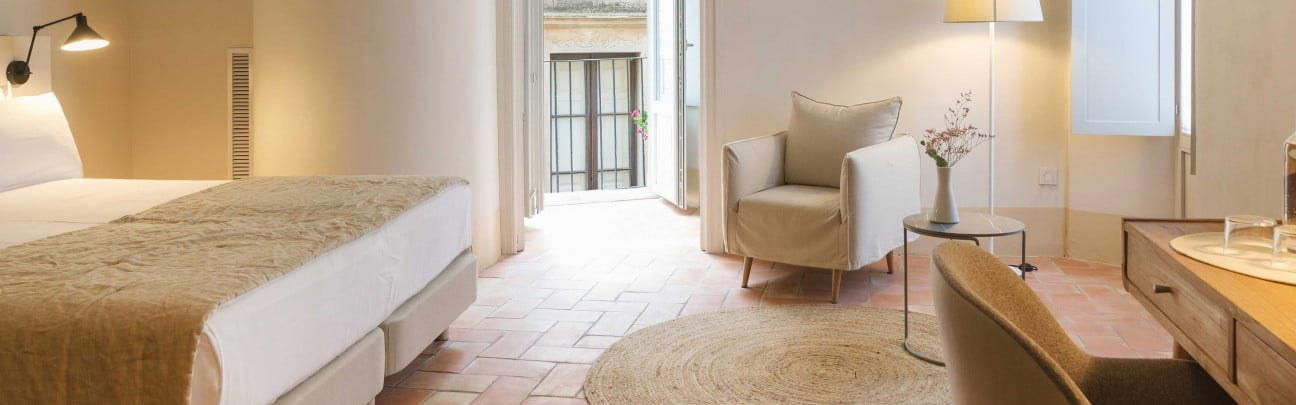
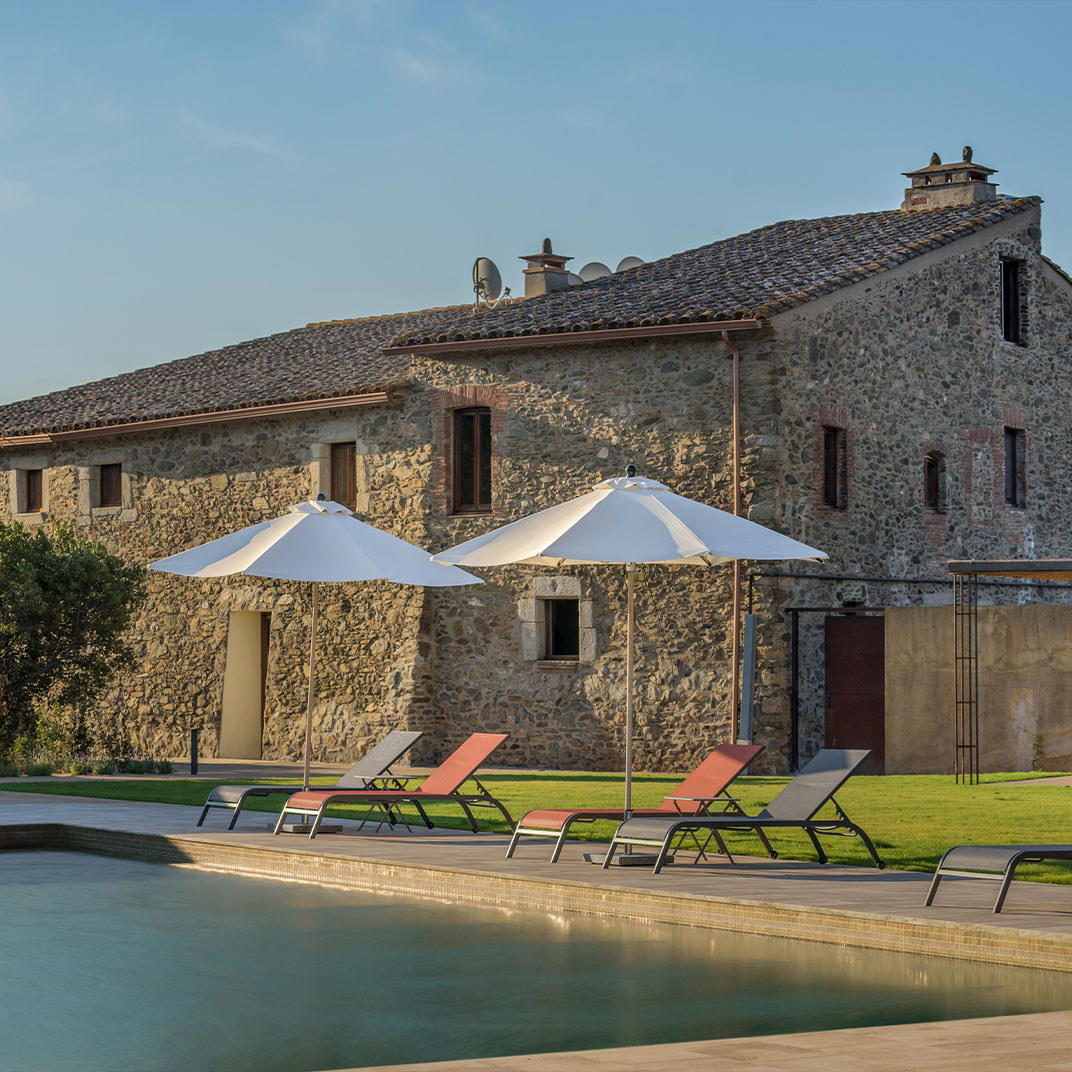
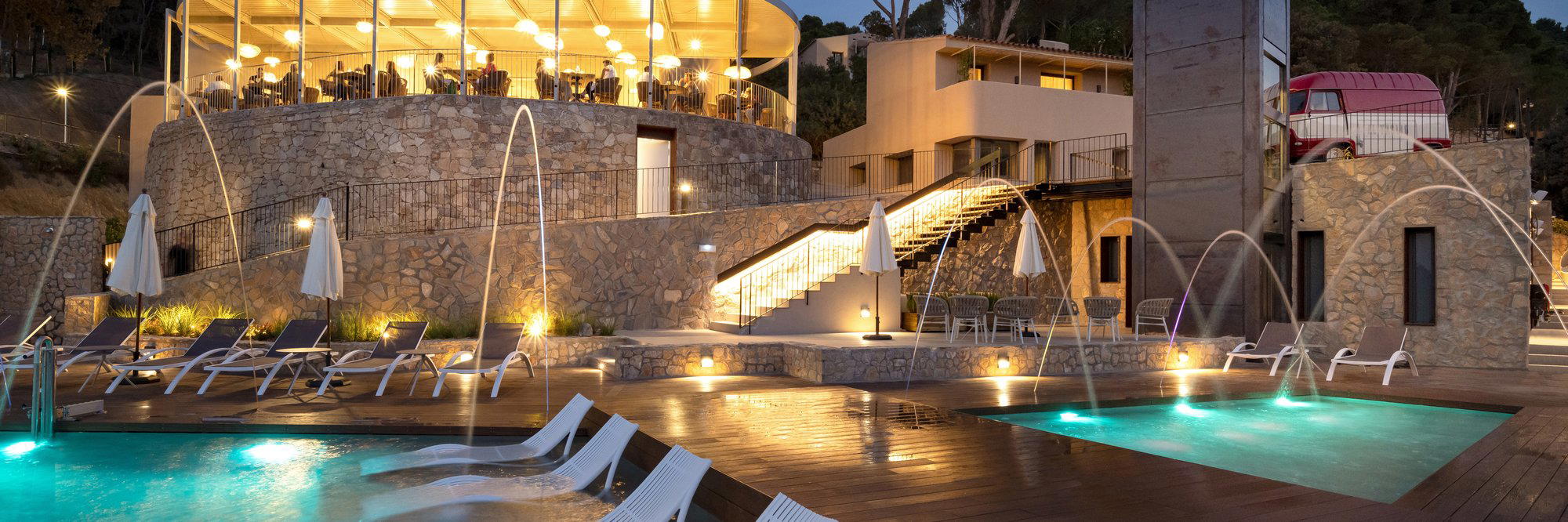
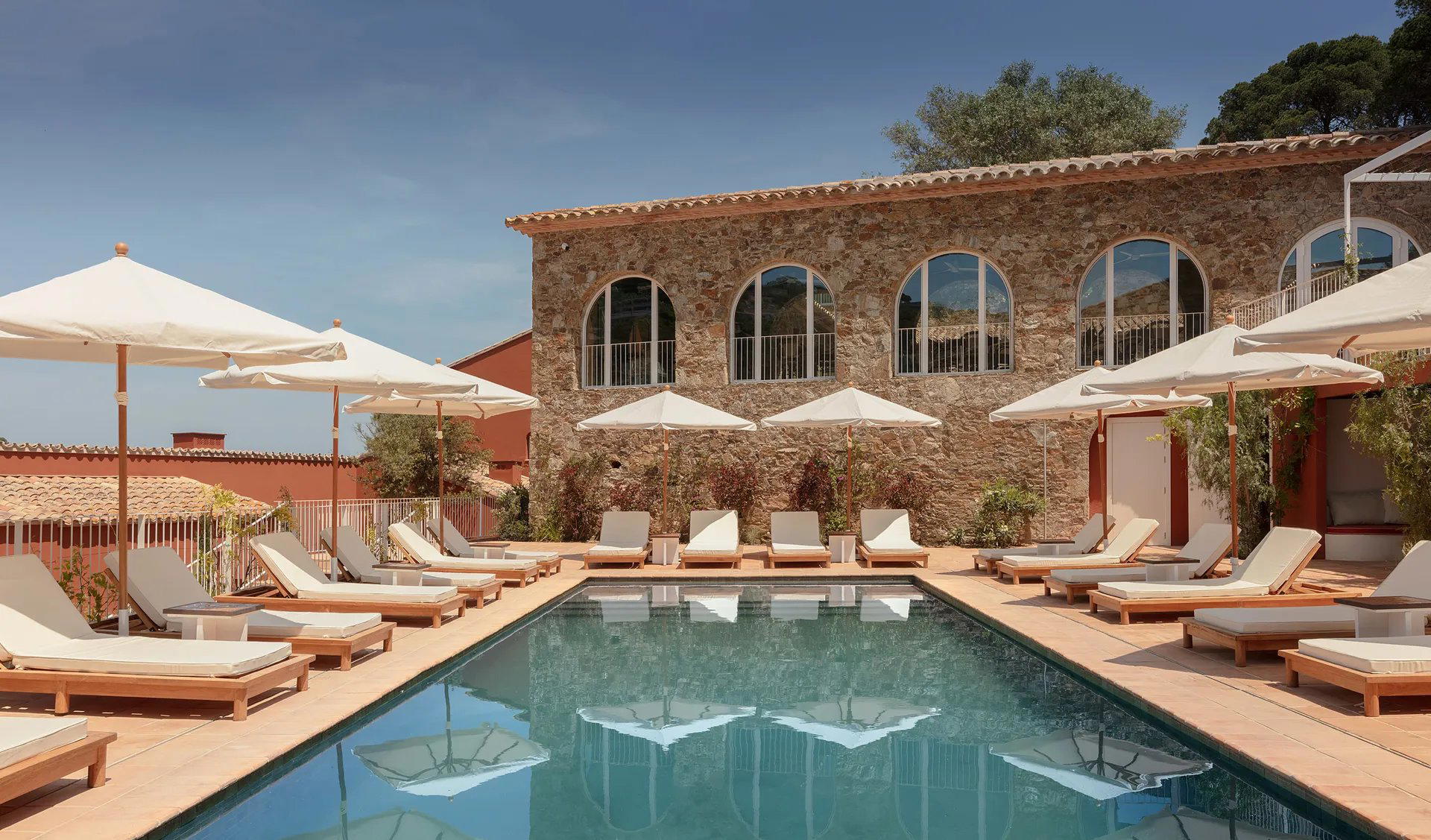
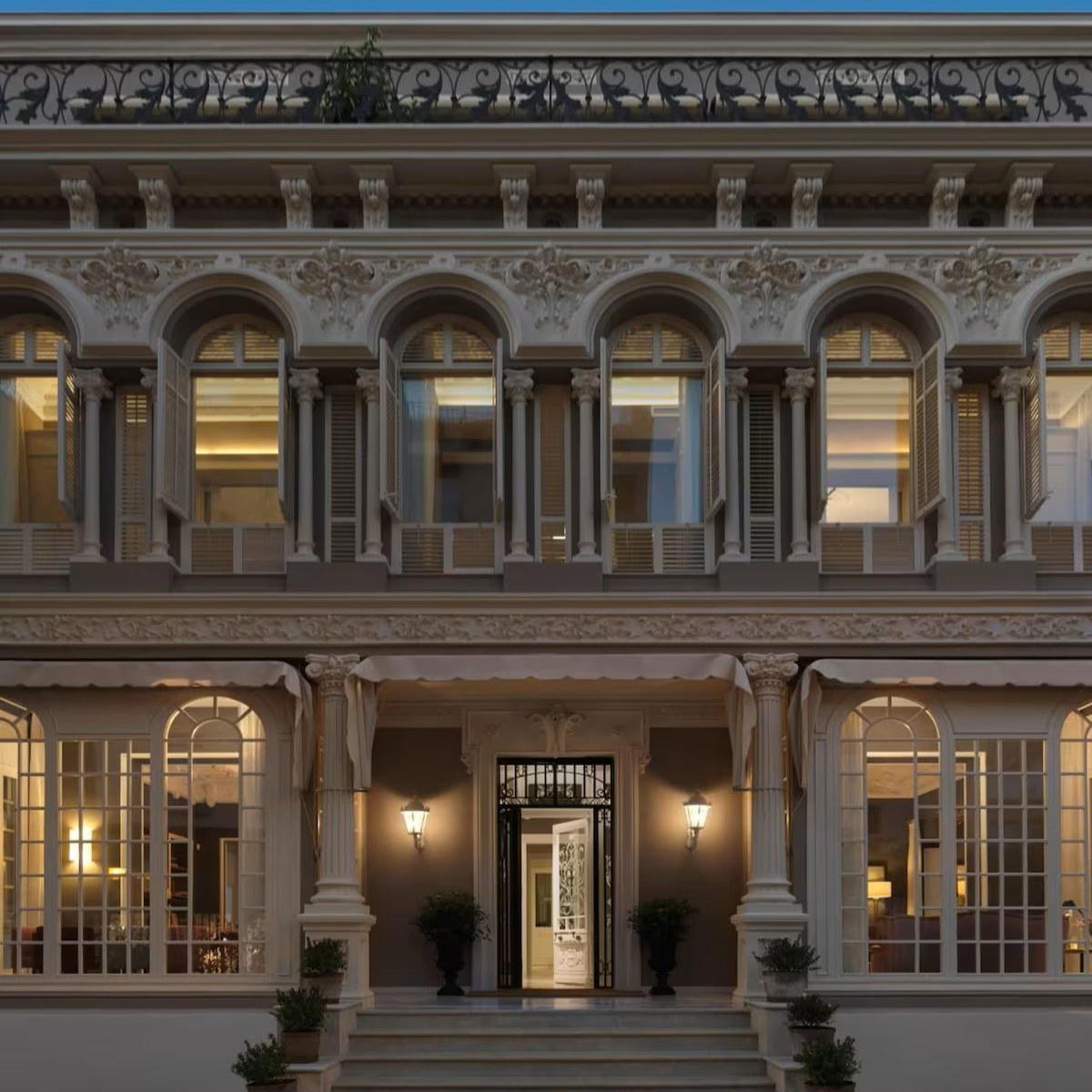
Bars in Palafrugell
Browse all →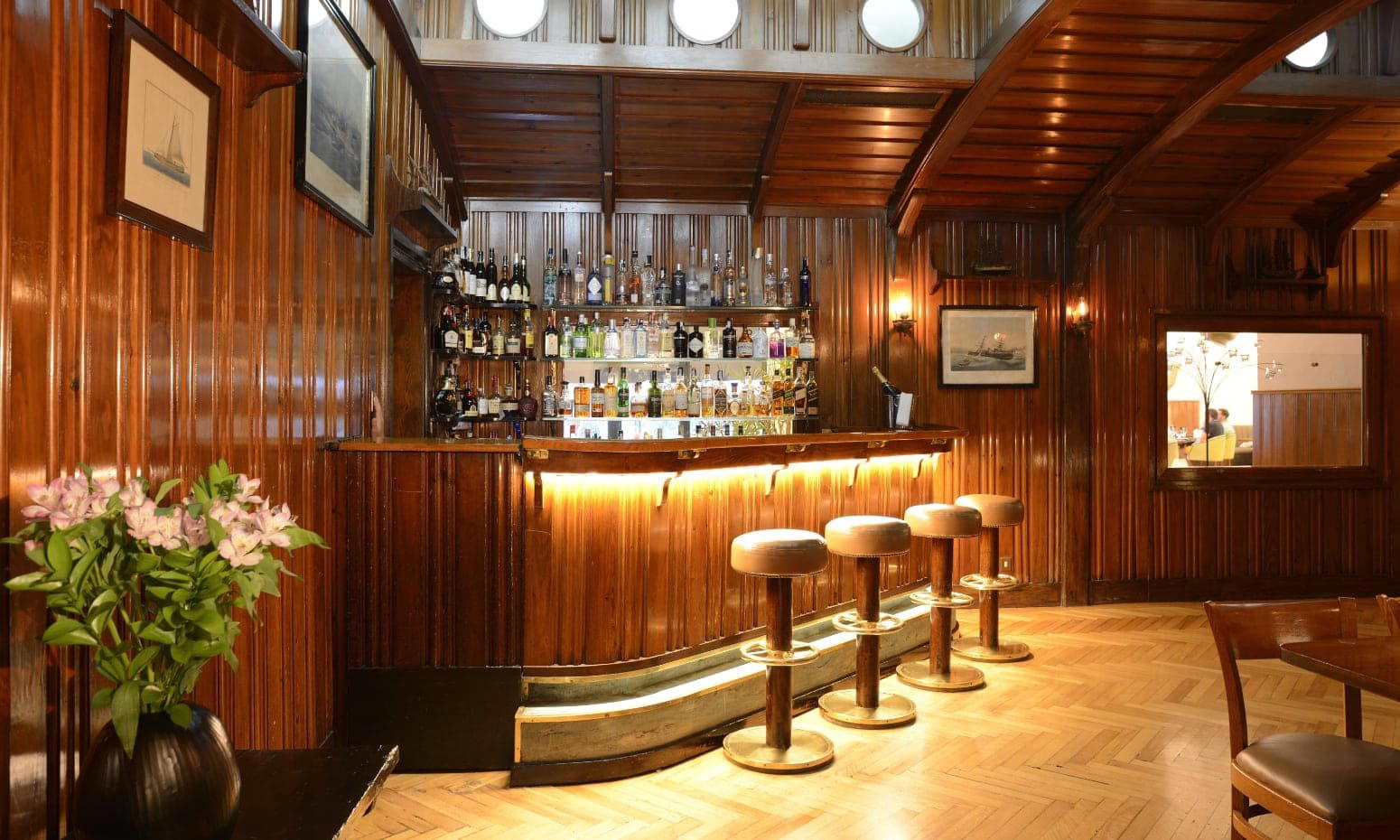
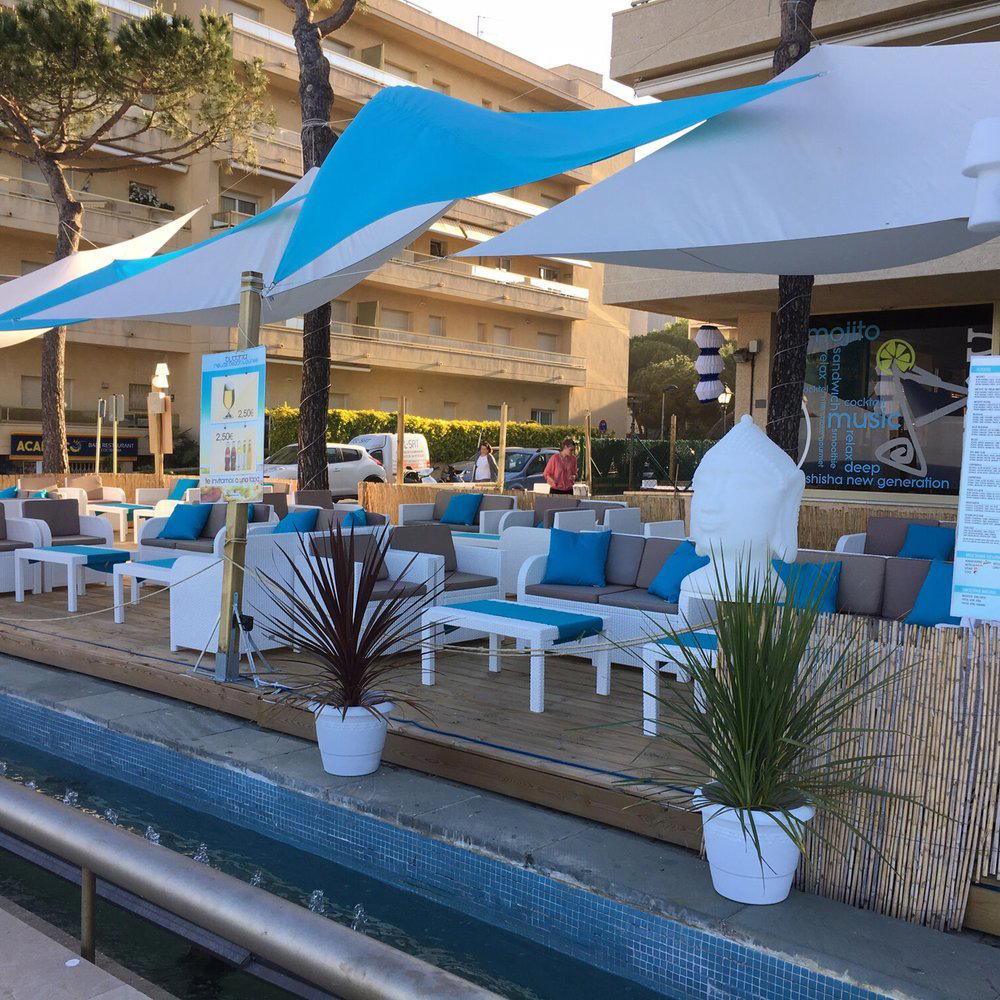
Restaurants in Palafrugell
Browse all →

Details
- Romantic
- Scenic
- Quiet
- Elegant
- Cozy
- Romantic Getaway
- Weekend Escape
- Waterfront
- Terrace
- Panoramic View
- Wi Fi
- Restaurant
- Spa
- Bar
- Waterfront
- Accessible Parking
Peaceful and elegant nautical style with magnificent infinite sea views and ocean-view terrace dining.