

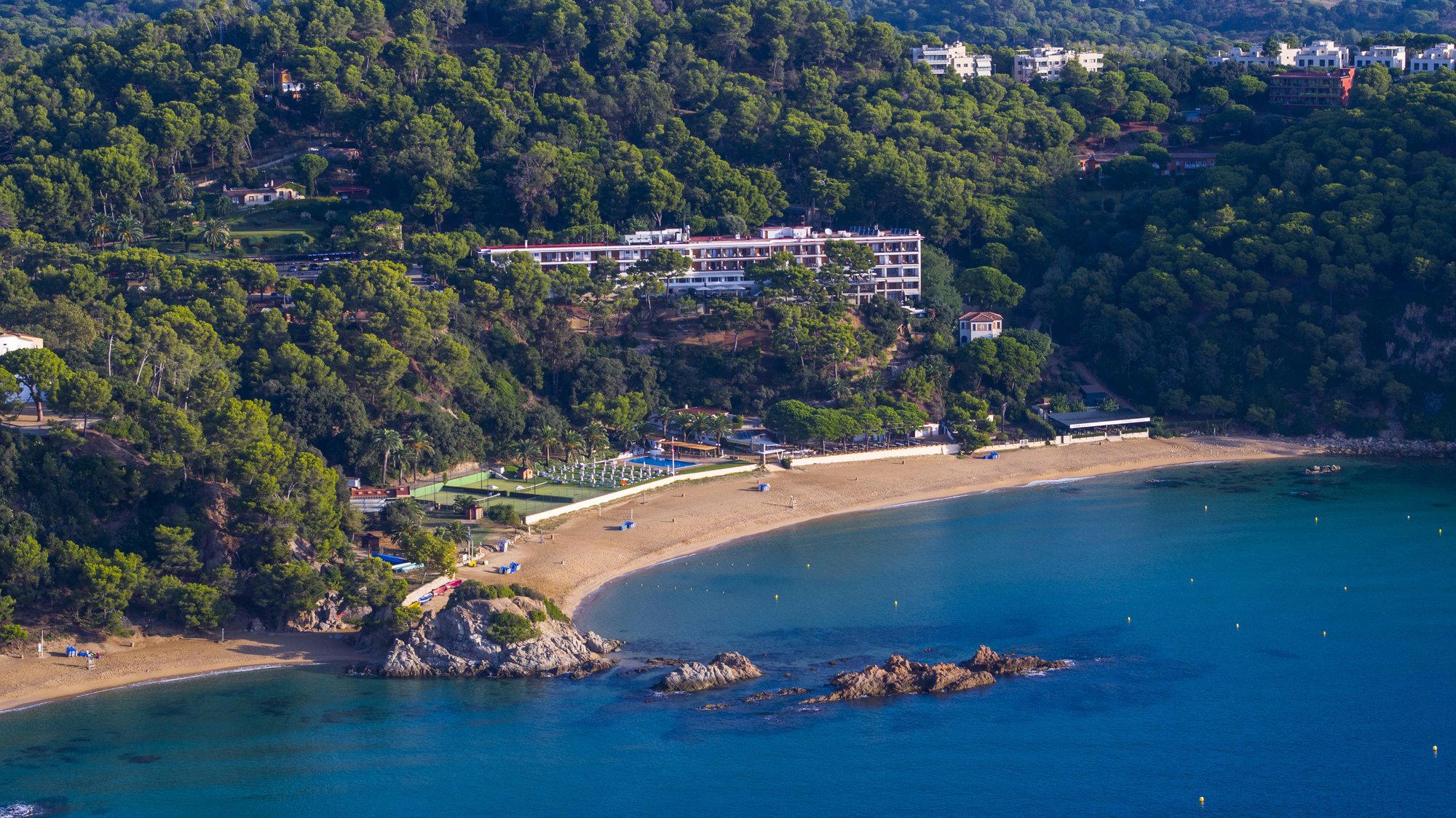
Hostal de la Gavina occupies a singular position on Spain's Costa Brava: a members-of-the-Leading-Hotels-of-the-World property set in S'Agaró, the planned residential enclave that architect Rafael Masó designed in the 1920s. The hotel's architecture and setting have made it a reference point for Mediterranean luxury along the Girona coastline for nearly a century.
Pearl is the En Primeur Club membership app — saves, bookings, and concierge access live there. Same editors, same standards.
- Address
- Rosaleda Pza, s/n, 17248 S'Agaró, Girona
- Phone
- +34 972 32 11 00
- Website
- lagavina.com
- Directions
- Get directions
 Saves & bookings on Pearl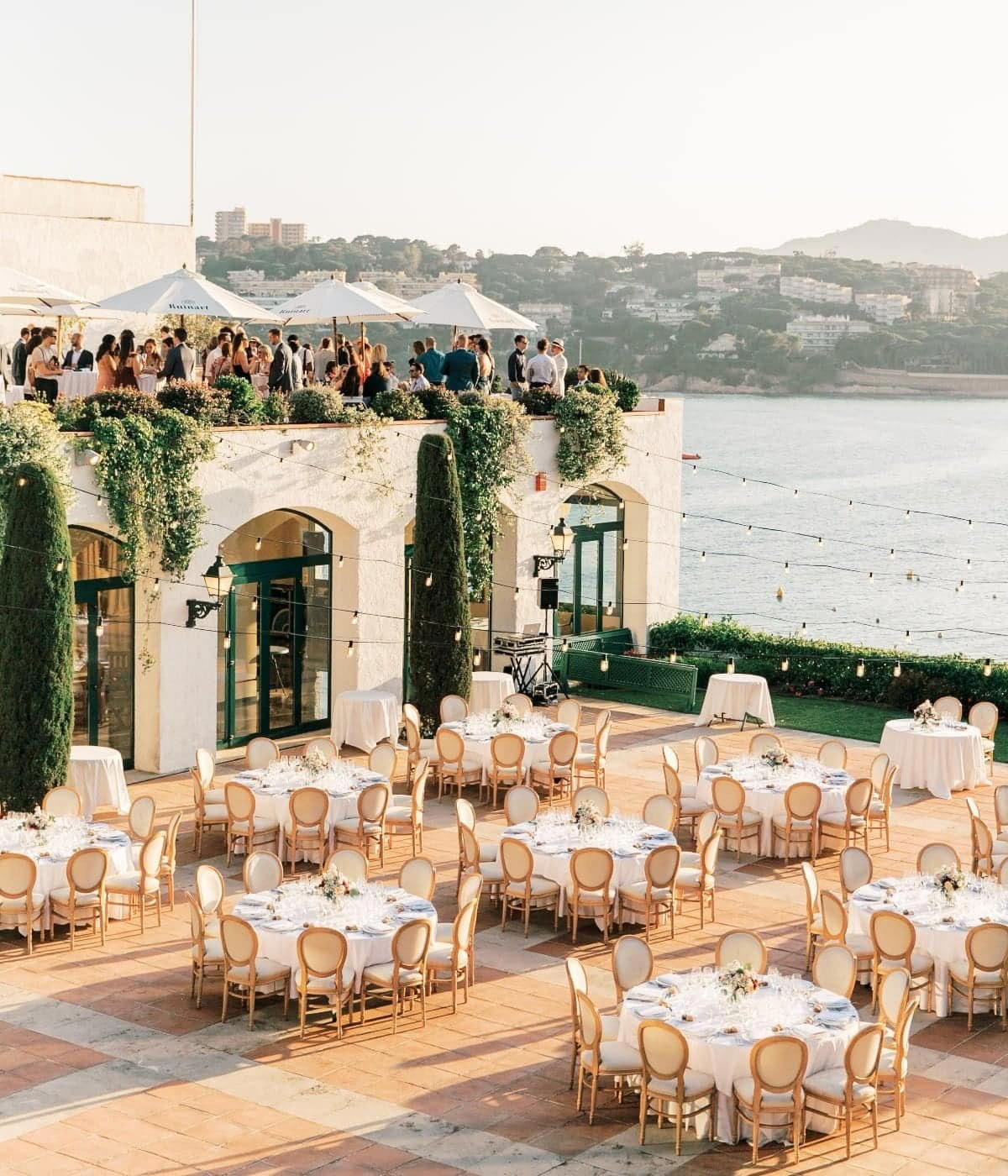
Architecture as Identity: How S'Agaró Shaped Its Most Celebrated Address
The Costa Brava has spent decades resisting the homogenisation that flattened much of Spain's Mediterranean coastline into concrete resort strips. S'Agaró, a planned residential community developed from the 1920s onward under a single architectural vision, is the clearest evidence of that resistance. Its streets and villas follow a Noucentisme aesthetic, a Catalan variant of neoclassicism that valued Mediterranean proportion, whitewashed surfaces, and integration with the pine-covered hillsides above the Platja de Sant Pol. Within that setting, Hostal de la Gavina does not simply occupy a building; it inhabits an argument about what coastal architecture can be.
Leading Hotels of the World membership is an affiliation that carries weight precisely because its admission criteria emphasise physical environment, service consistency, and architectural character alongside more obvious hospitality metrics. In the Iberian peninsula, the cohort of Leading Hotels properties is relatively small, and on the Costa Brava, the designation is effectively exclusive. That context matters when reading the hotel against its regional peers. This reflects a longstanding physical and operational standard.
The Built Environment: Reading the Space
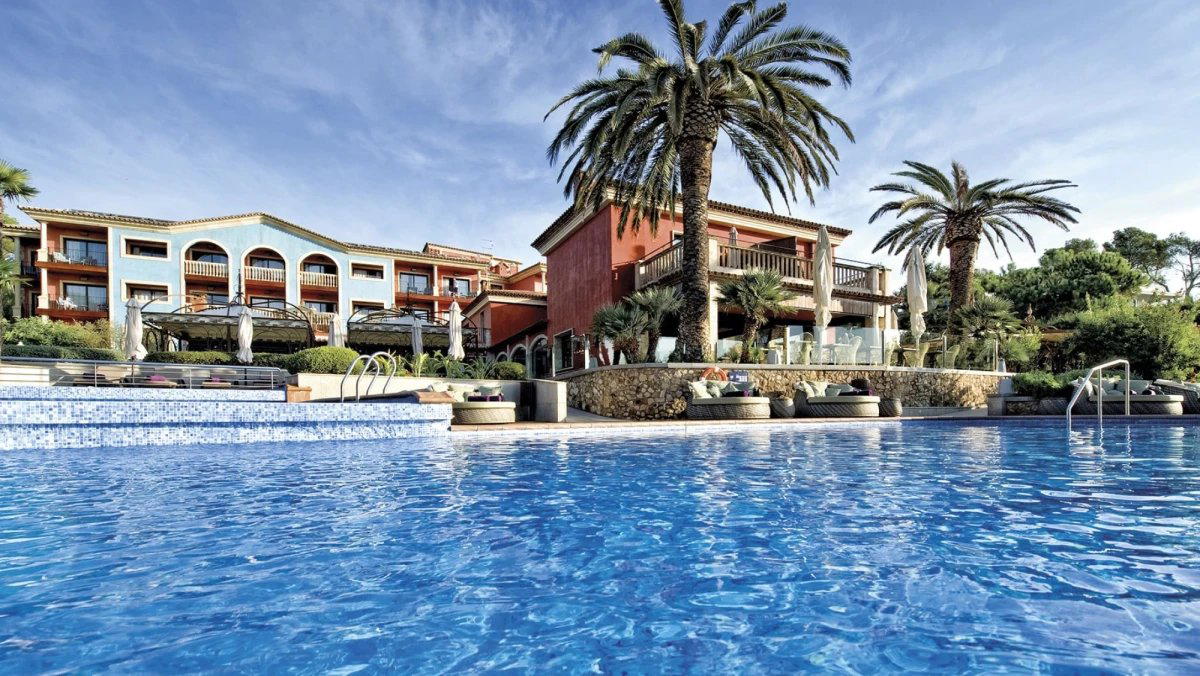
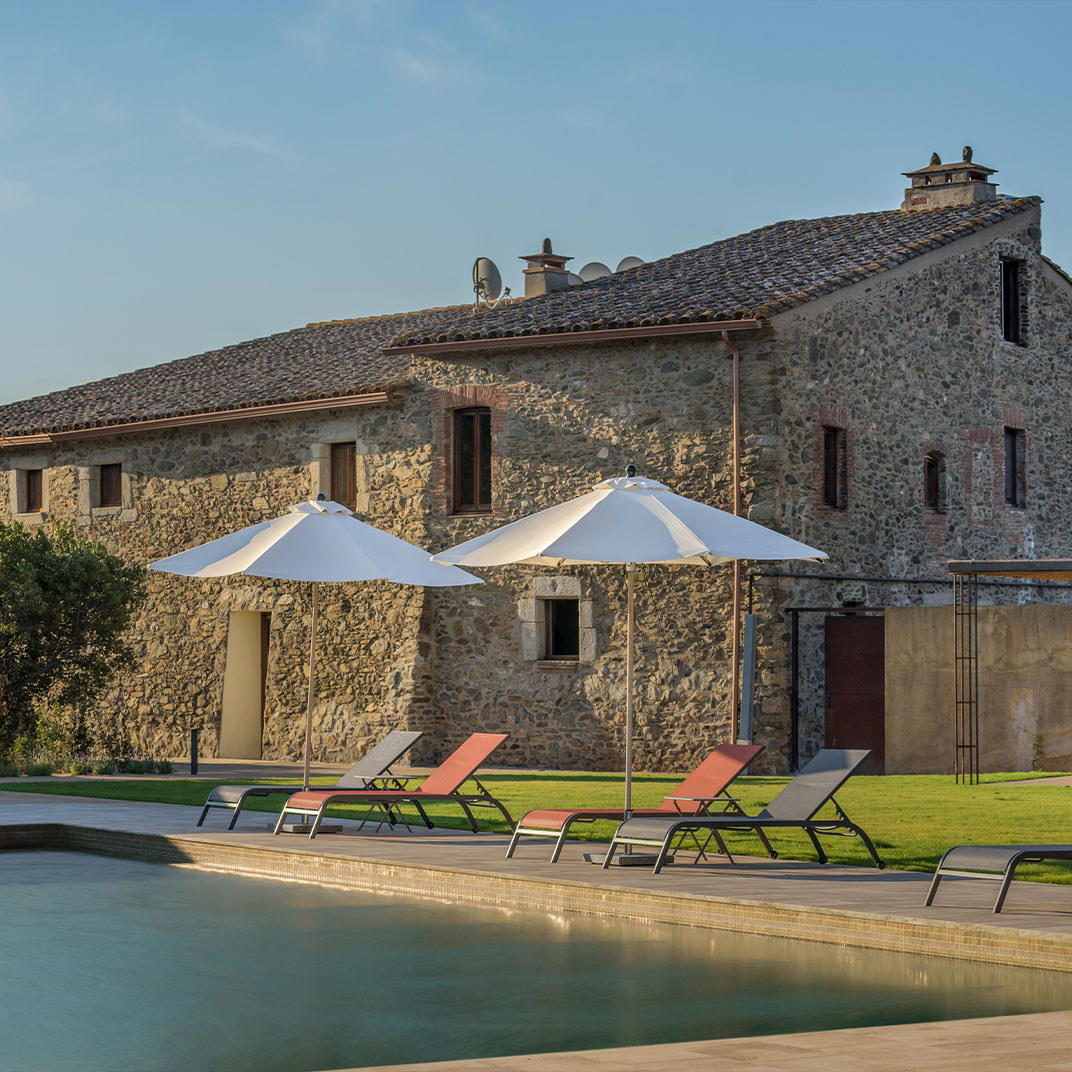
S'Agaró's architectural discipline means that properties here carry the imprint of the broader town plan, not just their own design decisions. The Noucentisme movement, which shaped S'Agaró under the influence of architect Rafael Masó and later Josep Ensesa, favoured formal garden geometry, ceramic-tiled detailing, arcaded loggias, and a sober palette that borrowed from Catalan farmhouse vernacular without becoming rustic. Hostal de la Gavina emerged from that same vocabulary and sits on the rocky promontory between Sant Pol and Sa Conca beaches in a position that foregrounds the relationship between the built structure and the sea.
In the broader pattern of Spanish coastal luxury, this places Gavina in a distinct cohort: properties whose identity is inseparable from a specific architectural moment. Compare it mentally with Mas de Torrent Hotel & Spa in Torrent, another Empordà-area property where the masía structure anchors the guest experience, or with Cap Rocat in Cala Blava, a Mallorcan property where a nineteenth-century military fortress provides the architectural frame. In each case, the building is not backdrop, it is the primary hospitality offering. Gavina operates under the same logic: the architecture precedes and justifies everything else.
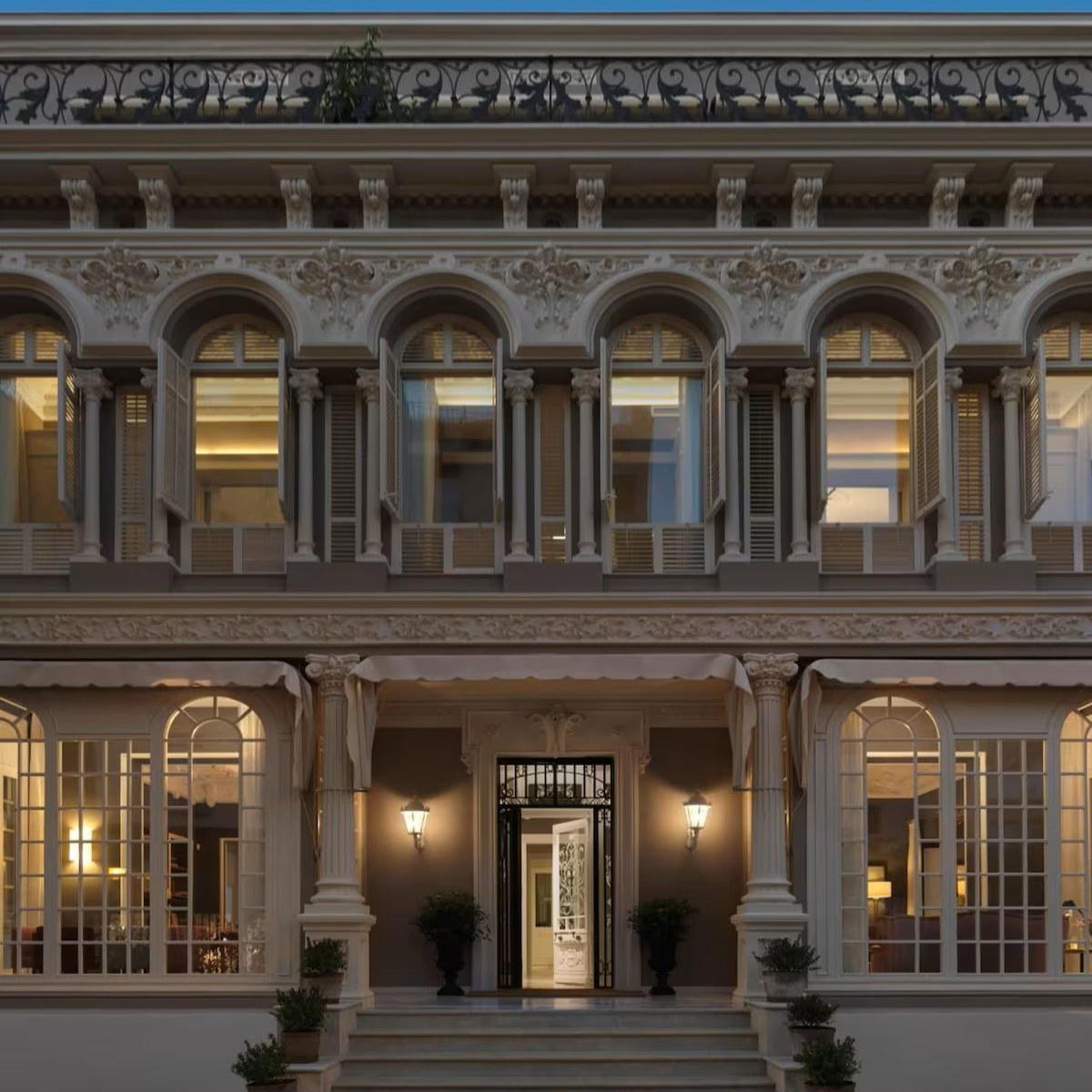
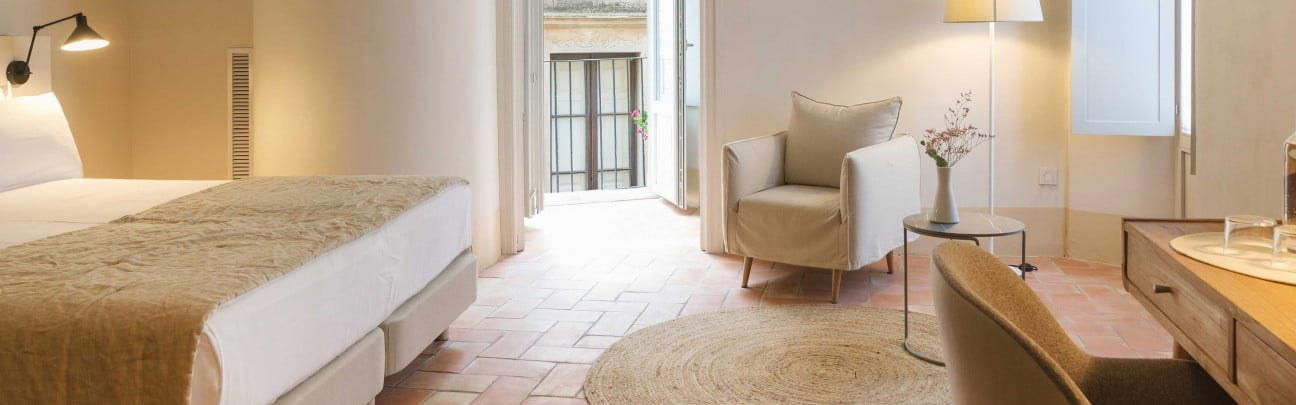
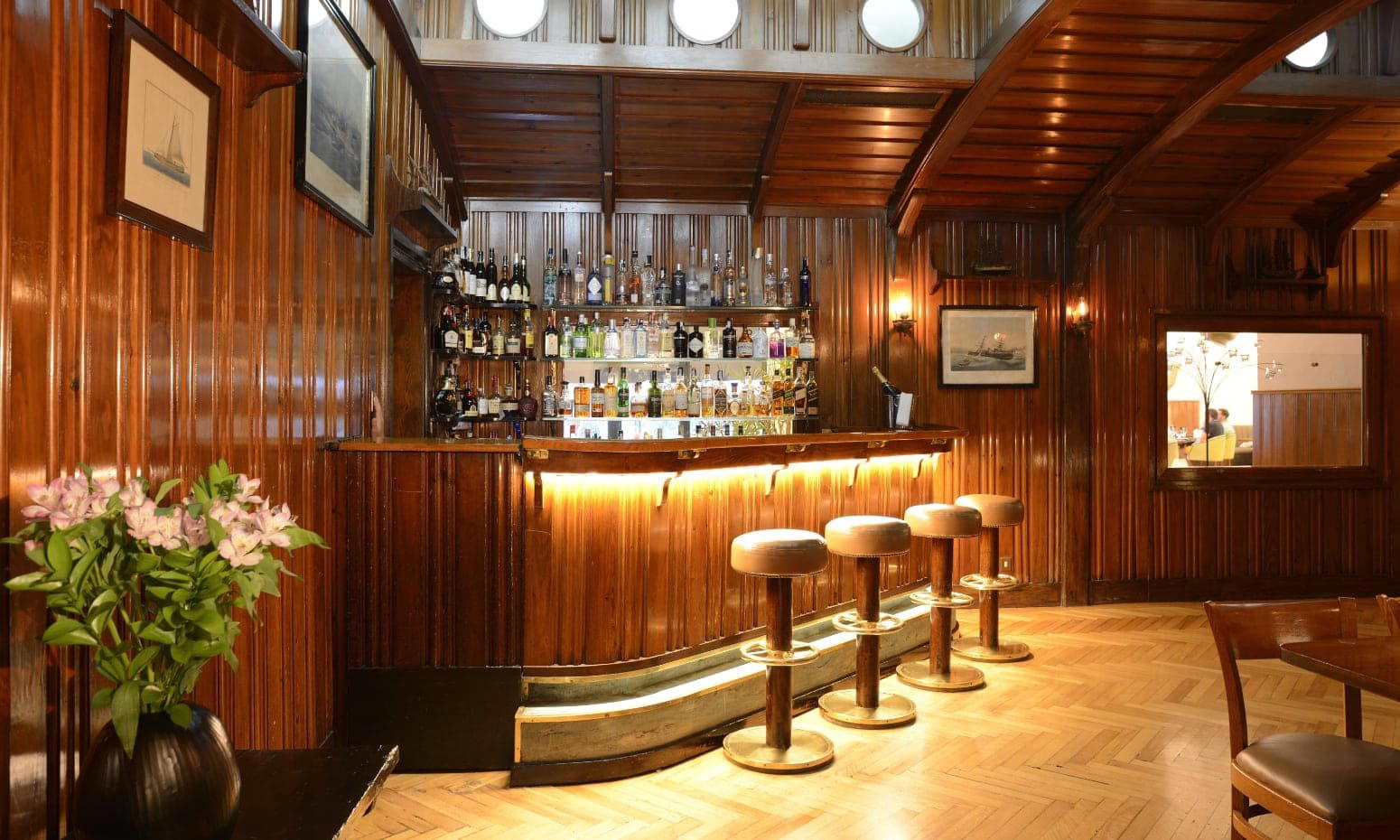
Interior spaces in properties of this generation and typology tend toward formal grandeur: high ceilings, antique furnishings sourced over decades rather than specified wholesale, and a heaviness of material, stone, dark wood, wrought iron, that resists the lighter minimalism that newer coastal hotels have adopted. For travellers accustomed to that newer register, Gavina will read as deliberately old-world. That is not a criticism; it is the point. The property maintains a formal aesthetic continuity that many hotels in this category have abandoned in pursuit of a more photographable contemporary look.
Situating the Property in Spain's Premium Hotel Tier
Spain's leading hotel tier has diversified considerably in recent years. City-centre palaces such as Mandarin Oriental Ritz, Madrid and Mandarin Oriental Barcelona represent the urban anchor of premium hospitality in the country, while design-led rural conversions, Abadía Retuerta LeDomaine in Teruel, Atrio Restaurante Hotel in Cáceres, or Terra Dominicata in Escaladei, have built their identities around gastronomy, wine production, or destination remoteness. Coastal properties occupy a separate competitive logic, where seasonality, beach access, and the quality of the immediate marine environment weight the decision.
On the Costa Brava specifically, the offer at the leading end is less dense than in Mallorca, where properties like La Residencia, A Belmond Hotel, Mallorca or Hotel Can Ferrereta in Santanyí operate within a richer ecosystem of comparable properties. S'Agaró's relative seclusion, the town is deliberately low-density and its beach access limited compared to mass-market Costa Brava resorts, means Gavina operates with fewer direct local competitors. That scarcity shapes the guest profile: travellers who choose S'Agaró are opting out of the more animated resort towns of Lloret de Mar or Platja d'Aro in favour of a quieter, architecturally specific setting.
For those cross-referencing with Balearic alternatives, the calculus involves trade-offs between the Costa Brava's wilder, pine-edged coves and Mallorca's or Ibiza's more developed luxury infrastructure. BLESS Hotel Ibiza and Hotel Can Cera in Palma serve a different appetite, more contemporary, more socially oriented, than the deliberately measured pace of S'Agaró.
Planning a Stay: Logistics and Timing
S'Agaró is accessible from Girona-Costa Brava Airport, which serves regular routes from several European cities, particularly from spring through early autumn.
The Costa Brava high season runs from late June through early September. Spring visits, April through early June, offer the clearest skies and the least congestion along the coastal roads, with sea temperatures that begin to become swimmable from late May onward. October retains warmth and the September crowds thin quickly, making it a period that experienced Costa Brava visitors often prefer.
Travellers combining S'Agaró with broader Catalonia itineraries should note that Can Mascort Eco Hotel in Palafrugell sits within the same coastal stretch and offers a different register, smaller-scale, rural-oriented, for those wanting to extend a stay across multiple property types in the region.
How It Stacks Up
Comparable venues nearby, for context on price, style, and recognition.
| Venue | Cuisine | Price | Awards | Notes |
|---|---|---|---|---|
| Hostal de la GavinaThis venue — the venue you are viewing | Historic grand luxury resort with timeless artistic heritage. | $$$$ | 5-Star | Not listed |
| Finca Victoria | Restored 1960s Catalan finca with maritime-inspired wooden elements and traditional Masia feel. | $$$$ | 5-Star | Sa Riera |
| Summum Boutique Hotel, member of Meliá Collection | Luxury boutique hotel housed in a meticulously restored 15th-16th century Gothic palace with contemporary design interventions. | $$$$ | 5-Star | Palma Old Town |
| UMusic Hotel Madrid | Music and culture-infused luxury in a historic landmark. | $$$$ | 5-Star | Centro |
| Vincci Selección Unuk | Grand Luxury boutique hotel blending traditional Sevillian architecture with contemporary design; intimate 34-room property positioned as a design destination with Michelin Key recognition. | $$$$ | 5-Star | Soho (Seville Old Town) |
| Metrópolis Madrid | Contemporary luxury design hotel | $$$$ | 5-Star | Gran Vía |
Recognition history
Dated appearances from independent guides and award organizations, with the underlying list record or original source where available.
Leading Hotels of World Member
Leading Hotels of World
Michelin Selected
Michelin
At a Glance
- Elegant
- Romantic
- Classic
- Sophisticated
- Scenic
- Honeymoon
- Romantic Getaway
- Anniversary
- Weekend Escape
- Beachfront
- Historic Building
- Panoramic View
- Terrace
- Pool
- Spa
- Fitness Center
- Room Service
- Concierge
- Tennis Court
- Beach Access
- Wi Fi
- Restaurant
- Waterfront
- Garden
- Pool
- Spa
- Fitness Center
- Room Service
- Concierge
- Tennis Court
- Beach Access
- Wi Fi
- Restaurant
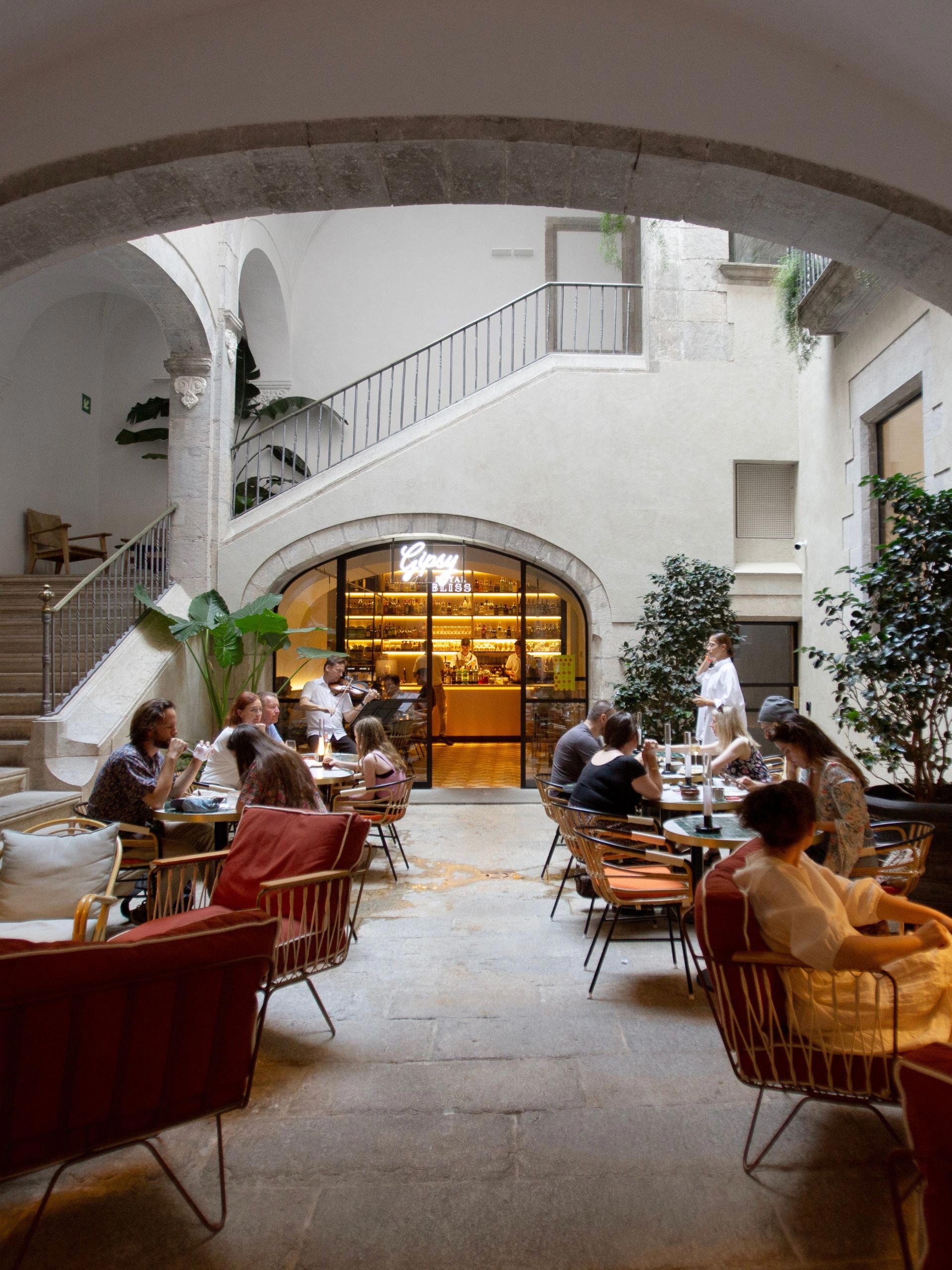
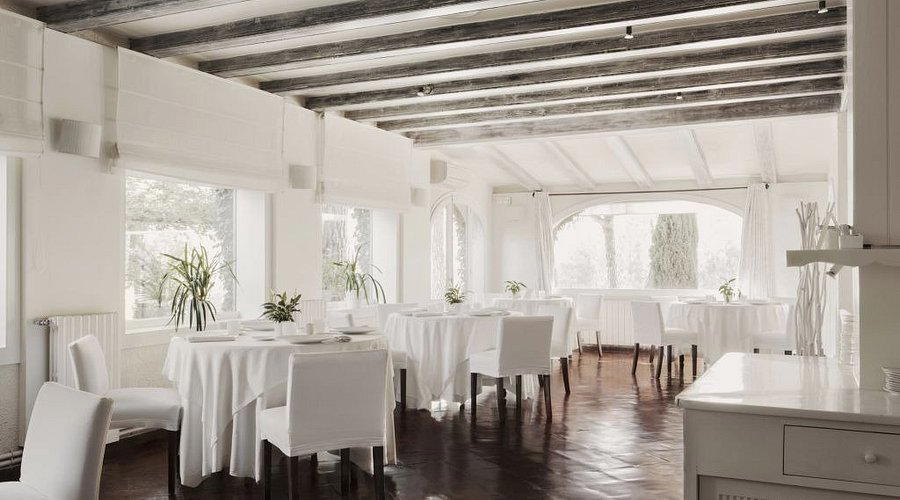
Timelessly elegant with ornate lighting from Murano glass chandeliers, antique decor, and a serene, sophisticated atmosphere praised in guest reviews.