
A small-scale beachfront property on Tulum's Hotel Zone strip, Mezzanine trades on low room counts and direct Caribbean access rather than resort scale. The welcome margarita on arrival sets the register: relaxed, personal, and pitched toward guests who want a beach stay without the crowd dynamics of larger operations. For context on where it sits in Tulum's boutique tier, see our full Tulum hotels guide.
Pearl is the En Primeur Club membership app — saves, bookings, and concierge access live there. Same editors, same standards.
- Address
- Carretera Tulum-Boca Paila Km 4.4, Zona Hotelera Tulum, Zona Hotelera, 77780 Tulum, Q.R.
- Phone
- +52 984 131 1596
- Website
- mezzaninetulum.com
- Directions
- Get directions
 Saves & bookings on Pearl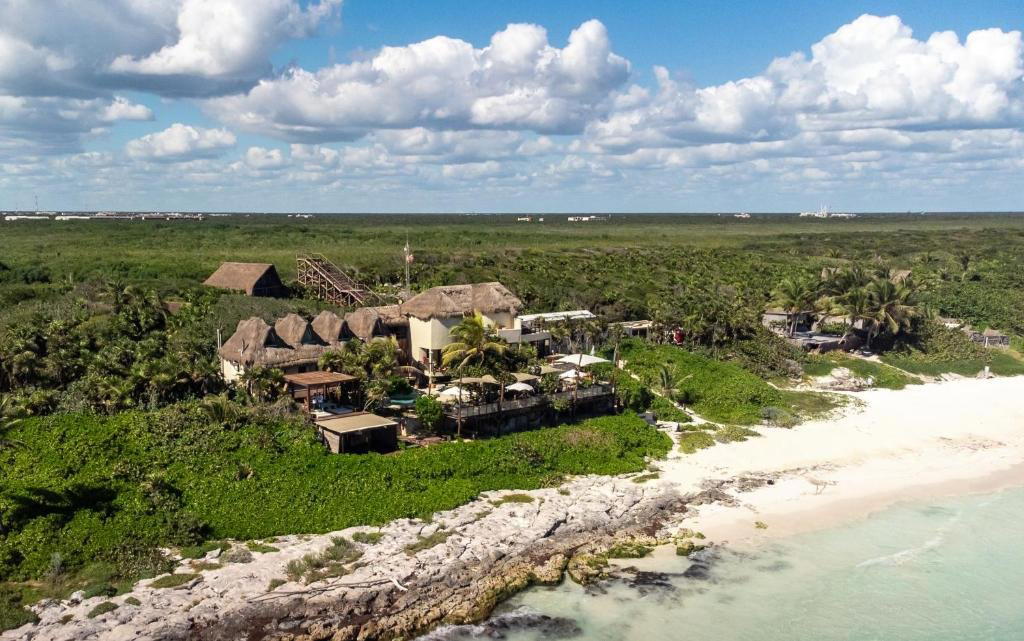
Where Tulum's Boutique Hotel Logic Plays Out on the Beach
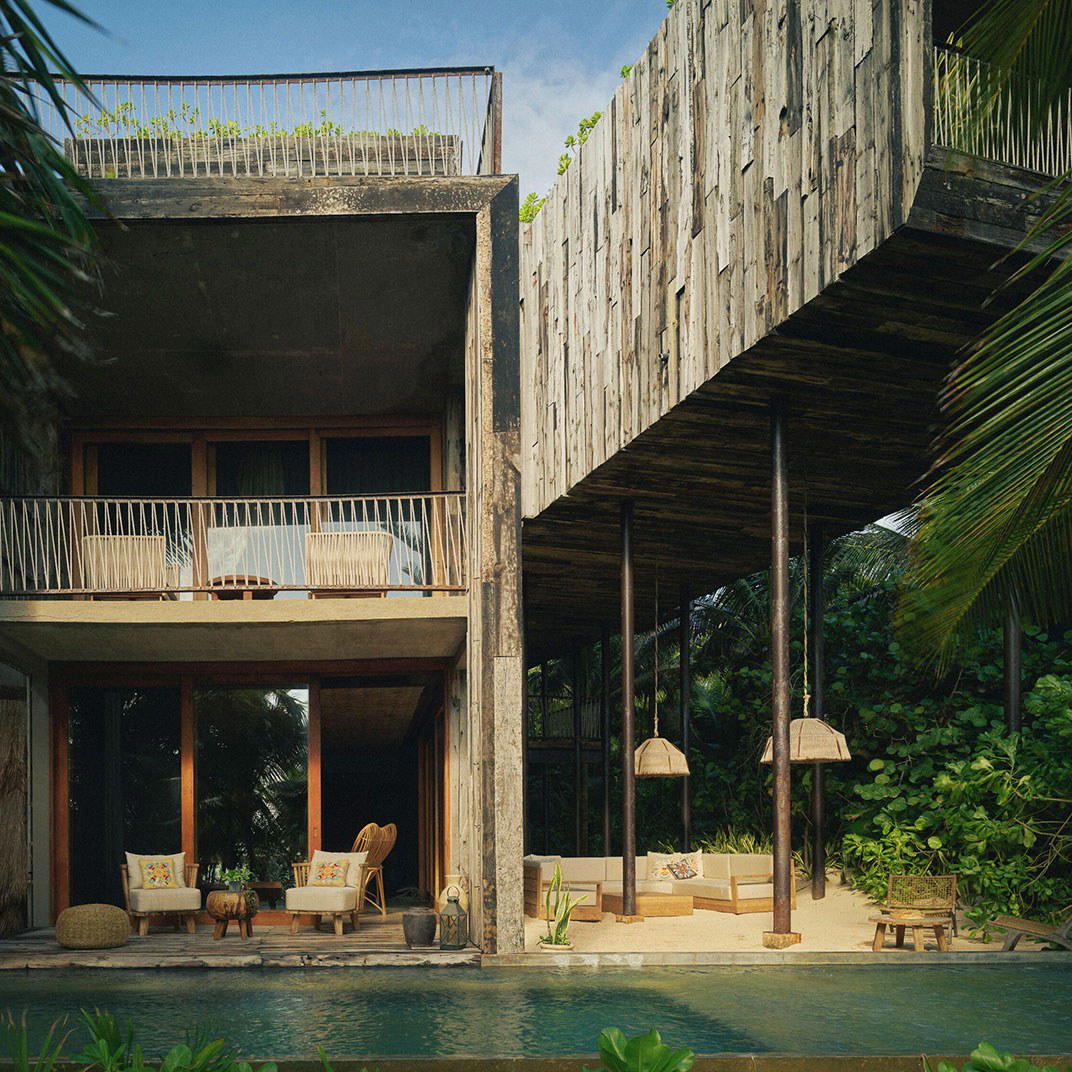
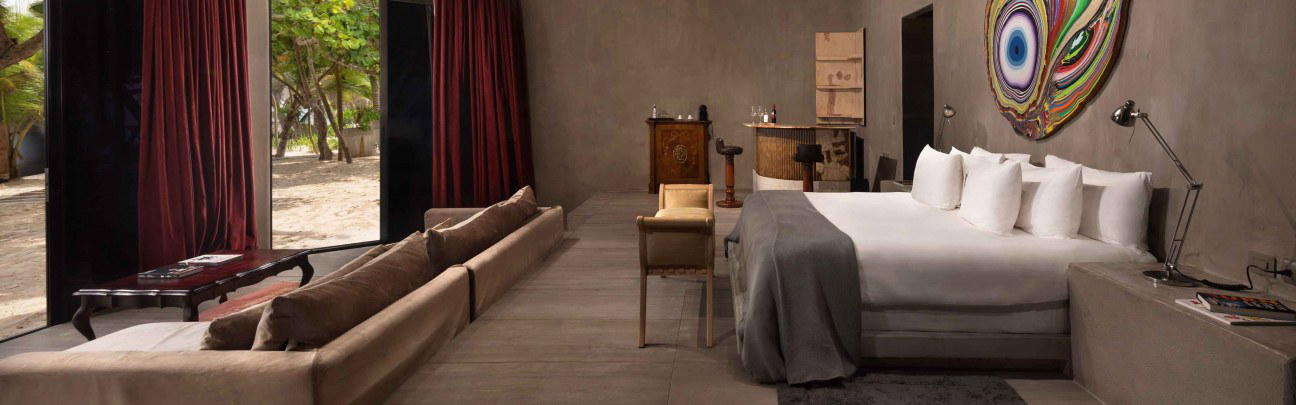
The Hotel Zone road south of Tulum town, Carretera Tulum-Boca Paila, has become one of Mexico's most discussed stretches of boutique accommodation. Properties along this corridor have collectively redefined what beach lodging means at the premium end of the Yucatán: small room counts, design-forward architecture, and a deliberate turn away from the all-inclusive resort model that dominates Cancún to the north. Mezzanine is a five-star hotel at Km 4.4 of that road, with nine rooms and a nightly rate from $250. The property operates with a handful of rooms rather than the kind of inventory that forces operational standardisation, and its position directly on a quieter section of beach puts it in a comparable set defined by access and atmosphere rather than amenity lists.
Approaching from the road, the transition from the highway to the Caribbean side happens quickly. That proximity, combined with a room count that keeps the communal areas from feeling trafficked, is the structural argument for this category of Tulum hotel. Properties like Azulik, Hotel Bardo, and Bespoke Tulum occupy the same general logic: limit the keys, control the density, and let the location do the work that marketing budgets do at larger operations.
The Welcome Ritual as a Signal of Register
A property's first gesture tells you a great deal about where it positions itself. At Mezzanine, that gesture is a welcome margarita. In a region where boutique hotels compete on feel as much as on thread counts or spa footprints, the arrival experience is calibrated deliberately. The margarita signals informality without casualness, a register that fits the Tulum Hotel Zone's general personality: beach-facing, socially relaxed, but attentive in the specifics. It is the same instinct that drives the welcome rituals at Amansala Resort and Encantada Tulum, where the tone is set before a guest reaches their room.
This hospitality register also speaks to what these small properties are actually selling: a curated version of ease. The absence of a large check-in desk, a numbered queue, or a printed room key card protocol is itself a product feature. Guests who choose Mezzanine over a larger operation along the same strip are, at least in part, choosing the atmosphere that a limited room count makes possible.
What the Hotel Zone comparable set Looks Like
Tulum's hotel strip has stratified considerably over the past decade. At the leading edge sits a tier of properties with significant design investment: Hotel Esencia, with its hacienda architecture and spa credentials, and Casa Malca, which trades on its art-collection identity. Below that, but still firmly in the boutique rather than budget category, sits a wider band of properties that offer beach access and personality without the same depth of investment in programming or design provenance. Copal Tulum Hotel and Hotel Bardo compete in this space, as does Mezzanine.
What distinguishes properties in this mid-boutique tier is usually not a single standout feature but the accumulation of small calibrations: the quality of the food and drink offering, the ratio of staff to guests, and whether the physical environment feels designed or assembled. On the Tulum strip, where new properties have opened at pace, these distinctions matter more than they might elsewhere because the visual language of Tulum boutique hotels, palapa roofs, open-air architecture, natural materials, has been widely copied. The differentiators have shifted toward service quality and operational consistency.
Food and Drink on the Property
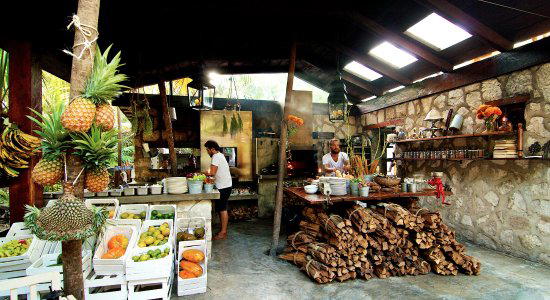
Mezzanine's food and drink operation follows the logic common to small beachfront properties in this corridor: a bar and dining operation that functions as both a hotel amenity and a destination for non-staying guests. This dual function is structurally significant. Hotels along Carretera Tulum-Boca Paila that run their food and drink well attract beach club and walk-in traffic, which in turn sustains quality and keeps the kitchen economically viable without relying entirely on a small room count to fill covers.
The welcome margarita, as an opening gesture, indicates that the bar program sits at the centre of the property's identity rather than operating as a secondary consideration. In Tulum's Hotel Zone, where competition for daytime spend is significant, a property that leads with its beverage offering is positioning itself correctly for the market. Comparable properties in the broader Mexican Pacific and Caribbean resort corridor, from Maroma in Riviera Maya to Etéreo, Auberge Resorts Collection in Punta Maroma, run food and drink programs that operate as genuine pull factors rather than conveniences. The scale is different, but the structural logic is the same.
Planning a Stay: Practical Orientation
Mezzanine sits at Km 4.4 on the Carretera Tulum-Boca Paila, which puts it south of the main Tulum town centre and within the Hotel Zone proper. Reaching the property typically means arriving by taxi from Tulum town or from Cancún International Airport, which serves the region as the main international hub. The road itself is the axis for almost everything in this part of the Hotel Zone, so guests should plan for ground transport rather than walkability between properties. For guests comparing Mezzanine against other properties in this corridor, Azulik and Amansala Resort are both relevant reference points in the boutique category, while Hotel Esencia represents the upper tier of the same corridor. For Mexico more broadly, properties like Las Ventanas al Paraíso in San José del Cabo, Montage Los Cabos, and Chablé Yucatán in Merida offer a useful sense of how the Tulum boutique tier compares nationally.
Comparable Spots, Quickly
Comparable venues nearby, for context on price, style, and recognition.
| Venue | Cuisine | Price | Awards | Notes |
|---|---|---|---|---|
| MezzanineThis venue — the venue you are viewing | Luxury boutique beachfront resort emphasizing intimate scale and personalized service with Caribbean elegance. | $$$$ | 5-Star | Not listed |
| La Zebra | barefoot luxury beachfront boutique | $$$$ | 5-Star | Tulum |
| TAGO Tulum | Eco-conscious luxury boutique hotel blending contemporary design with authentic Mayan architectural elements and natural materials. | $$$$ | 5-Star | Tulum |
| BE Destination Tulum | Boutique beachfront resort where luxury merges seamlessly with nature. | $$$$ | 5-Star | Tulum |
| NABOA Hotel Tulum | Eco-luxury boutique hotel emphasizing stillness, intention, and connection to nature; positioned as a sanctuary for those seeking serenity over nightlife. | $$$$ | 5-Star | Tulum |
| Una Vida Tulum | Tropical jungle oasis with indoor-outdoor living. | $$$$ | 5-Star | Tulum City Center |
Recognition history
Dated appearances from independent guides and award organizations, with the underlying list record or original source where available.
Small Luxury Hotels of the World Member
Small Luxury Hotels of the World
Continue exploring
More in Tulum
Hotels in Tulum
Browse all →
Bars in Tulum
Browse all →
Restaurants in Tulum
Browse all →
At a Glance
- Romantic
- Intimate
- Elegant
- Scenic
- Romantic Getaway
- Honeymoon
- Anniversary
- Weekend Escape
- Beachfront
- Terrace
- Garden
- Panoramic View
- Private Dining
- Wi Fi
- Outdoor Pool
- Beach Access
- Restaurant
- Bar
- Room Service
- Concierge
- Luggage Storage
- Laundry Service
- Waterfront
- Wi Fi
- Outdoor Pool
- Beach Access
- Restaurant
- Bar
- Room Service
- Concierge
- Luggage Storage
- Laundry Service
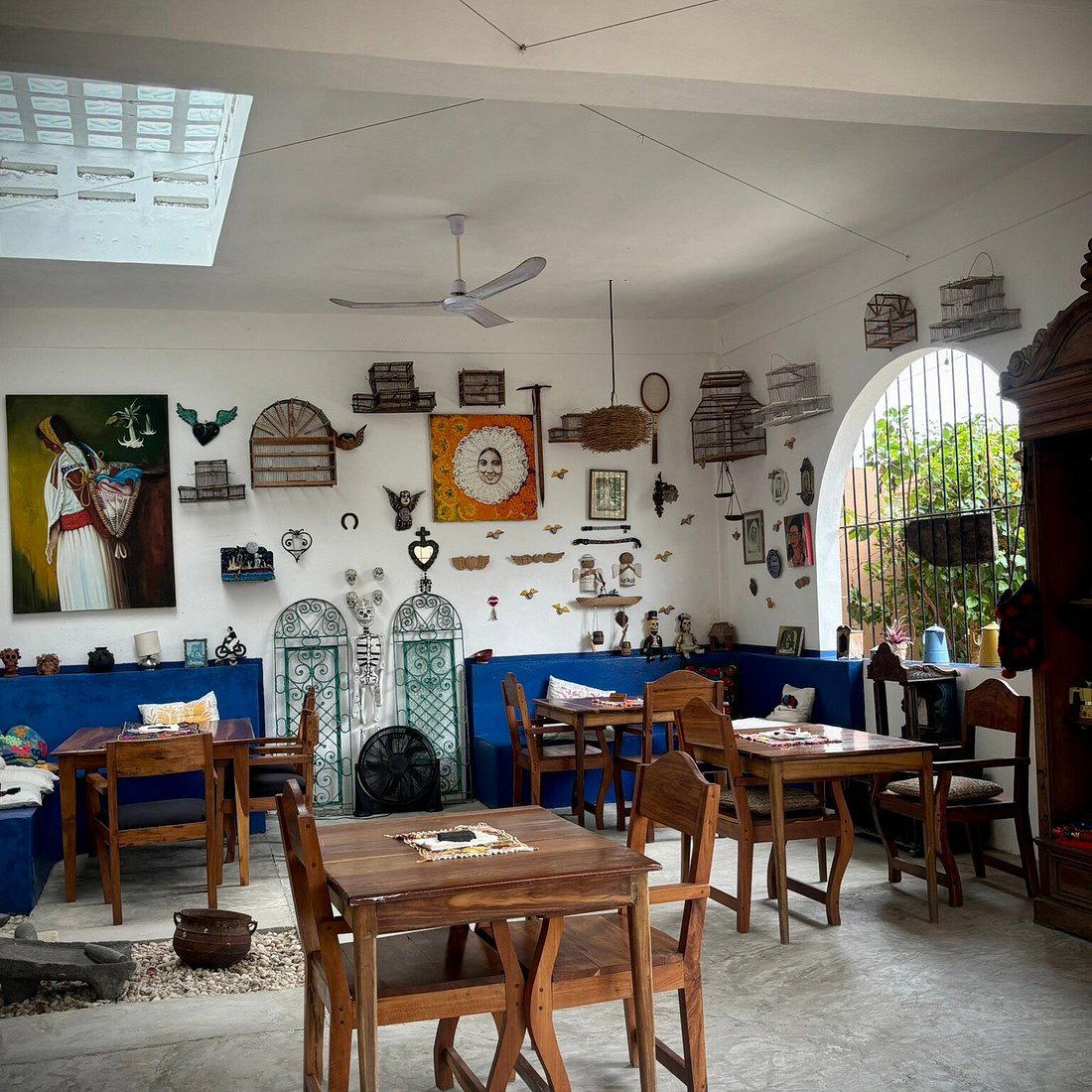
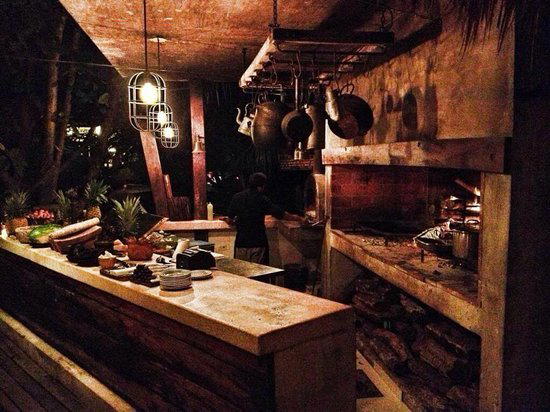
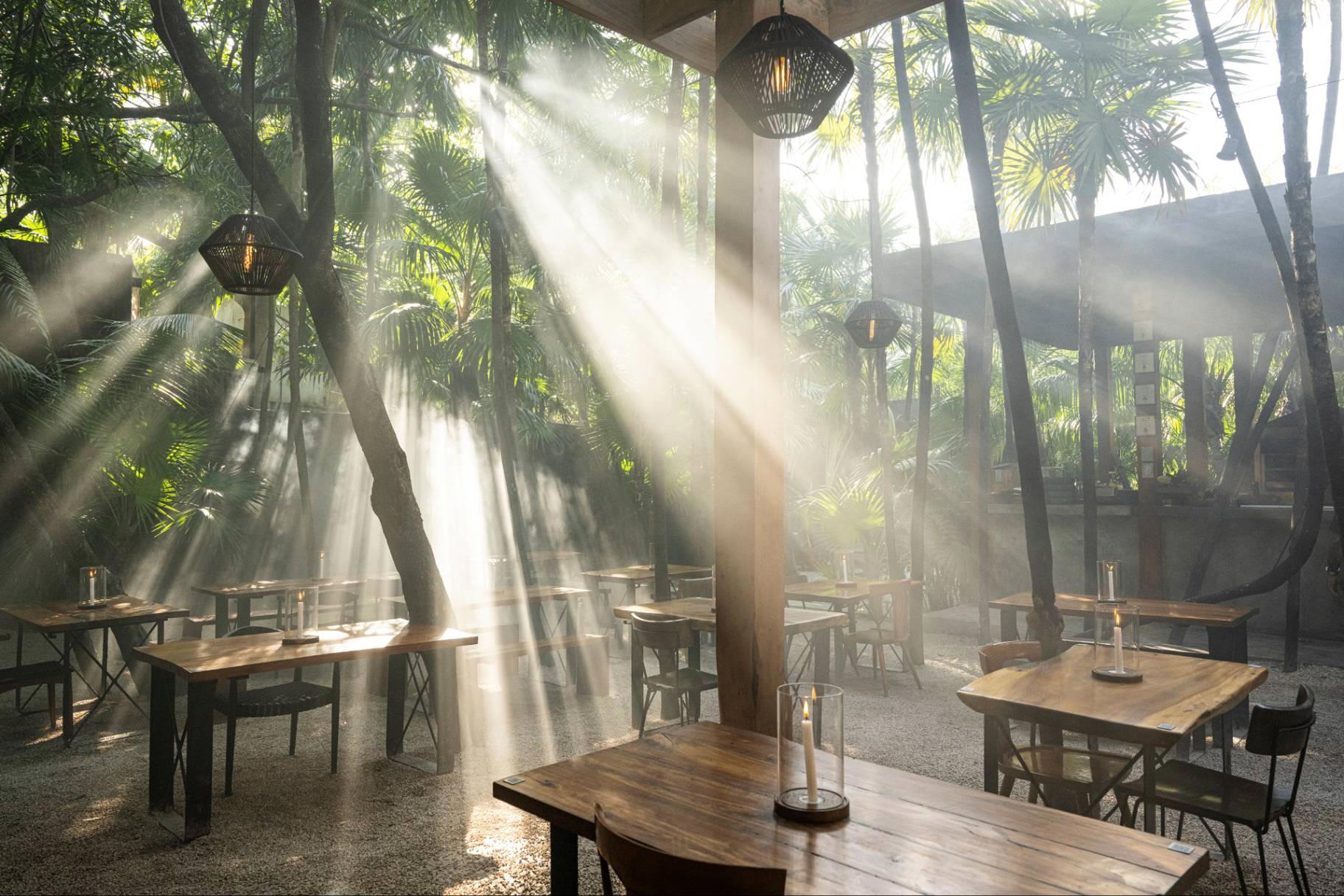
Serene and sophisticated with tropical vibes, featuring soft lighting from the terrace and garden areas, creating a peaceful retreat atmosphere.