Auberge du Bon Laboureur

Michelin Selected
A Michelin Selected auberge on the doorstep of Château de Chenonceau, Auberge du Bon Laboureur sits at the quieter, more intimate end of Loire Valley hospitality.

Pearl is the En Primeur Club membership app — saves, bookings, and concierge access live there. Same editors, same standards.
- Address
- 6 Rue Bretonneau, 37150 Chenonceaux, France
- Phone
- +33 2 47 23 90 02
- Website
- bonlaboureur.com
- Directions
- Get directions
Where the Loire Valley Slows Down
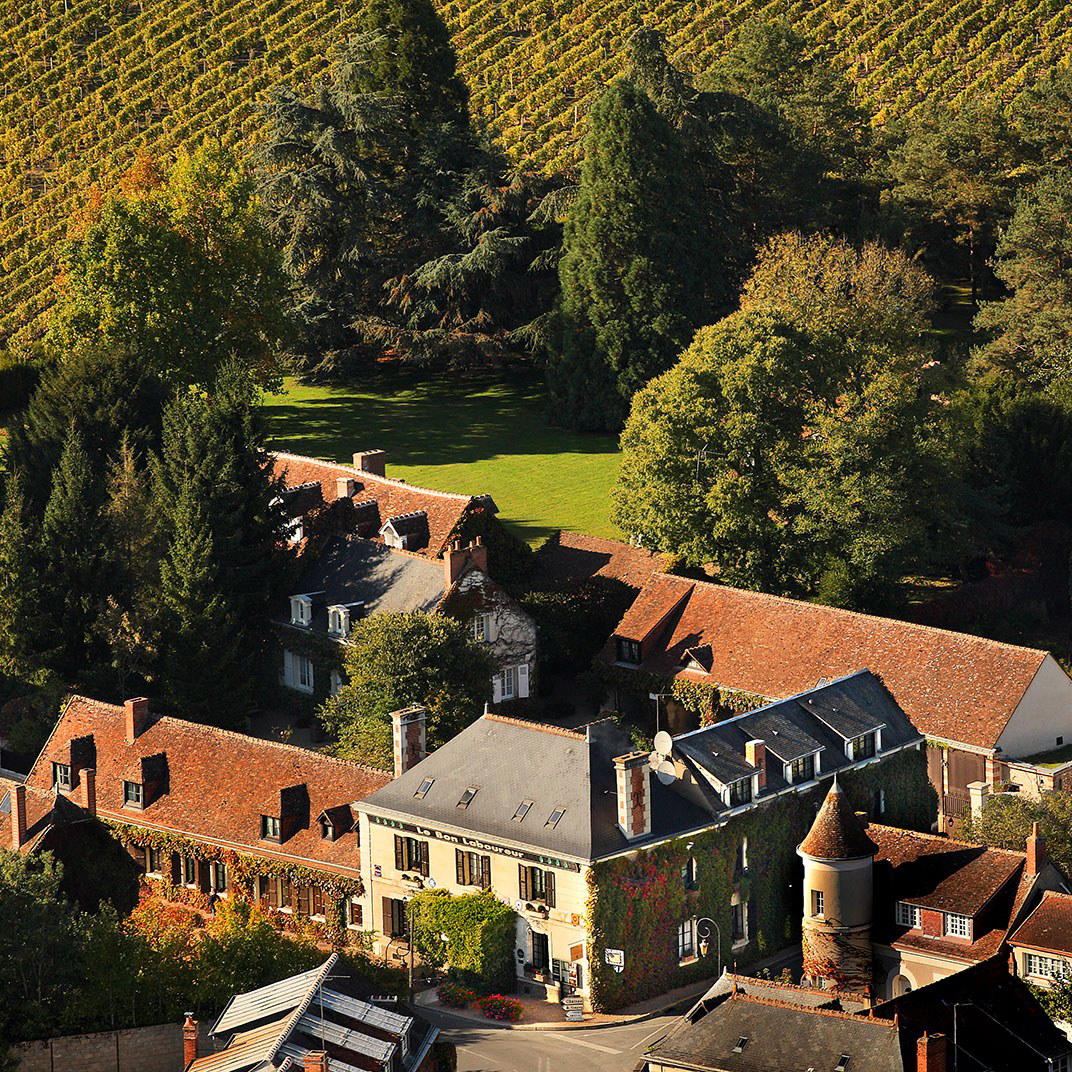
The village of Chenonceaux — population a few hundred, one famous château, and the Cher river threading beneath its arches — represents the Loire Valley at its most concentrated. Tourism here is focused and seasonal, peaking through summer and the early autumn harvest period when the vine-covered countryside around Amboise and Vouvray draws visitors who move between châteaux by bicycle or car along roads that haven't changed much in a century. Within that context, the hotel category in Chenonceaux is deliberately small: there is no international chain presence, no spa resort competing for space. The accommodation scene here belongs to properties that earn their position through architecture, location, and the kind of unhurried Touraine hospitality that the region has practised since before the Renaissance kings chose the Loire for their summer palaces.
Auberge du Bon Laboureur, at 6 rue Bretonneau, occupies that category and holds it with some conviction. A Michelin Selected property in the 2025 guide, it represents the kind of recognition that reflects consistent quality in setting, welcome, and positioning rather than a specific culinary or design revolution. For the Loire at this price tier, that signal matters.
The Architecture of an Auberge
The auberge format is one of the more durable building types in French provincial hospitality. Historically a roadside inn serving travellers between towns, the auberge evolved through the 19th and 20th centuries into something more settled: a house extended over generations, its original function absorbed into a longer residential identity. The physical result tends to be layered rather than designed, courtyards added, wings extended, gardens enclosed, and that accumulation is precisely what distinguishes the type from the purpose-built hotel. You read the history of a place in its elevations rather than in a press release.
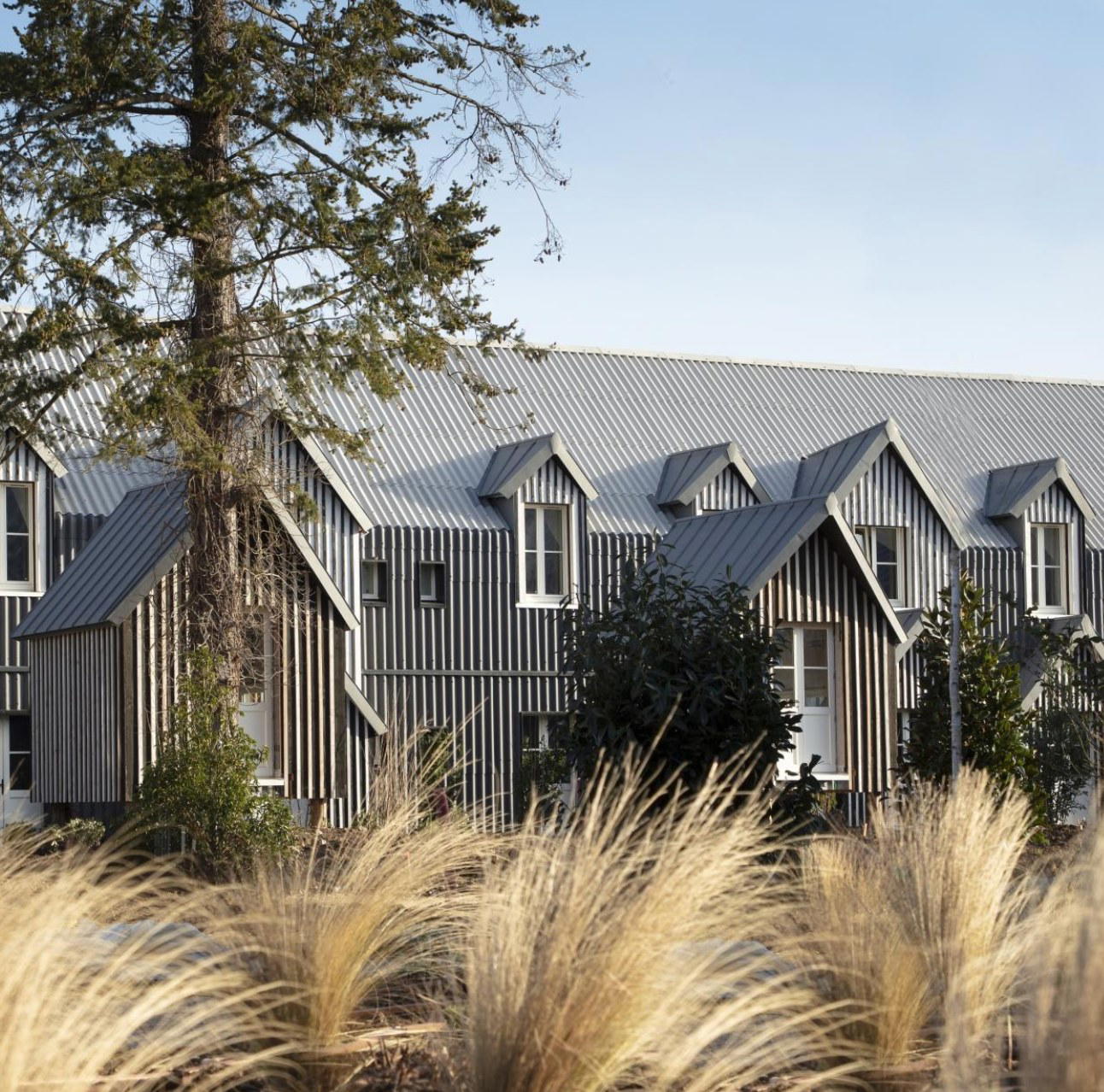
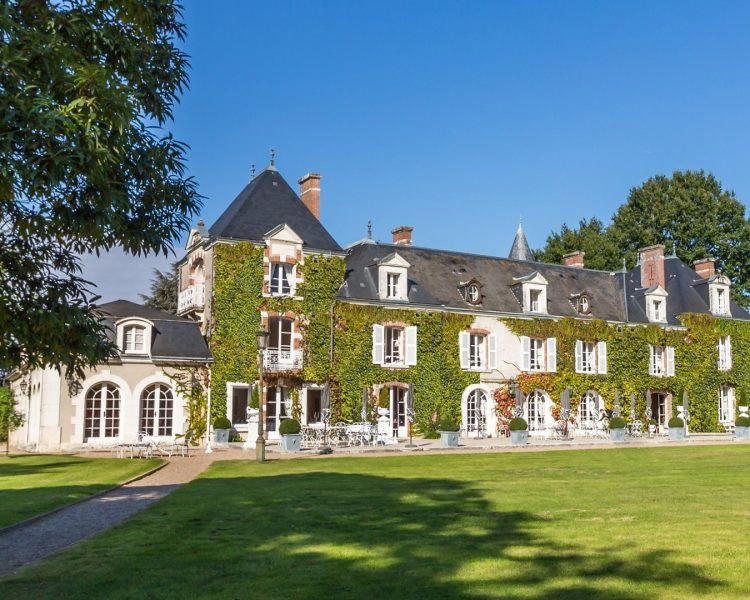
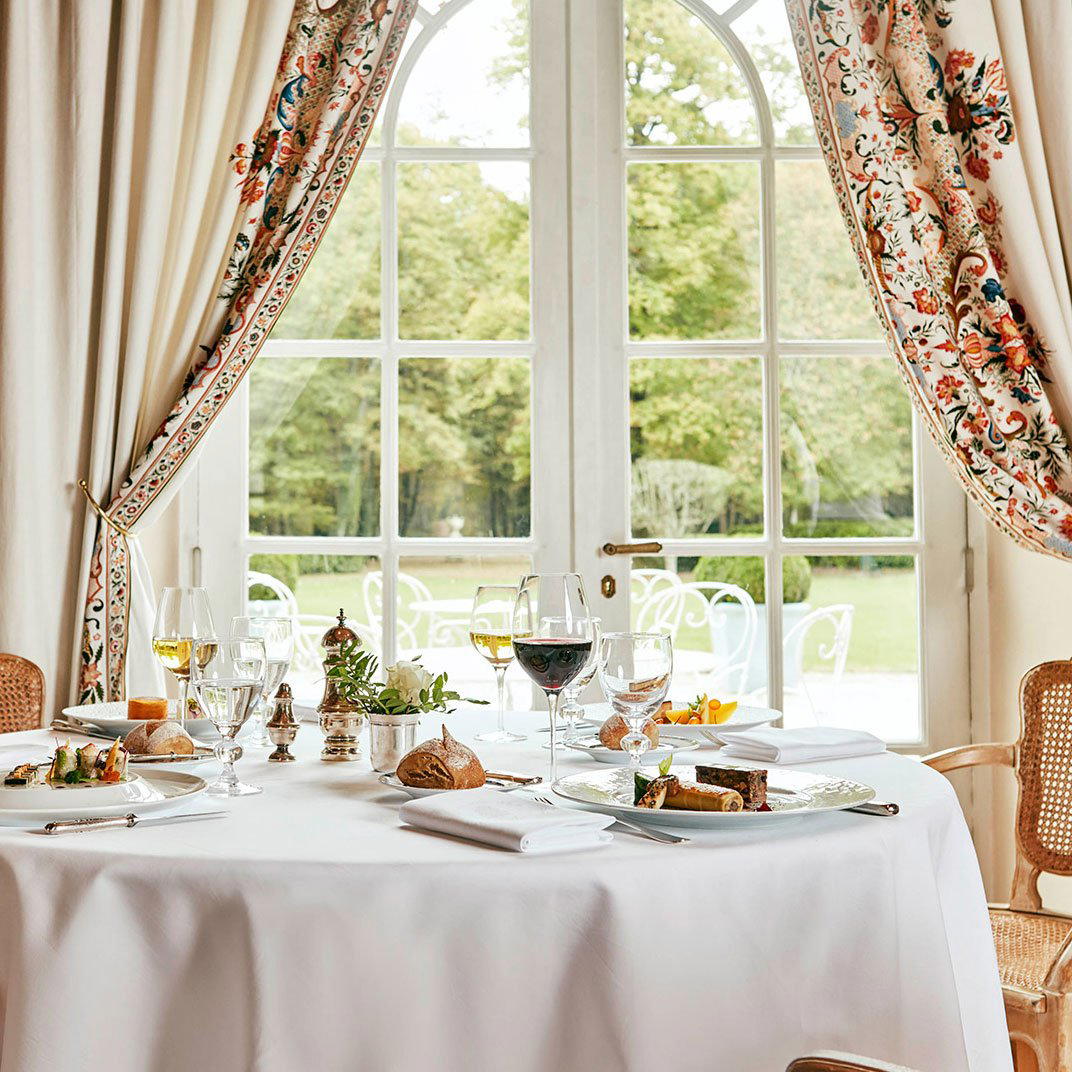
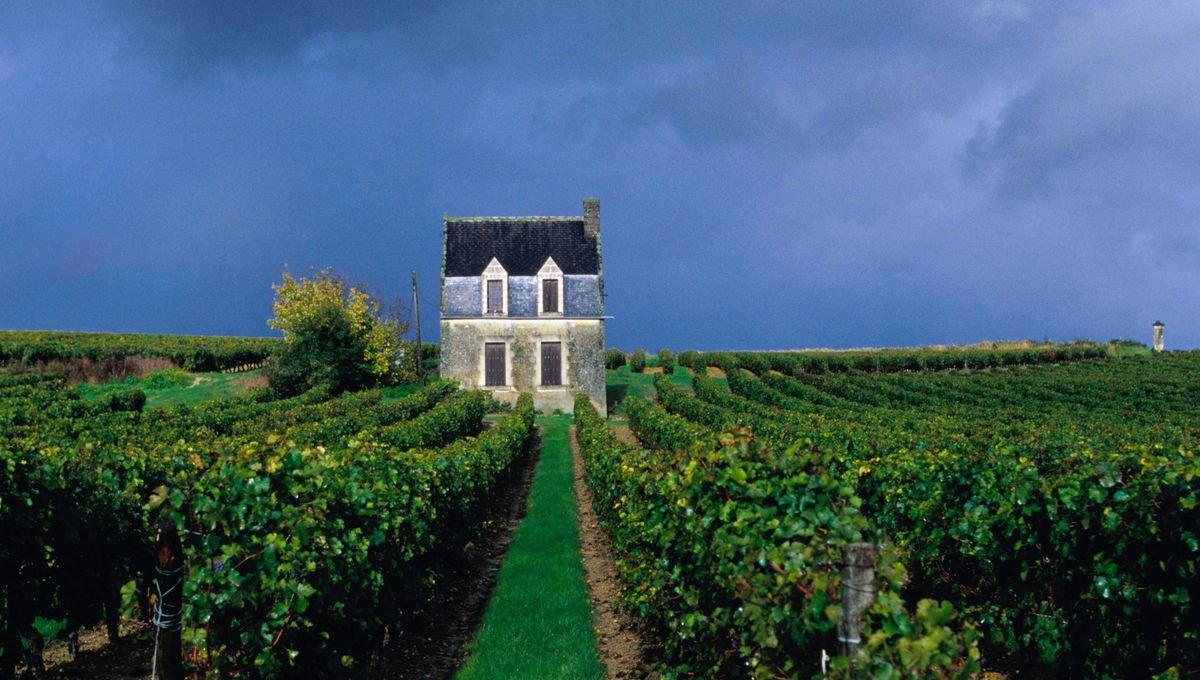
Auberge du Bon Laboureur carries that character. The property presents as a collection of stone and rendered buildings around a garden, with the architectural vocabulary of the Touraine: tuffeau stone, shuttered windows, enclosed outdoor space that functions as an extension of the interior in the warmer months. This is not the grand château hotel model represented elsewhere in France by properties like Domaine Les Crayères in Reims or Baumanière Les Baux-de-Provence, where the architecture makes an imperial statement. The scale here is domestic, and intentionally so. The auberge asks you to settle rather than arrive.
That distinction places it in a specific competitive set within French provincial hospitality. Where properties like La Ferme Saint-Siméon in Honfleur or Château du Grand-Lucé in Le Grand-Lucé draw identity from their Norman farmhouse or Loire château bones respectively, Auberge du Bon Laboureur occupies the middle register: substantial enough to anchor a multi-night stay, intimate enough that the guest-to-space ratio never feels institutional.
Positioning Within the Loire's Hospitality Tier
The Loire Valley's premium accommodation market has never consolidated around a single dominant format the way, say, Bordeaux wine country has with properties like Les Sources de Caudalie, or the way the Riviera stacks its options from Hotel Du Cap-Eden-Roc in Cap d'Antibes down through smaller coastal houses. The Loire operates through dispersal: châteaux, manor houses, and village auberges spread across a corridor that runs roughly from Saumur to Blois, each drawing from a different guest profile.
Chenonceaux specifically draws visitors who prioritise the château itself, one of France's most visited historical monuments, over the broader wine or gastronomy circuit. That focus shapes the hotel category. What works here is proximity, character, and a table that can deliver honest Touraine cooking without demanding a forty-minute drive. Auberge du Bon Laboureur sits directly in the village, a short walk from the château entrance, which gives it a locational advantage that no amount of spa infrastructure can replicate in this particular context.
For comparison, the more architecturally ambitious Loire properties tend to sit outside village centres: converted abbeys and private châteaux that trade on seclusion. The auberge model inverts that proposition, trading seclusion for embeddedness. You are in the village, among the plane trees, at a table where the wine list leans into the Touraine appellations, Montlouis-sur-Loire, Vouvray, Chinon, that grow within cycling distance.
The Touraine Table
Loire Valley cuisine occupies a distinctive position in the French regional canon. Lighter than the cream-heavy cooking of Normandy, less anchored to a single luxury ingredient than Périgord's truffle-and-foie tradition, Touraine cooking draws from the river: pike-perch, freshwater crayfish, shad in season. The vegetable gardens of the Loire châteaux have historically been among the most productive in France, and that kitchen-garden tradition runs through regional cooking at every price point. Rillettes de Tours, the pork preparation that differs from its Mans counterpart in texture and fat ratio, remains a house staple at auberges across the département.
The wine context is inseparable from the table. The Touraine appellation covers Chenin Blanc and Cabernet Franc in multiple sub-zones, and the leading auberge wine lists in this part of the Loire treat those local varieties as first choices rather than regional curiosities. This contrasts with the Champagne-country hotel experience at properties like Royal Champagne Hotel & Spa in Champillon, where the wine selection orbits a single appellation with international prestige. In the Loire, the range is wider and the discovery curve steeper.
Planning a Stay
The Loire Valley's peak season runs from late spring through early September, when Château de Chenonceau sees its highest visitor numbers and the surrounding countryside is at its most photogenic. Booking in advance through the summer months is necessary at a property of this size and character; the village has limited accommodation overall, and Michelin Selected recognition tends to keep occupancy high across the main season. The shoulder periods, April and October, offer cooler temperatures and lighter crowds at the château itself, which affects the entire village's pace considerably. Chenonceaux sits roughly 34 kilometres east of Tours, the nearest major rail hub, making a hire car the most practical approach for guests combining the auberge with wider Loire exploration toward Amboise, Chaumont, or the Vouvray vineyards.
For those building a broader French properties itinerary, the Loire fits naturally between a Paris stay, at a property like Le Bristol, and a southward move through the Rhône toward the Provence estates. Properties like La Bastide de Gordes or Château de la Gaude in Aix-en-Provence anchor the southern end of that arc, while the Loire sits at its geographic and tonal midpoint: not as polished as the capital, not as sun-soaked as the Midi, but carrying the particular authority of a region that fed and housed French royalty for two centuries. See our full Chenonceaux restaurants guide for the broader dining picture in the village and surrounding area.
Quick Comparison
Comparable venues nearby, for context on price, style, and recognition.
| Venue | Cuisine | Price | Awards | Notes |
|---|---|---|---|---|
| Auberge du Bon LaboureurThis venue — the venue you are viewing | Cluster of five historic character houses offering intimate 5-star comfort | Not listed | Michelin Selected | Not listed |
| Hotel Sax Paris | Urban Left Bank luxury hotel blending heritage neo-Gothic architecture with contemporary art and resort-style garden living. | Not listed | 1 Michelin Key · Forbes Recommended | 7th arrondissement (Left Bank) |
| La Co(o)rniche | Contemporary luxury boutique hotel housed in a restored 1930s neo-Basque hunting lodge, reimagined by designer Philippe Starck with minimalist white interiors and authentic period details. | $500–750 | 1 Michelin Key | Pyla-sur-Mer |
| Au Chamois d'Or | Authentic alpine luxury chalet with traditional mountain architecture and refined contemporary comfort. | Not listed | Michelin Selected | Alpe d'Huez |
| Hotel De La Cite Carcassonne | Neo-Gothic castle hotel blending historic charm with modern luxury | $300–500 | Michelin Selected · Virtuoso Luxury Hotel Partner | Cité Médiévale |
| Hotel Marcon | Contemporary eco-integrated luxury hotel | $300–500 | Michelin Selected | Saint-Bonnet-le-Froid |
Recognition history
Dated appearances from independent guides and award organizations, with the underlying list record or original source where available.
Michelin Selected
Michelin
Continue exploring
More in Chenonceaux
Hotels in Chenonceaux
Browse all →
Bars in Chenonceaux
Browse all →
Restaurants in Chenonceaux
Browse all →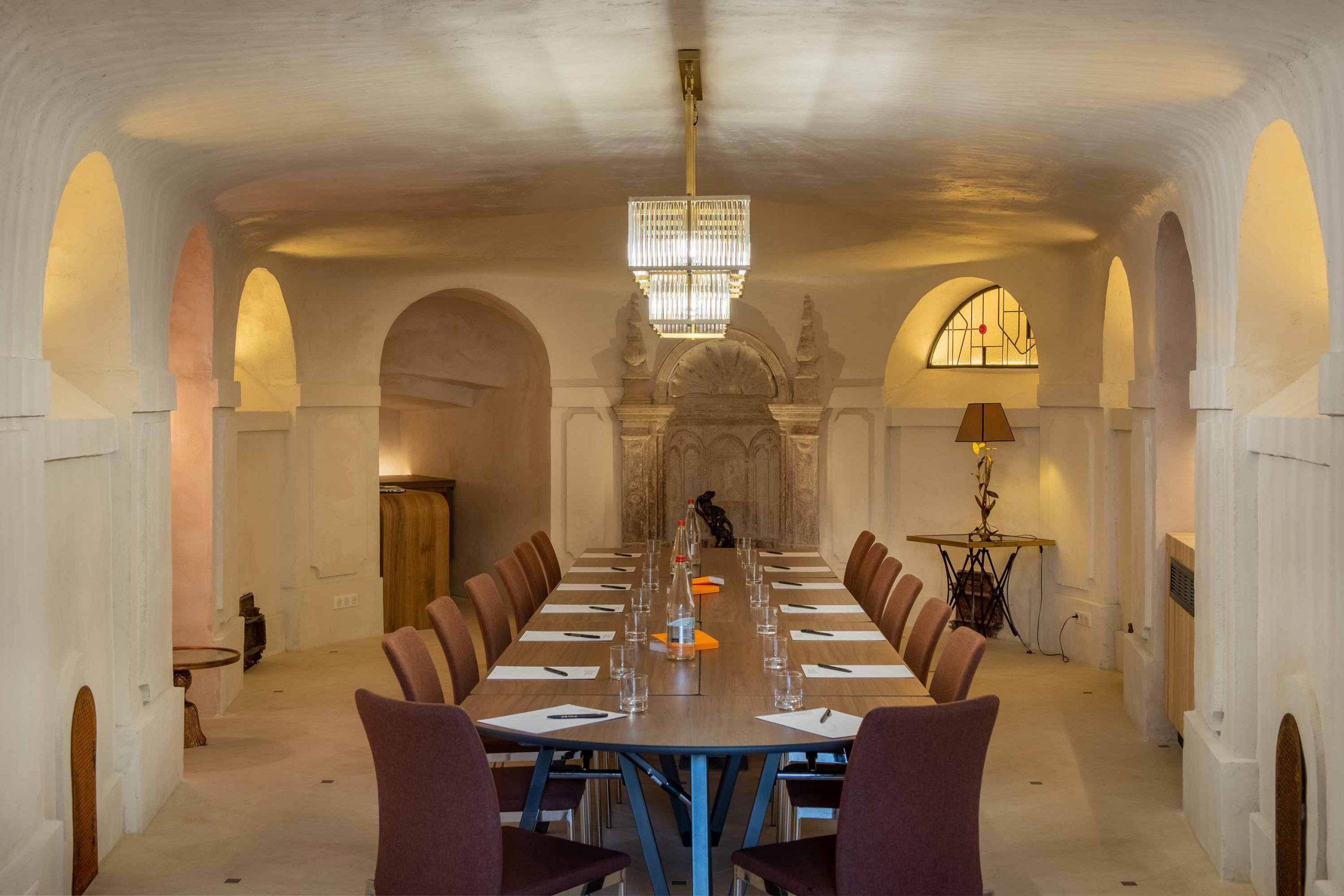

Details
- Romantic
- Elegant
- Classic
- Cozy
- Scenic
- Quiet
- Intimate
- Sophisticated
- Romantic Getaway
- Anniversary
- Weekend Escape
- Historic Building
- Garden
- Terrace
- Wi Fi
- Pool
- Spa
- Room Service
- Concierge
- Restaurant
- Garden
- Wheelchair Accessible
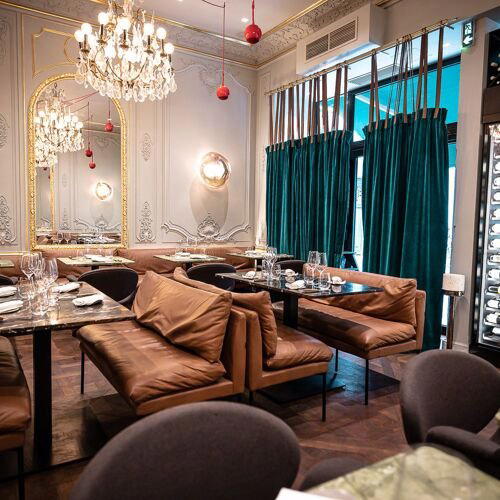
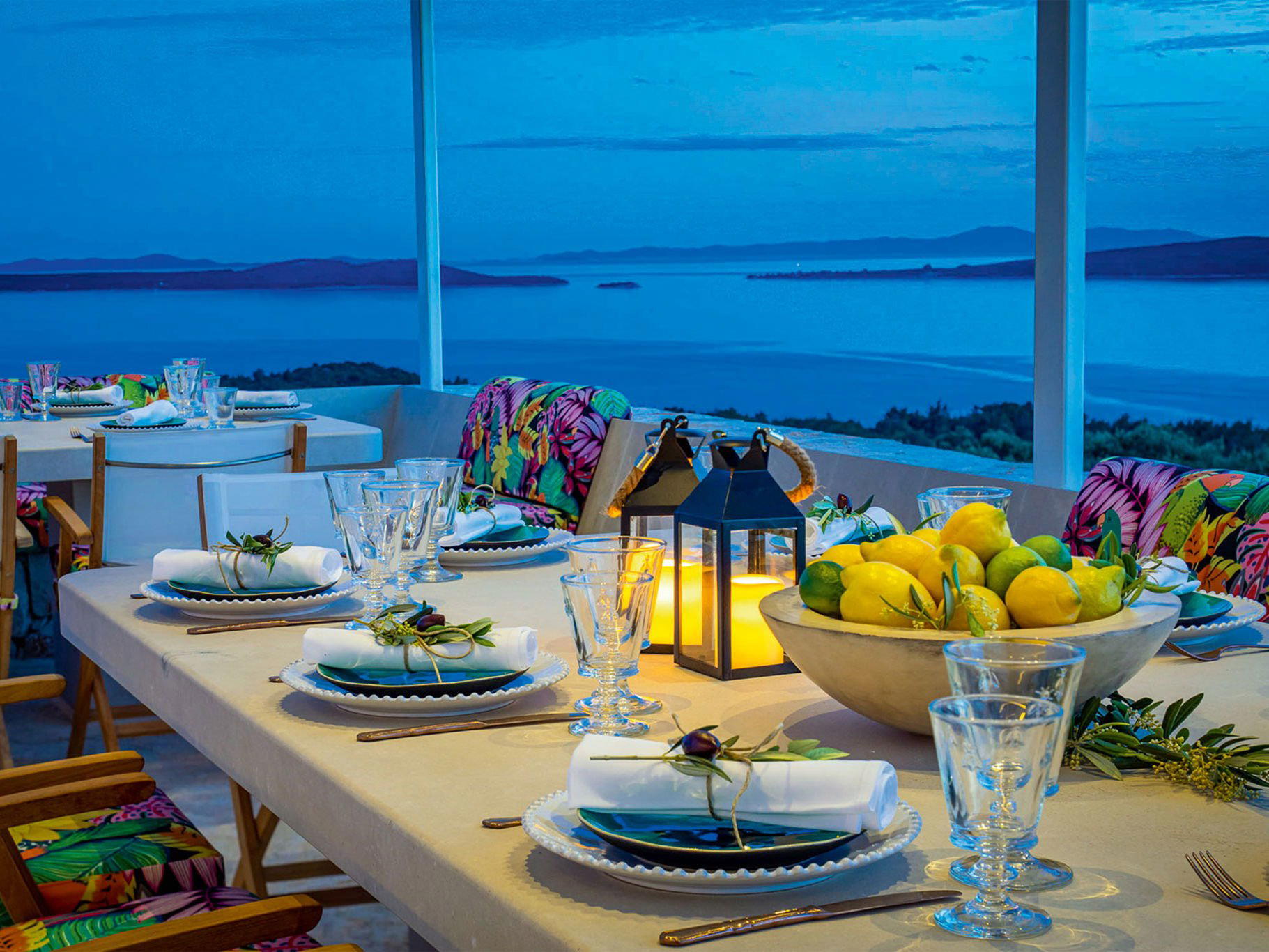
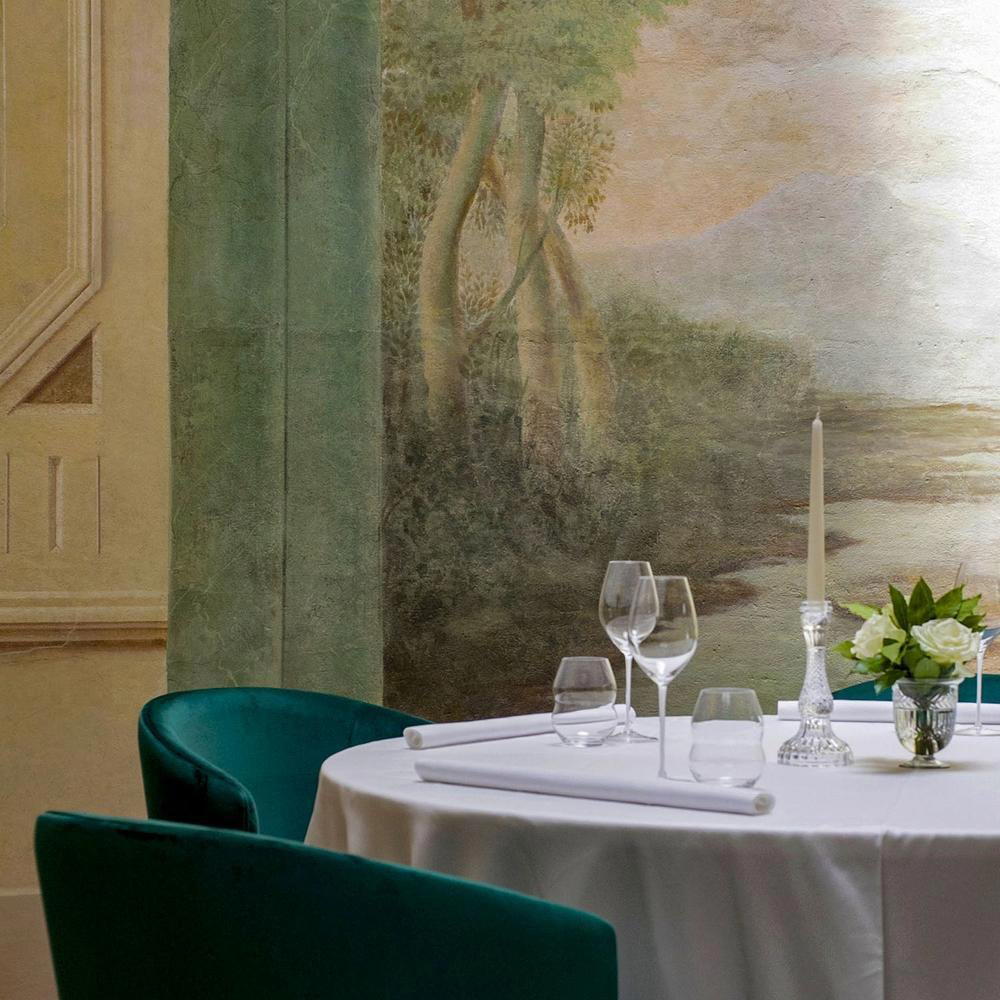
Elegant and tranquil atmosphere blending antique charm with contemporary comforts, featuring serene gardens, soundproofed rooms, and a peaceful pool area.