



1 Michelin Key · Relais Chateaux Award · Virtuoso Luxury Hotel Partner
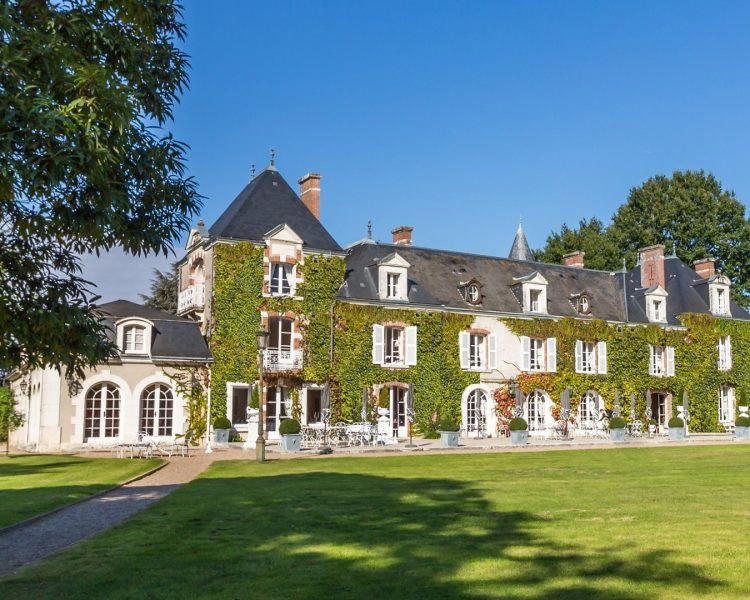
A sixteenth-century Loire Valley château reborn as an adults-only hotel, Château Louise de La Vallière sits near Amboise in Touraine, its interiors conceived by master decorator Jacques Garcia. Rated 4.8/5 on Google and awarded five points by Gault & Millau Exceptional Hotel 2025, it occupies the design-led, historically resonant tier of French château hospitality. Rates start from US$477 per night.

Pearl is the En Primeur Club membership app, where members save venues, book tables and use the concierge.
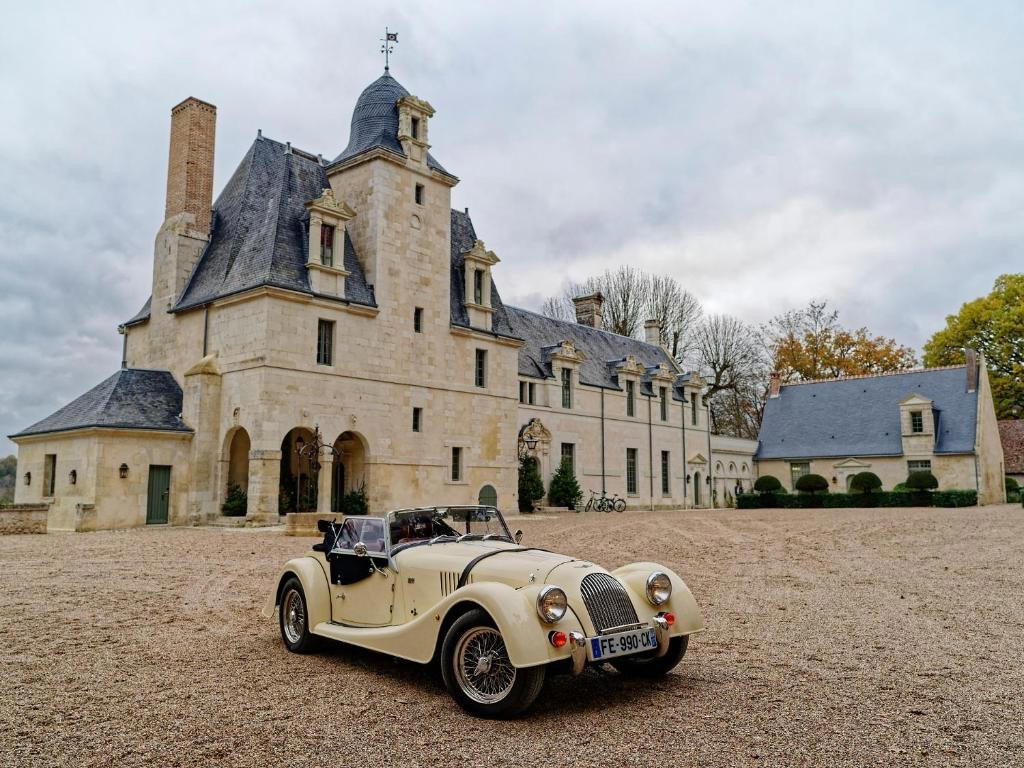
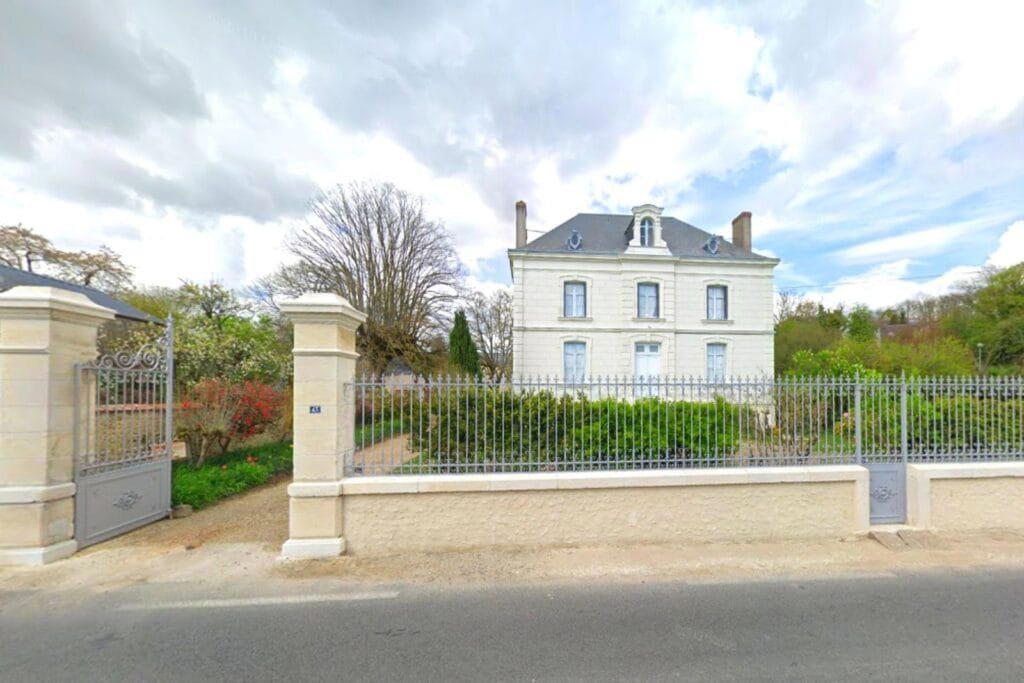
A Renaissance Shell, Reconstructed With Intention
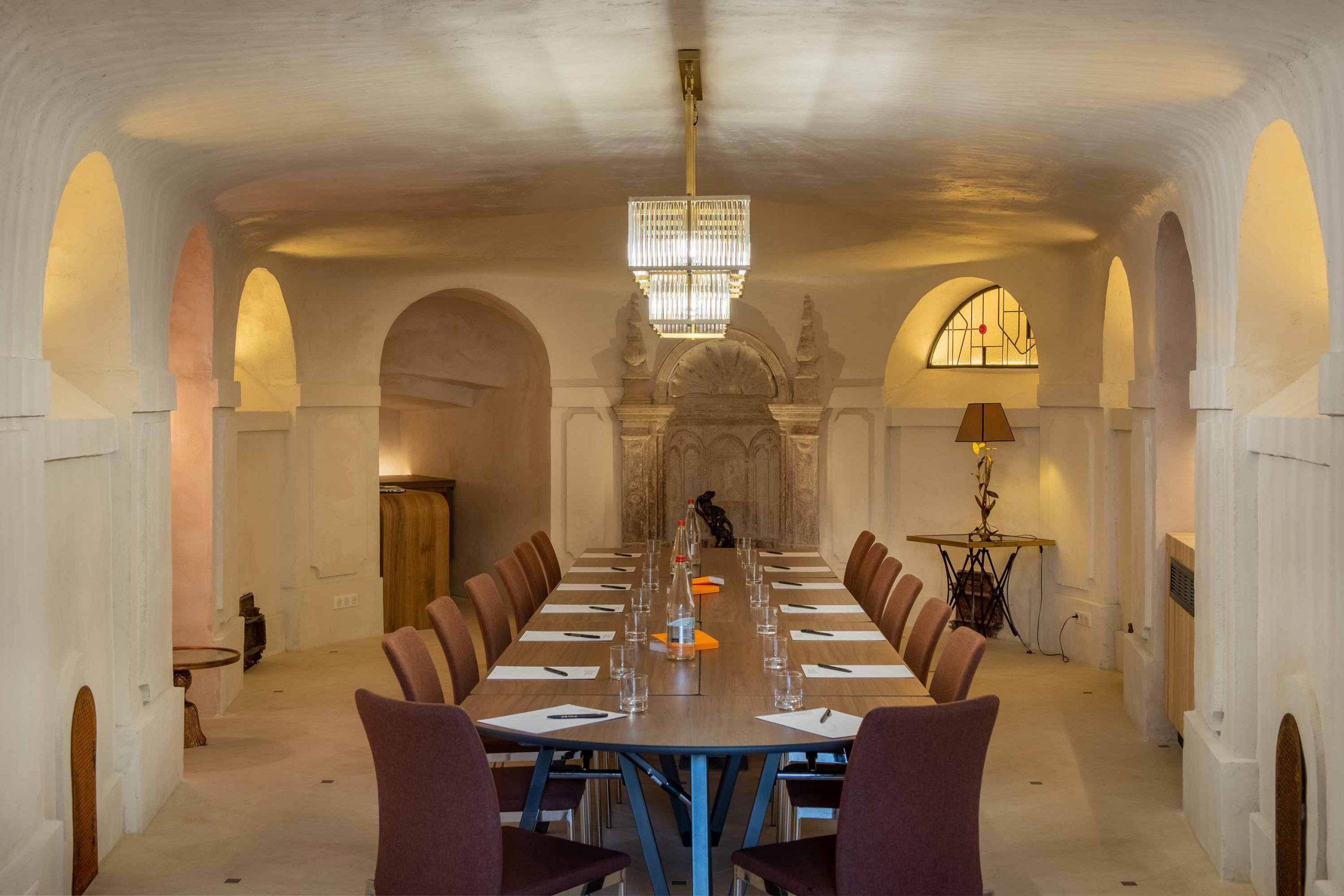
The Loire Valley has long been the proving ground for a particular strain of French luxury: the château-hotel that earns its room rates not through square footage alone, but through the density of its historical fabric and the seriousness of its restoration. Reugny, a small commune in the Touraine, sits within this tradition without advertising it. The town is close to Amboise, one of the Loire's royal anchors, and it is here that Château Louise de La Vallière occupies a sixteenth-century structure that predates the Sun King's court by nearly a century. The building's bones are the story, and how those bones have been dressed is what separates this property from the broader field of château conversions available across the region. For context on the wider Loire area, see our full Reugny restaurants guide.
Jacques Garcia and the Grammar of Sensualist Interiors
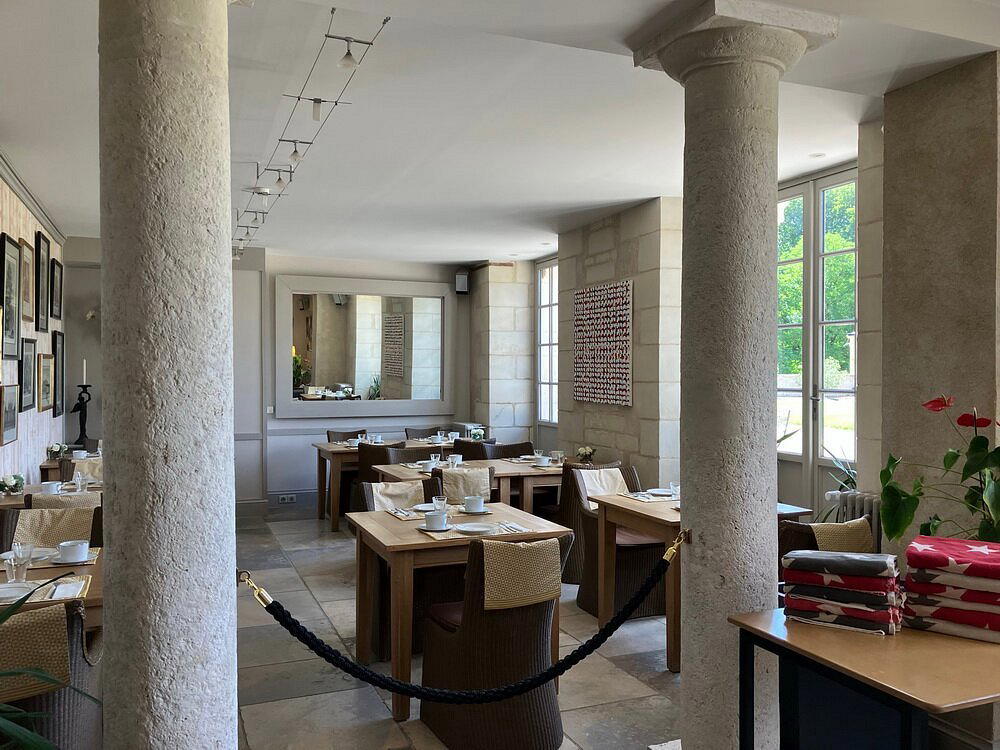
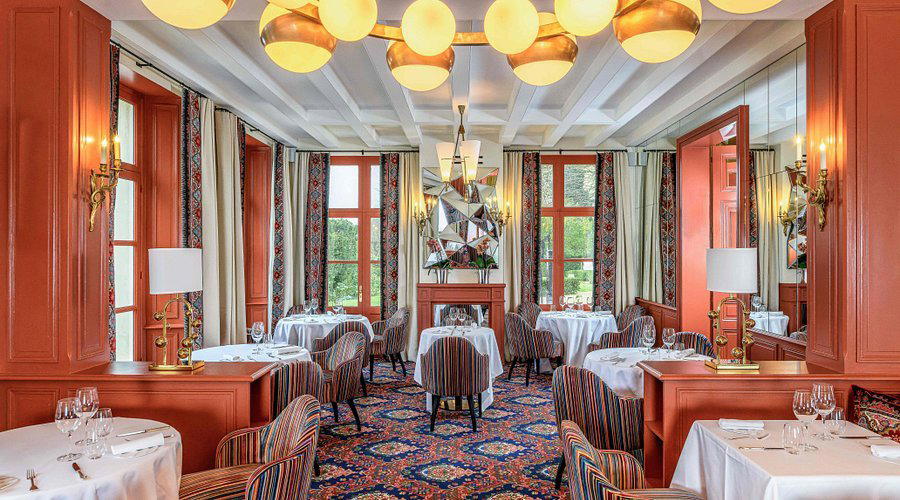
The design-led tier of French luxury hospitality has produced a recognisable split: on one side, properties that preserve period architecture while inserting contemporary minimalism; on the other, those that commit fully to period immersion, treating decoration as an argument about how these spaces originally felt. Château Louise de La Vallière belongs decisively to the second category, and the reasoning traces directly to the involvement of Jacques Garcia, whose reputation in French interiors rests on a consistent refusal to treat historical rooms as backdrops. Garcia's approach across his body of work has been to reconstruct the sensory register of an era, not merely its visual cues. At this property, that means an interior language drawn from the elegance and theatricality of seventeenth-century court life, the period most associated with Louise de La Vallière herself and her connection to Louis XIV. The result is rooms that read as reconstituted rather than restored, a distinction that matters when the brief is to evoke a specific moment in French aristocratic culture rather than simply to preserve an old building.
Within the French château-hotel category, comparable properties that take their design mandate this seriously include Château du Grand-Lucé in Le Grand-Lucé and Château de Montcaud in Sabran, though each operates within a distinct regional aesthetic and period reference. The Garcia signature here is more overtly sensual than either, befitting both the historical figure and the decorator's known preferences.
The Grounds as Counterpoint
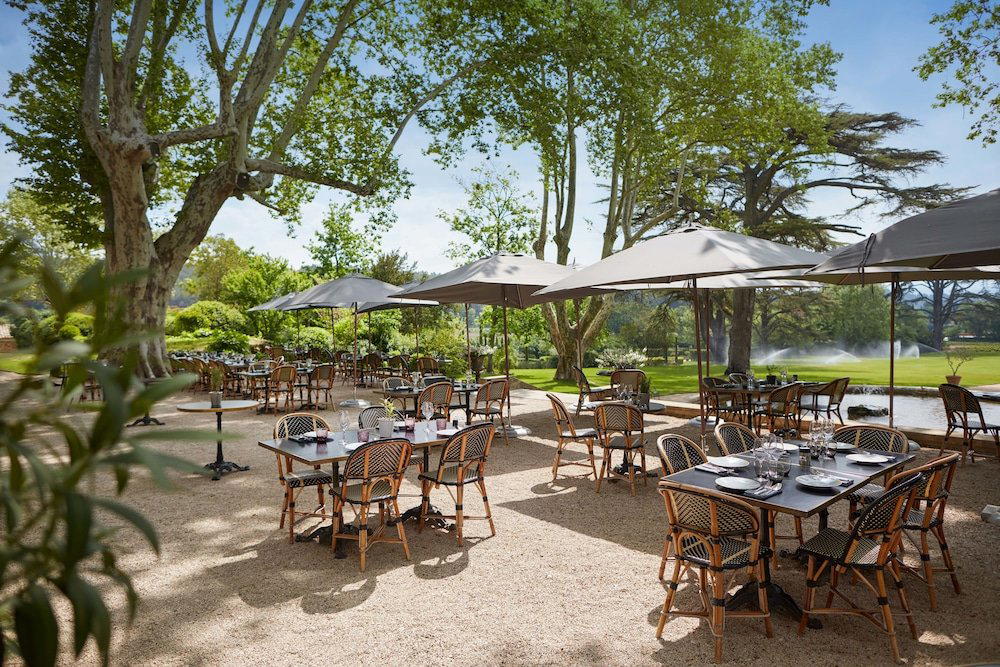
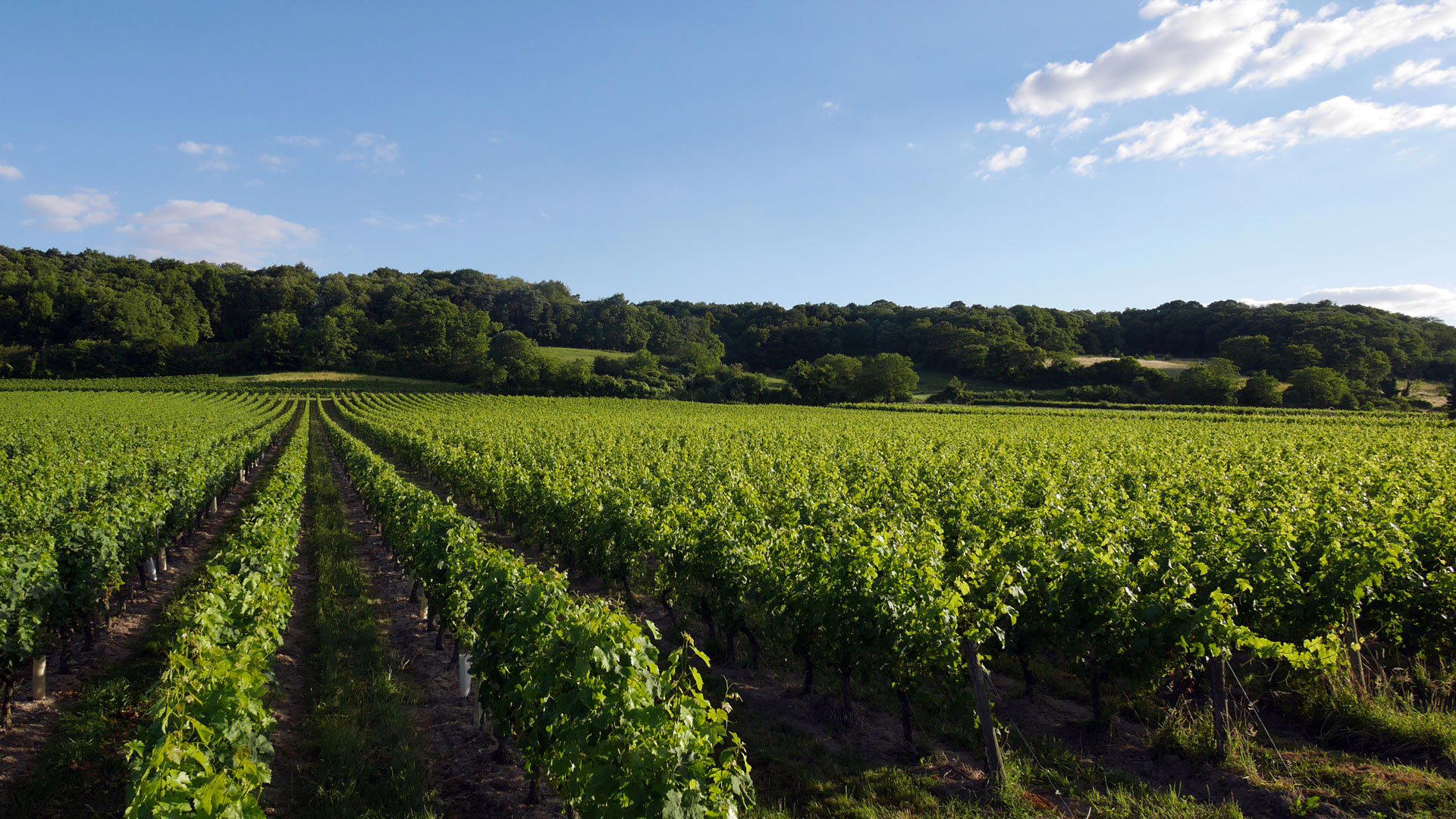
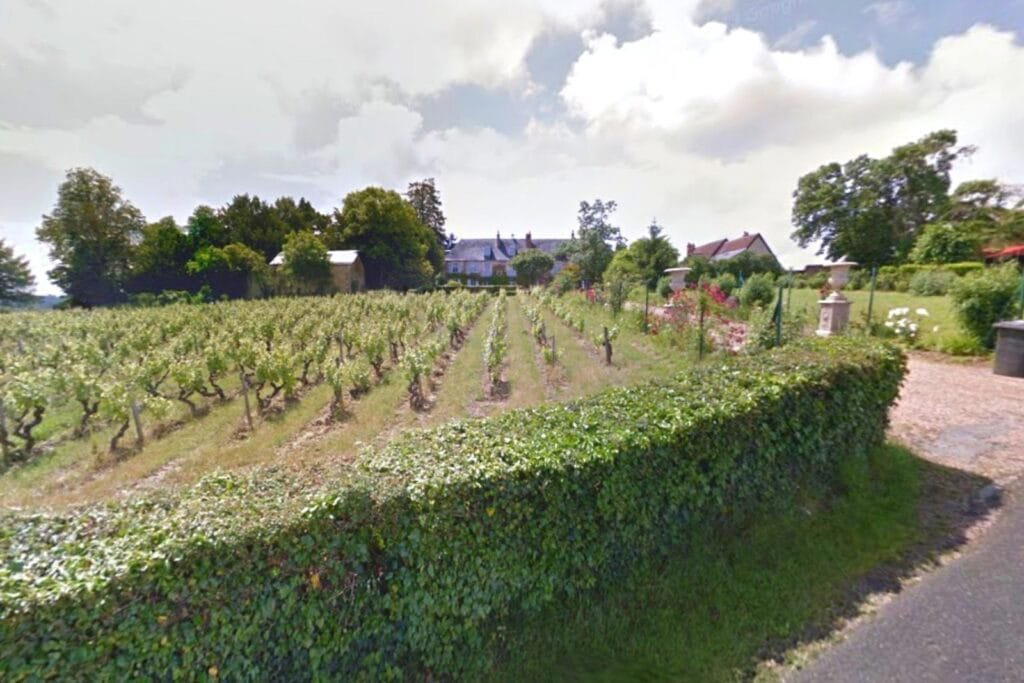
Interior theatricality of this register requires an exterior that absorbs it rather than competes with it, and the twenty-hectare park at Château Louise de La Vallière functions as exactly that counterweight. Two-hundred-year-old trees provide the structural scale that the grounds need to match the weight of the building. A lake, a French orchard, and woodland where animals remain present give the property a layered quality: formal near the château, progressively wilder toward the perimeter. This progression from designed space to managed nature to something approaching genuine countryside is a deliberate spatial argument, one that situates the built environment within a longer natural timeline and makes the centuries feel compressed rather than distant.
Among Loire-region properties, few can claim this combination of designed interior intensity and unmanaged exterior space at comparable scale. Design-led rural properties in France more broadly, such as La Bastide de Gordes in Provence or Villa La Coste in Le Puy-Sainte-Réparade, approach the interior-exterior relationship differently, with contemporary art integration and landscaped grounds rather than naturalistic woodland. The contrast illustrates how differently French luxury properties can interpret the same broad ambition of connecting guests to a specific place.
Adults Only and the Logic of the Offer
The property operates on an adults-only basis, a structural decision that shapes the guest profile as much as any design choice. Within the luxury château-hotel category, adults-only positioning signals a preference for stillness over programming density, for guests who are self-directing rather than schedule-dependent. The Jacques Garcia interior, the historical narrative, and the twenty-hectare grounds all reward extended, unstructured stays rather than itinerary-driven visits. This aligns with a broader pattern in French rural luxury, where the most design-serious properties tend to attract guests who treat the property itself as the destination rather than as a base for regional touring.
These credentials position the château within the upper tier of Loire Valley hospitality, comparable in seriousness of offer to properties such as Domaine Les Crayères in Reims, which similarly anchors itself in French architectural heritage and formal hospitality tradition. For a different register of French château luxury, Château Lafaurie-Peyraguey in the Sauternes pairs historic architecture with a wine production context, while Les Sources de Caudalie near Bordeaux integrates viticulture directly into the wellness offer.
Historical Resonance as Hospitality Framework
Louise de La Vallière narrative is not incidental branding. Louise entered Louis XIV's life in the early 1660s, when she was young and the court at Versailles was still consolidating its mythology. The château at Reugny was part of her early world, before the full apparatus of Versailles-era court life was assembled. Staying here engages with a moment in French royal history that precedes the more familiar grandeur of the late seventeenth century, which gives the property a slightly rawer historical register than properties that reach for the fully formed Versailles aesthetic. The Touraine's association with the French Renaissance, the period that produced the Loire's most concentrated run of royal architecture, provides further layering: guests are sleeping within a sixteenth-century structure in a region that shaped how French royal culture understood itself architecturally for generations.
Planning Your Stay
Château Louise de La Vallière is affiliated with Relais & Châteaux and can be contacted via chateaulouise@relaischateaux.com or by telephone at +33 (0)2 42 06 02 00; the property website is chateaulouise.com. The address is Château de La Vallière, 37380 Reugny, France. Rates begin from US$477 per night, positioning the property within the accessible upper tier of Loire Valley château hotels rather than at the extreme end of French luxury pricing. Amboise, a ten-minute drive, provides the nearest concentration of restaurants, wine cellars, and Leonardo da Vinci's final residence at the Château du Clos Lucé, making it a practical base for Touraine exploration alongside the property's own considerable grounds. The adults-only policy applies year-round. For guests comparing Loire-anchored stays with broader French luxury, Cheval Blanc Paris and Baumanière Les Baux-de-Provence represent the urban and Provençal poles of the same premium French hospitality tradition.
Fast Comparison
Comparable venues nearby, for context on price, style, and recognition.
| Venue | Cuisine | Price | Awards | Notes |
|---|---|---|---|---|
| Domaine de la Privadière | Charming boutique hotel in traditional Provençal mas style with contemporary updates. | Not listed | Michelin Selected | Uzès |
| Au Chamois d'Or | Authentic alpine luxury chalet with traditional mountain architecture and refined contemporary comfort. | Not listed | Michelin Selected | Alpe d'Huez |
| L’Hotel du Collectionneur | Belle Époque luxury palace with Art Deco design elements, positioned as a refined and sophisticated urban retreat near well-known Paris landmarks. | Not listed | 5-Star | 8th arrondissement (Rue de Courcelles, near Parc Monceau) |
| Villa-des-Prés | Contemporary Parisian luxury boutique hotel housed in a post-Haussmann 1911 apartment building, designed as a private mansion with character and discretion. | Not listed | 1 Michelin Key | Saint-Germain-des-Prés |
| The Longère | luxury countryside estate | $300–500 | Not listed | Massignac |
Recognition history
Dated appearances from independent guides and award organizations, with the underlying list record or original source where available.
Michelin 1 Key
Michelin
Relais Chateaux Award
Relais Chateaux
Virtuoso Luxury Hotel Partner
Virtuoso
Gault & Millau Exceptional Hotel
Gault & Millau
Full recognition history (6 entries)
Michelin Selected
Michelin
Relais Chateaux Award
Relais Chateaux
Continue exploring
More in Reugny
Hotels in Reugny
All hotels in Reugny →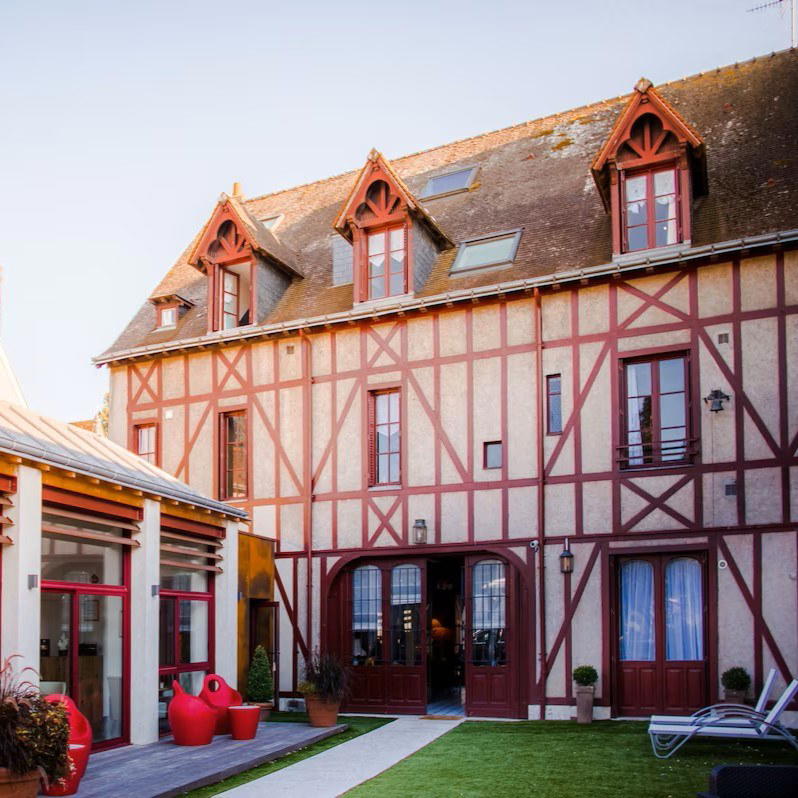
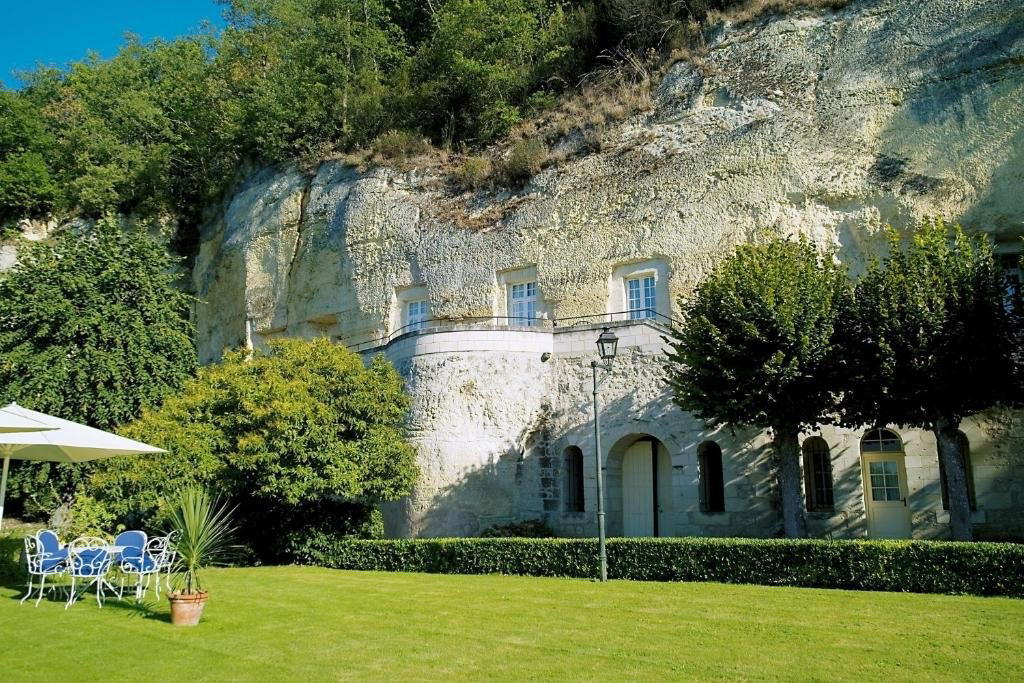
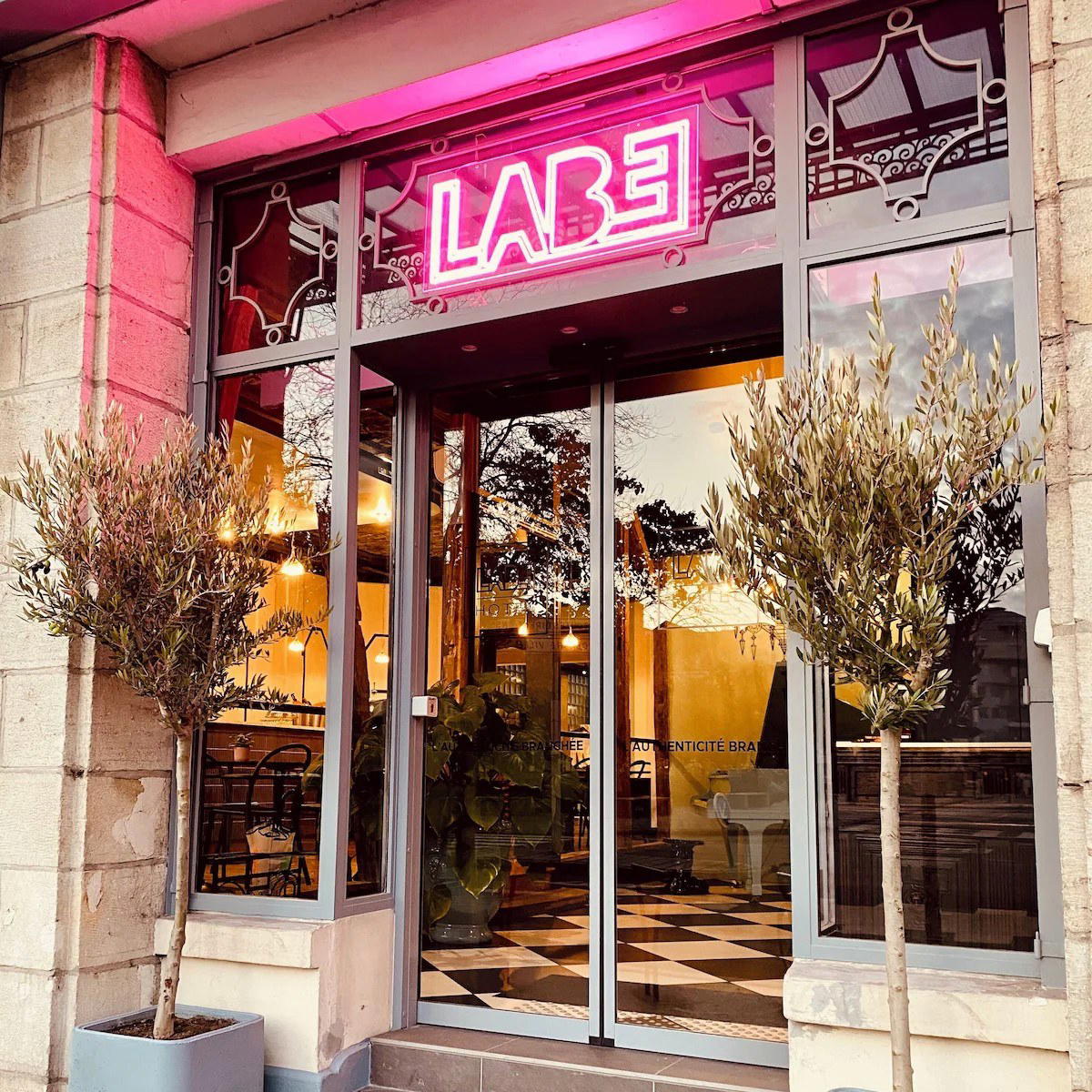
Bars in Reugny
Browse all →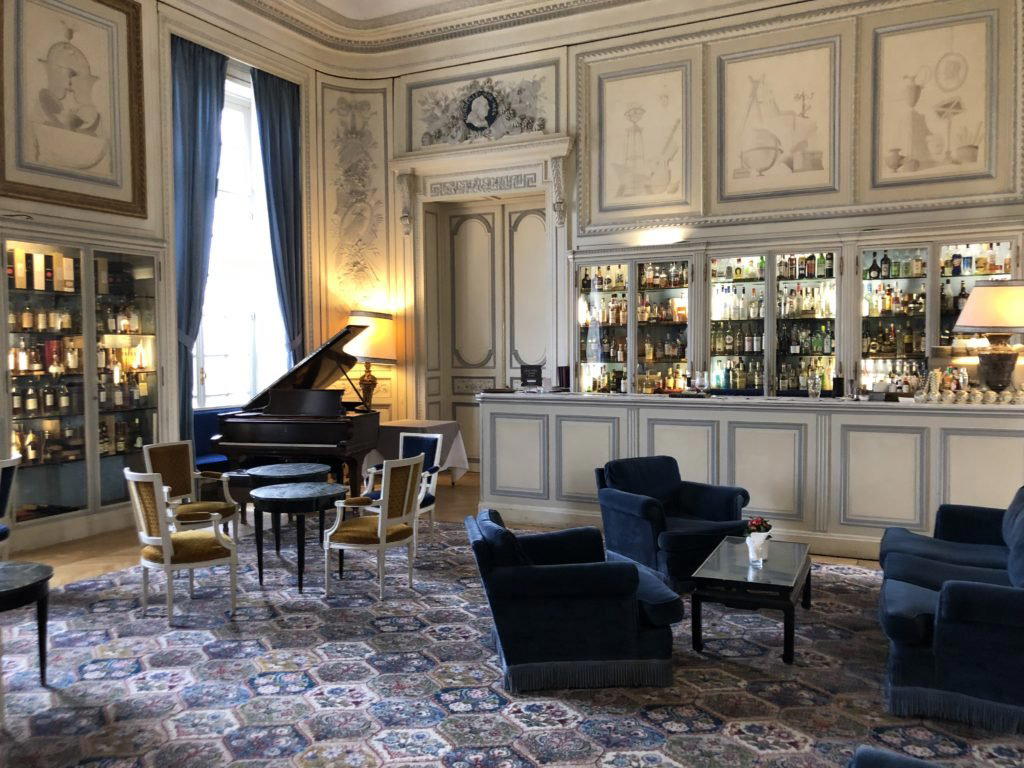
Restaurants in Reugny
All restaurants in Reugny →

Details
- Romantic
- Elegant
- Classic
- Ornate
- Intimate
- Sophisticated
- Romantic Getaway
- Honeymoon
- Anniversary
- Weekend Escape
- Historic Building
- Garden
- Terrace
- Panoramic View
- Pool
- Spa
- Sauna
- Massage
- Restaurant
- Room Service
- Concierge
- Wi Fi
- Garden
Dimly lit with golden hues, crackling fireplaces, baroque music, and rich velvet furnishings creating a timeless, regal atmosphere.