


Michelin Plate · Relais Chateaux Award · We're Smart World 3 Radishes
Our verdict
A two Michelin star restaurant set within a Relais & Châteaux property in the Loire Valley, Les Hauts de Loire places chef Rémy Giraud's kitchen-garden sourcing at the centre of its classic French cooking.

Pearl is the En Primeur Club membership app — saves, bookings, and concierge access live there. Same editors, same standards.
- Address
- 79 Rue Gilbert Navard, 41150 Veuzain-sur-Loire, France
- Phone
- +33 2 54 20 72 57
- Website
- hautsdeloire.com
- Directions
- Get directions
- Booking
- Book on TheFork
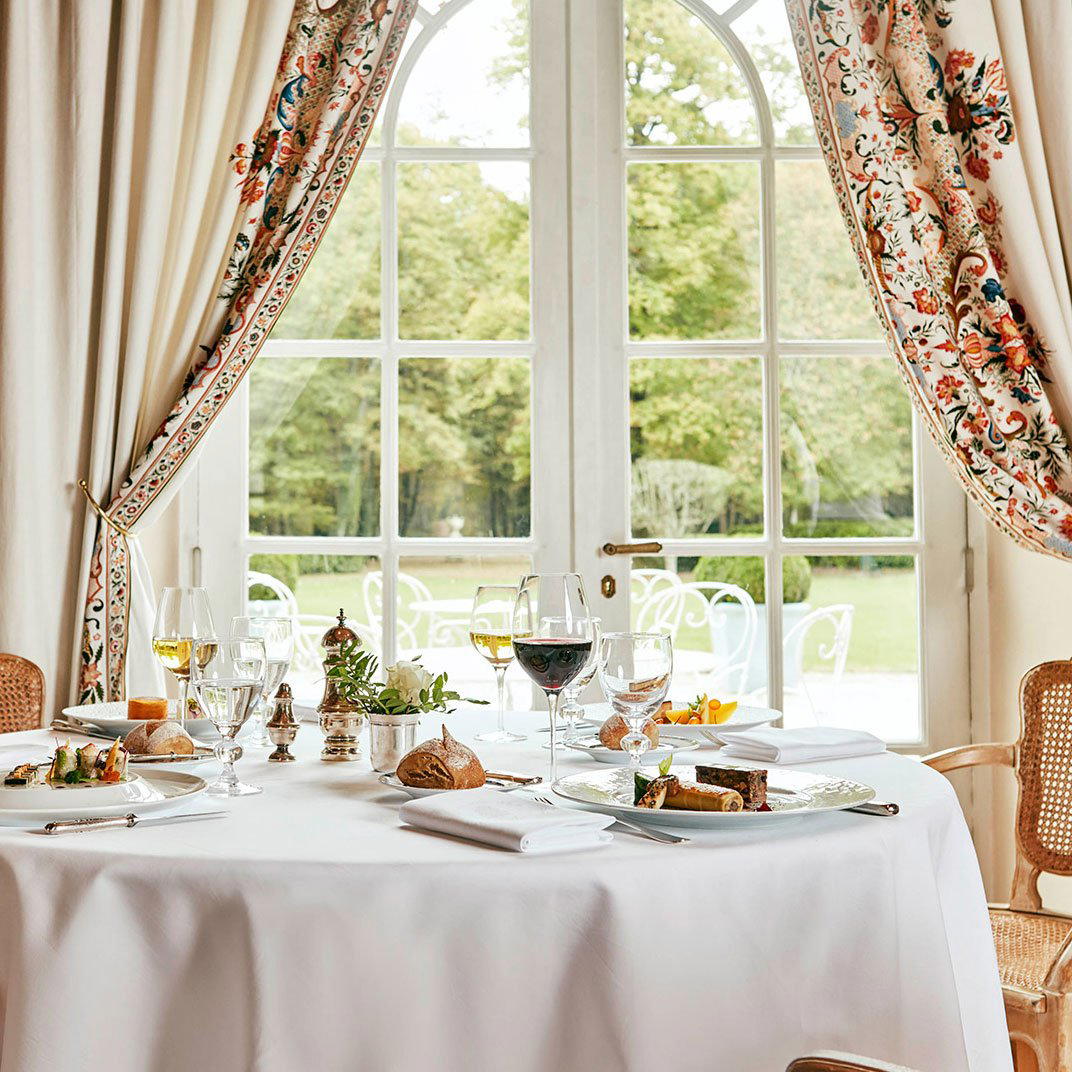
The menu
What to order
- Scallop with topinambour and Lagavulin whisky
- Hare à la Royale
- Grand Marnier soufflé
- Trout with coffee vinegar and combava
- Lamb in two preparations
Where the Garden Becomes the Menu
In the Loire Valley, where château tourism has long overshadowed the region's agricultural depth, a different kind of destination dining has taken root. The approach places the kitchen garden and its network of local producers not as a supporting footnote but as the structural logic of the entire menu. At Les Hauts de Loire in Onzain, that philosophy is made concrete through a direct relationship between chef Rémy Giraud and producer Éric Roy, whose market-garden supplies the seasonal vegetables that define each plate. This is not the ornamental kitchen-garden narrative common to country-house hotels across France — it is a supply chain built to specification, producing varieties of a quality and ripeness that a standard wholesale relationship cannot match.
The Loire has historically been a corridor rather than a culinary destination in its own right: the TGV route between Paris and Bordeaux passes through, châteaux draw visitors in summer, and the wine appellations of Vouvray, Chinon, and Sancerre earn more international attention than the region's tables. That context makes the concentration of serious cooking at this estate the more notable. Positioned between Blois to the east and Amboise to the west, the property sits within reach of the Valley's main tourist circuit while operating on a register largely separate from it. Guests who arrive for a single meal often extend to a night or two, which shifts the experience toward the longer, slower rhythm that serious tasting menus in rural France are built around.
The Sourcing Logic Behind the Cooking
French classic cuisine at the one-star level typically balances technical precision with a defined sense of place. What distinguishes the cooking at Les Hauts de Loire is the specificity of its sourcing model. Chef Giraud's collaboration with Éric Roy is less a farm-to-table marketing frame than an agronomic partnership: the varieties grown, the harvest timing, and the preparation methods are aligned from the ground up. Vegetables that arrive at the kitchen on the day of harvest, grown to the chef's specification rather than to wholesale volume requirements, allow a style of cooking where the produce itself carries the weight of a dish.
This positions the restaurant in a tradition with clear French precedent. Michel Bras at Bras in Laguiole made the Aubrac landscape the foundation of a cuisine that redefined what French fine dining could be built around. The Troisgros family's relocation and land projects, visible at Troisgros - Le Bois sans Feuilles in Ouches, reflect a similar instinct to control the supply chain rather than simply select from it. Les Hauts de Loire operates in this lineage: a classic-cuisine framework applied to produce with a depth of character that only close producer relationships generate. The contrast with city-based one-star kitchens — even exceptional ones like Alléno Paris au Pavillon Ledoyen or AM par Alexandre Mazzia in Marseille, is structural: urban kitchens purchase from markets or suppliers operating at scale; rural destination restaurants like this one can dictate the terms of production.
The Michelin assessment across 2024 and 2025 reflects this positioning. A one-star rating in 2024 and a Michelin Plate recognition in 2025 place the restaurant within a tier of serious, consistent cooking that rewards the journey. For context, France's most decorated tables, Mirazur in Menton, Paul Bocuse in Collonges-au-Mont-d'Or, and Auberge de l'Ill in Illhaeusern, operate at the top of a pyramid that has room for regional destination restaurants working with this level of ingredient sourcing and kitchen craft.
The Setting as Part of the Experience
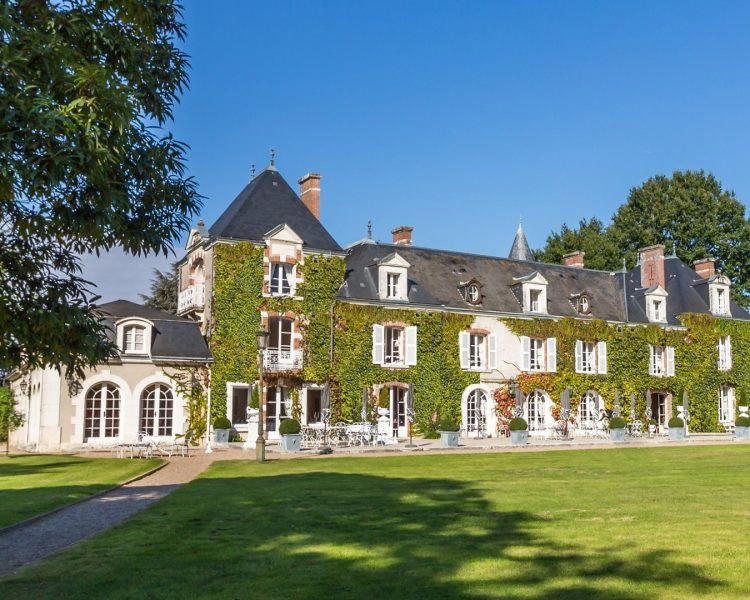
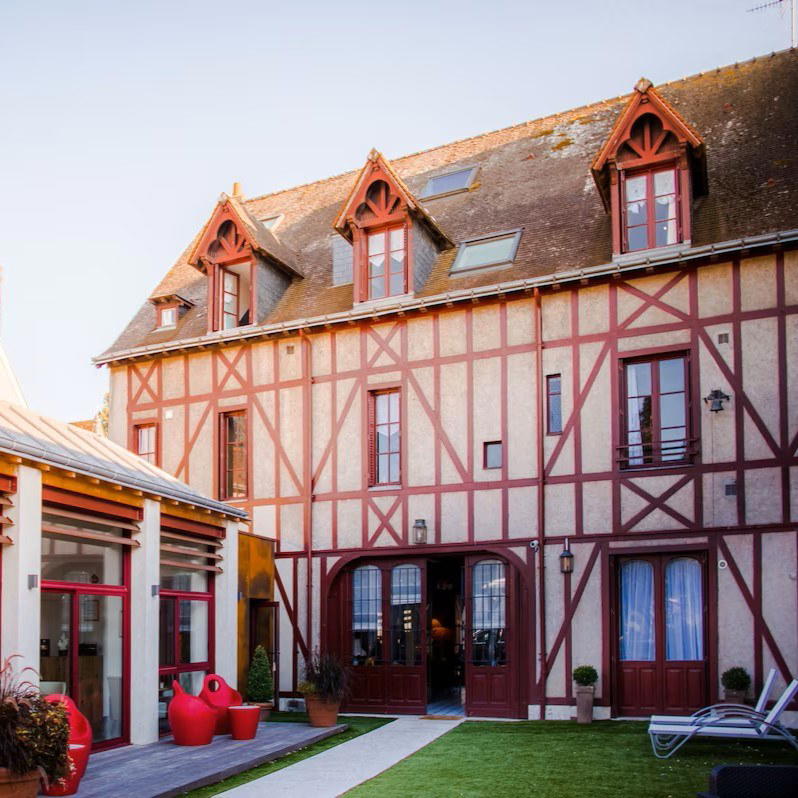
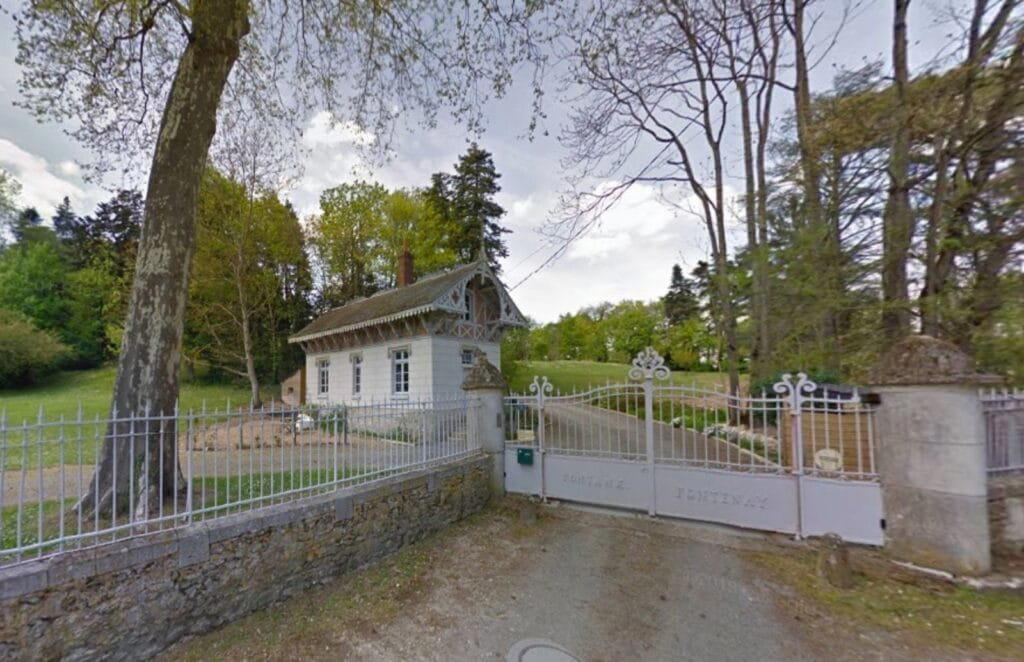
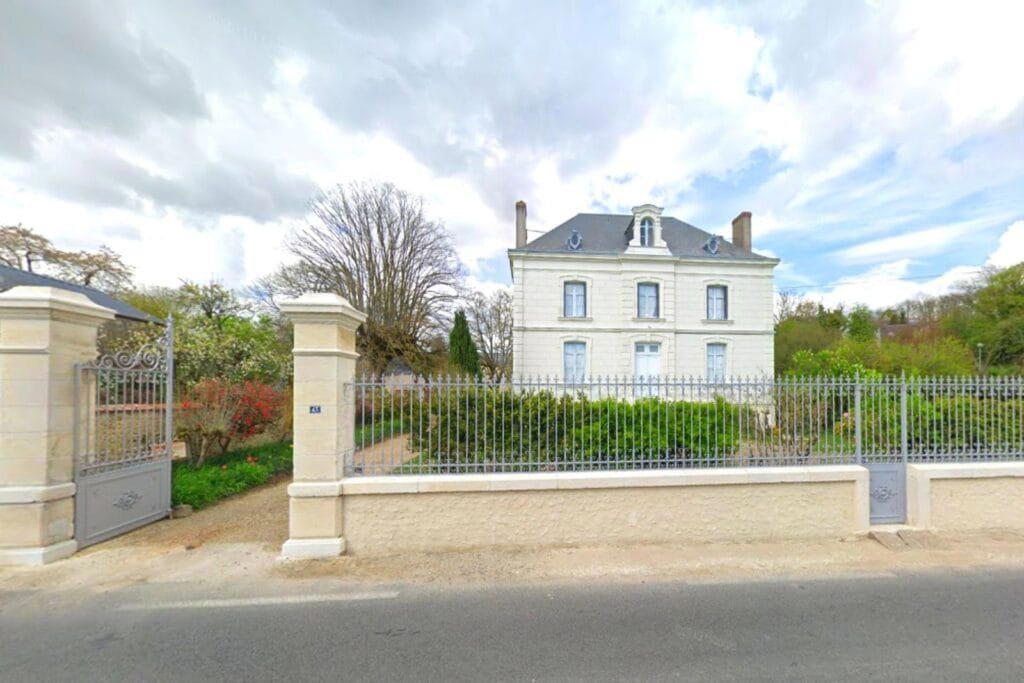
Loire Valley restaurant dining at this level rarely takes place in a stand-alone space. The region's serious tables tend to sit within larger properties, manors, converted agricultural estates, or Relais & Châteaux members, where the landscape and architecture shape the experience as much as the cooking. Les Hauts de Loire follows this pattern. The grounds carry the character of a working country estate rather than a groomed resort, and the surrounding parkland gives the approach a sequence that begins long before the first course. Arriving at a property like this is different from walking into a city-block restaurant: the transition from public road to private grounds, from car to terrace to dining room, is part of the logic of the meal.
Country-house properties can accumulate strong ratings on room quality and grounds alone; at this score and volume, the kitchen is almost certainly contributing. For those exploring the region's accommodation options, our full Onzain hotels guide maps the wider choice.
Classic Cuisine in a Regional Frame
Classic French cuisine at destination level sits between two risks: the conservatism of a kitchen that mistakes tradition for repetition, and the restlessness of a tasting menu chasing novelty at the expense of coherence. The most durable version of this cooking, across properties like Assiette Champenoise in Reims or Maison Rostang in Paris, holds classical structure while giving seasonal produce room to shift the menu meaningfully across the year. The Loire's agricultural calendar, the asparagus of early spring, the courgette and tomato of high summer, root vegetables and game through autumn and winter, provides a natural rhythm for a kitchen working this way.
Chef Giraud's recognition for the creativity he applies to vegetable cookery points toward a kitchen where the garden's output drives compositional decisions. This is a more demanding approach than the protein-centred tasting menu where vegetables serve as garnish or counter-texture: it requires the kitchen to build dishes around produce that may be less visually dramatic but carries more flavour complexity when treated with precision. The cooking at Flocons de Sel in Megève offers a point of comparison in this respect, placing Alpine seasonal produce at the centre of a refined tasting-menu format. The Loire's equivalent would be the river's vegetable gardens and nearby farms rather than mountain foraging, but the structural logic, ingredient-led, season-dependent, classically framed, runs parallel.
Planning the Visit
Les Hauts de Loire is reached at 79 Rue Gilbert Navard, 41150 Veuzain-sur-Loire. The property is accessible by car from both Blois (approximately 15 kilometres) and Amboise, placing it on the main tourist axis of the central Loire Valley. For travellers arriving by rail, Onzain has a station on the Tours–Blois line. The property can be contacted at hauts-loire@relaischateaux.com or by telephone at +33 (0)2 54 20 72 57, and the full website is at hautsdeloire.com. At the €€€€ price point, the restaurant sits at the top of the Loire Valley's dining tier; planning around a stay at the property itself is the most practical approach, particularly for guests coming from Paris or further afield. The family-friendly character noted in the property's highlights means multi-generational visits are well accommodated, relevant for Loire Valley trips that often combine cultural, culinary, and leisure objectives. Those looking to extend their time in the area will find further options across our full Onzain restaurants guide, our full Onzain bars guide, our full Onzain wineries guide, and our full Onzain experiences guide. For those interested in a more relaxed meal within the same estate, the Bistrot des Hauts de Loire offers an alternative format at a lower price register.
Frequently asked questions
Can I bring kids to Les Hauts de Loire?
The property explicitly lists family-friendly among its headline attributes, which at a €€€€ Relais & Châteaux estate means the environment is calm and accommodating rather than child-oriented. Children are welcome, but the pace, format, and price point of the estate's one-Michelin-star menu are aimed at adults with a genuine interest in the cooking. The grounds and country-estate setting give younger guests space that a city fine dining room simply would not.
What is the atmosphere like at Les Hauts de Loire?
Les Hauts de Loire operates in the Relais & Châteaux country-estate register: quiet, unhurried, and set within picturesque grounds in Veuzain-sur-Loire. This is not an urban dining room built around energy and noise, but a property where the setting actively shapes the meal. The combination of a one-Michelin-star kitchen and a rural Loire Valley estate places it closer to a destination stay than a single-sitting restaurant visit.
Is Les Hauts de Loire award-winning?
Les Hauts de Loire has received recognition including: Rémy Giraud, a chef with two Michelin stars, demonstrates an extraordinary creativity in his way of cooking with vegetables from his own garden or from his producer Eric Roy. This produces seasonal vegetables of a rare quality that cooks Ré….
What's the must-try dish at Les Hauts de Loire?
No single signature dish is formally documented here, but Michelin assessors have specifically called out Rémy Giraud's vegetable cookery as the kitchen's defining statement. Giraud grows produce in his own kitchen garden and works with grower Éric Roy, and it is the seasonal vegetables, treated as the main event rather than accompaniment, that Michelin cites as reaching a rare quality. Any visit during the growing season will reflect that focus most directly.
Price and Positioning
| Venue | Cuisine | Price | Awards |
|---|---|---|---|
| Les Hauts de LoireThis venue — the venue you are viewing | Classical French Fine Dining | $150–200 | Michelin Plate · Relais Chateaux Award |
| Alléno Paris au Pavillon Ledoyen | Creative | Not listed | Michelin 3 Star |
| Kei | Contemporary French, Modern Cuisine | Not listed | Michelin 3 Star |
| L'Ambroisie | French, Classic Cuisine | Not listed | Michelin 3 Star |
| Le Cinq - Four Seasons Hôtel George V | French, Modern Cuisine | Not listed | Michelin 3 Star |
| Plénitude | Contemporary French | Not listed | Michelin 3 Star |
Recognition history
Dated appearances from independent guides and award organizations, with the underlying list record or original source where available.
Michelin Plate
Michelin
Relais Chateaux Award
Relais Chateaux
We're Smart World 3 Radishes
We're Smart World
Full recognition history (6 entries)
Michelin Plate
Michelin
Relais Chateaux Award
Relais Chateaux
Michelin 1 Star
Michelin

Details
- Romantic
- Classic
- Elegant
- Cozy
- Sophisticated
- Date Night
- Special Occasion
- Celebration
- Business Dinner
- Terrace
- Garden
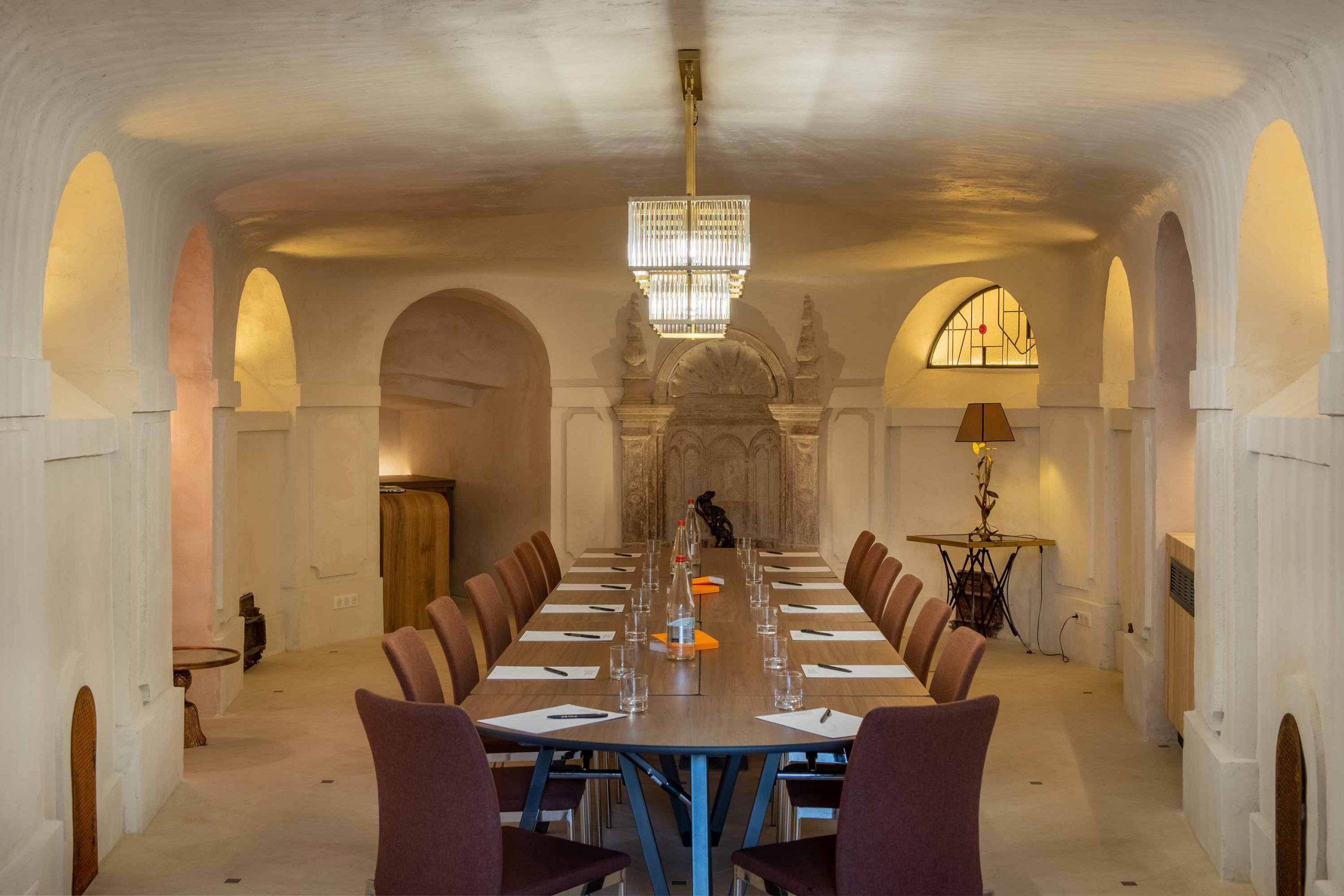
- Private Dining
- Historic Building
- Hotel Restaurant
- Open Kitchen
- Extensive Wine List
- Sommelier Led
- Local Sourcing
- Farm To Table
- Garden
- Tasting Menu
- A La Carte
- Prix Fixe
- Wine
- Regional Wines
- Vegetarian Friendly
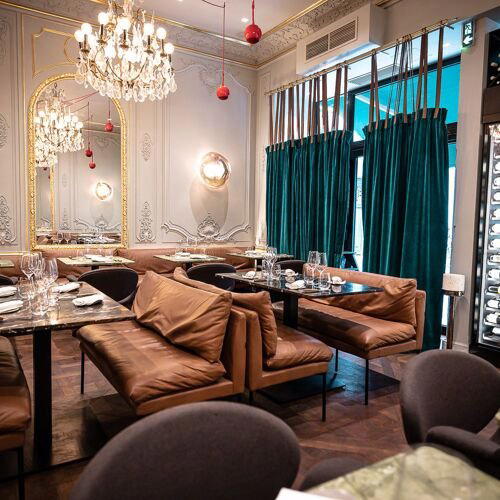
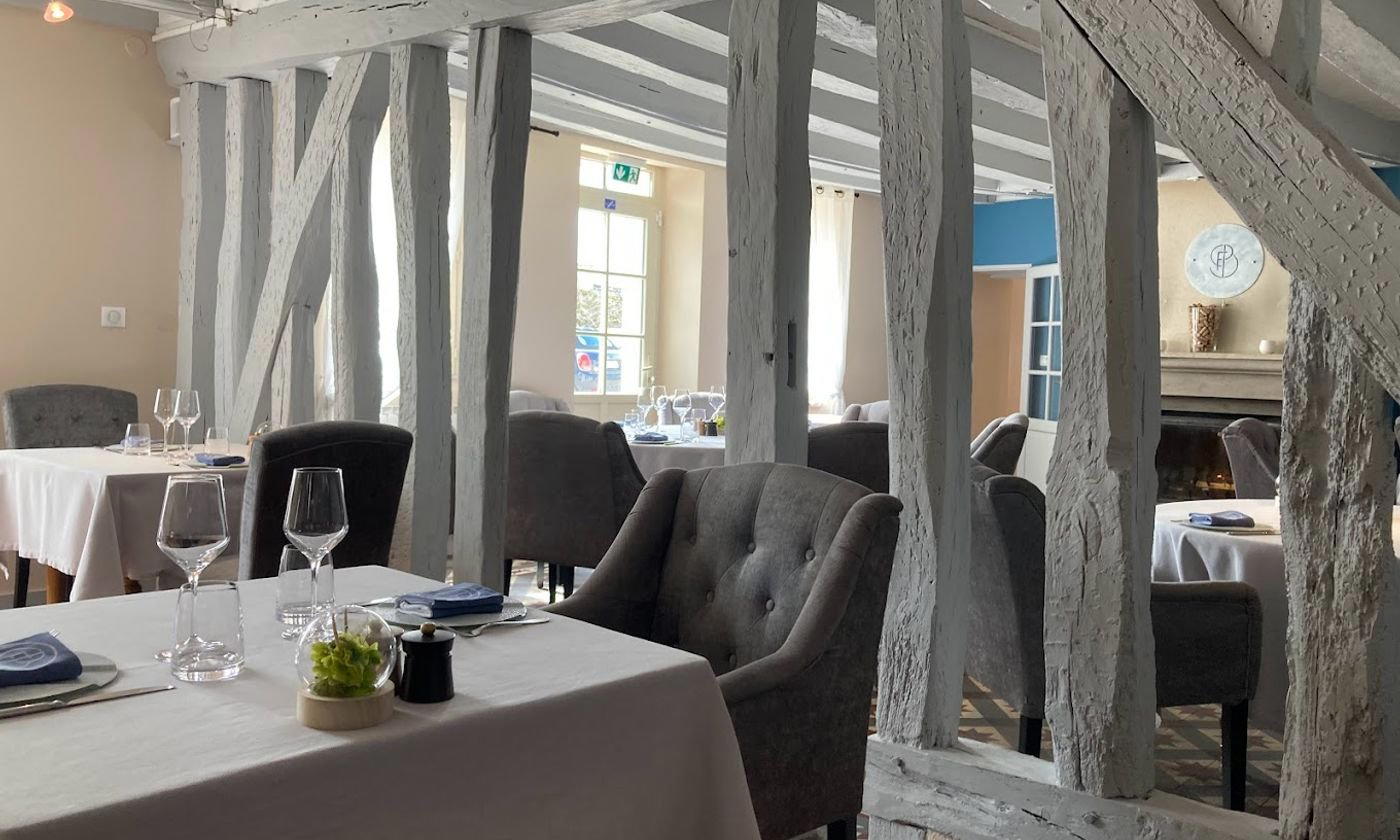
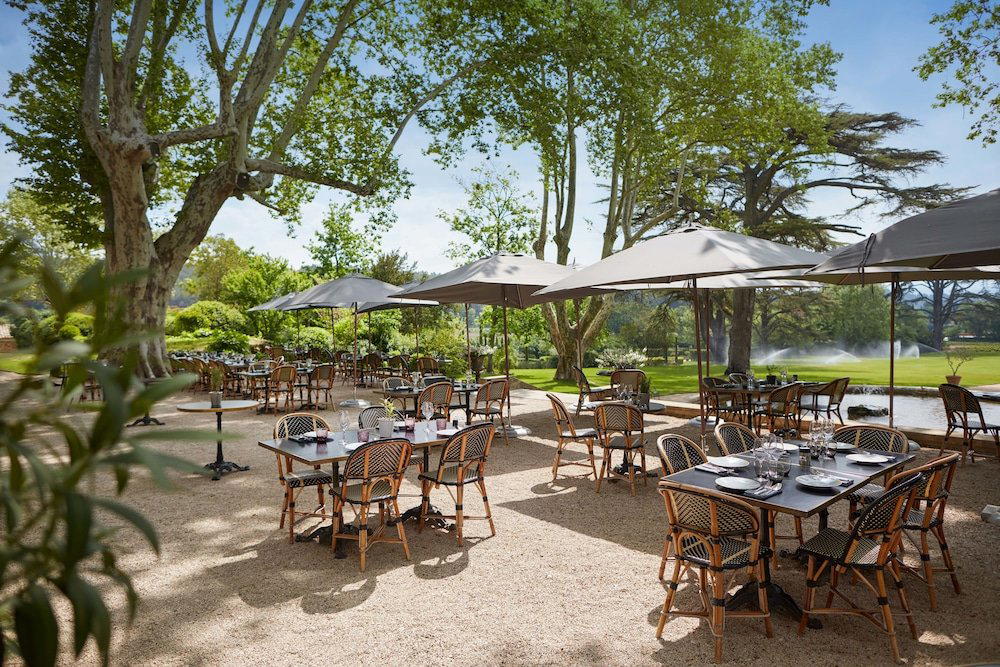
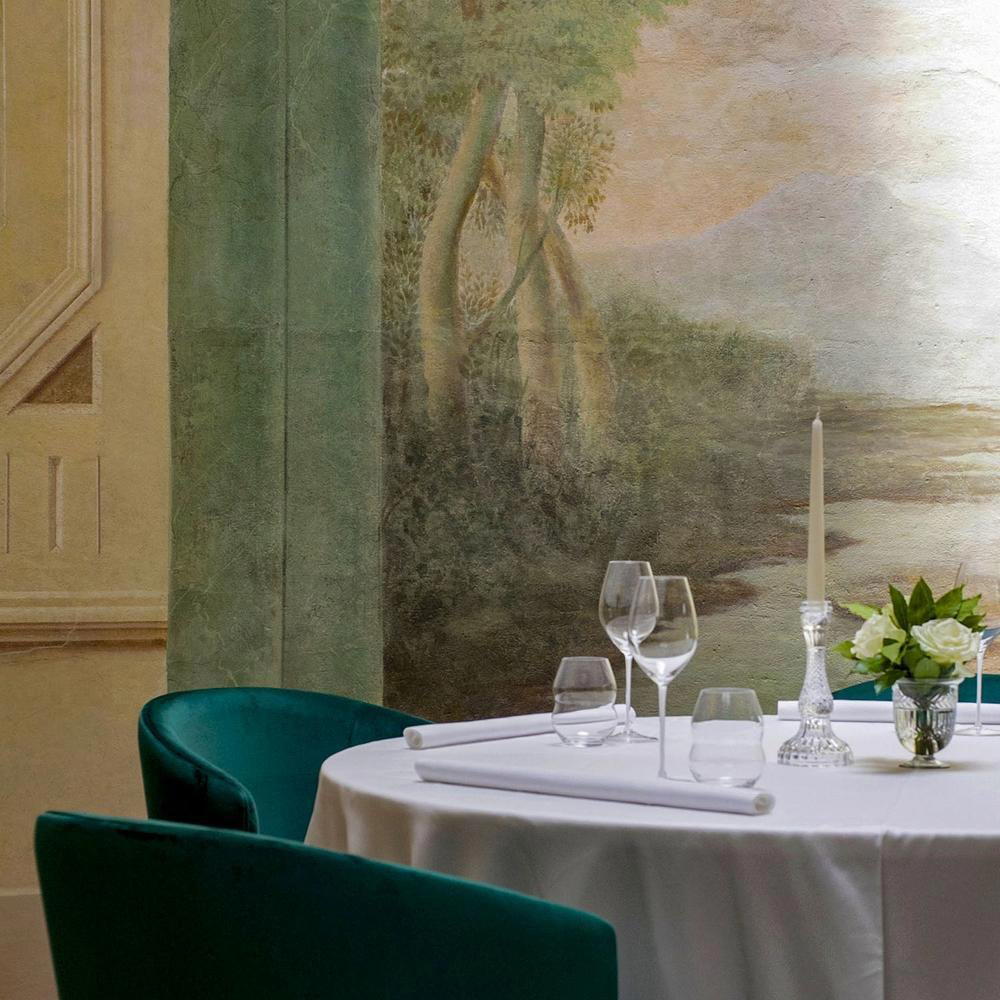
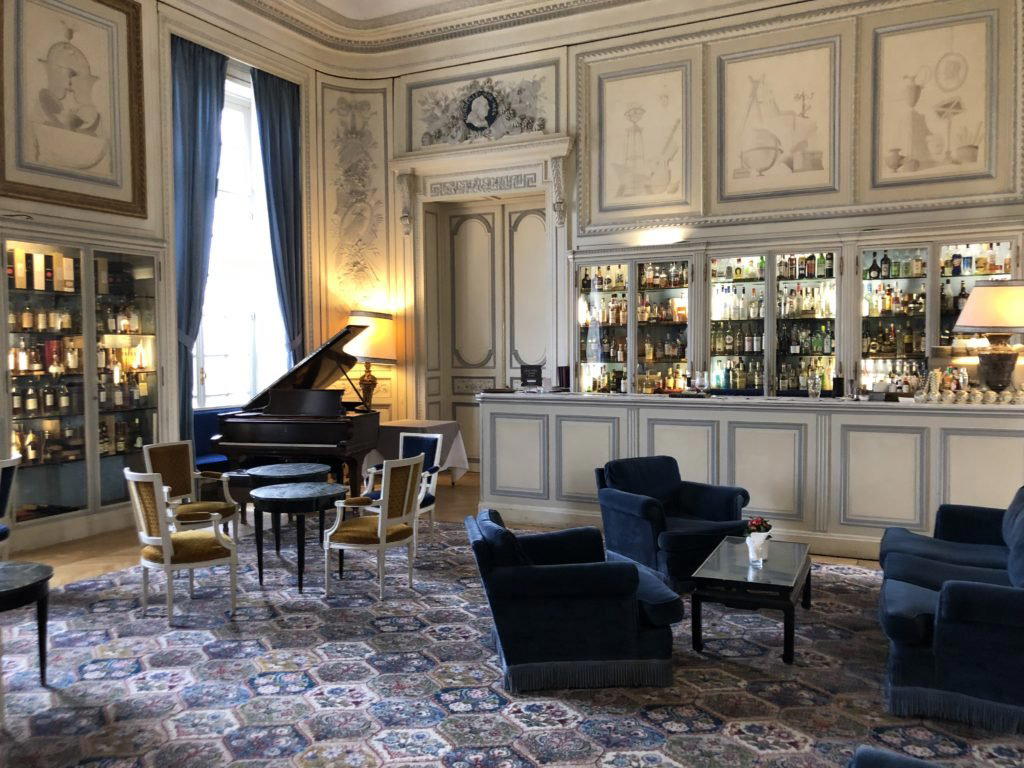
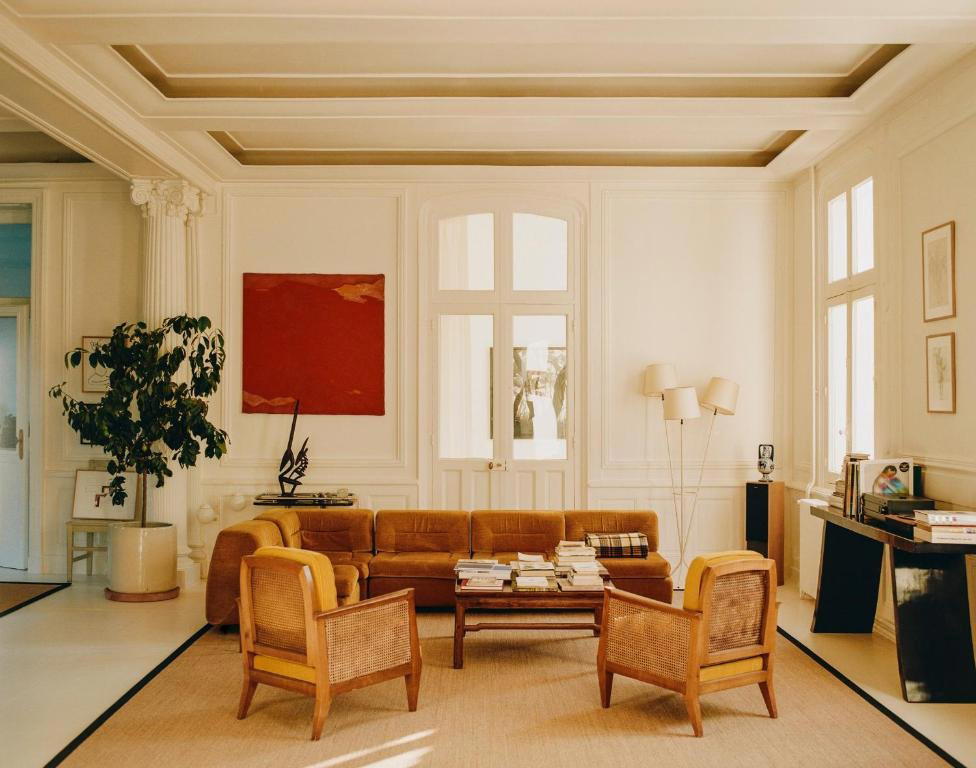
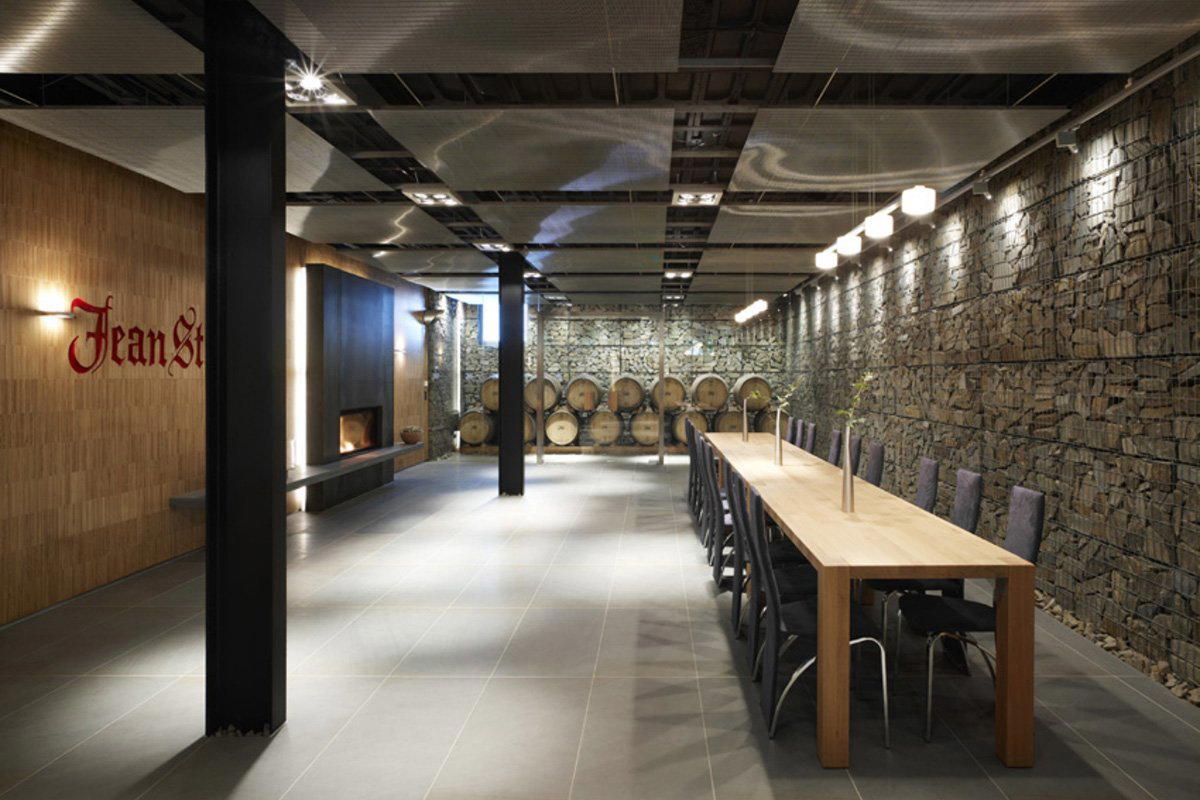
Cozy and delicate atmosphere in a magnifique 19th-century setting with classical décor, warm lighting, and a peaceful garden-facing terrace; described as a haven of tranquility conducive to fine dining.