

1 Michelin Star · Gault & Millau Remarkable Restaurant
Our verdict
A Michelin-starred modern cuisine table within the wooded estate of Les Sources de Cheverny, Le Favori earns its one-star recognition through precise sourcing and technically accomplished cooking. Chef Frédéric Calamels balances regional Loire Valley produce with wider French ingredients, deploying a style that sits between classical discipline and considered innovation. Service runs Wednesday through Sunday evenings, with Saturday and Sunday lunch also available, at €€€€ pricing.

Pearl is the En Primeur Club membership app — saves, bookings, and concierge access live there. Same editors, same standards.
- Address
- 23 Rte de Fougère, 41700 Cheverny, France
- Phone
- +33 2 54 44 20 20
- Hours
- Mon–Tue ClosedWed–Fri 7–9:15 PMSat–Sun 12–1:30 PM, 7–9:15 PM
- Website
- sources-hotels.com
- Directions
- Get directions
The menu
What to order
- Poireau grillé au feu de bois blanc manger d'esturgeon coulis de persil
- Butternut confit au whisky sucs d'orange et homard bleu
- Chou-rouge confit au vinaigre balsamique de pommes canard colvert de Sologne
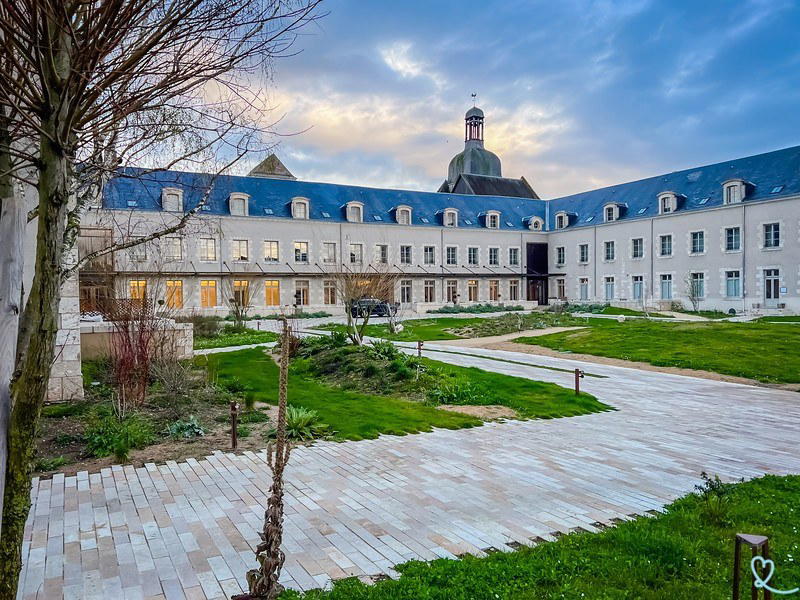
A Wooded Estate as Dining Context
France's finest restaurant-within-a-domaine format has a particular grammar: the estate provides isolation, seasonal produce, and a sense of occasion that a standalone urban address cannot manufacture. In the Loire Valley, where château tourism and agricultural land interweave along the river corridor, that format finds natural expression. Le Favori at Les Sources de Cheverny operates within this tradition, positioned inside a forested estate outside the village of Cheverny, where the proximity to working landscape informs the sourcing logic on the plate. The Michelin Guide awarded the table one star in 2024 and classified it in the 'Remarkable' category, which places it in a tier where technical execution is assumed and the differentiation lies in coherence of concept and ingredient quality. For the broader dining scene in the region, see our full Cheverny restaurants guide.
What the Sourcing Argument Actually Means Here
The Loire Valley's agricultural calendar is specific: Sologne game in autumn, river fish through warmer months, the market gardens of the Loir-et-Cher department, and poultry traditions that connect back to Bresse further south. At this price tier, €€€€, sourcing decisions are not simply ethical choices but structural ones: the ingredient defines the dish architecture, and the cooking technique has to justify the cost of what arrives in the kitchen. Chef Frédéric Calamels works with that constraint directly, drawing on both local and non-local produce according to what the dish requires rather than applying a rigid regional-only framework. The Michelin descriptor singles out Bresse poultry as one reference point: a breast treatment alongside aubergine and smoked caviar, offset by a crisped confit leg and a saffron jus. That combination illustrates the sourcing philosophy concisely. Bresse poultry holds its own appellation under French law and is farmed under strict conditions in Ain; its use signals a deliberate positioning toward France's premium ingredient tier rather than purely local Loire produce.
The appearance of John Dory in nasturtium oil as a second reference point from the Michelin citation reinforces a similar pattern. John Dory is an Atlantic species taken off the western French coast; nasturtium is a garden herb that grows across the Loire region and has become a marker of the contemporary French kitchen's interest in botanical sourcing. The pairing is neither aggressively local nor cosmopolitan: it occupies the middle register where premium ingredient and regional plant interact on the plate. That register is where modern French cooking at the one-star level tends to work most confidently, and it differs from the approach at three-star Paris addresses like Alléno Paris au Pavillon Ledoyen, where technique and abstraction carry more weight than legible sourcing narratives.
The Kitchen's Lineage and What It Signals
Kitchen lineage matters at this level not as biography but as a signal about training registers and flavour philosophy. The chef at Les Sources de Cheverny has kitchen lineage that runs through Sources de Caudalie in Bordeaux, a hotel-restaurant address in the wine country south of the city that has operated at high level for many years. That training environment sits at the intersection of estate produce, wine-country cooking, and refined French technique. It produces cooks comfortable with the logic of place-based sourcing and with balancing classical French structure against contemporary plating discipline. The result at Le Favori is what the Michelin citation describes as 'accomplished, harmonious balance between tradition and modernity.' In practical terms that means the kitchen works in a recognisable French idiom without retreating into academic classicism or into the kind of avant-garde abstraction that defines tables like Mirazur in Menton or AM par Alexandre Mazzia in Marseille.
Among France's starred country-house tables, Le Favori sits closer in spirit to the estate-anchored model seen at houses like Bras in Laguiole, where the surrounding terrain functions as active sourcing territory rather than decorative backdrop. The comparison is instructive rather than hierarchical: Bras operates at three stars with a decades-long relationship to the Aubrac plateau; Le Favori is a younger, single-star address working a different landscape. But both participate in a French tradition of treating the estate or region as the primary creative constraint rather than as a marketing frame. That tradition also connects to the long-established Loire approach at Auberge de l'Ill in Illhaeusern, where regional identity and classical lineage have coexisted at three-star level across generations.
The Dining Room and the Estate Setting
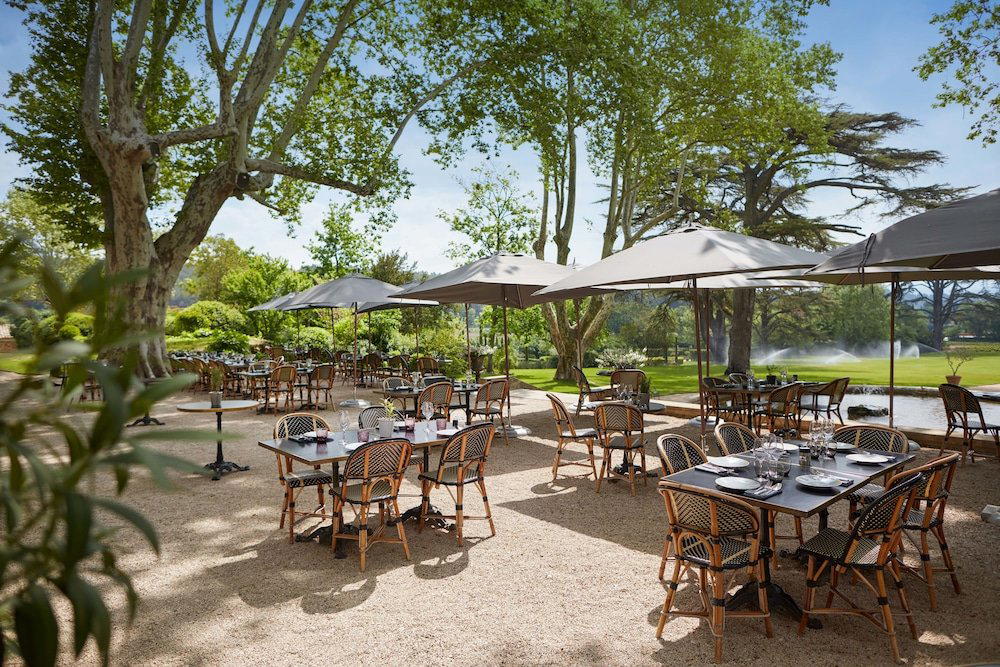
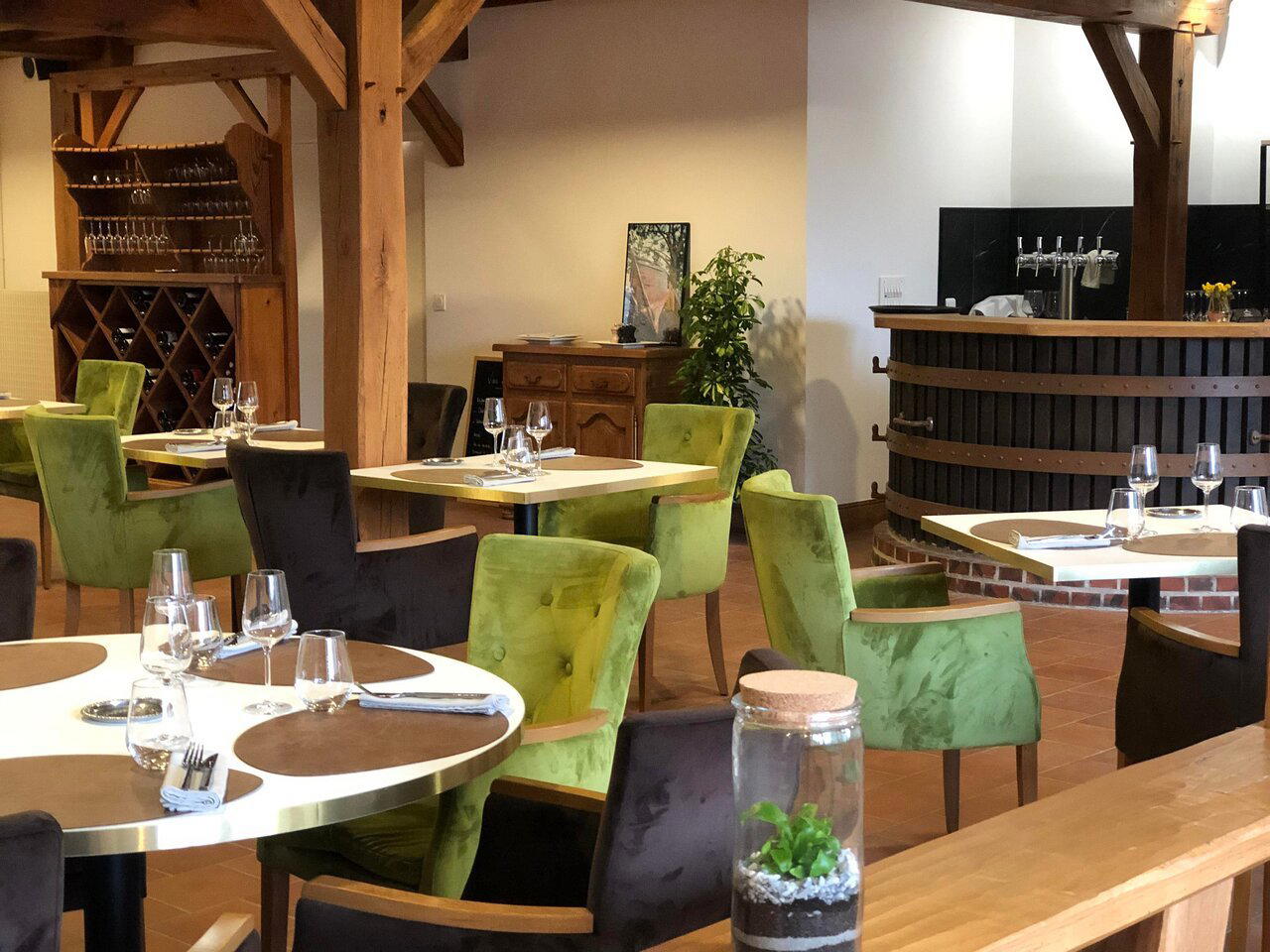
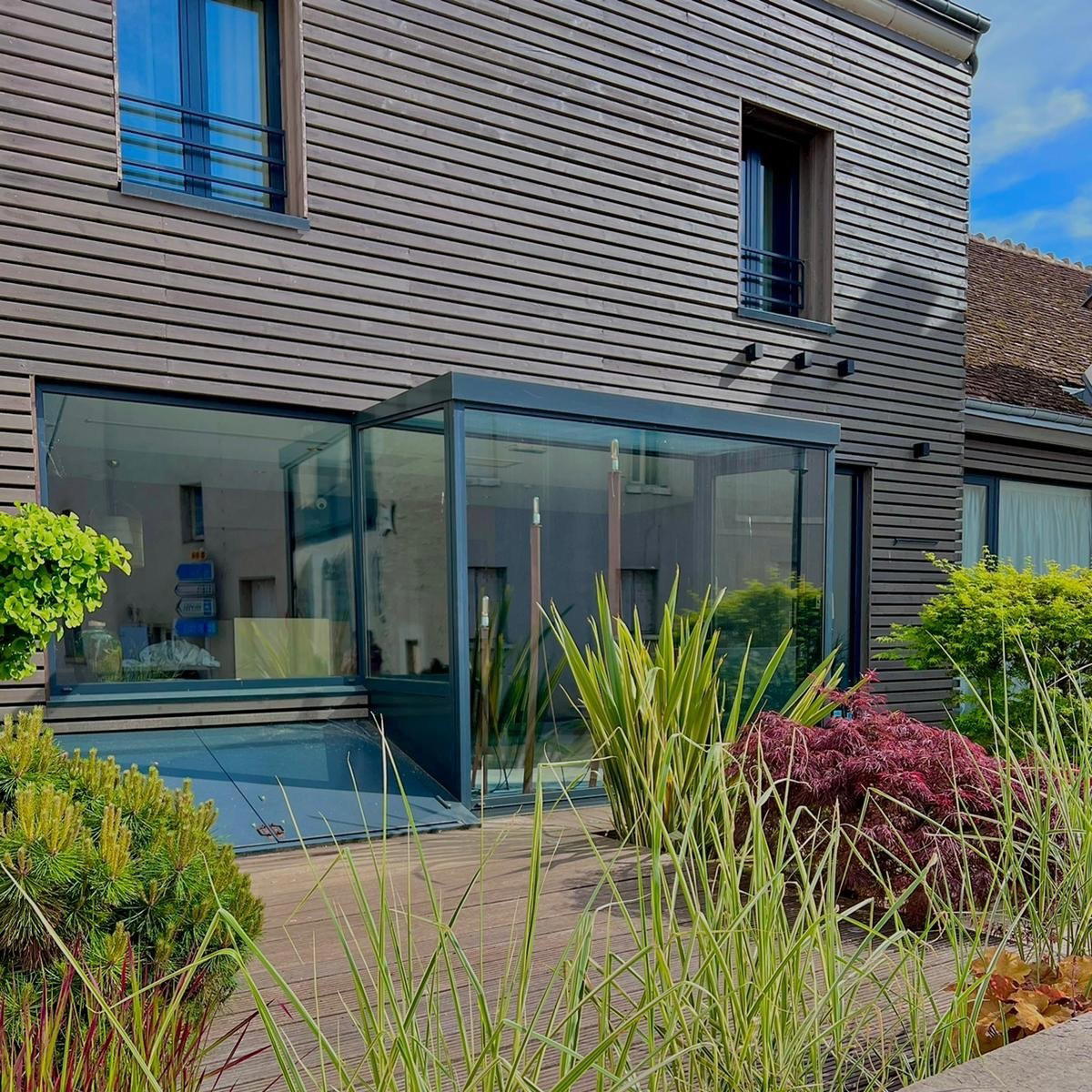
Approaching a restaurant set within a wooded estate in the Sologne borderlands means the environment does significant atmospheric work before service begins. The dining room at Le Favori faces the countryside directly, which is a deliberate spatial choice: the view into managed woodland and grounds provides a seasonal context that shifts the register of eating from urban performance to something slower and more attentive. That physical orientation toward landscape is more common in French provincial starred dining than in capital cities, and it creates a specific expectation about pacing and format. Plates that arrive with agricultural reference points read differently in a room looking onto woodland than they would under the glass ceiling of a Paris grand hotel.
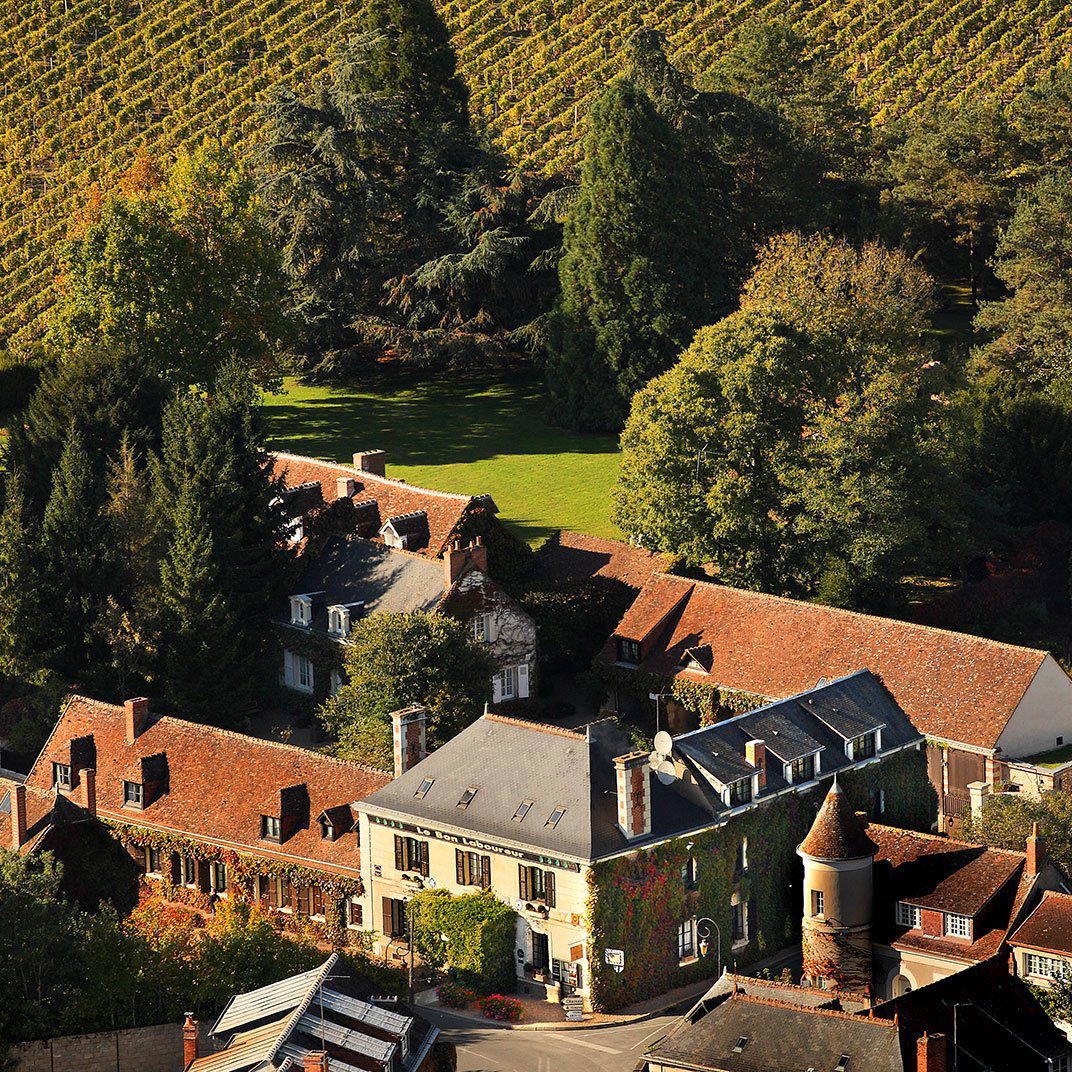
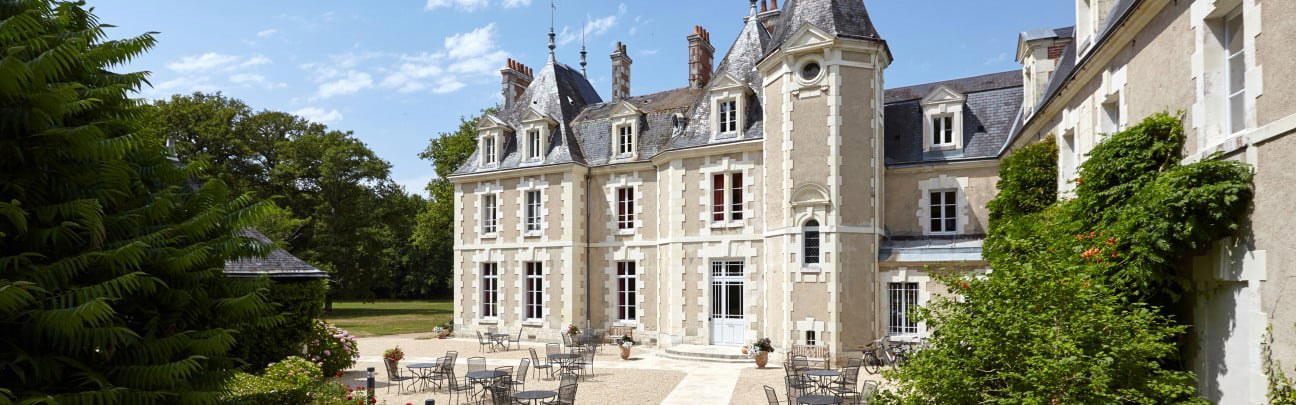
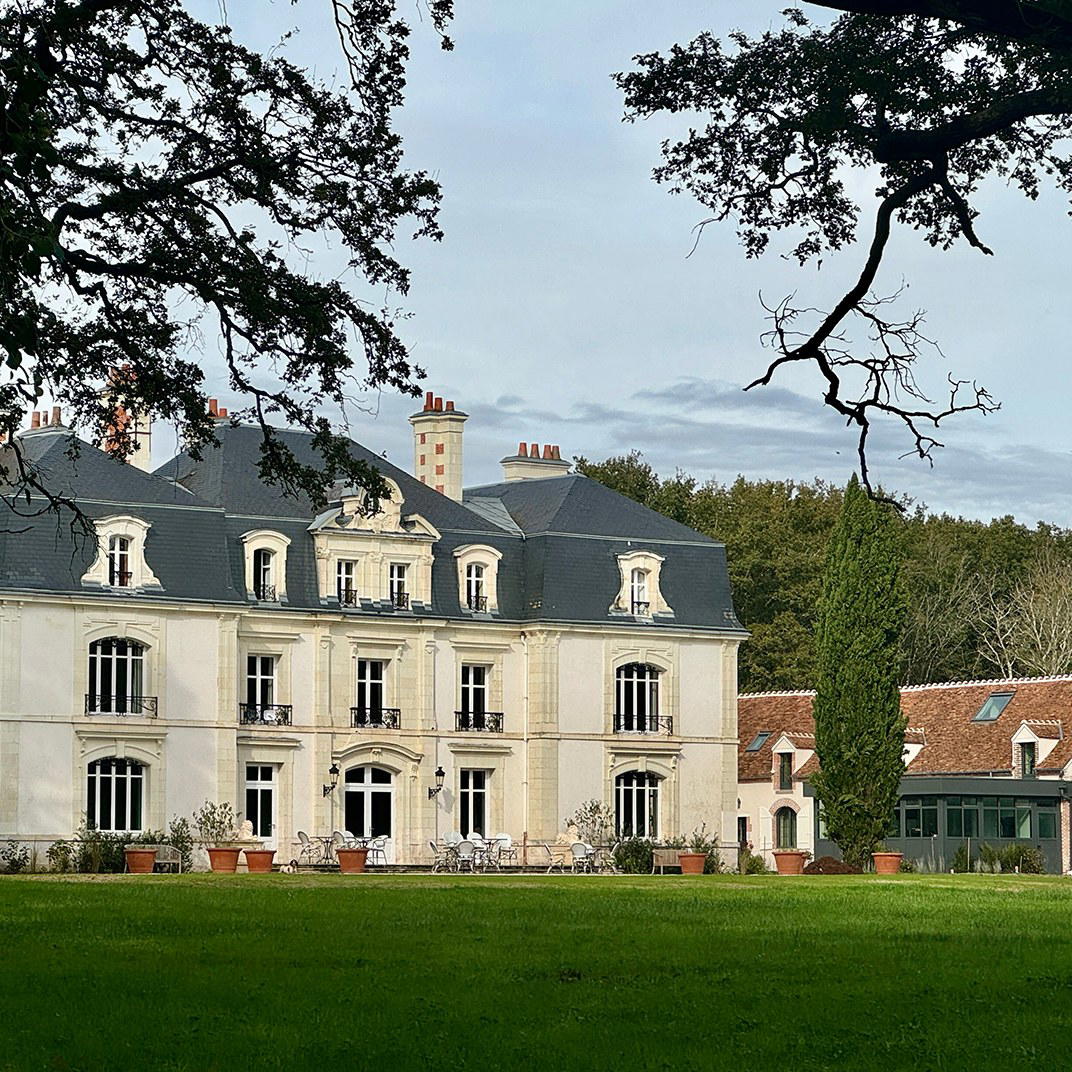
The estate itself, Les Sources de Cheverny, operates as a broader hospitality address, and Le Favori functions as its premium dining proposition within that context. For those considering a full stay in the area, our full Cheverny hotels guide covers the accommodation options across the village and surrounding estate properties. Visitors interested in the château circuit that makes Cheverny a draw for Loire tourism can also find relevant context through our full Cheverny experiences guide.
Placement in the Loire Dining Scene
Cheverny sits in Loir-et-Cher, a department with a thin distribution of starred addresses relative to the Loire Valley's reputation as a gastronomic corridor. That distribution matters for planning: Le Favori is not one of several comparable starred alternatives within easy reach, which gives it a different position in a visit than it would occupy if it were, say, one of a dozen one-star addresses in a city's arrondissement. For visitors combining Cheverny's château circuit with serious dining, it functions as the area's reference point at the premium level. The estate also operates L'Auberge - Les Sources de Cheverny, a Traditional Cuisine address for those who want a less formal meal or a second option on the property. For context on how Le Favori's contemporary approach compares to more deeply classical country-house cooking across France, addresses like Troisgros in Ouches, Paul Bocuse in Collonges-au-Mont-d'Or, and Assiette Champenoise in Reims each illustrate different versions of that same tension between tradition and contemporary technique. Further afield, Au Crocodile in Strasbourg and Flocons de Sel in Megève show how that tension plays out in entirely different regional frameworks. For those interested in how the same conversation unfolds beyond French borders, Frantzén in Stockholm and FZN by Björn Frantzén in Dubai offer instructive international comparisons on the modern-cuisine format. Other Cheverny interests, including wine, are covered in our full Cheverny wineries guide and our full Cheverny bars guide.
Planning Your Visit
Le Favori serves dinner Wednesday through Friday from 7 PM to 9:15 PM, with both lunch (12 PM to 1:30 PM) and dinner on Saturday and Sunday. The restaurant is closed Monday and Tuesday. At €€€€ pricing and with a Michelin star awarded in 2024, this is a meal that warrants advance booking, particularly for weekend lunch, which combines the estate setting with daylight views of the grounds. The address is 23 Route de Fougère, 41700 Cheverny. Given the estate's rural position outside the village, arriving by car is the practical default for most visitors; the combination of Le Favori for dinner with an overnight stay in the region makes logical sense at this price level.
Frequently asked questions
What does dinner at Le Favori - Les Sources de Cheverny typically cost?
Pricing at Le Favori - Les Sources de Cheverny is listed as €€€€.
Cost and Credentials
| Venue | Cuisine | Price | Awards |
|---|---|---|---|
| Le Favori - Les Sources de ChevernyThis venue — the venue you are viewing | Modern French Gastronomic with Vegetable Focus | $150–200 | 1 Michelin Star · Gault & Millau Remarkable Restaurant |
| Alléno Paris au Pavillon Ledoyen | Creative | Not listed | Michelin 3 Star |
| Kei | Contemporary French, Modern Cuisine | Not listed | Michelin 3 Star |
| L'Ambroisie | French, Classic Cuisine | Not listed | Michelin 3 Star |
| Le Cinq - Four Seasons Hôtel George V | French, Modern Cuisine | Not listed | Michelin 3 Star |
| Plénitude | Contemporary French | Not listed | Michelin 3 Star |
Recognition history
Dated appearances from independent guides and award organizations, with the underlying list record or original source where available.
Michelin 1 Star
Michelin
Gault & Millau Remarkable Restaurant
Gault & Millau
Full recognition history (4 entries)
Michelin 1 Star
Michelin
Michelin 1 Star
Michelin

Details
- Elegant
- Scenic
- Sophisticated
- Intimate
- Date Night
- Special Occasion
- Garden
- Hotel Restaurant
- Local Sourcing
- Garden
- Vineyard
- Tasting Menu
- Set Menu
- Vegetarian Friendly
Current opening hours
- Monday
- Closed
- Tuesday
- Closed
- Wednesday
- 7–9:15 PM
- Thursday
- 7–9:15 PM
- Friday
- 7–9:15 PM
- Saturday
- 12–1:30 PM, 7–9:15 PM
- Sunday
- 12–1:30 PM, 7–9:15 PM
Hours can change for holidays and private events. Last verified .
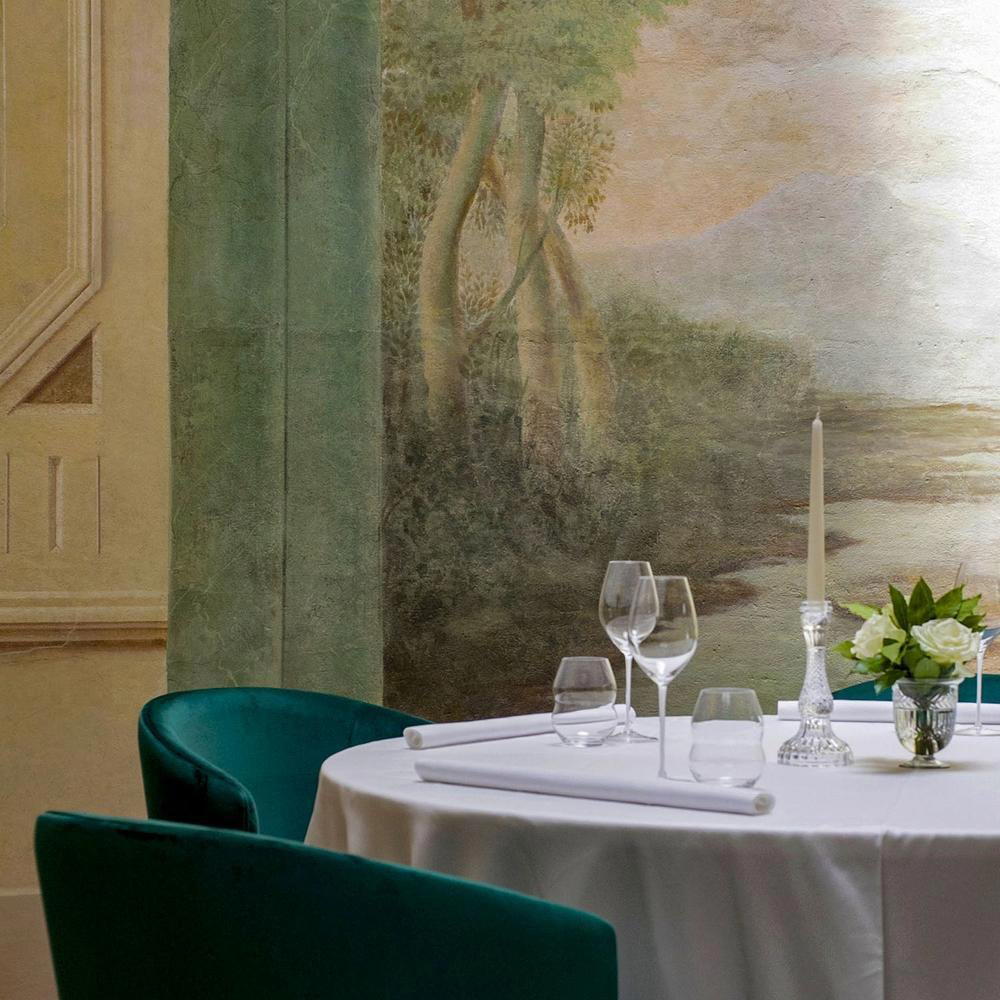
Elegant natural light-filled dining room with wooden architecture and large bay windows immersing diners in the surrounding garden.