Fairmont Bangkok Sukhumvit enters a hotel market where dining increasingly defines the stay, not just the room. With public data on awards, prices, room mix and restaurants not yet available in the record, the useful comparison is geographic and strategic: Sukhumvit access, city-hotel convenience, and how a Fairmont address would sit against Bangkok’s riverfront legends and design-led central rivals.

Pearl is the En Primeur Club membership app — saves, bookings, and concierge access live there. Same editors, same standards.
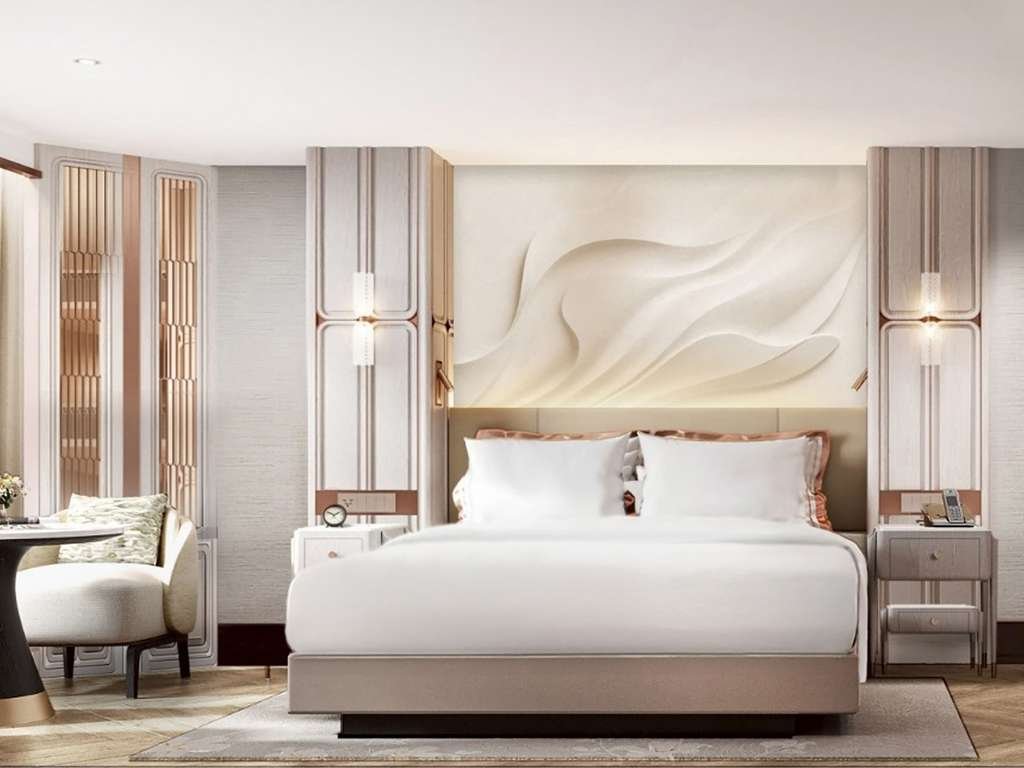
Bangkok's hotel dining question has moved beyond the breakfast buffet
Arriving in Sukhumvit means entering Bangkok at street level: BTS stairs, office towers, mall entrances, massage shops, embassy traffic, late dinners, and hotel lobbies that function as urban junctions rather than sealed resorts. The sound is not the slow river rhythm of the Chao Phraya. It is the pulse of a business and nightlife corridor where a hotel’s restaurants and bars have to compete with the city outside the door, not merely serve guests who do not want to leave the building.
That is the lens through which Fairmont Bangkok Sukhumvit should be read. Fairmont Bangkok Sukhumvit is a 5-star hotel in Bangkok, Thailand, with 416 rooms and a price tier of 4. The current record does not list restaurant names, chef, cuisine type, bar programme, opening hours, awards, address, phone number, website, price range, or booking method. That absence matters editorially because Bangkok’s upper-tier hotels are often judged by precisely those signals: the chef partnerships, the cocktail bar recognition, the breakfast format, the room category spread, and the strength of the all-day dining operation. Without those confirmed details, the sounder reading is to place the property within Sukhumvit’s broader hotel-dining economy rather than invent specifics.
Sukhumvit has a different luxury grammar from the river. Along the Chao Phraya, hotels sell procession, water views, heritage, and destination restaurants with a sense of occasion. In central Sukhumvit, the successful city hotel has to offer pace: breakfast before meetings, a bar that works for both residents and locals, and restaurants that make sense after a day of shopping, gallery stops, spa appointments, or cross-town traffic. Fairmont Bangkok Sukhumvit belongs to that second urban question, where the dining programme is not decorative. It is part of how the hotel competes.
The Sukhumvit test: convenience is not enough
Bangkok has trained regular travellers to be demanding about location. A hotel near Sukhumvit can be practical, but practicality alone rarely creates loyalty at the premium end. The stronger properties turn transit access into a full day rhythm: coffee and breakfast in the morning, a meeting-friendly lobby in the afternoon, cocktails before dinner, and a late return that does not feel like entering a closed corporate box.
This is why the dining programme matters more in Sukhumvit than in some resort settings. Guests are surrounded by independent restaurants, bars, Japanese counters, wine rooms, mall dining, and street-level Thai cooking. A hotel restaurant cannot survive on captive audience logic in this district. It needs a reason to be chosen when Bangkok itself is waiting outside. That may come through a chef-led concept, a strong Thai dining room, a bar with a defined cocktail identity, or a breakfast operation polished enough for repeat business travellers. Any assessment should begin with the competitive frame rather than an invented menu.
Bangkok’s more established hotel benchmarks make that frame clear. The river addresses, including Mandarin Oriental Bangkok, The Peninsula Bangkok, Capella Bangkok, and Four Seasons Bangkok at Chao Phraya River, have taught visitors to associate hotel dining with ceremony and waterfront pacing. Central addresses such as Rosewood Bangkok, Park Hyatt Bangkok, and The Okura Prestige Bangkok lean more toward skyline, business access, and polished city routines. Sukhumvit has to answer to both sets of expectations.
Where a Fairmont address fits in Bangkok's hotel hierarchy
Fairmont, as an international hotel brand, carries a different promise from a private villa resort or a design-led boutique property. The expectation is not only room comfort. It is operational scale: multiple service touchpoints, predictable standards, banquet and meeting capability, and a food-and-beverage operation broad enough to serve local diners as well as in-house guests. In Bangkok, that puts the brand into a crowded field where execution is judged against legacy hotels, riverfront newcomers, and high-rise central competitors.
The sharper comparison is not simply hotel versus hotel. It is dining identity versus dining identity. River hotels often build restaurants around views and occasion. Japanese-influenced city hotels may lean on precision and breakfast discipline. Lifestyle-led properties use bars, lounges, and design to capture evening trade. Larger international hotels need breadth without becoming anonymous. For Fairmont Bangkok Sukhumvit, the editorial question is therefore direct: does the hotel’s restaurant and bar mix give travellers a Bangkok reason to stay in, or does it function mainly as support for the room product?
At present, the record offers no confirmed awards. That means the page should not attach Michelin, 50 Best, bar-list, or hotel-rating claims to the property. The reliable trust signal is contextual rather than trophy-based: Bangkok is one of Asia’s densest luxury-hotel cities, and Sukhumvit is among its more competitive urban corridors. A new or lesser-documented hotel in this context must be read through peer pressure. It has to compete with established addresses where dining recognition, room category clarity, and public critical reception are easier to verify.
The dining programme as the deciding layer
In Bangkok, hotel dining is rarely a side issue. The city’s luxury hotels have helped shape the way travellers eat: formal Thai rooms, afternoon tea rituals, destination Japanese counters, riverside Italian restaurants, rooftop bars, bakery counters, and breakfast rooms that treat tropical fruit, noodles, Western pastry, and coffee service as part of the same operational choreography. A credible hotel in Sukhumvit needs to understand that local diners are often as important as overnight guests.
For this property, the public record supplied here does not confirm cuisine, chef, restaurant count, bar format, signature dishes, dress code, or hours. That limits any responsible description of the dining itself. The useful guidance is conditional. If the hotel’s programme is chef-led, it will need to offer credentials that matter in a city full of imported talent and Thai culinary authority. If it is anchored by all-day dining, breakfast quality and service rhythm will carry more weight than novelty. If the bar is a central feature, it will be judged against Bangkok’s serious cocktail scene rather than against generic lobby lounges.
Travellers building a Bangkok itinerary should therefore treat the hotel as one part of a wider dining map. For restaurant planning beyond the property, Our full Bangkok restaurants guide is the better companion. For drinking routes across the city, Our full Bangkok bars guide gives the bar context that a hotel page cannot responsibly invent. Wine-focused travellers can also check Our full Bangkok wineries guide, while cultural formats sit separately in Our full Bangkok experiences guide.
How Sukhumvit changes the guest decision
Sukhumvit rewards travellers who want the city immediately around them. The area works for repeat visitors, business travellers, shoppers, nightlife-focused stays, medical and wellness trips, and those who prefer BTS-linked movement over river transfers. It is less about retreat and more about access. That distinction matters because Bangkok traffic can turn a short map distance into a long evening, particularly during rain or commuter peaks.
For a hotel in this district, the planning advantage is flexibility. Guests can eat locally, cross to another neighbourhood by rail, return late without a long boat or car transfer, and use the hotel as a base between appointments. The trade-off is atmosphere. Travellers who want river views, heritage architecture, and a slower resort-like stay may find the Chao Phraya cohort more persuasive. Those comparing the city’s main luxury zones should use Our full Bangkok hotels guide before deciding between Sukhumvit, Lumphini, Phloen Chit, Old Town, and the river.
Thailand also has a split personality at the premium level. Bangkok hotels are about access and restaurants; island and mountain properties are about space, views, and retreat. The contrast is clear when set against Phulay Bay, A Ritz-Carlton Reserve in Krabi, Keemala in Phuket, Soneva Kiri in Trat, Four Seasons Resort Chiang Mai in Chiang Mai, Samujana Villas in Koh Samui, Anantara Golden Triangle Elephant Camp & Resort in Chiang Rai, Pimalai Resort & Spa in Koh Lanta, The Sarojin Thailand in Phang Nga, and InterContinental Hua Hin Resort in Hua Hin. A Bangkok stay asks a different question: how much city does the traveller want at the front door?
What can be confirmed, and what should be checked
The available record confirms the name, city, country, star rating, room count, and price tier: Fairmont Bangkok Sukhumvit, Bangkok, Thailand, 5 stars, 416 rooms, price tier 4. It does not confirm address, website, phone, price range, awards, room types, chef, cuisine, booking method, opening hours, or guest-review volume. Those gaps should shape planning. Travellers comparing hotels on dining should verify restaurant names, bar hours, breakfast inclusion, room categories, cancellation terms, and any opening-stage service limitations through a direct source before committing.
The nightly price is listed at USD 323. In Bangkok, rates can swing sharply between weekday business demand, holiday periods, regional school breaks, major conferences, and the cooler dry season from roughly November to February. A Sukhumvit hotel may price differently from riverfront resorts because the value proposition is access rather than waterfront setting. The sensible move is to compare fully flexible and prepaid rates against nearby luxury peers for the same dates, then judge whether dining, transport convenience, and room size justify the spread.
International context helps here. City hotels such as The Fifth Avenue Hotel in New York City, Hôtel de Paris Monte-Carlo in Monte Carlo, and Badrutt's Palace Hotel in St. Moritz show how mature luxury markets use restaurants, bars, and public rooms to define a stay beyond the bedroom. Bangkok has joined that conversation. A Sukhumvit hotel without clearly published dining credentials has to earn attention through practical strength first, then through restaurant identity once details are verified.
Planning notes for a Sukhumvit stay
For visitors focused on food, the hotel should be treated as a base with potential in-house dining rather than the entire plan. Bangkok rewards advance scheduling for acclaimed restaurants and flexibility for casual meals. Keep daytime movement realistic, cluster dinners by neighbourhood, and allow extra time during rain. If the hotel confirms a destination restaurant or serious bar programme, it can anchor one evening. If not, Sukhumvit’s value is that alternatives are close in every direction.
For business travellers, the stronger case is convenience: central access, likely international-brand service standards, and a district that works for meetings, shopping, and evening meals. For leisure travellers, the decision is more personal. Choose Sukhumvit for movement and urban density. Choose the river for atmosphere and slower pacing. Choose a resort elsewhere in Thailand for space and retreat. Fairmont Bangkok Sukhumvit sits in the city-hotel category, and its dining programme will be the detail that determines whether it becomes merely practical or genuinely competitive within Bangkok’s crowded premium tier.
Reputation & Price
Comparable venues nearby, for context on price, style, and recognition.
| Venue | Price | Awards | Notes |
|---|---|---|---|
| Fairmont Bangkok SukhumvitThis venue — the venue you are viewing | $$$$ | 5-Star | Not listed |
| The Sukhothai Residences | $$$$ | 5-Star | Si Lom, Ultra-luxury freehold condominium reflecting timeless Sukhothai elegance. |
| The Landmark Bangkok | $$$$ | 5-Star | Sukhumwit, Urban luxury high-rise with premium facilities |
| Grand Hyatt Erawan Bangkok | $$$$ | 5-Star | Rajdamri Road, Central Bangkok, Contemporary Thai-European architectural design with postmodern style employing traditional Thai elements; resort-style facilities in urban business district setting. |
| Grand Nikko Sathorn | $$$$ | 5-Star | Sathorn, Luxury urban hotel with Japanese-influenced hospitality and contemporary business-leisure positioning. |
| Bangkok Marriott Hotel The Surawongse | $$$$ | 5-Star | Si Phraya, Contemporary luxury extended-stay hotel blending traditional and modern elements. |
Continue exploring
More in Bangkok
Hotels in Bangkok
Browse all →
Bars in Bangkok
Browse all →
Restaurants in Bangkok
Browse all →
At a Glance
- Modern
- Elegant
- Sophisticated
- Energetic
- Ornate
- Business Trip
- Family Vacation
- Weekend Escape
- Celebration
- Group Retreat
- Design Destination
- Panoramic View
- Terrace
- Wi Fi
- Pool
- Spa
- Fitness Center
- Room Service
- Concierge
- Business Center
- Valet Parking
- Kids Club
- Restaurant
- Bar
- Skyline
- Street Scene
- Wi Fi
- Pool
- Spa
- Fitness Center
- Room Service
- Concierge
- Business Center
- Valet Parking
- Kids Club
- Restaurant
- Bar
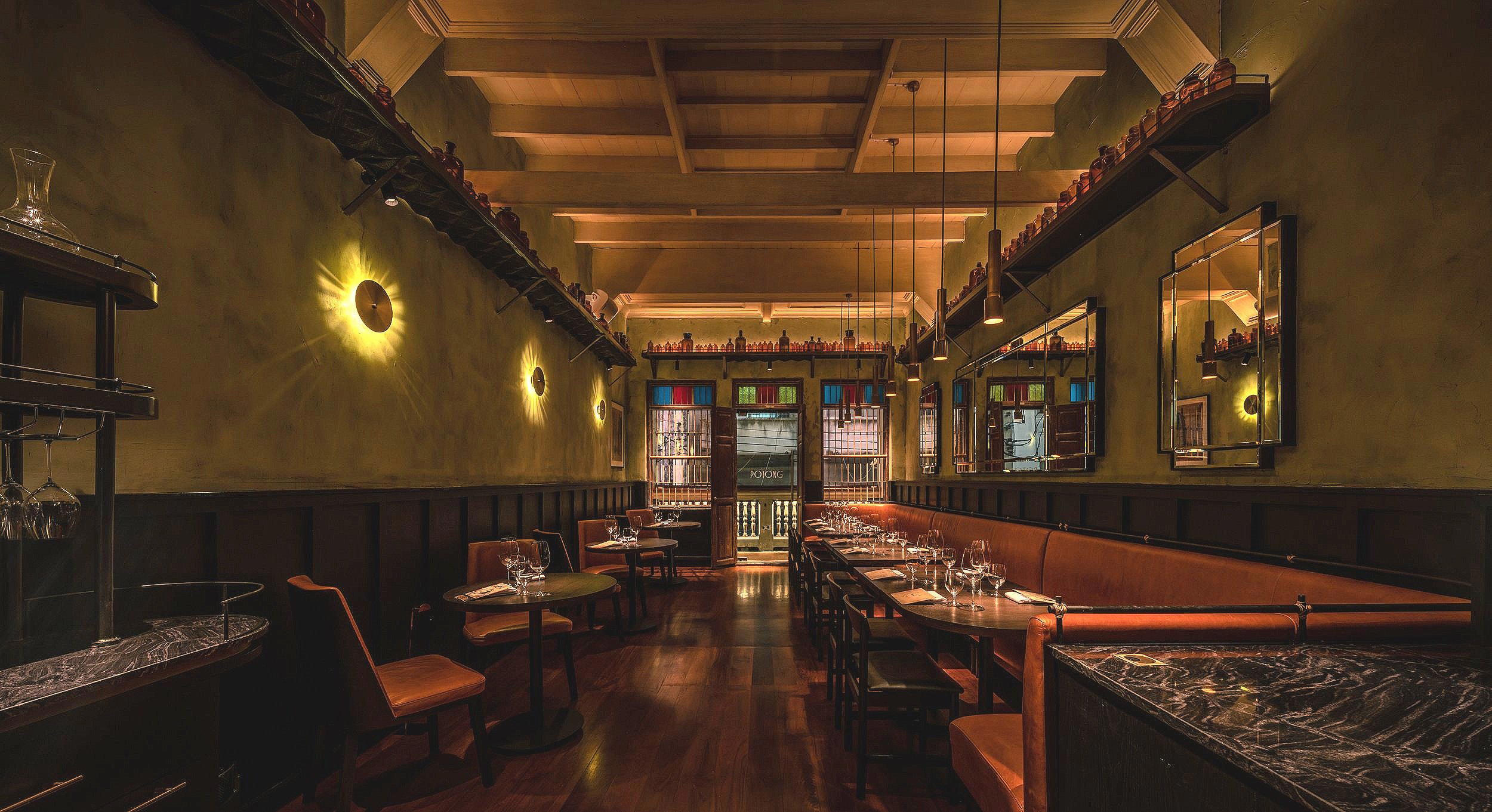
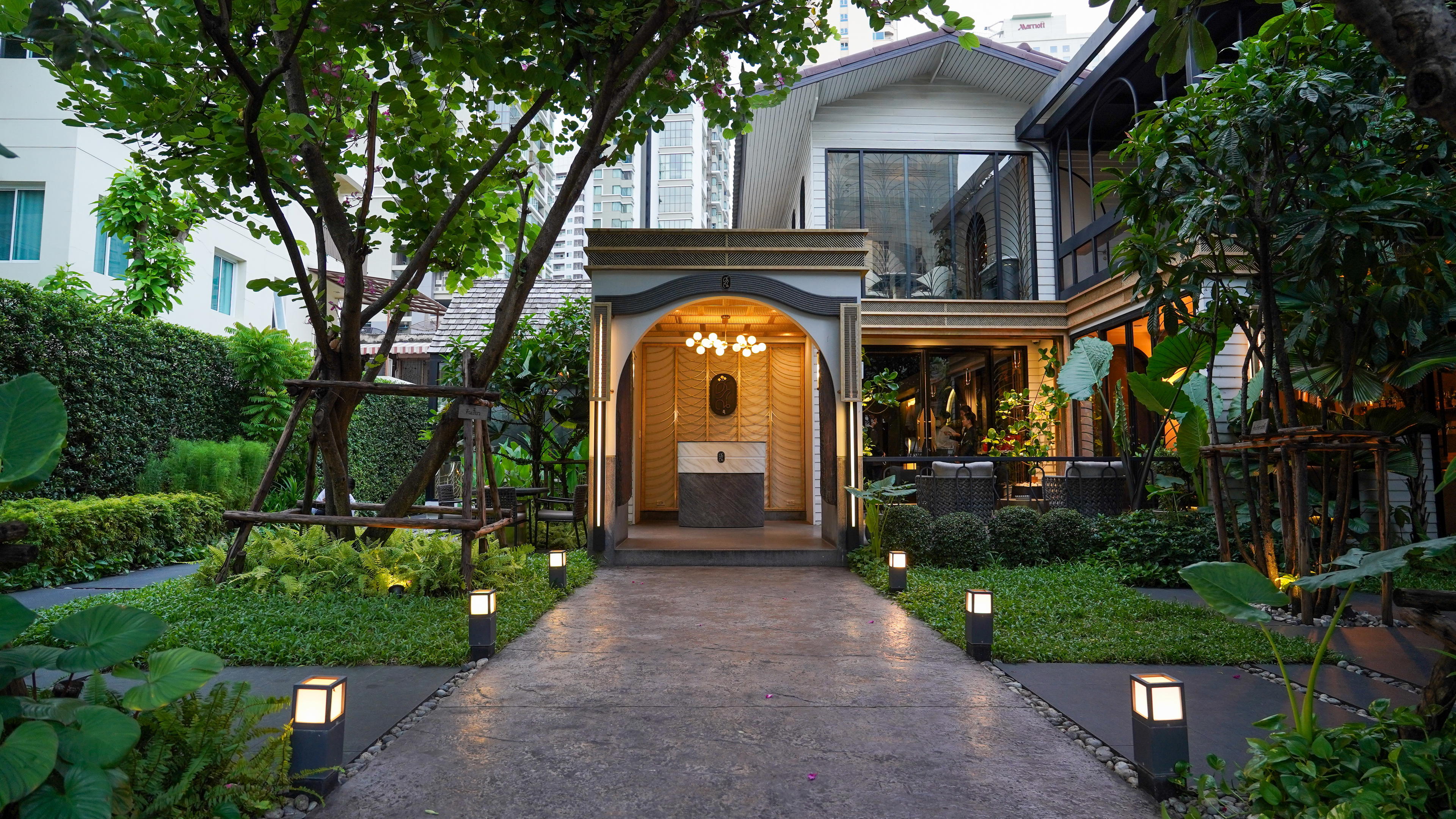
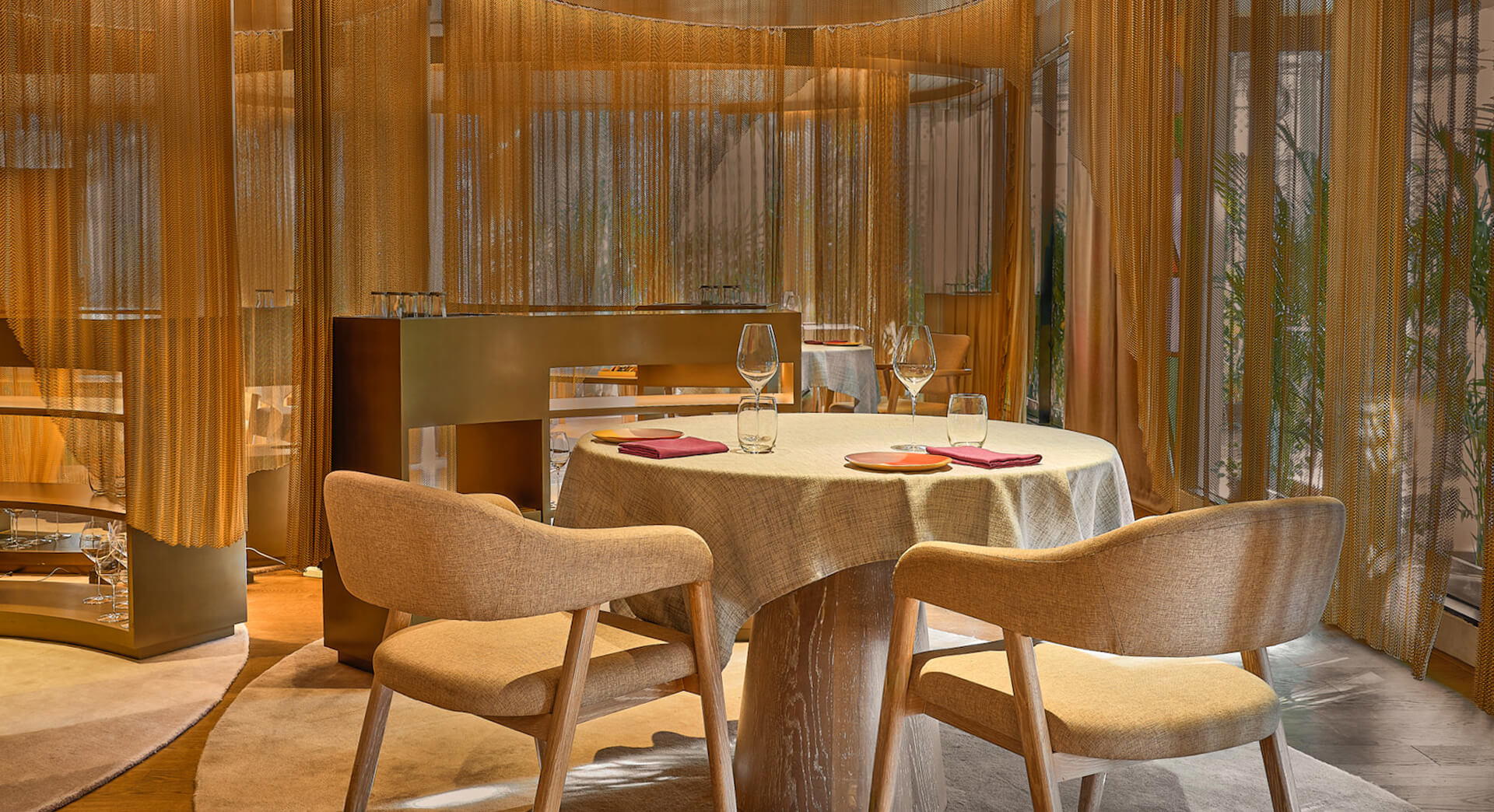
Refined and contemporary, with a luxurious, discovery-focused atmosphere that feels lively yet polished in Bangkok’s dynamic Sukhumvit district.