On Piazza della Repubblica, the Westin Palace sits where Milan's historic centre meets the Porta Venezia quarter, a address that has drawn business travellers, fashion-week delegations, and leisure guests for decades. The property occupies a belle époque palazzo whose public spaces set a particular civic tone before you reach your room. It belongs to Milan's cohort of grand-format heritage hotels, operating at a different scale and register from the newer design-led boutiques now competing for the same tier.

Pearl is the En Primeur Club membership app, where members save venues, book tables and use the concierge.
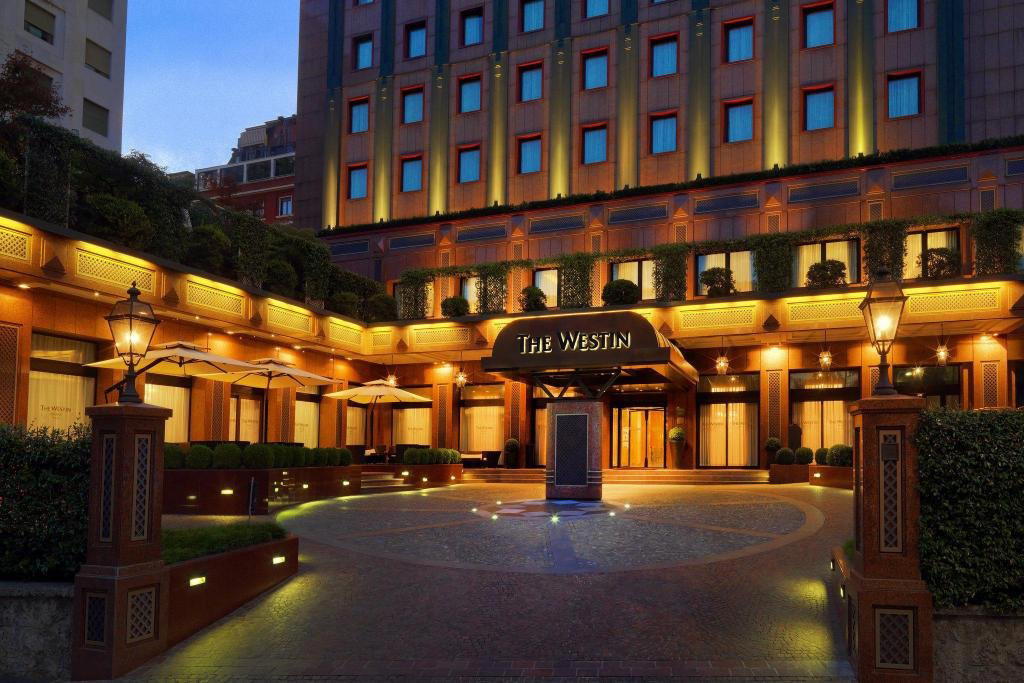
A Piazza Address and What It Implies
Piazza della Repubblica is one of Milan's more legible orientation points, a formal square that sits roughly between the Porta Garibaldi rail corridor to the north and the Duomo district to the south. Hotels on this piazza have historically served a different function than those clustered around Via Montenapoleone or the Brera: they face outward toward the city's transit arteries rather than inward toward its retail core. The Westin Palace occupies that position, and the implications run through the entire experience. Guests arriving from Milano Centrale, roughly ten minutes on foot or a short taxi, step into a lobby scaled for the kind of volume that grand European railway hotels were built to absorb. That civic scale is the starting context for everything that follows.
Milan's premium hotel market has bifurcated over the past decade. On one side sit the newer design-led properties: smaller key counts, architectural statements, and F&B programs built around named chefs and wine lists. Portrait Milano, Bvlgari Hotel Milan, and Mandarin Oriental Milan each belong to that cohort, competing on intimacy and programming depth. On the other side are the grande dame properties, the Grand Hotel et de Milan, the Hotel Principe di Savoia, and the Westin Palace, where the value proposition rests on heritage, address, and operational reliability at scale. The Westin Palace belongs firmly in that second tier, and readers choosing between these two models should understand which one they actually want before booking either.
The Physical Environment: Belle Époque at Civic Scale
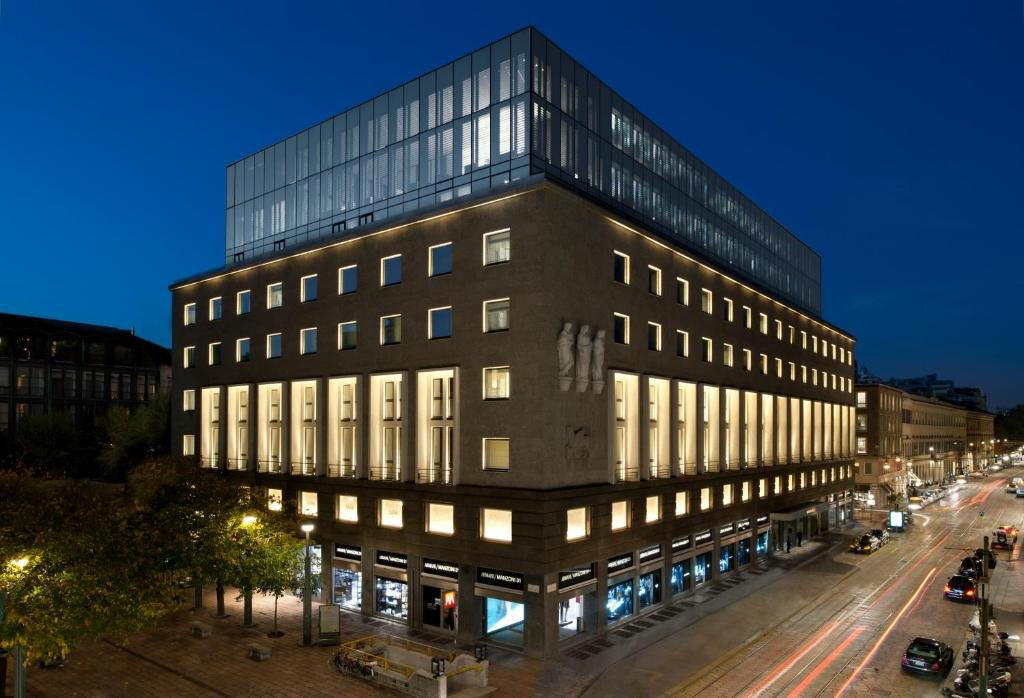
The Westin Palace's architecture reads as Milanese belle époque, a vocabulary of coffered ceilings, colonnaded public rooms, and a formal entrance sequence that signals continuity rather than reinvention. This is not a lobby designed to generate social media moments; it is designed to receive delegations, accommodate large groups, and move efficiently at check-in volume. Compared to the more architectural quietude of Vico Milano or the gallery-adjacent sensibility of 10 Corso Como Café and 3Rooms 10 Corso Como, the Palace operates on an entirely different register, one closer to the classic continental grand hotel tradition than to the design-hotel category.
That tradition has its own logic. The public rooms carry a particular kind of authority that smaller properties cannot replicate regardless of their interiors budget. The proportions alone, ceiling heights, corridor widths, the geometry of the main dining room, communicate a civic seriousness that has made this address a default for corporate travel, political delegations, and fashion-week press accommodation for decades. The building does not need to announce itself; the square does it for the building.
Food, Beverage, and the Team Dynamic
In Milan's current hotel dining environment, the gap between in-house F&B programs has widened considerably. Properties like Bvlgari and Mandarin Oriental have invested heavily in kitchen talent and sommelier programs that compete directly with the city's standalone restaurant scene. The question for a property at the Westin Palace's scale and positioning is different: the kitchen, dining room, and bar need to function reliably for high-volume breakfast service, business lunch, and evening dining for guests who may not want to venture out, while also giving a reason for walk-in business from the surrounding Porta Venezia and Repubblica quarter.
In large-format heritage hotels of this type across European cities, the team dynamic between kitchen, front-of-house, and beverage service tends to be more operationally oriented than creatively driven. The sommelier's role is typically less about curating a discovery-led list and more about pairing reliably with a broad audience across multiple meal occasions. Similarly, the front-of-house, often managing dining rooms that seat significantly more covers than any boutique competitor, operates under a different kind of pressure: consistency, speed, and discretion over tableside narrative.
Where This Fits in the Milan Hotel Picture
Travellers who orient their Milan stay around fashion-district proximity tend toward Mandarin Oriental Milan or Bvlgari Hotel Milan, both of which place guests within walking distance of Via della Spiga and Via Montenapoleone. The Westin Palace's Piazza della Repubblica address adds roughly ten to fifteen minutes on foot to that core, which is not prohibitive but is a genuine consideration during Salone del Mobile or fashion weeks, when time between appointments matters. What the Palace address does offer is immediate proximity to the Porta Venezia neighbourhood, a quarter with a strong independent restaurant scene, aperitivo culture, and a different residential character from the Quadrilatero della Moda.
For travellers building an Italian itinerary beyond Milan, the property's proximity to Milano Centrale makes it a logical staging point. From that station, high-speed rail connects to Florence in under two hours, Rome in under three, and Venice in two and a half. Properties in those cities worth considering alongside a Westin Palace stay in Milan include Aman Venice and the Four Seasons Hotel Firenze in Florence, both operating at the upper tier of their respective city markets. Further south, Borgo Santandrea on the Amalfi Coast and Il San Pietro di Positano offer a different scale entirely, while Rosewood Castiglion Del Bosco in Montalcino and Castello di Reschio in Lisciano Niccone represent the Tuscan country-house end of Italian luxury. Casa Maria Luigia in Modena, Borgo Egnazia in Puglia, Passalacqua on Lake Como, and Il Pellicano in Porto Ercole complete a picture of Italy's upper hotel register. For a full overview of where to eat and stay in the city, see our full Milan restaurants guide.
Planning Your Stay
The Westin Palace's position on Piazza della Repubblica means it performs differently across seasons. During Milan's two major fashion weeks (February/March and September/October) and Salone del Mobile (April), the property fills with trade and press travel; room rates at heritage-tier Milan hotels across this district move significantly during those windows, and booking well in advance is the only reliable approach. Outside those periods, the Porta Venezia neighbourhood is at its most liveable in late spring and early autumn, when the aperitivo circuit from Corso Buenos Aires toward the Navigli district is worth building into a longer evening.
A Credentials Check
A quick snapshot of similar venues for side-by-side context.
| Venue | Price | Awards |
|---|---|---|
| The Westin Palace, MilanThis venue (the venue you are viewing) | $300–500 | Not listed |
| Bvlgari Hotel Milan | Not listed | 2 Michelin Keys · La Liste Top Hotels |
| Mandarin Oriental Milan | Not listed | 2 Michelin Keys · La Liste Top Hotels |
| Excelsior Hotel Gallia, A Luxury Collection Hotel | Not listed | Virtuoso Luxury Hotel Partner · Forbes 4-Star |
| Four Seasons Hotel Milano | Not listed | 2 Michelin Keys · Forbes 4-Star |
| Park Hyatt Milan | Not listed | Michelin Selected · La Liste Top Hotels |
Continue exploring
More in Milan
Hotels in Milan
All hotels in Milan →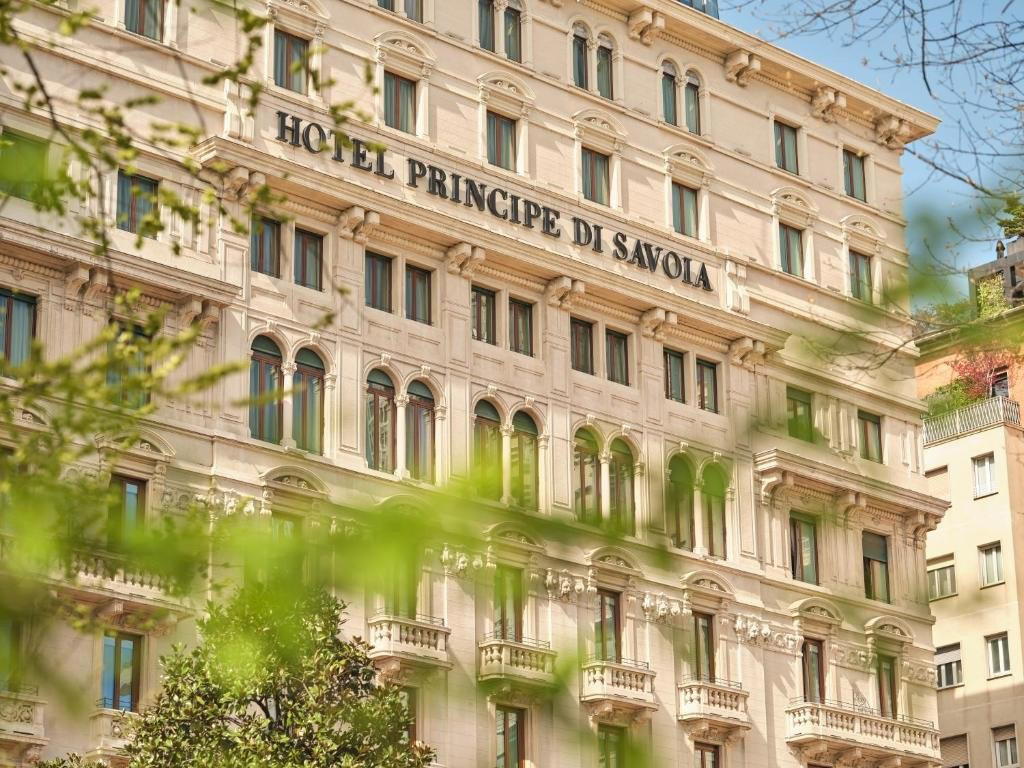
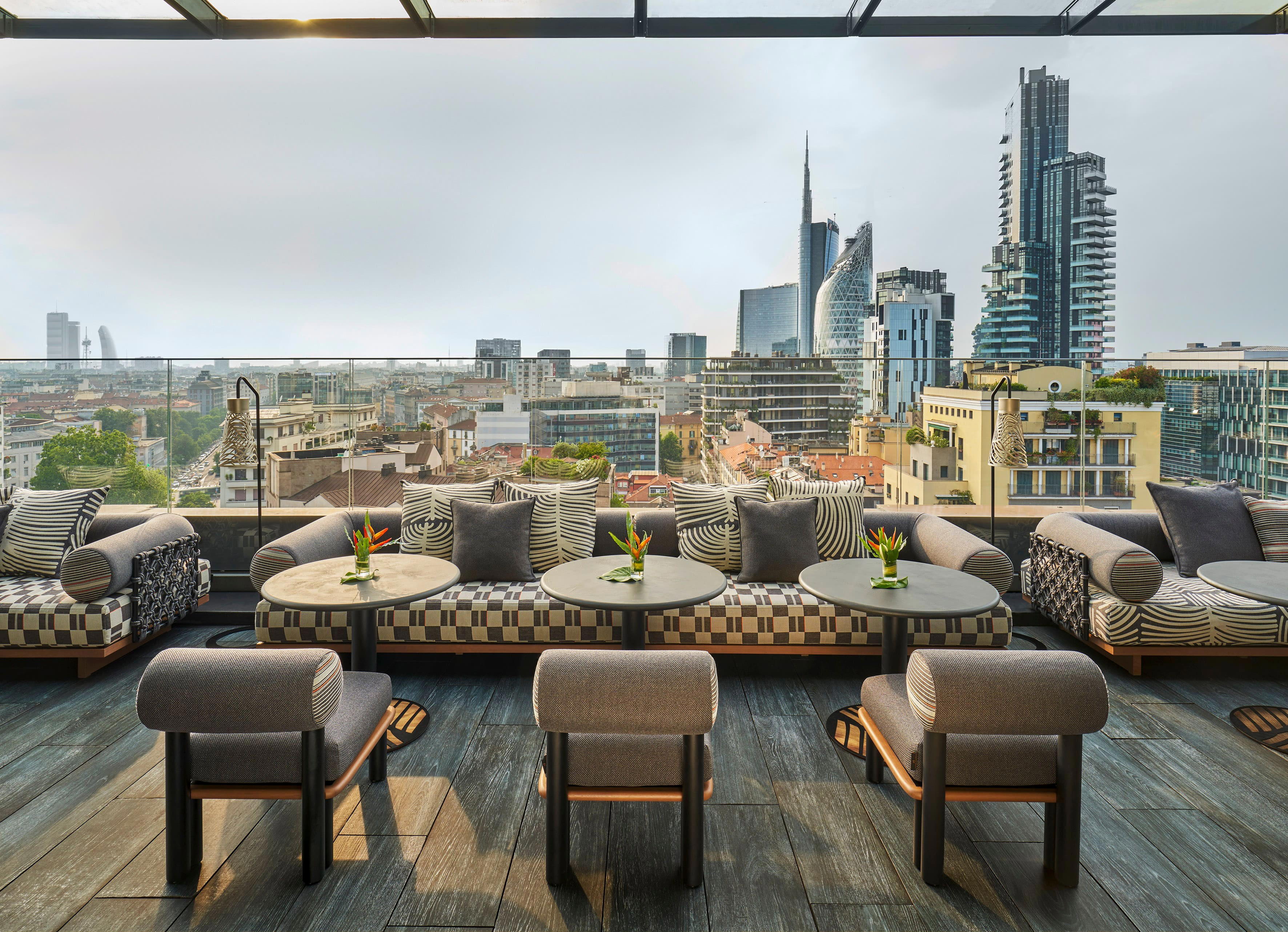
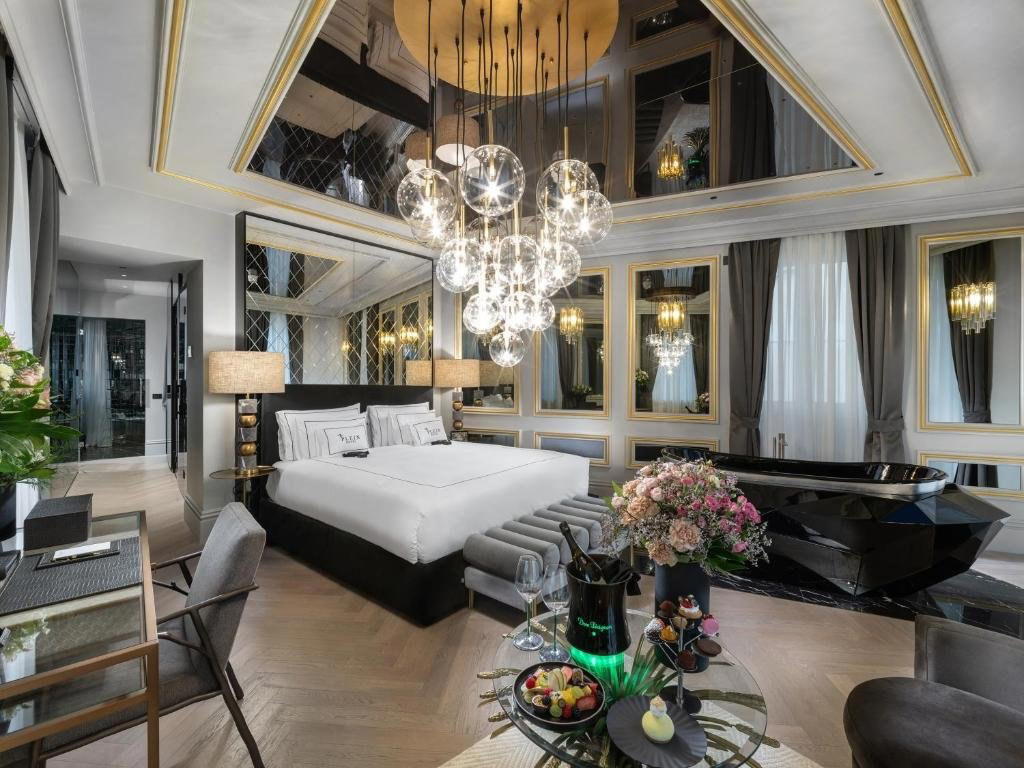
Bars in Milan
All bars in Milan →
Restaurants in Milan
All restaurants in Milan →
Details
- Elegant
- Sophisticated
- Classic
- Modern
- Business Trip
- Romantic Getaway
- Historic Building
- Panoramic View
- Terrace
- Wi Fi
- Pool
- Spa
- Fitness Center
- Room Service
- Concierge
- Restaurant
- Bar
- Massage
- Skyline
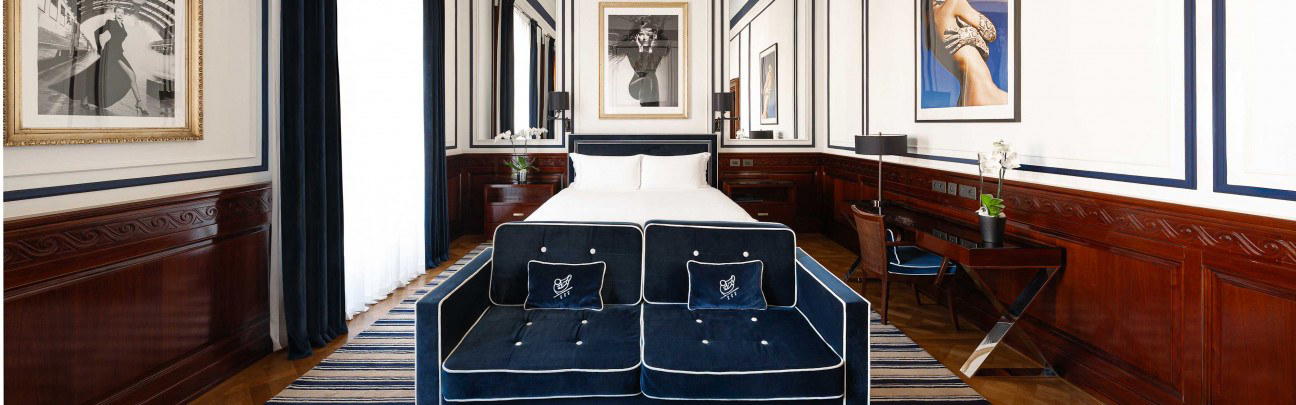
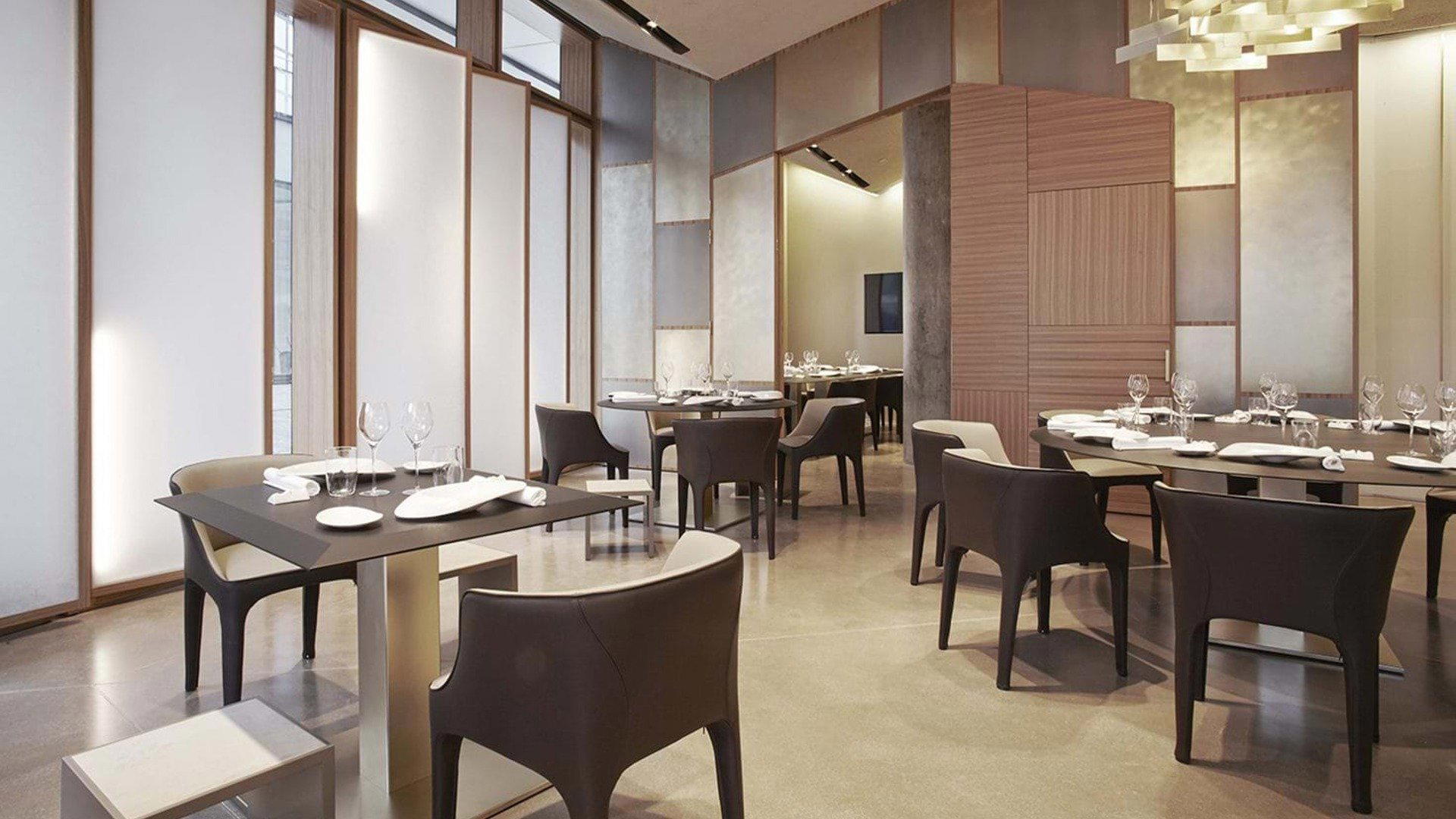
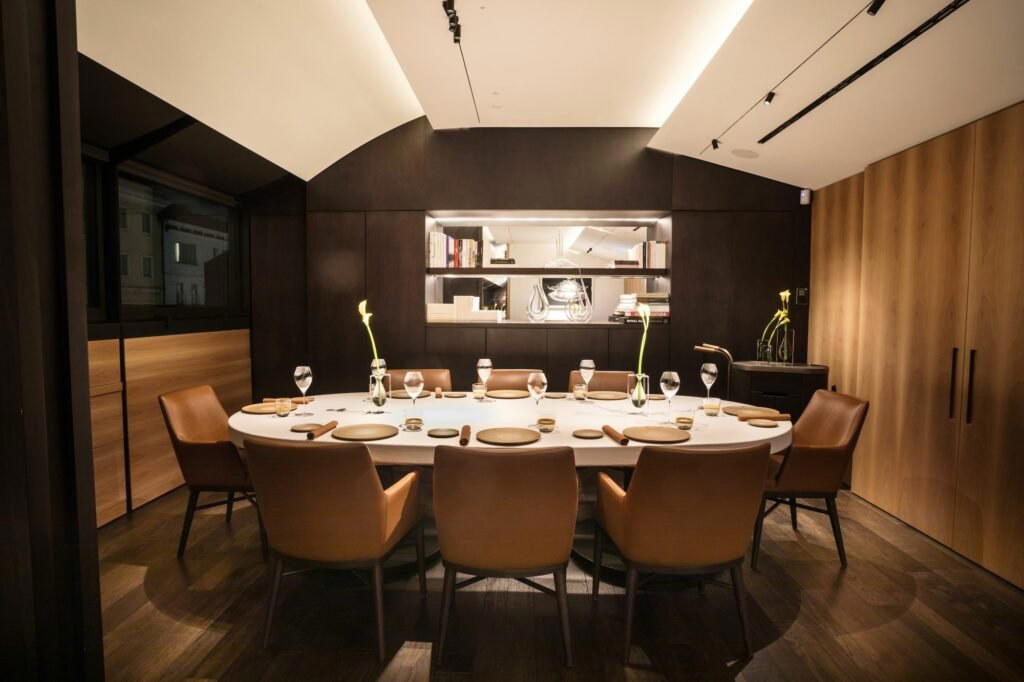
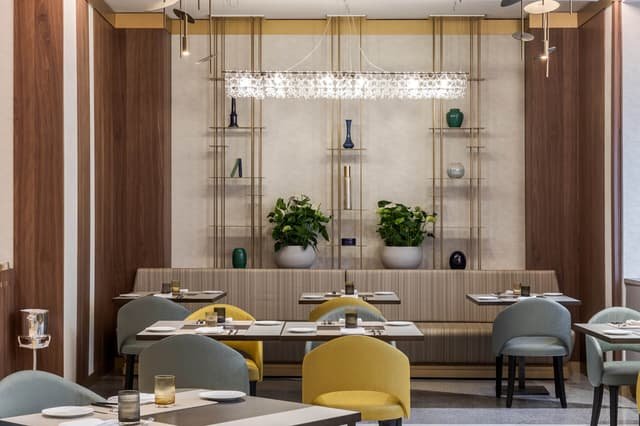
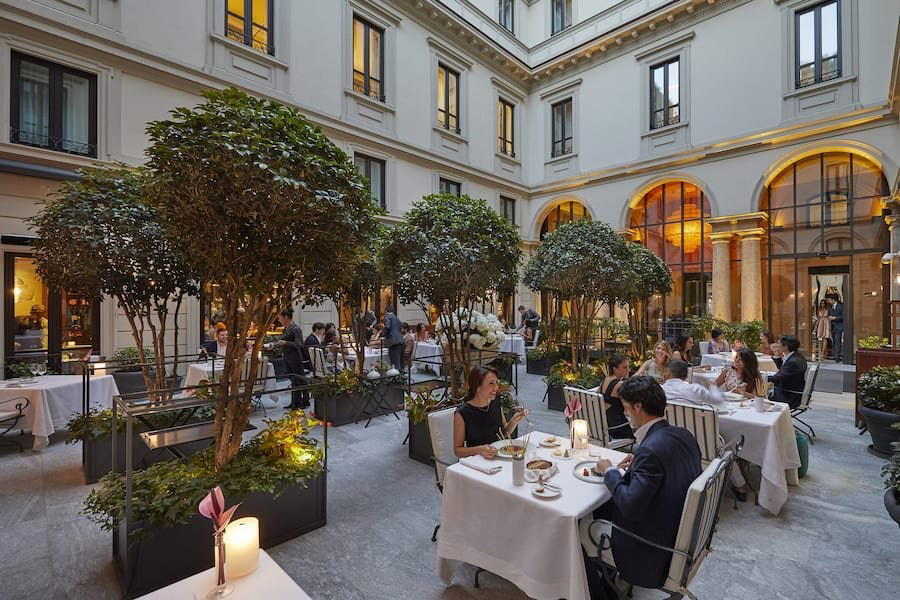
Contemporary urban design blending classical architecture with modern pared-back Milanese style, featuring elegant color palettes, precious materials, velvets, silk wallpaper, and biophilic elements for a lively yet timeless luxury atmosphere.