Crystalbrook Riley occupies a prime position along the Cairns Esplanade, where the Coral Sea horizon and the city's tropical light set the tone before guests reach the lobby. The property sits in a tier of Australian design-led hotels that prioritise position and aesthetic identity over room count, placing it in a different conversation from the large international chain hotels that dominate Queensland's gateway cities.
Pearl is the En Primeur Club membership app — saves, bookings, and concierge access live there. Same editors, same standards.
- Address
- 131/141 Esplanade, Cairns City QLD 4870, Australia
- Phone
- +61 7 4252 7777
- Website
- crystalbrookcollection.com
- Directions
- Get directions
 Saves & bookings on Pearl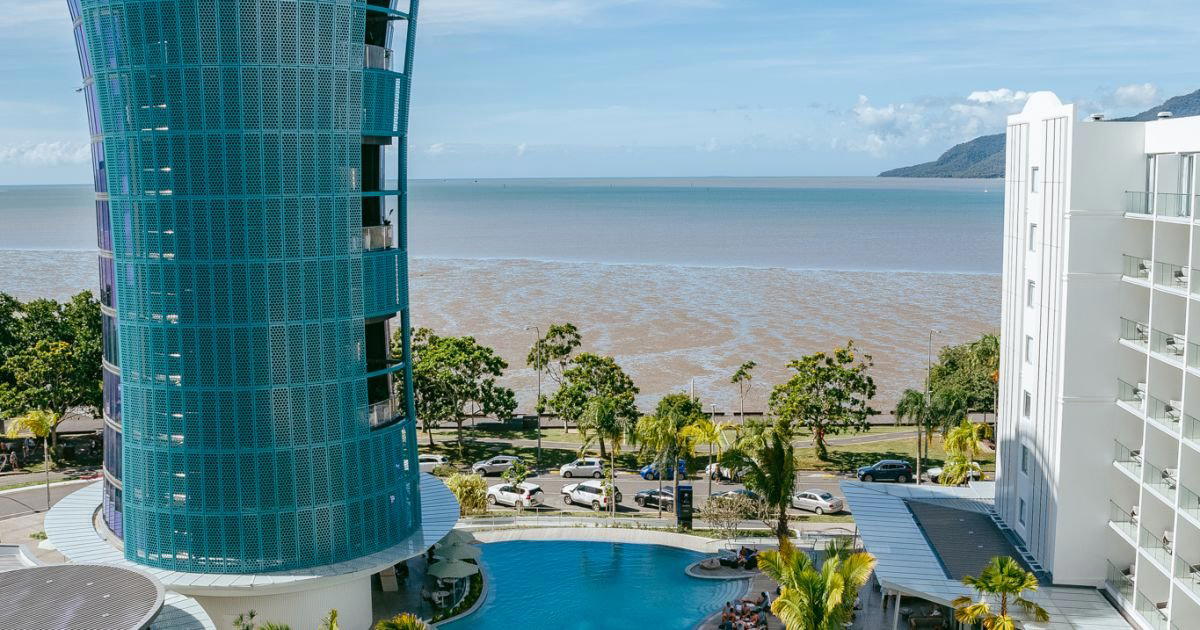
The Esplanade as Architecture: What Cairns's Position Does to a Hotel
The Cairns Esplanade is one of the more dramatically underrated coastal stretches in northern Australia. It runs along a tidal mudflat rather than a swimmable beach, which means the view is all sky, mangrove, and open water, uninterrupted by surf clubs or kiosk architecture. Hotels on this strip don't compete with a beach for the guest's attention; they become the focal point of the seafront themselves. Crystalbrook Riley, at 131-141 Esplanade, occupies that logic fully: the property's address is its primary design argument, and the relationship between interior and the Coral Sea horizon is the architectural statement the building makes from arrival onward.
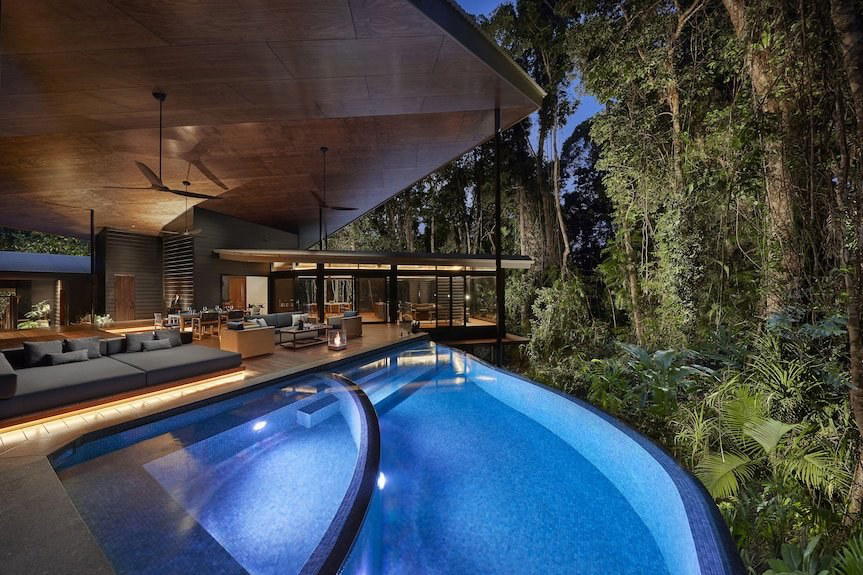
This puts Riley in a specific tier of Australian hotels that have used geography as a design partner rather than a backdrop. Properties like Southern Ocean Lodge in Kingscote or Cape Lodge in Wilyabrup operate on the same principle: the surrounding environment is so distinct that design intelligence means stepping aside for it, framing rather than competing. On the Cairns waterfront, that means an orientation toward water, generous glazing to catch the tropical afternoon light, and a visual language that doesn't try to import southern Australian minimalism into a city that belongs to a completely different climatic and cultural register.
Design Identity in Tropical Context
Queensland's gateway cities have historically defaulted to international-chain aesthetics, with hotels importing a generic mid-century-modern or corporate-contemporary grammar that could sit as comfortably in Singapore or Dubai. The shift toward design-led properties that respond to their specific latitude is relatively recent in Cairns, and it reflects a broader pattern in Australian hospitality: the emergence of hotels that treat their location as a brief to be interpreted, not a postcard to be ignored.
Crystalbrook as a group has pursued a tropically-inflected aesthetic across its Cairns properties, and Riley sits in the upper register of that approach. For guests comparing options in the city, the relevant peer conversation isn't with large Sydney flagships like Capella Sydney or urban design hotels like The Calile in Brisbane, which operate in dense metropolitan contexts with entirely different spatial logics. Riley is a regional luxury property whose design brief was always about connecting a specific tropical city to the reef and rainforest geography that surrounds it.
That regional positioning matters for how the property functions architecturally. Where urban design hotels in Sydney or Melbourne often turn inward, creating interior worlds that function as a counterpoint to the city's density, Riley turns outward. The Coral Sea is not a decorative element; it is the primary spatial experience the building organises itself around. This is an approach that aligns more with properties at the edge of natural terrain, like Wildman Wilderness Lodge in Marrakai, than with the inward-facing luxury of a dense city hotel.
Cairns as a Hotel City: Context and Competition
Cairns is the operational hub for one of the world's most significant natural tourism ecosystems: the Great Barrier Reef and the Wet Tropics World Heritage Area together make the city a passage point for an enormous range of international and domestic visitors. For a hotel on the Esplanade, that means guests arriving for reef dive trips at dawn, returning in the afternoon, and wanting somewhere to eat, drink, and decompress without re-entering the city's modest CBD. The-positioned Esplanade hotels function as a base of operations, not merely a place to sleep.
The hospitality market in Cairns has traditionally split between budget-to-mid-range accommodation serving package tourists, and a thinner layer of upper-tier properties that serve the longer-stay, higher-spend visitor who is treating the reef as a serious destination rather than a short excursion. Riley sits in the latter tier. This is a market dynamic familiar in other gateway cities to natural heritage sites: you can see comparable splits in Broome, where access to the Kimberley creates a similar premium accommodation niche, or in the Northern Territory, where Mercure Kakadu Crocodile Hotel in Jabiru represents a different accommodation approach to the same principle of serving a nature-first visitor.
For the travel reader comparing Australian coastal properties, the honest calibration is this: Riley's comparable set is other design-led regional luxury hotels in Australia, not the upper-tier city properties. Bells at Killcare in Killcare Heights and Lake House in Daylesford are useful reference points for the category: properties where geography does significant work, where the surrounding landscape is inseparable from the hotel experience, and where the design brief has been interpreted through a specific regional lens rather than a generic international luxury template.
The Esplanade Strip: Practical Orientation
The Cairns Esplanade itself functions as the city's social spine, with a lagoon pool, boardwalk, and restaurant strip running along the waterfront. The hotel's address at the northern reach of the Esplanade gives guests walking access to the lagoon, the Night Markets, and the main departure points for reef tour operators, most of whom leave from the Reef Fleet Terminal a short distance south. Guests using Cairns as a reef base will typically find the location eliminates the need for a car within the city, though day trips to the Daintree, Atherton Tablelands, or Port Douglas require a vehicle or organised tour. For those exploring our full Cairns City restaurants guide, the Esplanade's dining options are within walking distance, with a secondary cluster of independent restaurants in the CBD grid one block inland.
Placing Riley in the Broader Australian Hotel Conversation
Australia's premium hotel market has developed distinct regional identities over the past decade. The Sydney end of the spectrum, represented by properties like Harbour Rocks Hotel in The Rocks and the InterContinental Sydney Double Bay, operates on urban density and heritage building stock. The coastal boutique tier, represented by properties like Bondi Beach House and Jonah's at Palm Beach, trades on a specific beach-lifestyle identity. Crystalbrook Riley belongs to neither: it is a tropical city hotel with a strong Esplanade address, serving a visitor base that is primarily reef and rainforest-focused, and designed with a regional specificity that the better generic-luxury comparisons miss.
For the international visitor arriving in Cairns after time in southern Australia's capital cities, the shift in architectural register is noticeable. The light is different, the scale is different, and the relationship between the built environment and the natural one is more immediate. Hotels like The Tasman in Hobart or Crown Metropol Melbourne are expressions of their cities' specific urban characters. Riley, on the Cairns Esplanade, is an expression of a city that exists primarily as a departure point for somewhere larger and older than any building on the strip.
Planning Your Stay
The Cairns Esplanade location means the hotel is within walking distance of the main reef tour departure terminal, the lagoon swimming facility, and the Night Markets, making orientation on arrival direct. Queensland's dry season (roughly May through October) brings the clearest underwater visibility for reef trips and stable weather for outdoor dining, and this is when Cairns operates at its highest volume, so planning ahead is advisable. The wet season (November through April) brings dramatic skies and fewer crowds, though reef conditions vary and some tours modify their schedules.
Side-by-Side Snapshot
Comparable venues nearby, for context on price, style, and recognition.
| Venue | Cuisine | Price | Awards | Notes |
|---|---|---|---|---|
| Crystalbrook RileyThis venue — the venue you are viewing | Sustainable luxury resort in an urban waterfront setting | $$$$ | 5-Star | Not listed |
| Alamanda Palm Cove by Lancemore | tropical beachfront resort | $$$$ | 5-Star | Palm Cove |
| Pullman Adelaide | Premium contemporary full-service city hotel | $$$$ | 5-Star | Adelaide CBD |
| The Sundays | Contemporary boutique tropical escape | $$$$ | 5-Star | Catseye Beach |
| QT Gold Coast | High-rise beachside designer hotel with quirky luxury cabins. | $$$$ | 5-Star | Surfers Paradise |
Continue exploring
More in Cairns
Hotels in Cairns
Browse all →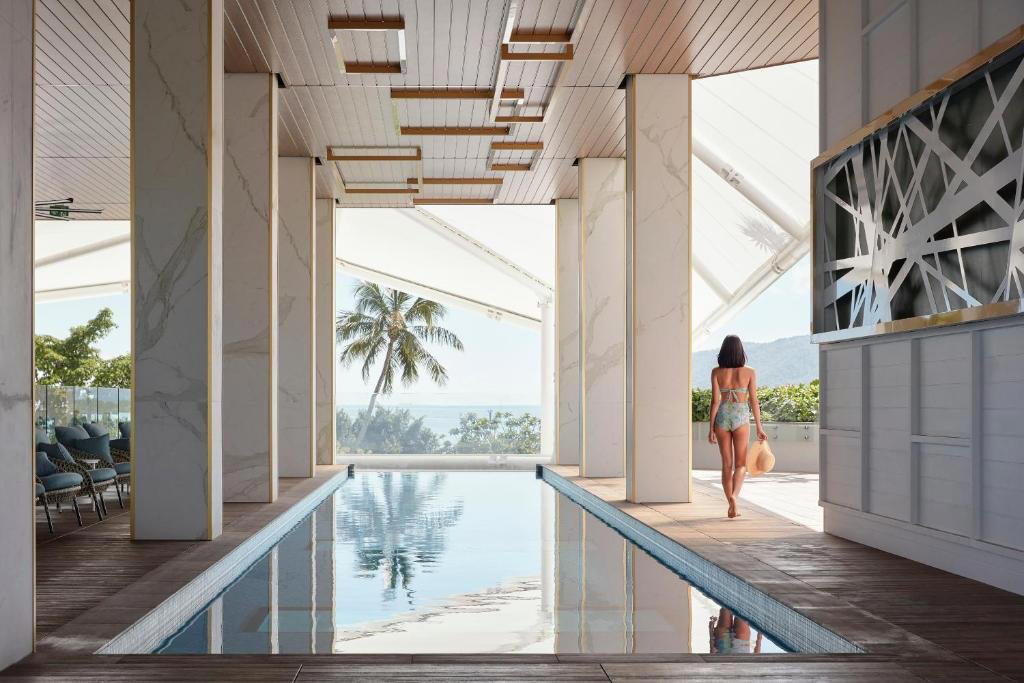
At a Glance
- Modern
- Trendy
- Scenic
- Sophisticated
- Minimalist
- Romantic Getaway
- Family Vacation
- Weekend Escape
- Rooftop Pool
- Infinity Pool
- Panoramic View
- Waterfront
- Wi Fi
- Pool
- Spa
- Fitness Center
- Room Service
- Concierge
- Waterfront
- Skyline
- Wi Fi
- Pool
- Spa
- Fitness Center
- Room Service
- Concierge
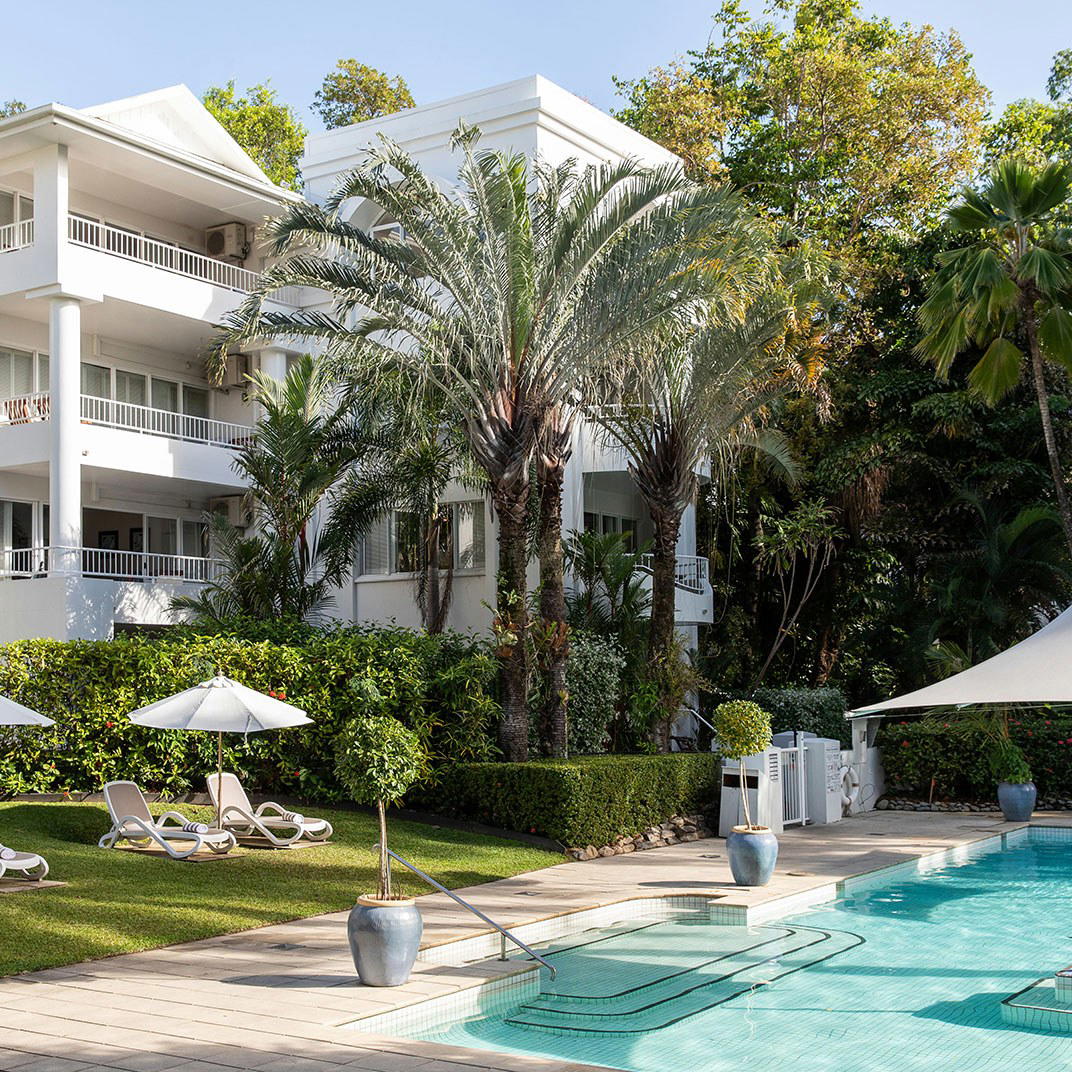
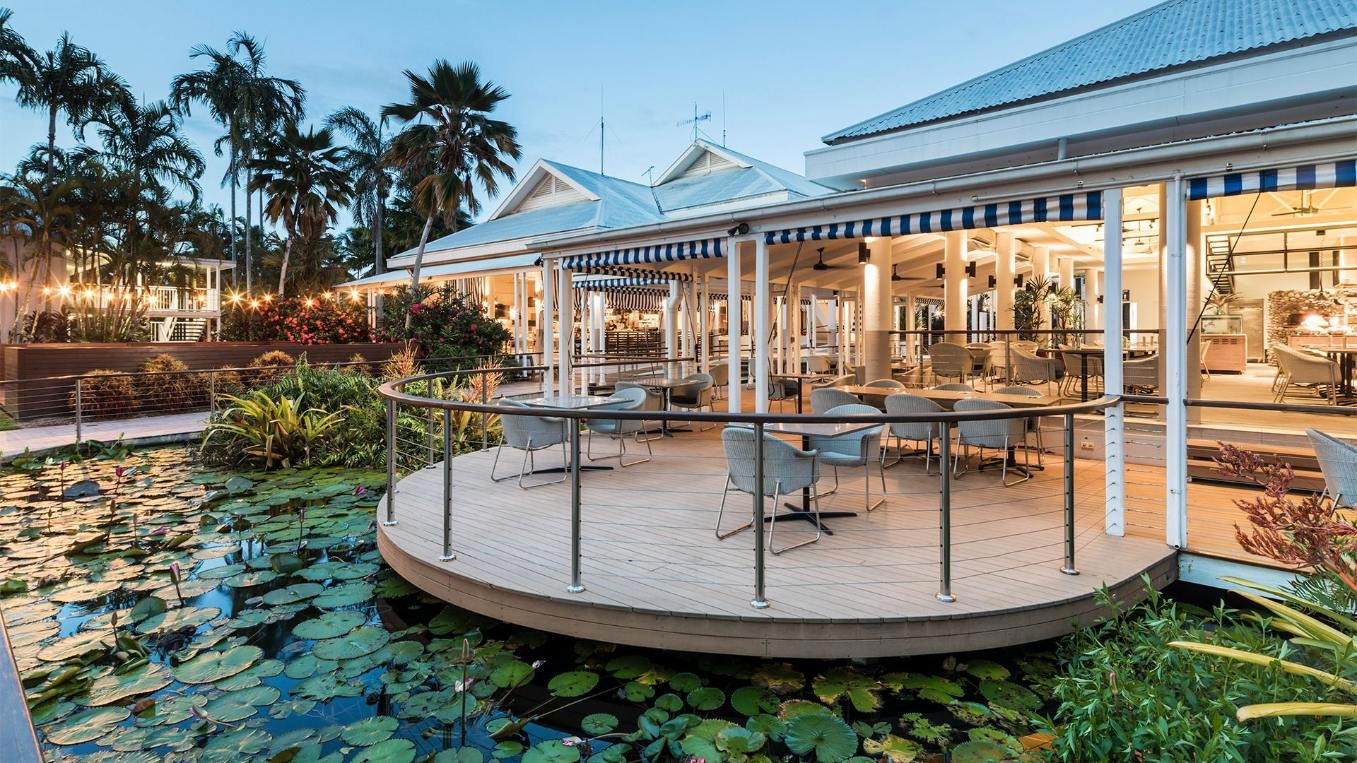
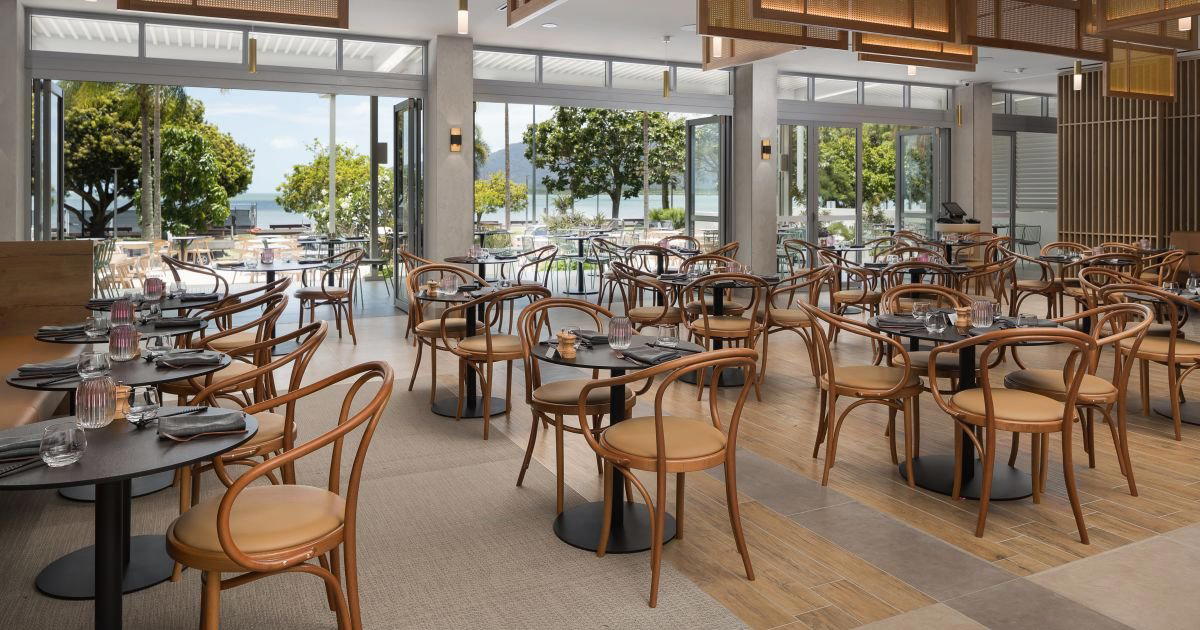
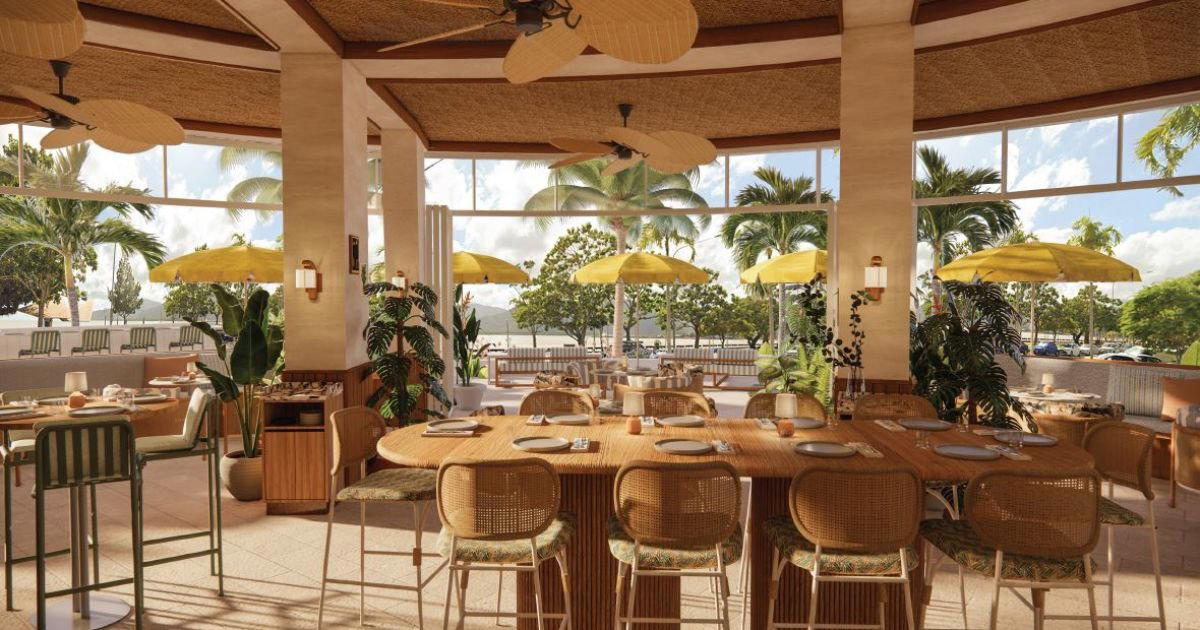
Airy and bright with neutral tones, wooden accents, natural light, and a relaxed yet refined tropical atmosphere.