Harbour Rocks Hotel occupies a row of faithfully restored 19th-century warehouses on Harrington Street, placing guests inside one of Sydney's most historically dense precincts. The property's sandstone bones and colonial-era proportions sit in contrast to the glass towers of the CBD a few minutes' walk away, making it a considered alternative to the large-footprint international hotels that define Sydney's waterfront accommodation tier.
Pearl is the En Primeur Club membership app — saves, bookings, and concierge access live there. Same editors, same standards.
- Address
- 34 Harrington St, The Rocks NSW 2000, Australia
- Phone
- +61 2 8220 9999
- Website
- odehotels.com
- Directions
- Get directions
 Saves & bookings on Pearl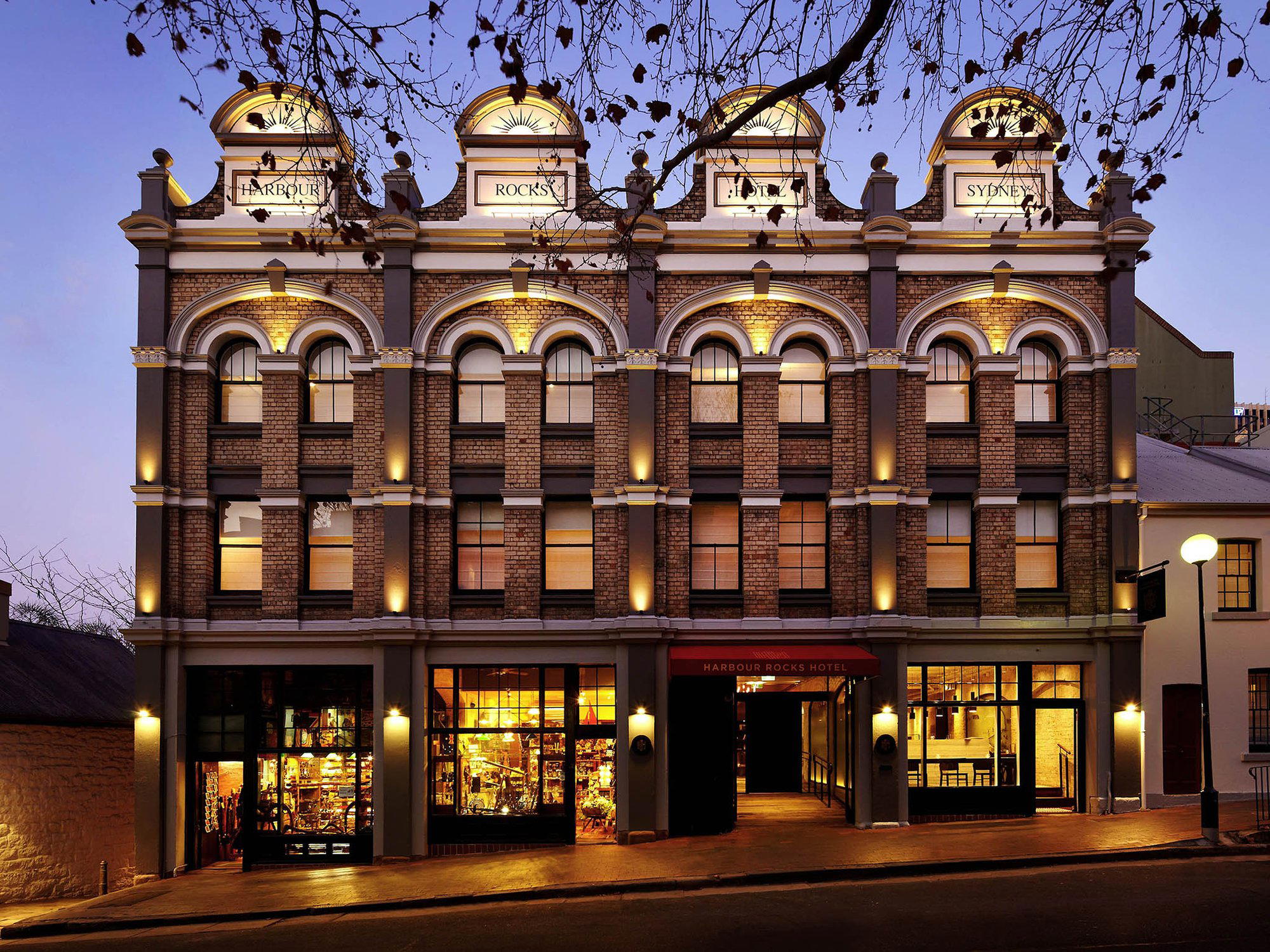
Stone Walls and Sandstock Brick: The Physical Argument for Staying in The Rocks
Harrington Street rises steeply from the waterfront precinct of The Rocks, and by the time you reach number 34, the city noise has already softened behind a row of nineteenth-century terrace facades. The Harbour Rocks Hotel occupies a cluster of these buildings, their sandstock brick the colour of dried ochre, their proportions unchanged since the 1880s when this neighbourhood was Sydney's working port. You are looking at the real thing, preserved and adapted, which puts this address in a different category from the glass-and-marble hotels that line the city blocks further south.
The Rocks has held listed heritage status for decades, and that designation shapes what any operator can and cannot do with a building here. Harbour Rocks Hotel sits inside those constraints, and the result is a property where the physical fabric of colonial Sydney remains visible in the walls, the ceiling heights, and the narrow internal corridors that follow the original floor plans. For guests who choose a hotel partly for what its architecture says about a place, this is the relevant entry point into a conversation about how Sydney looks when it isn't trying to look like everywhere else.
How the Building Works as a Hotel
The adaptation of nineteenth-century terrace buildings into hotel rooms presents a consistent set of challenges: ceiling heights vary, natural light arrives from odd angles, and the floor plates are narrow by modern hospitality standards. At Harbour Rocks, the architectural decisions around these constraints define the character of the stay. Rooms that might have been standardised into uniformity instead retain individual quirks, and the exposed brick that appears in several configurations throughout the property is structural, not decorative cladding added during a later renovation.
This positions the hotel within a specific tier of Australian heritage accommodation, one where the building's age is the primary offering rather than a backdrop to contemporary design. Properties such as The Tasman in Hobart and Lake House, Daylesford in Daylesford operate in comparable territory, trading on location-specific history rather than imported luxury formulas. The difference is that Harbour Rocks sits inside among the more documented colonial streetscapes in the country.
Guests staying here are physically adjacent to the Rocks Discovery Museum and the archaeological excavations that line Argyle Street. That proximity is not incidental. The neighbourhood functions as an open-air record of early European settlement in Australia, and a hotel at this address participates in that record whether it chooses to or not. Harbour Rocks Hotel, by virtue of its building type and street position, participates explicitly.
The Rocks as a Hotel District
Sydney's hotel market has concentrated its new supply in the CBD, Barangaroo, and increasingly in the inner-east suburbs. The Rocks, by contrast, has seen limited new builds precisely because the heritage overlay restricts demolition and major structural alteration. That constraint has kept the precinct's accommodation offer small and specialist, which in practice means guests who book here have already made a decision about what they want from a Sydney stay: location tied to history rather than proximity to the central business district.
The walking distances from Harrington Street are short by any measure. Circular Quay is less than ten minutes on foot. The ferry wharves that connect to Manly, Watsons Bay (see also Watsons Bay Hotel), and Parramatta are within the same range. The Harbour Bridge pedestrian walkway begins just north of the precinct. For visitors whose agenda involves the harbour, the Opera House, and the colonial history of the city's founding neighbourhood, The Rocks address delivers logistical efficiency that a CBD tower hotel cannot match on the same terms.
The bar and restaurant scene along George Street and Playfair Street runs immediately alongside the hotel's position, with The Australian Heritage Hotel among the neighbourhood's defining drinking establishments.
Where This Sits in the Broader Australian Hotel Picture
Australian boutique hotels have split into two broad streams over the past decade. One stream follows the international design-hotel template: low key counts, imported furniture references, and a studied neutrality of aesthetic that could place the property in any city with money. The other stream works with what the land and built environment actually provide, and produces hotels that are harder to replicate because they depend on specific physical conditions that cannot be manufactured elsewhere.
Harbour Rocks sits in the second stream. It shares that positioning with properties as different as Southern Ocean Lodge in Kingscote, which works with Kangaroo Island's coastal geology, and Wildman Wilderness Lodge in Marrakai, which operates inside a Northern Territory floodplain environment. The unifying principle is that the place itself does the work that décor would otherwise have to do.
At the other end of Sydney's hotel spectrum, Capella Sydney has reoccupied a heritage building in the CBD with a different brief: a globally recognised luxury brand applied to a restored banking chamber, at a price point that positions it against international five-star competition. Harbour Rocks operates on smaller scale and with a less formal register, which gives it access to a different kind of guest. Further afield, properties like The Calile in Brisbane and Bondi Beach House in Bondi Beach show how sharply Sydney and Queensland boutique hotels have diverged in aesthetic terms over the same period.
For travellers moving between Australian cities, the comparison set also includes Crown Metropol Melbourne in Southbank, Medusa Hotel in Darlinghurst, Cape Lodge in Wilyabrup, and Bells at Killcare Boutique Hotel, Restaurant and Spa in Killcare Heights, each of which takes a different approach to site-specific accommodation.
Planning Your Stay
The hotel address at 34 Harrington Street places guests within The Rocks Conservation Area, which means the surrounding blocks operate under movement restrictions that keep heavy vehicle traffic away from the immediate streetscape. Arrivals by taxi or rideshare drop at the door; the nearest train station is Circular Quay, a short flat walk along the waterfront. The Rocks Opal bus routes also serve the precinct.
Side-by-Side Snapshot
Comparable venues nearby, for context on price, style, and recognition.
| Venue | Cuisine | Price | Awards | Notes |
|---|---|---|---|---|
| Harbour Rocks HotelThis venue — the venue you are viewing | Heritage boutique hotel seamlessly merging 150-year-old convict-built warehouse architecture with contemporary luxury and modern amenities. | $$$$ | 5-Star | Not listed |
| The Australian Heritage Hotel | Edwardian/Federation heritage pub hotel | $$ | 2-Star | The Rocks |
| The Sundays | Contemporary boutique tropical escape | $$$$ | 5-Star | Catseye Beach |
| Hotel Woolstore 1888, Sydney - Handwritten Collection | Heritage boutique hotel with modern industrial design | $$$$ | 5-Star | Pyrmont |
| Crown Sydney | Sculptural harbourside luxury tower with bespoke modern residential suites. | $$$$ | 5-Star | Barangaroo |
| InterContinental Sydney Double Bay | Contemporary luxury with Mediterranean-influenced design; refined interiors blending modern sophistication with classic elegance; residential-style retreat aesthetic. | $$$$ | 5-Star | Double Bay |
Continue exploring
More in The Rocks
Hotels in The Rocks
Browse all →
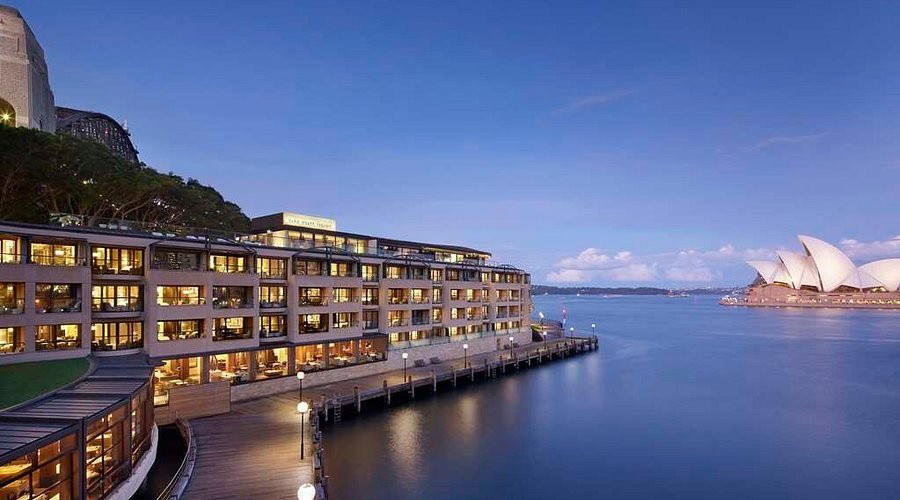
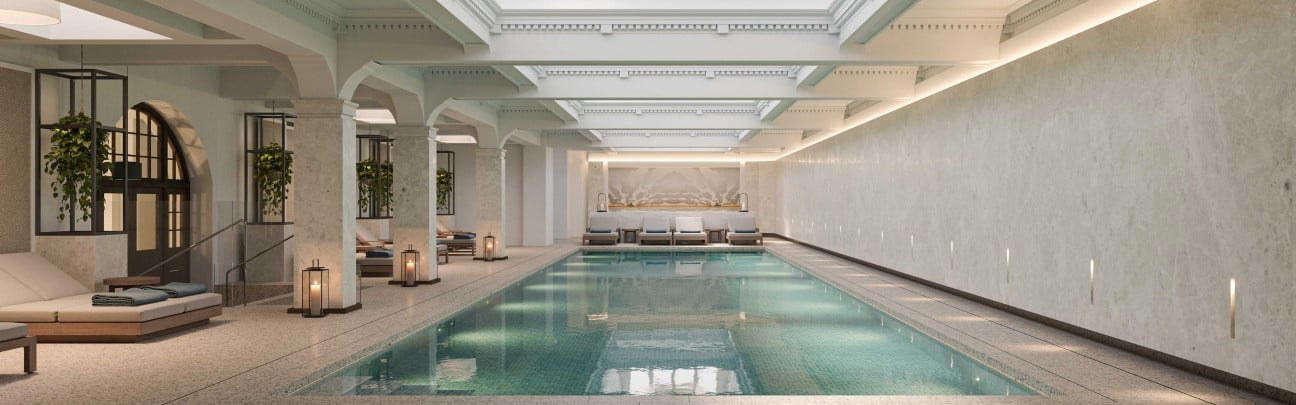
Bars in The Rocks
Browse all →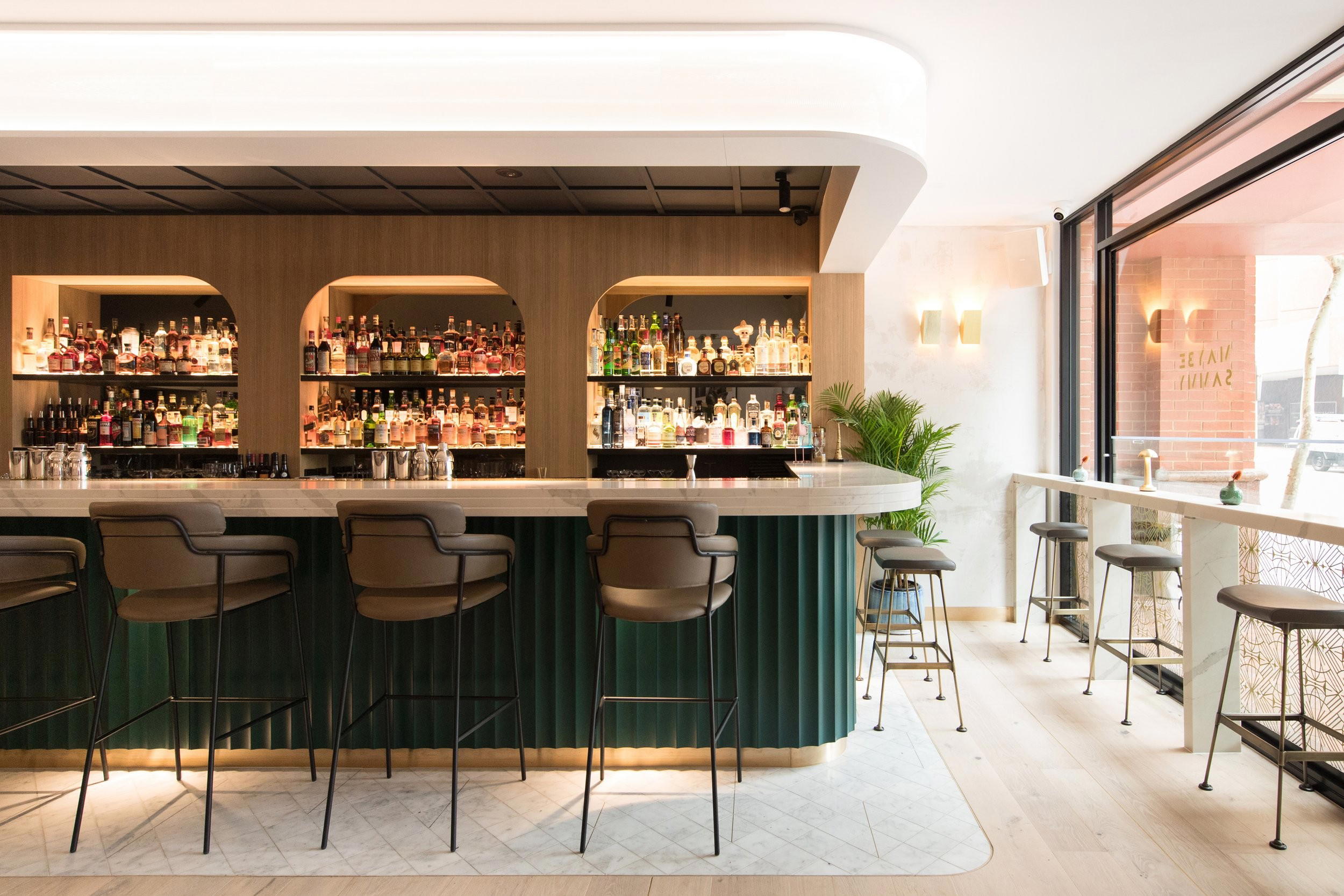
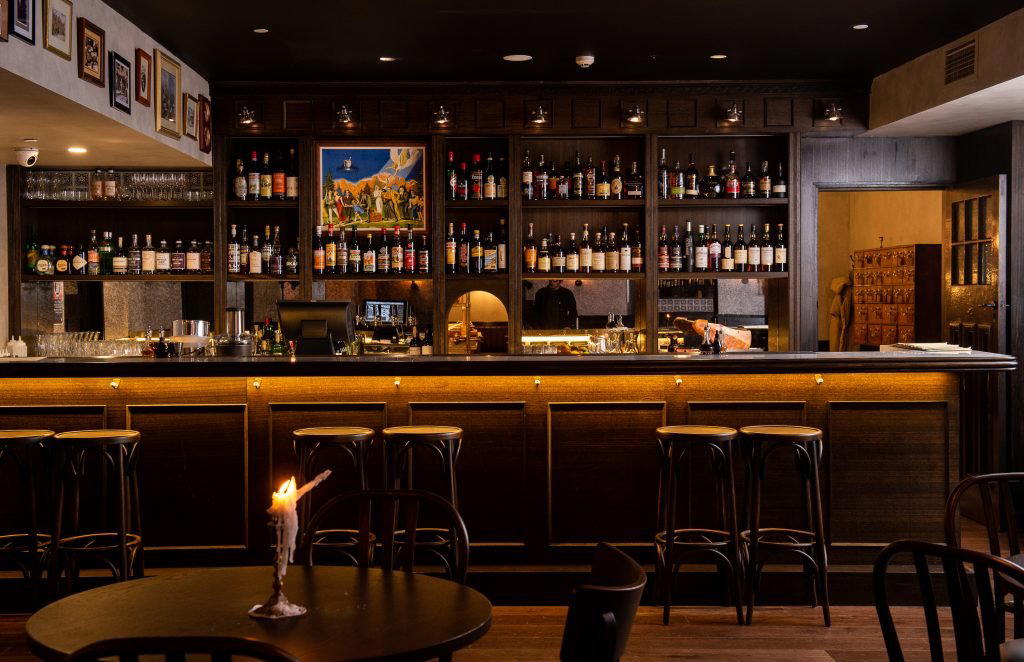
Restaurants in The Rocks
Browse all →
Wineries in The Rocks
Browse all →

At a Glance
- Romantic
- Classic
- Intimate
- Elegant
- Historic
- Romantic Getaway
- Weekend Escape
- Anniversary
- Business Trip
- Historic Building
- Waterfront
- Terrace
- Garden
- Private Dining
- Panoramic View
- Wi Fi
- Fitness Center
- Room Service
- Concierge
- Business Center
- Restaurant
- Bar
- Bicycle Rental
- Waterfront
- Street Scene
- Wi Fi
- Fitness Center
- Room Service
- Concierge
- Business Center
- Restaurant
- Bar
- Bicycle Rental
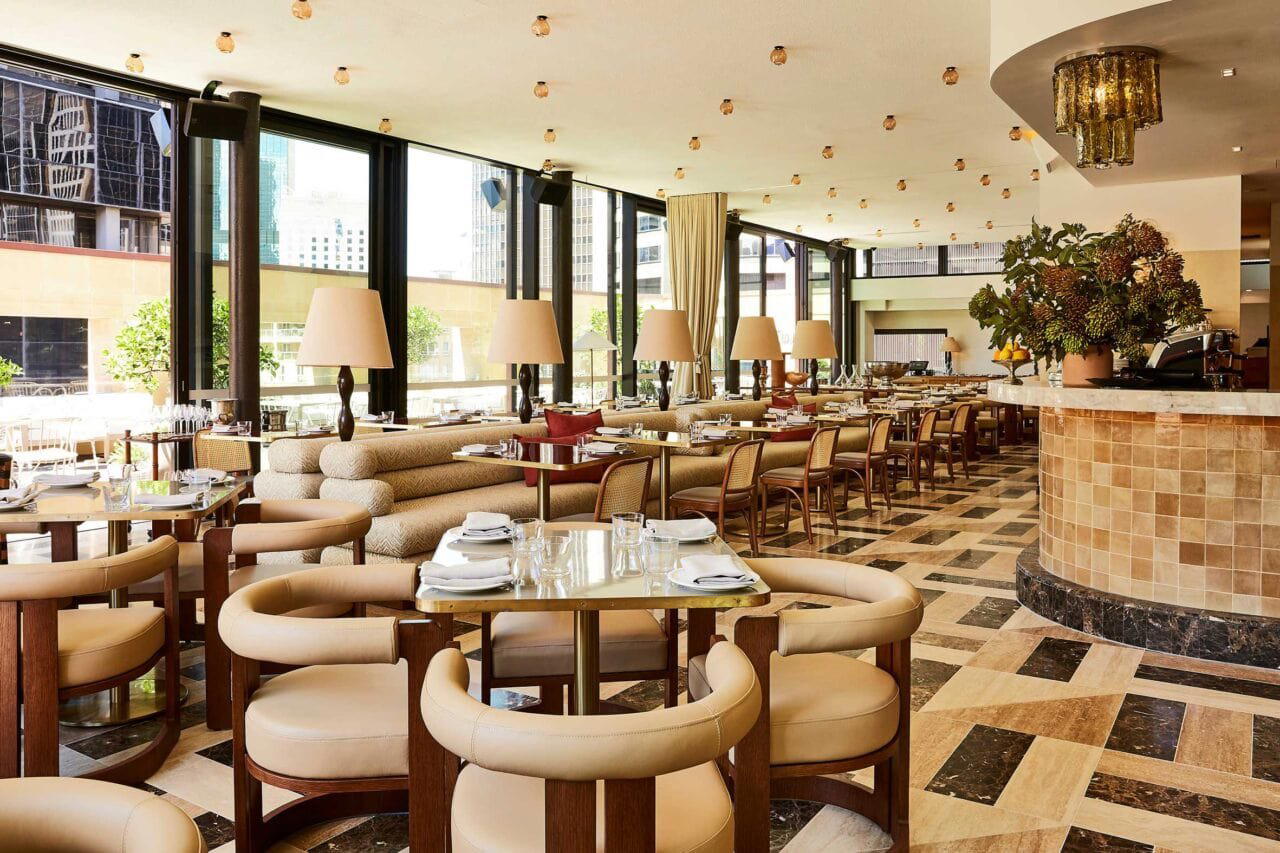
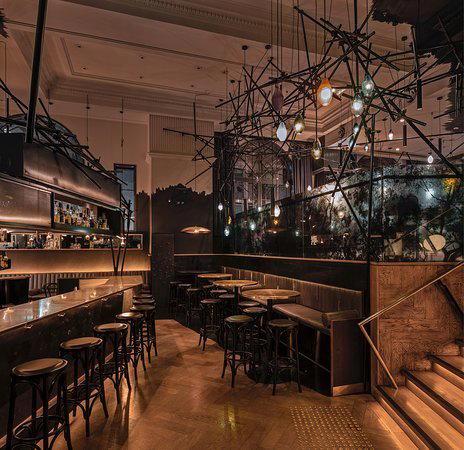
Soft heritage-toned lighting with exposed original brick and sandstone walls, ornamental fireplaces, and intimate spaces arranged around a central atrium library, creating a sophisticated yet warm atmosphere.