On a quiet street in Rome's historic centre, Via del Vantaggio 14 occupies a corner of the city where wine bars operate as neighbourhood institutions rather than tourist stops. The address sits within walking distance of the Tiber and Piazza del Popolo, placing it inside one of Rome's most concentrated pockets of enoteca culture. It is the kind of address that rewards visitors who plan around the glass rather than the itinerary.
Pearl is the En Primeur Club membership app — saves, bookings, and concierge access live there. Same editors, same standards.
- Address
- Via del Vantaggio, 14, 00186 Roma RM, Italy
- Directions
- Get directions
 Saves & bookings on Pearl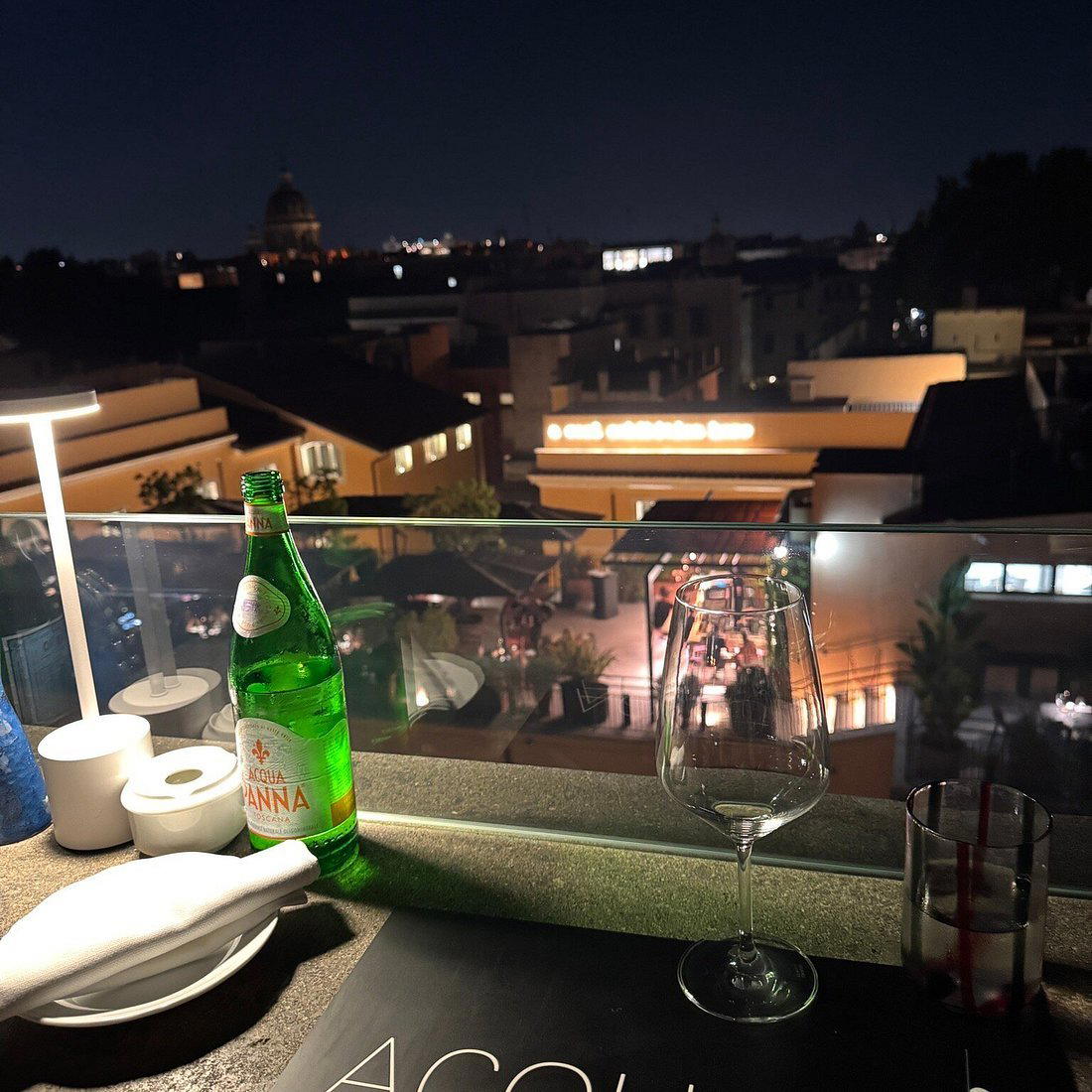
A Street, a Number, and a Roman Wine Tradition
Via del Vantaggio, 14 is a bar in Rome, at Via del Vantaggio, 14, 00186 Roma RM, Italy. Via del Vantaggio is a narrow residential corridor in the Prati-adjacent zone north of Piazza del Popolo, the kind of street that appears on maps but rarely in tourist itineraries. The buildings here are mostly early twentieth-century Roman stock: thick plaster walls, shuttered windows, the occasional ground-floor business that has occupied its footprint for decades without changing the signboard. Number 14 sits within this fabric as an address that speaks to a particular Roman habit: drinking wine in spaces that feel less like bars and more like extensions of a well-stocked private cellar.
This part of the centro storico has long supported a culture of serious wine drinking that sits apart from the more theatrical bar scene concentrated around Campo de' Fiori or Trastevere. The neighbourhood clientele tends to arrive with opinions already formed about what they want to drink, and the enoteca format here is shaped accordingly: fewer cocktail theatrics, more conversation about producers, vintages, and the quiet distinctions between appellations that only become clear across multiple glasses.
The Enoteca Format in a City That Invented It
Rome's enoteca tradition predates the contemporary wine-bar movement by several centuries. The city's relationship with the glass was shaped by the surrounding Lazio vineyards, the papal court's demand for table wine, and a merchant class that needed somewhere respectable to drink between business. What survived into the modern era is a format that prizes depth of list over breadth of food menu, where the wine is the text and everything else is annotation.
Via del Vantaggio 14 operates within that lineage. Addresses like this one are rarely loud about their credentials: they accumulate reputation through regulars, through word passed between wine professionals visiting Rome, and through the kind of quiet editorial recognition that appears in specialist publications rather than mass-market guides. The Italian enoteca at its most considered is not a wine shop with chairs added; it is a curatorial exercise, where the selection of producers on the list tells you everything you need to know about the sensibility behind the bar.
Across Italy, particularly respected enoteca operations share a set of recognisable signals: a list weighted toward small and medium producers rather than household names, a preference for indigenous grape varieties over internationally planted varieties, and a staff that can move between technical knowledge and readable explanation without making either feel like a performance. For a comparison of how this philosophy plays out in other Italian cities, Al Covino in Venice and Enoteca Historical Faccioli in Bologna represent the northern expression of the same tradition, where the Po Valley and Adriatic producers fill the same role that Lazio, Campania, and Abruzzo play on a Roman list.
Reading a Roman Wine List
The editorial angle of any serious Roman enoteca list tends to move along two axes: the indigenous and the biodynamic. Lazio's own Cesanese del Piglio, Frascati Superiore, and Bellone sit alongside the broader Italian canon, and particularly thoughtful lists use these regional anchors to create context for what surrounds them. A well-built Roman list will explain the city's position as a crossroads: bottles from the volcanic soils of Campania share shelf space with mineral-driven whites from Friuli, and the list becomes a kind of argument about what Italian wine is capable of beyond Barolo and Chianti.
The sommelier function at this tier of enoteca is less about formal tableside ceremony and more about lateral thinking. The leading practitioners in the city can move from a natural Trebbiano to an aged Verdicchio to an obscure Greco di Tufo within a single conversation, building a tasting arc that teaches without lecturing. This is the skill set that distinguishes a serious wine address from a bar that happens to stock wine.
Placing Via del Vantaggio 14 in Rome's Drinking Circuit
Rome's drinking scene has diversified considerably over the past decade. The cocktail bars that once operated on the margins of the city's social life now include internationally recognised programmes: Drink Kong has placed Rome on the global cocktail map with a format that owes as much to Tokyo precision as to Roman informality, while Jerry Thomas Speakeasy built its reputation on pre-Prohibition scholarship applied to Italian ingredients. Freni e Frizioni operates at the aperitivo end of the spectrum, where the food spread competes with the drinks for attention, and Boeme represents the newer wave of design-forward bars where the room is as considered as the list.
Via del Vantaggio 14 occupies a different position in this circuit. Where those addresses are building new vocabulary, this one is working within an established grammar. For a visitor moving through Rome with serious drinking intentions, the itinerary often splits along exactly this line: cocktail-forward evenings at Drink Kong or Jerry Thomas, wine-centred sessions at addresses like this one, with aperitivo hours bridged by a stop at Freni e Frizioni. The via del Vantaggio address fits the third category, the late-afternoon-into-evening slot when the question is which glass to open rather than which spirit to specify.
Within the broader European context, the wine-bar-as-cultural-institution model appears in various forms: Gucci Giardino in Florence blends fashion-house aesthetics with a serious drinks program, L'Antiquario in Naples anchors its identity in pre-Prohibition cocktail culture, and 1930 in Milan operates as a members-oriented speakeasy. The Roman enoteca model is distinct from all of these: it is less performative, more conversational, and more deeply embedded in the neighbourhood it serves.
Seasonal Considerations for Wine Drinking in Rome
Autumn is one productive season for serious wine drinking in Rome. The vendemmia closes across Lazio and the surrounding regions between late September and October, and by November the new vintage conversation has begun in earnest. Enoteche receive producers passing through the city for trade tastings, which often means better-than-usual access to recently released bottles before they reach the wider market. Spring brings a second wave of activity around Vinitaly season, when the Italian trade calendar concentrates producer visits and special pours. Summer in Rome compresses the serious wine-bar audience: locals leave, tourists fill the spaces, and the lists at address-driven enoteche tend to skew toward lighter, more accessible bottles suited to heat.
For visitors planning around the glass rather than the calendar, the October-to-March window covers both the new vintage excitement and the period when Rome's own drinking culture is most visible, when the city is running on its own rhythms rather than accommodating external traffic.
Those planning beyond Rome's orbit will find the same wine-forward sensibility documented at Lost & Found in Nicosia and Bar Leather Apron in Honolulu, two addresses that demonstrate how the serious-wine-bar format translates across different city contexts.
Planning Your Visit
Via del Vantaggio 14 is located in central Rome's historic core, within the 00186 postcode that covers the area between the Tiber and Via del Corso. The address is walkable from Piazza del Popolo and accessible from Spagna metro station within fifteen minutes on foot.
Peers You’d Cross-Shop
Comparable venues nearby, for context on price, style, and recognition.
| Venue | Cuisine | Price | Notes |
|---|---|---|---|
| AcquaRoof Terrazza MolinariThis venue — the venue you are viewing | rooftop_bar | $$$$ | Not listed |
| Stravinskij Bar | hotel_bar | $$$$ | Campo Marzio |
| Punch Room at Edition Rome | speakeasy | $$$$ | Trevi |
| Nite Kong | speakeasy | $$$ | Monti |
| Marco Martini Roma | cocktail_bar | $$$$ | San Saba |
| Antico Caffè Greco | lounge | $$$$ | Campo Marzio |
Continue exploring
More in Rome
Restaurants in Rome
Browse all →
Hotels in Rome
Browse all →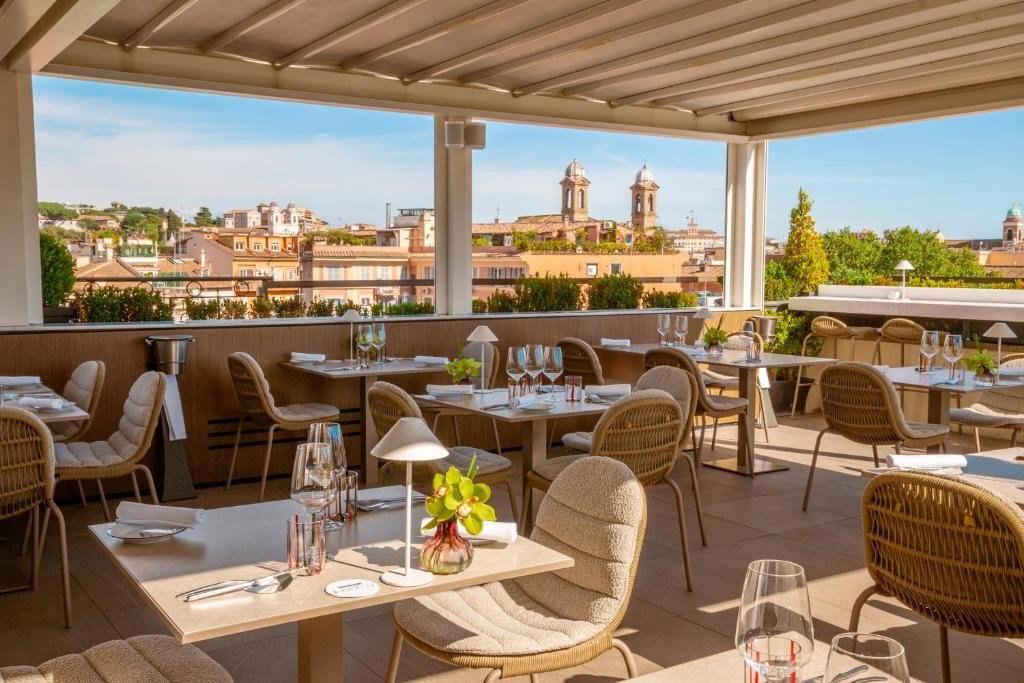
Wineries in Rome
Browse all →
At a Glance
- Elegant
- Sophisticated
- Scenic
- Date Night
- Special Occasion
- Rooftop
- Terrace
- Panoramic View
- Historic Building
- Hotel Bar
- Outdoor Terrace
- Lounge Seating
- Craft Cocktails
- Skyline
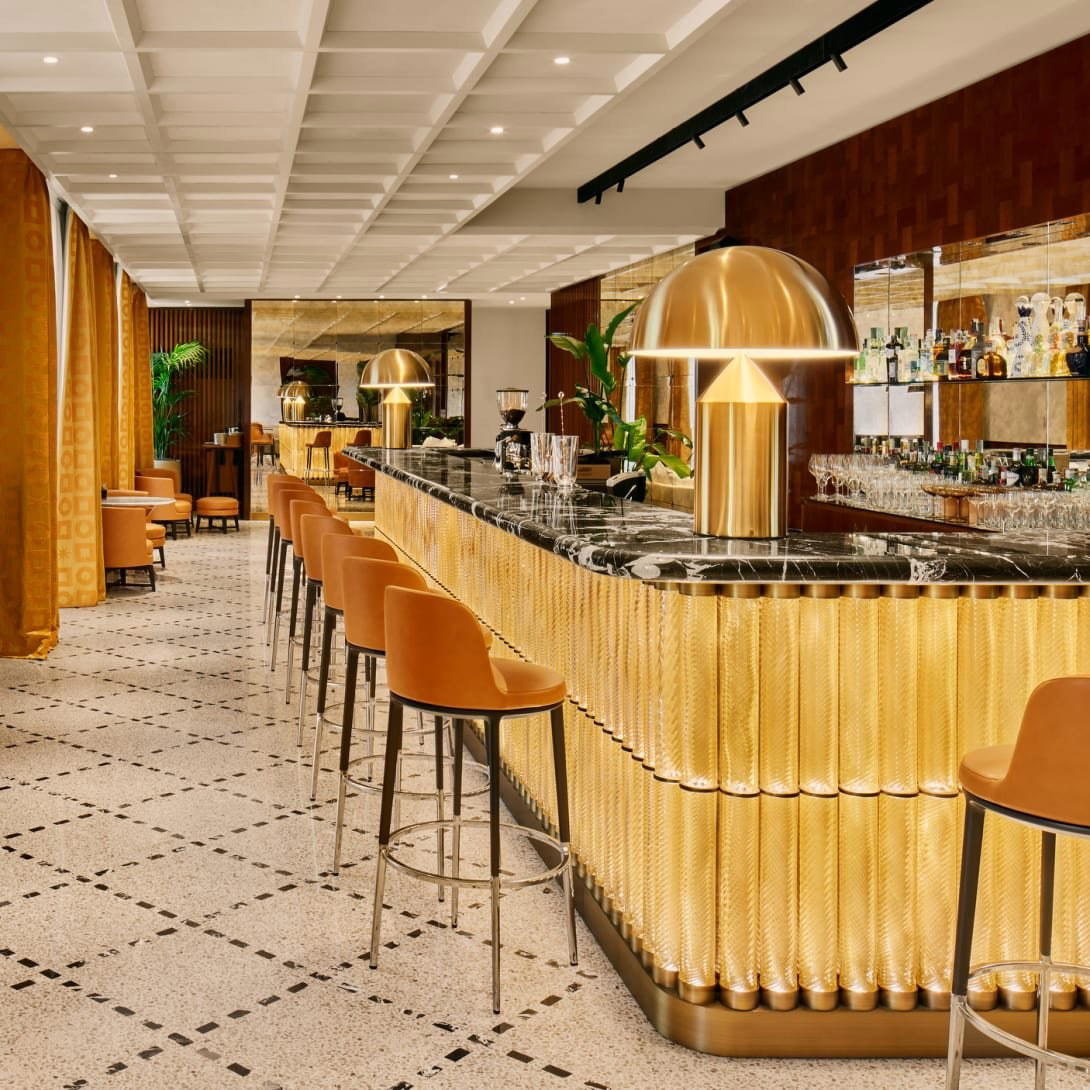
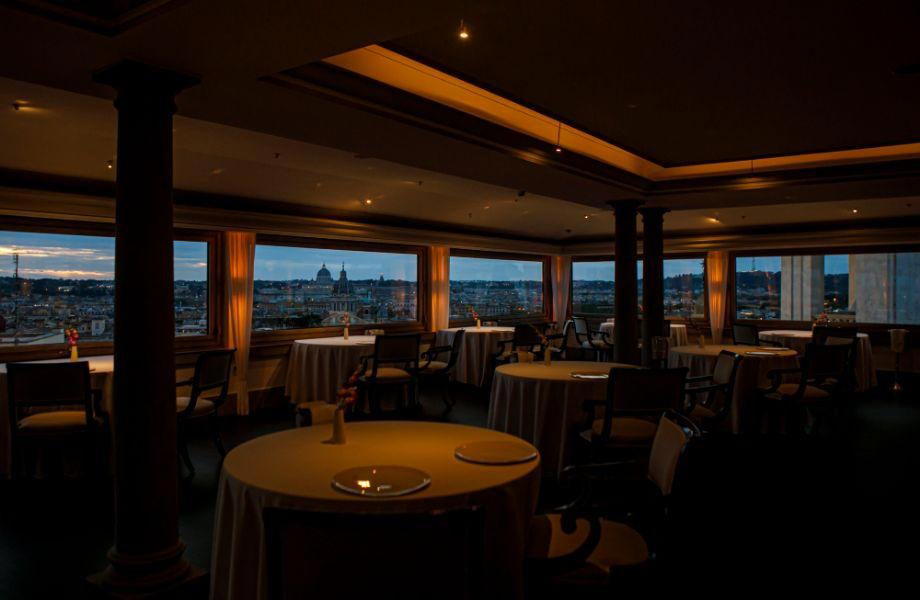
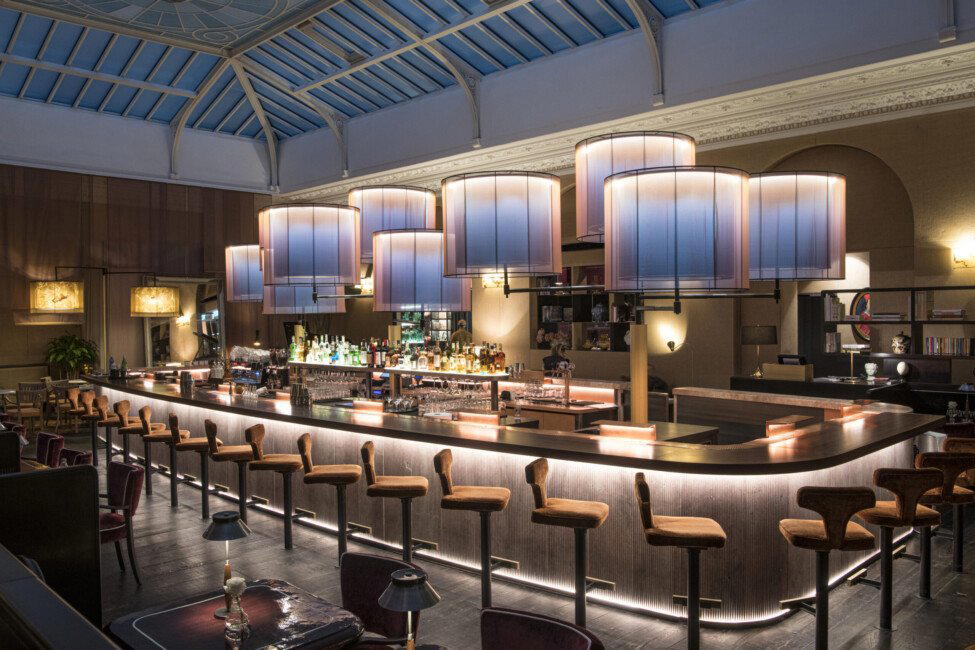
Elegant and chic with luxurious art-inspired surroundings, well-suited lighting for golden hour sunsets, and a sophisticated terrace atmosphere.