Marco Martini Roma sits on Viale Aventino in Rome's quieter southern residential stretch, a departure from the tourist corridors of the historic centre. The restaurant operates in the territory where contemporary Italian fine dining meets classical technique, drawing a local and destination-conscious crowd. For visitors tracking Rome's serious restaurant tier, this address on the Aventine is worth factoring into the itinerary.
Pearl is the En Primeur Club membership app — saves, bookings, and concierge access live there. Same editors, same standards.
- Address
- Viale Aventino, 121, 00153 Roma RM, Italy
- Phone
- +39 06 4559 7350
- Website
- marcomartinichef.com
- Directions
- Get directions
 Saves & bookings on Pearl
The Aventine Approach
The Aventine Hill has always occupied an unusual position in Rome's geography: close enough to the Circus Maximus and the ancient city to feel anchored in history, yet residential enough to filter out the crowds that dominate Trastevere and the centro storico. Viale Aventino runs as a broad, tree-lined avenue through this quieter quarter, and arriving at number 121 carries a different register than pulling up to a terrace restaurant in a high-traffic piazza. The street is functional rather than picturesque, which, in Rome's dining scene, tends to be a reliable signal. Serious restaurants rarely choose their addresses for foot traffic.
This part of the city does not announce itself loudly. The neighbourhood sits between the Protestant Cemetery to the south and the Knights of Malta keyhole view to the east, a pocket of Rome that rewards intention over accident. For diners who approach Marco Martini Roma deliberately, that quality of place contributes to the overall register before a single course arrives.
Where This Restaurant Sits in Rome's Fine Dining Tier
Rome's contemporary fine dining scene has developed more slowly than Milan's or the countryside estates of Tuscany, but it has produced a distinct tier of restaurants that operate on technical ambition rather than heritage tourism. In a city where Roman classics, from cacio e pepe to trippa alla romana, dominate the popular imagination, the restaurants that push into modern Italian technique occupy a more specialist position. They draw a local professional clientele and increasingly attract international visitors who research the city's dining programme rather than defaulting to well-worn trattoria circuits.
Marco Martini Roma places itself within that bracket. Addresses on the Aventine rather than the Campo Marzio already signal a certain orientation: toward a neighbourhood diner rather than the destination-tourist trade. That positioning tends to produce more focused cooking and a more consistent room, as the audience is self-selecting. Comparable restaurants in other Italian cities, such as the technically rigorous operations in Bologna tracked through venues like Enoteca Historical Faccioli in Bologna, share this quality of serving a local audience that knows what it is looking for. In Rome, that comparable set is smaller but increasingly coherent.
The Sensory Register of a Roman Fine Dining Room
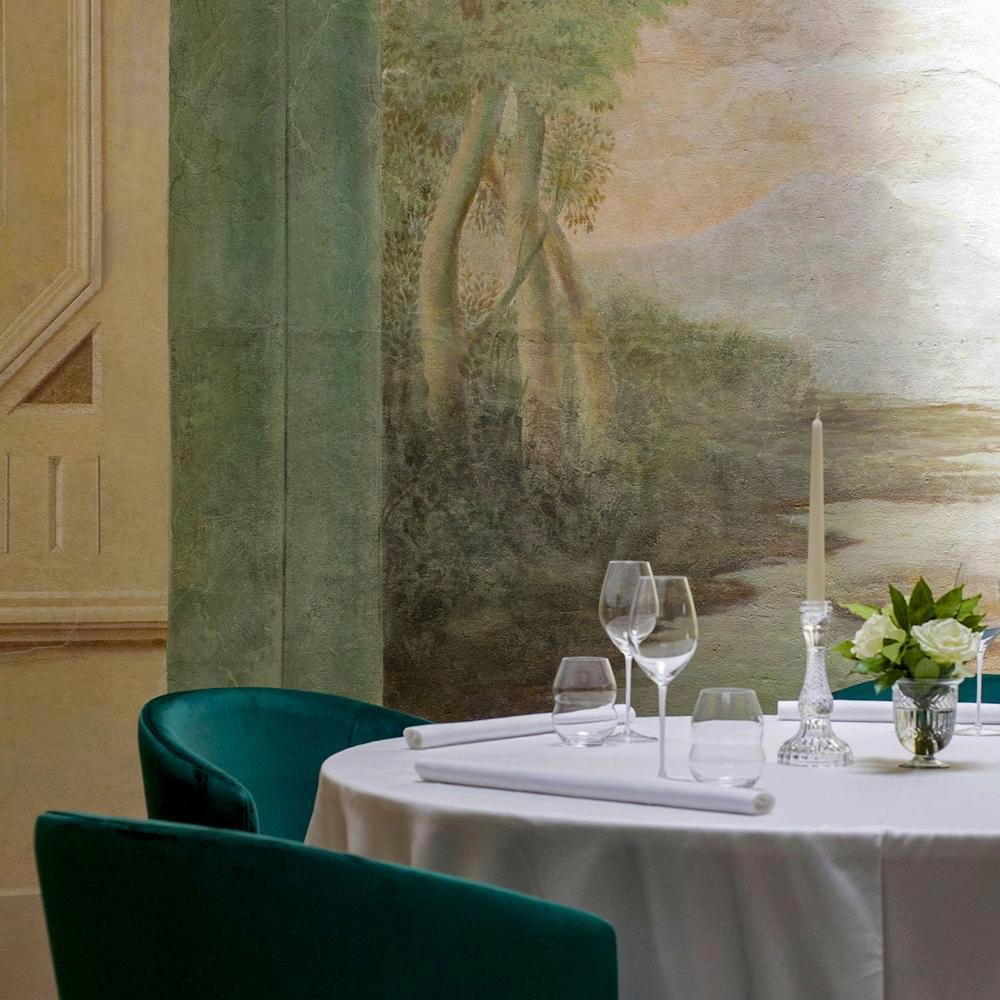
Fine dining rooms in Rome's residential quarters tend toward restraint in their visual language. Unlike the maximalist interiors that define some northern Italian contemporaries, or the deliberately industrial aesthetic that has become a cliché in London and New York, the better Roman rooms tend toward warm materials, controlled lighting, and a certain formality that never tips into stiffness. The spatial grammar is Italian in the truest sense: composed without being austere, attentive without being theatrical.
The experience of a meal at this level in Rome is also shaped by the city's particular relationship with time. Service in serious Roman restaurants tends to unfold at a pace that assumes the evening is the event, not a prelude to something else. The ambient sound level at addresses like this one remains low enough for conversation, a feature that distinguishes the Aventine's quieter setting from the more animated rooms you would find near the Pantheon or Campo de' Fiori. For context on what Rome's bar scene sounds like at the other end of the spectrum, the cocktail programmes at Drink Kong, Freni e Frizioni, and Jerry Thomas Speakeasy each operate in an entirely different register, high-energy and mixology-forward, which makes them logical post-dinner destinations for those wanting to extend the evening without shifting the mood abruptly. Boeme in Rome offers another option for those who prefer a more design-led drinking environment after dinner.
Italy's Contemporary Fine Dining Context
Italy's restaurant culture in 2024 and into 2025 has been navigating a shift that has played out over the previous decade: the move from classically French-influenced tasting menus toward a more distinctly Italian idiom, one that takes product quality and regional specificity as its technical foundation rather than sauce architecture or classical French structure. The generation of chefs who trained through the early 2000s absorbed international technique and are now applying it to Italian ingredients with greater confidence than their predecessors.
Across Italian cities, this manifests differently. Milan's fine dining scene remains especially internationally oriented, tracking closely with global trends in fermentation, foraging, and format experimentation. Venice's better restaurants work within strict seasonal and lagoonal ingredient constraints that shape everything. Naples leans into Campanian produce with an intensity that can feel almost dogmatic. Rome sits somewhere between these poles: less rigid than Naples, less internationally performative than Milan, with a cooking culture that ultimately returns to the quality of the raw material and the clarity of the plate.
That context matters when assessing any address in Rome's serious dining tier. Comparable contemporary Italian operations across the country, from Gucci Giardino in Florence to the bar and cultural programming of 1930 in Milan, reflect the broader Italian appetite for experience that feels rooted in place without being frozen in time. That same pressure applies to Rome's fine dining addresses, and Marco Martini Roma operates under those expectations.
Planning the Visit
Viale Aventino is accessible from the Circo Massimo metro stop on Line B, a short walk up toward the hill. The address is direct to reach by taxi or on foot from Trastevere, making it a practical choice for those based in that neighbourhood. Reservations at this level of Roman dining are advisable well in advance, particularly for Friday and Saturday evenings, when demand from local professionals intensifies. Those visiting Rome in spring, when evening temperatures allow for a more relaxed pace and the city has not yet reached summer saturation, will find the Aventine quarter at its most pleasant: the chestnut trees along the avenue in leaf, the evenings long enough to walk off a serious meal through the nearby Orange Garden with its views across the city.
For those building a broader Rome itinerary around food and drink, the EP Club full Rome restaurants guide maps the city's dining tier across neighbourhoods and formats. Those planning multi-city Italian travel will also find useful reference points at L'Antiquario in Naples and Al Covino in Venice, both of which anchor their respective cities' more considered drinking scenes. For global context on what a technically rigorous bar programme looks like at the opposite end of the world, Bar Leather Apron in Honolulu and Lost and Found in Nicosia offer instructive comparisons in format discipline and host-led programming.
Peers You’d Cross-Shop
Comparable venues nearby, for context on price, style, and recognition.
| Venue | Cuisine | Price | Notes |
|---|---|---|---|
| Marco Martini RomaThis venue — the venue you are viewing | cocktail_bar | $$$$ | Not listed |
| Punch Room at Edition Rome | speakeasy | $$$$ | Trevi |
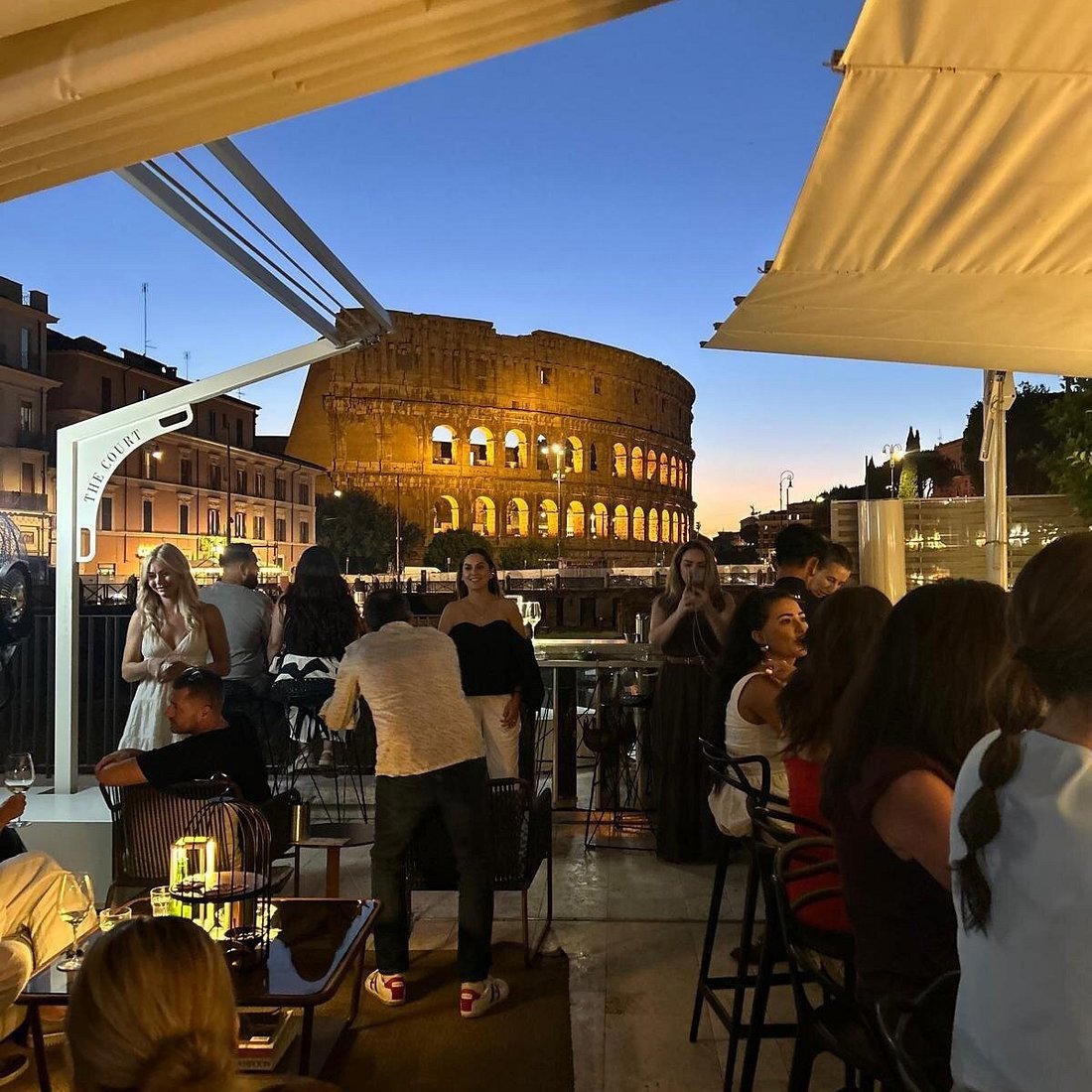
| The Court | cocktail_bar | $$$$ | Monti |
| Stravinskij Bar | hotel_bar | $$$$ | Campo Marzio |
| Spin! | beer_bar | $$ | Ostiense |
| Litro | wine_bar | $$ | Gianicolo |
Continue exploring
More in Rome
Bars in Rome
Browse all →
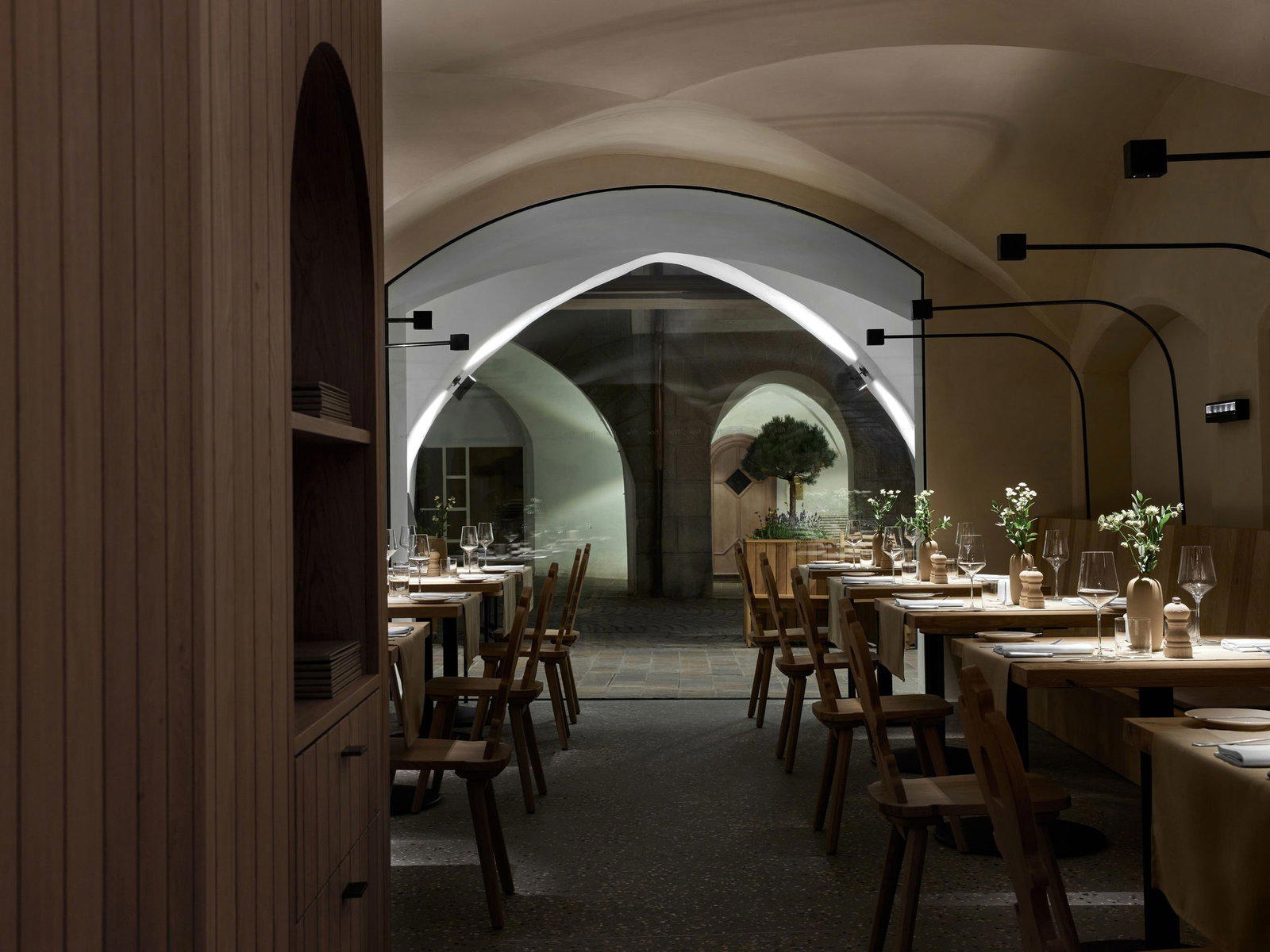
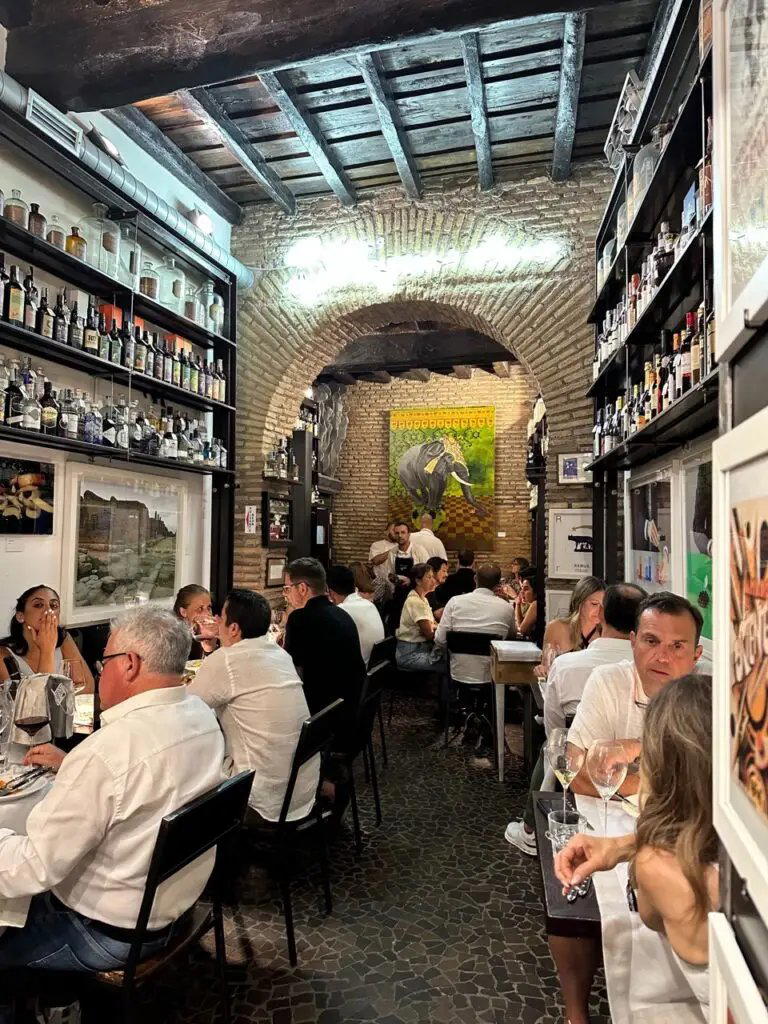
Restaurants in Rome
Browse all →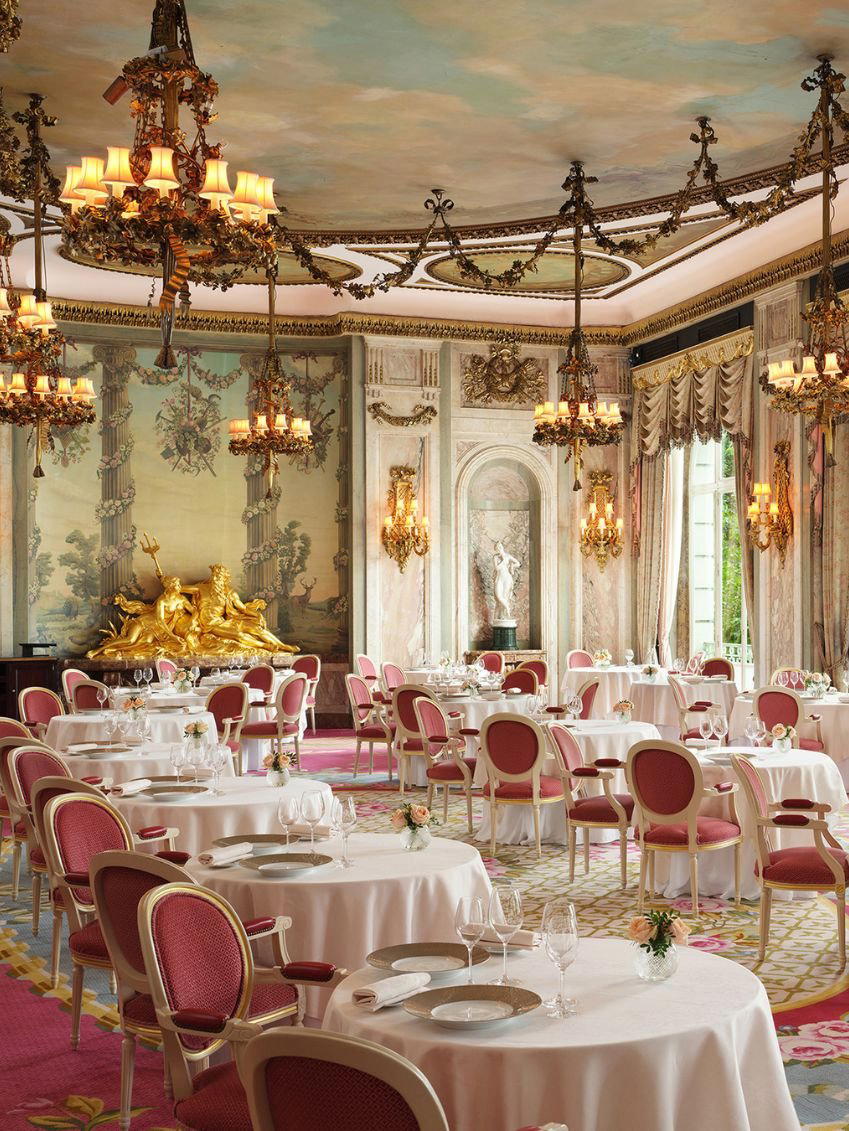
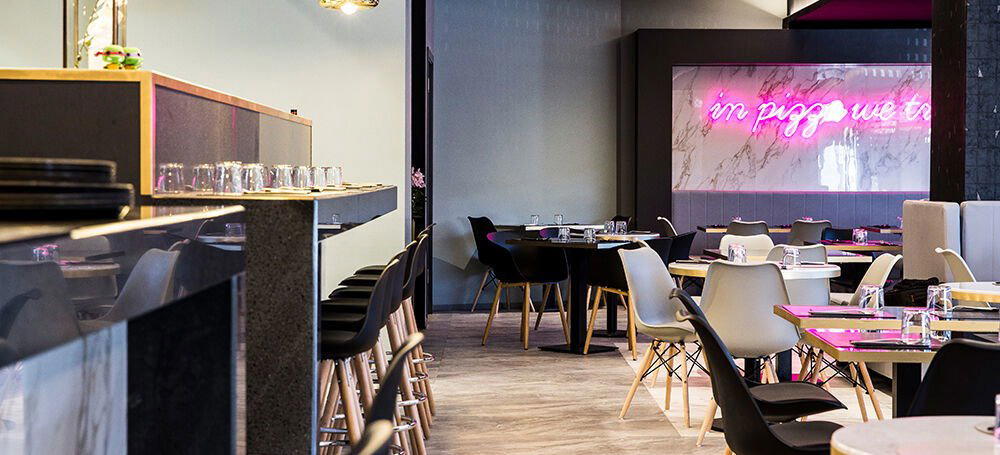
Hotels in Rome
Browse all →
Wineries in Rome
Browse all →
At a Glance
- Elegant
- Sophisticated
- Modern
- Romantic
- Date Night
- Special Occasion
- Celebration
- Design Destination
- Garden
- Standalone
- Seated Bar
- Lounge Seating
- Craft Cocktails
- Classic Cocktails
- Garden
Current opening hours
- Monday
- 7 PM–12 AM
- Tuesday
- 7 PM–12 AM
- Wednesday
- 7 PM–12 AM
- Thursday
- 7 PM–12 AM
- Friday
- 7 PM–12 AM
- Saturday
- 7 PM–12 AM
- Sunday
- Closed
Hours can change for holidays and private events. Last verified .
Warm and informal setting with natural light filtering through a glass roof and green climbing plants, creating an international atmosphere reminiscent of Paris or New York.