The Mercer Kitchen
Located at 99 Prince Street in the heart of SoHo, The Mercer Kitchen occupies a subterranean space beneath the Mercer Hotel that helped define downtown New York dining in the late 1990s. The room trades in the kind of low-lit, brick-and-steel atmosphere that shaped a generation of American brasserie culture. For visitors to SoHo, it remains a reliable marker of the neighborhood's culinary identity.
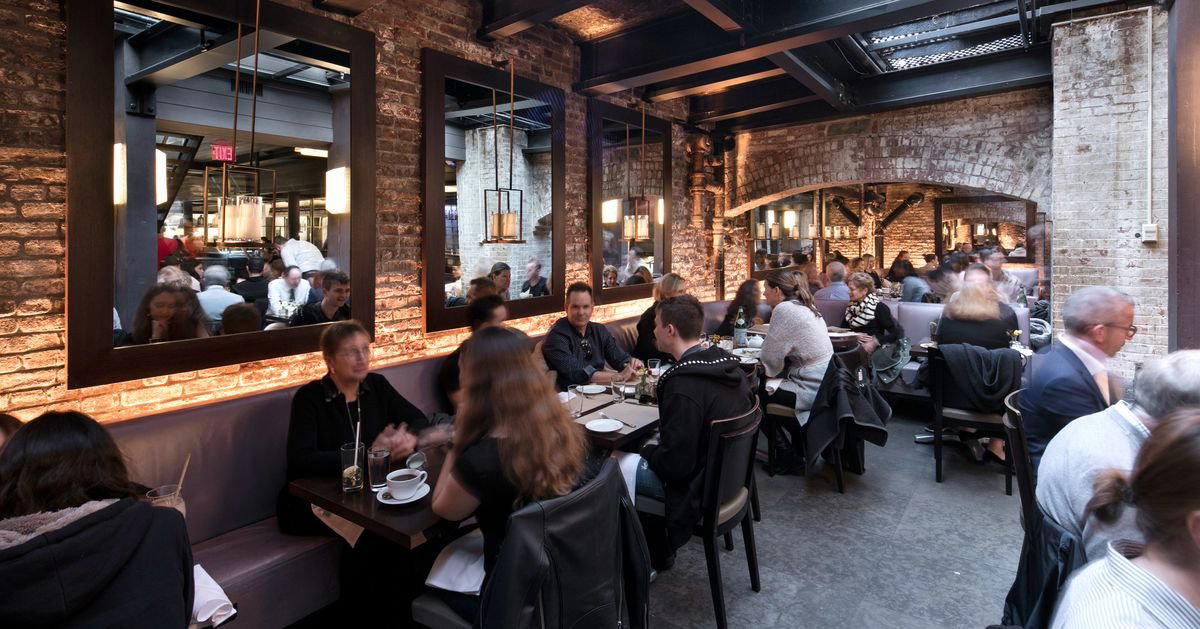
SoHo's Underground Dining Culture, Anchored in Brick and Steel
The Mercer Kitchen is a bar at 99 Prince St in New York City, with a price tier around $30 per person. When The Mercer Kitchen opened beneath the Mercer Hotel at 99 Prince Street, SoHo was completing its transformation from artists' loft territory into one of Manhattan's most commercially consequential neighborhoods. The restaurant arrived at the intersection of two forces: a new wave of American brasserie cooking that valued technical competence over formality, and a real estate moment that was pushing serious restaurants into the neighborhood's cast-iron buildings. The subterranean room, with its exposed brick and open kitchen, became a template that dozens of New York restaurants have studied since.
That cultural positioning matters more than any single dish. The American brasserie format that The Mercer Kitchen inhabits has always been about a particular kind of urban eating: relaxed in dress and tone, serious about sourcing and technique, comfortable with a long table on a Tuesday night or a group dinner on a Saturday. It is the format that made neighborhoods like SoHo, Tribeca, and the West Village legible as dining destinations rather than merely residential ones.
The SoHo Context: What the Address Actually Means
Prince Street at Mercer sits in the dense retail and hospitality core of SoHo, two blocks from the Broadway commercial corridor and a short walk from the galleries and design showrooms that have defined the neighborhood's identity for decades. The area supports a specific dining demographic: out-of-towners staying in the Mercer and neighboring boutique hotels, local residents who have lived through several cycles of the neighborhood's reinvention, and the design and media industry that has maintained a presence here even as rents climbed.
The neighborhood's dining character tilts toward rooms that can handle expense-account lunches and anniversary dinners with equal composure. That competitive set includes restaurants positioned across a range of price points but sharing a common register: polished without being stiff, knowledgeable without being pedagogical. In that context, a hotel restaurant with a long track record and a known physical address carries a different kind of weight than a newer independent. Reliability, in SoHo, is its own form of credibility.
American Brasserie Cooking and Its Cultural Roots
The cuisine category that The Mercer Kitchen occupies draws on a specifically American adaptation of the French brasserie model. Where the Parisian original was built around zinc counters, charcuterie, and regional wines, the American version substituted seasonal sourcing, an open kitchen as theater, and a menu architecture that acknowledged the eclecticism of the American palate. Dishes in this format tend to move across influences without committing to a single regional identity, which is both the format's flexibility and its critical vulnerability.
What distinguished the better American brasseries of the late 1990s and early 2000s was a willingness to treat ingredients with the same seriousness that fine dining reserved for technique. The leading rooms in this tradition built reputations around sourcing relationships and kitchen discipline rather than tasting-menu formalism. The Mercer Kitchen emerged in that tradition, and the format's durability in the SoHo market speaks to how well that register has aged relative to the more theatrical concepts that opened and closed around it.
Cocktail Culture in SoHo and Lower Manhattan
A restaurant at this address sits within easy reach of some of Manhattan's most discussed bar programs, which shapes how a complete evening around The Mercer Kitchen tends to be constructed. The cocktail scene in lower Manhattan has matured significantly over the past decade, moving away from the speakeasy theatrics that defined the early 2000s revival toward more technically rigorous, ingredient-focused programs.
The East Village and surrounding neighborhoods host bars that now set a high bar for the kind of pre- or post-dinner drink that pairs well with a brasserie meal. Amor y Amargo has built its identity around amaro and bitter spirits, a format with genuine depth for guests who want something beyond standard cocktail-list fare. Angel's Share has maintained its reservation-required Japanese-influenced bar program for long enough that it functions as a reliable institution rather than a trend. Attaboy NYC operates without a menu, relying on bartender-guided builds that reward guests who communicate clearly about flavor preferences.
For a Latin-influenced cocktail perspective in the same downtown corridor, Superbueno offers a program that brings regional spirits and technique into a SoHo-adjacent setting.
Beyond New York, the broader American cocktail tier that these bars inhabit has parallels in other cities worth knowing: Kumiko in Chicago applies Japanese methodology to American spirits in a way that resonates with the same technically serious drinker, while ABV in San Francisco and Allegory in Washington, D.C. each represent the same shift toward ingredient transparency that has defined the serious end of the American bar scene.
What Draws People to The Mercer Kitchen
The restaurant's longevity in a neighborhood that has cycled through dozens of openings and closures points to something more than momentum. Hotel-anchored restaurants in SoHo occupy a structural position that independent venues cannot: they absorb the variability of a neighborhood's foot traffic without depending entirely on it, supported by a captive guest base and a physical room that doesn't require reinvention every two years. That stability creates a dining experience calibrated for consistency rather than novelty, which is exactly what a certain segment of the SoHo market wants.
For out-of-town visitors, the address at 99 Prince Street places them within walking distance of the neighborhood's main cultural institutions and retail spine, making a meal here a logical anchor for a SoHo afternoon or evening. For locals, the room's track record provides the kind of low-risk reliability that becomes increasingly valuable as the city's dining scene grows more volatile.
Know Before You Go
- Address: 99 Prince Street, New York, NY 10012
- Neighborhood: SoHo, Manhattan
- Setting: Subterranean room beneath the Mercer Hotel
- Nearest Subway: Prince Street (N/R/W) or Spring Street (C/E)
- Leading For: Hotel guests, neighborhood dinners, group bookings in a reliable SoHo room
- Note: Current hours, pricing, and booking details should be confirmed directly with the venue before visiting.
Awards and Standing
Comparable venues nearby, for context on price, style, and recognition.
| Venue | Cuisine | Price | Awards | Notes |
|---|---|---|---|---|
| The Mercer KitchenThis venue — the venue you are viewing | wine_bar | $$$ | , | |
| ATLA Noho | mezcaleria | $$$ | , | Greenwich Village |
| Eel Bar | cocktail_bar | $$$ | , | Lower East Side |
| Leon's | cocktail_bar | $$$ | , | Greenwich Village |
| Sushi by Bou - Flatiron NYC | sake_bar | $$$ | , | Midtown South-Flatiron-Union Square |
| La Noxe | speakeasy | $$$ | , | Midtown South-Flatiron-Union Square |
Continue exploring
More in New York City
Bars in New York City
Browse all →
Restaurants in New York City
Browse all →
Hotels in New York City
Browse all →


At a Glance
- Elegant
- Sophisticated
- Intimate
- Trendy
- Date Night
- After Work
- Casual Hangout
- Design Destination
- Seated Bar
- Lounge Seating
- Booth Seating
- Craft Cocktails
- Conventional Wine
- Whiskey
- Mezcal
- Rum
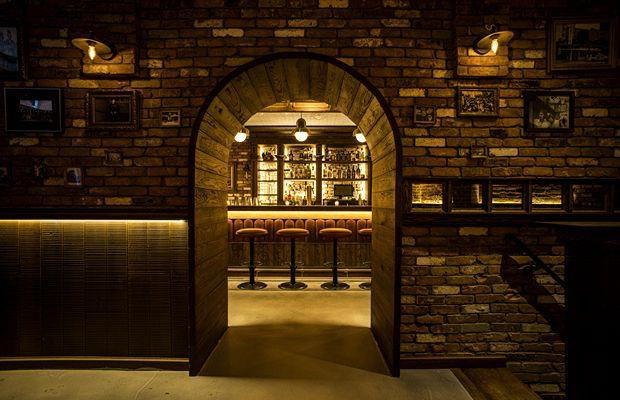
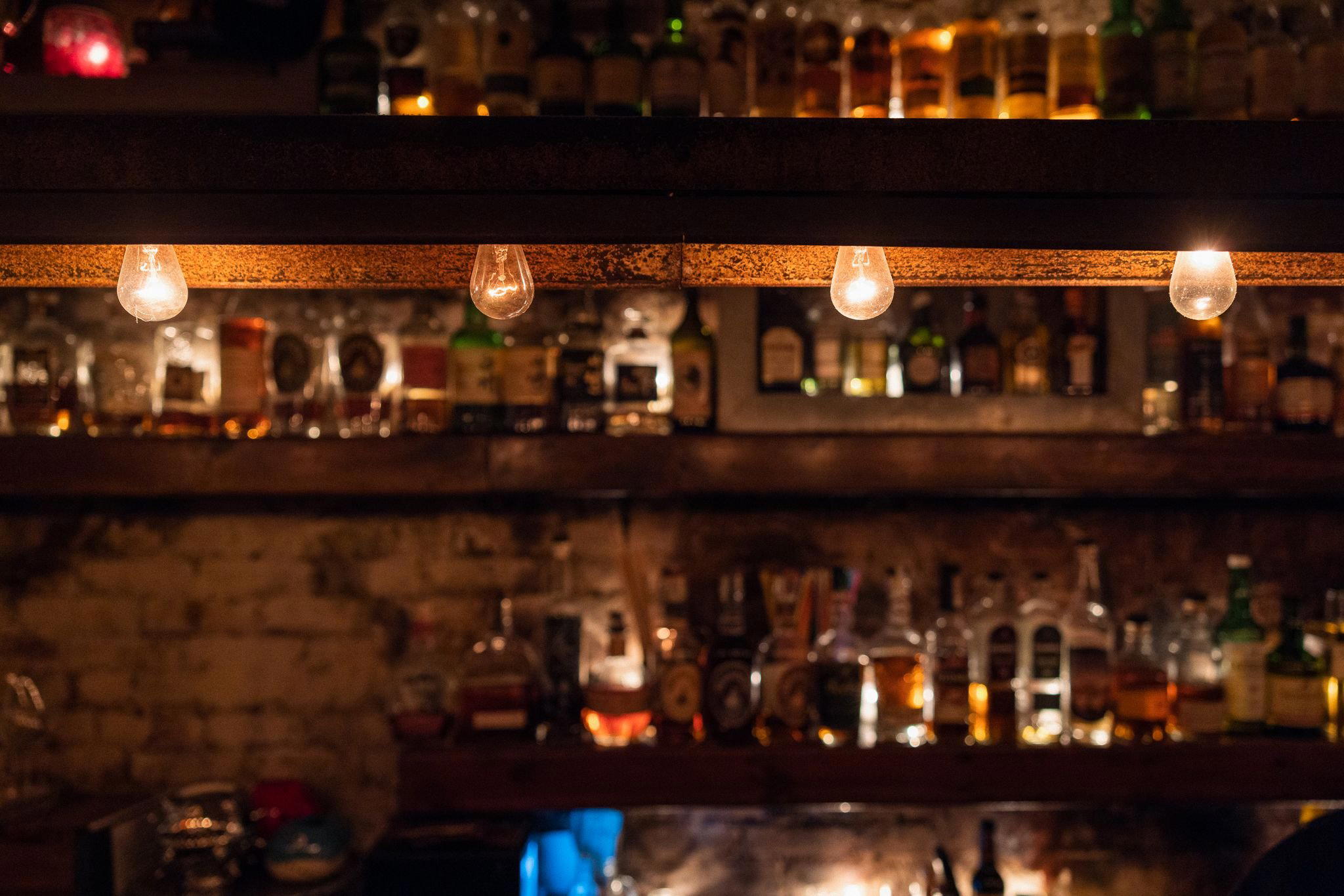
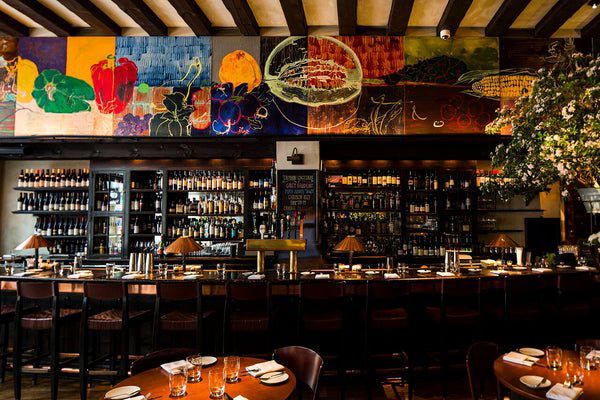
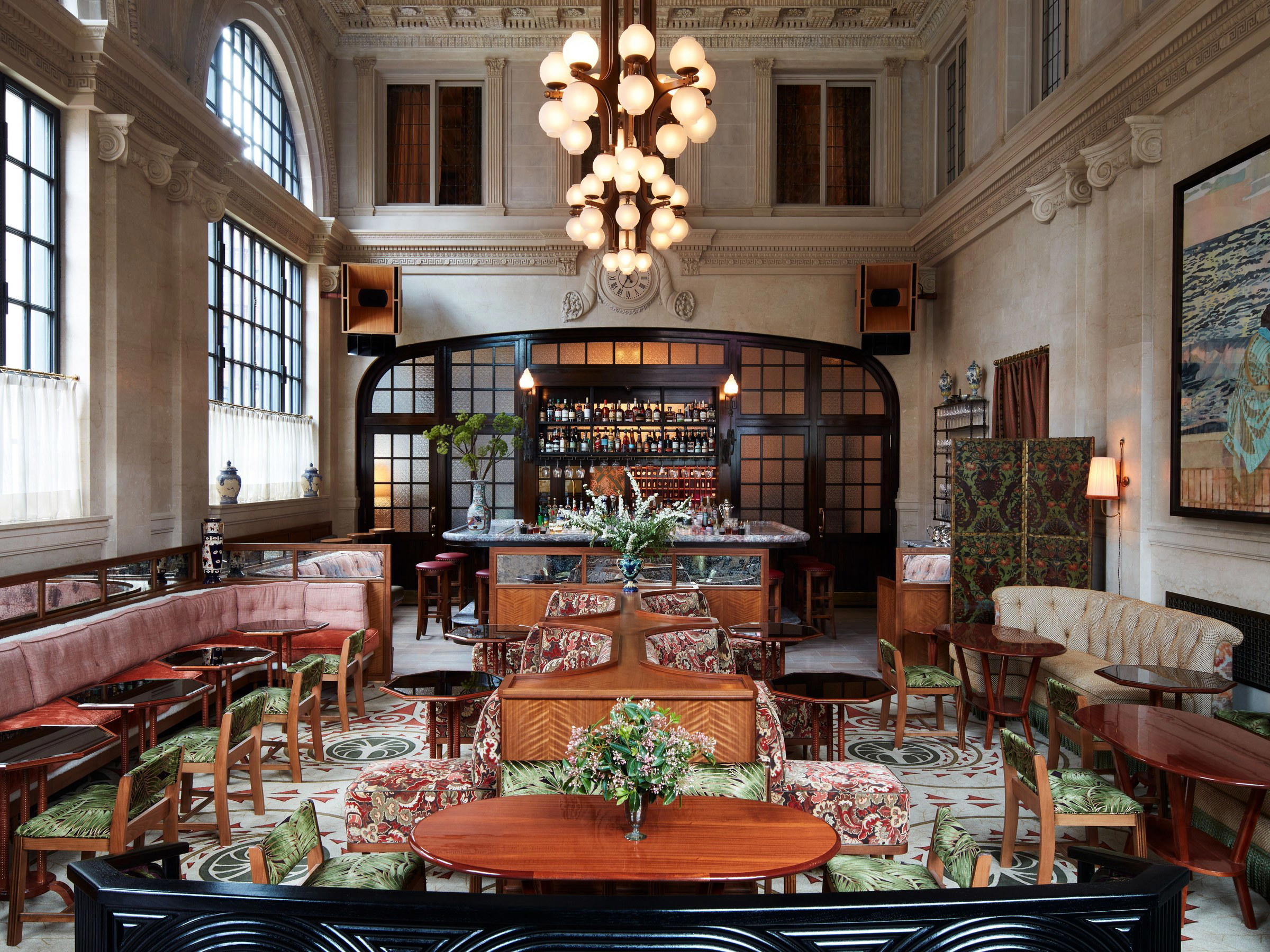
Intimate with deep red walls, rich woods, vintage fixtures, and dimmed lighting evoking an underground club atmosphere.