ATLA Noho
ATLA Noho occupies Lafayette Street at the point where downtown Manhattan's creative industries meet its restaurant corridor — a Mexican-leaning address that draws on the breadth of the cuisine rather than its tourist-facing reduction. The room and the bar program together make the case that Mexican cooking in New York has moved well past the margarita-and-guacamole bracket, into territory where technique and sourcing drive the conversation.
Pearl is the En Primeur Club membership app — saves, bookings, and concierge access live there. Same editors, same standards.
- Address
- 372 Lafayette St, New York, NY 10012
- Phone
- +1 315 367 7701
- Website
- eatatla.com
- Directions
- Get directions
 Saves & bookings on Pearl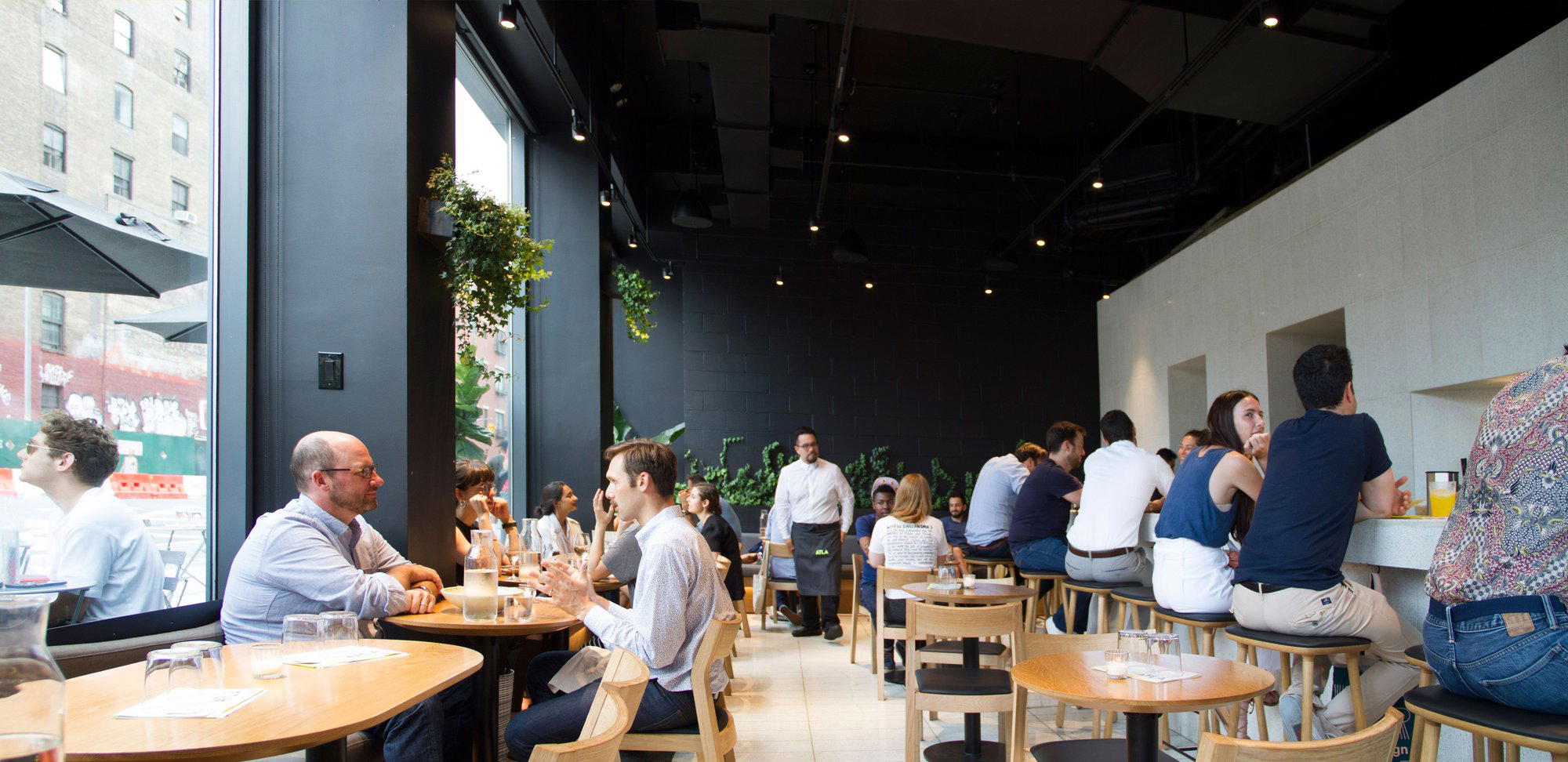
Where Lafayette Street Meets Mexico City's Dining Register
NoHo's stretch of Lafayette Street has been accumulating serious restaurants for long enough that the neighborhood now carries genuine culinary weight, as a corridor where working professionals and downtown creatives have driven operators toward quality over spectacle. ATLA, sitting at 372 Lafayette, arrived into that context and found a gap: the city's Mexican dining scene was split between taqueria-format casual and a small cluster of higher-end spots that leaned heavily on regional specificity as a selling point. ATLA's position was something else — a daytime-through-dinner room that drew on the all-day café culture of Mexico City's Condesa and Roma neighborhoods rather than on any single regional tradition.
That reference point matters. Mexico City's contemporary dining culture is shaped by a century of immigration from Spain, Lebanon, and Japan layered over pre-Columbian foundations. The all-day café format that ATLA references is not a simplified version of that tradition, it is, in fact, how much of the city's food culture actually functions, with counter seats, natural light, and menus that move fluidly between coffee-hour dishes and evening plates. Translating that into a NoHo address requires navigating New York's higher labor and rent costs, which typically force operators to choose between full-service dinner-only formats and quick-service daytime models. Pulling both into the same room is the structural ambition.
The Room as Editorial Statement
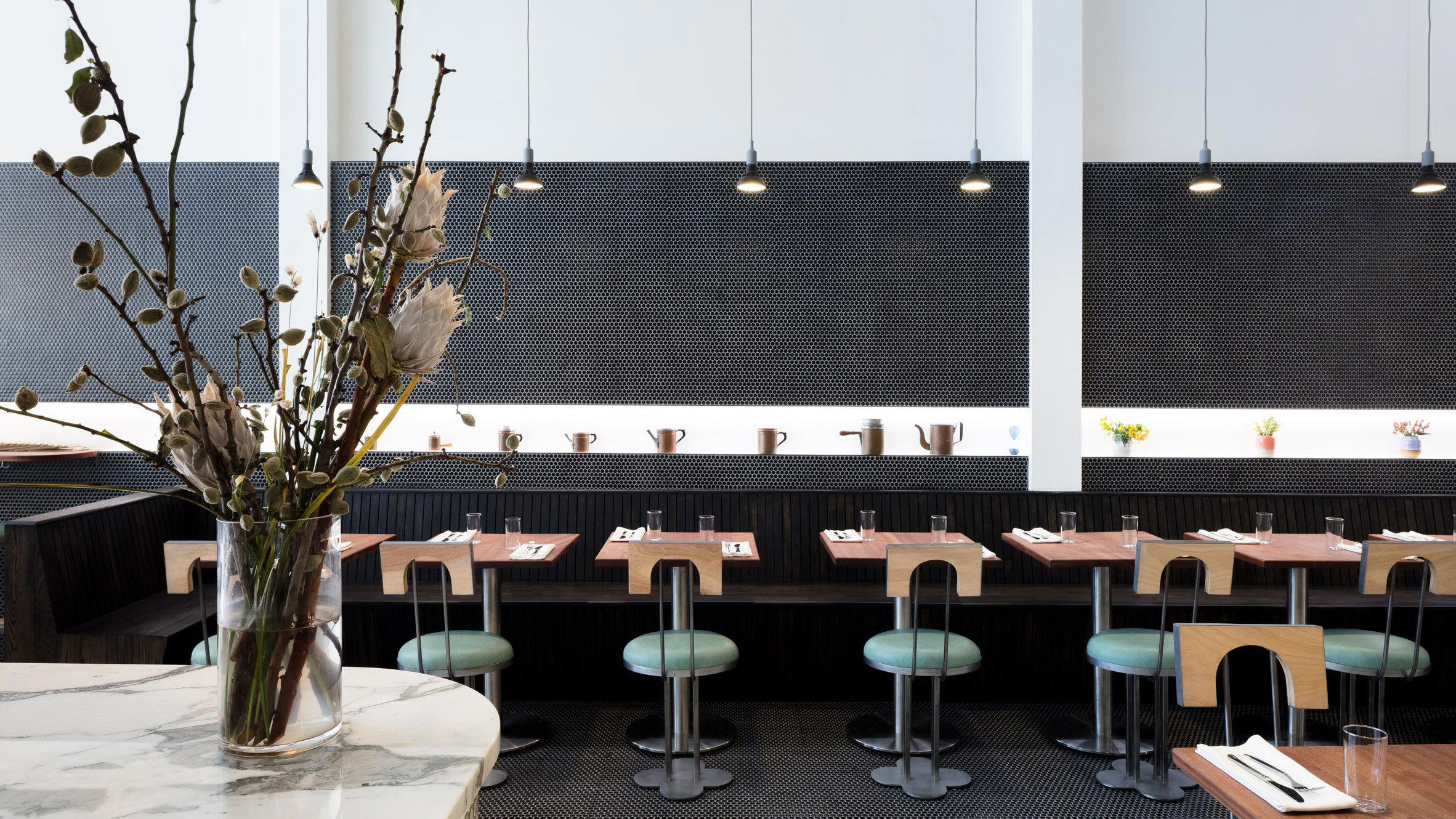
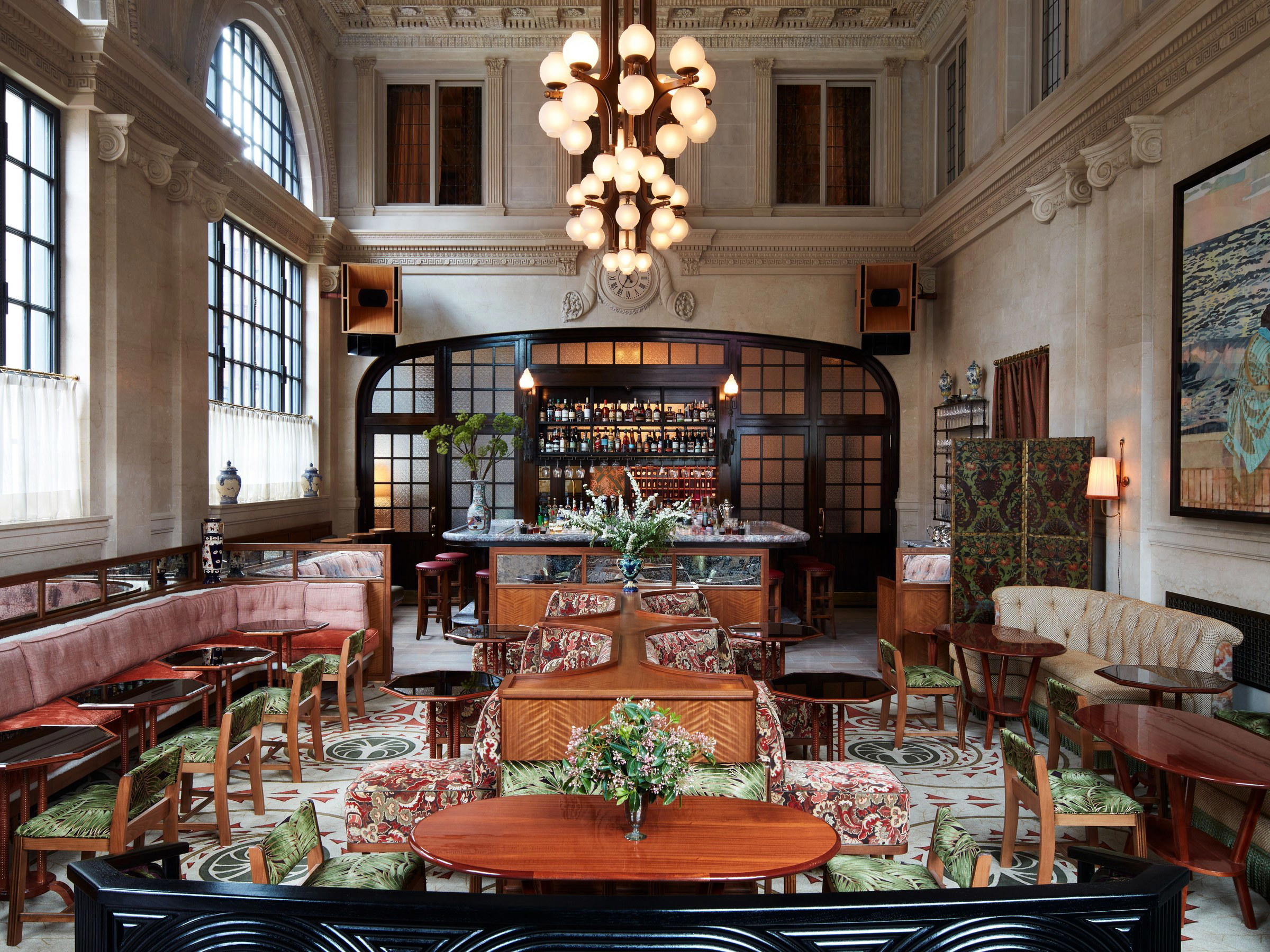
The physical environment at ATLA favors restraint over maximalism. NoHo has seen enough exposed-brick-and-Edison-bulb interiors that a spare, light-flooded room with clean lines and muted tones now functions as a stronger signal of intent than any amount of period-appropriate decoration. The design places the space closer to a Mexico City café than to the cantina-adjacent interiors that have dominated the American imagination of Mexican dining. That gap between expectation and reality is, in part, the point, the room prepares the diner for food that operates in a different register than the genre clichés suggest.
Service format and pacing reflect the all-day ambition: the rhythm shifts across the day, with morning and lunch seating moving faster and the evening slowing into something closer to a conventional dinner pace. That flexibility is harder to execute than a single-format restaurant, and when it works, it expands the venue's usefulness across the week in ways that purely dinner-focused addresses cannot match.
Mexican Cuisine in New York: The Tier ATLA Occupies
New York's Mexican restaurant market has stratified in the past decade. At the lower end, dollar-slice equivalents, dollar-taco counters in Brooklyn and Queens, operate with high volume and genuine regional authenticity, particularly in Sunset Park and Jackson Heights. At the higher end, a small group of tasting-menu or elaborate regional-format restaurants have won critical attention by foregrounding specific states or techniques: Oaxacan mole complexity, Yucatecan sourcing, Veracruz-influenced seafood. ATLA sits in a middle tier that is, in some ways, the hardest to occupy credibly: not defined by a single regional identity, not casual enough to be judged purely on value, but operating at a price point and formality level that places it in direct comparison with downtown's broader contemporary restaurant set.
That competitive framing, against Dirty French, against Italian-American rooms on the same street, against the neighborhood's other mid-range dinner addresses, means ATLA is being assessed by the standards of New York's downtown dining scene rather than solely within the Mexican category. Holding that position requires a bar program and a menu that can stand that comparison. The cocktail program, in particular, carries significant weight in that context. Downtown New York's bar culture has produced some of the city's most technically precise programs: Amor y Amargo built its reputation on a bitters-forward approach that rewired how the city thought about aperitivo-style drinking; Attaboy NYC dispensed with menus entirely in favor of guest-led specification. Against that backdrop, a Mexican-inspired bar program needs specificity, agave spirits depth, sourcing transparency, and drink architecture that goes past the frozen margarita as reference point.
Nationally, the movement toward serious agave-spirits programming has produced standout bar operations in cities where you might not expect them: Superbueno in New York, Kumiko in Chicago, and Jewel of the South in New Orleans all demonstrate that regional and cultural specificity in spirits programming is now a recognized axis of quality, not an afterthought. That national trend gives context to what ATLA is attempting at the bar: situating itself within a conversation about Mexican spirits culture that has moved well beyond the margarita as category entry point. Similar ambition shows up in programs like ABV in San Francisco, Allegory in Washington, D.C., and Bar Leather Apron in Honolulu, operators that have used regional identity as a foundation for technically sophisticated drink programs rather than as a marketing layer over generic craft cocktails.
New York's own downtown bar scene, anchored by places like Angel's Share and extending to newer operations, has raised the baseline of what a mid-range venue's drinks need to achieve. For a reference set outside the US, programs like The Parlour in Frankfurt on the Main and Julep in Houston show how a clearly defined cultural or spirits identity can sustain a bar's critical positioning across years. ATLA's challenge and opportunity is the same: let the agave-forward identity do real editorial work rather than functioning as theme dressing.
What the Cultural Reference Does for the Food
The Mexico City all-day café format imposes a particular discipline on the menu. Unlike tasting-menu Mexican restaurants, which can build elaborate multi-course narratives around a single regional tradition, the café-register format requires dishes that work as individual plates across different times of day, in different combinations, for guests with different intentions. The chilaquiles or egg dishes that anchor a morning service need to carry the same quality signal as the evening plates, there is no tasting-menu architecture to build anticipation and cover the gaps. That is a harder editorial position to sustain, and it explains why this format succeeds so infrequently outside its native context.
When it works, the Mexico City café translation gives a New York address something that purely dinner-format restaurants cannot offer: genuine utility across the week, at different hours, without sacrificing the quality signal that downtown diners have come to expect from a Lafayette Street address. For the reader assessing whether ATLA fits a specific occasion, that range is the key variable. It is not primarily a special-occasion venue, nor is it a quick-lunch counter. It occupies the space between those formats, which is where Mexico City's leading all-day spots have always lived.
Cuisine and Credentials
Comparable venues nearby, for context on price, style, and recognition.
| Venue | Cuisine | Price | Notes |
|---|---|---|---|
| ATLA NohoThis venue — the venue you are viewing | mezcaleria | $$$ | Not listed |
| Dos Caminos - CLOSED | mezcaleria | $$$ | SoHo-Little Italy-Hudson Square |
| Fig. 19 | speakeasy | $$$ | Lower East Side |
| Sushi Lin L.E.S | cocktail_bar | $$$ | Lower East Side |
| Lullaby | cocktail_bar | $$$ | Lower East Side |
| Ciccio Cincin | cocktail_bar | $$$ | West Village |
Continue exploring
More in New York City
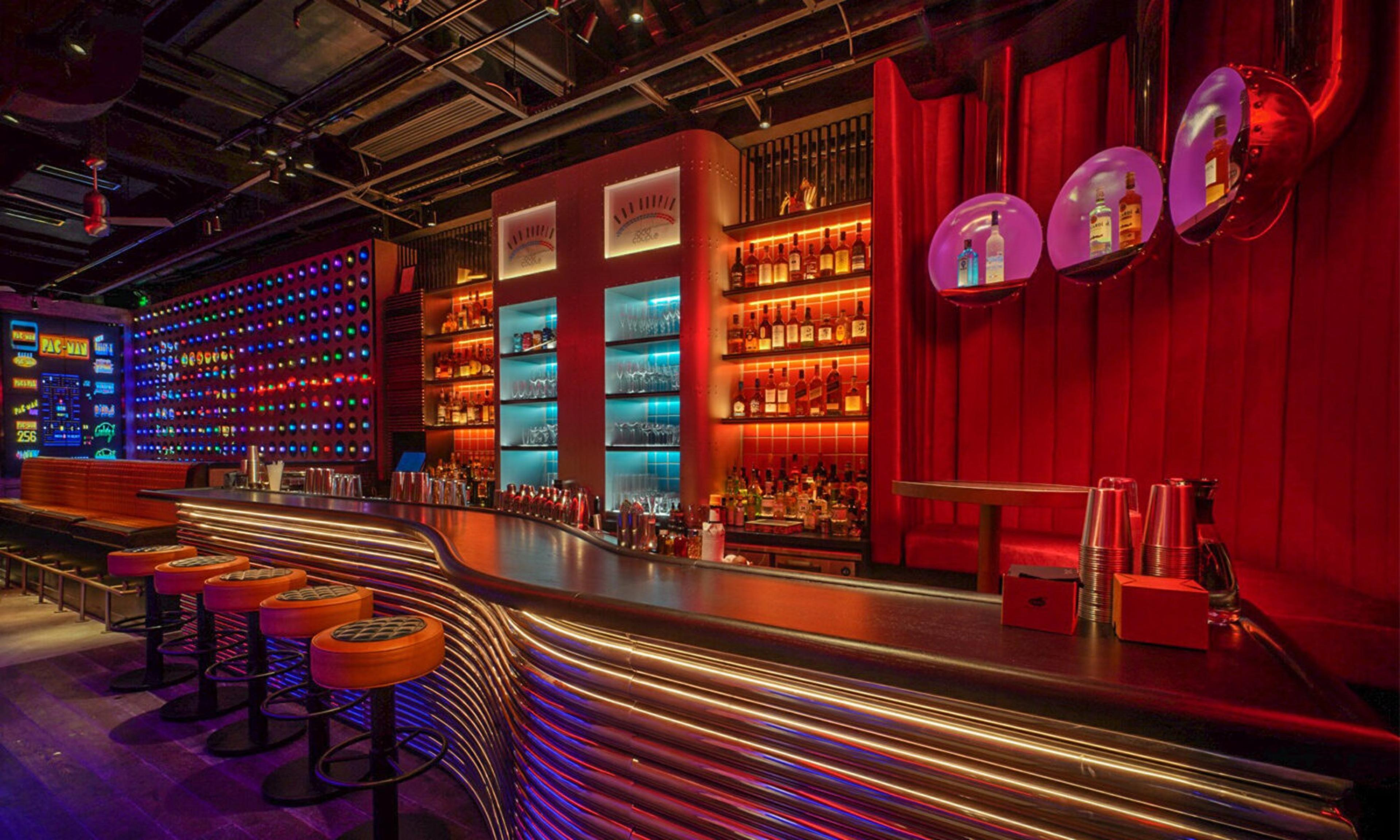
Bars in New York City
Browse all →
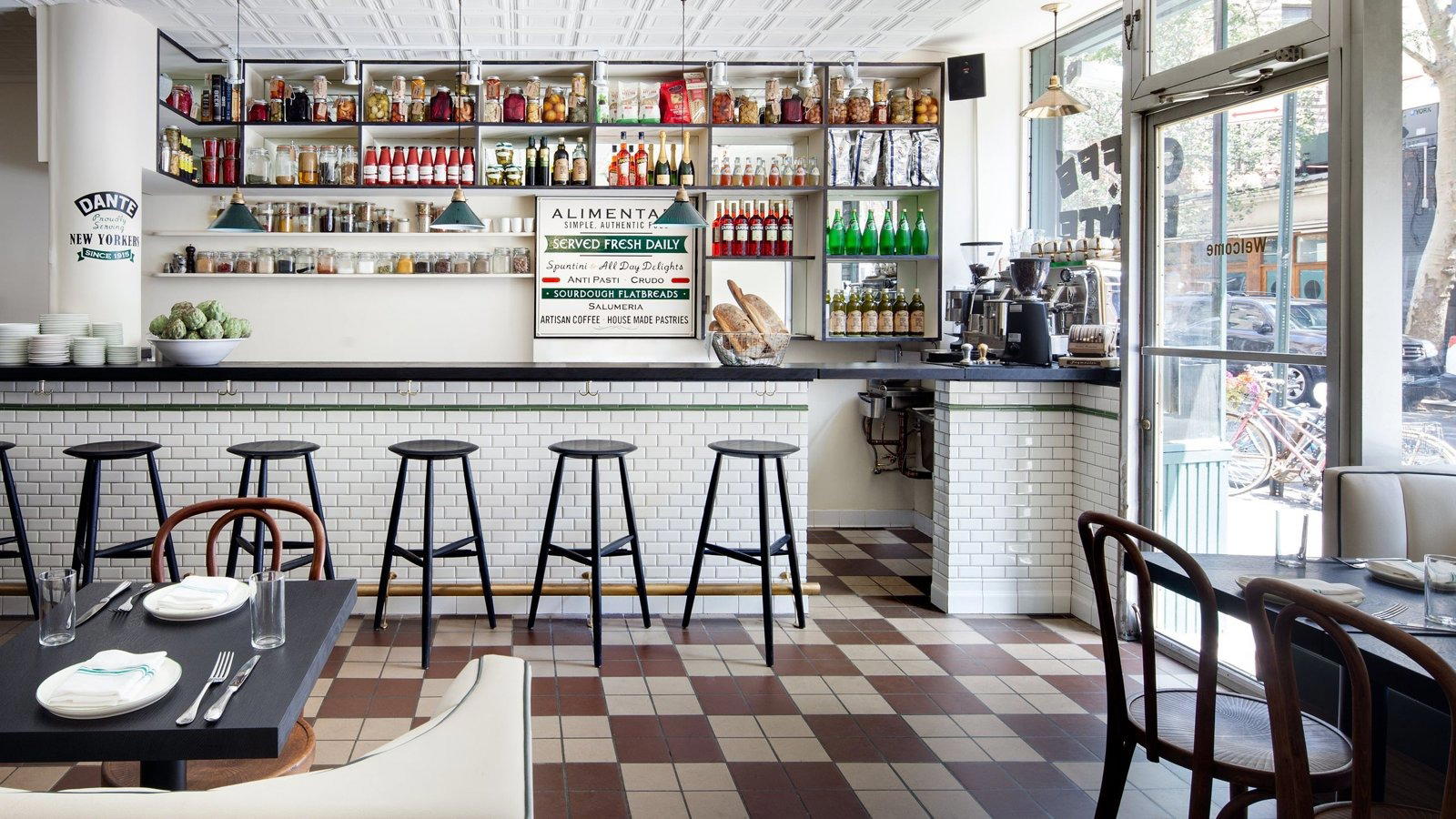
Restaurants in New York City
Browse all →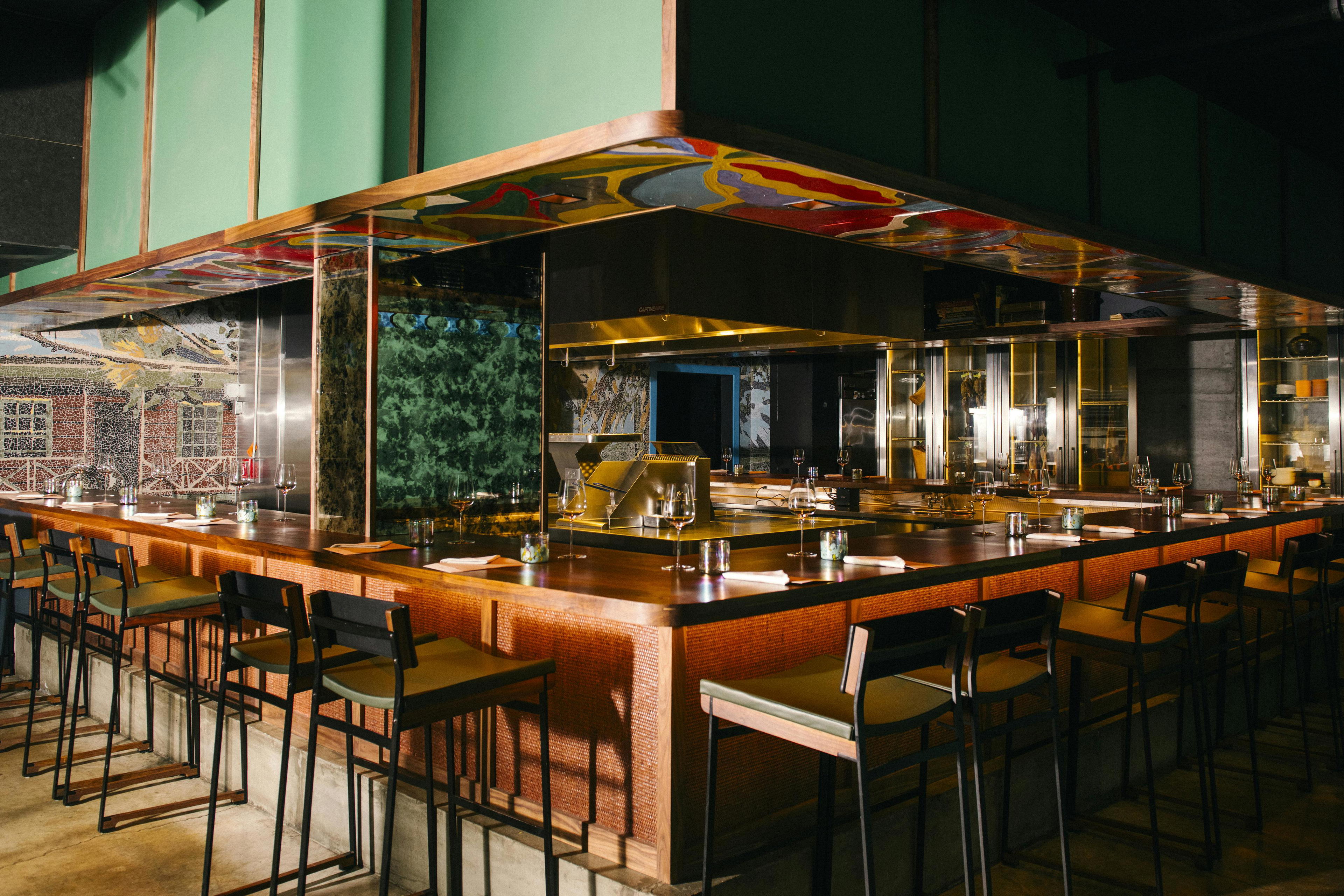
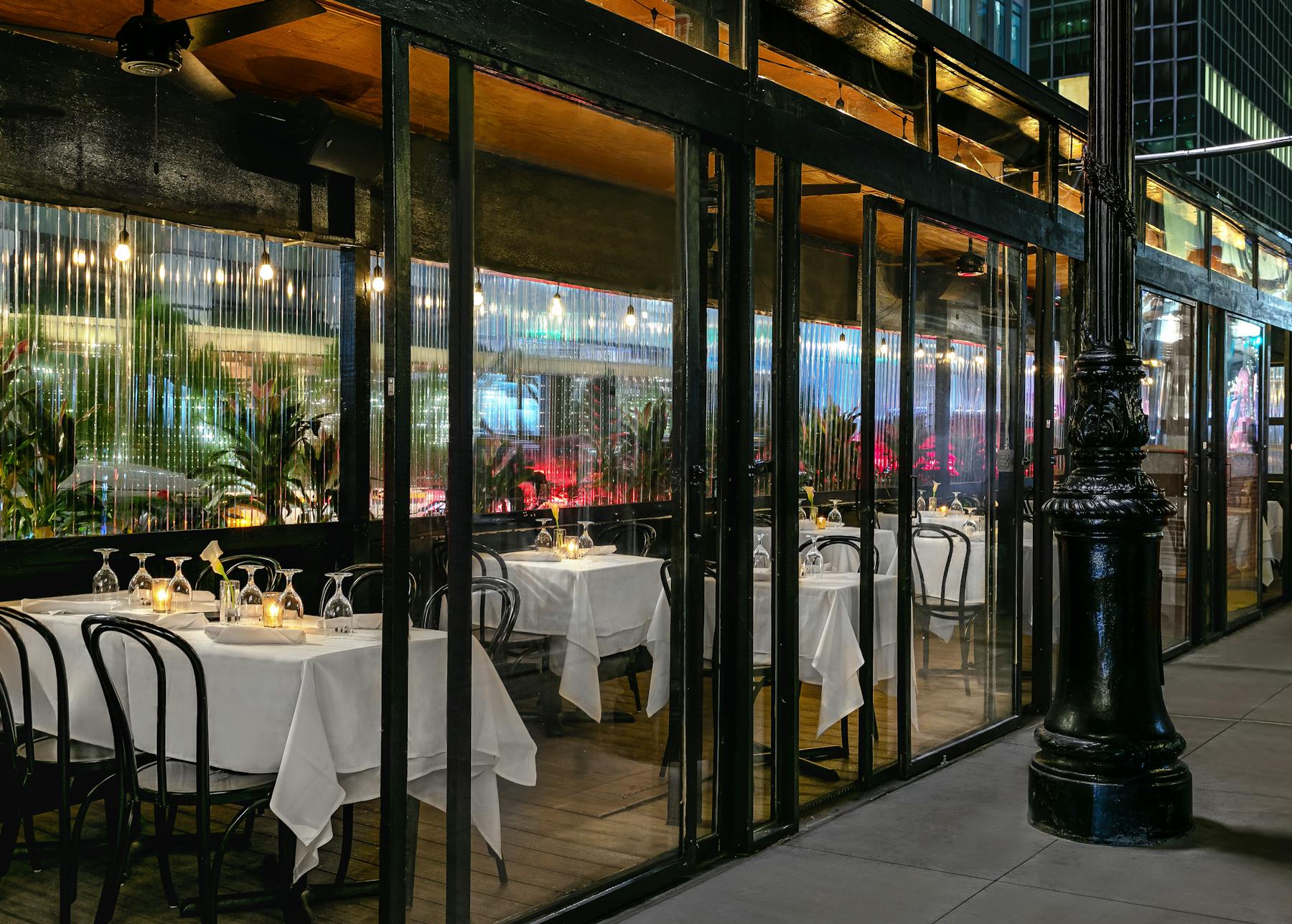
Hotels in New York City
Browse all →






At a Glance
- Trendy
- Lively
- Modern
- Cozy
- Date Night
- After Work
- Casual Hangout
- Design Destination
- Seated Bar
- Lounge Seating
- Craft Cocktails
- Mezcal
- Tequila
- Street Scene
Current opening hours
- Monday
- 12–10 PM
- Tuesday
- 12–10 PM
- Wednesday
- 12–10 PM
- Thursday
- 12–10 PM
- Friday
- 12–11 PM
- Saturday
- 11 AM–11 PM
- Sunday
- 11 AM–5 PM
Hours can change for holidays and private events. Last verified .
Sunny corner space with floor-to-ceiling windows, vine-climbed walls, clean lines, slate-grey tones, convivial and organic energy.