Eel Bar
On Broome Street in Manhattan's Lower East Side, Eel Bar operates as a wine-forward neighborhood bar with a focused food program that has drawn a loyal local following. Its low-key room and deliberately unhurried pace position it outside the city's high-concept cocktail circuit, making it a reference point for the kind of honest, no-performance drinking that the LES does better than almost anywhere else in New York.
Pearl is the En Primeur Club membership app — saves, bookings, and concierge access live there. Same editors, same standards.
- Address
- 252 Broome St, New York, NY 10002
- Phone
- +1 646 850 0140
- Website
- eelbarnyc.com
- Directions
- Get directions
 Saves & bookings on Pearl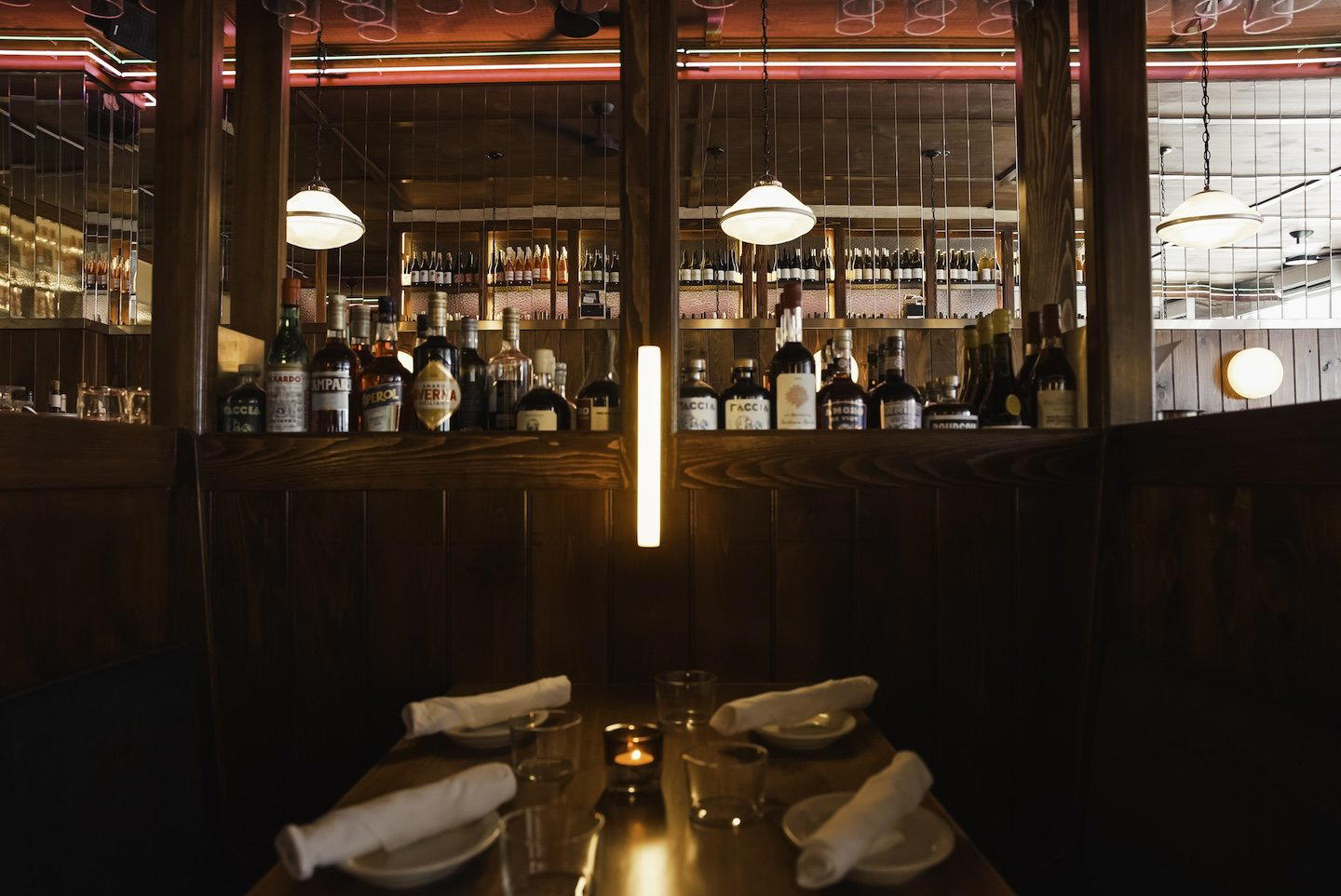
A Corner of Broome Street That Knows What It Is
There is a particular kind of bar that New York produces when a neighborhood has enough density and enough time to develop its own internal logic. Not the destination bar built for out-of-towners, and not the hotel bar hedging for the broadest possible audience, but the room that exists primarily for the people who live within walking distance and return not because they planned to but because the habit formed on its own. Eel Bar, at 252 Broome Street in the Lower East Side, belongs to that category. The address alone tells you something: Broome Street between Allen and Eldridge sits deep enough into the LES that you arrive with intention, not by accident off the subway.
The Lower East Side's bar scene has undergone several distinct phases over the past two decades, from the era of dive bars and late-night containers to the more recent wave of wine-focused rooms and small-plate formats that drew from the influence of European natural wine bars. Eel Bar lands in the latter tradition, a wine bar that takes its food seriously without framing itself as a restaurant that happens to have good wine. That distinction matters in a neighborhood where the leading rooms understand which half of the equation anchors the experience.
The Room and the Rhythm
Walking into a bar like this on a Tuesday evening versus a Friday night gives you two different readings of the same room. The physical space at Eel Bar is compact and unfussy, the kind of interior that communicates intent through what it removes rather than what it adds. There are no theatrical design elements competing for attention, no mood lighting calibrated by a branding consultant. What you get instead is a room that functions as a backdrop for conversation, the actual purpose of a neighborhood bar.
The LES has a long tradition of bars that treat their regulars as the primary constituency rather than the secondary one. In that context, Eel Bar's format makes sense: a focused wine list, a food program with genuine personality, and a pace that does not push tables. For comparison, the broader Lower East Side bar circuit runs a wide spectrum, from the technically precise cocktail work at Attaboy NYC to the amaro-driven focus at Amor y Amargo. Eel Bar sits in a different register from both: less about technical performance, more about the cumulative experience of a room that has earned its regulars.
Wine-Forward in a City That Has Options
New York's wine bar density has increased substantially since 2015, and the lower Manhattan corridor in particular has seen a concentration of rooms that take natural and low-intervention wine seriously. In that context, the bars that survive and build loyal followings tend to do so through editorial clarity: a list that reflects an actual point of view rather than a broad survey designed to avoid alienating anyone.
The wine-bar format, when it works, operates as a different social contract from the cocktail bar. At Angel's Share or the more theatrically conceived rooms in the East Village, the drink is often the centerpiece and the social architecture arranges itself around it. A wine bar's logic is closer to the European model: the glass is a reason to stay rather than a spectacle to document. Eel Bar's positioning in the LES aligns it with a cohort of rooms that treat wine as a medium for an evening rather than the subject of it.
Across the country, bars working in a similar register include Kumiko in Chicago, which applies similar editorial discipline to its Japanese whisky and spirits program, and ABV in San Francisco, where the food and drink parity model has defined the room's identity for years. The pattern is consistent: in cities with enough bar density to support specialization, the rooms that endure tend to have a clear answer to the question of what they are for.
Food as Structure, Not Decoration
The food program at a bar like Eel Bar serves a specific function that is different from a restaurant's. It extends the evening, absorbs the wine, and gives regulars a reason to arrive before they are hungry rather than because they are. The format, small plates oriented toward sharing and snacking rather than formal sequencing, suits the rhythm of a neighborhood bar where people might stay two hours or four depending on who walks in.
This approach has European antecedents, particularly from Spanish and Portuguese bar culture where the distinction between drinking and eating is deliberately blurred. The bars in New York that have absorbed this influence most convincingly tend to operate in neighborhoods with enough residential density to build a genuine local clientele. The LES, with its overlapping communities of long-term residents and recent arrivals, supplies exactly that.
For readers mapping the wider New York drinking scene, our full New York City restaurants and bars guide covers the city across neighborhoods and formats. Further afield, the neighborhood-anchor model shows up in different forms at Jewel of the South in New Orleans, Julep in Houston, and Allegory in Washington, D.C., each of which has built a local identity that functions independently of its destination appeal. Internationally, Bar Leather Apron in Honolulu and The Parlour in Frankfurt on the Main demonstrate how the community-bar format translates across very different urban contexts.
How Eel Bar Fits the LES
The Lower East Side's character as a drinking neighborhood has always been tied to its residential base. Unlike the Meatpacking District or the West Village, where bars increasingly serve visitors as much as locals, the LES retains enough of its neighborhood grain to support rooms that treat proximity as a qualification. Eel Bar's position on Broome Street, away from the main tourist corridors, is part of its identity: this is a bar you find because you live nearby or because someone who does told you about it.
That word-of-mouth dynamic is not incidental to the room's character; it is the mechanism by which places like this build the kind of regular clientele that sustains them past the initial wave of press attention. In New York's bar market, where openings generate coverage and then often fade, the bars that hold their position over time tend to be the ones that stopped optimizing for discovery and started serving the people who already found them. Eel Bar reads as a room operating in that second mode, which in New York is a harder thing to achieve than it appears. For context on what that looks like at higher proof, Superbueno in the East Village has built a similar relationship with its neighborhood through a focused agave program and consistent format.
Know Before You Go
- Address: 252 Broome St, New York, NY 10002
- Neighborhood: Lower East Side, Manhattan
- Format: Wine bar with food program
- Nearest subway: Delancey St / Essex St (F, M, J, Z lines)
- Ideal time to visit: Weeknights for a quieter room; weekends draw a fuller crowd
In Context: Similar Options
A compact comparison to help you place this venue among nearby peers.
| Venue | Awards |
|---|---|
| Eel BarThis venue — the venue you are viewing | Not listed |
| The Long Island Bar | World's 50 Best |
| Superbueno | World's 50 Best |
| Amor y Amargo | World's 50 Best |
| Angel's Share | World's 50 Best |
Continue exploring
More in New York City
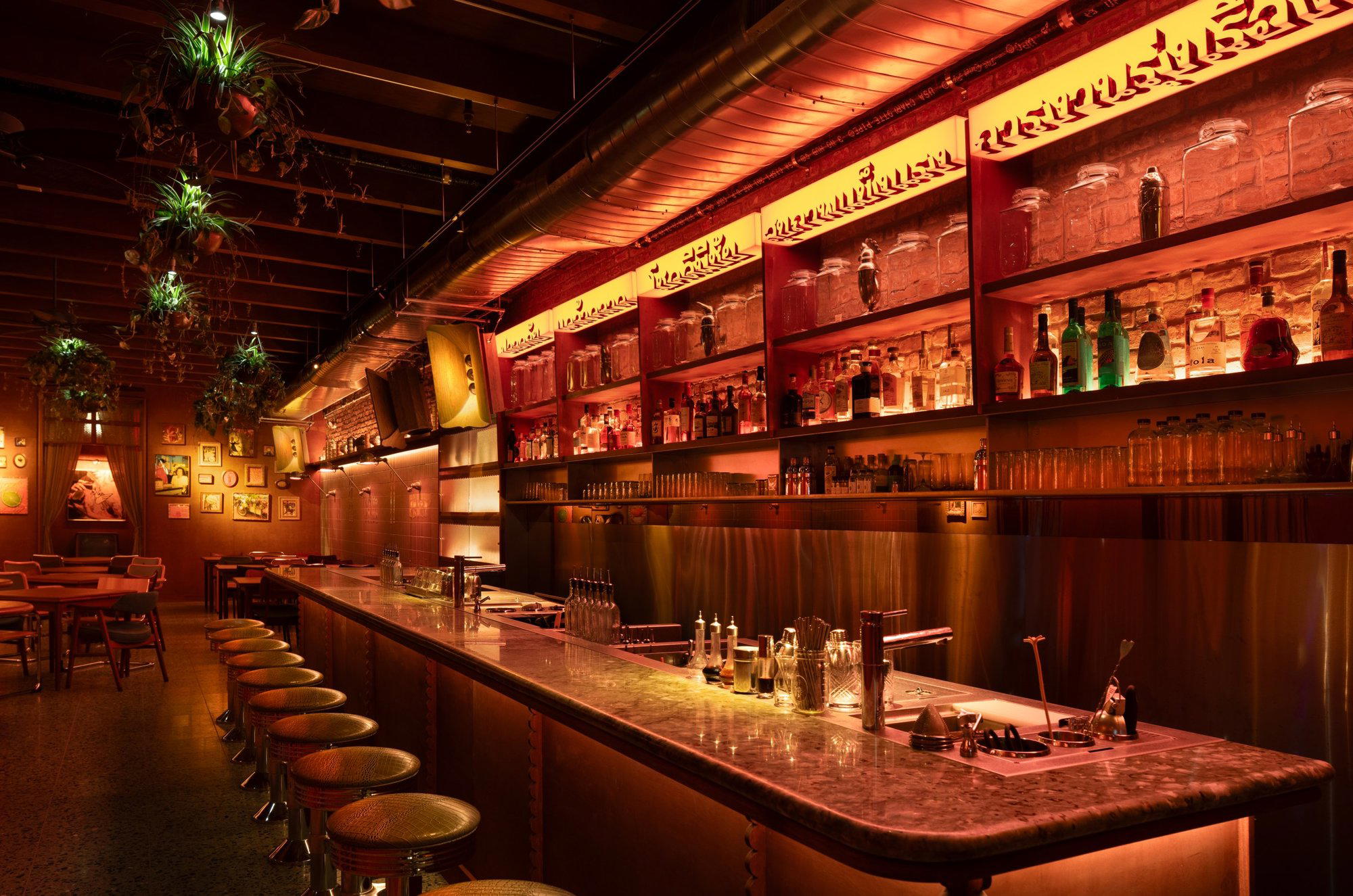
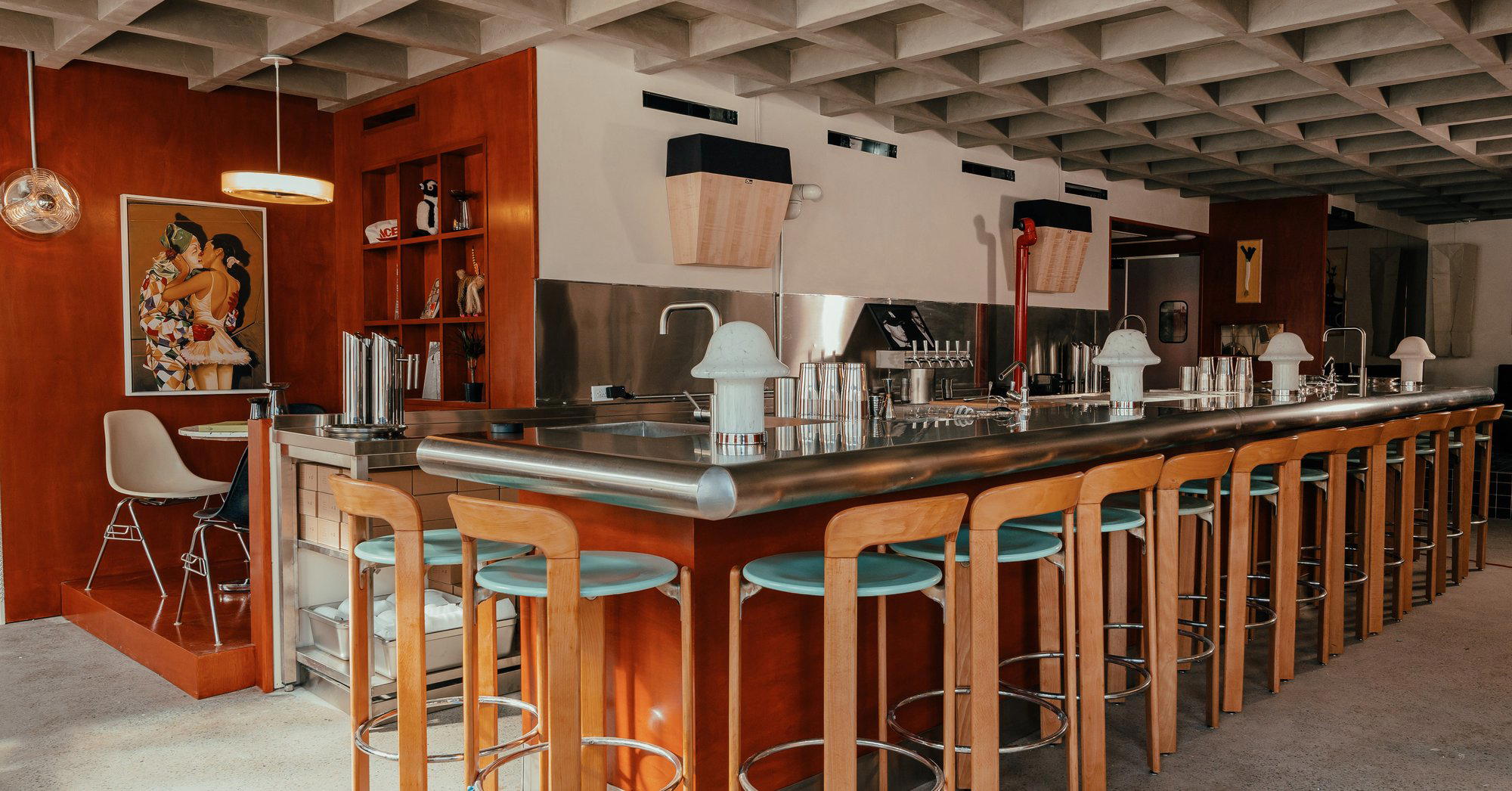
Bars in New York City
Browse all →
Restaurants in New York City
Browse all →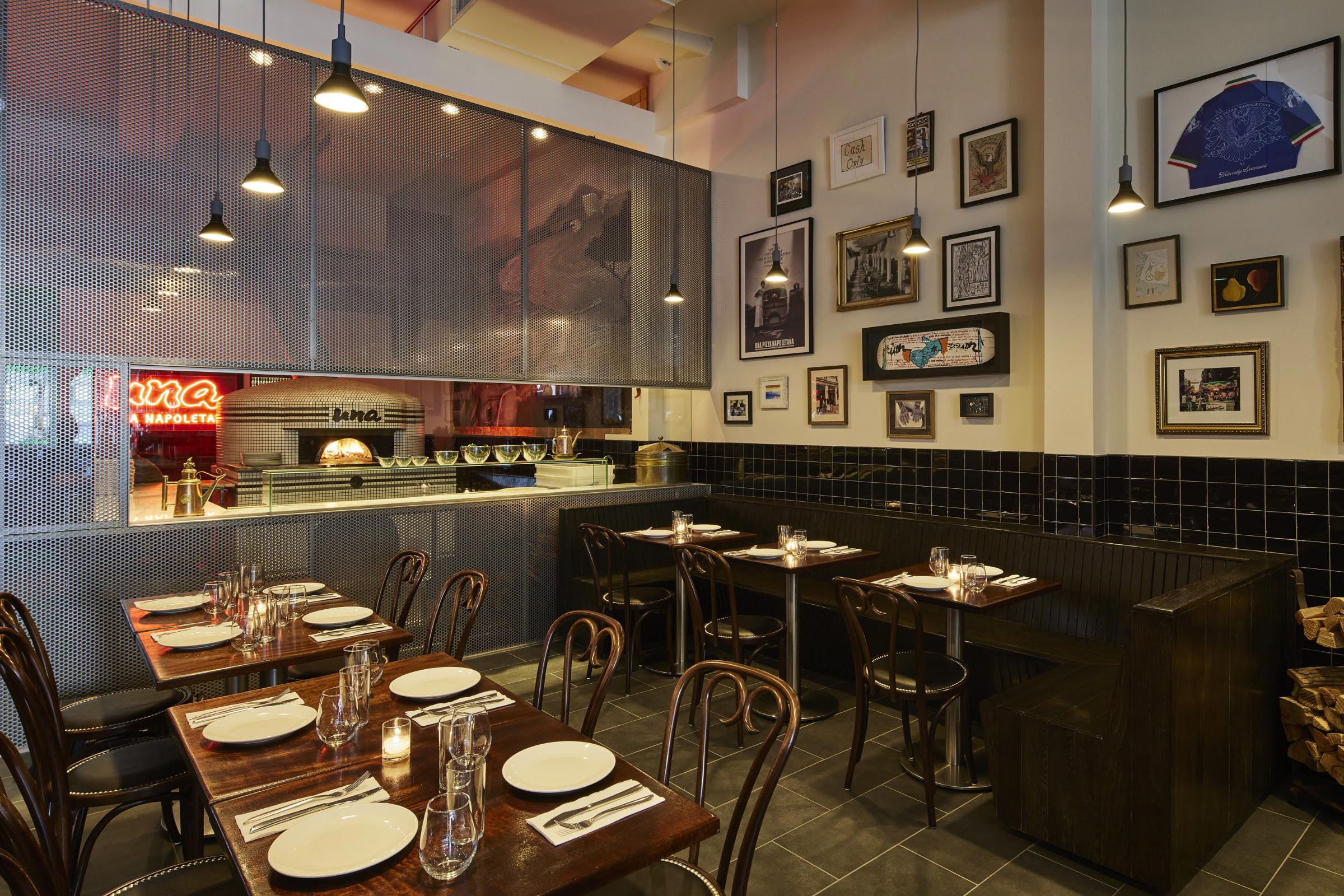
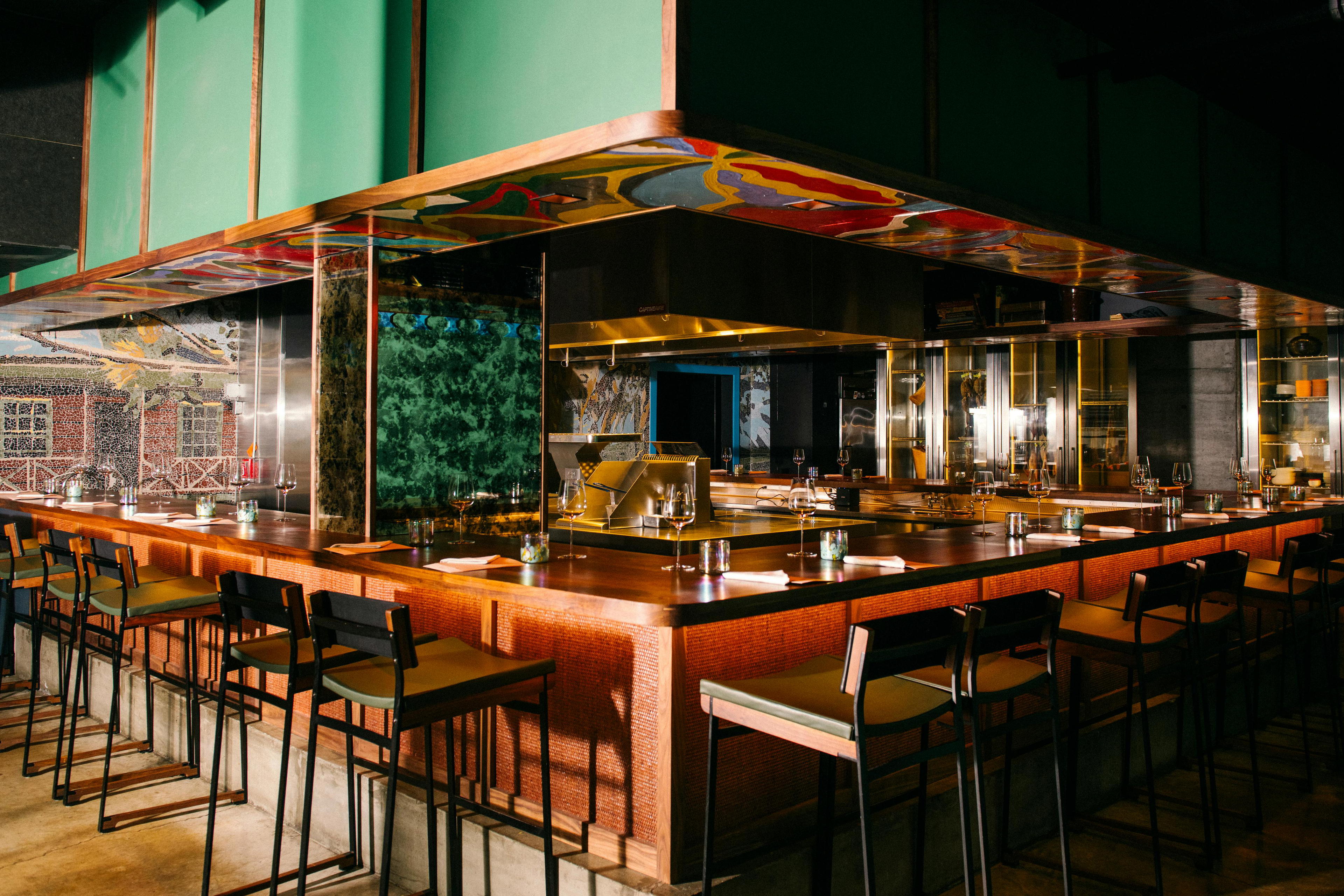
Hotels in New York City
Browse all →






At a Glance
- Cozy
- Elegant
- Classic
- Trendy
- Date Night
- After Work
- Casual Hangout
- Group Outing
- Standalone
- Design Destination
- Seated Bar
- Standing Room
- Lounge Seating
- Craft Cocktails
- Natural Wine
- Conventional Wine
Current opening hours
- Monday
- 5:30–11 PM
- Tuesday
- 5:30–11 PM
- Wednesday
- 5:30–11 PM
- Thursday
- 5:30–11 PM
- Friday
- 5:30–11 PM
- Saturday
- 5:30–11 PM
- Sunday
- 5:30–11 PM
Hours can change for holidays and private events. Last verified .
Warmly designed with dark pine, stainless steel, textured-glass windows, green-corduroy banquettes, matching green bar, Holophane lamps, and dim pink-and-green neon creating a moody, intimate atmosphere.
Know Before You Go
- Getting there
- 252 Broome St, New York, NY 10002