Sushi by Bou - Flatiron NYC
Historical profile: Sushi by Bou - Flatiron NYC at 922 Broadway, New York, NY 10011 is listed as closed or replaced after a June 22, 2026 audit. Active booking, hours, and contact details have been removed.
- Address
- 922 Broadway, New York, NY 10011
- Phone
- +1 888 670 5996
- Website
- sushibybou.com
- Directions
- Get directions
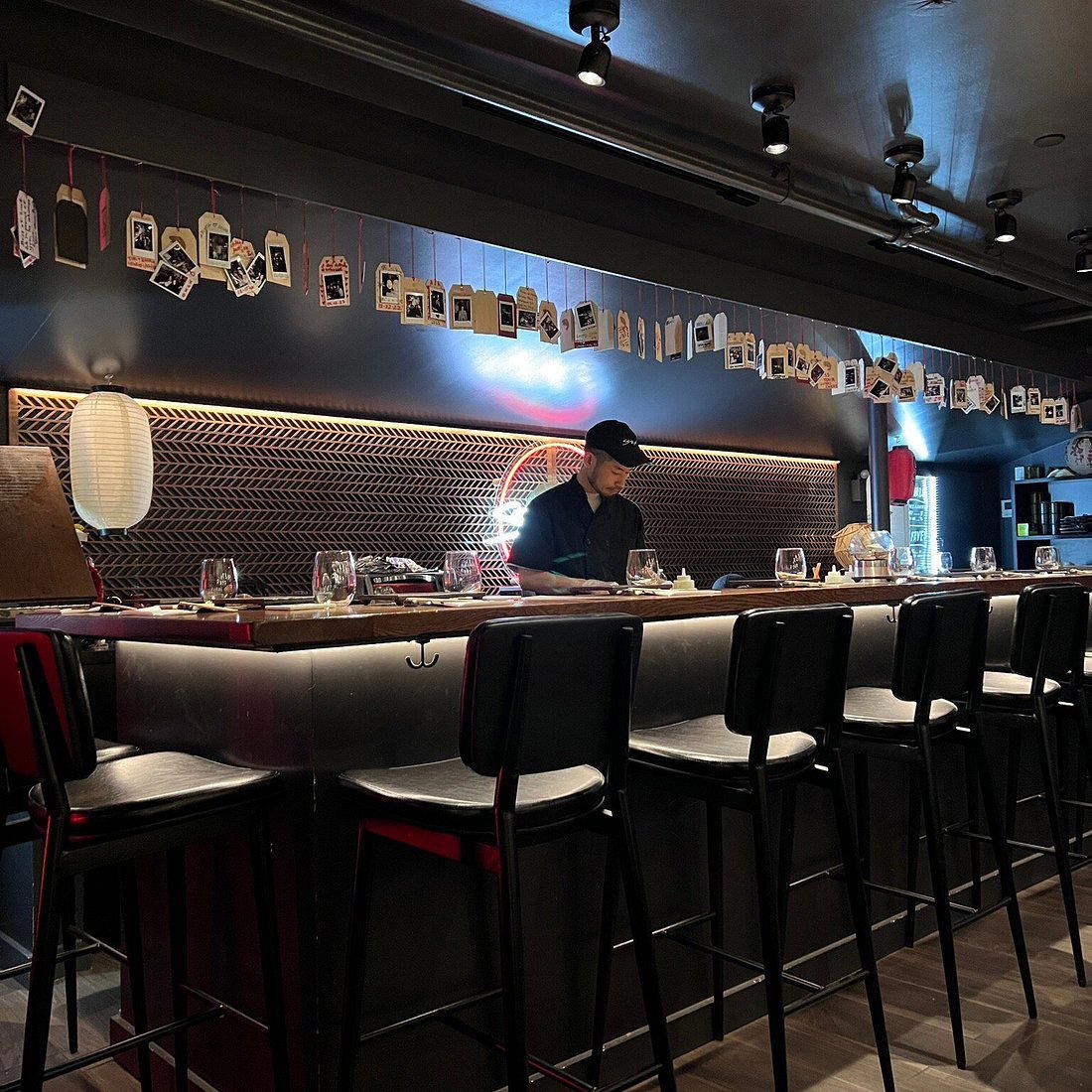
Omakase at Scale: How New York Rewrote the Counter Format
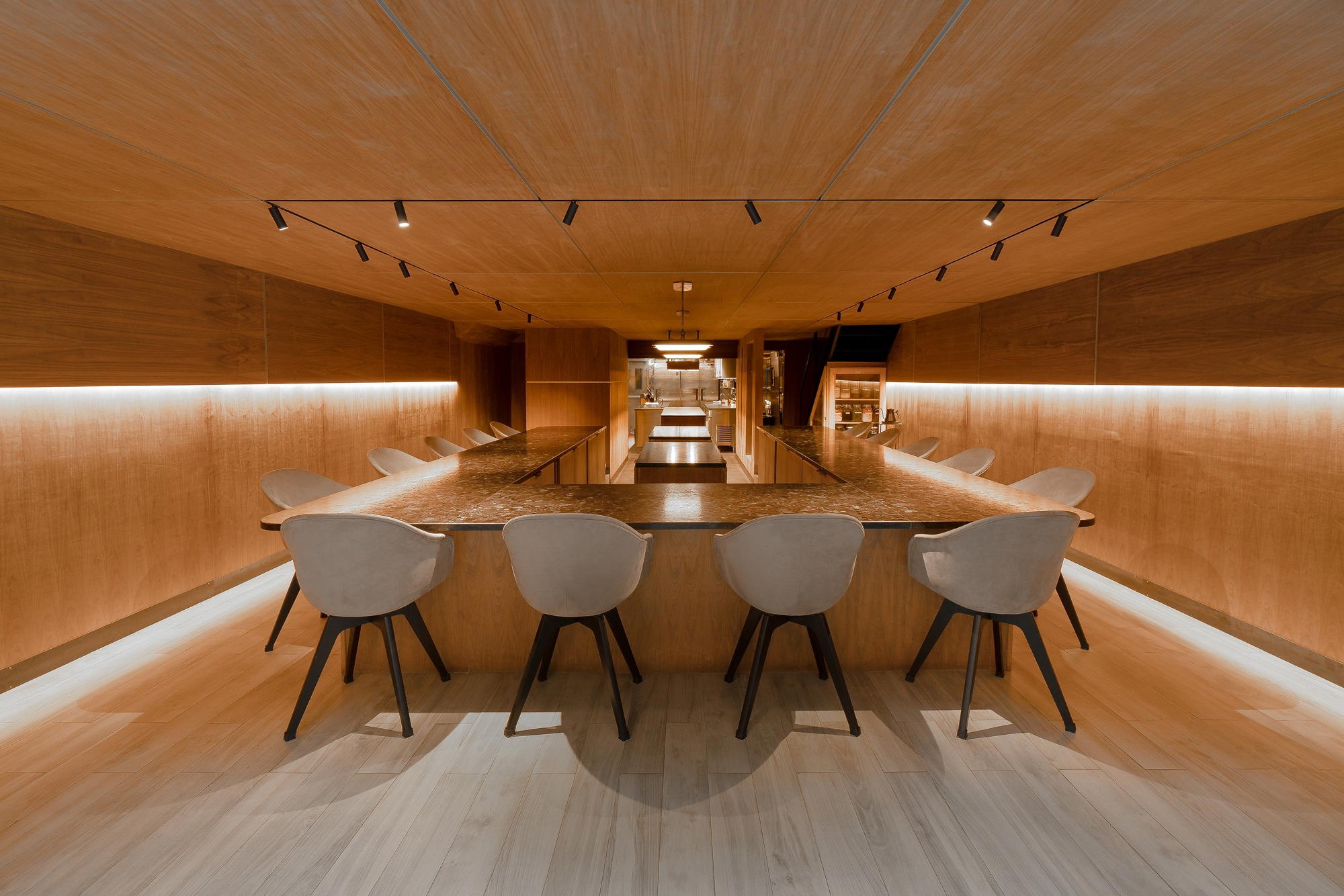
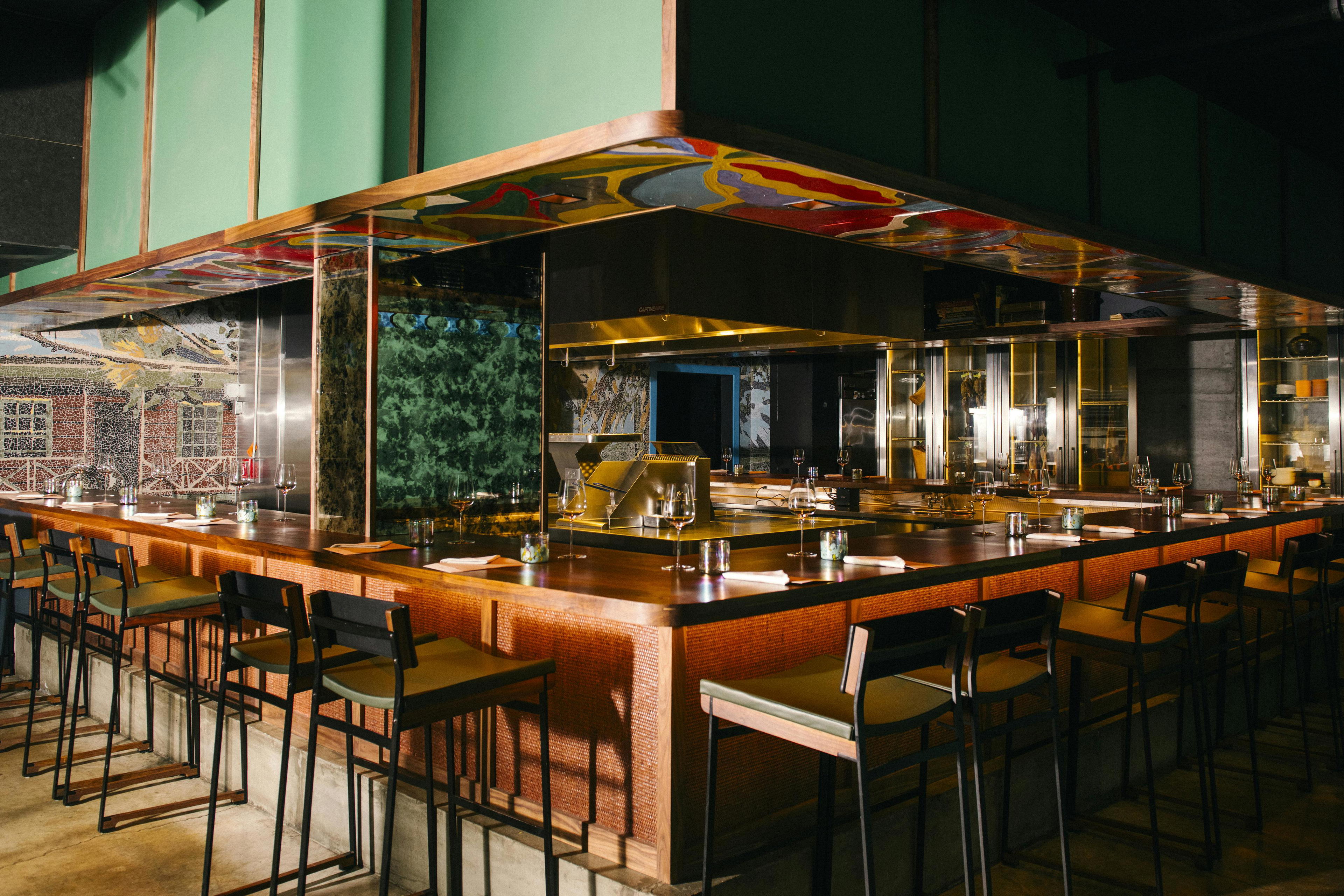
For most of its American history, omakase carried a set of implied conditions: a counter with fewer than a dozen seats, a reservation window measured in months, and a price point that placed it firmly in the special-occasion bracket. New York, more than any other American city, has spent the last decade systematically dismantling those assumptions. The emergence of tiered, accessible omakase concepts across Manhattan represents one of the more consequential structural shifts in the city's dining scene, moving the format from a rarefied ritual to something closer to a regular dining option for a broader audience.
Sushi by Bou at 922 Broadway in the Flatiron District sits at the center of that shift. The address places it in one of Manhattan's most commercially active corridors, where the concentration of office workers, residents, and visitors creates demand patterns different from the quiet side streets where traditional omakase counters tend to operate. That positioning is deliberate: the concept was designed to function in high-traffic environments, not in spite of them.
The Format That Changed the Equation
The defining feature of the Sushi by Bou model is its timed session structure. Rather than the open-ended, hours-long progression that characterizes high-end omakase in the Japanese tradition, Sushi by Bou operates on a compressed format, typically running around thirty minutes per seating. That compression is not a shortcut; it is the product. By fixing the duration, the concept solves for the logistics that make traditional omakase difficult to repeat: unpredictable cost, unpredictable time commitment, and availability windows that require planning months in advance.
The price point has historically tracked well below the upper tier of Manhattan omakase, which at venues operating in Michelin-starred territory can exceed three hundred dollars per person before drinks. That gap matters for how the format is used. A compressed, accessible omakase becomes viable as a weeknight option, a business lunch format, or a precursor to an evening in the neighborhood rather than the centerpiece of a dedicated night out.
Evolution of a Concept: From Hotel Bar Insert to Standalone Presence
Sushi by Bou did not originate as a freestanding restaurant. Its earlier iterations operated as pop-ups or counter inserts within existing bar and hotel environments, a format that lowered the capital threshold for testing the model and allowed the concept to move quickly through different Manhattan locations. That history of embedded operation shaped the format's discipline: when your counter shares real estate with another business, you develop tighter turn protocols and cleaner logistics than a standalone restaurant typically requires.
Flatiron location at 922 Broadway represents a maturation of that approach. Establishing a fixed address in a neighborhood with consistent foot traffic and strong weekday dining demand signals a shift from experimental format to established operation. The Flatiron District, which draws on a dense residential base north toward Gramercy and a commercial core that includes substantial tech and media tenants, provides a customer profile that aligns with the concept: time-conscious, price-aware, and willing to engage with a format that requires some understanding of what omakase actually means.
Where Sushi by Bou Sits in the Manhattan Counter Hierarchy
Manhattan's omakase market has stratified more sharply over the past five years. At the leading, venues with Michelin recognition and chef pedigrees traced to Japan's most respected lineages operate at price points that have moved north of the city's broader luxury dining tier. Below that, a mid-range omakase tier emerged, offering chef-driven counters at seventy to one hundred and fifty dollars per person, typically with advance booking requirements of two to four weeks. Sushi by Bou positions below that mid-range, competing on accessibility and repetition rather than on the prestige credentials that define the upper brackets.
That positioning carries its own logic. The venues it competes against most directly are not Ichimura or Masa but other accessible-format Japanese dining options, including fast-casual chirashi and conveyor-belt concepts that have also expanded in New York over the same period. Within that set, the omakase framing still delivers a structural advantage: the counter format, the chef-to-diner ratio, and the curated progression give the experience a coherence that casual Japanese formats do not attempt.
For context on how New York's broader cocktail and hospitality scene intersects with this tier of dining, venues like Attaboy NYC and Angel's Share operate in a parallel register: technically serious, format-conscious operations that have made expertise accessible without abandoning quality signals. The same logic applies across American cities where accessible precision has become its own category, from Kumiko in Chicago to ABV in San Francisco and Bar Leather Apron in Honolulu.
The Neighborhood Dynamic
Flatiron's dining identity has shifted considerably since the neighborhood's commercial peak in the early 2010s. The departure of several high-profile restaurant groups from the Madison Square Park corridor left gaps that have been partially filled by more format-driven, scalable concepts. Sushi by Bou fits that pattern. Its operation does not depend on the neighborhood being a dining destination in itself; it depends on proximity to a large, time-constrained customer base that wants a defined, quality experience within a manageable window.
Broadway between 14th and 23rd Streets sees sustained weekday foot traffic from both the tech cluster south of 23rd and the residential density pushing up from the West Village and Chelsea. That corridor is also accessible enough from Midtown to function for early-evening dining before or after other commitments, which reinforces the compressed session format as a genuine product advantage rather than a marketing angle.
New York's bar scene in the same geographic band offers relevant pairing options. Amor y Amargo operates nearby in the East Village with a bitters-forward approach that suits the palate after clean, rice-forward fish, and Superbueno has brought a different energy to the neighborhood's evening options. For those extending the night further, Allegory in Washington, D.C., Jewel of the South in New Orleans, Julep in Houston, and The Parlour in Frankfurt on the Main represent the kind of format-serious bar culture that the accessible-precision dining model tends to attract as a comparable set. See our full New York City restaurants guide for broader neighborhood-by-neighborhood coverage.
Planning a Visit
Sushi by Bou at the Flatiron location operates on a session-based booking model that is better suited to advance reservation than walk-in attempts, particularly for weekday evening slots when the compressed format means limited flex between seatings. The address at 922 Broadway is on the east side of the street between 20th and 21st Streets, accessible from the N/R/W trains at 23rd Street or the 4/5/6 at 23rd Street. The concept's earlier pop-up history means format expectations are set by repeat visitors; first-timers should arrive knowing the session runs short by traditional omakase standards, which is a feature rather than a gap.
Quick reference: 922 Broadway, Flatiron District, Manhattan. Session-based omakase format. Advance booking advised for evening slots.
Comparable Spots
Comparable venues nearby, for context on price, style, and recognition.
| Venue | Cuisine | Price | Notes |
|---|---|---|---|
| Sushi by Bou - Flatiron NYCThis venue — the venue you are viewing | sake_bar | $$$ | Not listed |
| The Garret | speakeasy | $$$ | West Village |
| Eel Bar | cocktail_bar | $$$ | Lower East Side |
| The Crosby Bar | hotel_bar | $$$ | SoHo-Little Italy-Hudson Square |
| Sushi Lab Rooftop | rooftop_bar | $$$ | Midtown-Times Square |
| Socialista New York | lounge | $$$ | SoHo-Little Italy-Hudson Square |
Continue exploring
More in New York City
Bars in New York City
Browse all →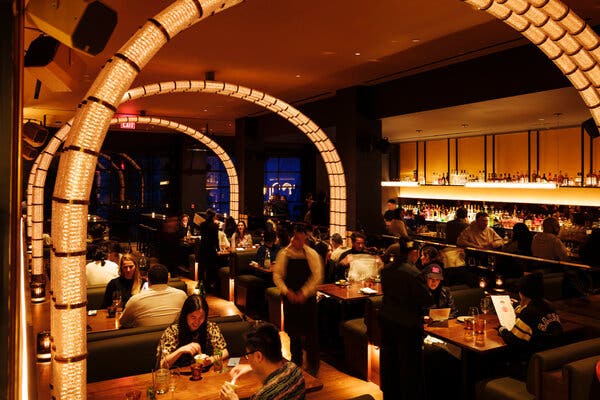
Restaurants in New York City
Browse all →
Hotels in New York City
Browse all →






At a Glance
- Trendy
- Intimate
- Modern
- Sophisticated
- Date Night
- Special Occasion
- Speakeasy
- Counter Only
- Lounge Seating
- Craft Cocktails
- Sake
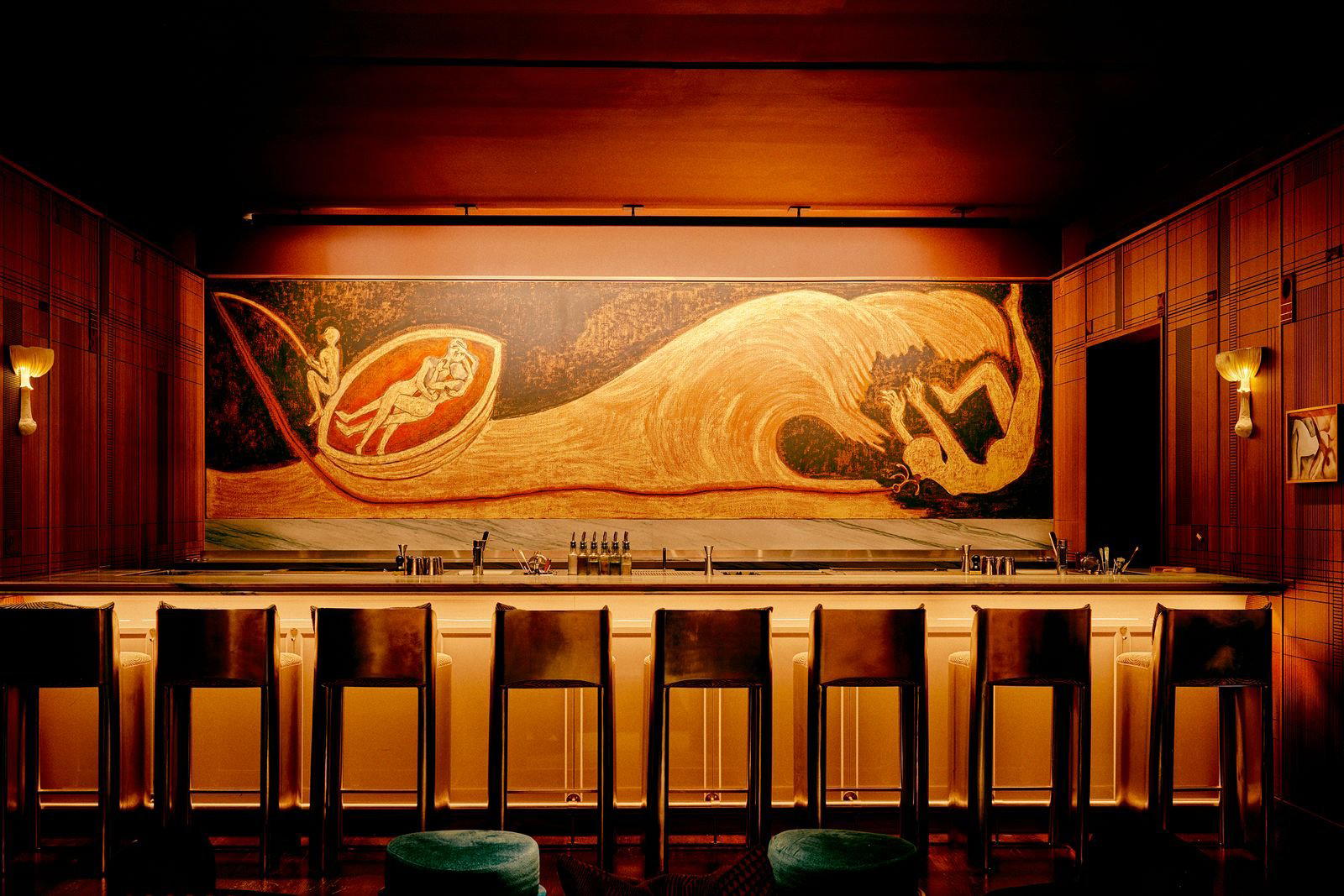
Lavish 1920s-inspired design with chandeliers, velvet curtains, 70s disco balls, lights, and distinctive artwork creating an intimate, stylish atmosphere.