The Dylan
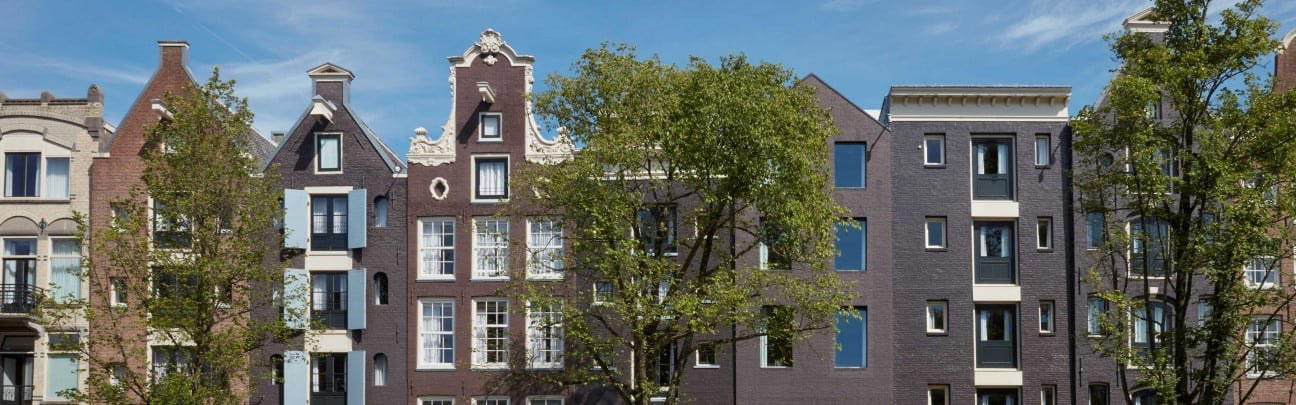
On Keizersgracht, one of Amsterdam's most photographed canal streets, The Dylan occupies a 17th-century canal house that has long attracted guests who treat the address as their Amsterdam home rather than a hotel stop. The property sits in the Grachtengordel, the canal ring district inscribed on UNESCO's World Heritage list, placing it within walking distance of the city's most concentrated dining and drinking scene.

Pearl is the En Primeur Club membership app — saves, bookings, and concierge access live there. Same editors, same standards.
- Address
- Keizersgracht 384, 1016 GB Amsterdam, Netherlands
- Phone
- +31 20 530 2010
- Website
- dylanamsterdam.com
- Directions
- Get directions
- Booking
- Book on the venue's website
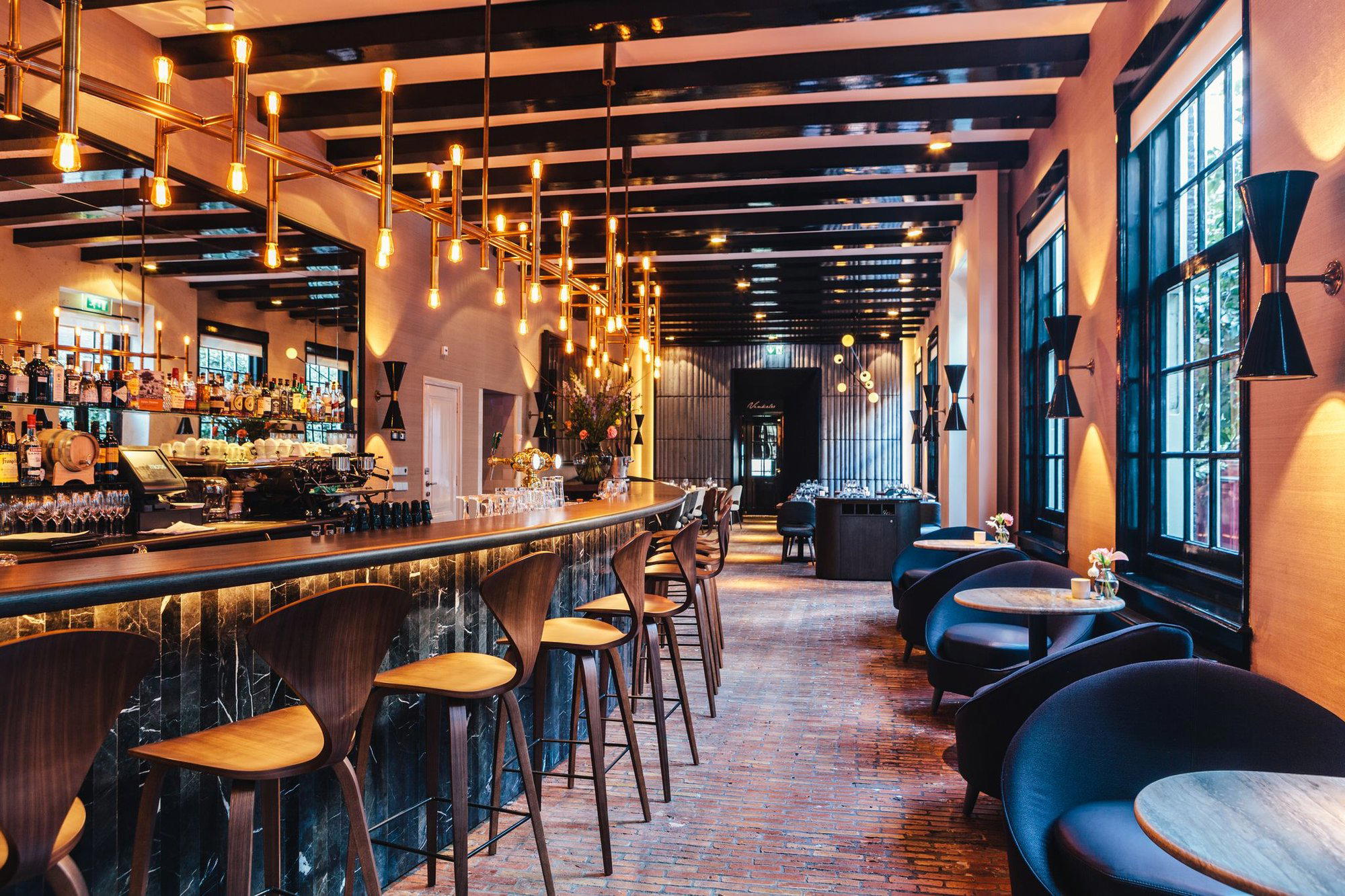
A Canal House That Regulars Treat as Their Amsterdam Base
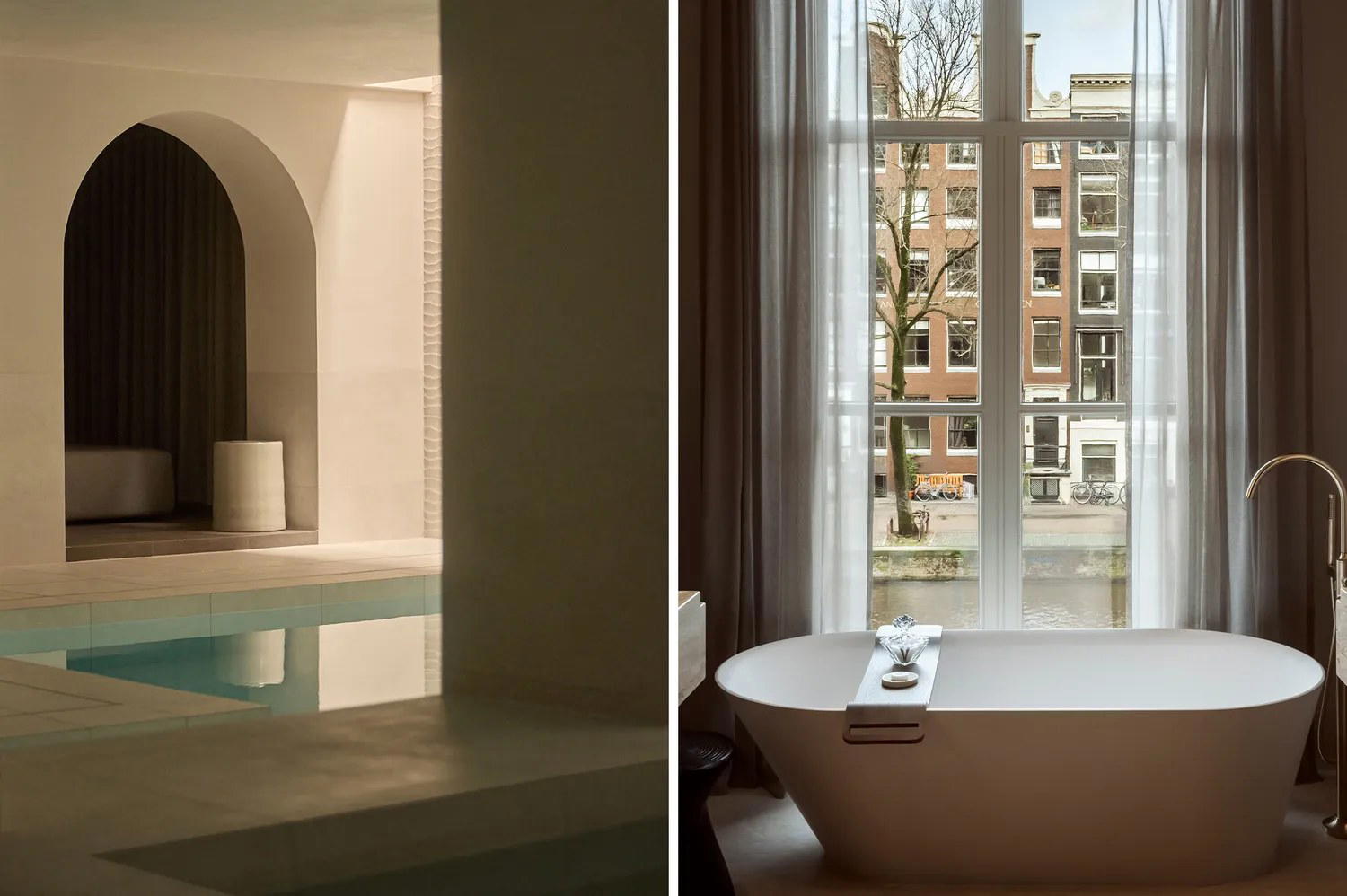
Amsterdam's canal ring district, the Grachtengordel, has a particular quality that separates it from the hotel corridors of most European capitals: the buildings are domestic in scale, constrained by the narrow lot widths that 17th-century merchant plots allowed, and the streetscape changes slowly enough that a guest returning after several years finds the same stone steps, the same canal reflections, the same amber light filtering through the trees. Keizersgracht 384 — the address of The Dylan — sits in this preservation zone, a canal house that has been absorbed into hospitality without losing the proportional logic of its original construction. That continuity is part of what draws repeat visitors: the sense that the building existed before the hotel industry and will outlast it.
This is not the part of Amsterdam's accommodation market defined by large international footprints or design hotels with rooftop bars aimed at first-time visitors. The Grachtengordel has its own tier: small-key properties in listed buildings, where the competitive frame is set by address, architectural authenticity, and a guest profile that skews toward people returning to Amsterdam rather than discovering it. The Dylan operates squarely within that frame.
What the Regulars Know
In hotel categories like this, small-key, canal-facing, heritage address, the distinction between a good stay and a deeply comfortable one is almost never the room specification. It is the accumulated knowledge of repeat use: which side of the building catches the morning light, how the canal sounds at different hours, which local bars are within a short walk, and how the neighbourhood shifts between weekday quiet and weekend footfall. Guests who return to the same canal house property build an informal map of the surrounding Jordaan and Nine Streets area that no single visit provides.
That surrounding neighbourhood is worth treating as an extension of the property itself. The Nine Streets (De 9 Straatjes), the grid of cross-streets connecting Keizersgracht to Prinsengracht and Herengracht, contains some of Amsterdam's tightest concentration of independent food and drink operators, the kind of places that appear on no major tourist circuit but fill by early evening with locals and return visitors. The Dylan's address makes this grid walkable in under five minutes, which regulars tend to treat as part of the property's offering rather than a coincidence of location.
For cocktails, the city's programme has developed considerably over the past decade. Door 74 operates as a reservation-only bar with a serious technical programme, while Tales & Spirits runs one of the more considered gin-forward menus in the city. Both sit within reasonable distance of the canal ring and represent the direction Amsterdam's bar culture has moved: away from tourist-facing volume and toward programmes with actual depth. For guests who want something closer to the water, the broader canal district supports a number of wine-focused spots and small café operations that function well at lunch or late afternoon.
At the other end of the mood spectrum, Amsterdam Roest offers a different register entirely, a large, post-industrial venue in the east of the city with an outdoor terrace that operates as a social gathering point in warmer months. It is not the same kind of experience as a canal house bar, but for guests who want to see Amsterdam operating at full social volume, it functions as a useful counterpoint to the quieter canal streets.
Morning coffee in the Jordaan and Nine Streets area has its own logic. Bakers & Roasters serves a brunch programme that draws a consistent local crowd, and the density of small espresso operations in the area means that any morning walk from Keizersgracht is likely to pass two or three viable options before reaching the main shopping streets.
Amsterdam's Canal Ring in the Wider Dutch Context
Amsterdam concentrates the majority of Netherlands hotel and restaurant coverage, but the country's hospitality and food-and-drink scene is more distributed than that focus suggests. Cities within an hour or so by rail each carry their own distinct character. Utrecht's Florin Utrecht represents the kind of neighbourhood bar programme that has developed in the Dutch university cities, technically aware, locally rooted, and operating at lower prices than Amsterdam equivalents. Delft's Brasserie Lalou and The Hague's Bowie each show how the same general European brasserie format adapts to smaller Dutch cities with different visitor profiles.
Further afield, Eindhoven's Café Barolo and Rotterdam's Espressobar Kopi Soesoe reflect the design-conscious food culture that the southern Netherlands cities have developed, often in contrast to Amsterdam's more tourist-driven commercial centre. For guests using Amsterdam as a base, these are day-trip calibre destinations, particularly Rotterdam, which is 40 minutes south by intercity train and carries a completely different architectural and hospitality identity.
Even at the margins of the Netherlands' geography, there are operations worth noting for their specificity: Boode Foodbar in Bathmen is the kind of rural food operation that does not register on any international radar but sustains a loyal local following in Overijssel province, a reminder that the Dutch food scene extends well beyond the canal ring.
Planning a Stay at This Address
The UNESCO World Heritage designation of Amsterdam's canal ring, formalised in 2010, covers the 17th-century concentric canal structure of which Keizersgracht is a primary element. That designation has practical consequences: construction restrictions limit what can be changed inside the district, which keeps the street-level experience relatively consistent even as the city's broader tourism volume has increased. Booking at properties in this district generally requires lead time, particularly for the shoulder and peak months of April through October, when Amsterdam's hotel market tightens significantly. The Grachtengordel properties in the smaller-key tier book ahead of the large international hotels partly because of limited room count and partly because repeat guests tend to re-book before releasing their hold.
For guests arriving by rail, Amsterdam Centraal connects directly to a tram network with stops on Keizersgracht, making the canal house address reachable from the station without the need for a taxi. The airport (Schiphol) connects to Amsterdam Centraal in approximately 15 minutes by direct train, which makes the logistics of arrival considerably cleaner than at many European capital airports.
For a broader view of where The Dylan fits in Amsterdam's full dining and drinking geography, see our full Amsterdam restaurants guide. Those planning international travel further afield will find a useful reference point in Bar Leather Apron in Honolulu, which represents the kind of focused, small-format bar programme that Amsterdam's better operators are increasingly measured against on an international scale.
In Context: Similar Options
A small set of peers for context, based on recorded venue fields.
| Venue | Price | Awards |
|---|---|---|
| The DylanThis venue — the venue you are viewing | $30–50 | Not listed |
| Door 74 | $30–50 | World's 50 Best #33 · Top 500 Bars Best Bars #337 |
| Tales & Spirits | $50–100 | World's 50 Best #31 |
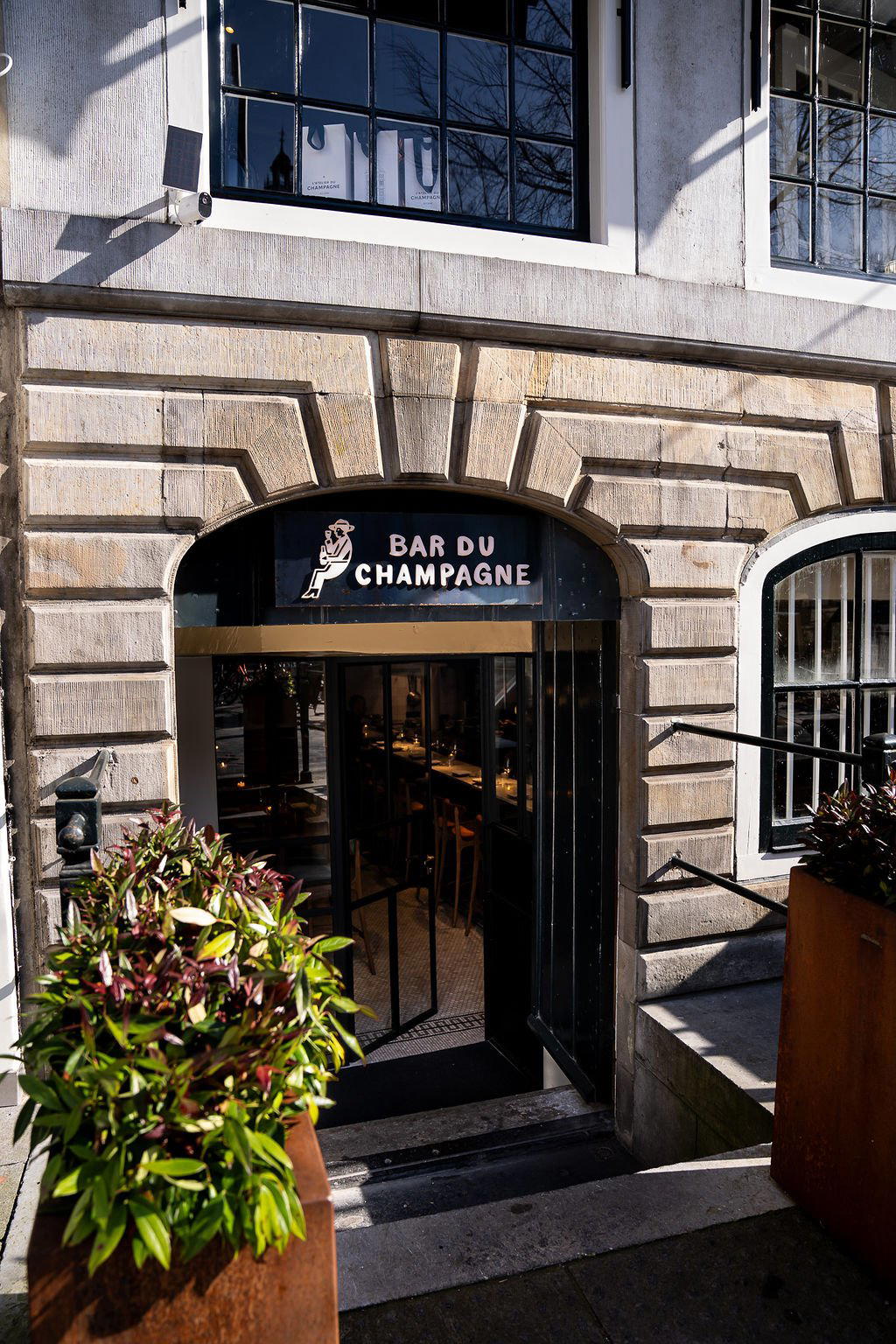
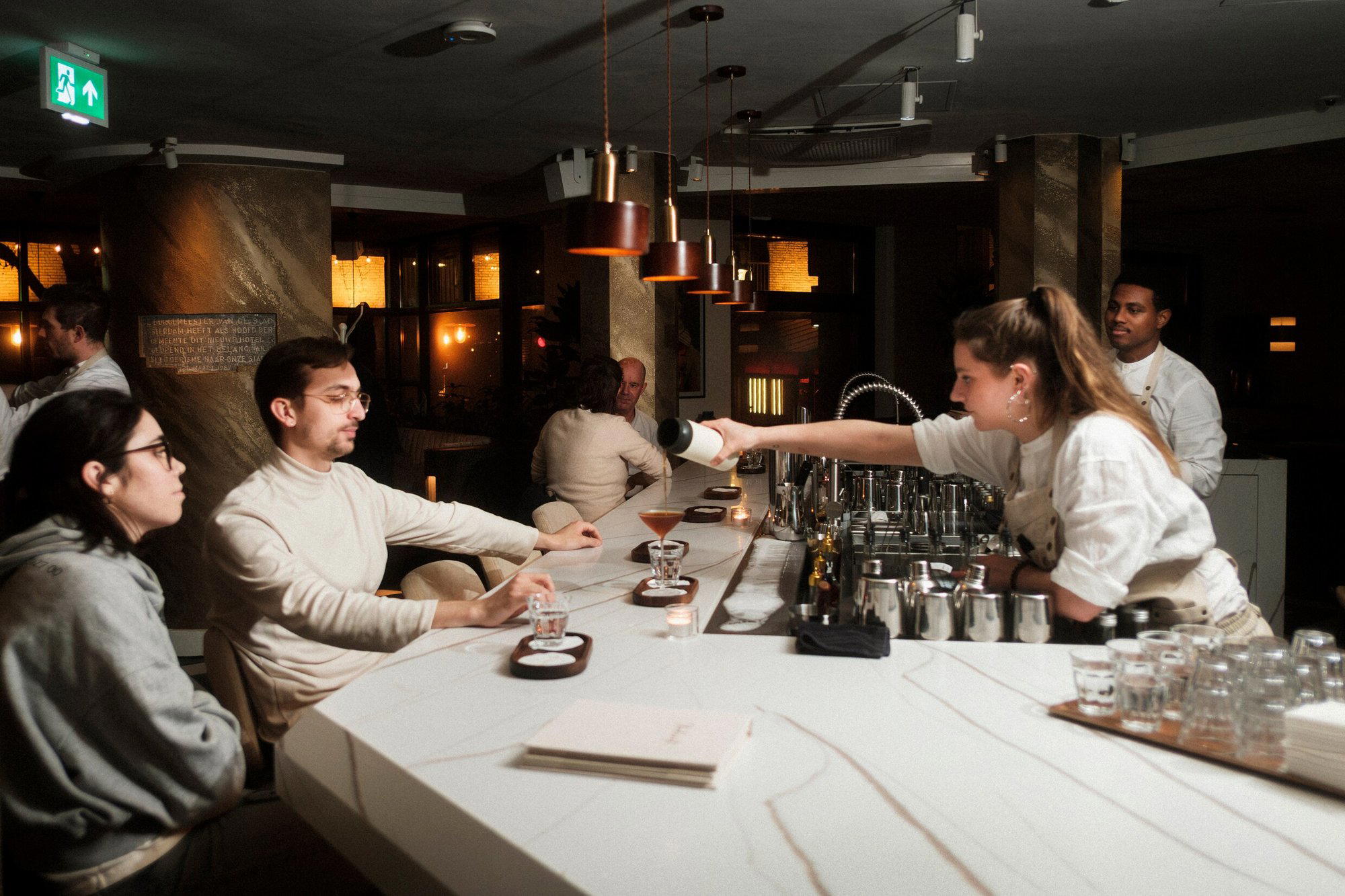
| Bar du Champagne | Not listed | Star Wine List |
Continue exploring
More in Amsterdam
Bars in Amsterdam
Browse all →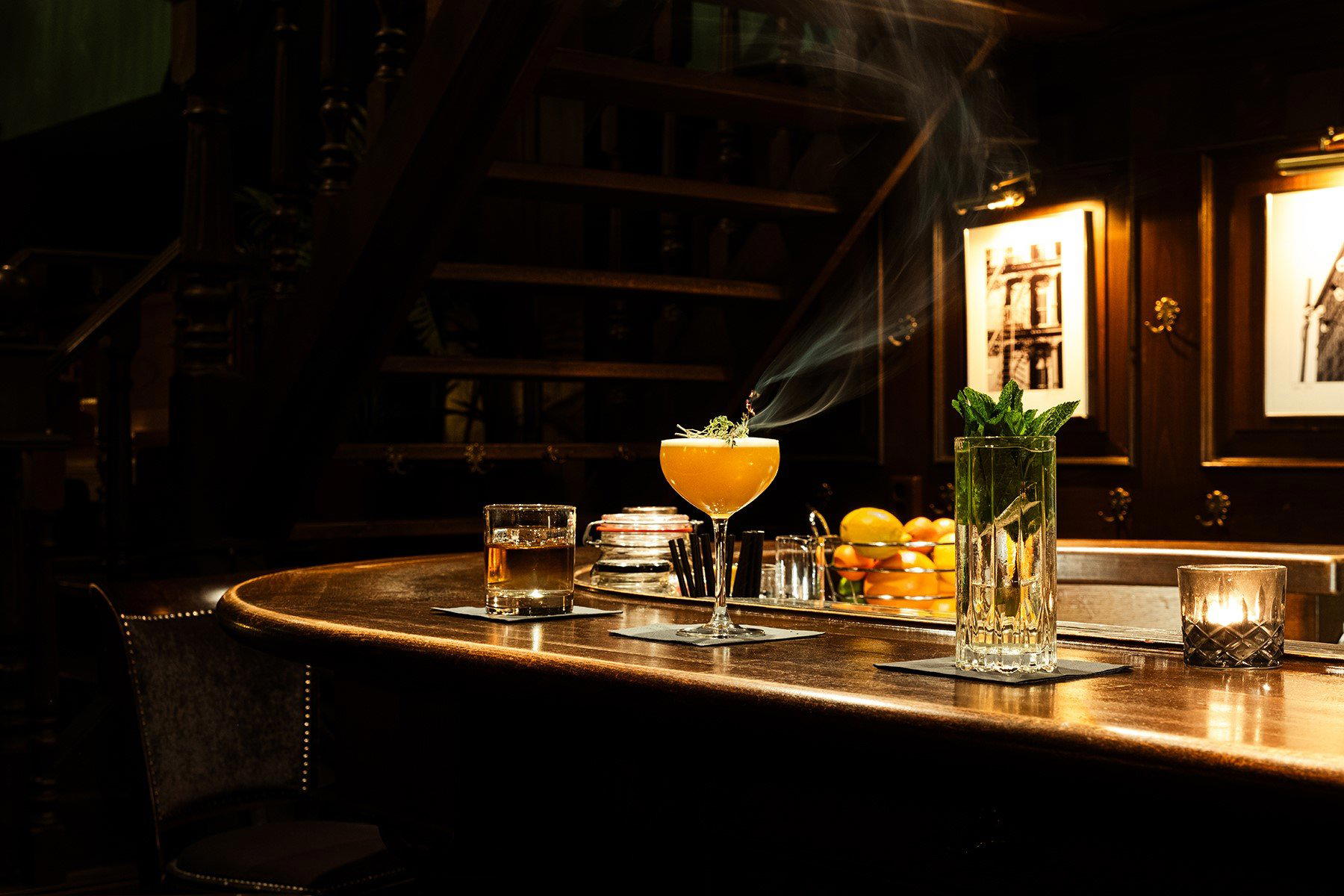
Restaurants in Amsterdam
Browse all →
Hotels in Amsterdam
Browse all →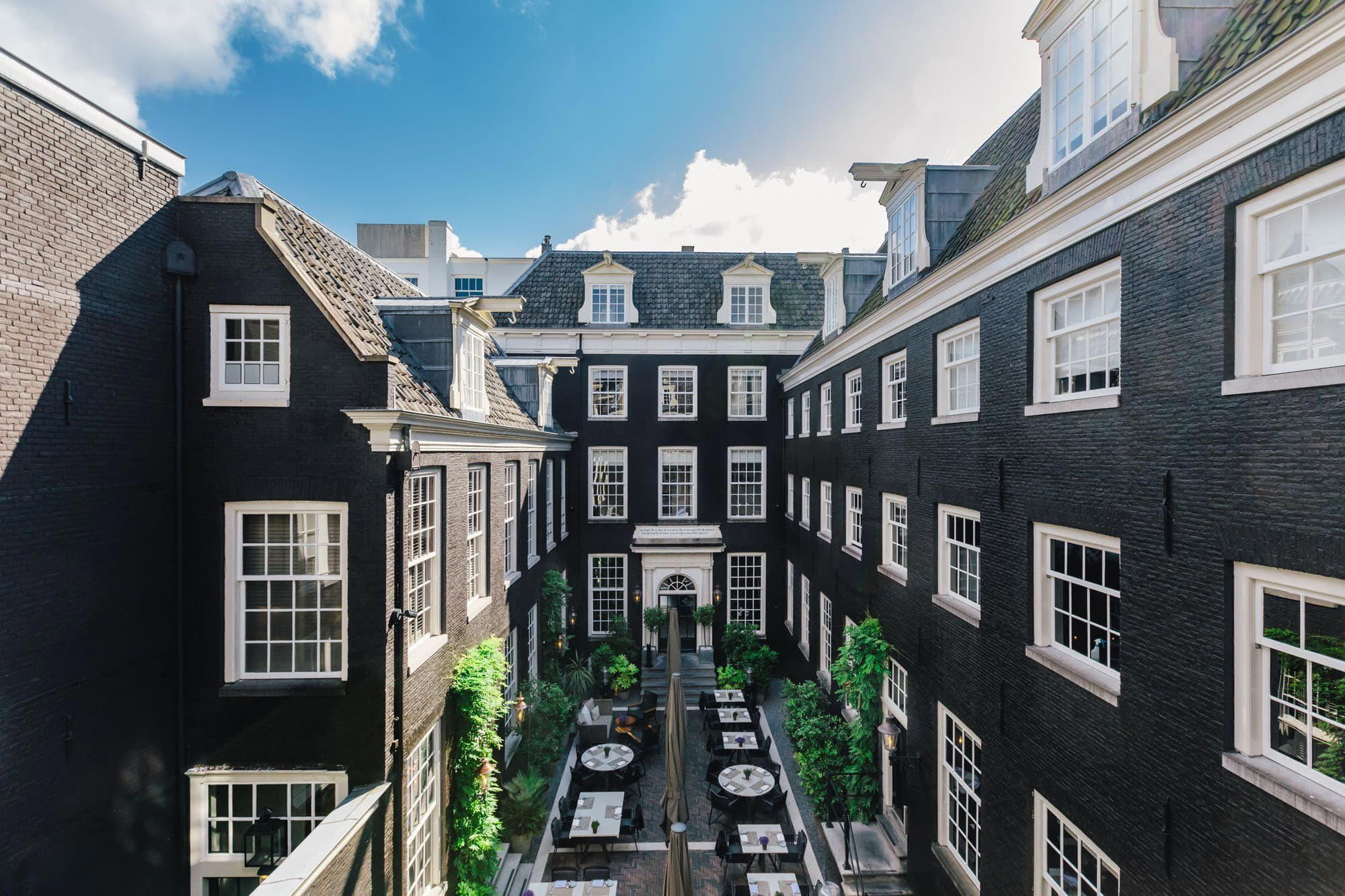
Wineries in Amsterdam
Browse all →
The Dylan
The wine
- Wine program
- Curated wine list
- Craft cocktails
- Classic cocktails
Signature drinks: Negroni, Pencas de Amor, Suckerpunch.
Details
- Sophisticated
- Elegant
- Cozy
- Intimate
- Date Night
- Special Occasion
- After Work
- Courtyard
- Historic Building
- Hotel Bar
- Lounge Seating
- Booth Seating
- Outdoor Terrace
- Craft Cocktails
- Classic Cocktails
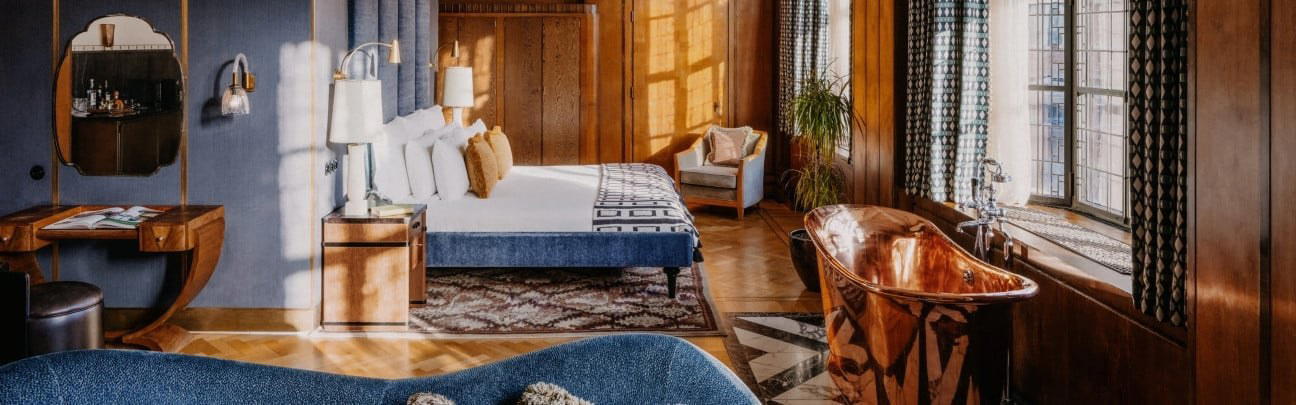
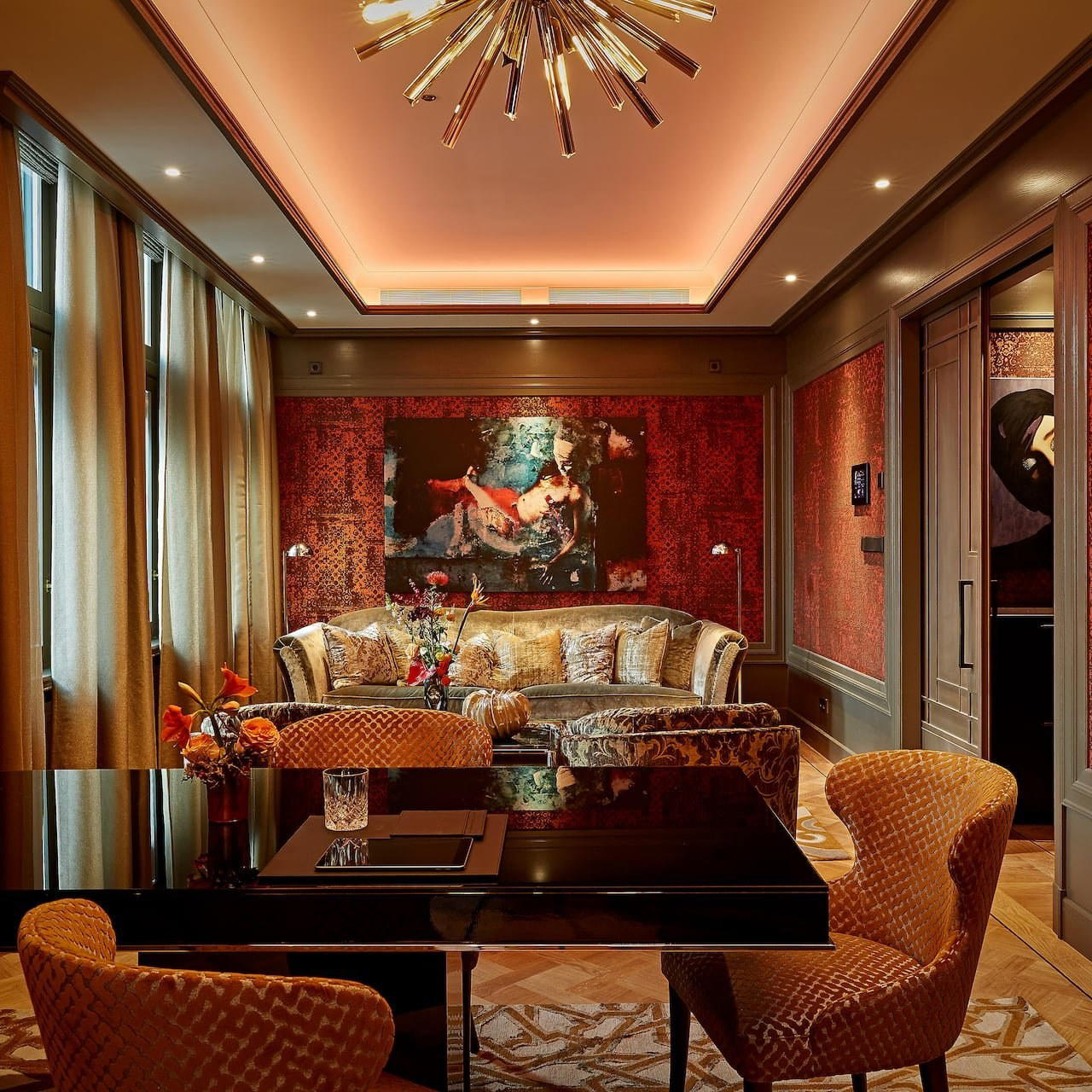
Sophisticated and lively with sleek curved bar, brass lighting, velvet sofas, cozy fireplace, and courtyard garden.