Sushi Lab Rooftop
A rooftop sushi concept in Midtown Manhattan, Sushi Lab Rooftop at 132 W 47th St sits within a category that has grown considerably as New York diners increasingly seek refined formats paired with open-air settings. The address places it in the dense Theater District corridor, where the competition for evening dining is fierce and the bar for differentiation is set by some of the city's most recognized counters.
 Discover on Pearl
Pearl is the En Primeur Club membership app — saves, bookings, and concierge access live there. Same editors, same standards.
- Address
- 132 W 47th St, New York, NY 10036
- Phone
- +1 212 432 0000
- Website
- sushilab.com
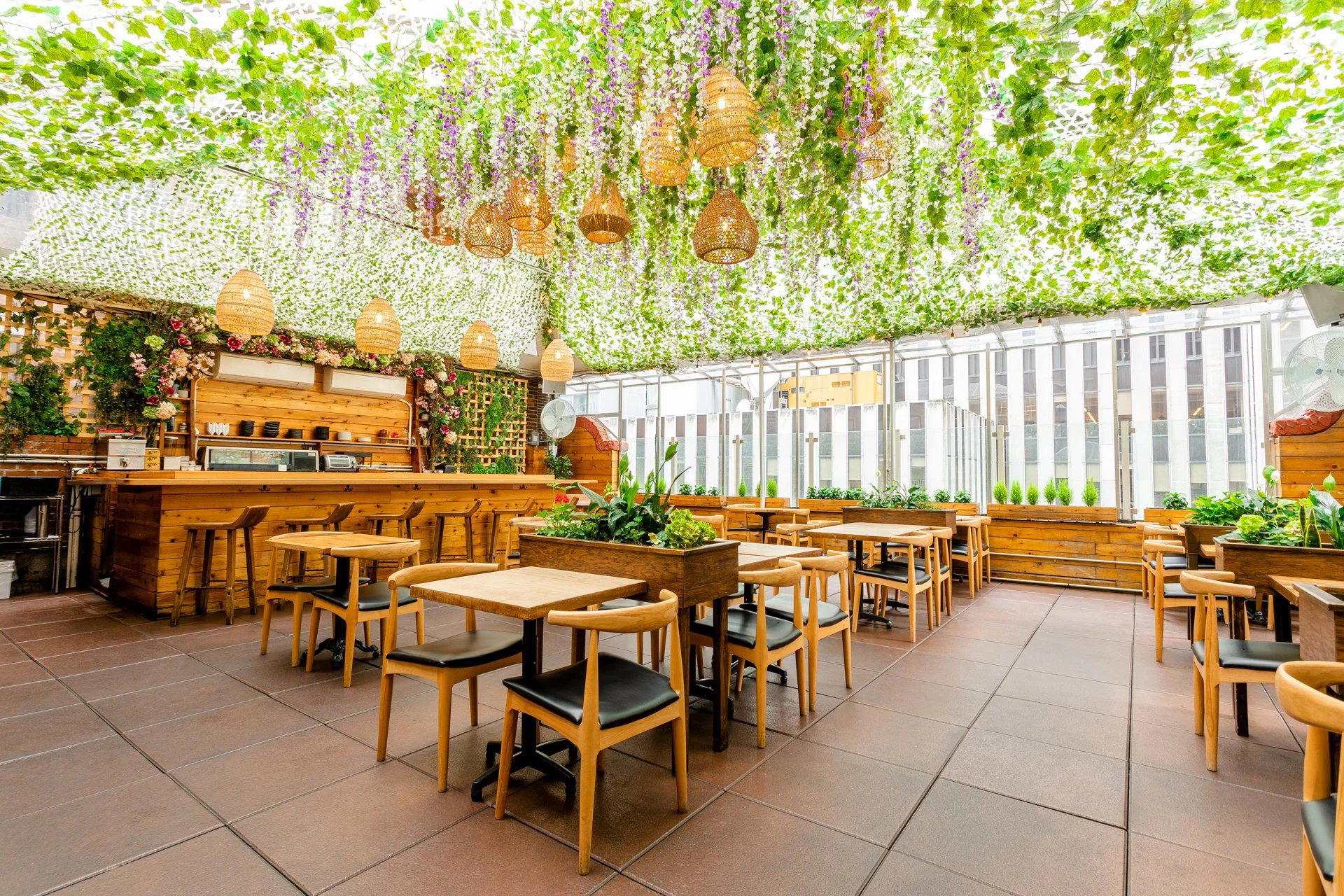
Midtown from Above: Where Rooftop Format Meets Sushi Ambition
New York's rooftop dining scene has matured past the era when a view alone justified a reservation. The city now has enough refined food-and-drink concepts that the physical setting is the baseline, not the selling point. What separates the serious rooftop operations from the scenery-dependent ones is whether the kitchen program holds up at ground level. Sushi Lab Rooftop, at 132 W 47th St in Midtown, positions itself at that intersection: a format that asks the cooking to carry weight independent of the skyline behind it.
The address is telling. West 47th Street sits inside the Theater District's commercial core, a stretch of Midtown that draws a genuinely mixed crowd of pre-show diners, business travelers, and destination-seekers who have specifically sought out the venue rather than stumbled in. That self-selecting clientele shapes the atmosphere before a dish is plated. Rooms and rooftops in this part of Manhattan tend to run loud and fast-paced during the evening peak, and the sushi format, which typically rewards a slower cadence, creates an interesting tension with the neighborhood's energy.
The Rooftop as Dining Room: Atmosphere and the Sushi Counter Tradition
Across Japan and in the most referential American omakase rooms, the sushi counter experience is defined by compression: close quarters, controlled light, the ritual of the chef's hands in your direct sightline. Transposing that intimacy onto a rooftop requires deliberate design decisions. The leading rooftop sushi concepts in New York tend to address this by segmenting their space, creating pockets of enclosure within the open-air setting so that the exposed urban panorama doesn't overwhelm the focused attention a proper sushi sequence demands.
Sushi Lab's name signals an experimental orientation, a posture that a number of contemporary American sushi venues have adopted to distinguish themselves from the more tradition-bound omakase counters clustered in the East Village and on the Upper East Side. That experimental framing allows for a broader menu vocabulary and tends to attract a demographic that skews younger and more cocktail-conscious than the purist omakase crowd. For rooftop dining in Midtown specifically, that alignment with a more social, drinks-forward format makes practical sense: the Theater District audience generally wants an experience that moves, not one that demands meditative attention for three uninterrupted hours.
For comparison, New York's most precise omakase operations, those that price against peer counters rather than the general dining market, tend to occupy small interior rooms with controlled acoustics and lighting designed specifically for the cuisine. The rooftop format inherits ambient noise, variable weather, and natural light that shifts across a service. These are not disqualifying factors, but they represent genuine design challenges that the leading rooftop sushi concepts solve through canopy design, acoustic materials, and seating arrangements that create spatial intimacy within an open footprint.
What to Drink: The Bar Program's Role in the Format
In the current New York market, a rooftop sushi concept without a considered drinks program is leaving a significant part of its value proposition on the table. The pairing culture around contemporary American sushi has moved well beyond sake-or-nothing; the genre now accommodates natural wine, Japanese whisky highballs, and technically crafted cocktails in ways that more conservative omakase rooms haven't always embraced.
For readers deciding what to drink here, the relevant frame is the broader cocktail culture that New York's serious bar community has built. Operations like Amor y Amargo have made the case for bitters-forward, spirit-led drinking as a legitimate counterpart to food, while Attaboy NYC represents the riff-on-classics format that rewards guests who know what they like. Angel's Share, the East Village Japanese cocktail bar that has operated since the 1990s, remains the clearest precedent for Japanese-inflected drinks culture in New York and offers a useful reference point for how Japan-adjacent beverage programs can operate in an American context. Superbueno represents the more playful, high-energy end of the city's cocktail spectrum, which maps closer to what a rooftop crowd in the Theater District might gravitate toward.
Outside New York, it's worth noting how rooftop and Japanese-concept bar programs have developed in other markets. Kumiko in Chicago has built one of the most thoughtful Japan-influenced drinks programs in the country, pairing technical discipline with culinary integration. Bar Leather Apron in Honolulu takes a craft-serious approach in a Pacific context where Japanese ingredient culture is ambient rather than imported. Jewel of the South in New Orleans, Julep in Houston, ABV in San Francisco, and Allegory in Washington, D.C. each represent the kind of program-led bar culture that has raised the expectation for what drinks at a serious food-forward concept should look like. The Parlour in Frankfurt extends that frame internationally, where European craft bar culture has developed its own vocabulary around similar ingredient-forward principles.
Planning Your Visit: Logistics in the Theater District
The 47th Street address places Sushi Lab Rooftop within a few blocks of Times Square, which means the surrounding pedestrian and transit pressure is significant during evening hours. Subway access is direct from multiple lines serving 47th-50th Streets Rockefeller Center and Times Square-42nd Street, making this one of the more accessible Midtown rooftop destinations for visitors staying across a wide range of neighborhoods. Parking in this corridor during peak dinner hours is generally impractical; arriving by subway or rideshare is the rational approach.
Reservations are recommended. The rooftop serves Monday through Thursday from 5 to 10 PM, Wednesday through Friday from 12 to 3 PM and 5 to 10 PM, Saturday from 12 to 3 PM and 4:30 to 10 PM, and Sunday from 4:30 to 10 PM. Rooftop venues in New York at this price tier and in this part of Midtown typically operate reservation-forward, particularly Thursday through Saturday, when Theater District foot traffic is at its highest and walk-in availability at quality operations tends to narrow considerably.
Cuisine-First Comparison
Comparable venues nearby, for context on price, style, and recognition.
| Venue | Cuisine | Price | Awards | Notes |
|---|---|---|---|---|
| Sushi Lab RooftopThis venue — the venue you are viewing | rooftop_bar | $$$ | , | |
| Bar 7 | cocktail_bar | $$$ | , | Lower East Side |
| The Residence of Mr. Moto | cocktail_bar | $$$ | , | Williamsburg |
| Philomena's Bar | cocktail_bar | $$$ | , | East Williamsburg |
| Jade Rabbit | speakeasy | $$$ | , | Midtown-Times Square |
| Porter House Bar and Grill | hotel_bar | $$$ | , | Upper West Side-Lincoln Square |
Continue exploring
More in New York City
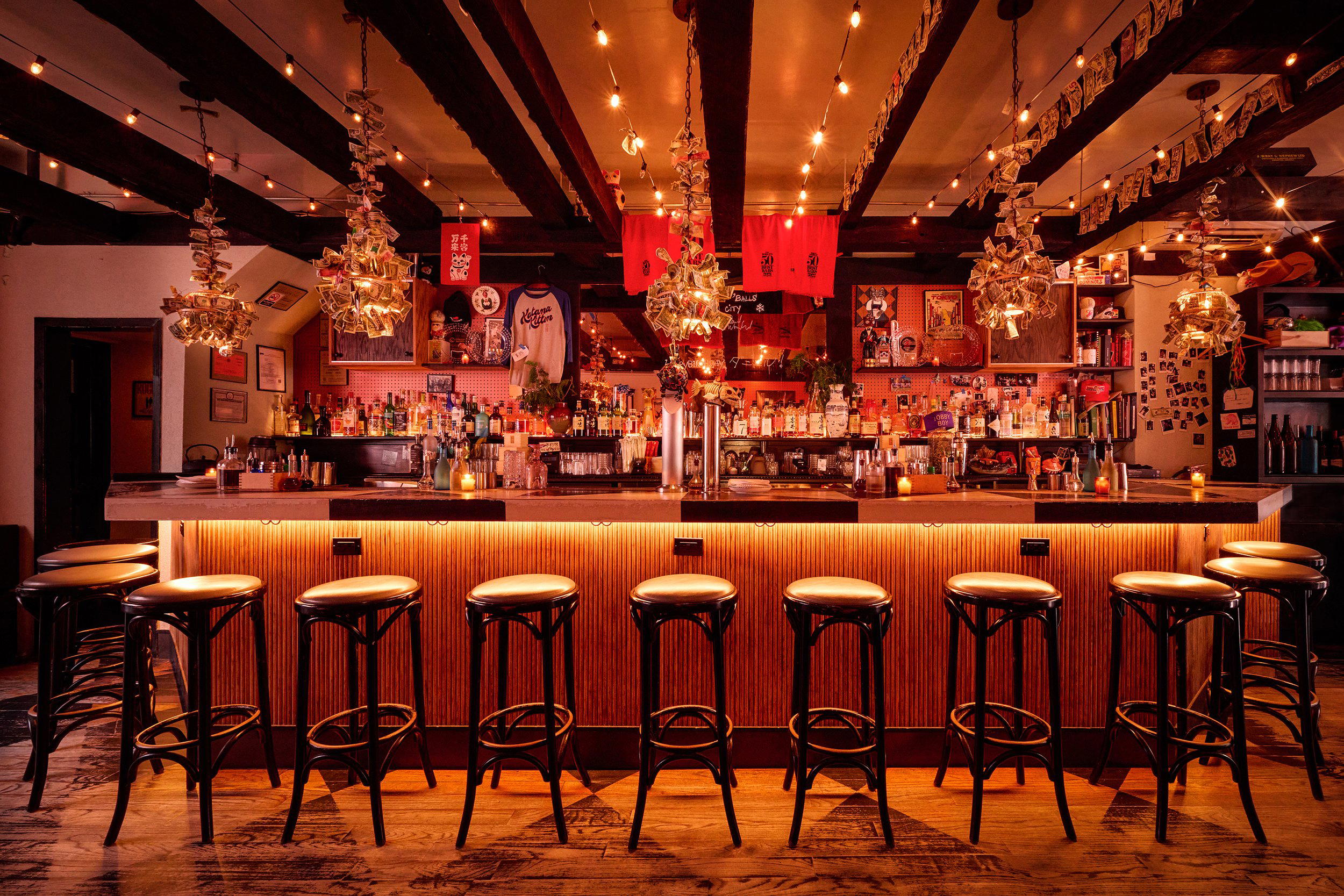
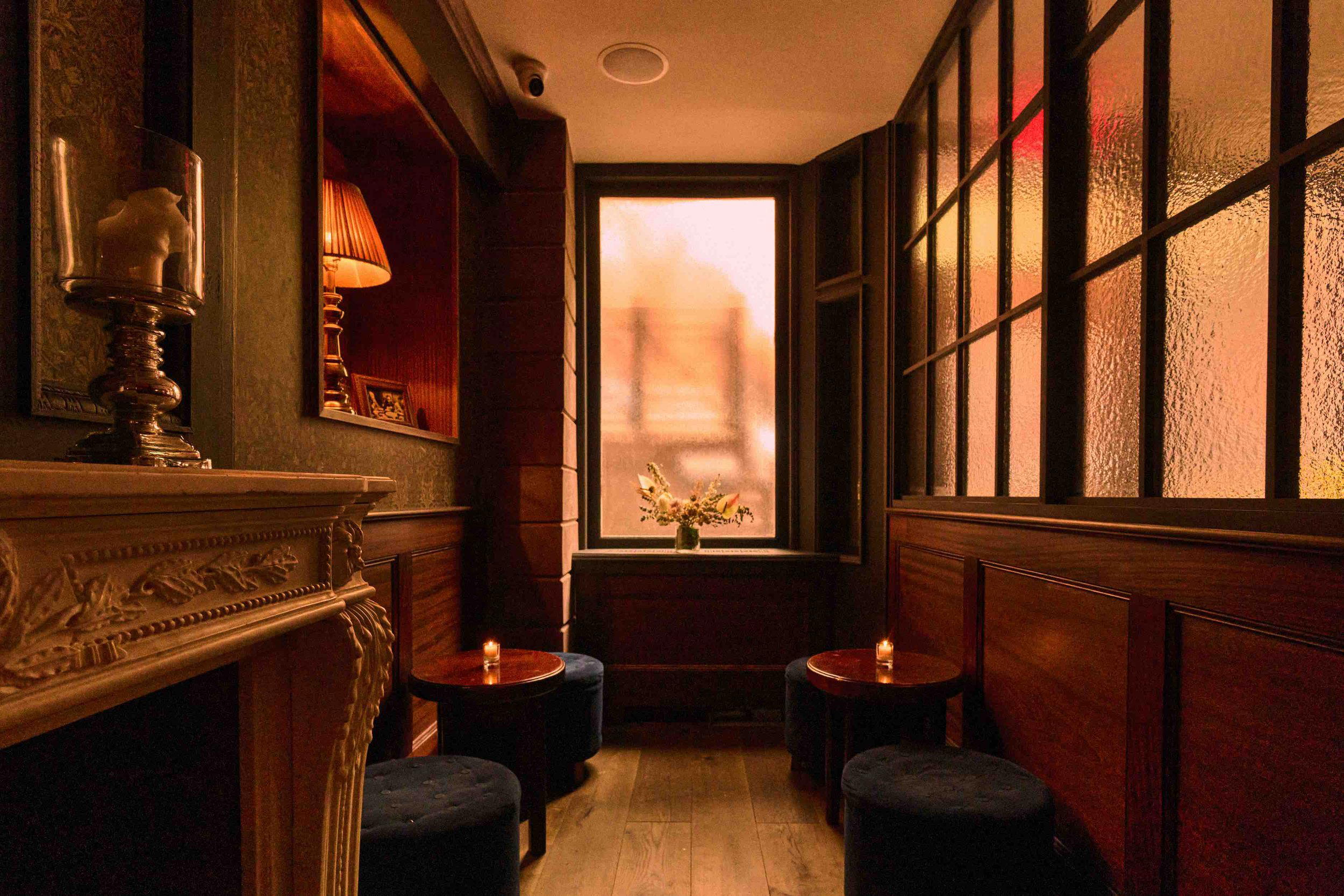
Bars in New York City
Browse all →
Restaurants in New York City
Browse all →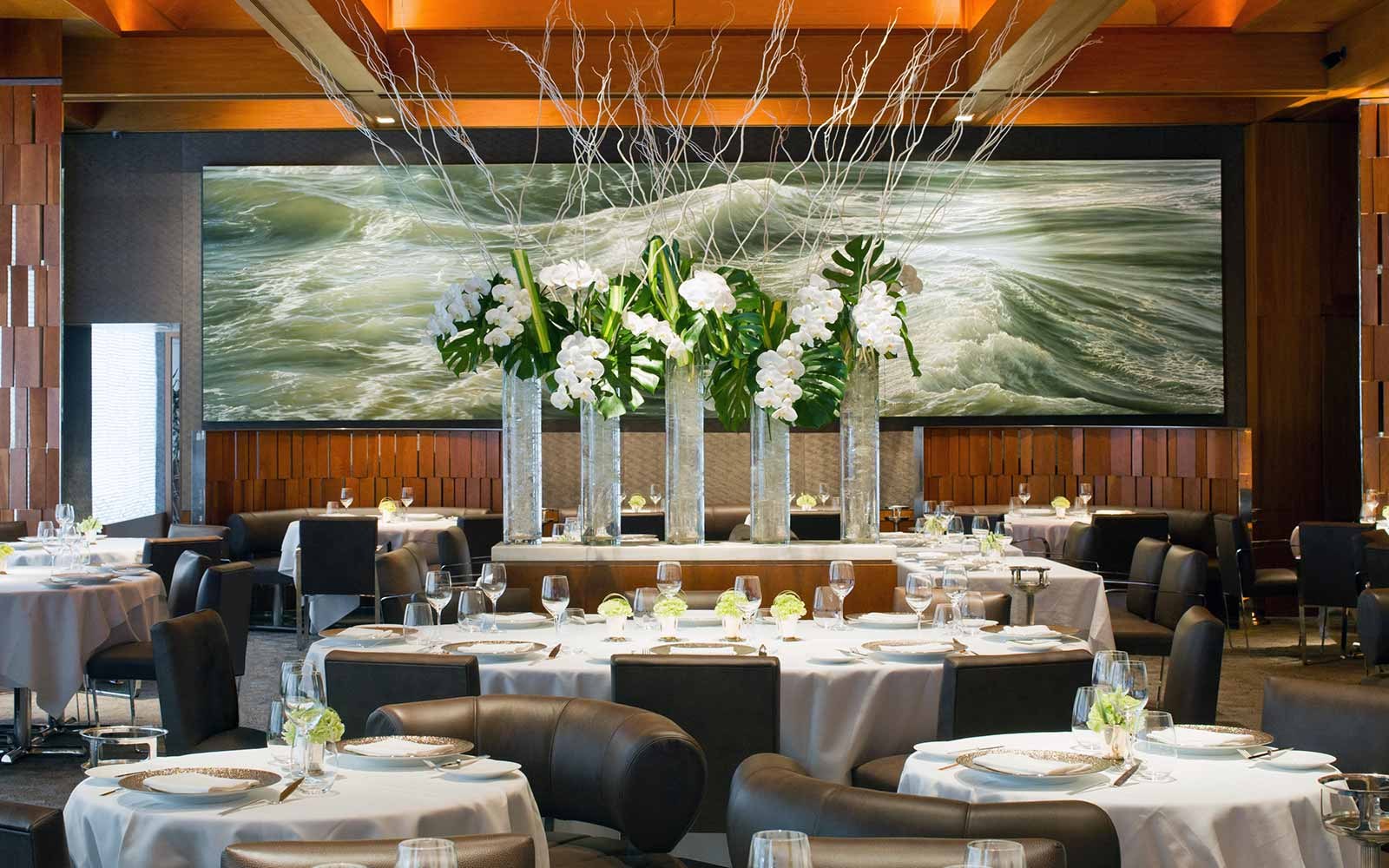
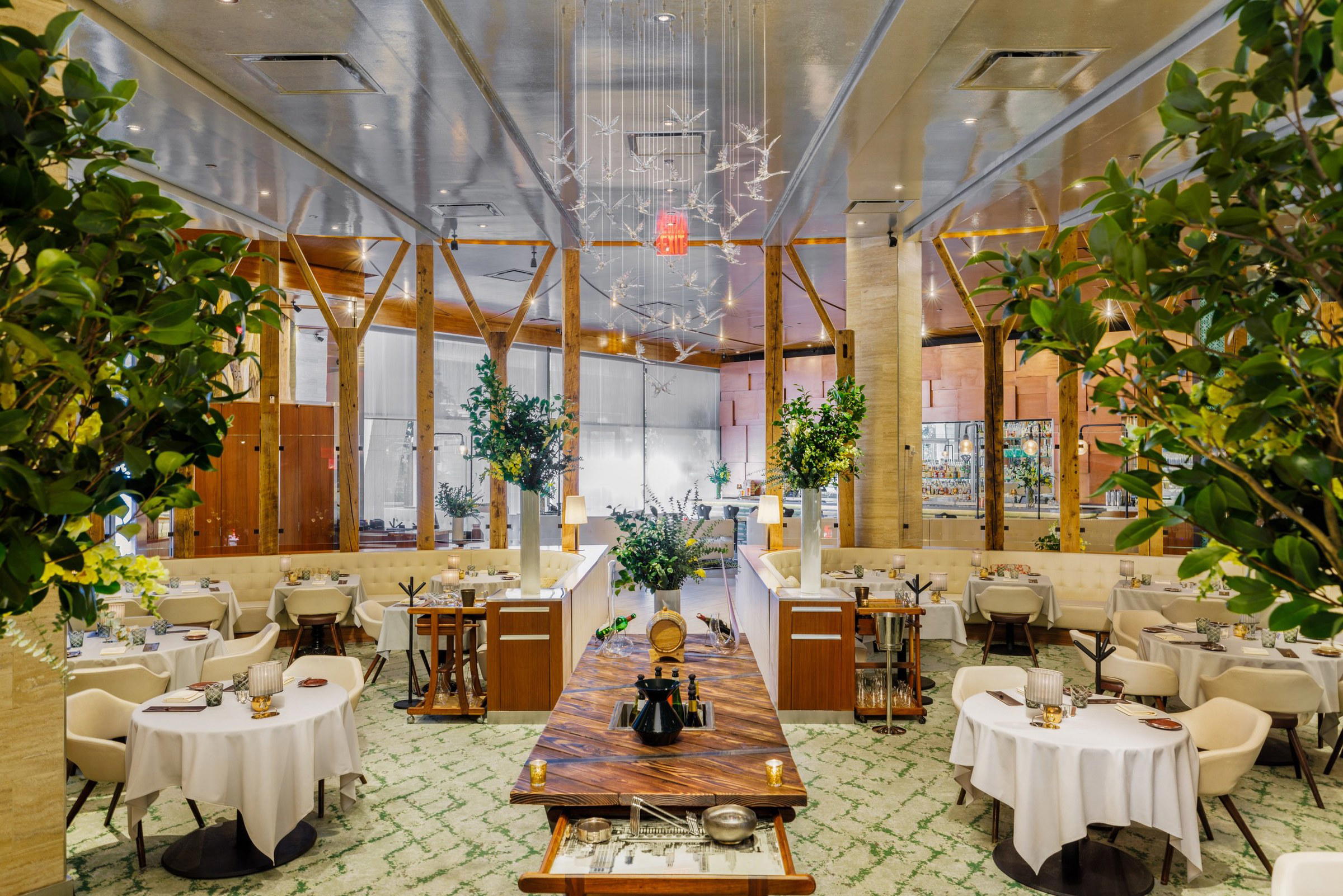
Hotels in New York City
Browse all →


At a Glance
- Trendy
- Intimate
- Modern
- Scenic
- Date Night
- Special Occasion
- Rooftop
- Terrace
- Outdoor Terrace
- Lounge Seating
- Craft Cocktails
- Sake
- Skyline
- Street Scene
Serene urban oasis with lush overhead greenery, basket lights, and subtle city views, transitioning from laid-back daytime to romantic evenings.