The Garret
On Bleecker Street in the West Village, The Garret occupies a tier of New York bars where neighbourhood familiarity and serious drink-making coexist without ceremony. Positioned among Manhattan's more considered cocktail addresses, it draws a crowd that values atmosphere over spectacle. The address alone places it in one of the city's most historically layered drinking corridors.

Pearl is the En Primeur Club membership app — saves, bookings, and concierge access live there. Same editors, same standards.
- Address
- 296 Bleecker St, New York, NY 10014
- Phone
- (917) 398-2354
- Hours
- Mon–Wed 4 PM–1 AMThu–Fri 4 PM–2 AMSat 12 PM–2 AMSun 2 PM–1 AM
- Website
- thegarretbars.com
- Directions
- Get directions
- Booking
- Book on Resy
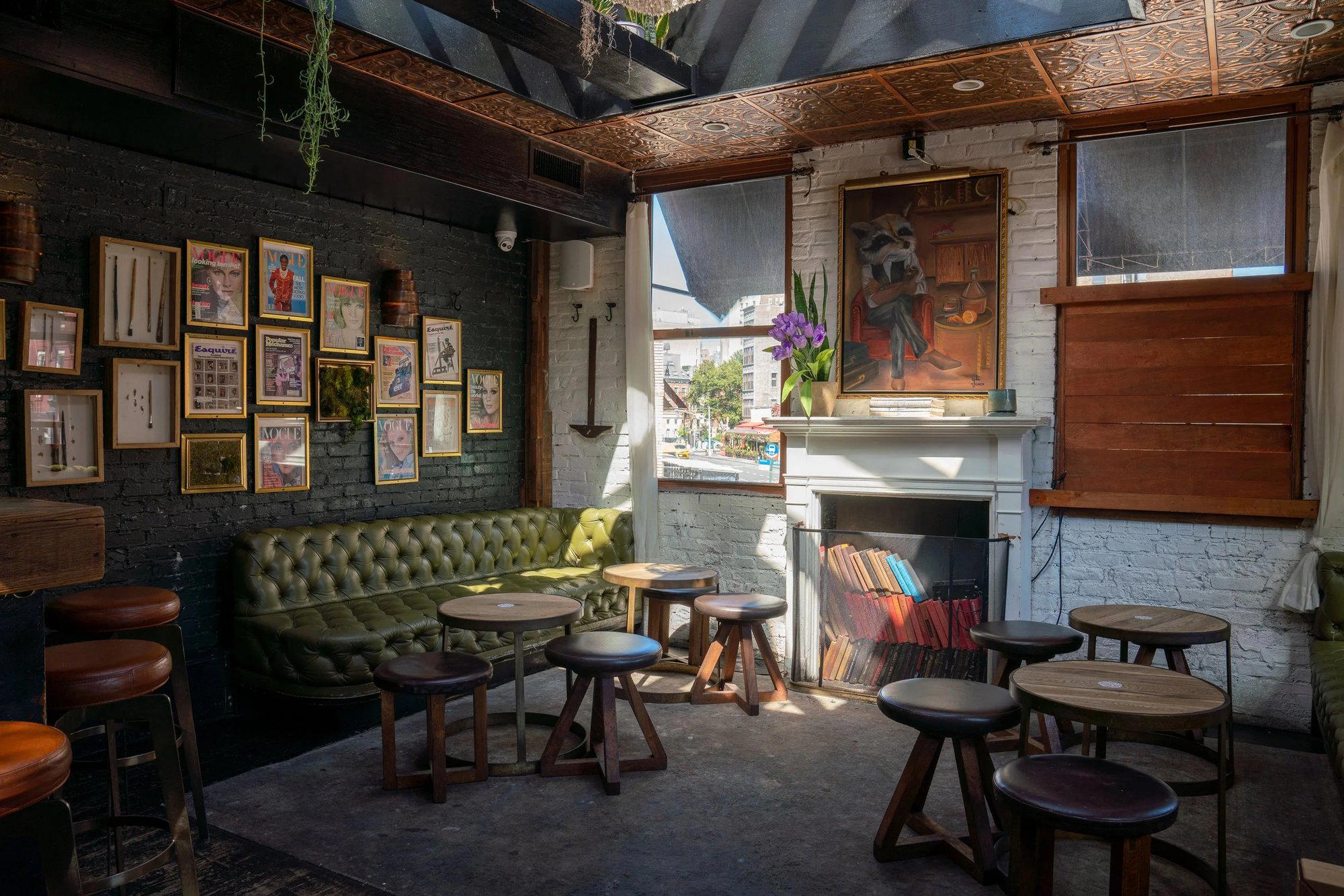
Bleecker Street and the West Village Drinking Tradition
The West Village has long operated as a counter-argument to Manhattan's louder bar cultures. Where Midtown leans on volume and the Lower East Side on attitude, this stretch of the city has historically rewarded the bar that holds its ground quietly: a good pour, a room with some character, a crowd that actually wants to be there. The Garret at 296 Bleecker Street sits inside that tradition, on a block that has seen enough bar concepts come and go to make longevity its own form of credibility.
Bleecker Street's bar culture is layered in a way that few Manhattan corridors can match. The street runs through a neighbourhood where the residential density is high, the foot traffic is local rather than purely tourist-driven, and the expectations of returning customers set a different standard than novelty alone can sustain. A bar at this address is, in effect, auditioning for the neighbourhood's trust as much as its attention.
Atmosphere as the Main Event
The editorial angle on The Garret is atmospheric rather than technical. New York's cocktail conversation has spent the better part of two decades oscillating between the precise and the theatrical, producing bars that read more like laboratories or stage sets than places to spend an evening. The West Village has generally resisted that pull. Bars here tend to invest in physical texture rather than conceptual architecture: dark wood, accumulated detail, the kind of room that takes on a different character depending on whether you arrive at six in the evening or eleven at night.
The Garret operates within that register. The address puts it in close proximity to a cluster of bars that collectively define what serious but unselfconscious drinking looks like in this city. Amor y Amargo, a few minutes east on East Sixth Street, has spent years building one of the city's most focused amaro and bitter-leaning programs, demonstrating that a narrow conceptual frame can sustain a loyal following if the execution is consistent. Angel's Share in the East Village occupies the quieter, more formal end of the spectrum, with a no-standing policy that enforces a particular kind of attentiveness. The Garret's position on Bleecker places it in a different register from both, one where the atmosphere does more of the heavy lifting.
What the Room Communicates
In New York's more considered bar tier, the physical experience of a room is a form of argument. The light level, the proximity of seats, the ambient noise calibration — these are editorial decisions as much as interior design ones. A bar that gets the room right communicates competence before the first drink arrives. The West Village, with its brownstone scale and compressed street fronts, tends to produce bars that feel genuinely contained rather than artificially intimate.
The Garret's Bleecker Street location means it inherits the neighbourhood's particular streetscape quality: narrower than the grid further uptown, with a pedestrian character that slows the pace of arrival. That quality matters for how a bar is experienced. You don't rush into a bar on this block the way you might on a Midtown avenue. The transition from street to room is part of the experience, and the bars that understand this tend to program their interiors accordingly.
For context on how this plays out across American bar culture more broadly, it's worth noting that some of the country's most-discussed cocktail addresses share this quality of deliberate arrival. Kumiko in Chicago has built its reputation in part on a room that rewards the transition from the street. Bar Leather Apron in Honolulu operates in a hotel basement context that similarly reframes the arrival. Jewel of the South in New Orleans uses a historic building to similar atmospheric effect. The pattern is consistent: the bars that endure in their cities tend to have invested in the physical experience of being in the room, not just the liquid in the glass.
The Competitive Set on and Around Bleecker
The West Village and its immediate surrounds offer a range of bar formats, from the technically focused to the deliberately casual. Attaboy NYC on the Lower East Side operates a no-menu format where the bartender-drinker negotiation is the entire point — a fundamentally different proposition from a bar where the room and the regulars carry the atmosphere. Superbueno in the East Village takes a Latin-inflected cocktail approach that places it in a different flavour-territory entirely.
The Garret is neither of these things. It belongs to the category of New York bar that functions as a neighbourhood anchor: the place locals return to because it holds its character consistently, not because it is chasing a concept. That category is smaller than it might appear. The economics of Manhattan real estate push bars toward either high-volume throughput or a premium positioning that can sustain smaller seatings. A bar that holds a middle ground, where the atmosphere is the draw and the drinks support rather than headline, occupies a genuinely distinct position in the city's bar ecology.
For readers building a longer bar itinerary across American cities, the broader EP Club coverage maps this terrain in detail. ABV in San Francisco, Allegory in Washington, D.C., Julep in Houston, and The Parlour in Frankfurt on the Main each represent the same principle applied in different urban contexts: a bar whose identity is rooted in a place and a physical experience rather than a rotating concept.
Planning Your Visit
The Garret sits at 296 Bleecker Street in the West Village, a short walk from the Christopher Street-Sheridan Square subway station on the 1 line, or a manageable walk from the A, C, E trains at West 4th Street. The surrounding blocks are dense with options, which means an evening in this part of the city rarely requires a fixed itinerary. Arrive early on weeknights if a quieter atmosphere is the priority; the West Village's residential character means the tempo shifts noticeably as the evening progresses. For a fuller picture of where The Garret sits within New York's wider dining and drinking map, see our full New York City restaurants guide.
The Quick Read
A small set of peers for context, based on recorded venue fields.
| Venue | Cuisine | Price | Awards |
|---|---|---|---|
| The GarretThis venue — the venue you are viewing | Not listed | $30–50 | Not listed |
| The Long Island Bar | Not listed | $30–50 | World's 50 Best #64 · Top 500 Bars Best Bars #367 |
| Dirty French | Not listed | Not listed | World's Best Steaks 50 Best #32 · Star Wine List |
| Superbueno | Not listed | $30–50 | World's 50 Best #9 · Top 500 Bars Best Bars #35 |
| Amor y Amargo | Not listed | $20–30 | World's 50 Best #23 |
| Angel's Share | Wine Bar | $20–30 | World's 50 Best #31 · Top 500 Bars Best Bars #200 |
Continue exploring
More in New York City
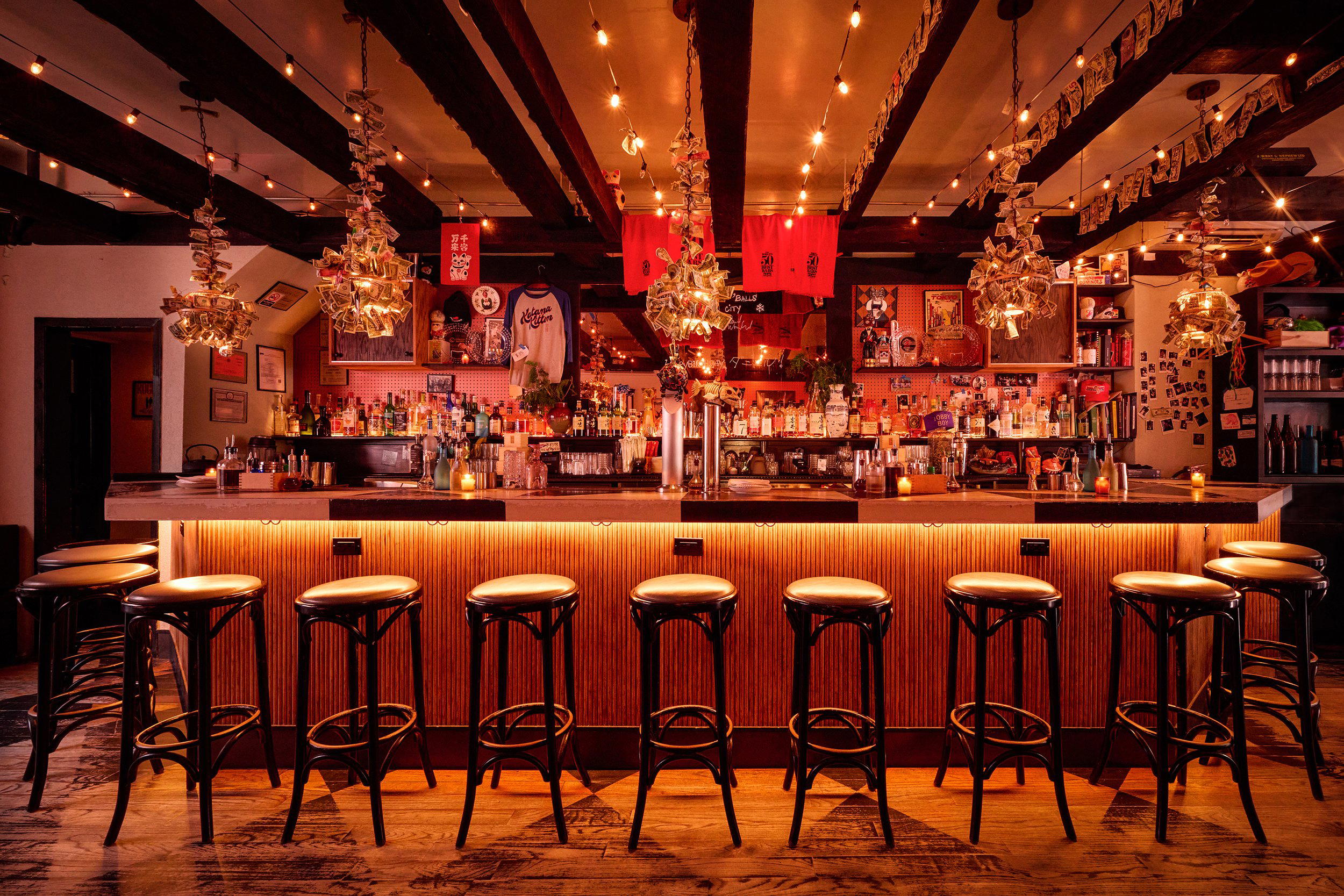
Bars in New York City
Browse all →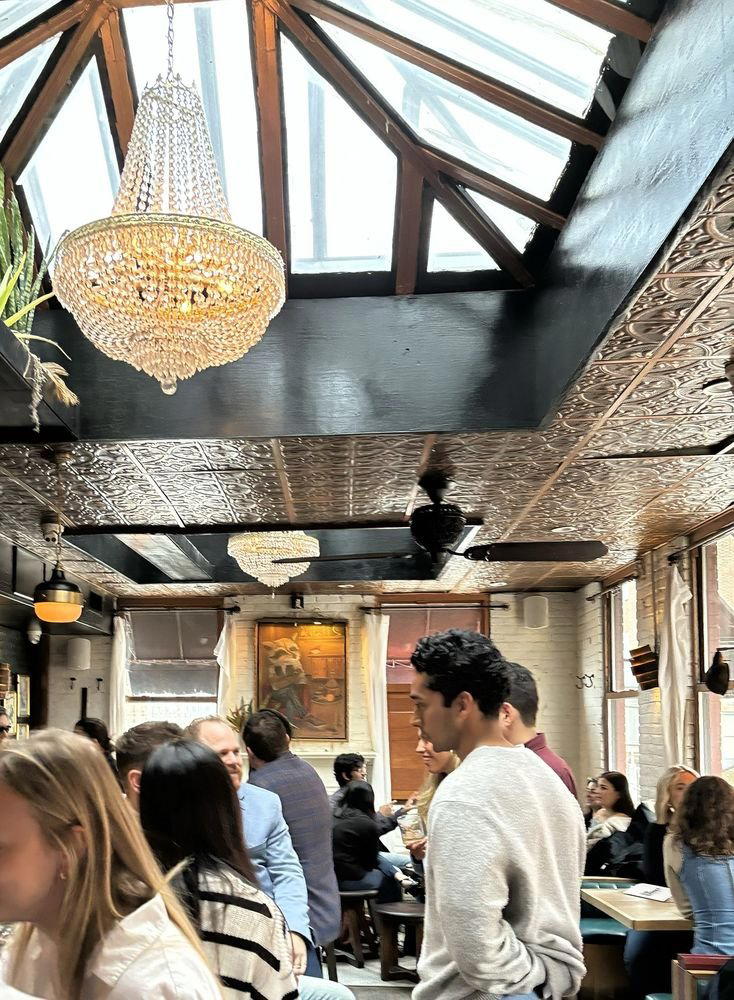
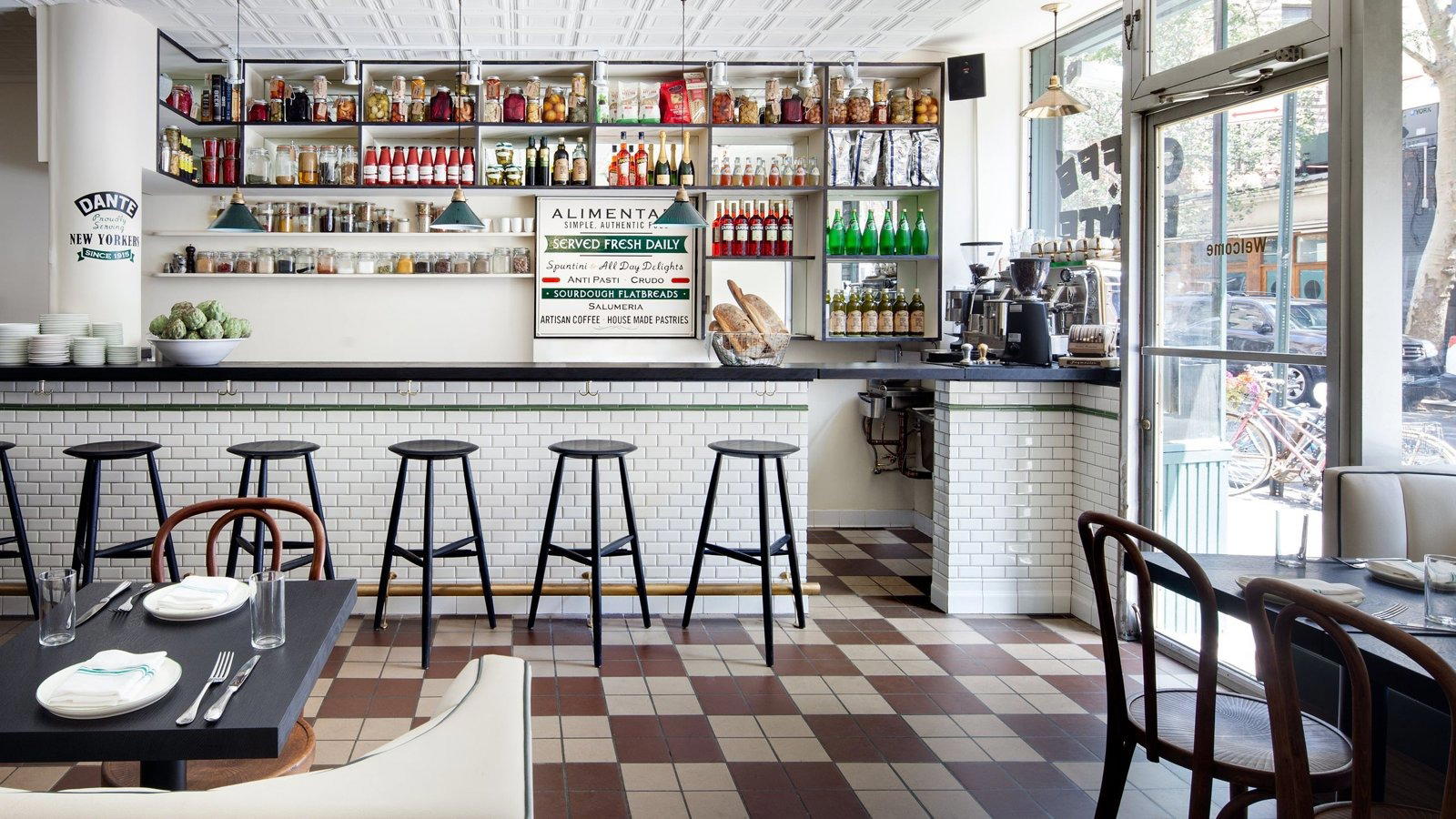
Restaurants in New York City
Browse all →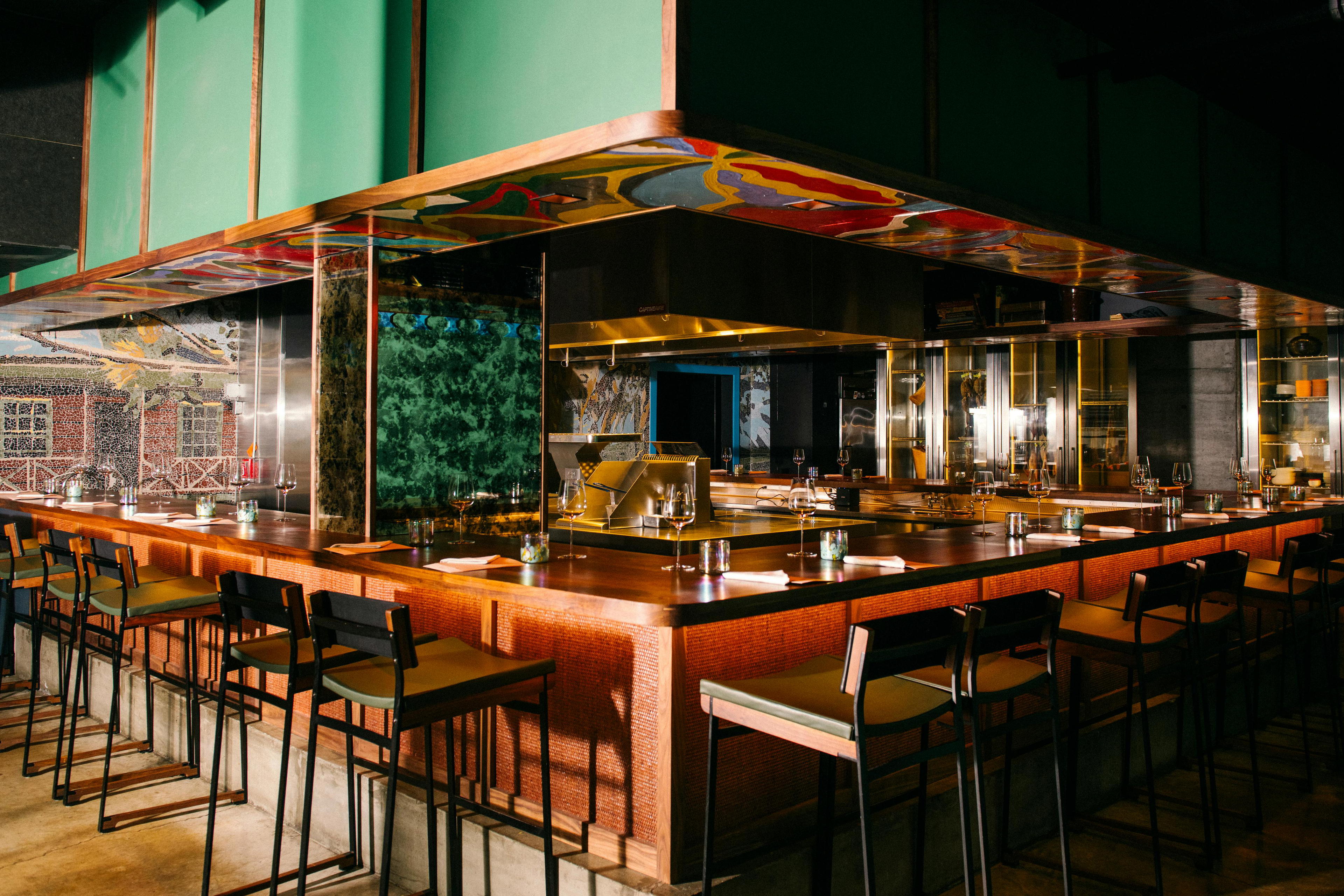
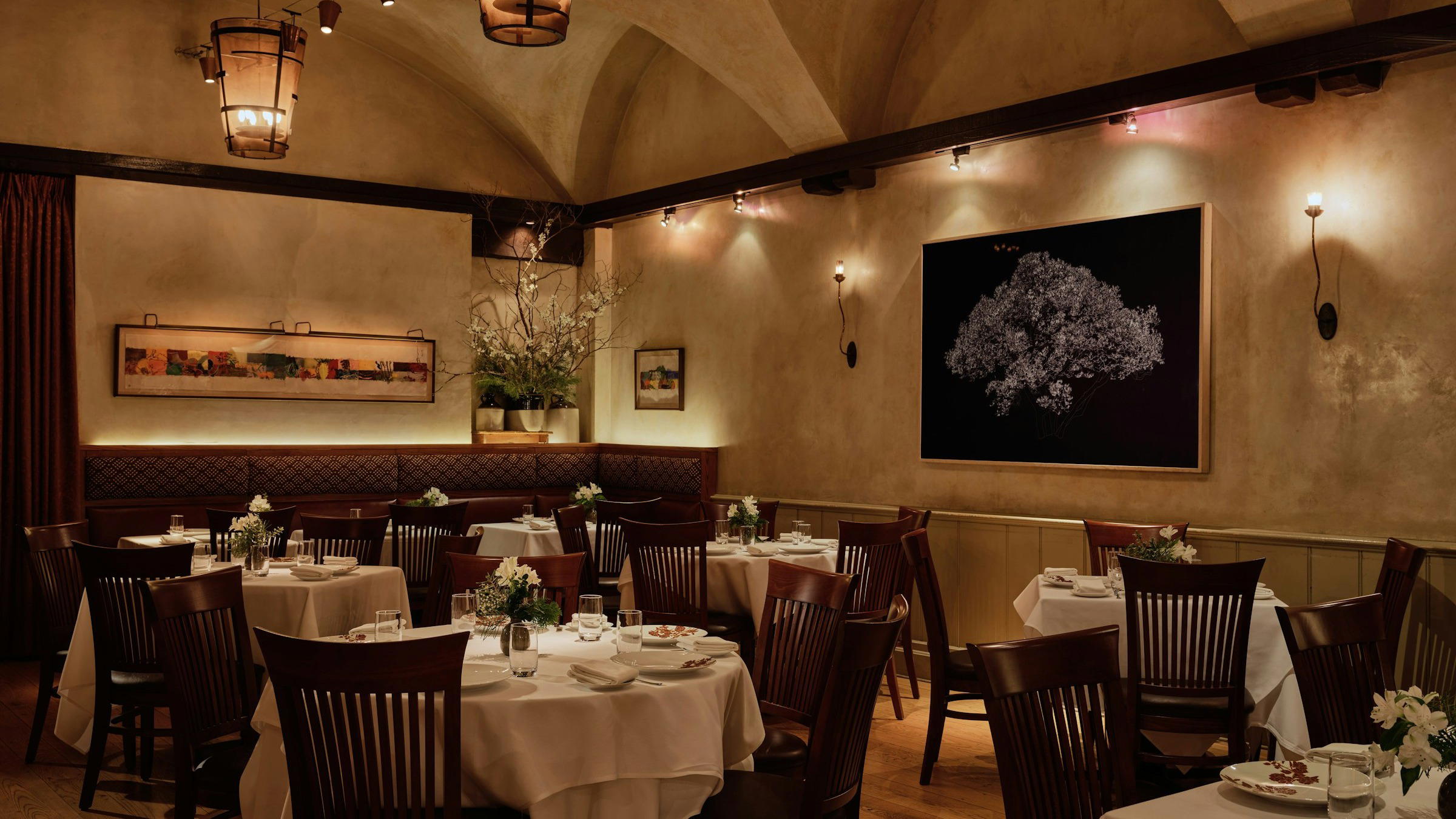
Hotels in New York City
Browse all →






Details
- Cozy
- Intimate
- Trendy
- Sophisticated
- Date Night
- After Work
- Casual Hangout
- Speakeasy
- Seated Bar
- Lounge Seating
- Booth Seating
- Craft Cocktails
- Classic Cocktails
- Street Scene
Current opening hours
- Monday
- 4 PM–1 AM
- Tuesday
- 4 PM–1 AM
- Wednesday
- 4 PM–1 AM
- Thursday
- 4 PM–2 AM
- Friday
- 4 PM–2 AM
- Saturday
- 12 PM–2 AM
- Sunday
- 2 PM–1 AM
Hours can change for holidays and private events. Last verified .
Cozy and relaxed with couches, books, artwork, fireplace, skylights, worn wood, brick walls, shabby-chic chandeliers, and plant tendrils creating a sunny living room vibe.