Uerige
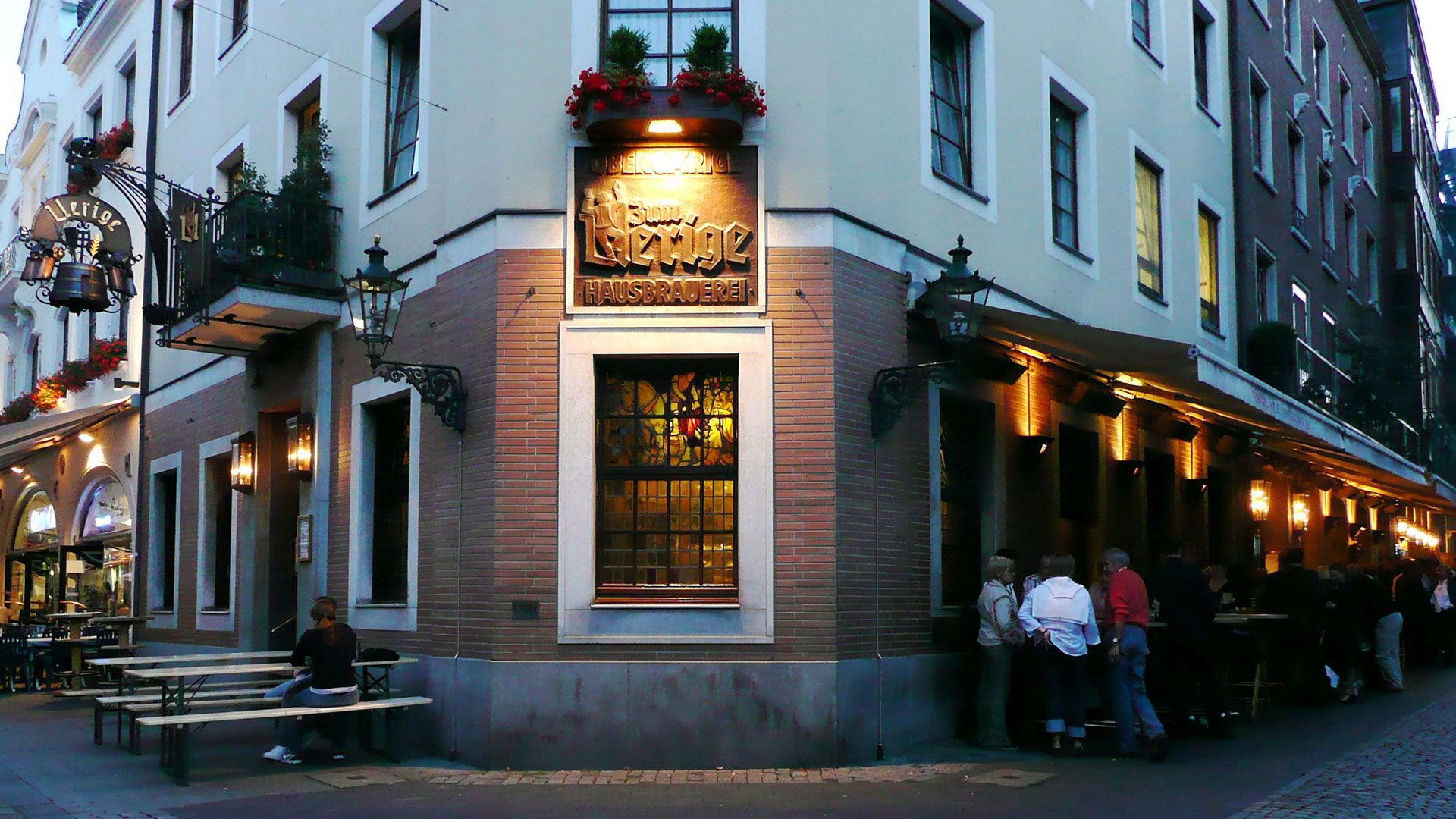
Uerige is Düsseldorf's definitive Altbier address, a centuries-old brewpub on Berger Strasse where copper-drawn Altbier arrives at the table before you've finished asking for it. The atmosphere is unreconstructed and deliberately so: long wooden tables, a working brewery on site, and a pace set by the Köbes rather than the guest. Few places in Germany make the relationship between beer, place, and tradition feel this unmediated.

Pearl is the En Primeur Club membership app, where members save venues, book tables and use the concierge.
Where the Altbier Tradition Is Taken Seriously
Düsseldorf's relationship with Altbier is not casual. No tasting notes on the menu. No glassware programme. No bartender biography on the website. What exists instead is a functional, highly disciplined tradition in which the beer, the space, and the service form a single continuous argument for doing one thing correctly. Uerige, at Berger Strasse 1, sits at the front of that argument. For an overview of how it fits into the city's wider drinking and dining scene, see our full Dusseldorf restaurants guide.
Approaching the Address
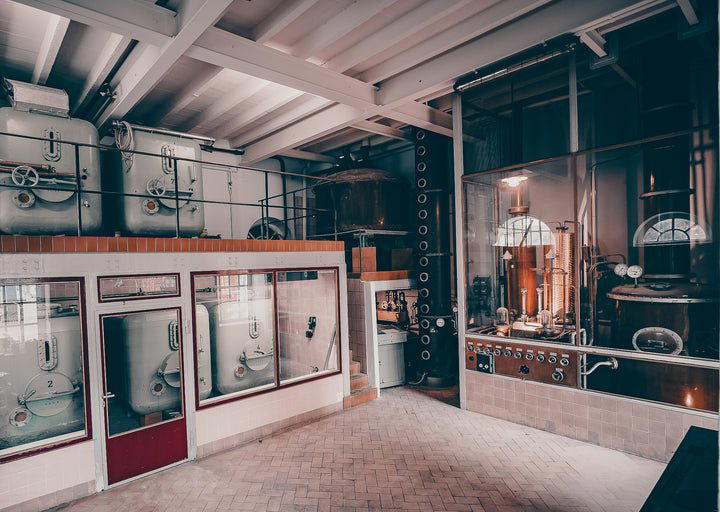
The building announces itself before you find the sign. The facade on Berger Strasse is heavy, dark-timbered, and carries no attempt at visual appeal beyond the fact of its own age. Inside, the main hall reads as a working room rather than a designed one: low ceilings, wooden panelling that has absorbed decades of conversation, and a light level calibrated for drinking rather than photography. The brewery is not hidden in a back room or gestured at through a glass wall as a design feature. It is present in the building in the way that a kitchen is present in a working restaurant, functional and close. The smell of fermenting grain arrives before you sit down.
This is an important distinction from the broader category of brewery-as-concept that has spread through European cities in the past decade. At venues like Kieler Brauerei am Alten Markt in Kiel, the brewery is partly a visual proposition. At Uerige, the production operation preceded the concept entirely, which changes the character of the space in ways that are felt rather than explained.
The Drink Itself: Altbier at Source
The editorial angle on Uerige is not the cocktail programme, because there is no cocktail programme. The drink is Altbier, drawn from the copper lagering tanks on site and delivered to the table in 0.25-litre glasses by the Köbes, a role that sits somewhere between waiter and authority figure in the Düsseldorf brewpub tradition. The Köbes does not take orders in the conventional sense. Glasses are placed, refilled, and removed according to a rhythm the staff controls, and the beer continues arriving until you signal otherwise by placing a coaster over your glass. The system is not explained to newcomers. It is assumed.
Uerige's Altbier is a top-fermented, cold-conditioned ale, darker and more bitter than most German lagers, with a dry finish that makes successive glasses easier to manage than the style's colour might suggest. The recipe has remained stable for generations, which is the point. In a period when bar programming across Germany has moved toward elaborate ingredient sourcing and seasonal menu rotations, the Altbier brewpub tradition holds its position through deliberate non-participation. At bars like Le Lion Bar de Paris in Hamburg or Buck and Breck in Berlin, the creative programme is the point of differentiation. At Uerige, consistency across decades is the credential.
There is also a stronger, higher-gravity version produced in limited quantities, known as Stickum or Sticke, released twice yearly, in January and October. These release dates attract a specific kind of drinker who plans visits around the calendar, which is a form of allocation culture that parallels the behaviour seen around limited-release spirits or en primeur wine rather than the spontaneous visit model that most bars rely on. The Sticke release is among the few ways in which the venue commands a kind of scheduled attention typically associated with very different categories of drinking.
How This Fits the Broader German Bar Scene
Germany's bar scene has stratified over the past fifteen years. At one end, technically ambitious cocktail programmes have earned international recognition, with venues like Goldene Bar in Munich, The Parlour in Frankfurt, and Alte Kanzlei in Stuttgart each developing programmes that reward sustained attention. At the other end, a smaller category of traditional brewpubs has remained exactly as it was, not as a nostalgic gesture but because the format never needed updating. Uerige belongs unambiguously to the latter group, and its position there is not a compromise. The commitment to a single product, produced on site and served in a format unchanged for generations, is a kind of programme discipline that cocktail bars spend considerable effort trying to approximate through house-made ingredients and proprietary techniques.
Across the Rhine, in Cologne, the Kölsch tradition plays out in an almost structurally identical way, with comparable service conventions and in-house brewing at the city's traditional brewpubs. The rivalry between the two cities and their respective beer styles is well-documented and enthusiastically maintained by locals on both sides. Visitors to Bar Trattoria Celentano in Cologne encounter a different register of drinking culture, but the regional loyalty question follows anyone making the 45-minute train journey between the two cities. For reference, venues like edelrausch in Leipzig, 075 Weinbar in Nuremberg, and Main Tower Restaurant in Frankfurt represent different points on the German drinking spectrum, none of which overlap with the brewpub model in any meaningful way. Even internationally, the format distinction is sharp: Bar Leather Apron in Honolulu works a programme-led precision model that shares nothing with the Uerige approach beyond the basic fact of serving alcohol.
Planning a Visit
Uerige operates in the Altstadt, within walking distance of the Rhine promenade and the cluster of brewpubs that define the neighbourhood's character. The space accommodates large groups at communal tables and functions as much as a local institution as a destination venue. Visiting on a weekday afternoon gives access to the space before the evening crowds arrive; weekend evenings fill both the indoor hall and any available outdoor seating, and the pace of service increases accordingly. No booking system applies to the main bar area, which operates on a walk-in basis consistent with the venue's general rejection of modern hospitality conventions. Food is available and functions in the German brewpub register: substantial, direct, built to accompany rather than compete with the beer. Those making the trip primarily for the Sticke release should verify the January and October dates in advance, as they are fixed but not always announced far ahead on public channels.
Side-by-Side Snapshot
Comparable venues nearby, for context on price, style, and recognition.
| Venue | Cuisine | Price | Awards | Notes |
|---|---|---|---|---|
| UerigeThis venue (the venue you are viewing) | beer_bar | $10–20 | Not listed | Not listed |
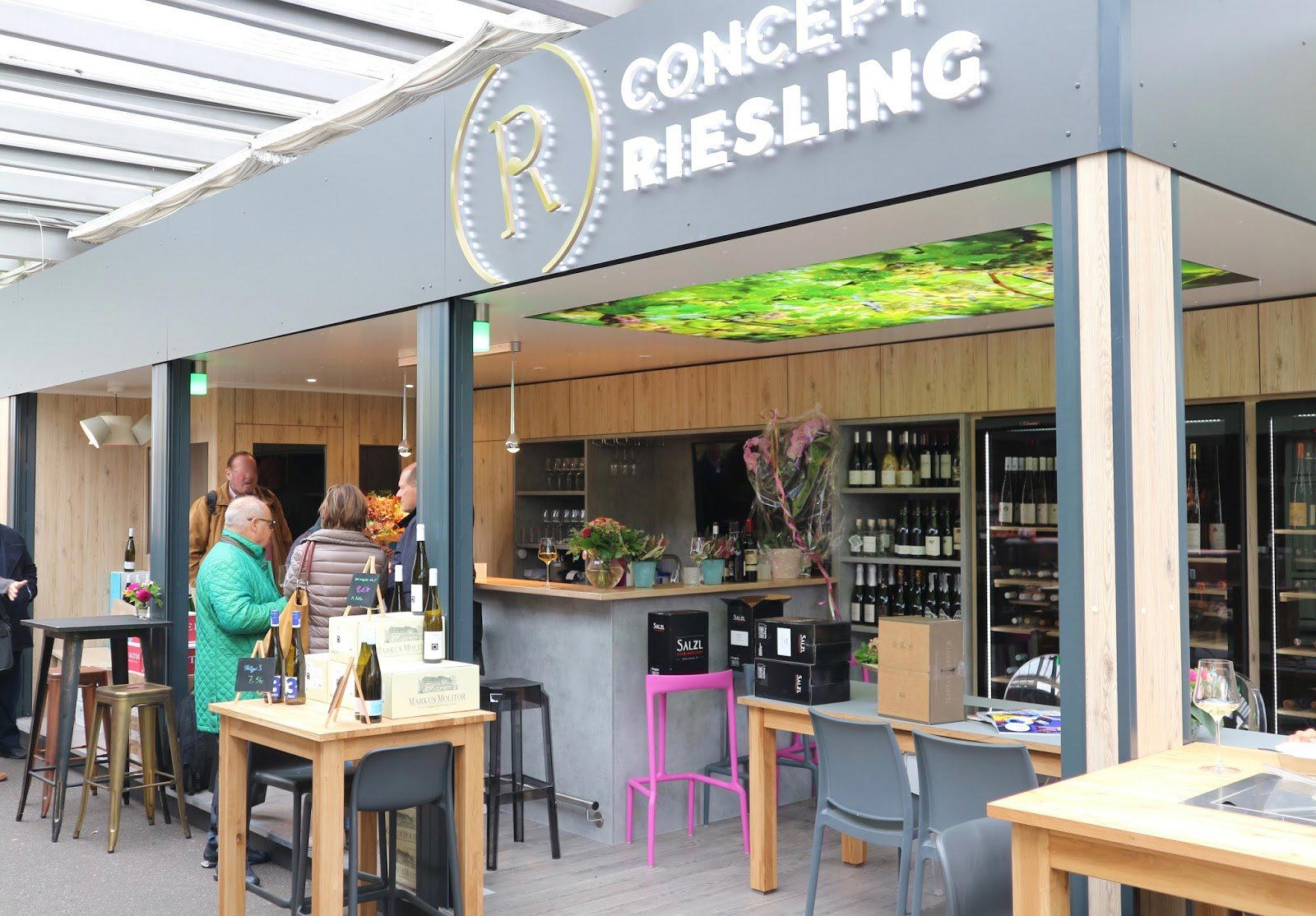
| Concept Riesling | wine_bar | $20–30 | Star Wine List · Falstaff Wine Bar - 91 Falstaff Points | Carlstadt |
| Bar Cherie | wine_bar | $20–30 | Star Wine List | Altstadt |
| Weinlokal Galerie | wine_bar | $20–30 | Star Wine List · Falstaff Restaurant - 90 Falstaff Points | Carlstadt |
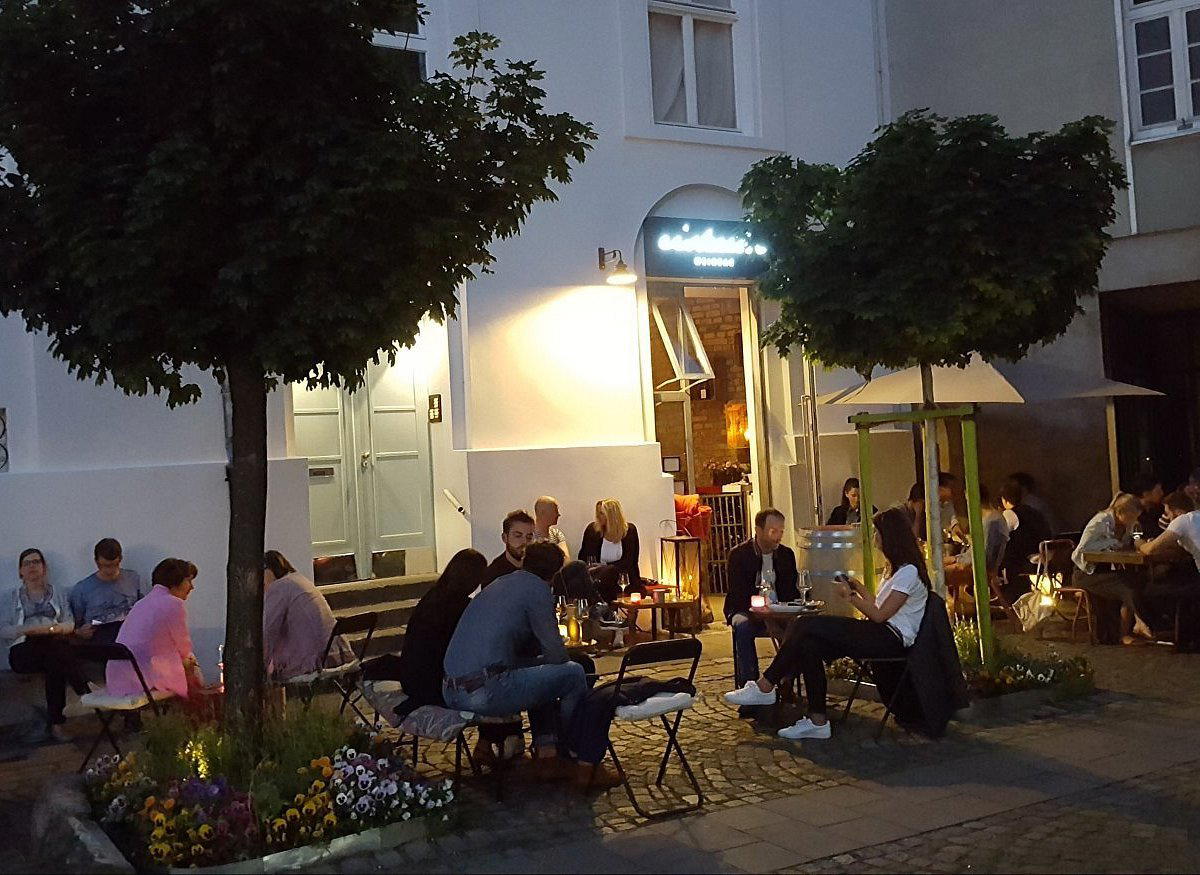
| Eiskeller Weinbar | wine_bar | $20–30 | Star Wine List · Falstaff Wine Bar - 95 Falstaff Points | Altstadt |
| CLAUDE wein bar | wine_bar | $30–50 | Star Wine List · Falstaff Wine Bar - 91 Falstaff Points | Friedrichstadt |
Continue exploring
More in Düsseldorf
Bars in Düsseldorf
All bars in Düsseldorf →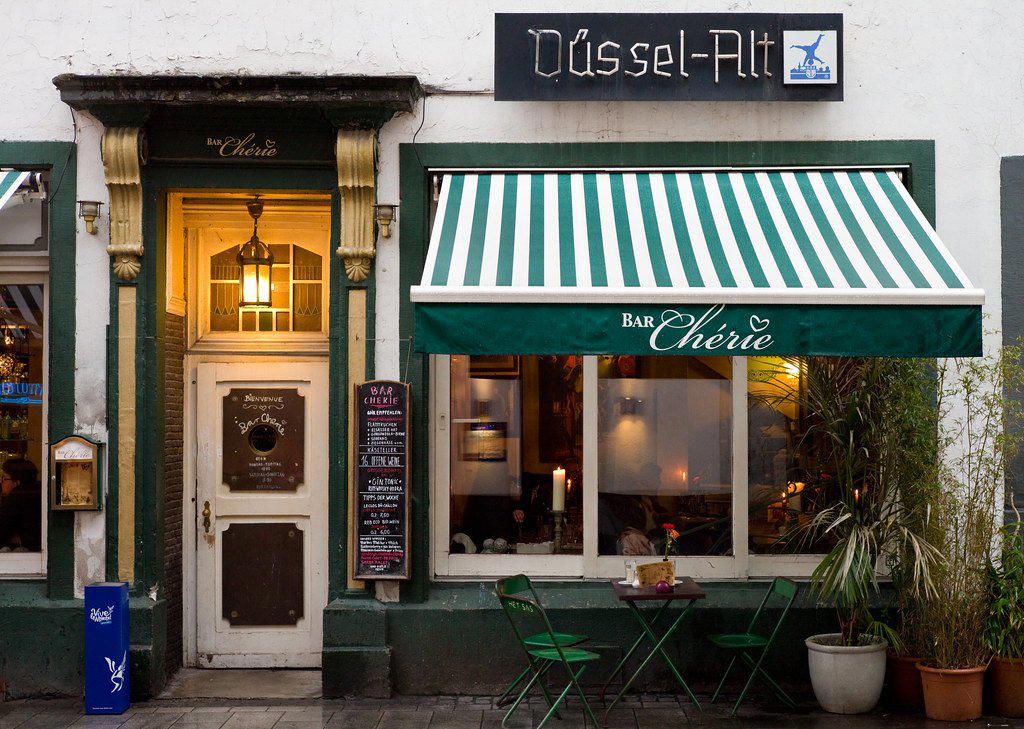
Restaurants in Düsseldorf
All restaurants in Düsseldorf →
Hotels in Düsseldorf
All hotels in Düsseldorf →
Wineries in Düsseldorf
Browse all →
Details
- Classic
- Lively
- Rustic
- Well Known
- Cozy
- Group Outing
- Casual Hangout
- After Work
- Beer Garden
- Historic Building
- Live Music
- Standalone
- Standing Room
- Outdoor Terrace
- Communal Tables
- Craft Beer
Current opening hours
- Monday
- 10 AM–12 AM
- Tuesday
- 10 AM–12 AM
- Wednesday
- 10 AM–12 AM
- Thursday
- 10 AM–12 AM
- Friday
- 10 AM–12 AM
- Saturday
- 10 AM–12 AM
- Sunday
- 10 AM–12 AM
Hours can change for holidays and private events. Hours as of .