Current status is under verification; live venue details are withheld until a current primary source confirms them.
- Address
- Tryggvagata 22, 101 Reykjavík, Iceland
- Website
- facebook.com
- Directions
- Get directions
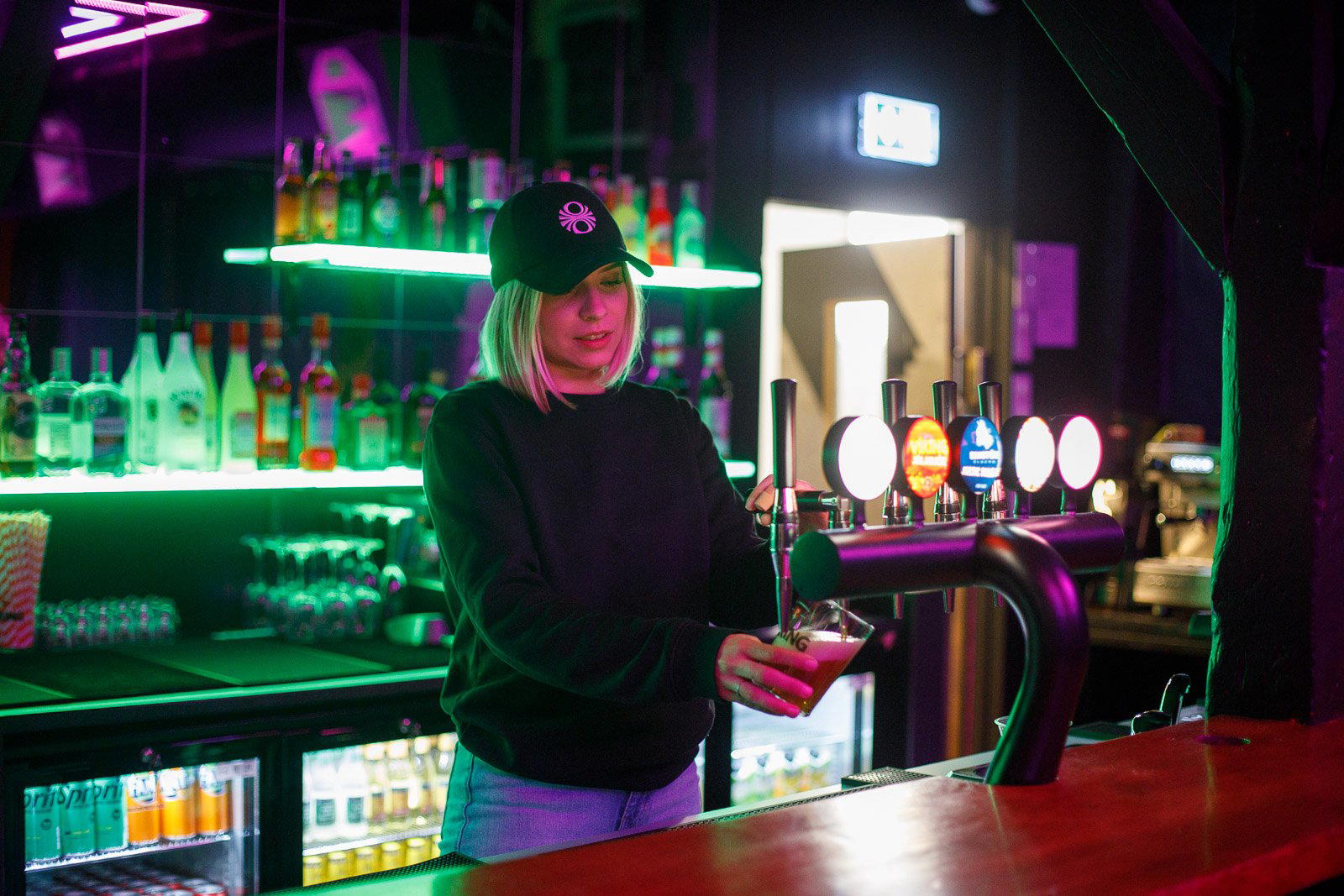
The Harbour Edge, Read Through a Glass
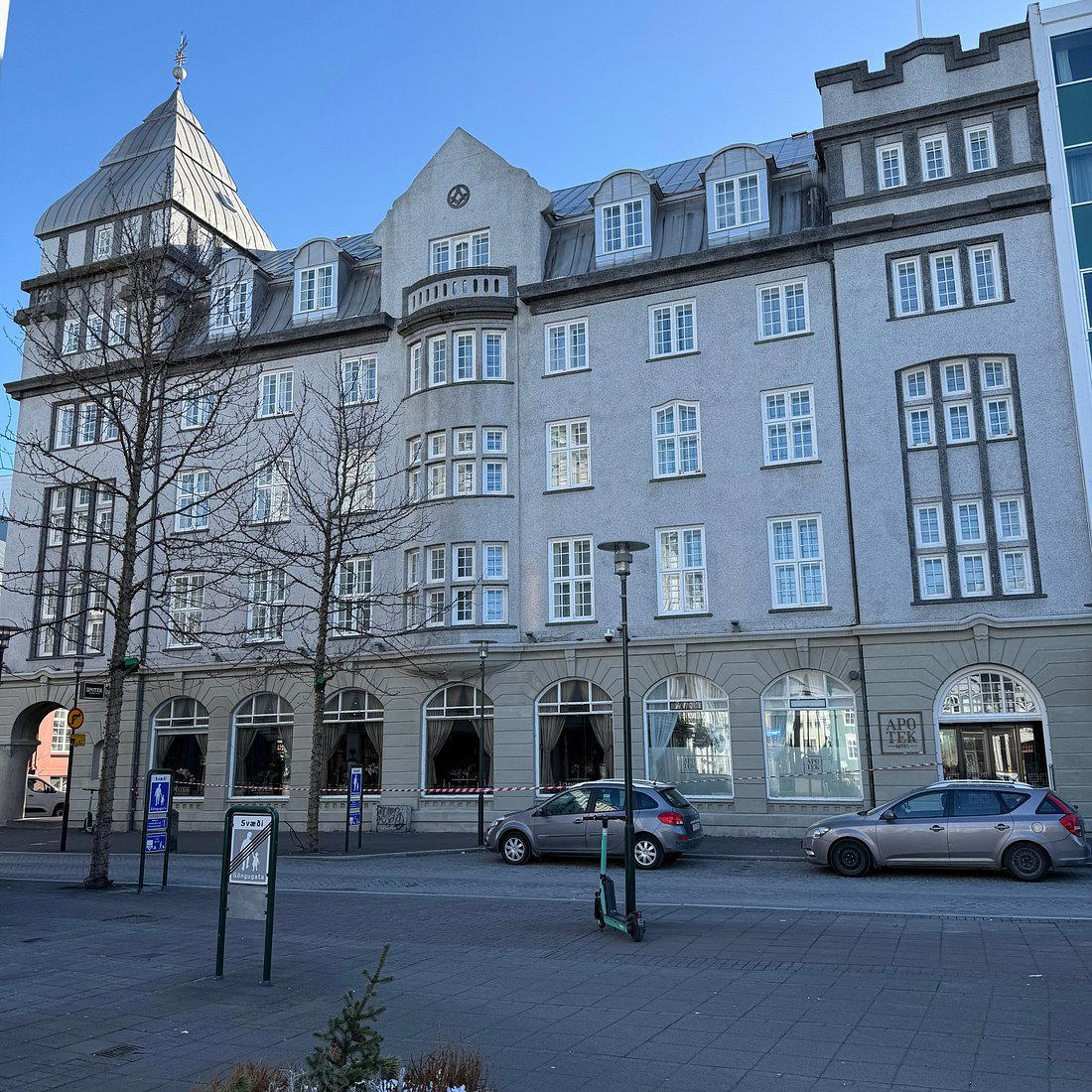
Tryggvagata 22 is not a quiet address. The street runs parallel to the old harbour in the 101 postal district, and the stretch between the waterfront and Laugavegur has become the axis around which Reykjavík's late-night drinking culture organises itself. The buildings here are low and functional, shaped by the fishing economy that defined the city for most of the twentieth century, and the bars that have moved in carry something of that no-pretension directness. RADAR Reykjavík sits on this strip and inherits its character from the neighbourhood before it adds anything of its own.
That neighbourhood context matters when you are trying to place any single venue in Reykjavík's bar scene. The city operates at a scale that makes London or New York comparisons structurally misleading: the capital's premium drinking circuit is correspondingly intimate. Venues do not survive on foot traffic alone. They survive on repeat custom, word of mouth inside a small professional community, and the judgment of a travelling audience that has often done its research before landing at Keflavík. RADAR's position on Tryggvagata means it occupies one of the few streets where spontaneous discovery and deliberate seeking overlap.
How Reykjavík Drinks Now
Icelandic bar culture went through a visible transition in the years following the 2008 financial crisis. The crash had a specific effect on the hospitality sector: it stripped out the more speculative, scenester-facing venues and left behind operators who understood margin, local loyalty, and the specific demands of a city where the drinking week compresses dramatically into Thursday through Saturday. What emerged from that period was leaner, more technically focused, and more willing to take positions on product, on fermentation, on provenance, on the relationship between what is in the glass and what is being served alongside it.
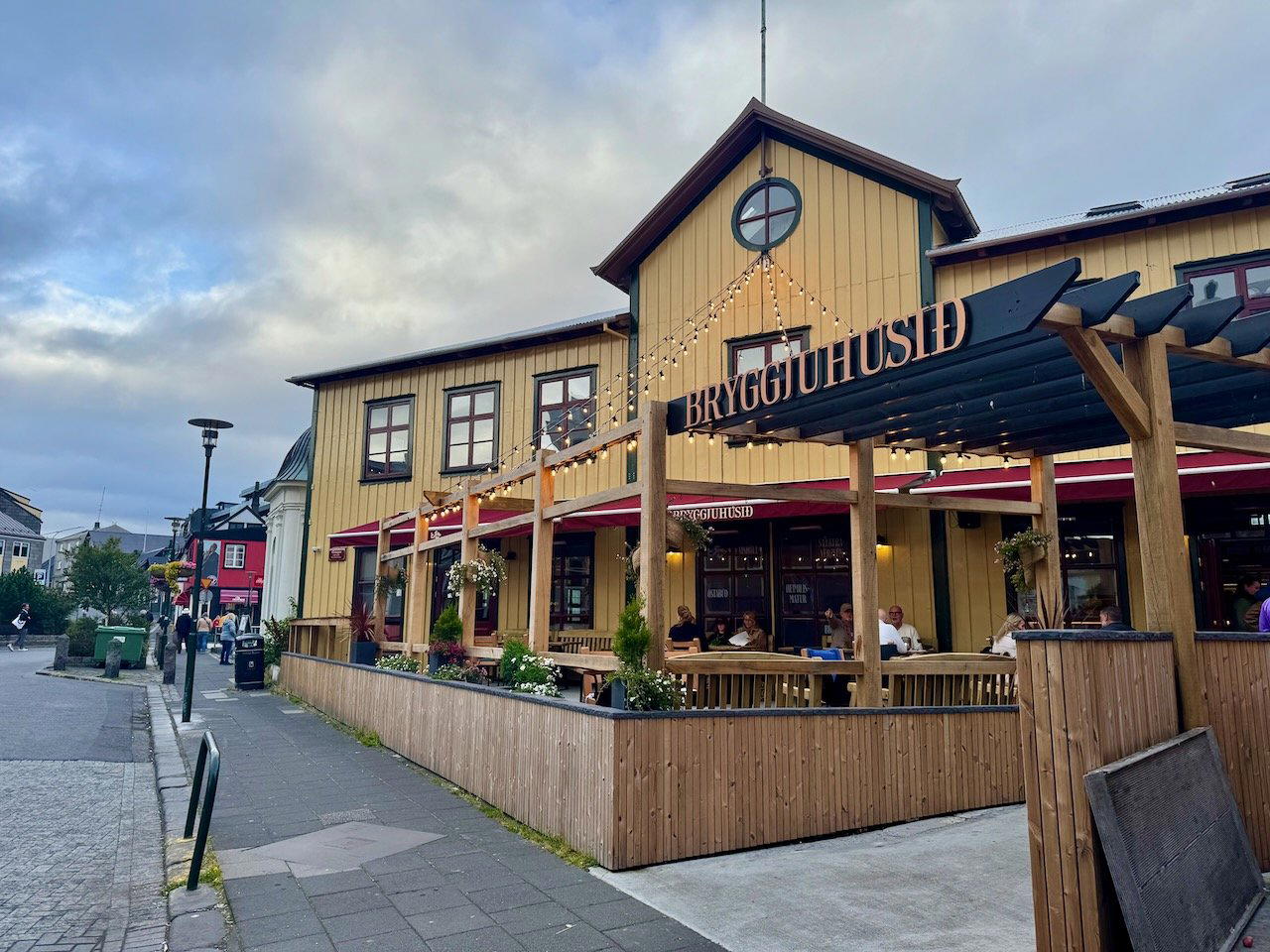
That shift is now visible across the 101 district. Venues like Bodega and Bryggjuhúsið represent different points on that continuum, one anchored in the older neighbourhood-bar tradition, the other more invested in a drinks program with deliberate structure. BakaBaka and 12 Tónar add further texture to a district that now reads less like a nightlife corridor and more like a concentrated editorial statement about how a small city can drink with seriousness. RADAR fits inside that statement.
The Arc of an Evening
The way an evening progresses in Reykjavík differs from warmer-weather European cities in one important structural way: the darkness or, in summer, the persistent light changes the relationship between time and appetite. In winter, guests arrive after dark that fell hours earlier; in summer, they arrive into a daylight that will not yield. Both conditions push the drinking experience away from the casual drop-in and toward something more deliberate, more committed to the room you are in rather than the movement between rooms.
An evening at RADAR is best understood as a sequence rather than a single moment. The early part of a session in venues along Tryggvagata tends to be about orientation, about reading the room and the menu, about the first drink as information rather than commitment. The middle stretch is where the conversation between guest and program deepens. In a bar operating at any level of seriousness, this is where the drinks list reveals its logic: whether it is built around a single spirit category, around a seasonal ingredient sourcing philosophy, around the technical possibilities of clarification and temperature, or around something more eclectic. The final stage of the evening, particularly on a Reykjavík weekend, shifts into the communal mode that the city's small population makes almost inevitable: by midnight, the room knows itself.
For visitors arriving from cities with larger, more anonymous bar scenes, this compression can feel unfamiliar. Bars like RADAR on a busy evening are places where the staff and the regulars operate in the same social field as the newcomer. That is not a warning; it is a calibration. Arrive with some curiosity about what you are drinking and some willingness to be in a room rather than just consuming its output, and the experience opens considerably.
Placing RADAR in a Wider Icelandic Frame
Reykjavík is the dominant node in Icelandic hospitality, but it is not the only place where bar culture has developed a distinct voice. Götubarinn in Akureyri represents the northern city's own version of a neighbourhood anchor, operating in a smaller population with similar structural pressures. The Westman Islands carry their own drinking traditions, visible in venues like Gott in Vestmannaeyjar and Prýði in Vestmannaeyjarbær. Even within Reykjavík, the scene extends beyond the 101 district into venues that occupy stranger, more specific niches, among them Náttúrufræðistofnun and Kramber, both of which operate at the more experimental end of the city's bar spectrum.
Against that wider frame, Tryggvagata venues like RADAR occupy a middle position: more accessible than the experimental fringe, more considered than the volume-first tourist bars. It is a positioning that requires consistency, because the audience is mixed. Locals on a Thursday, visiting professionals on a Saturday, curious travellers who found the address through a recommendations thread and are willing to follow it.
For international reference, the template has parallels. Bar Leather Apron in Honolulu operates in a similarly compact market where a knowledgeable local following coexists with a transient visitor base, and the bar's credibility depends on satisfying both without flattening the program for either. Jewel of the South in New Orleans shows what happens when a small city's bar identity is taken seriously at a technical level: the result creates a venue with disproportionate gravitational pull. Reykjavík, for its size, has developed that same disproportionate seriousness, and RADAR's address on Tryggvagata puts it inside the zone where that seriousness is most concentrated.
Planning the Visit
The 101 district is walkable from most central Reykjavík accommodation, and Tryggvagata specifically is reachable on foot from the main hotel corridor along Laugavegur in under ten minutes. Reykjavík's weekend concentrates most of its energy into a shorter window than many European capitals, so arriving by 9pm on a Thursday or Friday places you ahead of the main compression. For a fuller picture of what the city offers across its restaurants and bars, our full Reykjavík guide maps the scene by neighbourhood and format. Specific booking details, hours, and current pricing for RADAR are best confirmed directly with the venue before arrival, as these details can shift with the season.
Where the Accolades Land
Comparable venues nearby, for context on price, style, and recognition.
| Venue | Cuisine | Price | Notes |
|---|---|---|---|
| RADAR ReykjavíkThis venue — the venue you are viewing | lounge | $$ | Not listed |
| Paloma Club | Bar | $$ | Reykjavíkurborg |
| 12 Tónar | lounge | $$ | Reykjavíkurborg |
| Pablo Discobar | cocktail_bar | $$ | Reykjavíkurborg |
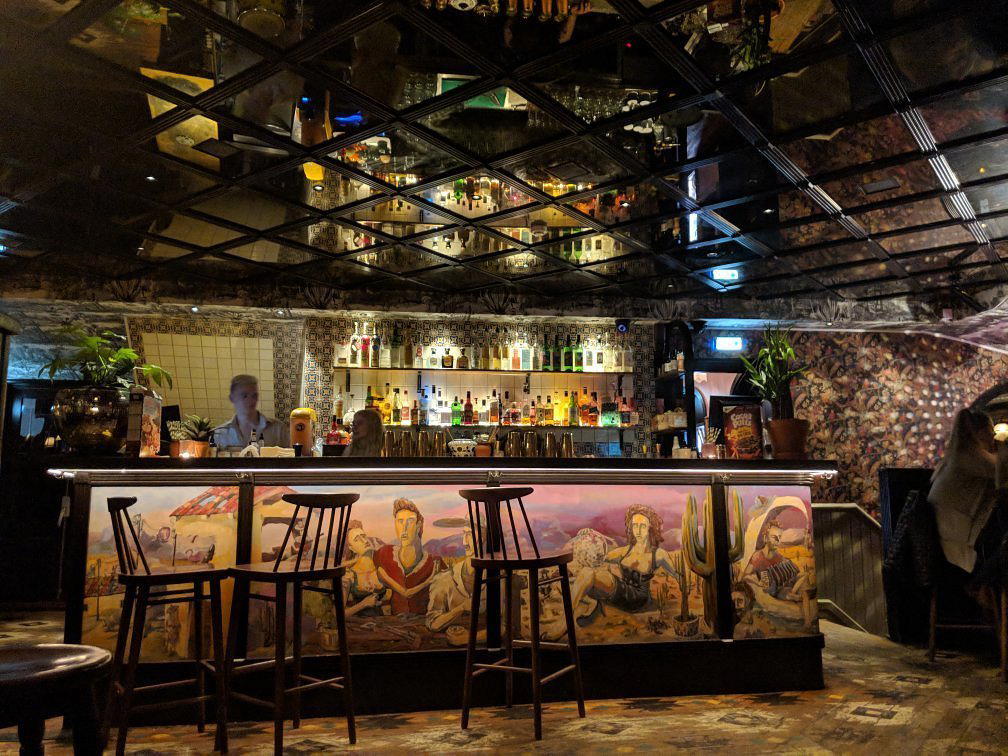
| Bodega | cocktail_bar | $$ | Reykjavíkurborg |
| Quest - Hair, Beer & Whisky Saloon | pub | $$ | Reykjavíkurborg |
Continue exploring
More in Reykjavík
Bars in Reykjavík
Browse all →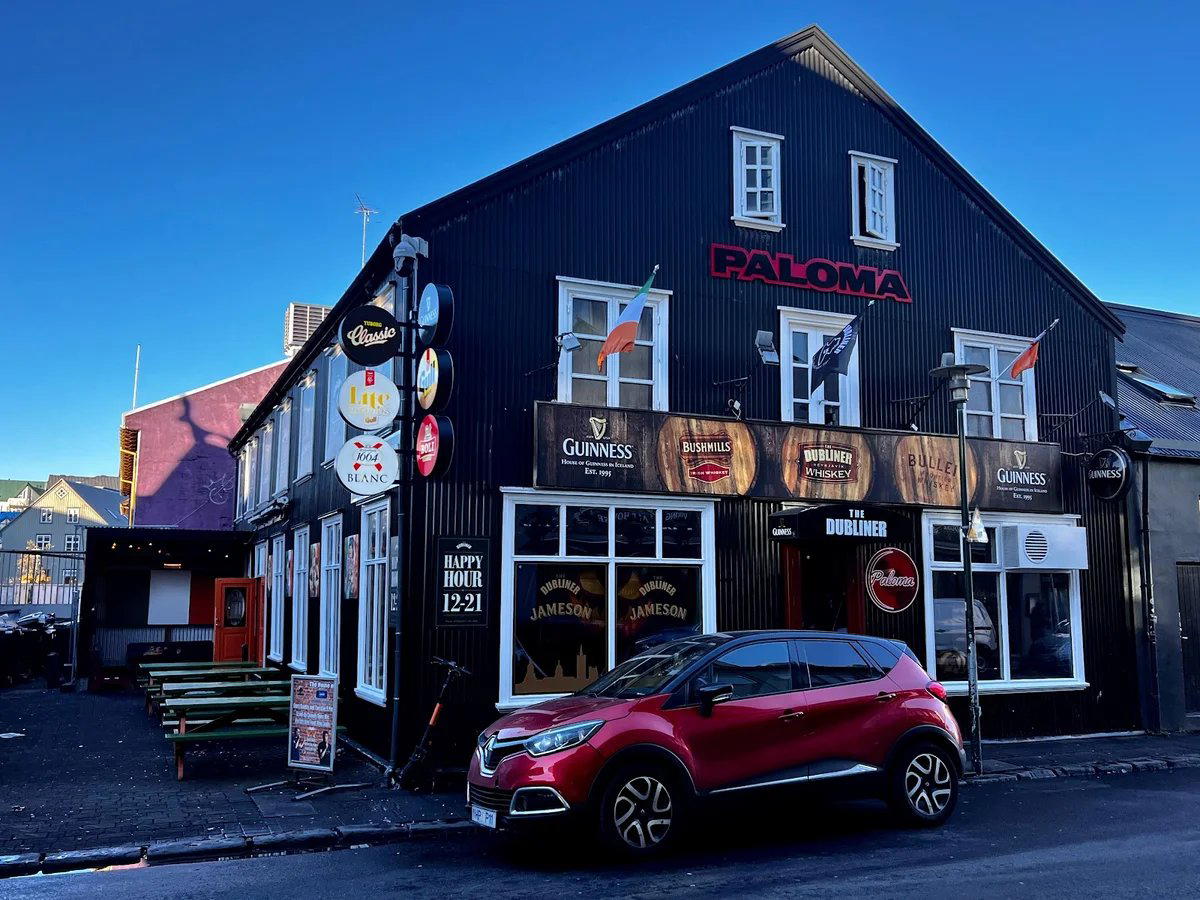
Restaurants in Reykjavík
Browse all →
At a Glance
- Lively
- Trendy
- Modern
- Energetic
- Intimate
- Late Night
- Group Outing
- Solo
- Casual Hangout
- Celebration
- Live Music
- Standalone
- Standing Room
- Seated Bar
- Lounge Seating
- Craft Beer
- Street Scene
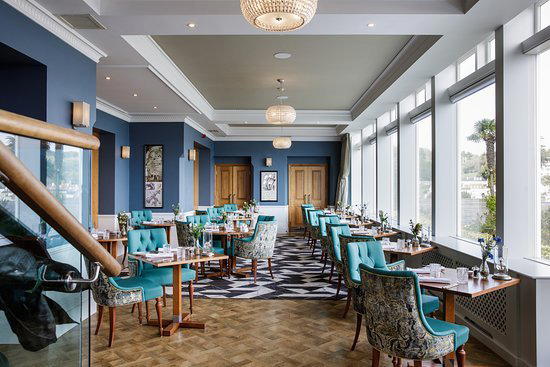
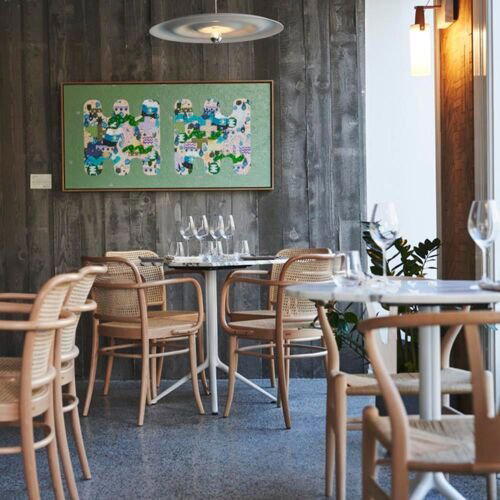
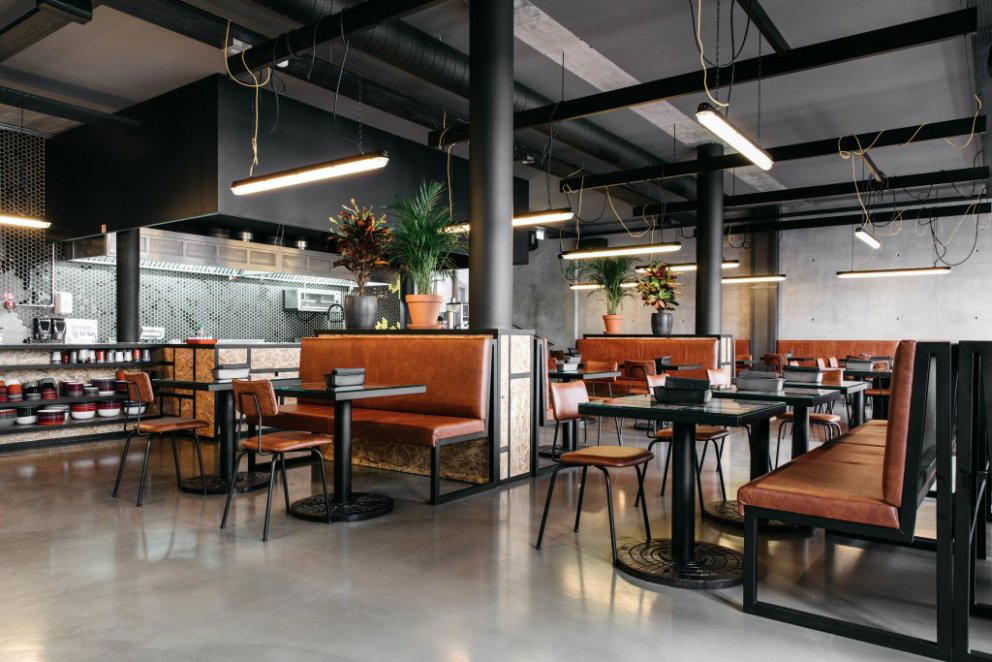
Small, underground-feeling electronic music club with a cool, energetic atmosphere and simple, functional surroundings shaped by the old harbour bar district.