Rome's most consequential espresso address occupies a corner of Piazza di Sant'Eustachio that has been drawing the city's coffee drinkers for nearly a century. The counter ritual here, with its pre-sweetened gran caffè and standing-room crowd, tells you more about Roman coffee culture than any guide could. If you drink one espresso in the capital, the case for drinking it here is difficult to argue against.

Pearl is the En Primeur Club membership app, where members save venues, book tables and use the concierge.
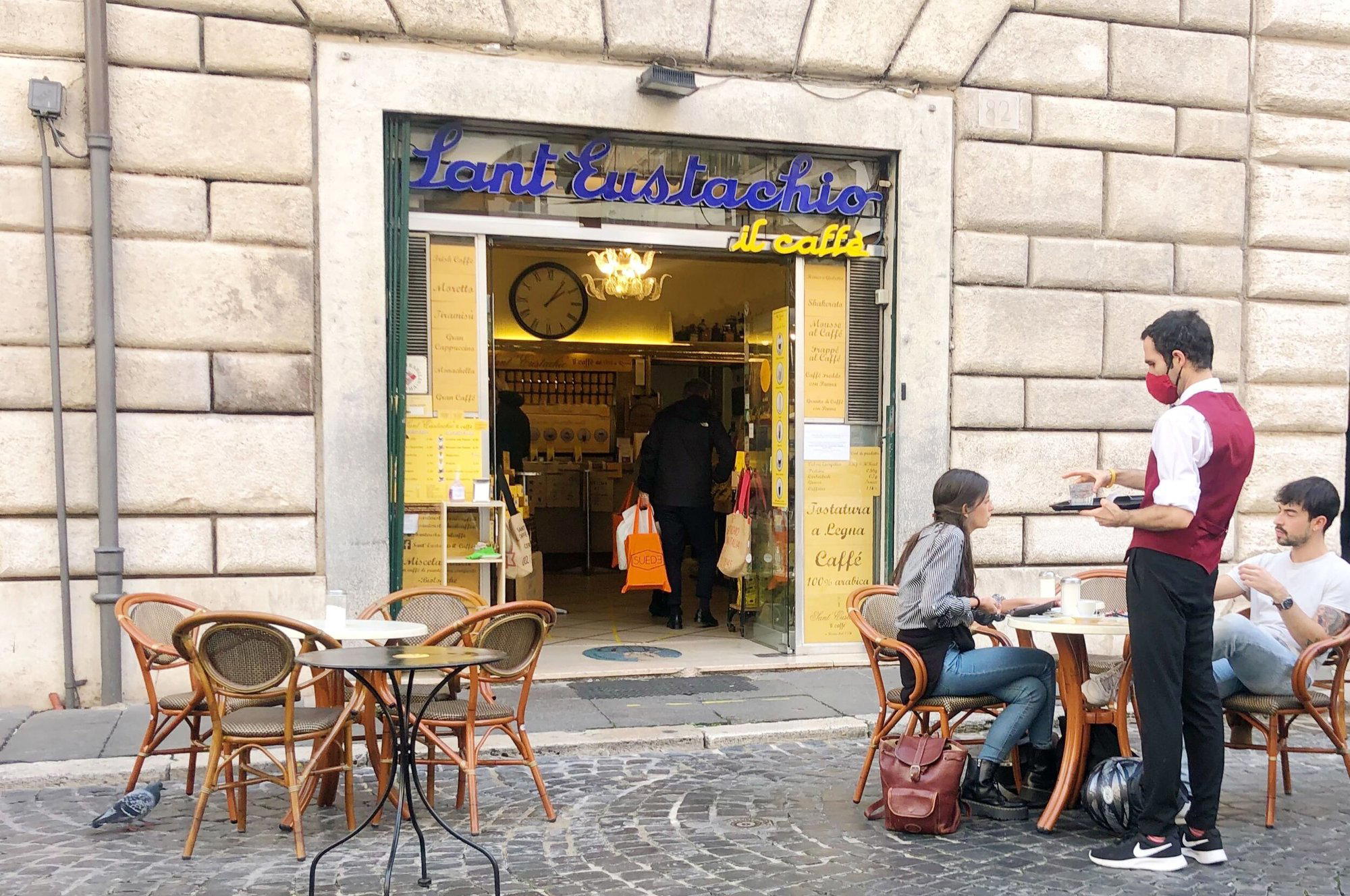
A Corner of Rome That Has Not Needed to Change
There is a specific kind of authority that comes from not adapting. In a city where aperitivo bars have multiplied and specialty coffee roasters have opened in Prati and Trastevere, Sant'Eustachio Caffè continues to operate on its own terms from Piazza di Sant'Eustachio, a few minutes' walk from the Pantheon. The piazza itself is minor by Roman standards, no fountain, no monument, but the caffè's green awning has become the landmark. By mid-morning, a crowd spills past the doorway and onto the cobblestones. Nobody looks surprised by this.
Rome's café culture has historically been street-level and transactional: you stand, you drink, you leave. Sant'Eustachio is perhaps the most concentrated expression of that tradition in the city. The format resists modification. Tables, to the extent they exist, are not the point. The counter is the point, and the espresso, served pre-sweetened unless you ask otherwise, a house position rather than a lapse, is what anchors the entire operation. This is an institution operating as argument: that there is a correct way to make espresso, and that they have been doing it since the 1930s.
What the Space Actually Does to You
Approach from Via dei Sediari and the smell reaches you before the awning does. The roasting happens on the premises, a choice that shapes the sensory register of the entire piazza. Inside, the room is small, the ceiling low, and the light warm without being designed. This is not a café that has been styled for photography; the visual coherence comes from decades of minor accretion rather than an interior concept. Vintage tin signage, a glass counter, an espresso machine that occupies more counter space than feels strictly necessary, the room communicates age through specificity rather than nostalgia aesthetics.
The crowd on any given morning runs across every demographic Rome can produce: tourists in sensible shoes, lawyers from nearby offices, students from La Sapienza who have made the trip across the city for reasons they would struggle to fully articulate. The noise level is high but not aggressive. Conversations happen in layers. Orders are called out. This is a space that was built around density and has never been embarrassed by it.
The Gran Caffè and the Question of Sweetness
The espresso program here is not structured around single-origin storytelling or brew ratios. What Sant'Eustachio offers is consistency at volume, with a particular signature: the gran caffè arrives already sweetened, the sugar integrated during preparation rather than added at the cup. This is a deliberate technique, not an oversight, and it produces a result distinct from the standard bar espresso you will find anywhere else in the city. For visitors arriving from specialty coffee contexts, it requires a small recalibration. For regulars, it is the benchmark against which everything else gets measured.
Café also serves a range of coffee preparations, cappuccino, caffè macchiato, shakerato in warmer months, and a counter selection of pastries that functions as supporting cast rather than a parallel programme. The cornetto in the morning, consumed standing with a small cup, is as Roman a breakfast as exists. Sant'Eustachio delivers this without irony or inflation.
Rome's bar scene has shifted considerably in recent years. Cocktail-focused venues like Drink Kong and the candlelit theatrics of Jerry Thomas Speakeasy have given the city a credible claim on the Italian cocktail conversation. Aperitivo culture has expanded through venues such as Freni e Frizioni, which draws a Trastevere crowd from late afternoon onward, and newer addresses like Boeme. None of this competition touches Sant'Eustachio because Sant'Eustachio does not compete in the same register. It occupies the morning hours and operates in a category, Roman espresso institution, where it has no meaningful peer in the city centre.
Where It Sits in the Wider Italian Picture
Italy's café institution model has specific geography. Milan's historic bars cluster around the Duomo and the Brera; Naples produces a different espresso character entirely, shorter and more intense, leading encountered at addresses comparable in spirit to what L'Antiquario in Naples represents for cocktails, venues where tradition is load-bearing rather than decorative. Florence carries its own café logic. Among the crossover set of Italians who move between cities for food and drink, the comparison points tend to be Gucci Giardino in Florence or the wine-forward tradition at Enoteca Historical Faccioli in Bologna, venues that carry historical weight alongside their current offer. Sant'Eustachio holds that kind of weight for Roman espresso.
Beyond Italy, the format of the standing espresso bar as serious destination has parallels in very different contexts. The precision-focused bar programmes at places like Bar Leather Apron in Honolulu share a conviction that the method matters as much as the ingredient. In Nicosia, Lost & Found builds an identity around a specific product philosophy. Al Covino in Venice applies the same logic to wine. In each case, the point is commitment to a position rather than flexibility toward the market. Sant'Eustachio is the oldest and most distilled version of that approach in Rome. And 1930 in Milan plays a comparable role for northern Italy's bar culture, albeit in a very different format.
Practical Matters
Sant'Eustachio sits on Piazza di Sant'Eustachio, a short walk from both the Pantheon and Largo di Torre Argentina, placing it in one of Rome's most densely visited corners. The practical consequence is that peak tourist hours, roughly 10am to 2pm in summer, produce significant queuing at the counter. Arriving before 9am or after 3pm changes the experience considerably: the crowd thins, the noise drops to a manageable level, and the counter exchange is less transactional. Payment happens at the register before collection, which follows the standard Italian bar protocol that visitors occasionally find confusing on a first visit. There is no booking system and no reservation concept; the operation runs on volume and speed. Prices remain at the lower end of what a central-Rome location might otherwise command, which has something to do with why the crowd is as mixed as it is. For the broader Rome picture, the EP Club Rome guide covers the city's drinking and dining across all categories.
A Quick Peer Check
A compact comparison to help you place this venue among nearby peers.
| Venue | Price | Awards |
|---|---|---|
| Sant' Eustachio CaffèThis venue (the venue you are viewing) | $10–20 | Not listed |
| Drink Kong | $50–100 | World's 50 Best #32 · Falstaff Bar - 96 Falstaff Points |
| Freni e Frizioni | $10–20 | World's 50 Best #31 · Falstaff Bar - 94 Falstaff Points |
| Jerry Thomas Speakeasy | Not listed | World's 50 Best #98 · Top 500 Bars Best Bars #174 |
| Salotto 42 | Not listed | World's 50 Best |
| Boeme | $10–20 | World's 50 Best #47 |
Continue exploring
More in Rome
Bars in Rome
All bars in Rome →
Restaurants in Rome
All restaurants in Rome →

Sant' Eustachio Caffè
The drinks
- Classic cocktails
Signature drinks: Gran Caffè, Gran Cappuccino, Monachella.
Details
- Classic
- Well Known
- Cozy
- Casual Hangout
- Late Night
- Historic Building
- Seated Bar
- Outdoor Terrace
- Classic Cocktails
- Street Scene
Current opening hours
- Monday
- 7:30 AM–12 AM
- Tuesday
- 7:30 AM–12 AM
- Wednesday
- 7:30 AM–12 AM
- Thursday
- 7:30 AM–12 AM
- Friday
- 7:30 AM–12 AM
- Saturday
- 7:30 AM–1 AM
- Sunday
- 7:30 AM–12 AM
Hours can change for holidays and private events. Hours as of .
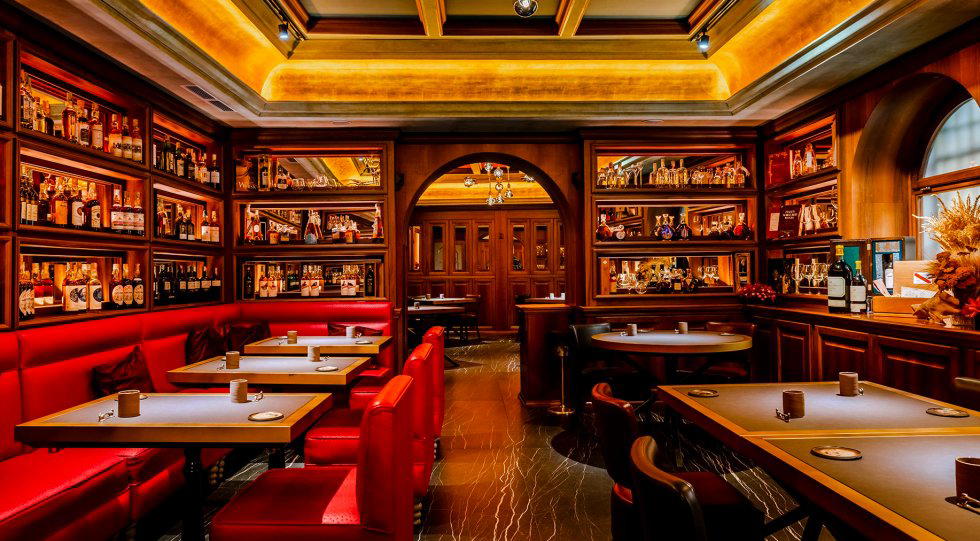
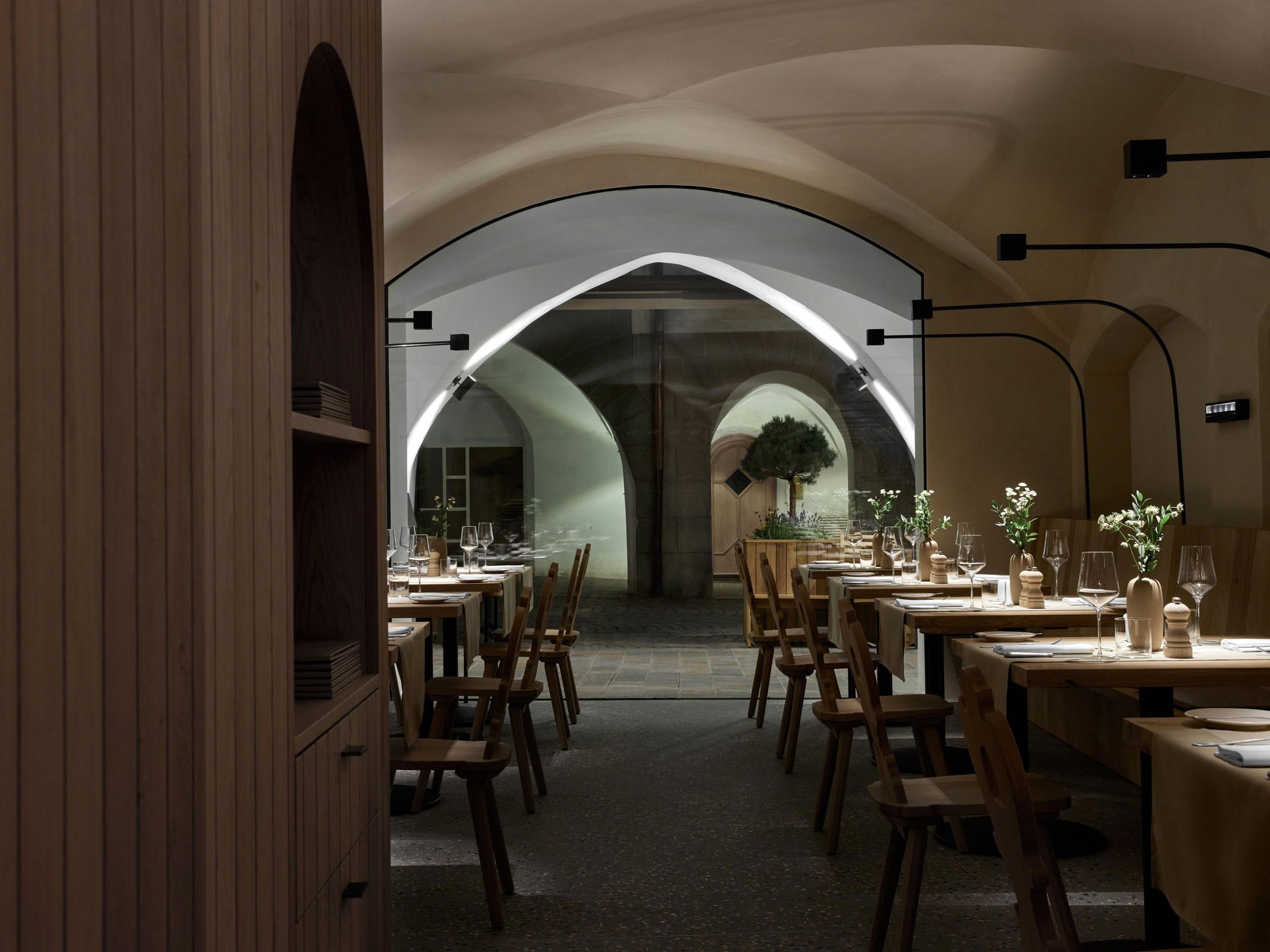
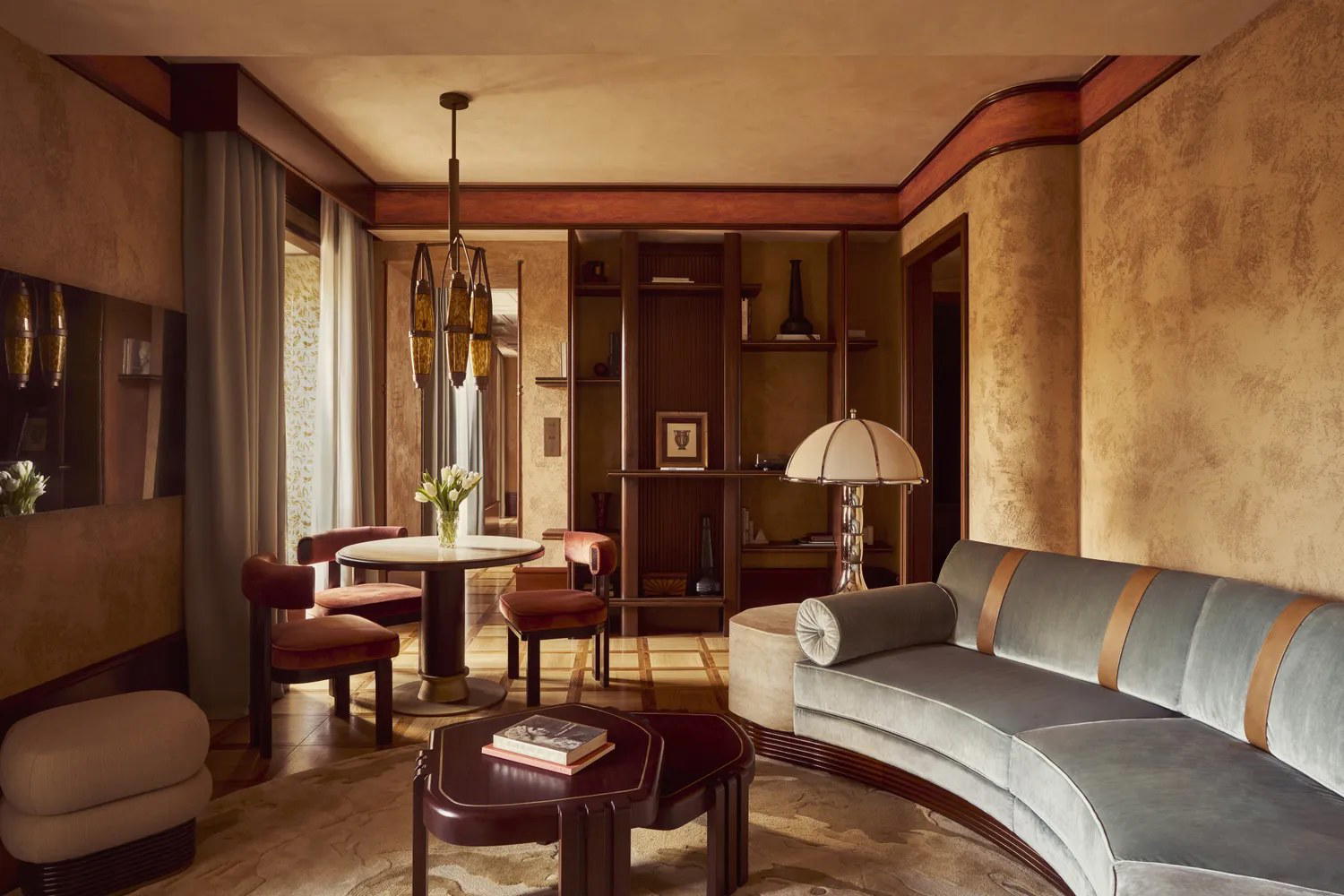
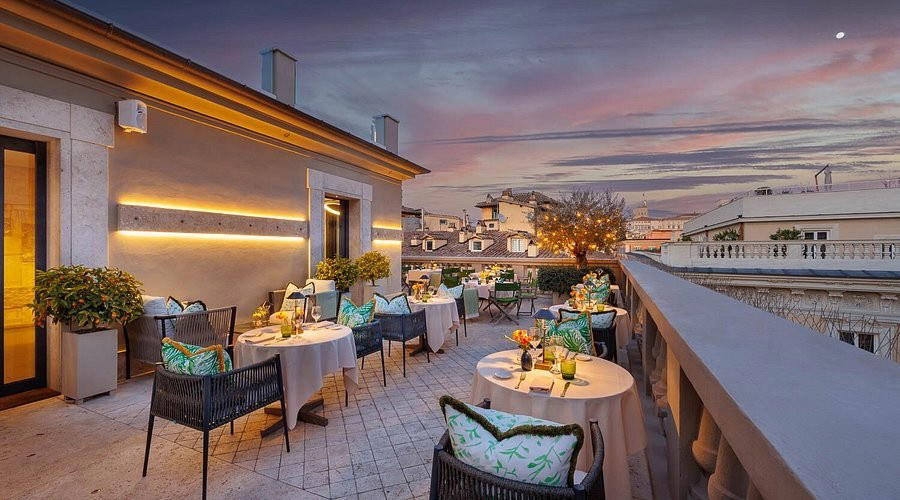
Classic 1930s decor with original mosaic paving and furnishings, bustling counter service inside, and relaxed outdoor seating overlooking the piazza.