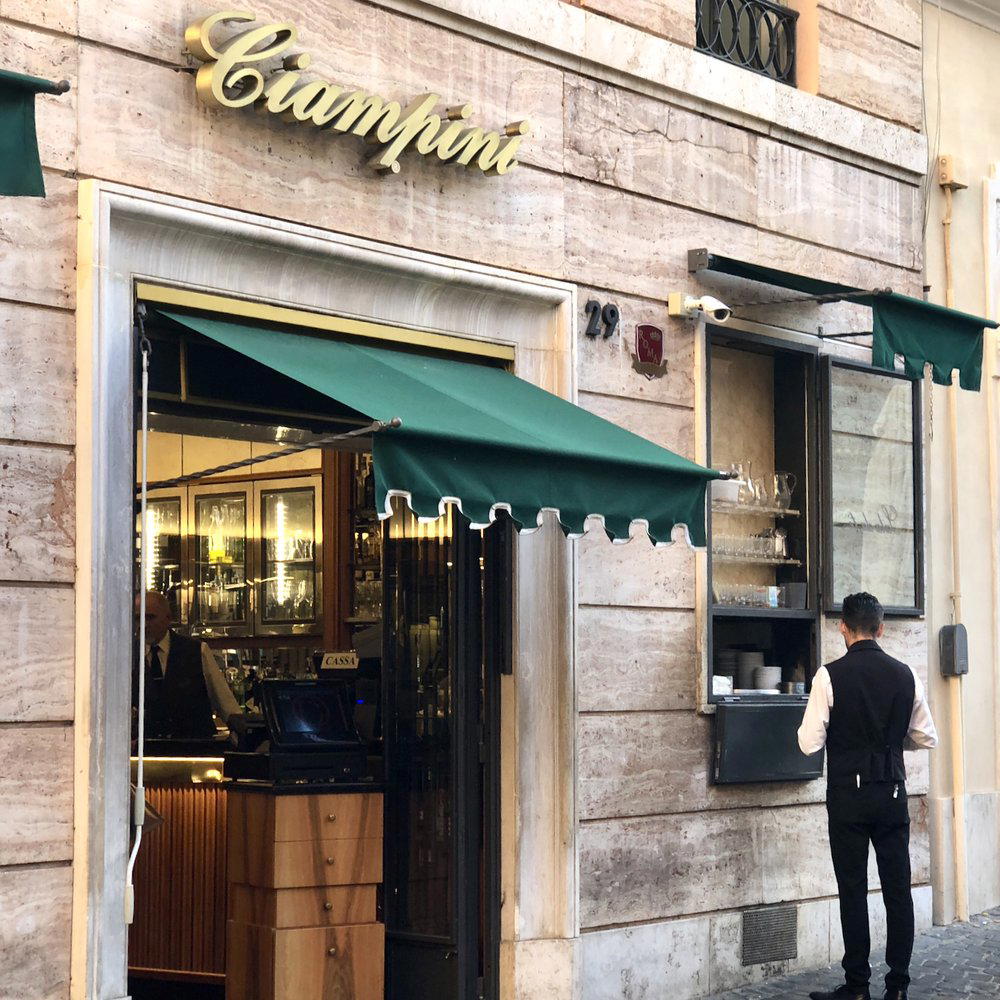
Ciampini Roma occupies one of Rome's more composed piazza addresses, Piazza di San Lorenzo in Lucina, where the aperitivo hour carries a different weight than the tourist-facing bars further south. Against the city's growing cocktail bar circuit, this is a café-bar that trades on place and patina rather than technical ambition, making it a useful reference point for how traditional Roman café culture holds its ground.

Pearl is the En Primeur Club membership app, where members save venues, book tables and use the concierge.
A Piazza That Does Most of the Work
Piazza di San Lorenzo in Lucina sits at a remove from the more heavily trafficked squares of central Rome. The church at its centre dates to early Christian Rome; the surrounding palazzi have housed the same mixture of professional offices, boutiques, and street-level cafés for decades. When you arrive at Ciampini Roma, the piazza context is not incidental to the experience. It is the experience, at least initially. Café culture in Rome has always been inseparable from the act of standing in, or beside, a specific piece of public space, and this address understands that equation.
Compared to the cocktail-forward bars that have redefined Rome's drinking scene over the past decade, Ciampini belongs to an older category: the neighbourhood café-bar that holds its position through consistency of place rather than menu evolution. Drink Kong and Jerry Thomas Speakeasy represent the technical, internationally recognised end of Rome's bar spectrum. Ciampini sits on the other pole, where the piazza does the heavy lifting and the drinks programme carries less of the editorial weight.
The Aperitivo Economy and What Survives It
Rome's café-bar sector has faced a structural tension for years. The aperitivo economy rewards venues that can generate high turnover in the early evening window, typically between 6pm and 9pm, while the traditional café model rewards loyalty, neighbourhood regulars, and a pace that does not privilege volume. The bars that have maintained credibility without reinventing themselves as cocktail destinations have generally done so by anchoring to a specific address with genuine public-square character. Piazza di San Lorenzo in Lucina provides that anchor for Ciampini.
For comparison, Freni e Frizioni in Trastevere built its following on a similar piazza logic, though with a younger demographic draw and a more deliberately curated Negroni rotation. Boeme operates at a different register again, leaning into a more design-conscious format. Ciampini's proposition is quieter and less programmatic than either.
Sustainability in the Café-Bar Format: The Case for Restraint
The sustainability conversation in Rome's hospitality sector has tended to cluster around restaurants rather than bars and cafés. Waste reduction, ethical sourcing, and seasonal menus are easier to talk about when the kitchen is producing food at volume. At the café-bar level, the sustainability questions are more diffuse but no less real: they appear in the choice of suppliers for coffee and spirits, in whether glassware is prioritised over single-use vessels, and in the broader question of whether a venue's presence in a neighbourhood is regenerative or extractive.
Piazza di San Lorenzo in Lucina is not a tourist thoroughfare in the way that Piazza Navona or Campo de' Fiori are. The bars and cafés that occupy it serve a mixed clientele of local professionals, shoppers, and visitors who find their way there with some intention. That demographic profile generally supports a more measured approach to waste and throughput than the high-volume, high-churn model that dominates the city's most photographed squares. A café-bar that draws regulars rather than one-time visitors has a different waste profile by default: fewer disposable cups, more predictable ordering patterns, less over-production.
Across Italy's café-bar sector, the venues that have maintained long-term neighbourhood relevance, whether Enoteca Storica Faccioli in Bologna or Al Covino in Venice, share a common trait: they are not optimised for discovery-platform traffic. Their sustainability, in both the environmental and commercial sense, comes from depth of local relationship rather than breadth of transient appeal. That model is worth taking seriously as the industry debates what responsible hospitality looks like at scale.
How Ciampini Sits in the Wider Italian Bar Picture
Italy's bar culture is internally diverse in ways that the aperitivo shorthand tends to flatten. The Milanese format, well represented by 1930 in Milan, leans toward technical ambition and speakeasy theatrics. Florence has produced venues like Gucci Giardino, where design identity and brand narrative carry as much weight as the drinks. Naples produces something different again: L'Antiquario in Naples draws on a particular southern Italian relationship with history and craft.
Rome's contribution to this picture has historically been the piazza café rather than the cocktail bar. The city has developed a serious cocktail scene in the past decade, but the café-bar format remains the more numerically dominant and culturally embedded category. Ciampini is representative of that category rather than exceptional within it. Which is not a diminishment: representing a durable civic format at a good address is its own form of distinction.
For those approaching Rome from a wider Mediterranean frame, it is worth noting that the café-bar model that Ciampini represents has analogues elsewhere in the region. Lost & Found in Nicosia operates in a different cultural register but shares the same instinct for place-based drinking over programme-based drinking. The comparison is more instructive than a ranking would be.
Planning a Visit
Piazza di San Lorenzo in Lucina is walkable from Via del Corso and sits within reasonable range of the Pantheon and Piazza di Spagna, making it a sensible stop within a broader itinerary of central Rome rather than a dedicated destination trip. The piazza itself rewards the visit regardless of whether you settle at Ciampini or one of its immediate neighbours: the scale is human, the architecture is not being used as a backdrop for anything, and the pace of the square reads as authentically Roman in a way that becomes harder to find closer to the major monuments.
For those building a Rome drinking itinerary that covers more than one register, the combination of a piazza café stop at San Lorenzo in Lucina with an evening session at Drink Kong or a visit to Jerry Thomas Speakeasy covers the full span of what the city currently offers. See our full Rome restaurants and bars guide for a mapped view of how the different neighbourhoods and formats relate to each other. For bar travellers who have already covered Rome's technical cocktail tier and want something further afield, Bar Leather Apron in Honolulu represents a different but equally place-rooted approach to the craft bar format.
A quick snapshot of similar venues for side-by-side context.
| Venue | Price | Awards |
|---|---|---|
| Ciampini RomaThis venue (the venue you are viewing) | $20–30 | Not listed |
| Drink Kong | $50–100 | World's 50 Best #32 · Falstaff Bar - 96 Falstaff Points |
| Freni e Frizioni | $10–20 | World's 50 Best #31 · Falstaff Bar - 94 Falstaff Points |
| Jerry Thomas Speakeasy | Not listed | World's 50 Best #98 · Top 500 Bars Best Bars #174 |
| Boeme | $10–20 | World's 50 Best #47 |
Continue exploring
More in Rome
Bars in Rome
All bars in Rome →
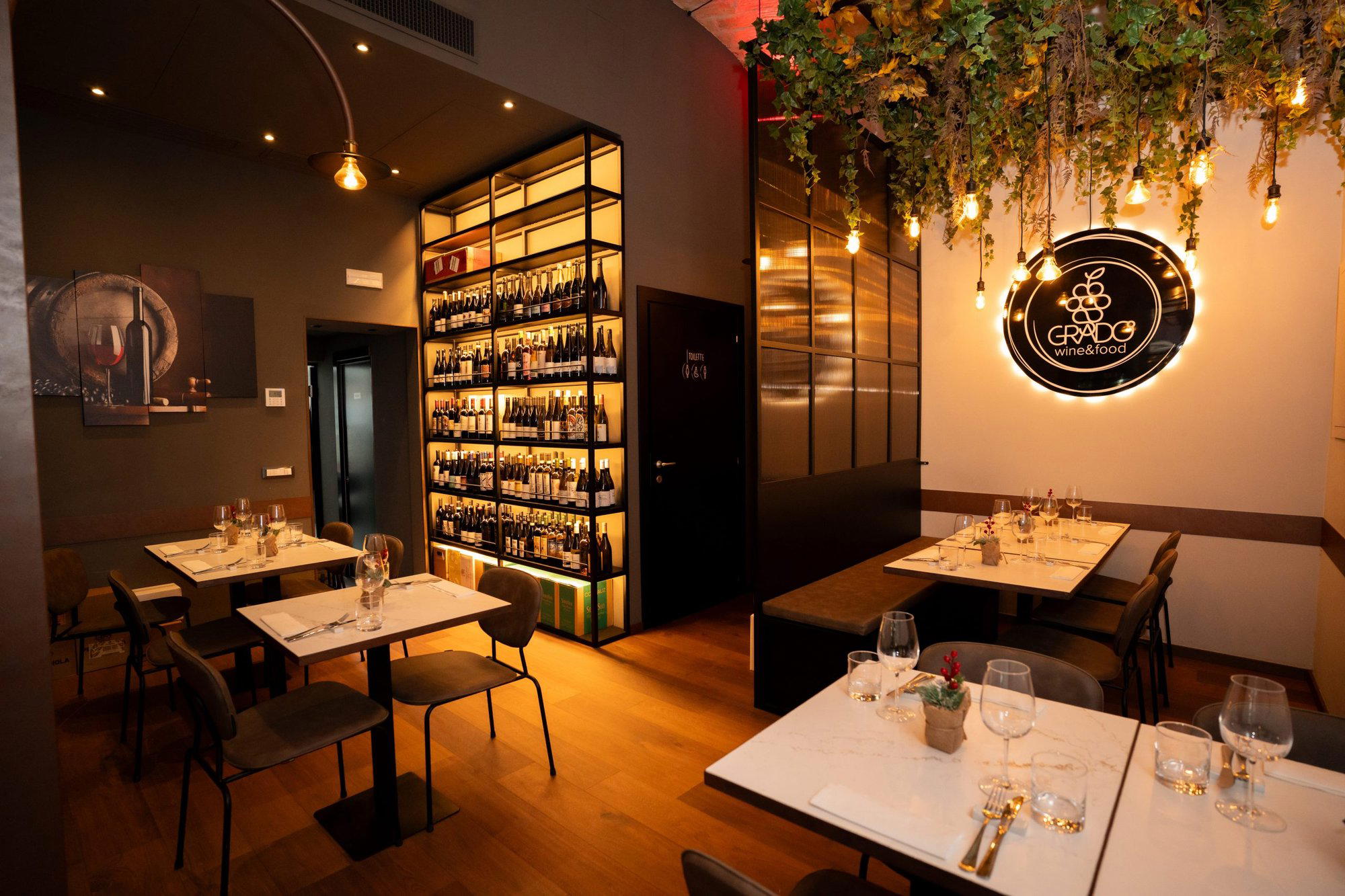
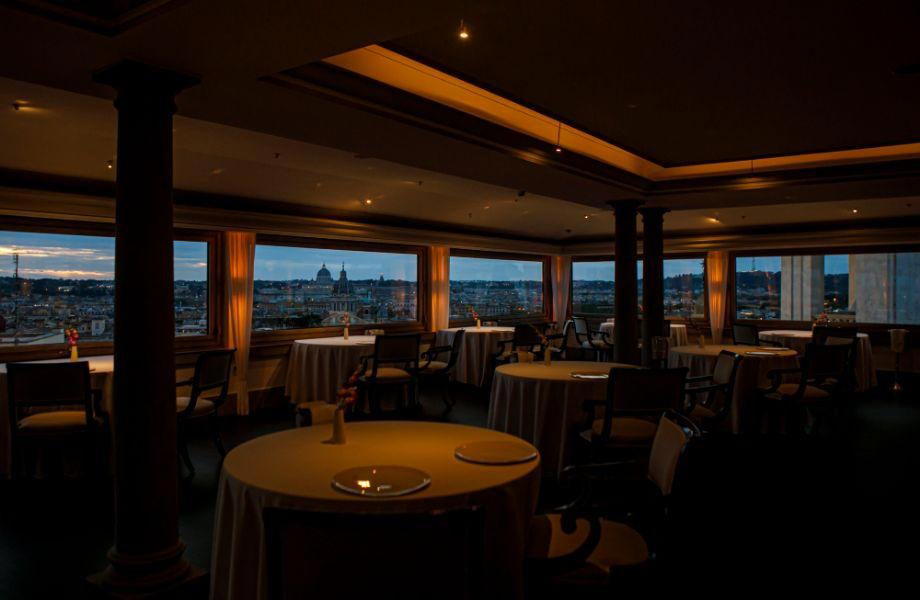
Restaurants in Rome
All restaurants in Rome →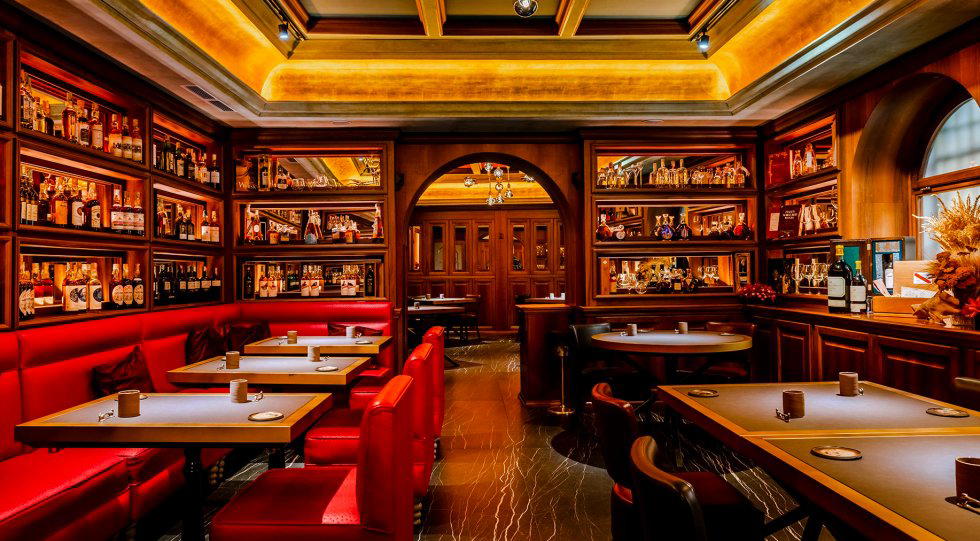
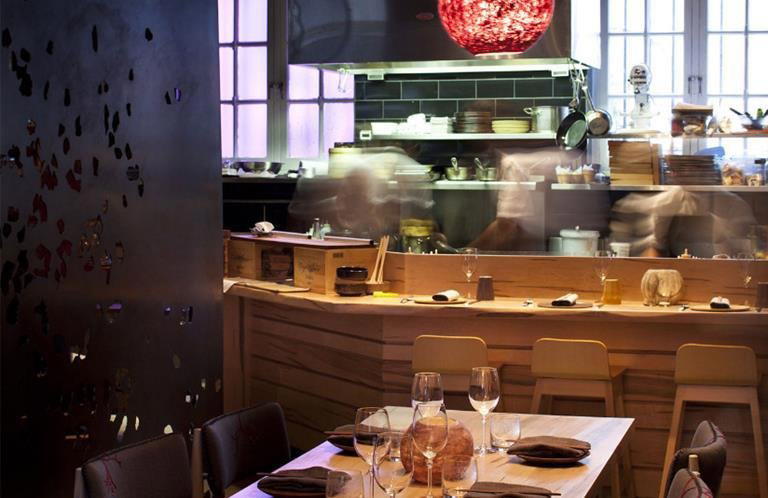
Hotels in Rome
All hotels in Rome →

Ciampini Roma
The drinks
- Classic cocktails
Signature drinks: Aperol Spritz.
Details
- Classic
- Elegant
- Well Known
- Romantic
- Date Night
- Casual Hangout
- After Work
- Historic Building
- Terrace
- Panoramic View
- Outdoor Terrace
- Lounge Seating
- Classic Cocktails
- Street Scene
- Skyline
Current opening hours
- Monday
- 8 AM–10 PM
- Tuesday
- 8 AM–10 PM
- Wednesday
- 8 AM–10 PM
- Thursday
- 8 AM–10 PM
- Friday
- 8 AM–10 PM
- Saturday
- 8 AM–10 PM
- Sunday
- 8 AM–10 PM
Hours can change for holidays and private events. Hours as of .
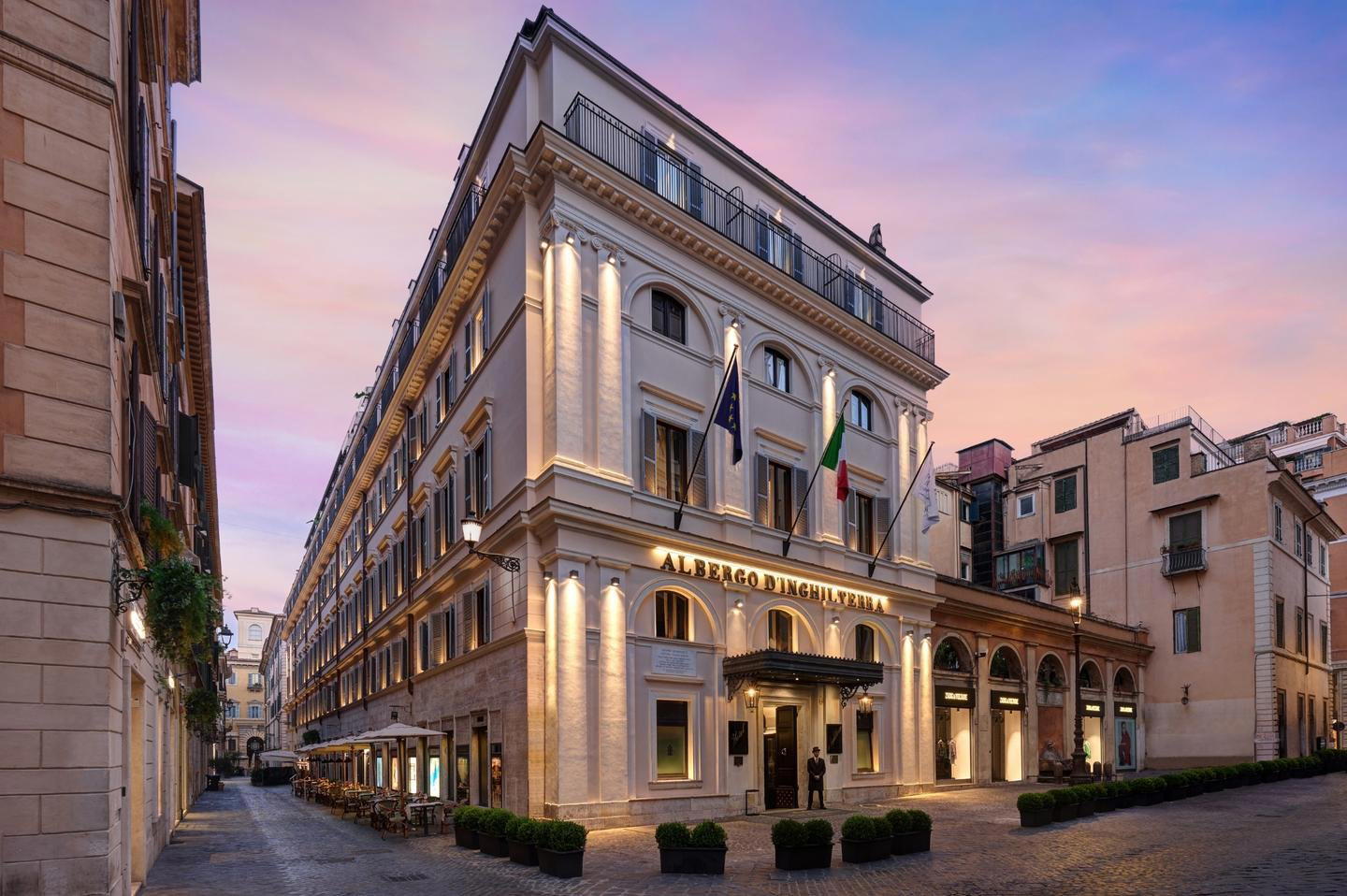
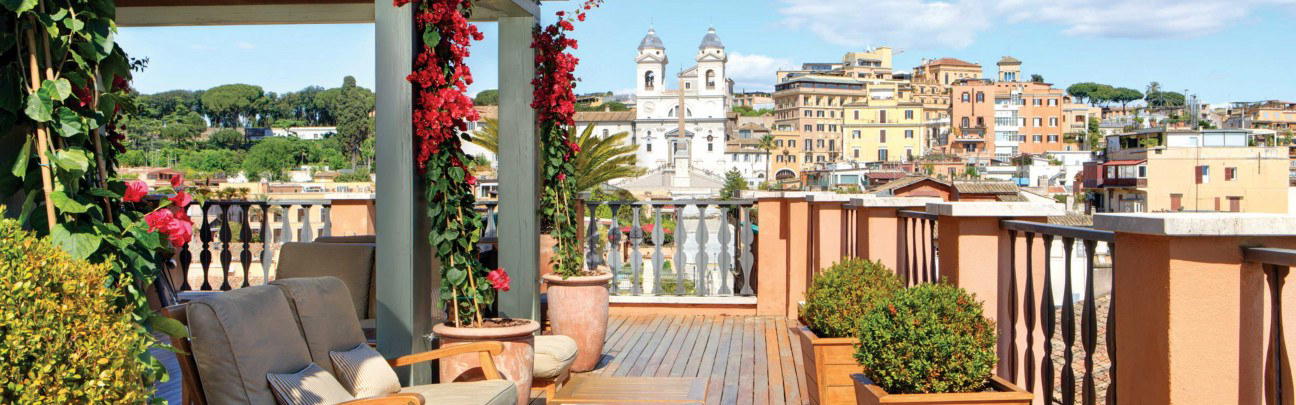
Charming historic atmosphere with outdoor terrace seating in picturesque piazzas, elegant lighting reflecting on gracious buildings during aperitivo hour.