Hotel Chinzanso Tokyo occupies one of the city's most storied garden estates in Bunkyo, where four hectares of ancient moss, stone lanterns, and a three-storey pagoda create a setting found nowhere else in central Tokyo. The property sits at the intersection of traditional Japanese garden culture and contemporary hotel design, offering multiple dining formats and a deeply considered approach to seasonal space.
Pearl is the En Primeur Club membership app — saves, bookings, and concierge access live there. Same editors, same standards.
- Address
- 2 Chome-10-8 Sekiguchi, Bunkyo City, Tokyo 112-8680, Japan
- Phone
- +81 3 3943 1111
- Website
- hotel-chinzanso-tokyo.jp
- Directions
- Get directions
 Saves & bookings on Pearl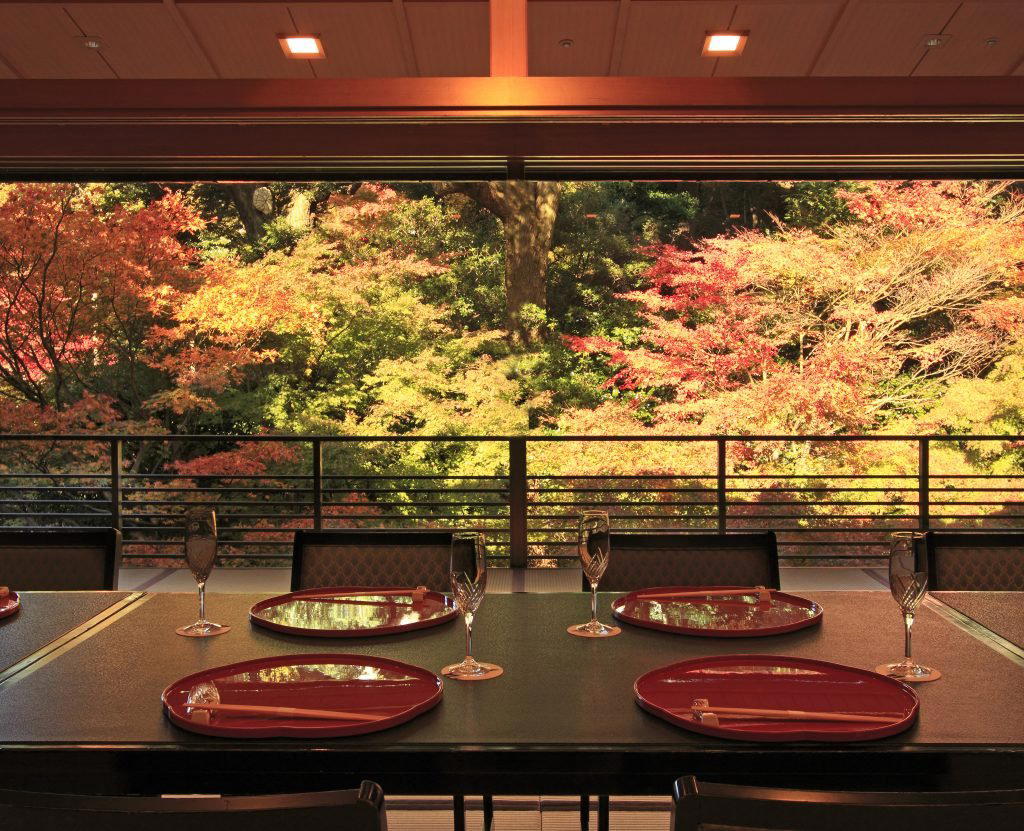
A Garden That Predates the Hotel
Most Tokyo hotels claim nature as an amenity. At Hotel Chinzanso Tokyo, the garden is the premise. The 4.2-hectare estate in Bunkyo's Sekiguchi district traces its origins to the Meiji era, when the land was cultivated by Prince Yamagata Aritomo as a private retreat. The property passed through several hands across the twentieth century before being developed into a hotel, but the garden itself has remained substantially intact — ancient cedars, stone lanterns relocated from Kyoto and Hiroshima, and a three-storey pagoda dating to the Kamakura period sit across moss-covered terrain that reads less like a hotel garden and less like a botanical exhibit, and more like a shrine precinct that happens to have rooms attached.
Arriving from the street, the transition is immediate. The noise of central Tokyo drops behind a tree line within twenty metres of the entrance. This is a spatial fact, not a romantic flourish: Bunkyo is quieter than Shinjuku or Ginza to begin with, and the estate's elevation and dense planting deepen that effect. The approach to the main building — past water features, stone paths, and the kind of moss that takes decades to establish, sets up the hotel's central proposition before any check-in desk is reached.
The Physical Environment as Design Argument
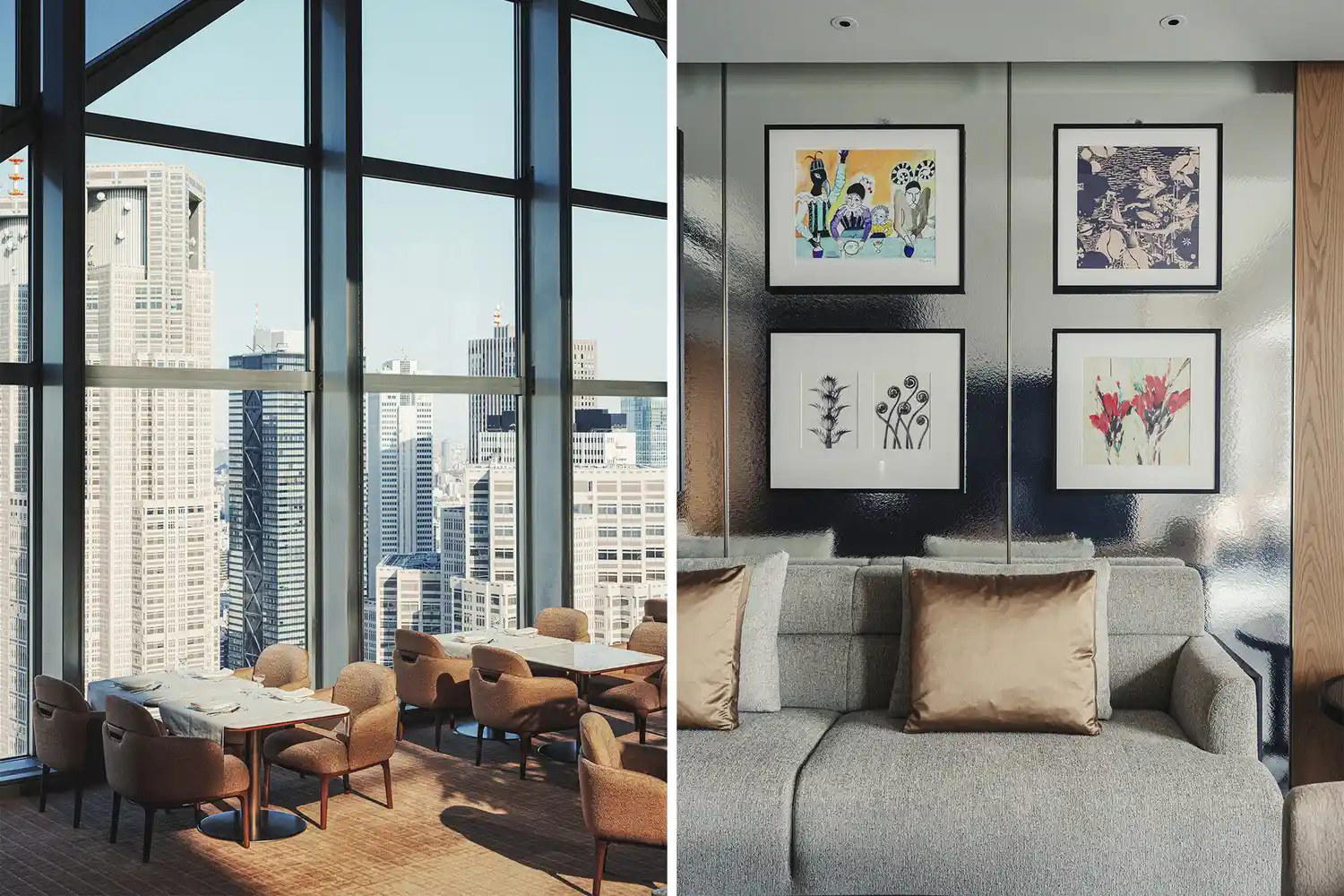
Tokyo luxury hotels divide broadly into two categories: vertical city properties that use floor height and panorama as their primary design gesture, and low-rise or mid-rise properties that use land and space. Chinzanso belongs firmly to the second type, and within that category it occupies an unusual position because the land itself is the asset. Where a hotel like the Park Hyatt or the Andaz Tokyo uses altitude and glass to deliver a version of Tokyo to the guest, Chinzanso uses depth, enclosure, and time, the sense that the space around you has been accumulating meaning for over a century.
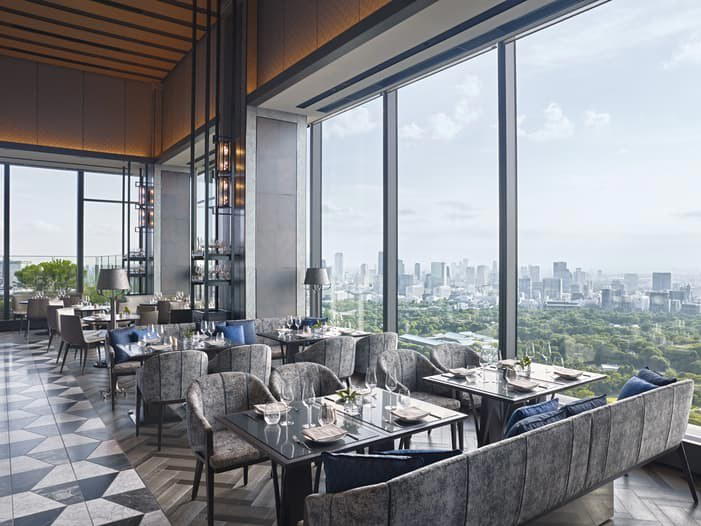
The interiors follow that logic. Public spaces run toward high ceilings, natural materials, and a colour palette drawn from the garden rather than from contemporary hospitality design trends. Guest rooms facing the garden give direct sightlines to the pagoda and tree canopy rather than to a city skyline. The property operates across substantial physical scale, multiple banquet and event floors, several distinct restaurants, and extensive meeting facilities, but the organisation of the grounds means those volumes don't register as convention-hotel mass from most vantage points inside the estate.
Dining Inside the Estate
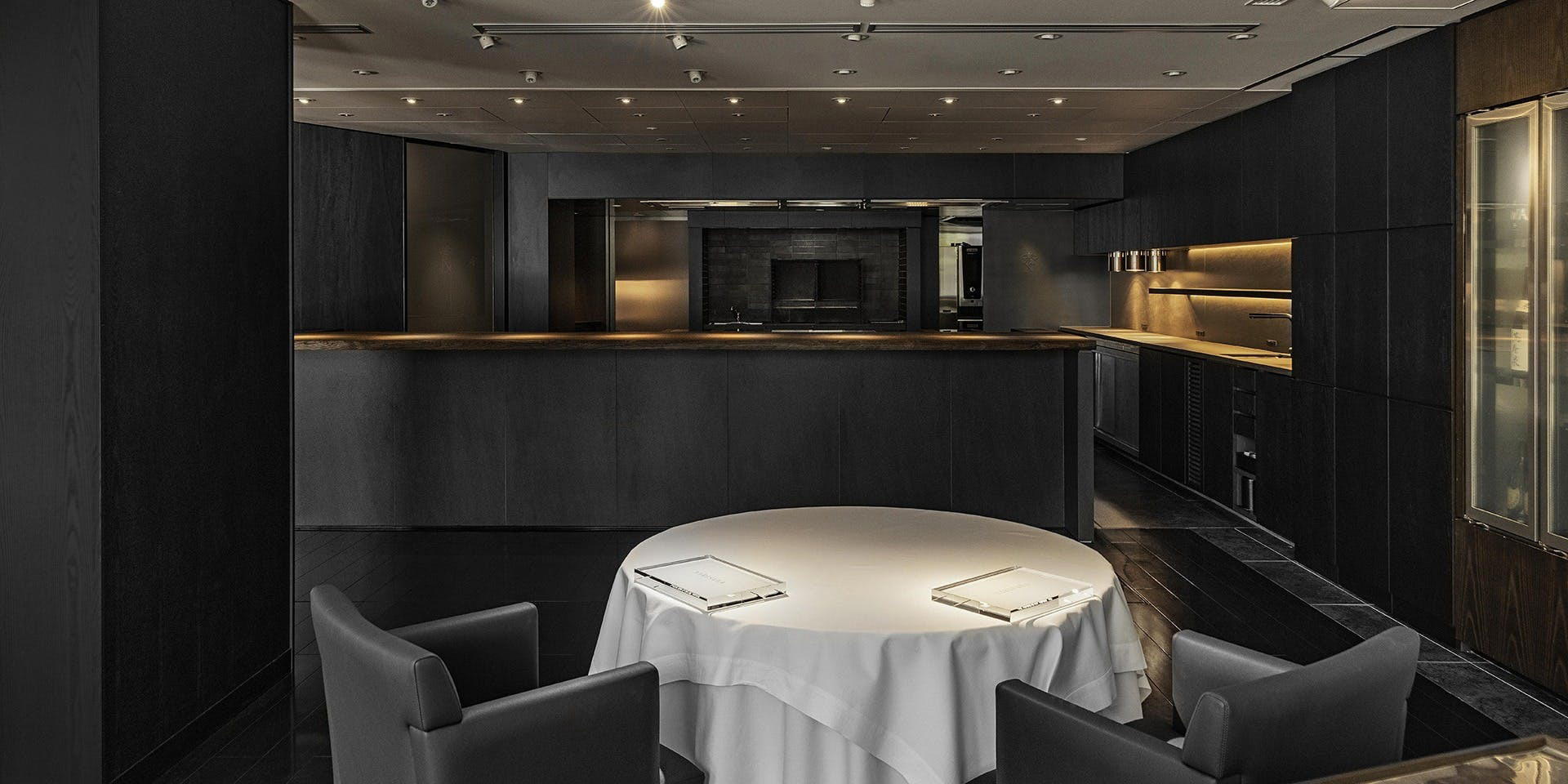
Multi-restaurant hotel properties in Tokyo tend to cluster their dining options on a single floor or in a dedicated wing. Chinzanso distributes its food and beverage program differently, with outlets that relate to specific views of or positions within the garden. The approach reflects a broader pattern in Japanese hospitality: the meal as an occasion calibrated to season, setting, and time of day rather than cuisine type alone.
The property's dining range covers Japanese and French formats across multiple rooms, with a teppanyaki counter and banquet-scale capacity sitting alongside smaller, more intimate configurations. In late spring and early summer, the estate becomes known for its firefly evenings, a seasonal phenomenon where the hotel's cultivation of the garden's stream and planting conditions produces a genuine hotaru display, attracting both hotel guests and reservation-only evening visitors. This is not theatrical production; the fireflies are real, and the season is short, typically running across several weeks in June. For a hotel to maintain this as a recurring feature requires sustained horticultural commitment across the full year.
Visitors planning around the garden's seasonal characteristics should note that autumn foliage and early spring plum blossom also alter the estate's atmosphere substantially. Booking in these windows, particularly for garden-facing rooms or outdoor dining positions, rewards planning several months in advance.
Positioning Within Tokyo's Hotel Tier
Chinzanso operates in Tokyo's upper tier of full-service hotels but competes on a different axis from the international branded properties concentrated in Shinjuku, Marunouchi, and Roppongi. The Hoshinoya Tokyo and the Hoshino Resort properties use something adjacent to this logic at smaller scale; the Imperial Hotel references historical continuity through its Ginza-adjacent address and longevity. Chinzanso's specific combination of Meiji-era garden, Kamakura-period architectural artifacts, and large-scale contemporary hotel operation is particular to this address in Bunkyo.
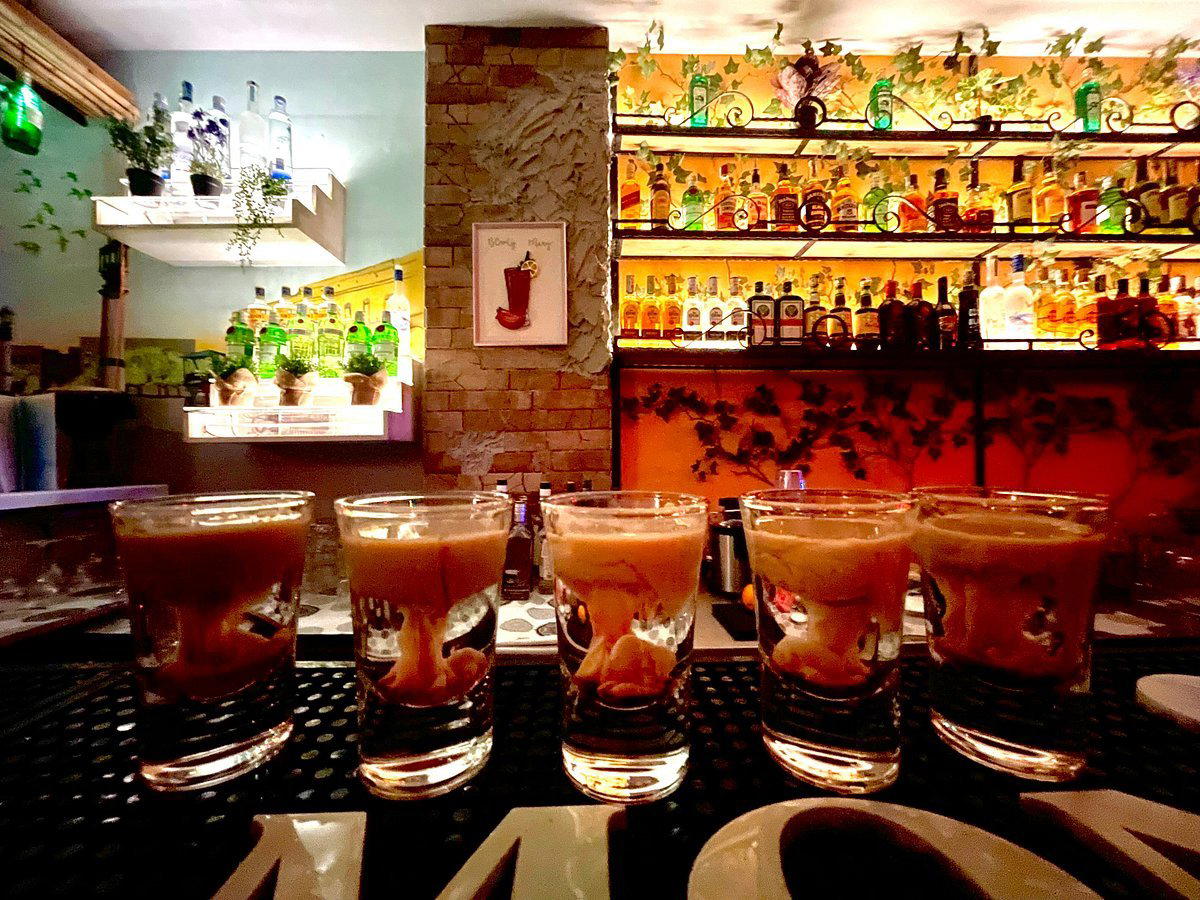
For Tokyo visitors whose primary interest is bars and cocktail culture, Bunkyo is not where the action concentrates. The city's serious cocktail programs cluster further south and east: Bar Benfiddich, Bar High Five, Bar Orchard Ginza, and Bar Libre all operate in Shinjuku or Ginza, a twenty-to-thirty minute journey from the estate. That distance is not a reason to avoid Chinzanso; it is relevant context for guests building a broader Tokyo program. The hotel functions as a base and a destination in its own right rather than as a walk-to hub for the city's bar and restaurant density.
For those extending a Japan itinerary beyond Tokyo, the same editorial logic applies: Bar Nayuta in Osaka, Bee's Knees in Kyoto, and Lamp Bar in Nara represent the bar culture of their respective cities at a similar level of seriousness. Further afield, Yakoboku in Kumamoto and anchovy butter in Osaka extend the map for those covering western Japan. The Kyoto Tower Sando occupies a different tier, and Bar Leather Apron in Honolulu sits outside Japan entirely but draws on Japanese bartending lineage for guests whose itinerary spans the Pacific. The full context for Tokyo's hospitality scene is covered in our full Tokyo restaurants guide.
Planning a Stay
Hotel Chinzanso Tokyo sits in Bunkyo City, accessible from central Tokyo by taxi in roughly fifteen to twenty-five minutes depending on origin point and traffic. The Edogawabashi and Gokokuji subway stations are within walking distance via the Yurakucho and Marunouchi lines respectively. The estate scale means it handles large groups, weddings, and corporate events alongside leisure stays, which affects lobby and restaurant atmosphere on certain evenings. Guests preferring quieter conditions should consider weeknight arrivals and mid-week stays outside of cherry blossom and autumn foliage peaks. The firefly season in June, while atmospheric and genuinely rare for a central Tokyo address, draws additional evening visitors to the garden, so room bookings during that window warrant early confirmation.
Budget and Context
Comparable options at a glance, pulled from our tracked venues.
| Venue | Awards |
|---|---|
| Hotel Chinzanso TokyoThis venue — the venue you are viewing | Not listed |
| Bar Benfiddich | World's 50 Best |
| Bulgari Ginza Bar | World's 50 Best |
| Star Bar Ginza | World's 50 Best |
| The Bellwood | World's 50 Best |










At a Glance
- Elegant
- Sophisticated
- Classic
- Scenic
- Date Night
- Special Occasion
- After Work
- Hotel Bar
- Garden
- Lounge Seating
- Seated Bar
- Classic Cocktails
- Sake
- Whiskey
- Garden
Sophisticated and elegant with classic mahogany décor reminiscent of a fine European home, offering a tranquil setting to unwind.
Know Before You Go
- Getting there
- 2 Chome-10-8 Sekiguchi, Bunkyo City, Tokyo 112-8680, Japan