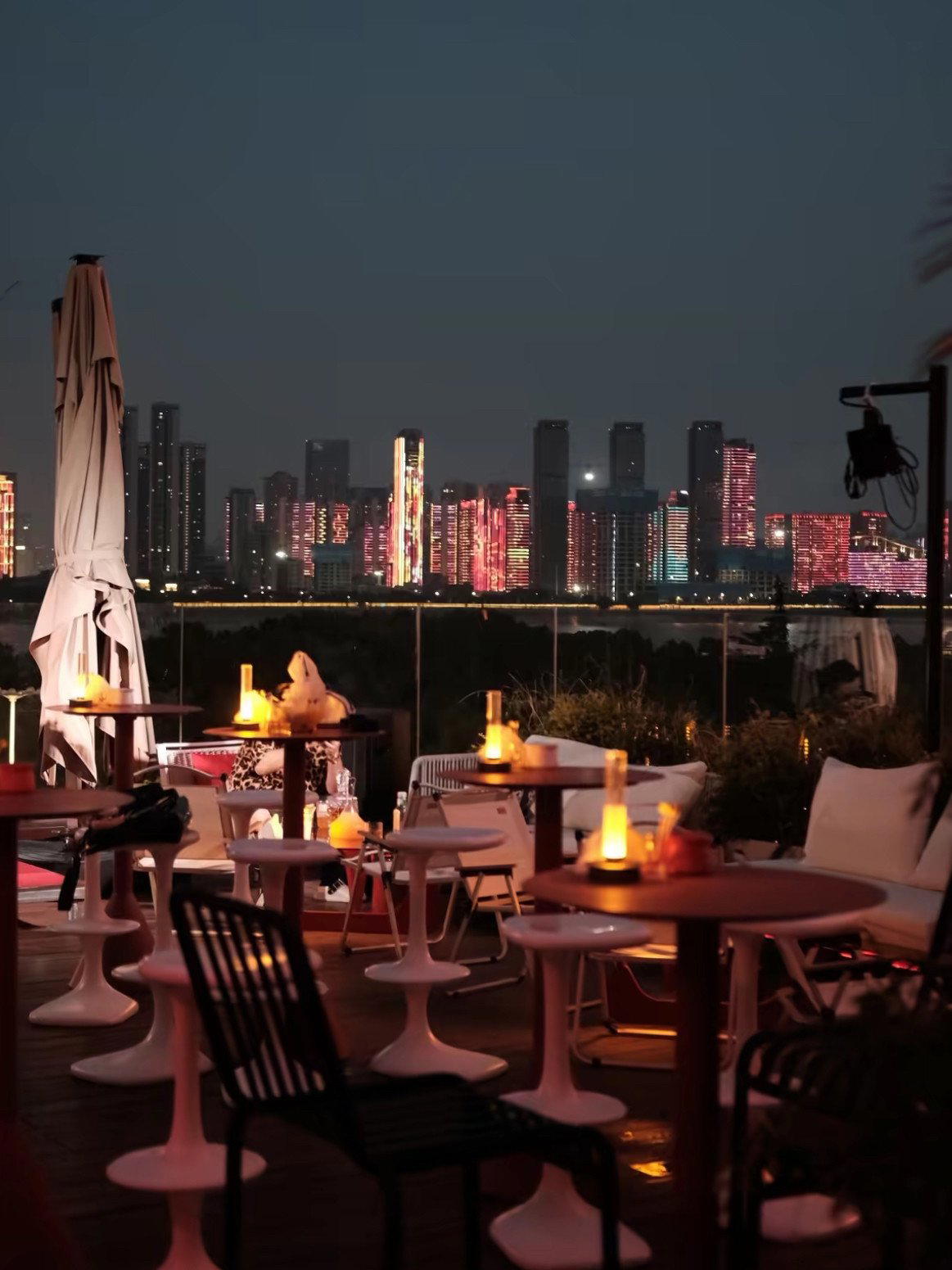
Wuhan's rooftop bar scene has a clear upper tier, and FLAIR occupies it. Positioned above the city with a cocktail programme that places it alongside China's more serious drinking destinations, it draws a crowd that knows the difference between a hotel bar and a bar that happens to be in a hotel. The view is context; the drinks are the argument.
Pearl is the En Primeur Club membership app — saves, bookings, and concierge access live there. Same editors, same standards.
- Address
- Wuhan, China
- Website
- flairrooftopbarshanghai.com
 Saves & bookings on Pearl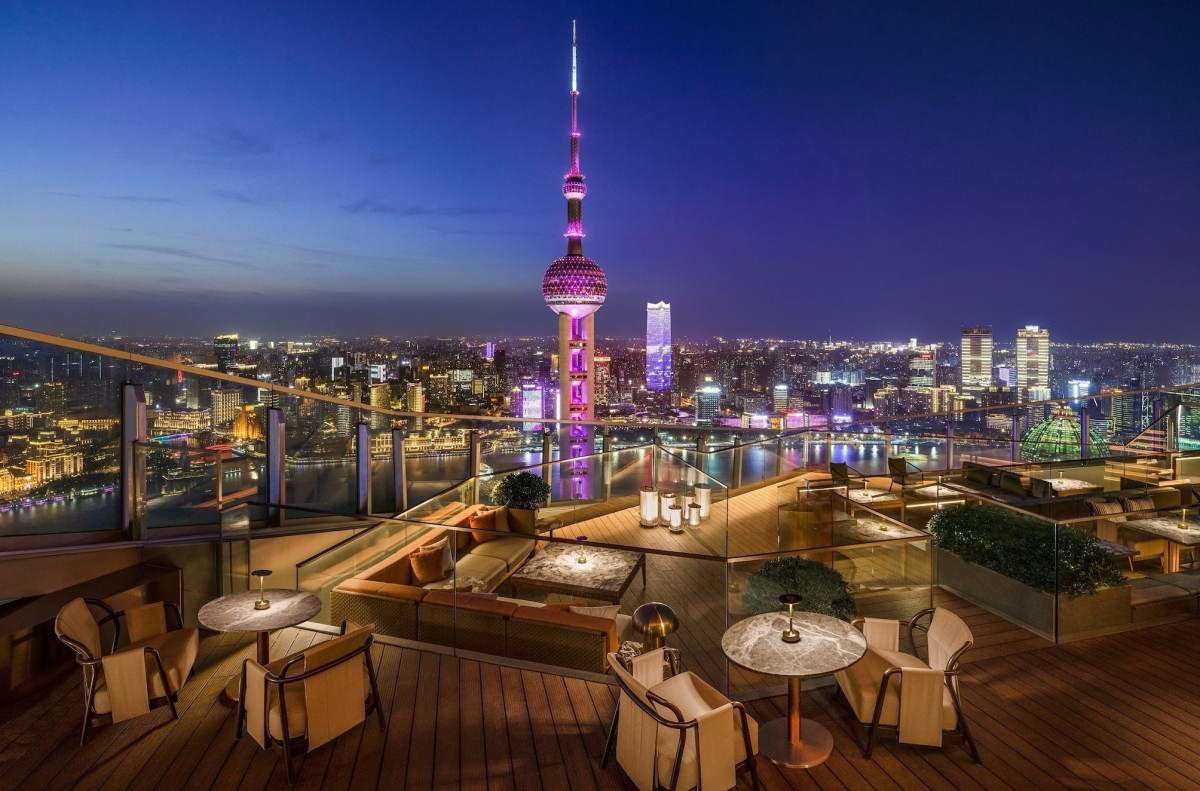
Drinking at Altitude in Central China
China's interior bar culture has shifted considerably over the past decade. While Shanghai and Beijing accumulated the critical mass of internationally trained bartenders and overseas-referencing programmes, cities like Wuhan began developing their own upper tier, pulling talent inward and building venues that compete on craft rather than novelty. FLAIR sits inside that shift. FLAIR is a rooftop bar in Wuhan, with a price tier of about US$75 per person and a smart-casual dress code. As a rooftop bar and nightlife destination in Wuhan, it operates in a category where the view is the obvious draw but the cocktail programme is the actual differentiator between a venue worth planning around and one worth passing through.
That distinction matters in a city of Wuhan's scale. The result is a city where serious drinking venues have developed on their own terms. Its positioning as a rooftop destination gives it a broad audience; its drinks programme is what keeps the more particular drinker returning.
The Cocktail Programme: What Drives the Conversation
Rooftop bars in China's major cities broadly divide into two categories. The first trades on altitude and atmosphere, producing drinks that are serviceable but secondary to the Instagram geometry of the skyline. The second uses the refined setting as a platform for a programme that could hold its own at ground level. FLAIR belongs to the second category.
Across China's more serious cocktail destinations, the prevailing creative direction in recent years has moved toward local-ingredient integration: Sichuan pepper, baijiu as a base or modifier, aged tea distillates, preserved citrus from regional producers. Wuhan, positioned at the confluence of the Han and Yangtze rivers and embedded in central China's agricultural and culinary tradition, offers a credible local pantry for a bartender willing to engage with it. A programme that draws on that regional context, rather than defaulting to a Western-spirits-first menu with minimal local dialogue, signals genuine investment in the setting rather than a generic rooftop format dropped into a new postcode.
For comparison, Hope and Sesame in Guangzhou built its reputation partly on exactly this kind of local-ingredient rigour, and Obsidian Bar in Shenzhen operates in a similarly technique-forward register. FLAIR's position in Wuhan places it in a comparable conversation for central China.
Setting and Format
Rooftop venues in Chinese cities tend to follow predictable visual logic: glass railings, low sectional seating, a bar counter that doubles as a backdrop for photography. The format works because the setting does much of the work. What separates the more considered venues is how they layer programme and service onto that baseline. The transition from daytime to evening operation, the music calibration, the degree to which staff can talk about what is in the glass rather than simply deliver it: these are the signals that distinguish a bar from a bar-adjacent experience.
FLAIR's nightlife dimension means it operates across a wider time arc than a purely cocktail-focused counter. Venues like CMYK in Changsha have demonstrated that serious programming and late-night energy are not mutually exclusive in central China's urban bar market. The question for any rooftop operation is whether the cocktail programme maintains coherence as the evening shifts register, or whether it defaults to high-volume, low-complexity service once the crowd grows. The former is the harder achievement and the more reliable indicator of programme integrity.
Wuhan's Bar Scene in Context
Wuhan's position as a transport and commercial hub for central China means its hospitality sector draws from a larger transient population than most inland cities of comparable size. The high-speed rail connections linking Wuhan to Beijing, Shanghai, Guangzhou, and Chengdu bring a well-travelled, comparison-making audience that has eaten and drunk in more established markets. This raises the competitive baseline for venues operating at FLAIR's price tier, in ways that would not apply to a rooftop bar in a more isolated secondary city.
The city's bar culture also benefits from a substantial student population, distributed across several major universities, that skews younger and more internationally aware than the demographics of purely commercial cities. That mix, transient professionals and a locally rooted younger crowd, creates the conditions for a venue that can sustain both nightlife volume and programme credibility without the two working against each other.
For those building an itinerary around China's interior drinking destinations, FLAIR sits alongside venues like ÉPANOUIR in Xiamen and Lobby Bar in Nanjing as evidence that the country's serious bar culture extends well beyond the coastal tier-one cities. Jeno Belgium Pub in Xi'an represents a different format register, but the same underlying point: the interior has its own credible programme depth. Internationally, the comparison set extends to venues like Bar Leather Apron in Honolulu and The Ritz-Carlton Bar and Lounge in Macau, both of which operate in tourist-heavy markets while maintaining programme seriousness.
Planning a Visit
FLAIR operates as a rooftop bar and nightlife venue, which means the practical calculus differs from a reservation-led dinner counter. Arrival timing shapes the experience considerably. Earlier in the evening, when the crowd is thinner and the bar team less stretched, the cocktail programme gets the attention it warrants. Later, as the nightlife dimension takes over, the format shifts toward something more atmospheric than analytical. Neither is wrong; they are different experiences, and knowing which you are after determines when to arrive.
Wuhan's hotel and hospitality infrastructure around its main commercial districts provides a logical base for visitors. Those interested in the afternoon and early-evening cocktail format in a more contained setting might also consider The Lobby Lounge, which operates in a different register but serves a comparable audience looking for considered drinks without the nightlife component.
Comparable Venues
Comparable venues nearby, for context on price, style, and recognition.
| Venue | Cuisine | Price | Notes |
|---|---|---|---|
| FLAIRThis venue — the venue you are viewing | rooftop_bar | $$$ | Not listed |
| The Lobby Lounge | hotel_bar | $$$ | Hankou |
Continue exploring
More in Wuhan
Bars in Wuhan
Browse all →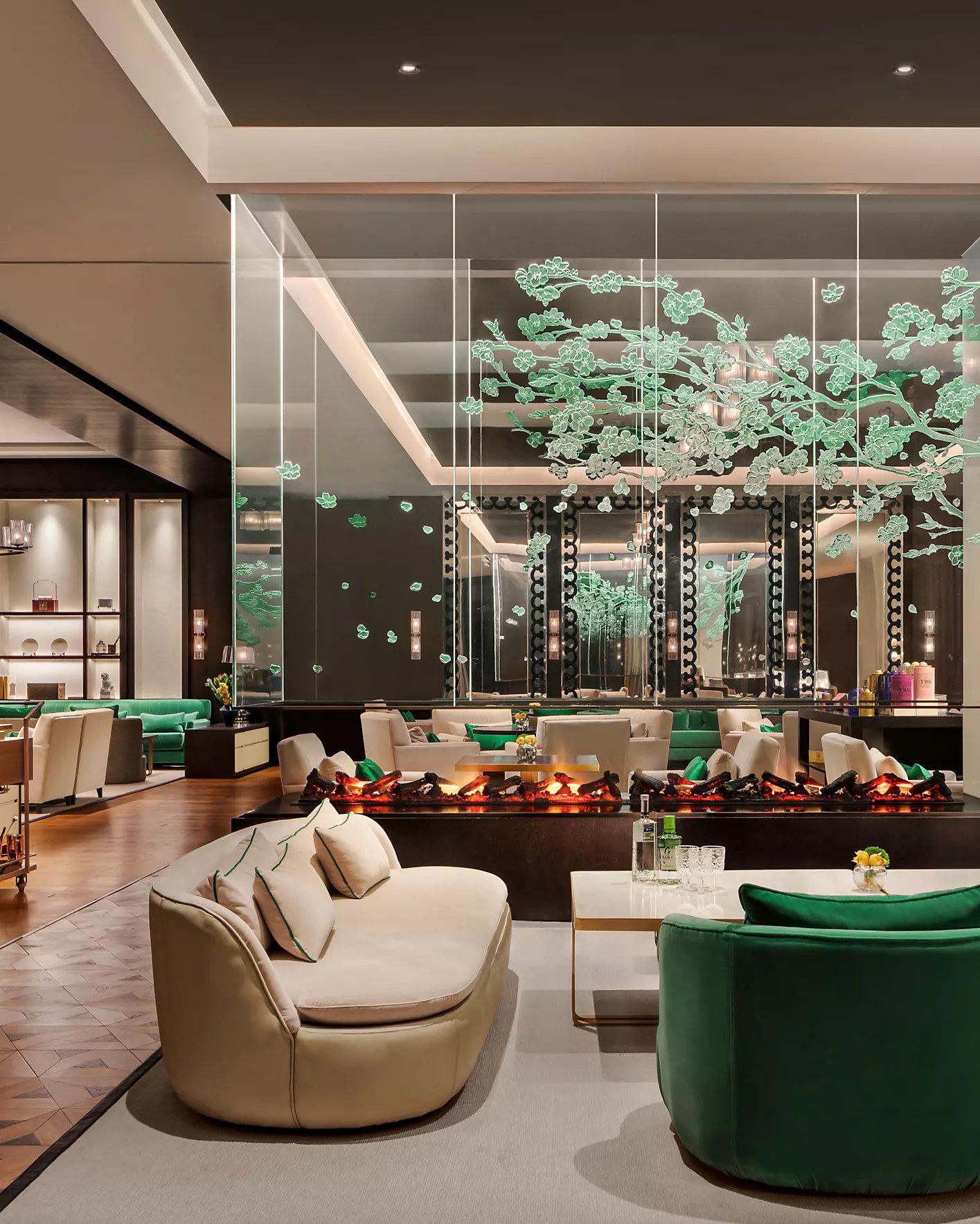
Restaurants in Wuhan
Browse all →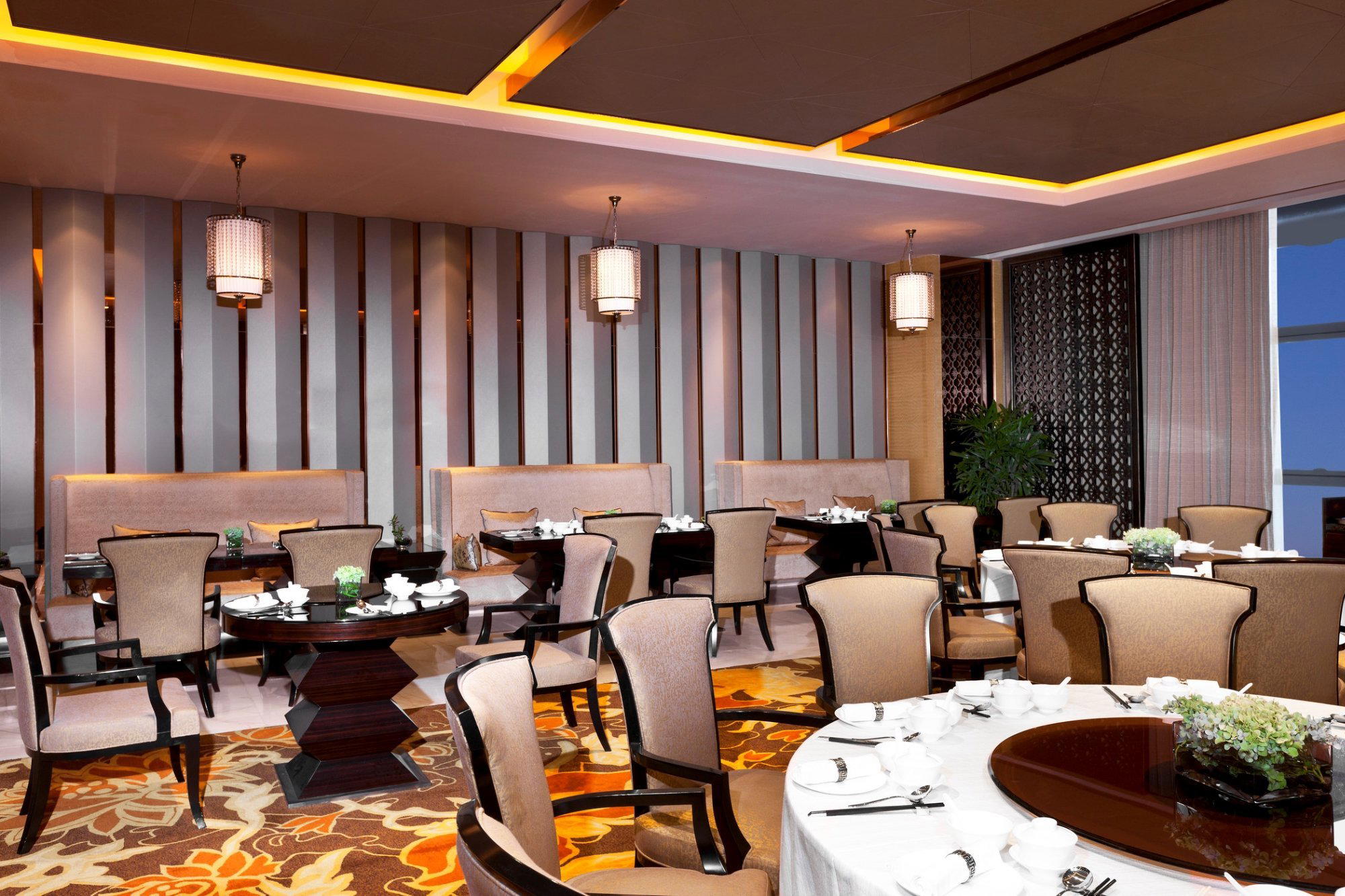
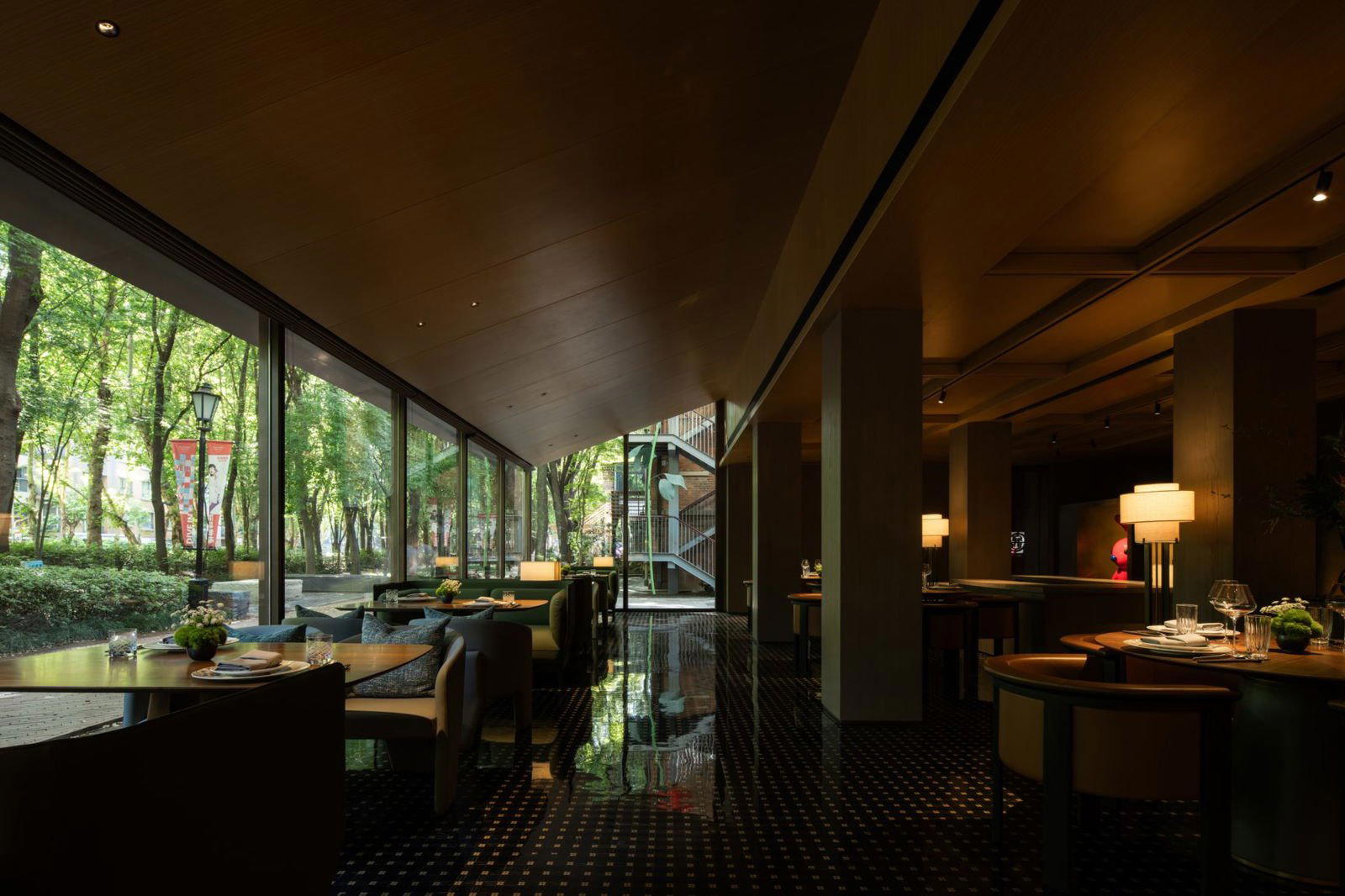
Hotels in Wuhan
Browse all →
At a Glance
- Elegant
- Sophisticated
- Scenic
- Modern
- Date Night
- Celebration
- Special Occasion
- After Work
- Rooftop
- Panoramic View
- Hotel Bar
- Design Destination
- Waterfront
- Lounge Seating
- Outdoor Terrace
- Seated Bar
- Craft Cocktails
- Conventional Wine
- Craft Beer
- Bottle Service
- Waterfront
Warm blend of rustic and contemporary design with loft-like lounge ambience indoors; casually elegant and relaxed outdoor setting with lounge sofas.