
Gambero Rosso Tre Torte
On Via Cadriano in Bologna's northern reaches, Gino Fabbri Pastry la caramella operates within Italy's most demanding tradition of pasticceria craft. Fabbri holds the title of World Pastry Champion, and the shop functions as both production laboratory and retail counter, where the ritual of selecting and consuming handmade confections follows a pace set by the work itself, not the clock.

Pearl is the En Primeur Club membership app — saves, bookings, and concierge access live there. Same editors, same standards.
- Address
- Via Cadriano, 27/2a, 40127 Bologna BO, Italy
- Phone
- +39 051 505074
- Hours
- Mon–Fri 7 AM–7 PMSat 7 AM–1 PM, 3:30–7 PMSun Closed
- Website
- ginofabbri.com
- Directions
- Get directions
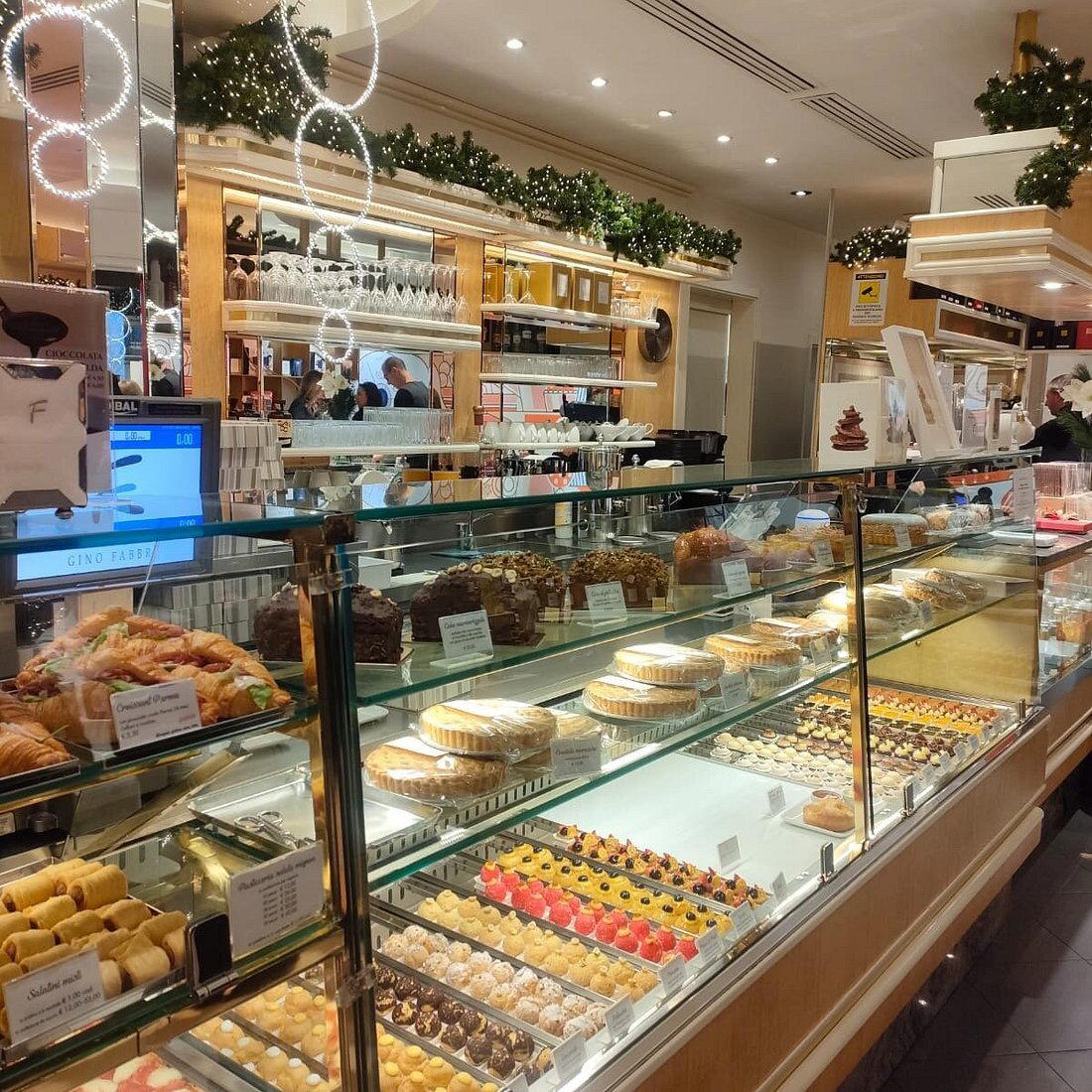
The Pasticceria as Ritual Space
Bologna takes its sugar seriously. In a city that built its reputation on cured meats, aged cheeses, and hand-rolled egg pasta, the pasticceria occupies a quieter but equally considered place in daily life. Locals do not browse a pastry counter the way tourists browse a souvenir shop. They arrive with intent, greet the person behind the glass by name, and make selections that reflect the time of day, the occasion, and decades of personal preference. Via Cadriano, running through Bologna's northern periphery beyond the centro storico, is not a street that draws foot traffic by accident. The address of Gino Fabbri Pastry la caramella places it in a working, residential quarter where the clientele arrives because they mean to, not because they happened past.
That deliberateness shapes everything about the experience. The pasticceria format in Italy carries its own etiquette, distinct from the café or restaurant. You do not linger over a menu. You observe the counter, you ask questions if you are uncertain, and you accept that the person serving you has opinions worth hearing. The pacing is unhurried but purposeful, which is the correct speed for a space built around precision work.
Where Gino Fabbri Stands in the Italian Pastry Tradition
Italy's pastry tradition divides, broadly, between the southern school — rich with almond, citrus, and ricotta — and the northern approach, which leans toward layered dough, chocolate technique, and a more restrained use of sweetness. Bologna sits at the northern edge of Emilia-Romagna, and its pasticcerie tend toward that continental sensibility: technically demanding preparations, chocolate work of genuine depth, and a preference for refinement over abundance.
Gino Fabbri is not a regional figure. He holds the title of World Pastry Champion, a credential awarded through international competition judged on technical execution, creativity, and consistency. That places la caramella in a different competitive tier from the neighbourhood pasticceria. For context, Italy produces several figures of this calibre, think of the names that appear on Italian teams at the Coupe du Monde de la Pâtisserie, and Fabbri is among the most decorated. His work has been cited in Italian food press across multiple decades, which gives the shop a depth of institutional credibility that most addresses on Via Cadriano cannot claim.
Within Bologna itself, the pastry and coffee scene ranges from historic caffè with century-old interiors, such as Coffee Patiserie Gamberini in the centro storico, to specialty coffee operators like Aroma Specialty Coffees, and wine-led bars such as Enoteca Historical Faccioli and Allegra. La caramella occupies its own lane: a production-focused pastry atelier with a retail presence, where what you buy is the direct output of championship-level technique.
The Ritual of the Counter
The Italian pasticceria counter functions differently from a restaurant table. There is no fixed menu, no tasting sequence, no sommelier to guide you through a progression. The ritual is governed by what is made that day, what season it is, and what you communicate to the person behind the glass. At a shop of this calibre, that conversation is worth having. The staff in a serious pasticceria are not order-takers; they are intermediaries between the laboratorio and the customer, and a direct question about what came out of the oven that morning will generally produce a useful answer.
Chocolate work is a common reference point for Fabbri's reputation, and Bologna's northern European trading history gives the city a genuine affinity for the ingredient. Confectionery forms, pralines, bonbons, moulded pieces, sit at the technical end of the craft, requiring temperature control and timing that separates the competition-trained from the merely proficient. Expect the counter to reflect that technical range, though specific offerings change with season and production schedule.
The address on Via Cadriano, 27/2a, puts the shop at some remove from the tourist circuits of Piazza Maggiore and the Quadrilatero market. That distance is a feature rather than an inconvenience. The clientele is local, the atmosphere is transactional in the Italian sense, warm but purposeful, and the absence of international foot traffic keeps the experience grounded in the city's actual daily rhythms rather than its performed version for visitors.
Planning Your Visit
Getting to Via Cadriano from central Bologna requires a deliberate trip, whether by car, bicycle, or the city's bus network. The shop sits in a light-industrial and residential zone north of the old city walls, which means planning your route in advance is worthwhile. There is no booking required for retail counter visits, which follow the standard Italian pattern of walk-in service.
For visitors building a full day around Bologna's food culture, la caramella fits logically into a morning or late-morning programme, pairing a pastry visit with exploration of the city's other food producers. The broader picture of Bologna's bars, cafés, and producers is covered in our full Bologna restaurants guide.
Italian pastry at this level also invites comparison with the cocktail and drinks bars that have made Italy's cities reference points for European bar culture. The technical discipline visible in a competition-trained pastry shop finds its analogue in the programme-led approach of bars like 1930 in Milan, Drink Kong in Rome, and Gucci Giardino in Florence. The same rigour that defines competition pastry drives the leading Italian bar programmes, and Bologna is well-placed for visitors interested in both. Further afield, bars like L'Antiquario in Naples, Lost & Found in Nicosia, Al Covino in Venice, and Bar Leather Apron in Honolulu represent the same tier of craft-first operations across different formats and cities.
Where It Fits
| Venue | Price | Awards |
|---|---|---|
| Gino Fabbri Pastry la caramellaThis venue — the venue you are viewing | $10–20 | Gambero Rosso Tre Torte |
| Volare | $10–20 | Top 500 Bars Best Bars #497 |
| Sentaku Izakaya | $20–30 | Top 500 Bars Best Bars #370 · Pinnacle Guide 1 Pin |
| Enoteca Historical Faccioli - Enoteca Storica Vini Naturali | $20–30 | Not listed |
| Aroma Specialty Coffees | $1–10 | Not listed |
Recognition history
Dated appearances from independent guides and award organizations, with the underlying list record or original source where available.
Gambero Rosso Tre Torte
Gambero Rosso
Continue exploring
More in Bologna
Bars in Bologna
Browse all →
Restaurants in Bologna
Browse all →
Hotels in Bologna
Browse all →

Details
- Cozy
- Elegant
- Classic
- Casual Hangout
- Standalone
- Seated Bar
- Outdoor Terrace
- Classic Cocktails
Current opening hours
- Monday
- 7 AM–7 PM
- Tuesday
- 7 AM–7 PM
- Wednesday
- 7 AM–7 PM
- Thursday
- 7 AM–7 PM
- Friday
- 7 AM–7 PM
- Saturday
- 7 AM–1 PM, 3:30–7 PM
- Sunday
- Closed
Hours can change for holidays and private events. Last verified .
Friendly and welcoming atmosphere with excellent service, ideal for enjoying pastries and coffee.