El Federal Bar
El Federal Bar occupies a corner in San Telmo that has been pouring drinks longer than most Buenos Aires bars have existed. Positioned among a generation of craft-focused Buenos Aires bars, it represents a different proposition: the traditional Argentine café-bar format, where the counter is the center of gravity and the ritual of a well-made drink carries more weight than the theater around it.
Pearl is the En Primeur Club membership app — saves, bookings, and concierge access live there. Same editors, same standards.
- Address
- Carlos Calvo 599, C1068 Cdad. Autónoma de Buenos Aires, Argentina
- Phone
- +54 11 4361 7328
- Website
- barelfederal.com.ar
- Directions
- Get directions
 Saves & bookings on Pearl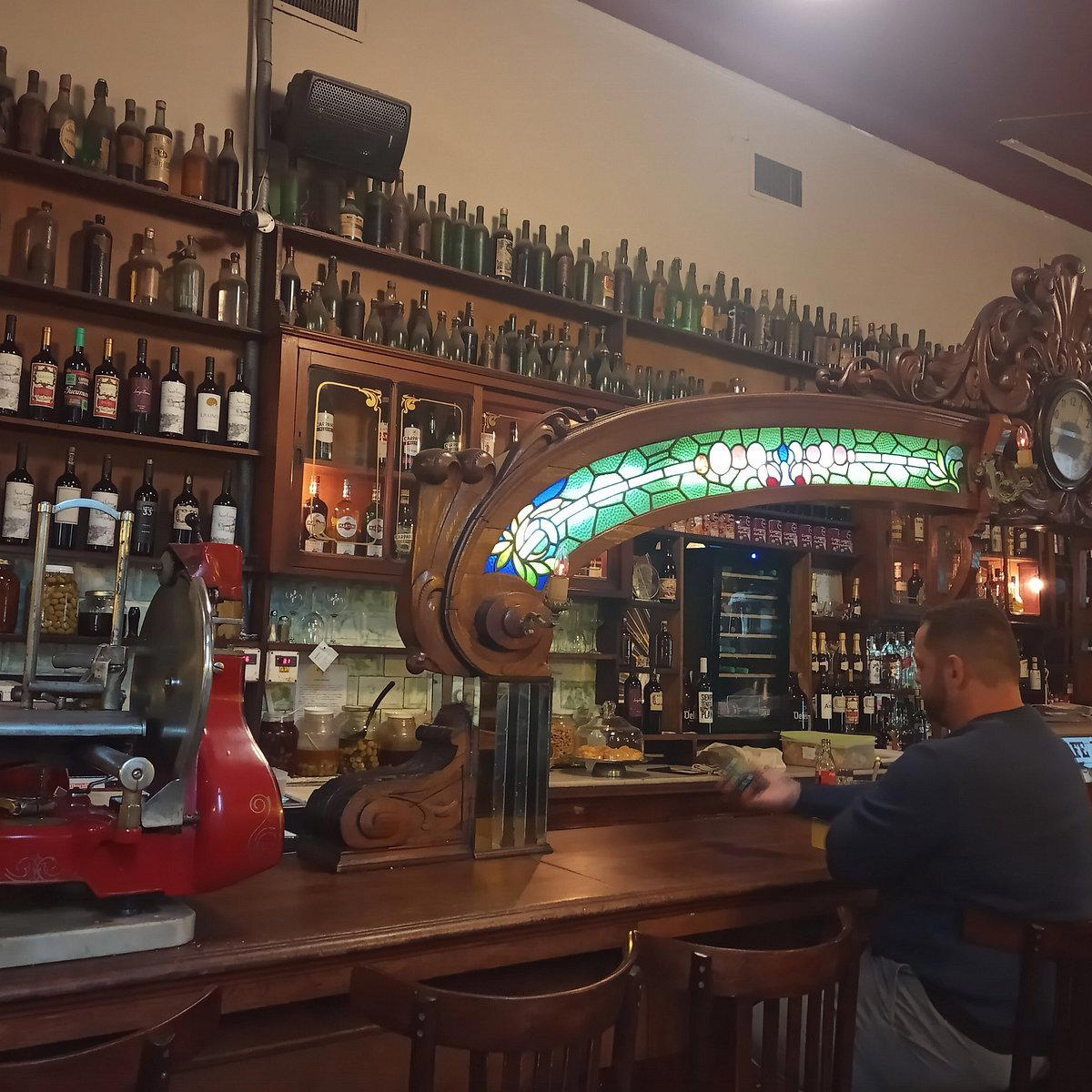
San Telmo's Corner Bar, in Context
San Telmo holds a particular place in Buenos Aires drinking culture. The barrio's cobblestone streets and nineteenth-century architecture attract a mix of porteño regulars and visitors and the neighborhood's bars reflect that dual character. Some lean hard into the antique aesthetic for effect. El Federal Bar, at the corner of Carlos Calvo and Perú, does not need to perform that way. The building itself does the work, and the bar inside has the worn surfaces and brass fittings of a place shaped by years of actual use.
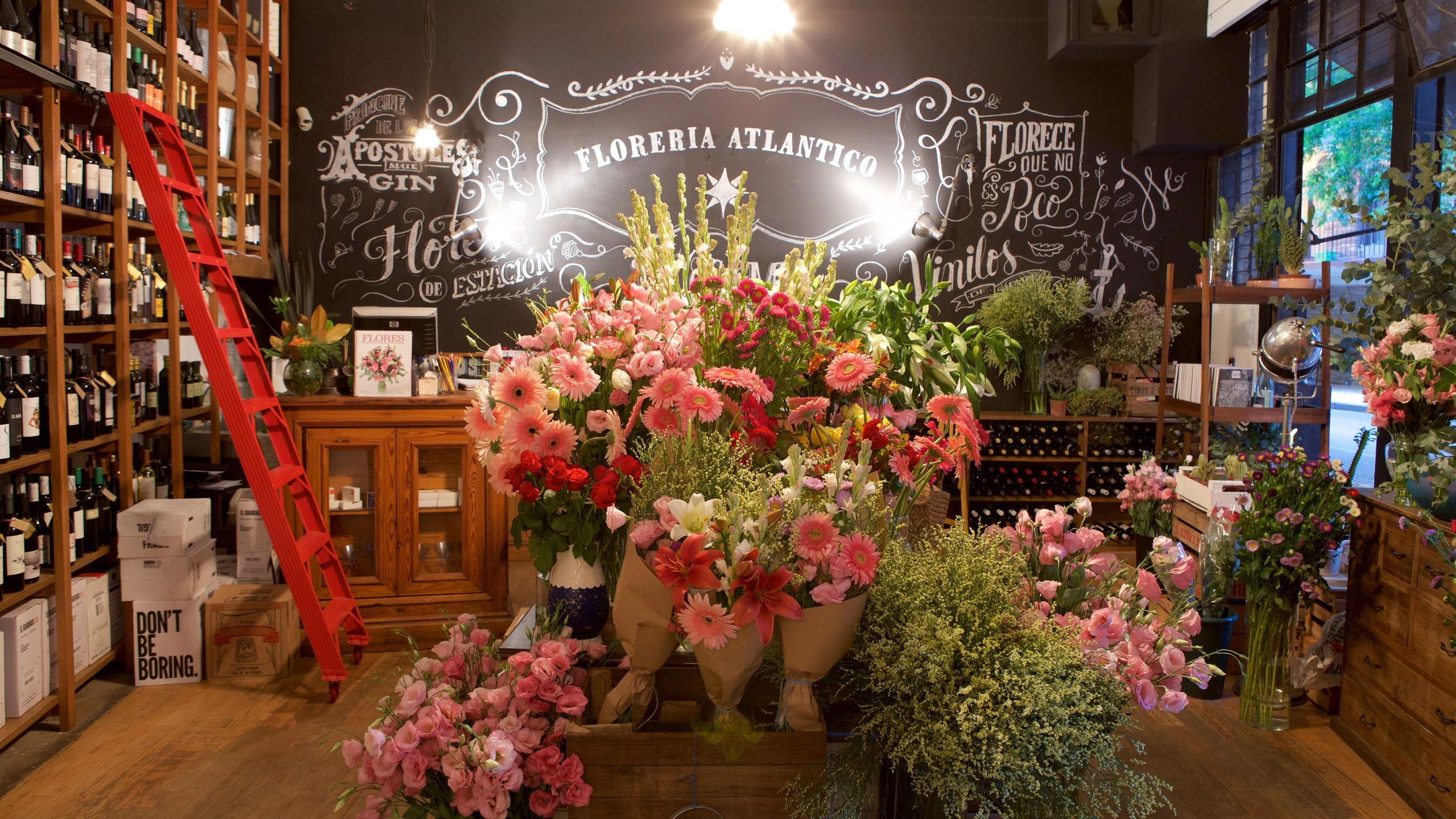
Buenos Aires has produced a generation of technically sophisticated bars over the past decade. Florería Atlantico brought Argentina into the global cocktail conversation with a program built around Latin American botanicals and a level of bar craft that earned sustained international recognition. 878 Bar established a Palermo template for the intimate, reservation-led cocktail format. CoChinChina pushed further into the design-led experiential tier. El Federal operates on a different axis entirely. The question it answers is not what contemporary cocktail culture looks like in Buenos Aires, but what the city's older bar tradition actually felt like before the current wave arrived.
The Architecture of the Counter
In the traditional Argentine café-bar format, the counter is not a staging area for drinks preparation. It is the social infrastructure of the room. Regulars arrive and take a position there with the assumption that they will be seen, acknowledged, and served without ceremony. The person behind the bar in this format is not performing a tasting menu through liquid. They are managing a room, reading the tempo of the evening, and producing drinks with the kind of efficiency that comes from repetition rather than novelty.
This distinction matters when placing El Federal against the craft bar scene that has grown around it. The editorial angle at bars like Four Seasons is the drink as a designed object. At El Federal, the drink is incidental to the larger transaction of being in a room with other people, at a bar that has been doing exactly this for generations. Both are legitimate propositions. They are not competing for the same visitor.
Internationally, the hospitality philosophy at El Federal has parallels in bars that have resisted the technical-program format without becoming purely nostalgic. Jewel of the South in New Orleans draws on a nineteenth-century bar tradition and applies genuine historical research to produce drinks that feel grounded rather than staged. Kumiko in Chicago achieves a similar effect through Japanese hospitality principles applied to an American bar format. The connective thread is not the cocktail list. It is a specific understanding of how the person behind the bar shapes the experience for everyone in the room.
What the Craft Bar Wave Changed, and What It Did Not
Argentina's bar scene has shifted considerably since the mid-2010s. The rise of craft spirits programs, locally sourced ingredients, and international competition entries moved the benchmark for serious drinking in Buenos Aires upward and outward. Bars began investing in training, in house-made syrups and tinctures, in glassware and ice programs. The Antares Mendoza in Mendoza represents the regional craft end of this spectrum, while operations like Chato's Wine Bar in Cafayate show how Argentina's wine regions have fed into a broader premium drinks culture that extends well beyond Buenos Aires.
What this wave did not displace is the neighborhood bar that functions as a social anchor rather than a destination in the conventional sense. El Federal's continued presence in San Telmo is partly a function of its address and partly a function of what it has always provided: a place that operates on its own terms, at its own pace, without needing to calibrate itself against the latest bar program in Palermo Hollywood. That resistance to recalibration is, in itself, a form of craft.
Placing El Federal in a Broader Drinking Arc
For visitors building a Buenos Aires drinking itinerary, El Federal fits into a specific slot. It is not the first stop for someone who wants to understand what contemporary Argentine bartending looks like at its most technically engaged. For that, Florería Atlantico remains the reference point. El Federal is the stop that provides the counterpoint: the older rhythm that the contemporary scene was reacting against, and which continues to operate with complete indifference to that reaction.
That pairing makes more sense than visiting either bar in isolation. The contrast between a bar that has absorbed and applied international craft influences and a bar that predates and survives that conversation illustrates something true about Buenos Aires drinking culture that neither venue communicates on its own.
Visitors coming to Buenos Aires from markets where the traditional bar format has largely been replaced by the cocktail bar model may find El Federal's approach disorienting at first. The pace is slower. The drink list does not announce itself as a curatorial statement. The bar staff are not presenting a program. This is not a failure of ambition. It is a different ambition, one that prioritizes the room and the people in it over the drink as an object of attention. Bars operating on comparable principles in other markets include Bar Leather Apron in Honolulu and Julep in Houston, both of which work within a defined hospitality tradition rather than against an open-ended technical brief.
Planning a Visit
El Federal sits at Carlos Calvo 599 in San Telmo, a short walk from Plaza Dorrego and the antique market that operates there on weekends. The barrio is most navigable on foot, and the corner location means the bar is easy to identify without prior knowledge of the area. For visitors who want to construct a longer San Telmo evening, the neighborhood offers enough within walking distance to build a full itinerary. El Federal is walk-in friendly and open daily from 8 AM to 2 AM.
For visitors building an Argentina trip that extends beyond Buenos Aires, Colomé Winery in Molinos represents the wine country counterpart to the capital's bar scene, where the drink is inseparable from the landscape producing it. The contrast with a San Telmo street-corner bar is significant, and both are worth understanding on their own terms.
Compact Comparison
Comparable venues nearby, for context on price, style, and recognition.
| Venue | Cuisine | Price | Notes |
|---|---|---|---|
| El Federal BarThis venue — the venue you are viewing | San Telmo, pub | $$ | Not listed |
| Bar Seddon | Not listed | $$ | Montserrat, cocktail_bar |
| Café San Bernardo | Not listed | $ | Villa Crespo, dive_bar |
| Verne Club | Not listed | $$ | Once, cocktail_bar |
| Trade Sky Bar | Not listed | $$$ | Torre de Los Ingleses, rooftop_bar |
| Vico | Not listed | $$$ | Villa Crespo, wine_bar |
Continue exploring
More in Buenos Aires
Bars in Buenos Aires
Browse all →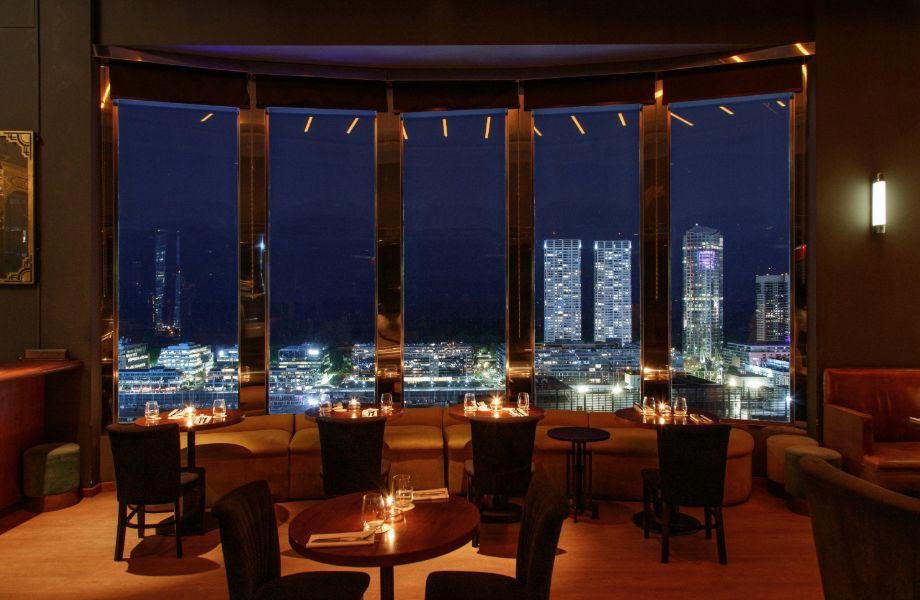
Restaurants in Buenos Aires
Browse all →
Hotels in Buenos Aires
Browse all →
Wineries in Buenos Aires
Browse all →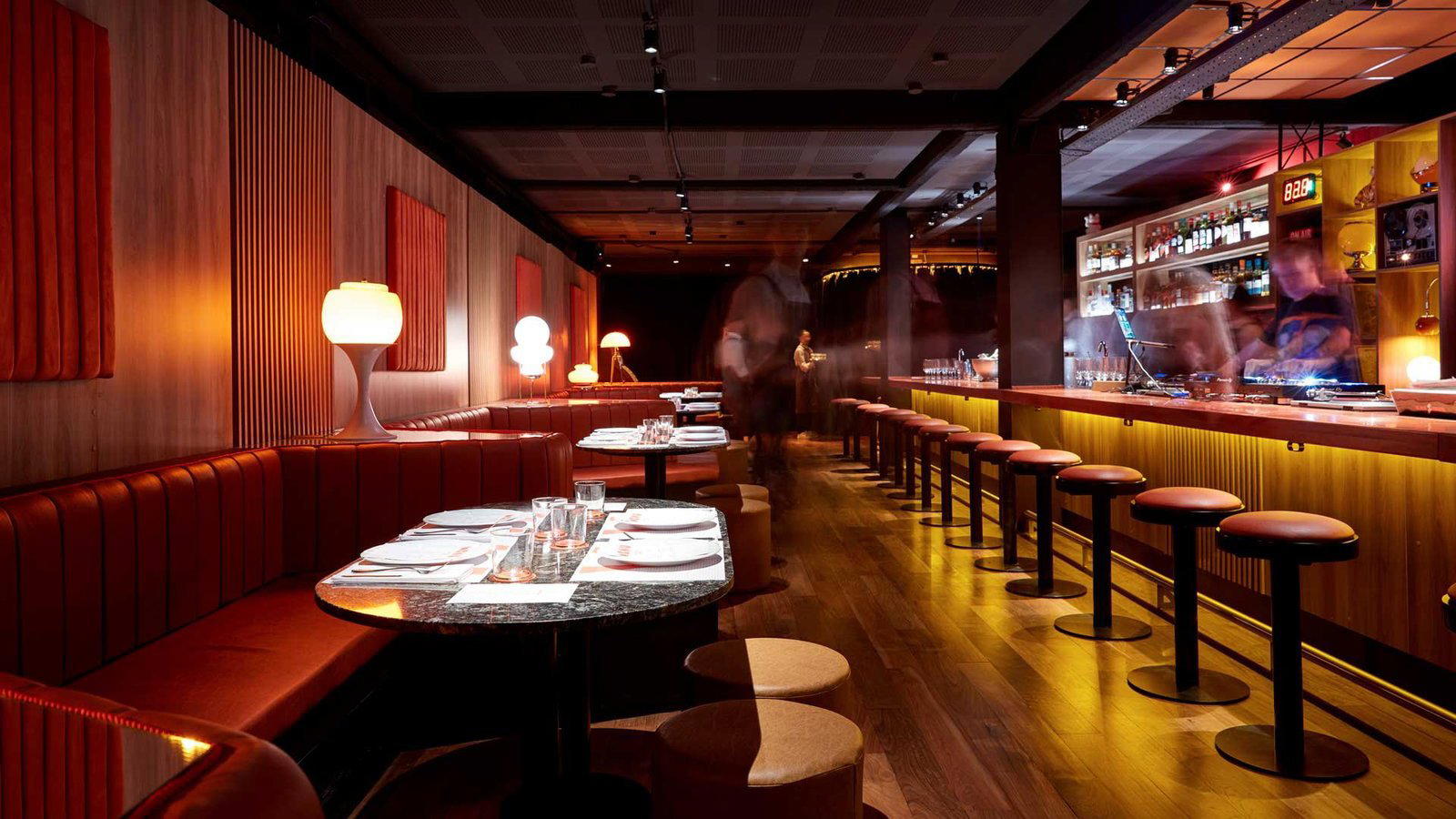
At a Glance
- Classic
- Rustic
- Well Known
- Bohemian
- Cozy
- Casual Hangout
- After Work
- Solo
- Group Outing
- Historic Building
- Standalone
- Seated Bar
- Lounge Seating
- Outdoor Terrace
- Classic Cocktails
- Craft Beer
- Street Scene
Current opening hours
- Monday
- 8 AM–2 AM
- Tuesday
- 8 AM–2 AM
- Wednesday
- 8 AM–2 AM
- Thursday
- 8 AM–2 AM
- Friday
- 8 AM–2 AM
- Saturday
- 8 AM–2 AM
- Sunday
- 8 AM–2 AM
Hours can change for holidays and private events. Last verified .
High ceilings, tiled floors, old wooden bar with stained glass vitraux, antique furnishings, vintage advertisements and photographs creating an early 1900s Buenos Aires atmosphere with soft milonga music.