Doppelganger Bar
Doppelganger Bar occupies a corner of Buenos Aires's San Telmo neighbourhood where the city's craft cocktail culture meets a serious food programme. The bar has built a following among those who treat drinking and eating as a single, continuous act rather than separate decisions.

Pearl is the En Primeur Club membership app — saves, bookings, and concierge access live there. Same editors, same standards.
- Address
- Av. Juan de Garay 500, C1114 Cdad. Autónoma de Buenos Aires, Argentina
- Phone
- +54 11 4300 0201
- Hours
- Mon ClosedTue–Thu 7 PM–1 AMFri–Sat 7 PM–3:30 AMSun Closed
- Website
- doppelganger.com.ar
- Directions
- Get directions
- Booking
- Book on the venue's website
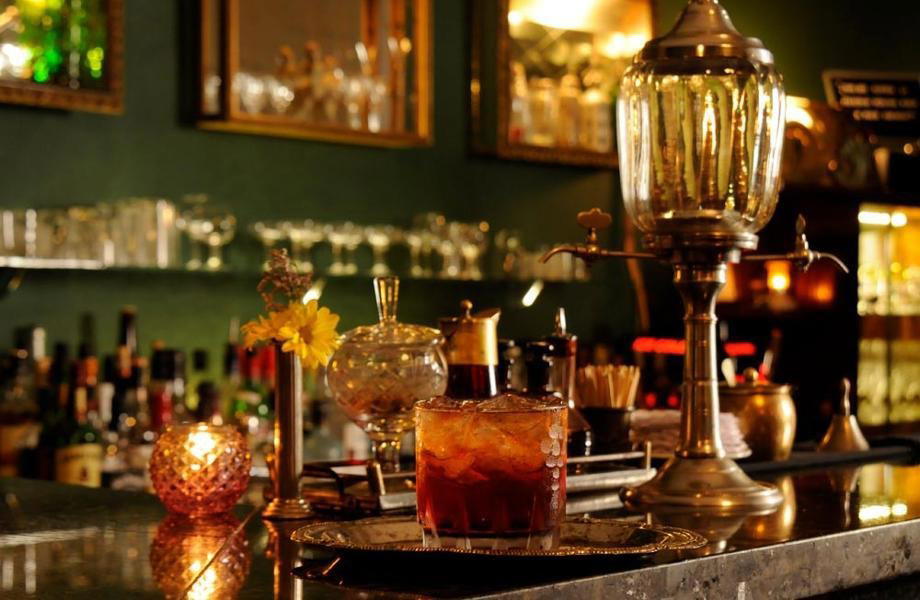
Where San Telmo's After-Dark Seriousness Takes Hold
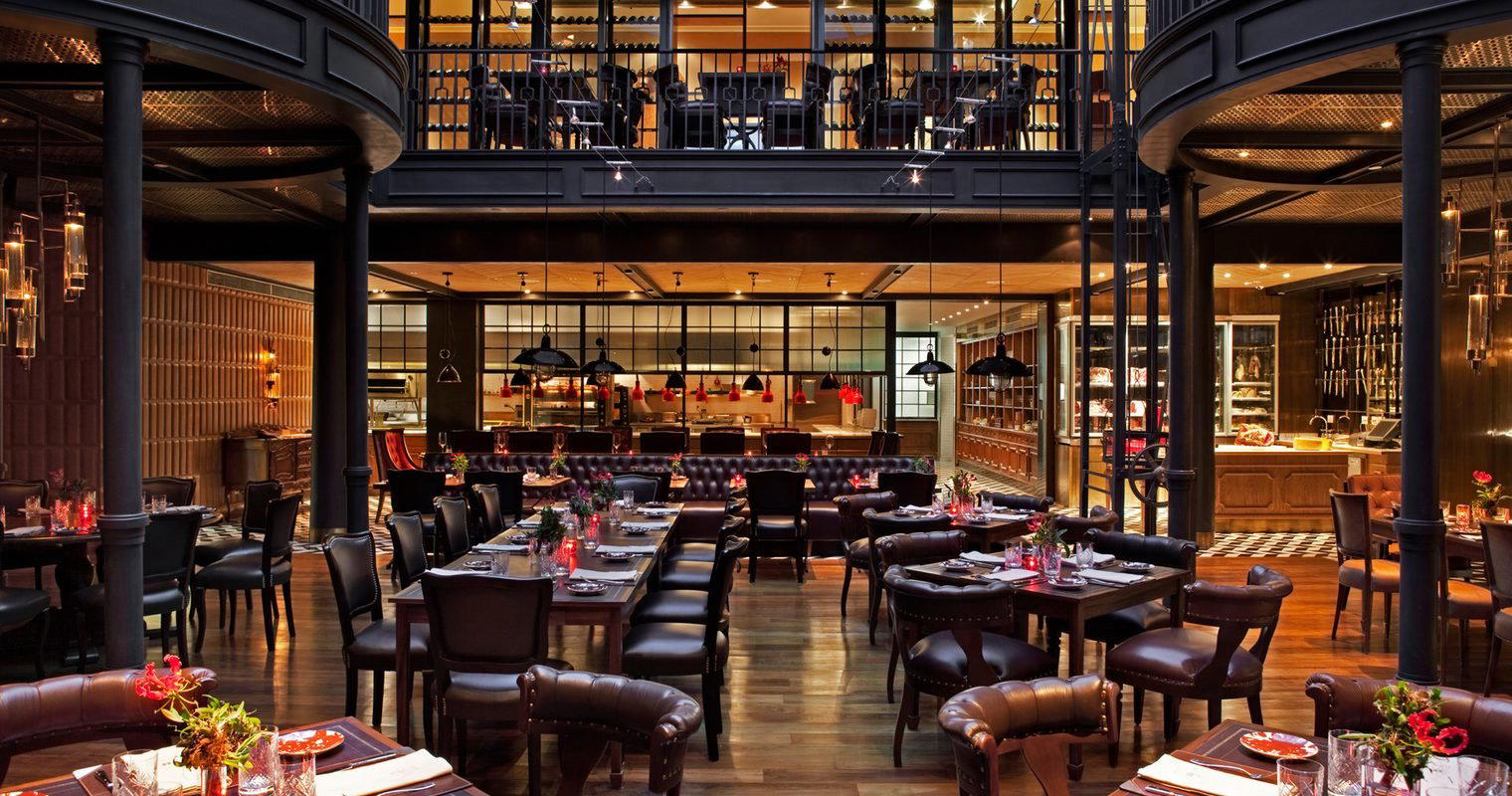
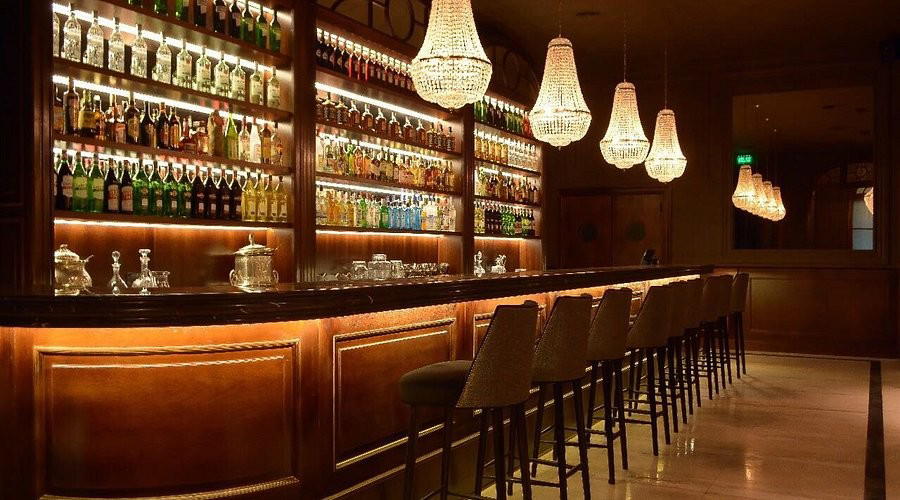
San Telmo arrives at night with a particular kind of pressure. The cobblestones on Av. Juan de Garay carry foot traffic from tango halls, antique markets winding down, and a younger crowd moving toward bars that ask something of them. Doppelganger Bar sits at number 500 on that avenue, at a corner where the neighbourhood shifts from cultural monument to lived city. The interior reads as deliberately constructed rather than accidentally atmospheric: the kind of space where the lighting has been calibrated to make you stay longer without quite noticing why. What distinguishes the room from many of Buenos Aires's cocktail venues is that the back bar and the kitchen occupy roughly equal visual authority. Neither is theatrical set-dressing for the other.
The Buenos Aires Bar Scene and Where Doppelganger Fits
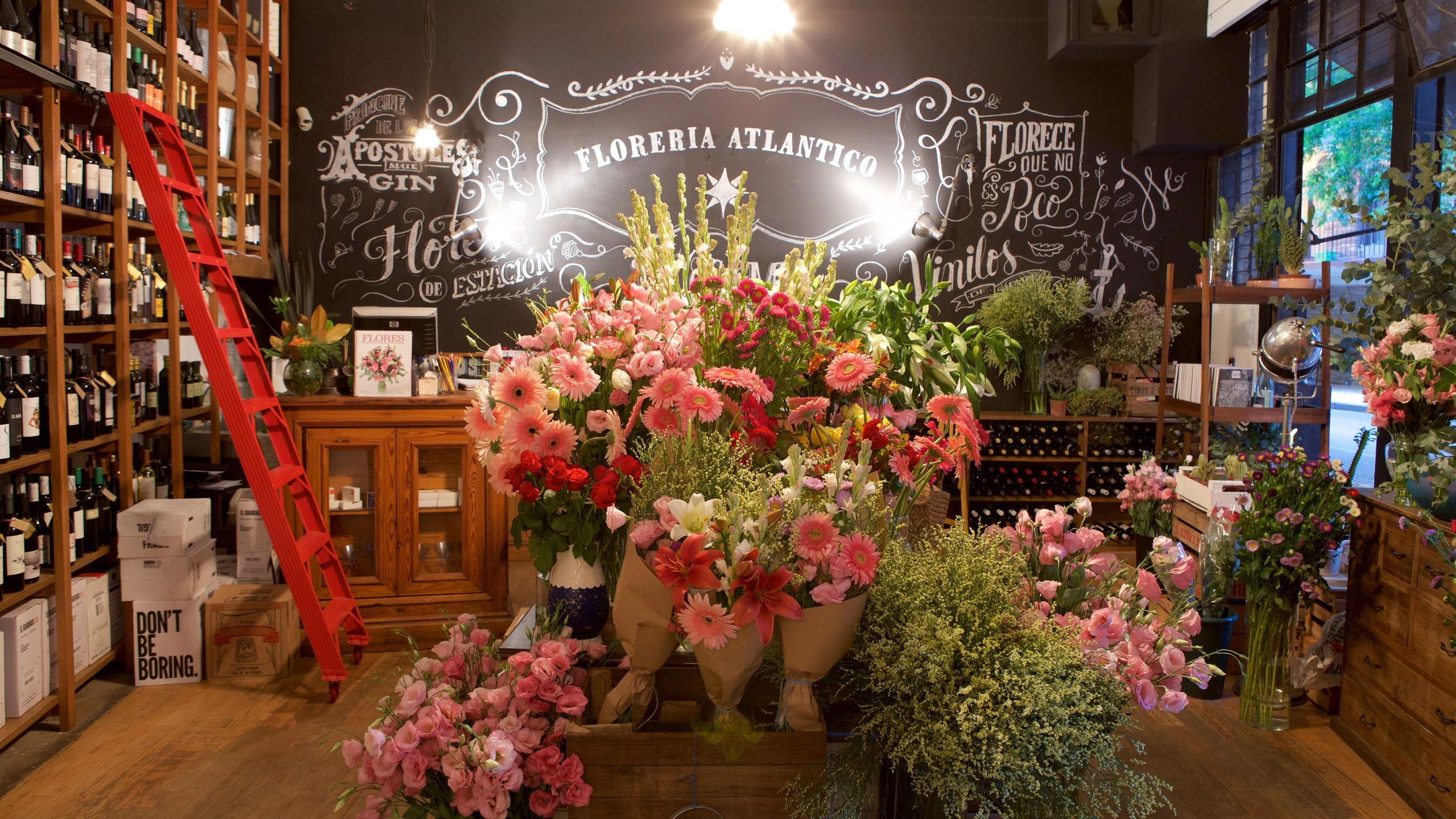
Buenos Aires has been running two parallel tracks in its bar culture for roughly a decade. One track is the neighbourhood pulpería-style bar, long on beer and short on ambition. The other is the technically focused cocktail programme, which accelerated after venues like Florería Atlantico demonstrated that Buenos Aires could compete on the global stage. Florería's consistent placement on the World's 50 Best Bars list pulled international attention to the city and raised the floor for what serious cocktail bars were expected to deliver. Doppelganger operates in the tier below that headline recognition but within the same technical conversation. It attracts a crowd that has already graduated from novelty to preference, people who arrive with a point of view rather than just curiosity.
Within the Buenos Aires bar circuit, the comparison set is instructive. 878 Bar, a Palermo address with a longer track record, built its reputation on the kind of low-key competence that doesn't need announcing. CoChinChina brings a different register, leaning into Southeast Asian flavour references that give it a distinct identity. Doppelganger's positioning is different again: the food and drink programme is treated as genuinely integrated, which places it in a smaller sub-category of Buenos Aires bars where the kitchen is a peer of the bar team, not its support act.
Food and Drink as a Single Programme
The defining editorial question about any bar that takes food seriously is whether the kitchen adds real weight to the evening or simply absorbs the obligatory order of something to eat. At Doppelganger, the evidence from the bar's sustained following points toward the former. San Telmo is a neighbourhood with genuine restaurant density, meaning that a bar food programme here competes with full dining rooms, not just the absence of alternatives. The fact that guests arrive specifically for the food-and-drink combination, rather than defaulting to it, suggests the kitchen has earned its standing.
The broader pattern in cities where cocktail bars have matured is that the food programme becomes a differentiator precisely because the drinks have reached parity. When technique is sufficiently widespread, the bar that also feeds you well moves into a different competitive bracket. Buenos Aires is at that inflection point now, and Doppelganger is among the venues navigating it most deliberately. The pairing logic, where a cocktail's acidity or bitterness is designed to work with specific food textures and fat levels, is the kind of thinking that separates a curated programme from a menu that simply exists. Internationally, bars like Jewel of the South in New Orleans and Kumiko in Chicago have made this integration their primary identity; Doppelganger belongs to the same instinct applied to a Buenos Aires context.
Reaching the Bar and Planning Your Visit
Av. Juan de Garay 500 sits at the southern end of San Telmo, close enough to the Plaza Dorrego axis that it draws from both the tourist-dense historic core and the quieter residential blocks to the south. The location gives it a dual audience: travellers who have already worked through the neighbourhood's more obvious stops, and locals who treat it as a standing commitment. For visitors building a Buenos Aires bar evening, the geography supports a sequence that might begin further north in Palermo, perhaps at Four Seasons or a Palermo bar, and move south into San Telmo as the night develops. That trajectory is one the city's bar crowd knows well.
For those planning around Argentina's wine and spirits culture more broadly, the country's bar scene extends well beyond Buenos Aires. Antares Mendoza in Mendoza operates in the country's primary wine-producing region, and Chato's Wine Bar in Cafayate connects directly to the high-altitude torrontés and malbec producers of Salta province. Colomé Winery in Molinos adds a further altitude dimension for those moving through the northwest. The Buenos Aires bar programme at Doppelganger fits within that wider Argentine drinks culture rather than existing in isolation from it. Our full Buenos Aires restaurants guide maps the city's broader food and drink picture for anyone building a longer itinerary.
Booking information, current hours, and any reservation requirements are best confirmed directly with the venue, as these details shift across seasons. San Telmo bars tend to run later than their Palermo counterparts, and Doppelganger's position in a neighbourhood that picks up pace after 10pm means that arriving earlier in the evening often means a more deliberate, seated experience, while later arrivals encounter a different social density. Either register is intentional; the question is which one suits the night you have in mind.
For comparative reference beyond Buenos Aires, the technical bar culture Doppelganger participates in has direct counterparts in cities like Honolulu, where Bar Leather Apron applies similar programme discipline, and Houston, where Julep has built a specific identity around Southern spirits and thoughtful food pairings. The through-line is bars that have decided the drinks list alone is insufficient as a complete proposition.
Comparable Options
A small set of peers for context, based on recorded venue fields.
| Venue | Price | Awards |
|---|---|---|
| Doppelganger BarThis venue — the venue you are viewing | $20–30 | Not listed |
| 878 Bar | $20–30 | World's 50 Best #25 · Star Wine List |
| CoChinChina | $30–50 | World's 50 Best #26 · Top 500 Bars Best Bars #23 |
| Florería Atlantico | $30–50 | World's 50 Best #90 · Star Wine List |
| Four Seasons | $30–50 | World's 50 Best #22 |
| Frank's | $30–50 | World's 50 Best #36 |
Continue exploring
More in Buenos Aires
Bars in Buenos Aires
Browse all →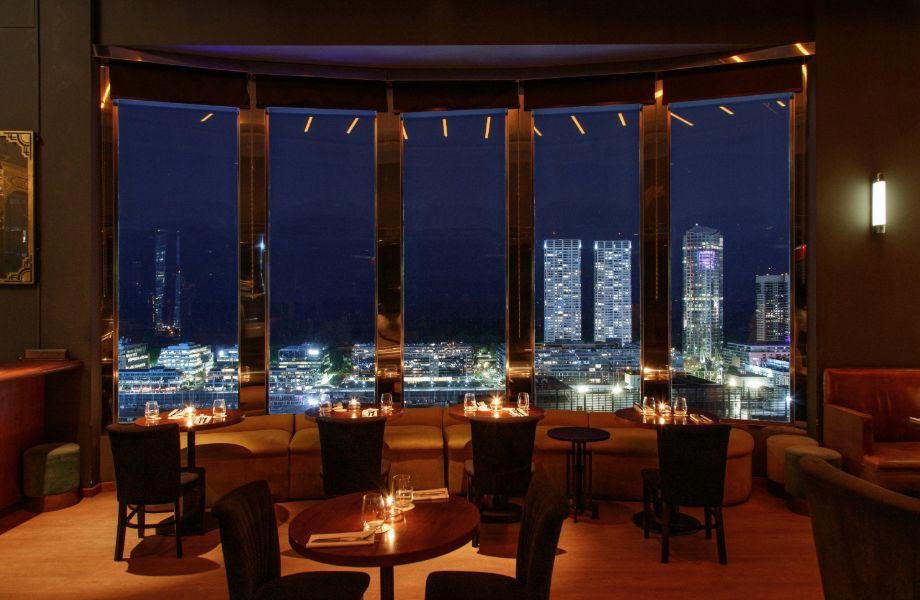
Restaurants in Buenos Aires
Browse all →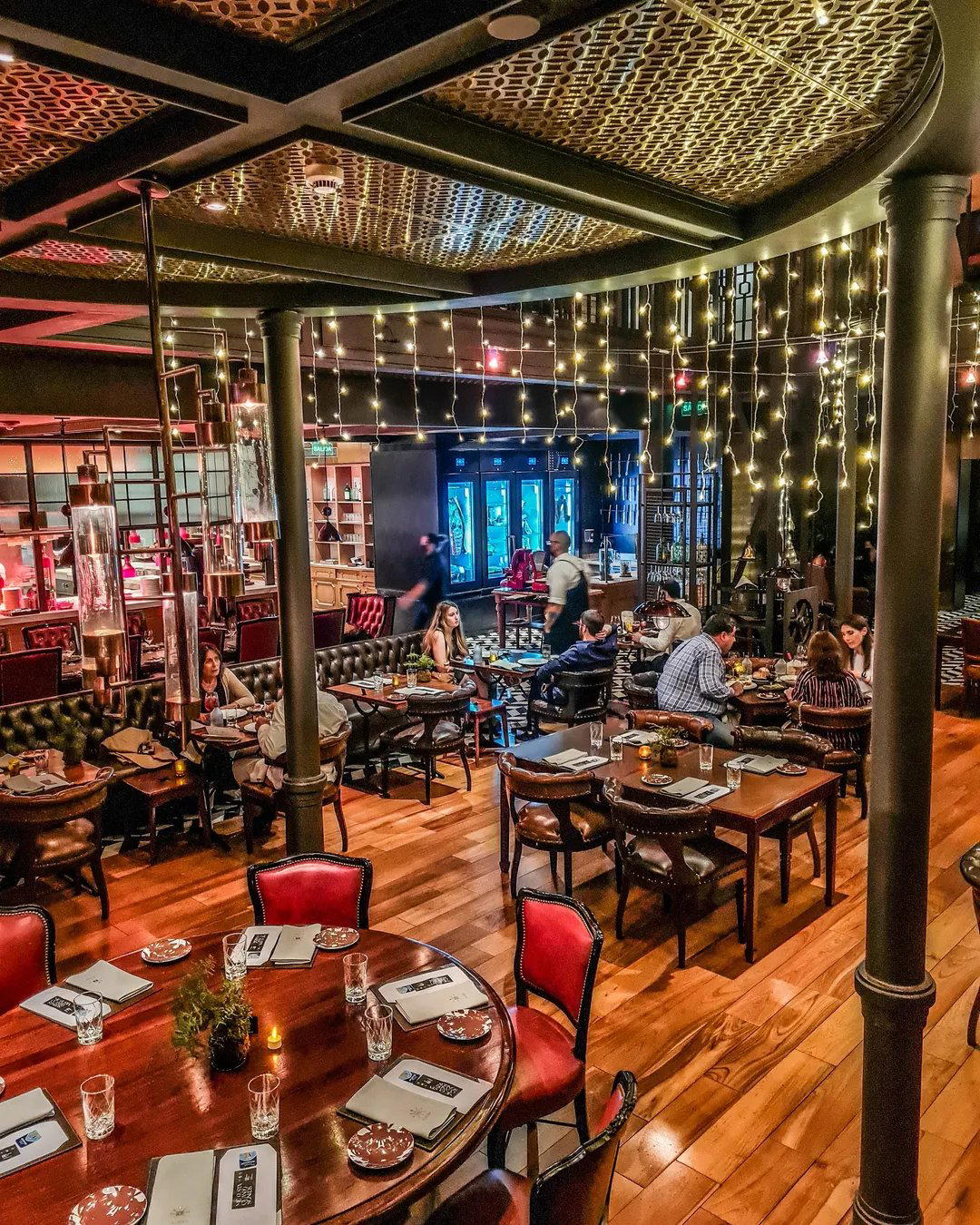
Hotels in Buenos Aires
Browse all →
Wineries in Buenos Aires
Browse all →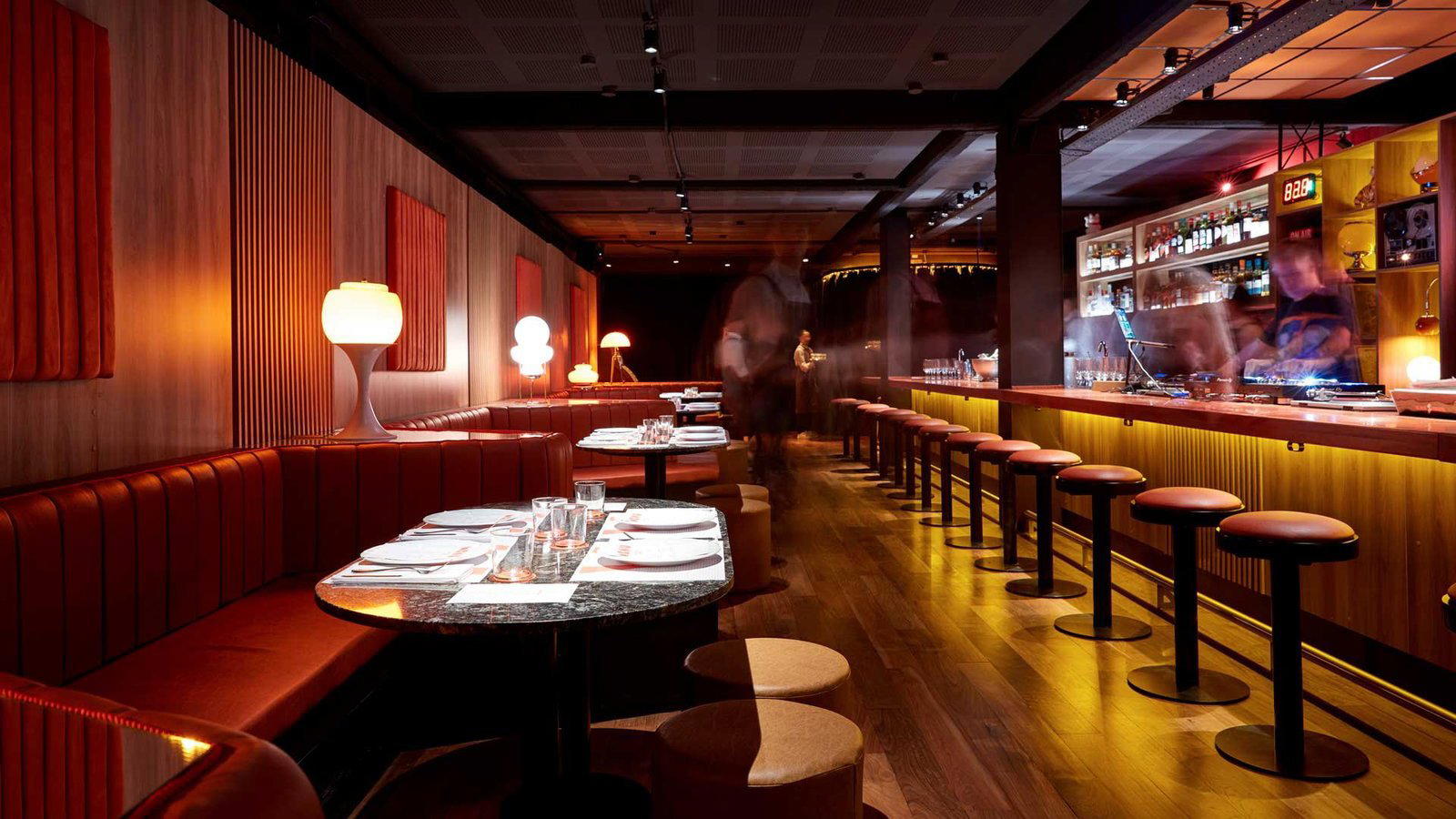
Doppelganger Bar
The drinks
- Craft cocktails
- Classic cocktails
Signature drinks: Di Cardinale.
Details
- Intimate
- Trendy
- Date Night
- After Work
- Late Night
- Standalone
- Seated Bar
- Classic Cocktails
- Craft Cocktails
Current opening hours
- Monday
- Closed
- Tuesday
- 7 PM–1 AM
- Wednesday
- 7 PM–1 AM
- Thursday
- 7 PM–1 AM
- Friday
- 7 PM–3:30 AM
- Saturday
- 7 PM–3:30 AM
- Sunday
- Closed
Hours can change for holidays and private events. Last verified .
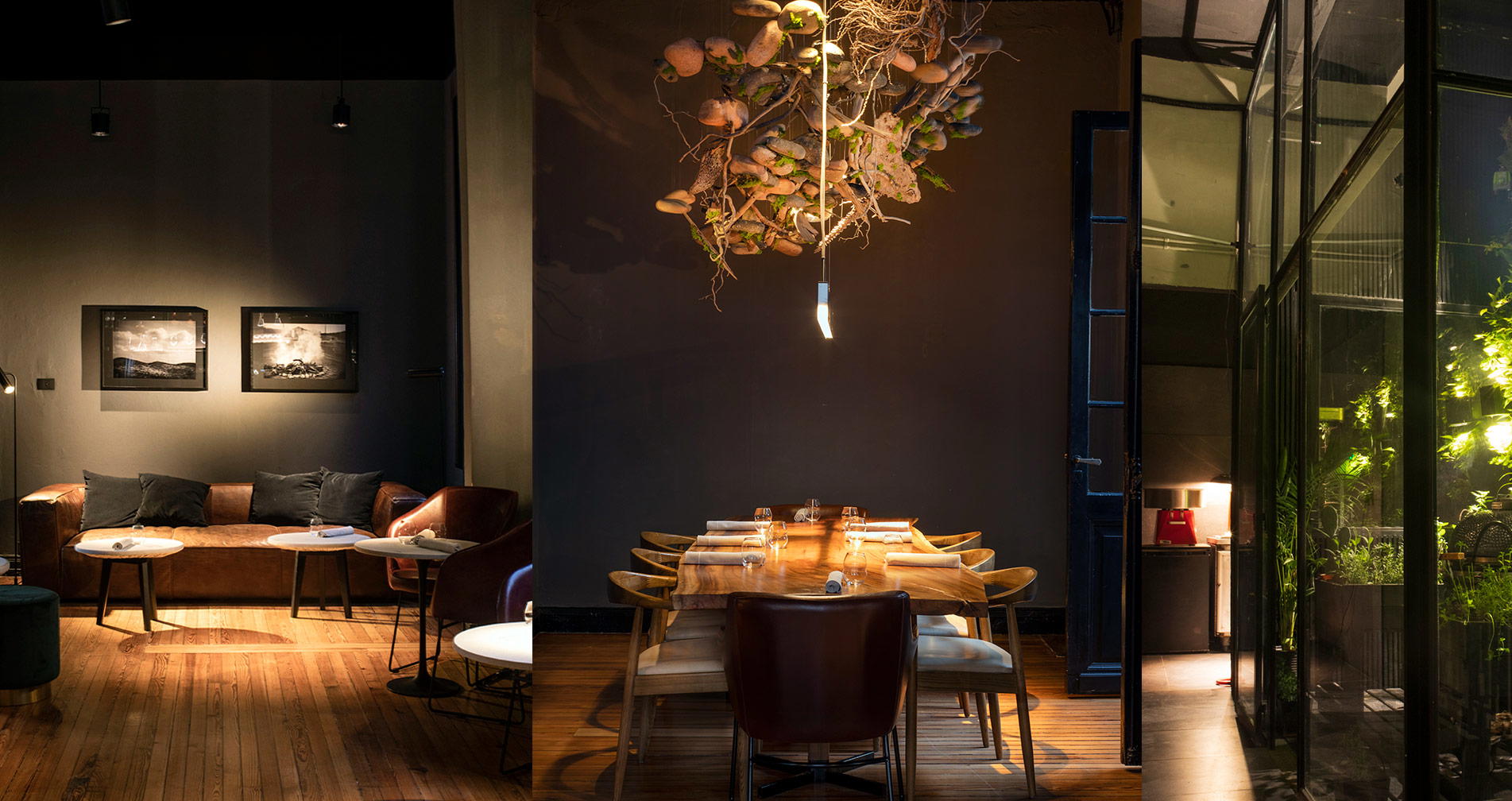
Dimly lit with a hipster vibe inspired by 1920s-1930s Paris, Berlin, and New York, featuring dark interiors and American rock music.